The trek in the Indian Himalayas - whether it's across the vast tranquil valleys in Ladakh or along the forested, rocky slopes of Uttarakhand--offer amazing benefits. However, altitude comes with risks which should not be brushed aside. One of them is altitude sickness is the most significant and feared risk.
TrekUp India the TrekUp India we adhere to the unbreakable mountain rule which is followed by guides all over the globe:
"When in doubt, descend."
Hydration, medications and rest all play supporting roles, but it is the only most efficient and fastest treatment for any altitude-related disease that includes Acute Mountain Sickness (AMS), High Altitude Pulmonary Edema (HAPE), and High Altitude Cerebral Edema (HACE).
What Is Altitude Sickness?
The condition is caused by the body's ability to adapt enough to the lower oxygen levels at higher altitudes. The symptoms usually begin above the 2,500 m (8,200 feet), though individual tolerance to altitude varies.
The severity of altitude-related illness varies across the spectrum of mild discomfort up to life-threatening situations.
Common Symptoms of Acute Mountain Sickness (AMS)
Early warning signs can be invisible and easy to miss:
- Chronic headache
- Nausea, vomiting or loss of appetite
- Unusual weakness or fatigue
- Lightheadedness or dizziness
- Poor sleep quality
- A shortness of breath, even when at the moment of
These signs are your body's early warning system Not something you need to "push across".
Danger Signs: HAPE & HACE (Medical Emergencies)
Severe altitude illness can escalate rapidly.
HAPE (Lungs):
- Breathlessness while at rest
- Persistent cough, usually with the appearance of sputum with froth.
- Chest tightness
- Extreme fatigue
HACE (Brain):
- Confusing or disorienting
- Loss of coordination or a staggering walking
- Hallucinations
- A severe headache that is not relieved by rest
These situations can be immediate risky and require immediate evacuation.
Why Descent Works Better Than Anything Else
The reason for altitude sickness is low levels in oxygen. The higher you climb the more thin the air, and the more difficult your body has to be able to handle.
Descending:
- Improves the availability of oxygen immediately
- Reduces strain on the lungs as well as the brain
- Stabilizes the body naturally
There is no medication that works faster or more consistently than getting lower.
How Much Descent Is Enough?
When the symptoms are identified at an early stage, the symptoms are emitted to:
300-500 meters (1,000-1,600 feet)can produce an immediate improvement in the space of a few hours..
If you wait too long, it can transform something manageable into an evacuation emergency.
TrekUp India's Altitude Illness Protocol (Trail Reality)
Our trek leaders adhere to a strict set of unalterable guidelines:
1. Recognise Symptoms Early
If symptoms of AMS persist even after the hydration and rest for a few hours the symptoms are taken very seriously.
2. Never Ascend With Symptoms
A person who is suffering from AMS is not allowed to climb further altitude. The only option is to hold altitude, or descend. option that is safe.
3. Act Immediately for Severe Symptoms
Any indication of HAPE or HACE will trigger an immediate drop without discussion, and no delays.
4. Use Medical Support During Descent
Oxygen supplementation, Diamox (acetazolamide) as well as Dexamethasone can be utilized only under the supervision of a professional. Medication supports descent--it never replaces it.
5. Never Descend Alone
A trekker who is sick is always supported by a professional guide or a team member. A solo descent is risky and unacceptable.
Preventing the Need for Emergency Descent
While descent saves lives, prevention reduces risk:
- Ascend slowly and observe the days of acclimatization
- Eat enough water and drink often
- Beware of smoking and drinking at high altitudes
- Do not sleep if you can.
- Be aware of body signals in the early stages -- headaches and fatigue aren't "normal"
Mountain Reality: Toughing It Out Can Kill
Many trekkers are reluctant to descend due to:
- Summit pressure
- The fear that of "wasting time on the trek"
- Group expectations
In TrekUp India, we've seen rapid descents that save lives--sometimes in just a few minutes. It's not worth it. summit view, view or trip should be risked for an injury that could last forever or even death.
Mountains will always be around. Your health might not be.
Conclusion
The illness of altitude does not require courage, it requires the wisdom and humour. While rest, hydration and medications can help, descent remains the fastest, most secure and most reliable treatment for altitude sickness.
We at TrekUp India, we emphasise this in a clear manner:If symptoms occur, act early, immediately descend, and notify your trek leader promptly. A step down isn't a failure, it's an excellent mountain judgment.
In the Himalayas Survival is the key to survival before the summits. Always.
About the Author: Trekking Expertise You Can Trust
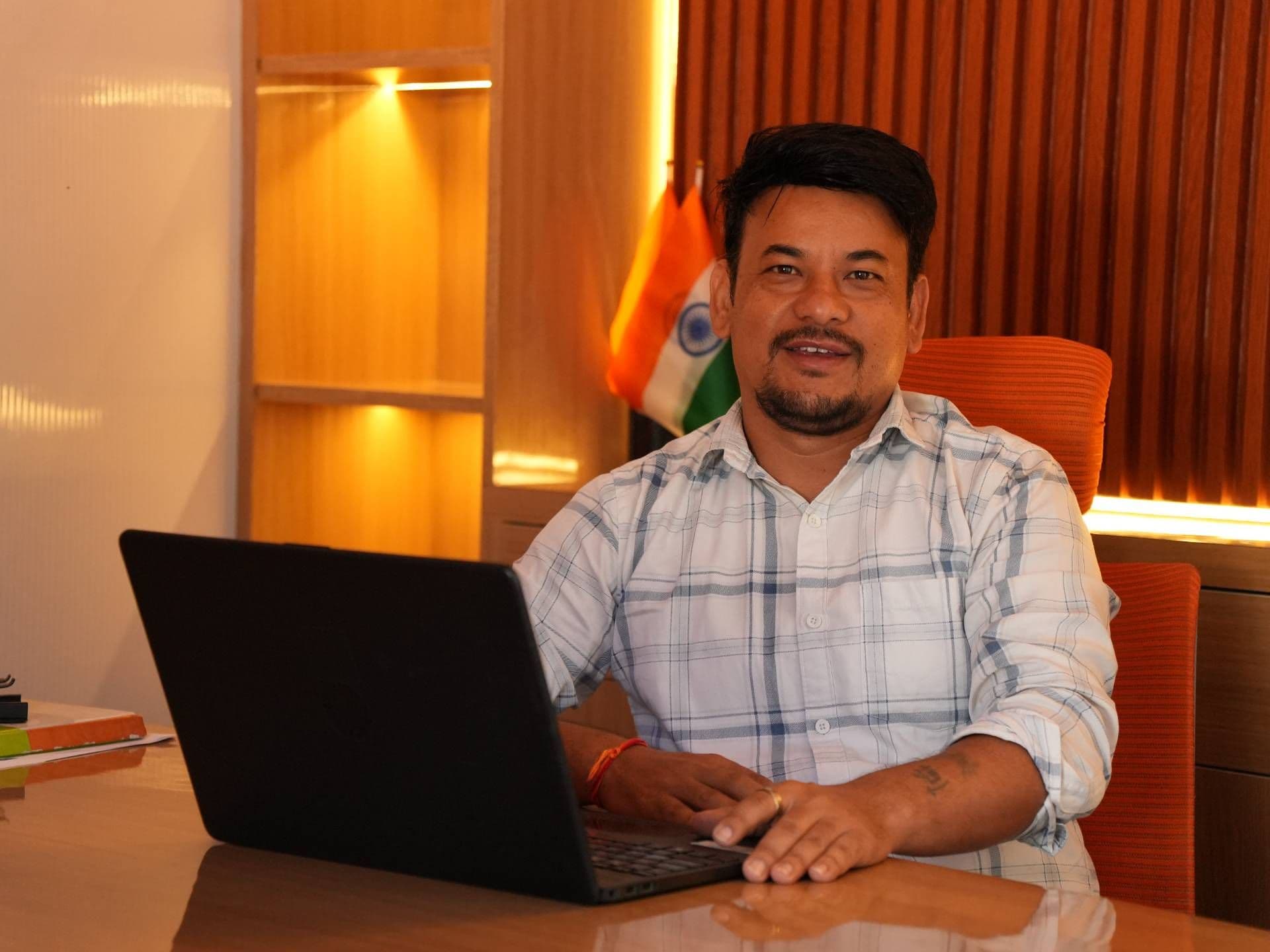
Operations Manager
Nanda Rawat holds a Master’s degree in Tourism & Hospitality and brings over 16 years of experience in adventure and leisure travel. He has led multiple Himalayan expeditions, contributed to ATOAI, and is trained in first aid by the Indian Mountaineering Foundation. A strong supporter of sustainable and ethical tourism, he plays a key role at Trekup India. Write to him at: nanda@trekupindia.com