
Prev
1 / 9
Next
 Trek Guide
By Nanda Rawat|Jan 22, 2026
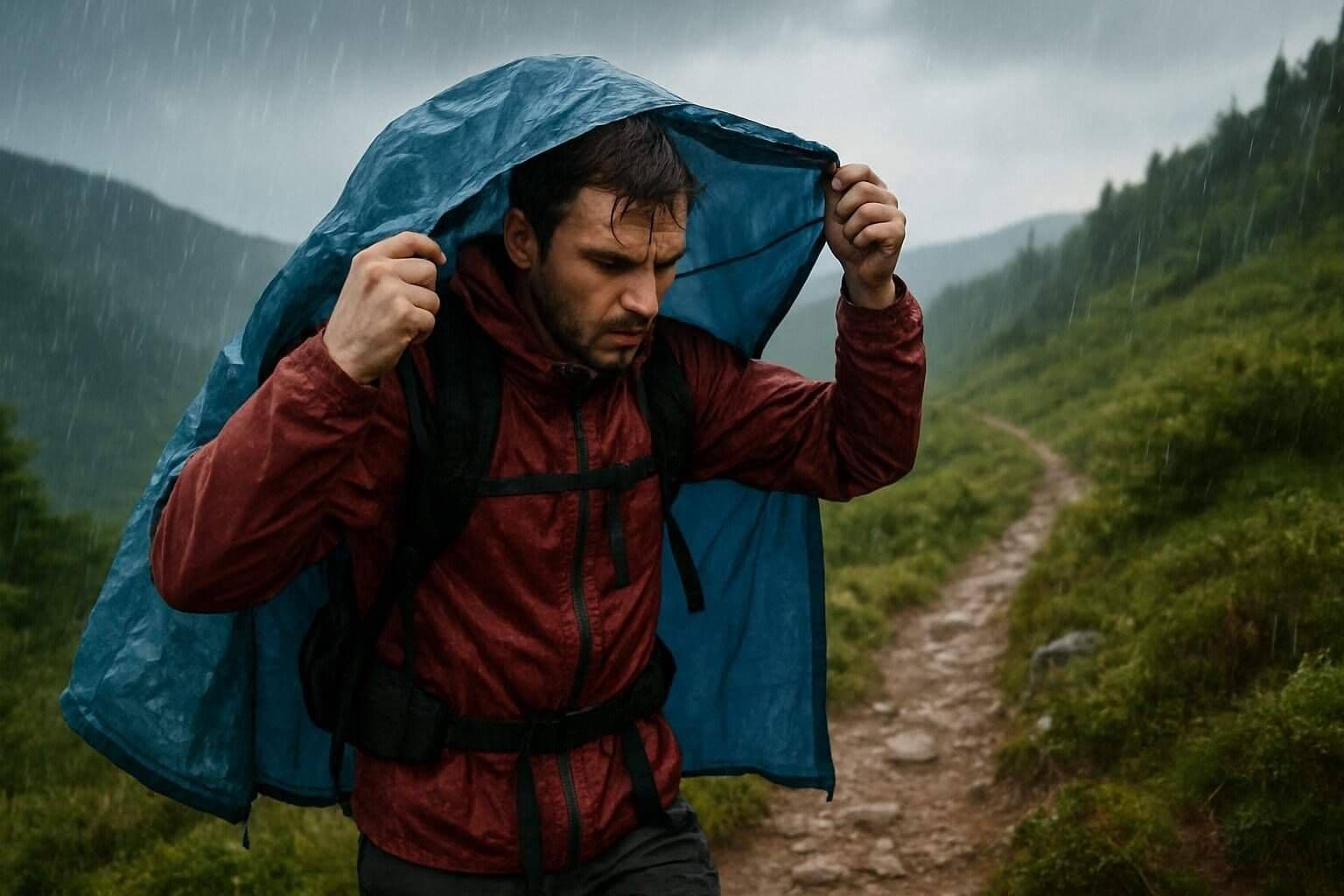
Rain Trek Adjustments: Safety Tips for Sudden Downpours While TrekkingIf you trek for long enough in India, whether within the Himalayas, or in the Western Ghats, you will eventually traverse under blue skies that will turn gray without warning. In one moment, you're enjoying the steady beat on the trail then the next, you begin to feel the first cold drops on your shoulders. In the mountains, rain seldom requires permission. In trekUp India we've watched this play out numerous times. The trekkers who deal with rain the best aren't necessarily those who wear the most luxurious equipment, but the ones who respond calmly, adapt quickly, and continue to move efficiently. A sudden downpour doesn't need to ruin your trek if you're prepared. This is a practical, tried-and-true guide to handle unexpected rain in a safe and comfortable manner. The most frequent mistake made by trekkers is putting rain gear too deep in the backpack. When you get to the end of your hike to unpack and look for it, you're already soaked. Human Truth:That 30-second delay is often the deciding factor in whether your day is damp or totally miserable. When rain starts to fall be sure to protect your backpack. Even light rain can seep in quickly. Extra safety tip:Line the interior the backpack using either a dry or garbage bag. This is a great way to save the sleeping bag, extra clothing, and electronic devices when rain makes its way into. Wet trails can change everything under your feet. On certain Western Ghats monsoon treks, experienced trek leaders may even recommend open trekking sandals with good grip for stream crossings--counter-intuitive, but far safer than waterlogged boots. Rain is a method to locate electronic gadgets. Store them items in sealed ziplock bags, dry pouches: Many experienced trekkers add silica gel bags inside electronic pouches that help absorb moisture. A small thing, huge reward. A combination of wind, rain and altitude can cause body temperature to drop rapidly, even in summer. Layer carefully: In TrekUp India, we insist on a single principal:Always have at minimum a completely dry set of clothing that is sealed and unworn regardless of the time of year. Regular trails are transformed by rain into slippery zones. The majority of rain-related injuries don't occur due to extreme weather conditions, they occur when trekkers attempt to keep their normal pace. Sometimes the rain pours down fast enough that advancing isn't a good idea. If you're caught in a severe downpour: Afraid of rainy days is typically the best choice that isn't a failure. After the rain has stopped: Rain alters the trail. Consider it as a new section, not as a continuation of the previous. Rain during an trek can test your patience in preparation, mental strength, and even the mind. But it also shows that the mountain in completely different way. Mist sweeping through the pine forests, waterfalls appearing to be alive and the gentle hum of rain falling on leaves are all experiences that you won't easily forget. At TrekUp India We are of the belief that rain shouldn't diminish your enthusiasm, but increase your awareness. By making calm adjustments, sensible gear selection, and a keen eye for the unpredictable conditions, trekking in sudden rain can be not only feasible, but also deeply memorable. The mountains are where adaption is the key to survival. It's often the place where the most memorable stories start. Trek Guide
By Preetam Singh Rawat|Jan 22, 2026
Respecting Local Culture While Trekking in India | Responsible Trekking GuideA major and rewarding aspect of trekking across India--whether it's through isolated villages of Himachal Pradesh, the high-altitude settlements of Ladakh or the vast valleys of Uttarakhand -- is getting to know those living in these mountain ranges. their home. Their warm, traditional and stories enrich each trekking journey, and offer perspectives that go beyond the trail itself. We at TrekUp India We believe that responsible trekking extends beyond physical endurance and appreciation of the scenery. Respectful interactions in local community is crucial for the preservation of culture, establishing trust and ensuring that the tourism industry enhances rather than hinders the quality of life in the mountains. The mountain villages are not tourist destinations. They are real communities with deep-rooted customs and scarce resources. The impressions left by trekkers influence how the locals see tourists, now and in the near future. Respecting the culture: A thoughtful approach changes trekking from a casual excursion into a meaningful exchange. Before you arrive, make sure to learn: The ability to learn a few words of the local language, like greetings or words of thanks can instantly create warmth and a sense of connection. Many communities in the mountains prefer modest clothes. A proper attire demonstrates respect for culture and cultural awareness. Always seek consent before photographing individuals--especially elders and children. The ability to respect boundaries helps build confidence and helps avoid discomfort. When you enter homes, temples or monasteries: The public display of affection could be banned in certain regions. Observe and change in line with the situation. One of the most effective methods to help others is through helping local communities to live their lives. Responsible spending helps sustain mountain communities. Show more than greetings by displaying genuine enthusiasm. You can ask questions about: Respectful listening fosters an exchange of ideas that is more meaningful than the superficial interaction. The mountain regions are often in need of basic resources such as water, firewood and food. Responsible use demonstrates respect for the reality that mountain living has to offer. After many years of trekking through the Himalayas We have discovered that the heart of the mountains is in its people than its scenery. The most memorable moments of the trek do not come from the mountains, but from sharing smiles and conversations over tea and stories shared over hearth fires. Here at TrekUp India, respect, humility and kindness are the basis of each trek we organize. Being able to interact with local communities on the course of a trek is more than a casual encounter. It can be a chance to build bridges between different cultures. When approaching each encounter with enthusiasm, humility and respect, hikers ensure that their presence makes an impression that is lasting and positive. Every interaction should be considered an exchange and not an exchange. If respect is flowing between both parties, trekking becomes richer, more meaningful, and transformative, both for hosts and trekkers. Trek Guide
By Nanda Rawat|Jan 22, 2026
Group Trekking Etiquette: Safety & Trail Courtesy GuidelinesIt is a joy to trek across India's varied landscapes, from the snow-covered trail that run through Himachal Pradesh to the dense Ghats of the Western Ghats - is an experience that is best enjoyed with. When you do it in an entire group, trekking becomes more than an exercise in physical distance and becomes an experience that is shared, in which cooperation, discipline and shared accountability make a difference in the safety and pleasure. We at TrekUp India, we've led thousands of treks for groups across the Himalayas as well as various other Indian mountains. With years of experience in the field we have observed how good group behavior can transform a routine trek to a secure enjoyable, easy, and satisfying experience. However, inexperience or a disregard for norms of the group can lead to a flurry of discomfort, delays and even safety risks that could be avoided. This guide will outline the most important group trekking manners of conduct based on actual trekking experiences, mountain safety guidelines as well as the best practices used by experienced trek guides. In the remote areas Your group is your primary safety mechanism. Being in a group by communicating clearly and assisting one another greatly decreases the chance of injury in altitude, exhaustion, or other problems. Teams that are well-coordinated move quickly keep schedules in check, and avoid unnecessary stops - crucial factors in times when daylight hours are restricted. Positive behavior builds trust and inspires. A positive environment will ensure that everyone enjoys the experience regardless of the level of fitness or previous experience. Make sure you trek at the rate that is set in the direction of your trek leader. The pace is determined by evaluating the conditions, terrain, altitude and the slowest person in the team. Being ahead of or behind can disrupt group rhythms and could compromise safety, especially in forested or high altitude regions. The purpose of rest breaks is to assist trekkers to hydrate, eat and recuperate efficiently. Contact your trek leader immediately if are feeling unwell, tired or uneasy. Inadequate communication could turn minor concerns into more serious medical issues. Hand messages or phone calls particularly in areas with no mobile connectivity. Learn and then follow the rules. Good trail behavior ensures safety and harmony A courtesy display on the trail shows the collective discipline. The group trekking is not an event. Be supportive of fellow trekkers instead of trying to measure endurance or speed. Help when you need it However, be respectful of individuals who would prefer to handle tasks by themselves. Mutual respect strengthens group cohesion. Responsible groups minimize their environmental impact: The practice of adhering to Leave No Trace principles is an obligation shared by everyone. Group treks are often based around camping sites with tents, camping areas, and eating areas. Be mindful of others' comfort, privacy, and personal boundaries--especially during rest hours and meal times. Trek leaders are educated in the field of weather assessment and the navigation of terrain, altitude management as well as emergency responses. Their decisions are based on safety of the group and must be acted upon without hesitation. When trekking with groups, every action affects the entire group. Being considerate is not only about being polite, but also the safety, efficiency and peace for the whole group. We at TrekUp India, we believe the most memorable treks aren't about achieving mountains, but about the shared strength as well as encouragement and accomplishment. Group trekking is not just about the people, it is about routes and summits. Group treks that are successful rely on cooperation, a sense of humor, and respect between participants. If every participant agrees to a mindful approach and sharing of support, the experience transcends physical difficulties and becomes a long-lasting memory shared by all. Through years of guiding treks, TrekUp India has seen how small acts of kindness--waiting for a teammate, offering encouragement, sharing responsibility--transform strangers into trusted companions. The bonds formed often last beyond the trail even after the trek itself is finished. Trek Guide
By Preetam Singh Rawat|Jan 22, 2026
First Time Trekker Guide: Essential Do’s & Don’ts for BeginnersThe first trek through India can be both thrilling as well as intimidating. Moving away from routines into a world shaped by majestic mountains, alpine forest, high-altitude trails, and rivers is an incredibly satisfying experience. For the majority of new trekkers it is an unforgettable experience that alters their perception of nature, the resilience of their surroundings and their own self-esteem. We at TrekUp India, we've accompanied thousands of new trekkers through India's Himalayas. Through our years of field experience and a team of experienced trek leaders, and well-defined safety procedures, we have identified common problems that novices face ranging from altitude and fitness problems to inadequate packing along with unrealistic expectations. This guide is based on actual trekking experiences, mountain safety best methods and experiences from the field to help new trekkers be safe, confident and prepared for the trail. Start your physical preparation at the least 4 to 6 weeks prior to the trek. It is more demanding than just regular fitness, particularly in the mountains. Concentrate on: Doing short hikes on uneven terrain while wearing a backpack is among the most effective methods to replicate realistic trekking conditions. Choosing the best trek is vital. New trekkers must opt at moderate altitude treks that range between 8000 to 12,000 feet. They allow your body to gradually adapt and still provide a variety of Himalayan experiences. Also, think about: Avoid technical or high-altitude treks until you have gained knowledge. Inadequately fitting shoes are among the main reasons trekkers quit their trek. Best practices: A good footcare routine is crucial for the success of a trek. Every extra pound feels heavier when you're at an altitude. Use an pattern of layering instead of bulky clothes: Only carry the essentials, such as gloves, rainwear, bottles, energy drinks, and any personal medications. Energy crash and dehydration are commonplace at altitudes. Hydration is a key role in the adaptation to altitude. Certified trek leaders are certified in the assessment of weather conditions as well as altitude management and emergency intervention. If you notice symptoms such as nausea, headache dizziness, headache, or other unusual fatigue, you should report them right away. Early reporting helps to prevent problems like acute mountain sickness (AMS). Responsible trekking protects fragile mountain ecosystems. The ethical nature of trekking ensures that these areas remain in pristine condition for the next generation. Altitude, mountain terrain and even the weather can make it difficult for physically fit people. Keep a steady pace and pay attention for your body. Excessive effort can increase the risk of injury or altitude-related illness. Acclimatization is an medical requirement not an inconvenience. The gradual exposure to altitude allows your body to adapt safely and greatly reduces the risk of health problems. The excess of unnecessary clothing, gadgets and toiletries cause unnecessary stress. A lighter backpack can improve endurance, balance and overall ease of use. The weather on the mountain can change quickly. Always bring an umbrella and warm clothes even on clear days. Even food waste like fruit peels can disrupt local ecosystems. You should leave the trail exactly the way you discovered it. The goal of trekking isn't to reach your campsite in the first place. Be happy, keep your pace and stop for breaks as required. Treat issues like blisters or fatigue promptly. Minor issues, if left untreated are often serious problems. The success of a trek does not measure speed, or height, it is measured by safety satisfaction, enjoyment, as well as personal improvement. Here at TrekUp India, we have seen a variety of first-time trekkers transform into competent mountain climbers through properly preparedness real expectations, a realistic approach, and a positive attitude. The very first trek through India can be much more than just a physical test. It's a voyage of self-discovery and patience and a deeper connection to the natural world. It is not a matter of costly equipment nor extreme training, it comes instead comes from the ability to prepare, awareness, humility and cooperation. If you follow these rules and don'ts, it will increase the likelihood of having a the most enjoyable, secure and unforgettable trekking experience. With the right attitude and a good guide the first trek could be the beginning of a long-lasting connection to the mountain.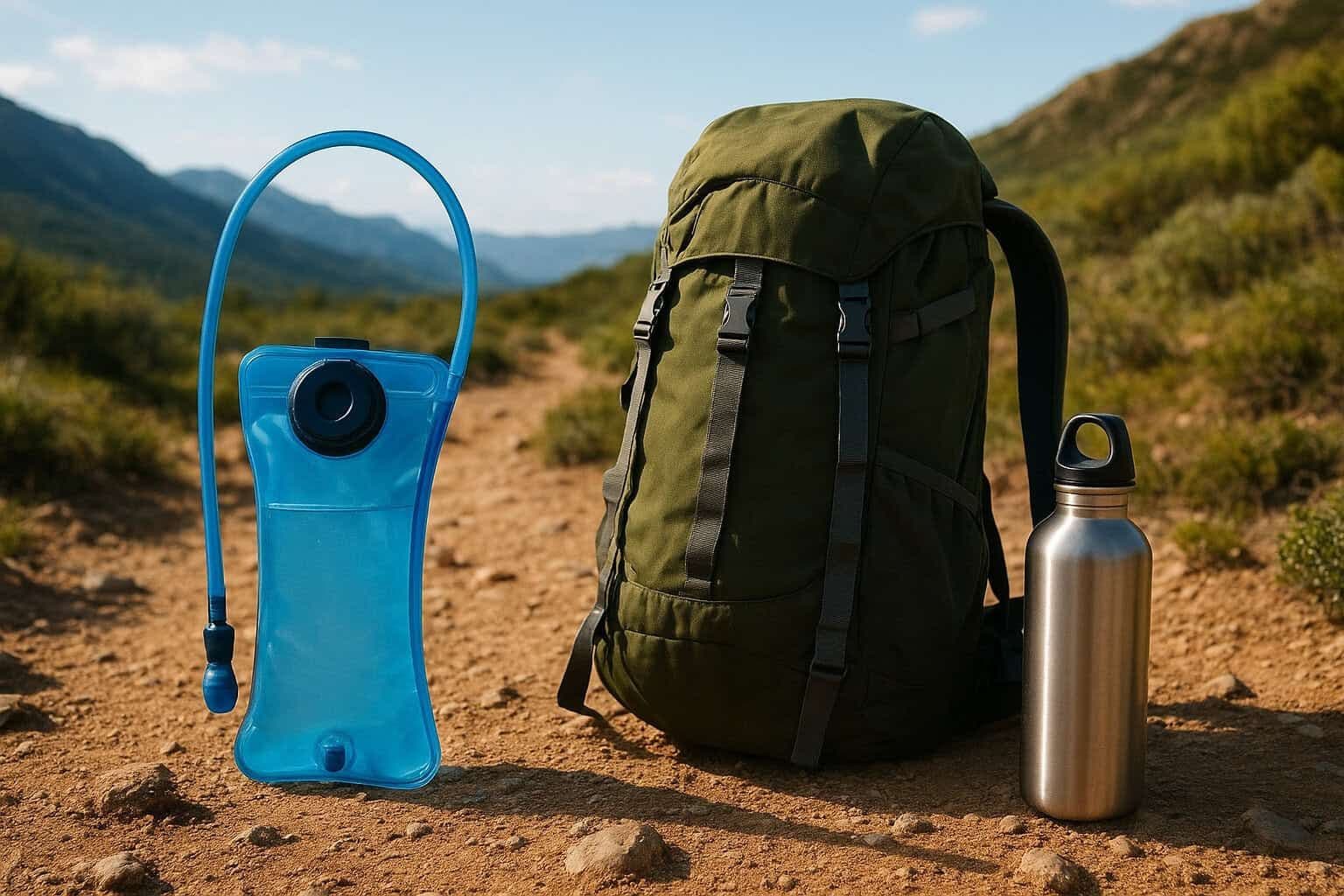 Trek Guide
By Nanda Rawat|Jan 22, 2026
Hydration Bladder vs Water Bottles: Pros, Cons & HacksWhen on Indian trekking trips, conversations on the hydration equipment are similar to conversations over the chai break. Many trekkers prefer water bottles for sipping hands-free and others opt for traditional water bottles due to their ease of use and durability. In TrekUp India, we have observed both systems perform exceptionally and fail, depending on the terrain, weather conditions altitude, as well as personal walking practices. There is no one universal "best" alternative. The best choice is based on the type of trek you take the trail, where you hike and how strict you are when it comes to drinking water. This guide explains what are the real-world pros and pros, and tricks to keep you well-hydrated and secure while hiking. Dehydration is more frequent in mountains than in the sea even in cold weather. Principal reasons include: Inadequate hydration in altitude could cause: The key isn't just carrying water around, but taking small quantities regularly. Hydration bladders are very popular with hikers who want to drink continuously without having to stop. "HTML0" India Tips:Always put your bladder in the waterproof liner or sleeve to safeguard your clothes and sleeping equipment from leaks. Water bottles are the most reliable way to hydrate for a lot of Indian trekkers. TrekUp India Tips:On winter hikes, wrap your bottles with a wool socks or place them inside your backpack to keep them from freezing. Many skilled Indian trekkers make use of both of these systems in conjunction. This configuration offers security, convenience and redundancy that is essential for mountain terrain that is remote. Examined by Rajneesh Trek leader, TrekUp India This article was examined by Rajneesh Negi who has vast experience on the ground conducting treks across Uttarakhand, Himachal Pradesh, and high-altitude Himalayan routes. The hydration techniques and gear tips discussed above have been proven through actual trekking conditions that include extreme cold and long ascents, water shortage and dehydration-related altitude challenges. There's no universal solution in deciding between hydration bottles or water bottle. Hydration bladders are excellent in hands-free drinking, frequent consumption and frequent drinking, and water bottles are a great option for ease of use, durability and a better way to control intake. For the majority of Indian treks it is recommended that a mixed system is the best choice for balancing your needs. Keep in mind that hydration isn't about drinking a large amount of water every now and then, it is about regular, small amounts all day long. For those living in the mountain regions, drinking water isn't only fuel, it's vital for survival.. Select the one that lets to drink regularly, shields your equipment and helps keep your body running efficiently. Staying hydrated is keeping secure. Trek Guide
By Anoop Rawat|Jan 21, 2026
Appetite Loss at Altitude: Strategies to Keep Eating on TreksOne of the biggest shocks that trekkers face who trek in The most surprising thing for hikers in the Indian Himalayas is loss of appetite when they are at an high altitudes. Even trekkers who have worked hard and packed a nutritious, energy-rich meal--often encounter this issue once they have reached 12,000 feet eating food is no longer appealing. When you are at a high altitude your body requires more energy but more than. Calories are vital to keep warm, to fuel your movement as well as aid in acclimatization. recover from the long trekking days. With TrekUp India, we have been guiding trekkers in high-altitude areas such as Ladakh, Spiti, Uttarakhand along with Himachal Pradesh, and have always observed that controlling weight loss is essential for security, strength as well as enjoyment during the trek. The loss of appetite in altitude is a common occurrence and is physiological. It happens due to: If the amount of food consumed drops enough, it could result in: It may seem harmless, but at high altitudes, it's dangerous. Instead of waiting until you are hungry, eat on a timetable. A regular, small amount of food is more efficient than big meals. At altitude, digestion slows. The weight of food can make it feel overwhelming. Select foods that are: The best options are: Carbohydrates are particularly important at altitudes because they are less difficult to be metabolized with less oxygen. The loss of appetite is exacerbated by dehydration. symptoms associated with altitude. Cold and dry air reduces thirst. Drink regularly. Taste buds can be dull when at high altitudes. Enhance palatability through: The appeal of food can increase the chances you'll consume enough. Doing this until you are hungry is often counterproductive at altitude. Warm food is more easy to digest and consume when you are at an altitude. The best options are: Warm meals can boost morale and aid in fighting cold stress. It's okay to not feel hungry, but do not completely cut out food. Just a few bites of every meal: Think of "minimum intake" instead of "full food". TrekUp India has consistently observed that eating in an entire group can boost appetite. Sharing meals can encourage trekkers to consume more food than they would otherwise. Many trekkers benefit from having one or two of their favorite food items at home--such as instant noodles, chocolate or snacks made from scratch. These can be the difference between not eating and eating it. Reviewed by Nitin Rana - Trek Leader, TrekUp India This article was reviewed by Nitin Rana who has a wealth of experience with leading high altitude treks throughout Ladakh, Spiti, and Uttarakhand. The methods described above have been verified by real-world conditions in the field, including hunger loss and management of altitude sickness and nutritional issues that trekkers face during TrekUp India treks. Hunger loss at altitude is common, but it shouldn't cause a disruption to your trek. If you understand the causes and applying simple methods such as eating smaller portions and frequently selecting foods with high energy content while staying hydrated, and prioritising warm, tasty meals the trekkers can keep their the strength they have and lessen fatigue due to altitude. We at TrekUp India, we have noticed that a mindful approach to nutrition can make the difference between simply finishing the trek and taking pleasure in every moment that comes along with it. The food you eat at altitude isn't only fuel, but also health, comfort and strength.Eat with focus, listen to your body as well as let your mountains show your efforts.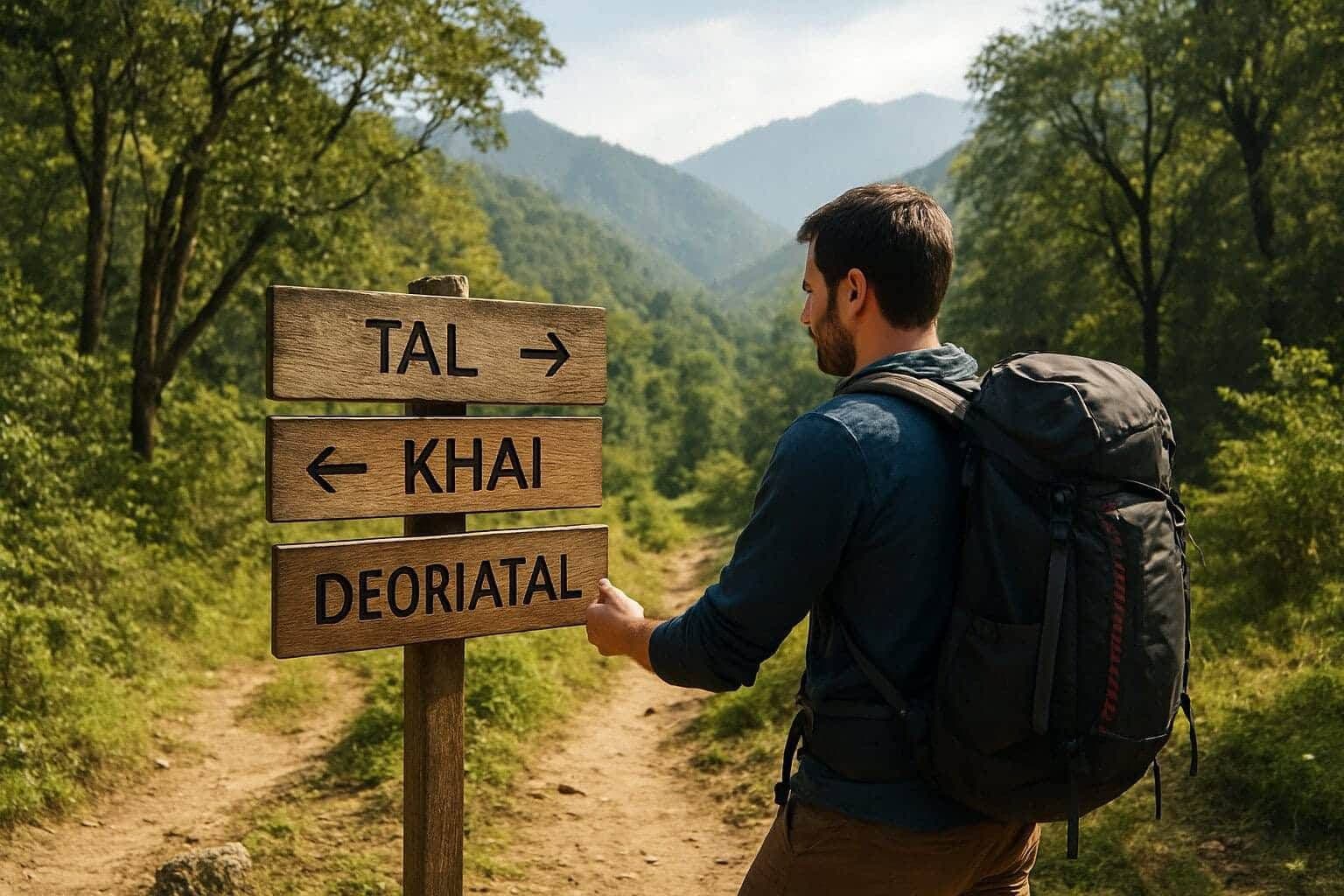 Trek Guide
By Preetam Singh Rawat|Jan 21, 2026
Trek Signs and Markers in India: How to Read Them RightIt is a challenge to trek through the Indian wilderness whether across the Himalayas or and the Western Ghats, or central Indian forests -- requires more than just stamina and excitement. Knowing trek markers as well as trail markers is a crucial ability to navigate which is often the determining factor in the extent to which the trek is safe, efficient and enjoyable. We at TrekUp India, we have frequently seen trekkers fatigue themselves or waste valuable time due to their inability to recognize trail markers in the right way. Understanding how to speak the "language that is the trail" permits trekkers to easily navigate through meadows, forests, snowfields, and other rocky terrain without stress. Contrary to many international trekking destinations that use uniform markings, Indian trails vary greatly in the way they are designated. It is vital to know these markers due to: For India, trail literacy is an essential trekking capability, and not a supplementary one. They represent the majority of popular trail indicators along the most popular routes. Practical Tips:After you have spotted one marker with paint Always pause to identify next marker. next marker before proceeding. This helps ensure continuity in the route. Cairns are used extensively for: They are constructed by shepherds, guides, or experienced walkers to mark the safest route. Practical TIP:If multiple cairns are visible, choose the most popular and often employed line because it typically is the safest way to go. Common in: These are typically: Essential RuleDon't remove or shift these markers. They're crucial, not just to you, but also for the trekkers who follow your. Installed by: Most often, you will find them typically at: These could comprise: Practical TIP: Mentally take note of information on the signboard - it could be extremely useful in the event that you have to go back your steps. If formal markers are not present the natural world provides guidelines: Warning: Natural clues should not substitute markers, maps as well as GPS tools. Confidence is based on confirmation, not a presumption. Reviewed by Sunil Rawat - Trek Leader, TrekUp India This article was read by Sunil Rawat, who has years of experience managing treks throughout the Indian Himalayas and forests routes as well as the remote terrain of alpine. The information provided in this article is based on real-world navigation challenges with regard to fog, snow as well as faded trails along with mixed use pastoral routes encountered in TrekUp India operations. The ability to read trek markers and signs in the wilderness of India is not just a naivety skill, but an essential safety technique. From marks painted on trees and rocks to stone cairns, as well as subtle natural signals, each marker is essential in guiding trekkers through difficult terrain. At Trekup India, we have observed how those who are able to recognize and appreciate these signs travel more efficiently, reduce energy consumption and stay clear of unnecessary risk. When paired with modern technology such as offline GPS apps and other traditional trail markers can be used to create an efficient navigation system. Be respectful of the markings. Pay attention. Combine your knowledge with the latest technology.When you take note of your ears to what trail tells you, let the mountain will guide you in the right direction.Trek GuideBy Nanda Rawat|Jan 21, 2026
Training With a Loaded Pack: Simulating Real Trek ConditionsOn TrekUp India, a consistent pattern has emerged from many years of leading treks: trekkers who are trained with a packed backpack prior to their trek improve their performance and more efficiently and enjoy the mountains better that those who are relying on routine fitness exercises. It's not only about endurance for the heart and leg muscle strength. It's about learning to be agile and balance properly, as well as control your energy when carrying weight--often for a number of hours per day, on rough terrains, climbs and descents. Training with a backpack loaded with weights helps prepare your body and brain for the exact requirements. Transporting 8-12 kilograms in your backpack fundamentally alters how your body reacts and moves. Training without a backpack will not prepare you fully for actual trekking conditions. Important modifications are: For trekkers who don't train their pack, they typically struggle the most in the beginning and the last two days of the trek. Start with 5 to 4-5 kilograms inside your pack. You can increase the weight up to 1 kg every week until you've reached the expected trek weight. Weight-bearing speed increases the chance of back strain and ankle injuries. When you can, practice: Stairs are a close representation of climbs and descends on mountains and are extremely effective. Train using: This allows your body to adapt to: It can also aid in identifying problems with fit or chafing early. Method of uphill Downhill method The majority of trek-related injuries happen during the descent, not during the climbs. Every week, set aside for a longer hike (10-15 miles) with your pack.These sessions help you: They also let you test the fueling and hydration strategies. Complementary training pack with: Mobile joints that are strong and mobile can reduce the risk of injury significantly when carrying a heavy load. Your body will be trained the way you'll trek: This prepares your digestive system for trekking days. It is more important to be consistent than intense. Train with a full pack for at minimum 6-8 weeks prior to you begin your trek. Even 30 to 45 minutes of walking around the pack three times per week will result in remarkable gains in confidence, comfort in performance and comfort on mountain. Reviewed by Arpit Ramola - Trek Leader, TrekUp India This article was read by Arpit Ramola who has extensive experience in leading Himalayan treks that involve loads that are carried for multiple days over a variety of terrain. The method of training described in this article has been proven by actual trekking performance and injury prevention results, and field observations gathered from TrekUp India trips. The practice of carrying a weighted backpack is among the most effective and real methods to prepare yourself for the trek. It helps bridge the gap between basic fitness and actual mountain demands, teaching your body to move, maintain balance and withstand the rigors of a mountain. In TrekUp India, we have observed that trekkers who choose to packing training do better, but they also are more comfortable on the trip with less fatigue, less injuries and more confidence. Be prepared. Work out with a sense of reality.Let the mountains be familiar to you before you take the first step.