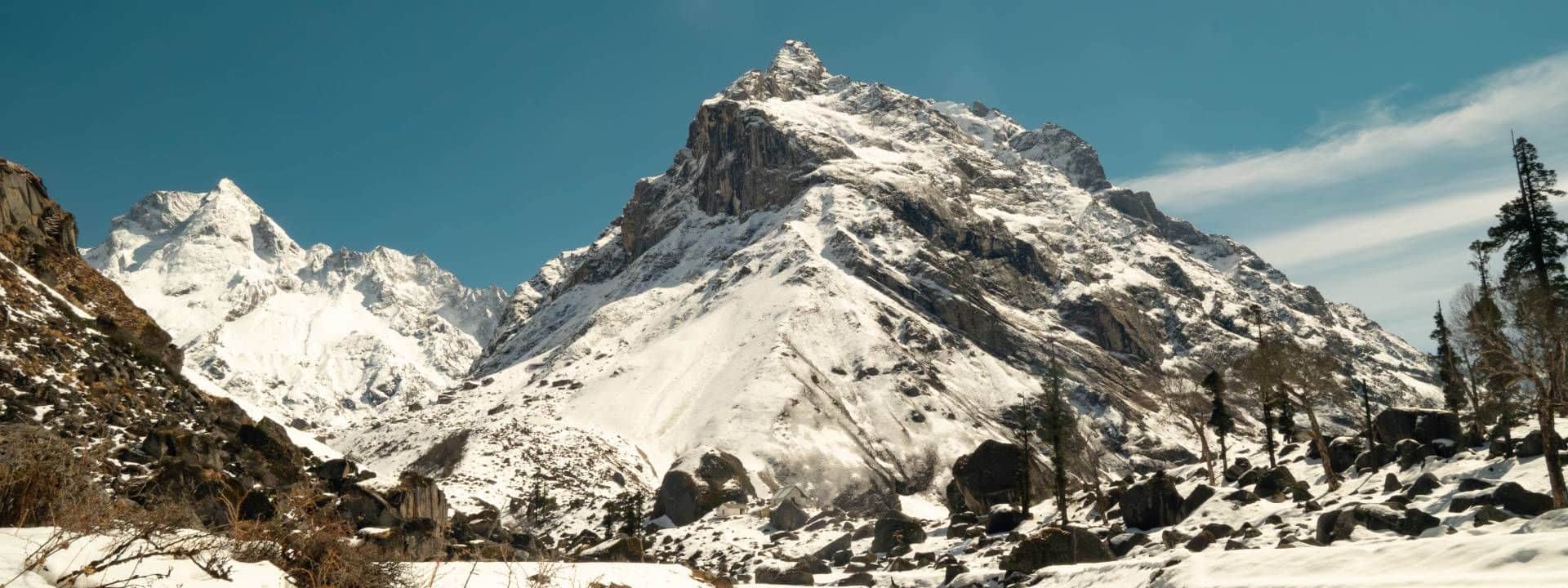

The first trek through India can be both thrilling as well as intimidating. Moving away from routines into a world shaped by majestic mountains, alpine forest, high-altitude trails, and rivers is an incredibly satisfying experience. For the majority of new trekkers it is an unforgettable experience that alters their perception of nature, the resilience of their surroundings and their own self-esteem.
We at TrekUp India, we've accompanied thousands of new trekkers through India's Himalayas. Through our years of field experience and a team of experienced trek leaders, and well-defined safety procedures, we have identified common problems that novices face ranging from altitude and fitness problems to inadequate packing along with unrealistic expectations.
This guide is based on actual trekking experiences, mountain safety best methods and experiences from the field to help new trekkers be safe, confident and prepared for the trail.
Do's for First-Time Trekkers
1. Get ready your body for Trek in Advance
Start your physical preparation at the least 4 to 6 weeks prior to the trek. It is more demanding than just regular fitness, particularly in the mountains.
Concentrate on:
- The endurance of the cardiovascular system: fast walking cycling, jogging and stairs climbing
- Lower-body strength: squats, lunges, step-ups
- The core stability Planks, balance and exercises for the body
Doing short hikes on uneven terrain while wearing a backpack is among the most effective methods to replicate realistic trekking conditions.
2. Select a Trek suitable for Beginners
Choosing the best trek is vital. New trekkers must opt at moderate altitude treks that range between 8000 to 12,000 feet. They allow your body to gradually adapt and still provide a variety of Himalayan experiences.
Also, think about:
- Conditions of the season: snow, rain or extreme cold can increase the difficulty
- The duration of the trek as well as daily gain in altitude
Avoid technical or high-altitude treks until you have gained knowledge.
3. Invest in Proper Trekking Footwear
Inadequately fitting shoes are among the main reasons trekkers quit their trek.
Best practices:
- Pick an ankle-support trekking shoes with a good grip.
- Get your shoes conditioned prior to the trek
- Make use of socks that wick moisture trekking socks to help prevent blisters
A good footcare routine is crucial for the success of a trek.
4. Pack Light and pack Smart
Every extra pound feels heavier when you're at an altitude. Use an pattern of layering instead of bulky clothes:
- Base layer: moisture-wicking
- Mid layer: fleece or insulation
- The outer layer is waterproof, windproof
Only carry the essentials, such as gloves, rainwear, bottles, energy drinks, and any personal medications.
5. Drink plenty of fluids and eat often
Energy crash and dehydration are commonplace at altitudes.
- Take a drink regularly even if it doesn't feel thirsty.
- Take small portions, eat frequently
- Limit your intake of alcohol and caffeine intake, since both can cause the process of dehydration.
Hydration is a key role in the adaptation to altitude.
6. Follow Your Trek Guide's Directions
Certified trek leaders are certified in the assessment of weather conditions as well as altitude management and emergency intervention.
If you notice symptoms such as nausea, headache dizziness, headache, or other unusual fatigue, you should report them right away. Early reporting helps to prevent problems like acute mountain sickness (AMS).
7. Be respectful of nature and local Communities
Responsible trekking protects fragile mountain ecosystems.
- Recycle all waste including biodegradable materials
- Be careful not to disturb wildlife or the vegetation
- Be respectful of the local customs and beliefs.
The ethical nature of trekking ensures that these areas remain in pristine condition for the next generation.
Don'ts for First-Time Trekkers
1. Don't underestimate your physical abilities.
Altitude, mountain terrain and even the weather can make it difficult for physically fit people. Keep a steady pace and pay attention for your body. Excessive effort can increase the risk of injury or altitude-related illness.
2. Don't Skip Acclimatization Days
Acclimatization is an medical requirement not an inconvenience. The gradual exposure to altitude allows your body to adapt safely and greatly reduces the risk of health problems.
3. Don't overpack
The excess of unnecessary clothing, gadgets and toiletries cause unnecessary stress. A lighter backpack can improve endurance, balance and overall ease of use.
4. Don't ignore Weather Signals
The weather on the mountain can change quickly. Always bring an umbrella and warm clothes even on clear days.
5. Don't Litter
Even food waste like fruit peels can disrupt local ecosystems. You should leave the trail exactly the way you discovered it.
6. Don't treat Trekking as a race
The goal of trekking isn't to reach your campsite in the first place. Be happy, keep your pace and stop for breaks as required.
7. Do not be afraid to ask for help
Treat issues like blisters or fatigue promptly. Minor issues, if left untreated are often serious problems.
It's the Golden Rule for First-Time Trekkers
The success of a trek does not measure speed, or height, it is measured by safety satisfaction, enjoyment, as well as personal improvement.
Here at TrekUp India, we have seen a variety of first-time trekkers transform into competent mountain climbers through properly preparedness real expectations, a realistic approach, and a positive attitude.
Conclusion
The very first trek through India can be much more than just a physical test. It's a voyage of self-discovery and patience and a deeper connection to the natural world. It is not a matter of costly equipment nor extreme training, it comes instead comes from the ability to prepare, awareness, humility and cooperation.
If you follow these rules and don'ts, it will increase the likelihood of having a the most enjoyable, secure and unforgettable trekking experience. With the right attitude and a good guide the first trek could be the beginning of a long-lasting connection to the mountain.
About the Author: Trekking Expertise You Can Trust
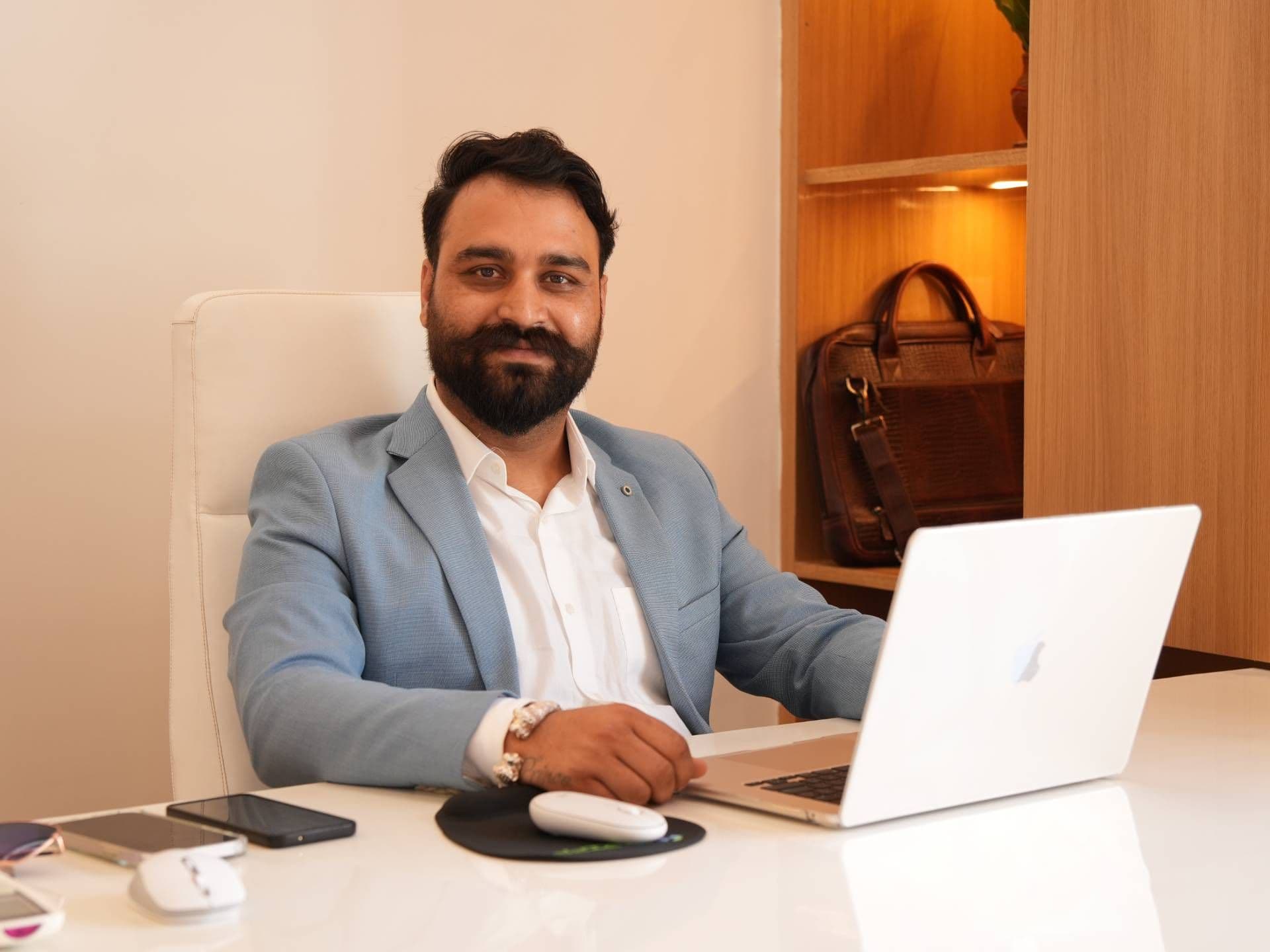
Director & Founder
With over 12 years of experience in the Himalayas, he has summited multiple 6000–7000 meter peaks and led more than 200 expeditions across iconic routes like Bali Pass, Buran Ghati, Rupin Pass, Pin Bhabha, Stok Kangri, and Black Peak. His deep mountain experience and leadership make him a trusted name in Himalayan trekking. Write to him at: preetam@trekupindia.com