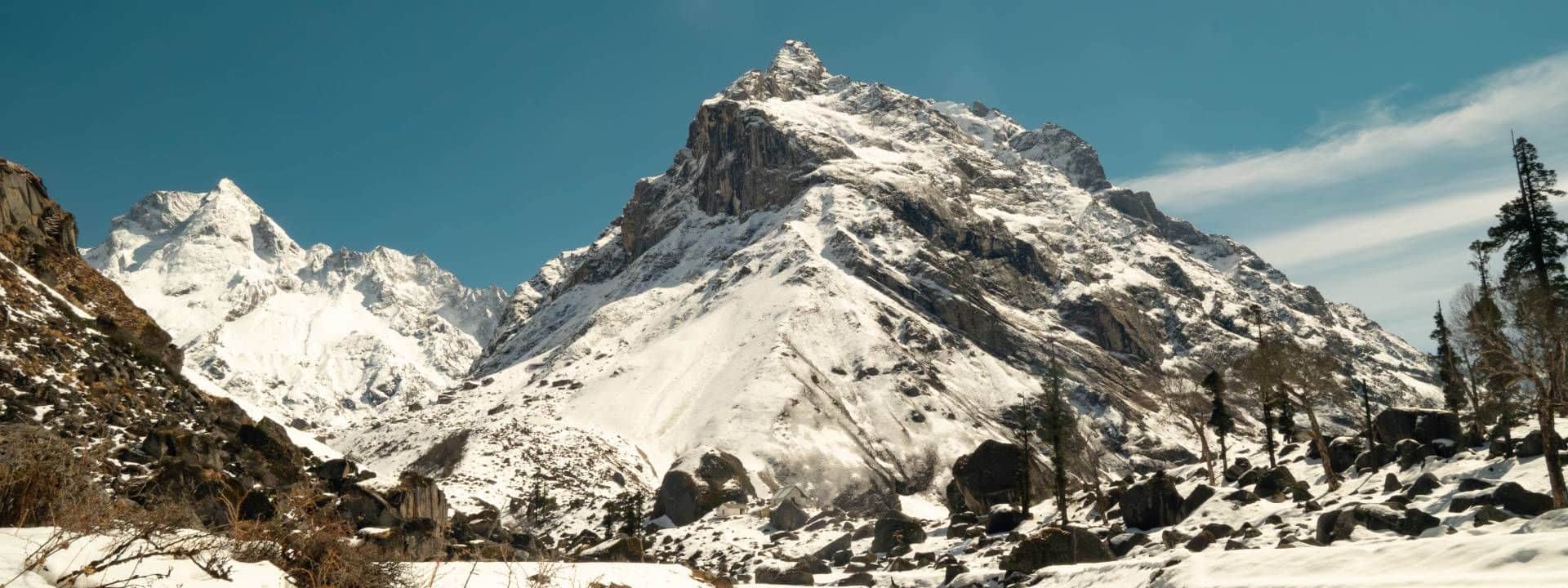

One of the biggest shocks that trekkers face who trek in The most surprising thing for hikers in the Indian Himalayas is loss of appetite when they are at an high altitudes. Even trekkers who have worked hard and packed a nutritious, energy-rich meal--often encounter this issue once they have reached 12,000 feet eating food is no longer appealing.
When you are at a high altitude your body requires more energy but more than. Calories are vital to keep warm, to fuel your movement as well as aid in acclimatization. recover from the long trekking days.
With TrekUp India, we have been guiding trekkers in high-altitude areas such as Ladakh, Spiti, Uttarakhand along with Himachal Pradesh, and have always observed that controlling weight loss is essential for security, strength as well as enjoyment during the trek.
Why Appetite Loss Happens at Altitude
The loss of appetite in altitude is a common occurrence and is physiological. It happens due to:
- Lower levels of oxygen that reduce digestion and can cause heavyness.
- A rise in breathing which can lead to dehydration, and a false feeling of fullness
- hormonal changes that reduce hunger signals
- Altitude symptoms of sickness like headaches nausea, fatigue, and headache
If the amount of food consumed drops enough, it could result in:
- Rapid loss of energy
- Breakdown of muscle
- More sensitive to cold
- Altitude sickness that is worsening
It may seem harmless, but at high altitudes, it's dangerous.
1. Eat Small & Eat Often
Instead of waiting until you are hungry, eat on a timetable.
- Take a snack at least every 45-60 mins when walking
- Keep trail mix dry fruits, dried fruit and energy drinks in easily-accessible pockets
- Consider foods as fuel. Not an expression of appetite. pleasure
A regular, small amount of food is more efficient than big meals.
2. Choose Light but Energy-Dense Foods
At altitude, digestion slows. The weight of food can make it feel overwhelming.
Select foods that are:
- Easy to digest
- A high content of carbohydrates
- Moderate fat content
The best options are:
- Biscuits, potatoes boiled, rice, khichdi with jam
- Nuts and nut butters, cheese to boost your calorie intake without the any volume
Carbohydrates are particularly important at altitudes because they are less difficult to be metabolized with less oxygen.
3. Prioritise Hydration (Even When Not Thirsty)
The loss of appetite is exacerbated by dehydration. symptoms associated with altitude.
- Drink plenty of water throughout the day.
- Include warm liquids like herbal tea, warm water.
- Utilize electrolytes, lemon honey water or light soups to boost your consumption
Cold and dry air reduces thirst. Drink regularly.
4. Make Food Taste Better
Taste buds can be dull when at high altitudes.
Enhance palatability through:
- Add light spices and salt or chilli flakes
- This includes tangy food items like lemons and pickles
- Choose delicious meals such as masala poha, spicy soups or daal
The appeal of food can increase the chances you'll consume enough.
5. Eat Early--Don't Wait for Hunger
Doing this until you are hungry is often counterproductive at altitude.
- Eat breakfast within 30 minutes after waking up
- Have breakfast to start the day with porridge, oatmeal as well as toast with a few nuts
- Early calories can help stabilize the body's temperature and energy levels.
6. Prefer Warm, Comforting Meals
Warm food is more easy to digest and consume when you are at an altitude.
The best options are:
- Dal soups, porridge, soups the khichdi
- Warm fruit compotes
- The hot chocolate, or the warm drinks made of plant-based
Warm meals can boost morale and aid in fighting cold stress.
7. Listen to Your Body--but Don't Skip Meals
It's okay to not feel hungry, but do not completely cut out food.
Just a few bites of every meal:
- Keep blood sugar levels in check
- Reduce fatigue
- Acclimatisation of support
Think of "minimum intake" instead of "full food".
TrekUp India Field Tip
TrekUp India has consistently observed that eating in an entire group can boost appetite. Sharing meals can encourage trekkers to consume more food than they would otherwise.
Many trekkers benefit from having one or two of their favorite food items at home--such as instant noodles, chocolate or snacks made from scratch. These can be the difference between not eating and eating it.
Trek Leader Review
Reviewed by Nitin Rana - Trek Leader, TrekUp India
This article was reviewed by Nitin Rana who has a wealth of experience with leading high altitude treks throughout Ladakh, Spiti, and Uttarakhand. The methods described above have been verified by real-world conditions in the field, including hunger loss and management of altitude sickness and nutritional issues that trekkers face during TrekUp India treks.
Conclusion
Hunger loss at altitude is common, but it shouldn't cause a disruption to your trek. If you understand the causes and applying simple methods such as eating smaller portions and frequently selecting foods with high energy content while staying hydrated, and prioritising warm, tasty meals the trekkers can keep their the strength they have and lessen fatigue due to altitude.
We at TrekUp India, we have noticed that a mindful approach to nutrition can make the difference between simply finishing the trek and taking pleasure in every moment that comes along with it.
The food you eat at altitude isn't only fuel, but also health, comfort and strength.Eat with focus, listen to your body as well as let your mountains show your efforts.
About the Author: Trekking Expertise You Can Trust
Admin
Anoop has worked for 5 years as a Trek Leader with TrekUpIndia, leading numerous treks across the diverse and challenging terrains of Uttarakhand and Himachal Pradesh. He holds a degree in Geology with a specialization in Geographic Information Systems (GIS) from UPES Dehradun. During his academic years, he actively applied his classroom knowledge in the field—most notably by contributing to a glacier research project on the Jundar Glacier in the Har Ki Dun Valley, Uttarakhand. And now, Anoop is a trekking content writer with TrekUp India, specialising in seasonal Himalayan trekking guides, winter safety content, and trek planning resources. His work is informed by field research, trek leader inputs, and real trail conditions across Uttarakhand, Himachal Pradesh, Ladakh, and Kashmir.