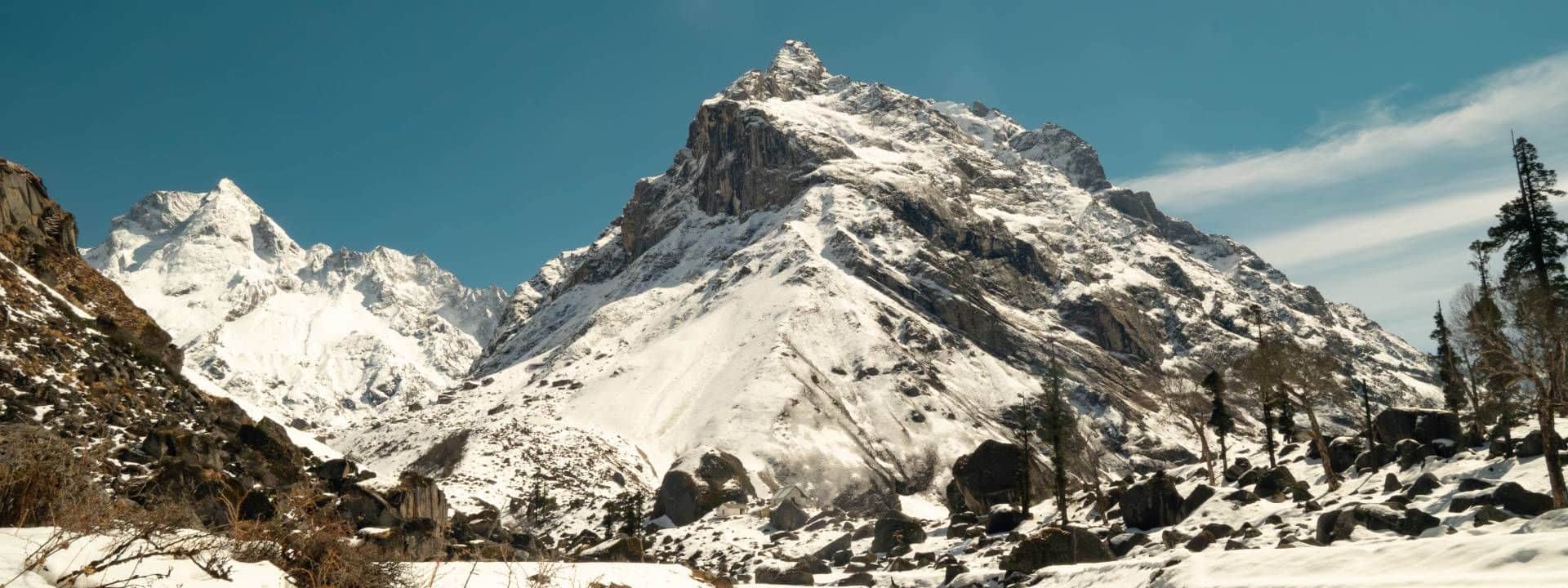
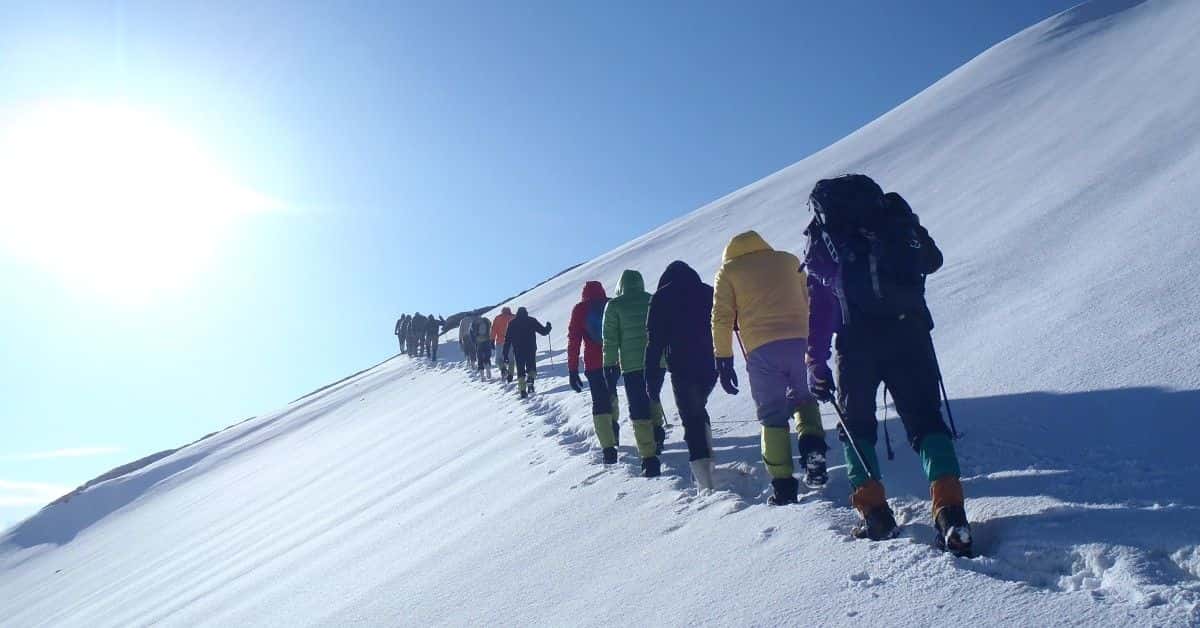
A major and rewarding aspect of trekking across India--whether it's through isolated villages of Himachal Pradesh, the high-altitude settlements of Ladakh or the vast valleys of Uttarakhand -- is getting to know those living in these mountain ranges. their home. Their warm, traditional and stories enrich each trekking journey, and offer perspectives that go beyond the trail itself.
We at TrekUp India We believe that responsible trekking extends beyond physical endurance and appreciation of the scenery. Respectful interactions in local community is crucial for the preservation of culture, establishing trust and ensuring that the tourism industry enhances rather than hinders the quality of life in the mountains.
Why Cultural Respect Matters in the Mountains
The mountain villages are not tourist destinations. They are real communities with deep-rooted customs and scarce resources. The impressions left by trekkers influence how the locals see tourists, now and in the near future.
Respecting the culture:
- Keeps local customs and traditions intact.
- Establishes trust among residents and trekkers
- Encourages sustainable tourism
- Trekkers will be welcomed by generations to be
A thoughtful approach changes trekking from a casual excursion into a meaningful exchange.
Guidelines for Respectful Cultural Interaction
1. Learn Before You Go
Before you arrive, make sure to learn:
- Traditional customs and local traditions
- Festivals and religious practices
- Social taboos and norms
The ability to learn a few words of the local language, like greetings or words of thanks can instantly create warmth and a sense of connection.
2. Dress Modestly and Appropriately
Many communities in the mountains prefer modest clothes.
- Wear knee pads and cover shoulders while visiting homes, villages temples, monasteries or villages.
- Be careful not to show too much or flashy clothes.
- Be respectful, especially in traditional settings or those with religious significance.
A proper attire demonstrates respect for culture and cultural awareness.
3. Ask Permission Before Photography
Always seek consent before photographing individuals--especially elders and children.
- Some people prefer not be photographed.
- Certain homes, ceremonies, or sacred locations may ban photography in totality
The ability to respect boundaries helps build confidence and helps avoid discomfort.
4. Follow Religious and Social Customs
When you enter homes, temples or monasteries:
- Remove shoes if necessary
- Do not touch objects of worship unless you are invited
- Be quiet and courteous
The public display of affection could be banned in certain regions. Observe and change in line with the situation.
5. Support the Local Economy Responsibly
One of the most effective methods to help others is through helping local communities to live their lives.
- Purchase food, crafts and other essentials from local vendors
- Pick your local guides and porters and homestylings as often as you can.
- Do not bargain with a vengeance
Responsible spending helps sustain mountain communities.
6. Engage in Meaningful Conversations
Show more than greetings by displaying genuine enthusiasm.
You can ask questions about:
- Methods of farming and seasonal cycles
- Local cuisine and local ingredients
- Village history and customs
Respectful listening fosters an exchange of ideas that is more meaningful than the superficial interaction.
7. Use Local Resources Mindfully
The mountain regions are often in need of basic resources such as water, firewood and food.
- Beware of wasting fuel or water.
- Do not expect to receive free services.
- Be aware of your consumption habits Particularly in remote villages.
Responsible use demonstrates respect for the reality that mountain living has to offer.
TrekUp India's Philosophy on Cultural Respect
After many years of trekking through the Himalayas We have discovered that the heart of the mountains is in its people than its scenery. The most memorable moments of the trek do not come from the mountains, but from sharing smiles and conversations over tea and stories shared over hearth fires.
Here at TrekUp India, respect, humility and kindness are the basis of each trek we organize.
Conclusion
Being able to interact with local communities on the course of a trek is more than a casual encounter. It can be a chance to build bridges between different cultures. When approaching each encounter with enthusiasm, humility and respect, hikers ensure that their presence makes an impression that is lasting and positive.
Every interaction should be considered an exchange and not an exchange. If respect is flowing between both parties, trekking becomes richer, more meaningful, and transformative, both for hosts and trekkers.
About the Author: Trekking Expertise You Can Trust

Director & Founder
With over 12 years of experience in the Himalayas, he has summited multiple 6000–7000 meter peaks and led more than 200 expeditions across iconic routes like Bali Pass, Buran Ghati, Rupin Pass, Pin Bhabha, Stok Kangri, and Black Peak. His deep mountain experience and leadership make him a trusted name in Himalayan trekking. Write to him at: preetam@trekupindia.com