
Prev
1 / 9
Next
 Trek Guide
By Nanda Rawat|Feb 13, 2026
Himalayan Culture and Life in the Mountains | Traditions, People & LifestyleThe Himalayan Mountains aren't just about snow peaks, glaciers and stunning scenery. They're home. It's the home of lively traditions and ancient cultures and some of the warmest and friendly people you'll meet. In Trekup India, we believe that the heartbeat of a trek is not just in the trail and its surroundings, but in the people who make it. Their smiles and customs-made food and family celebrations, folklore, and festivals create the Himalayan trek an unforgettable experience. This is a deeper glimpse into the everyday life of the Himalayas and more than 30 hikes that don't just walk along the mountains, but meet mountain people. This is an overview of the treks in India's regions where interaction with culture plays a an important role in the experience you have Trekup India.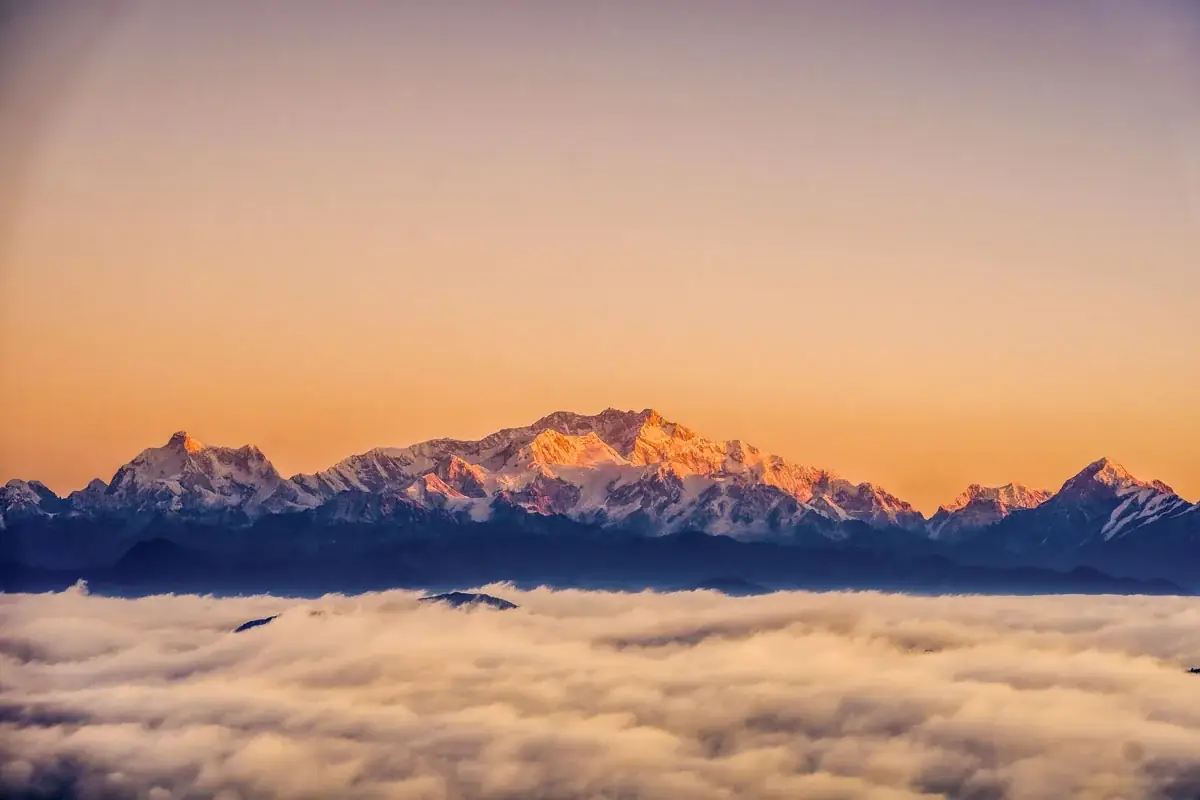 Trek Guide
By Preetam Singh Rawat|Feb 13, 2026
Sandakphu or Goechala? Choosing the Perfect Himalayan Trek for YouLet's discover the reason Sandakphu is a must-visit place for adventurers who are intrepid. I'd like to share a few personal experiences that prove my argument. I'm certain that my reasoning will convince you before I'm finished. It is amazing the lack of attention Day 1 receives in discussions. The areas of forest are extremely dense, allowing only a tiny amount of light to penetrate the ground. The denseness of the forest could fool you into thinking it's the evening. As the forest opens to a meadow, you get the sight of the Sleeping Buddha for the first time. In the following three hours it is revealed that the Sleeping Buddha appears to play playing hide and seek with you. When you reach Tumling the Buddha, you are greeted by an unobstructed view of the sleeping Buddha. The Sandakphu trek is a glimpse of the experience of trekking in Nepal without having to build a camp or search out a spot to rest. The comfortable accommodations, like wooden lodges or basic huts, offer comfortable bed and blankets that are warm, creating like luxury. At Tumling our club, there are windows that provide an unobstructed view of the magnificent Sleeping Buddha. The magnificent mountain peaks of Mt. Kangchenjunga, Kumbhakarna, Pandim, and Kabru (North, South, Dome) make an eerie resemblance to the Lord Buddha at rest. This place will remain in your mind for one day and through the four-day trek. When you are standing at Phalut the mountains seem like they are at hand, their proximity giving you a sense of awe and wonder that's hard to remove. The third day of your trip you'll travel to the breathtaking Singalila National Park, where you'll get to take in the stunning beauty of the fiery red Rhododendron trees that are ablaze in colors in the months of March and April. They provide a crucial habitat for the mysterious Red Panda, a species that is currently in danger of disappearance, with an estimated wild population of just 10,000 individuals. While you walk along the path you may be lucky enough to spot these fascinating creatures. This will surely make your visit unforgettable. Sandakphu is one of the few places on the planet where towering peaks of an altitude of 8,000m can be observed. In addition, it provides stunning views of Everest, Lhotse, and Makalu and also the chance to look out over the route in the horizon for the remainder of your hike. The vast views from Sandakphu are truly stunning. At Sabargram mountain lovers will find the most spectacular viewpoint. Sabargram is one of the very few campsites that allow you to stay in tents in the Himalayas, awe-inspiring mountains. When you open your tent you'll be welcomed by the breathtaking view of the world's most awe-inspiring peaks, an unforgettable experience for anyone who is a mountaineer. The trek to Gorkhey is a walk through a beautiful forest with an array of trees, including bamboo, rhododendrons, and the brown oak. The forest floor is covered with oak nuts which are the favorite food item for red pandas. A walk in the woods refreshes you and eases your fatigue, despite the long hours. Gorkhey village is situated in an open area that is with dense pine forest. A beautiful river runs through the city, creating a stunning view as one walks towards it. Samanden located just within an hour of Gorkhey it is a stunning village dotted with charming wooden houses and abundant vegetable farms, beautiful gardens, and tiny clusters of pine trees which enhance the beauty of the area. I would love to set up an apartment in this idyllic village. The next step after Samanden would be Ramam. With a bit of reluctance, you take your journey to an end at Sepi.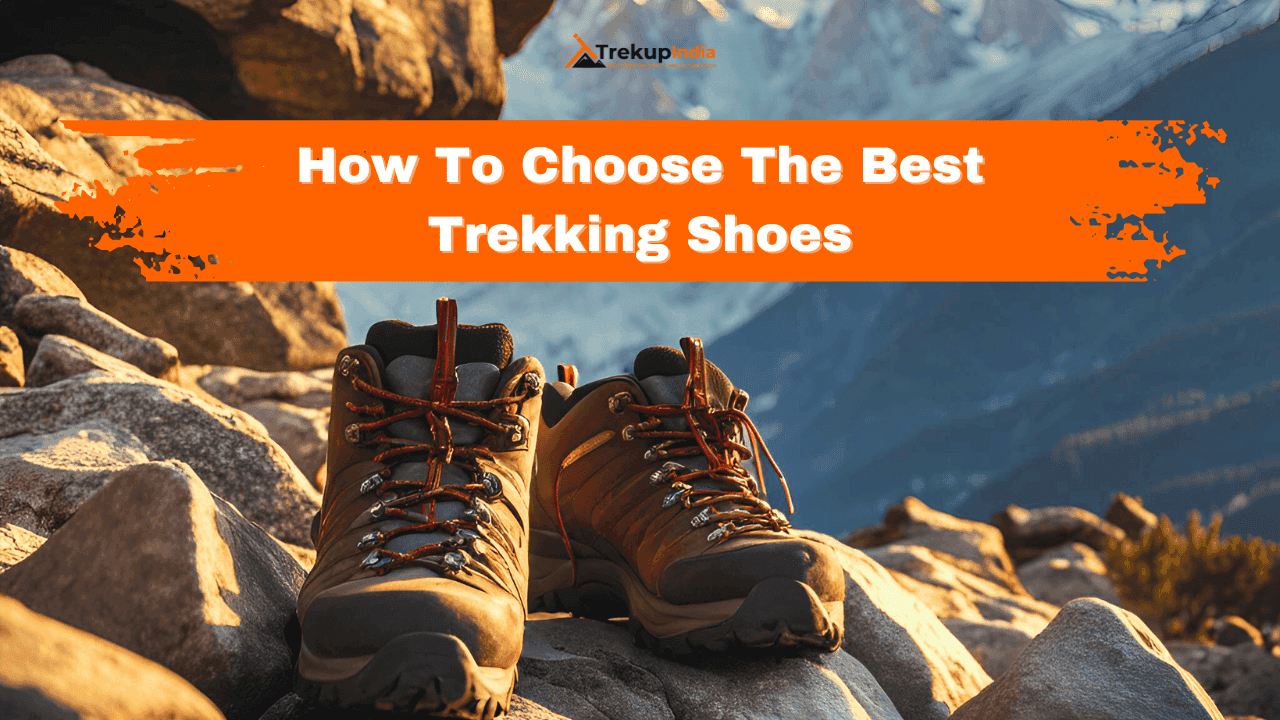 Trek Guide
By Preetam Singh Rawat|Feb 13, 2026
How to Choose the Right Trekking Shoes | Fit, Grip, and Terrain GuideWith a strong will and the right footwear Any trek that is successful is certain to be successful. While physical and mental preparation are vital, having solid shoes that offer assistance during treks can mean the difference between ease and discomfort on the Indian adventure. Conversely, unfit or poorly-designed footwear can hinder progress or reduce the duration of your trip. What aspects should be taken into consideration when choosing the right trekking shoes to wear on Indian adventures? There are various styles of shoes created specifically for different types of trekking however, they don't restrict the footwear to just one specific area. Good trekking shoes are able to adapt to a variety of weather conditions, making them ideal companions for outdoor adventures. As we get deeper into trekking, a crucial question is asked by both women and men in India in regards to selecting the right pair. Due to the significance of this decision we often get inquiries about the most suitable trekking boots to buy. In response to these inquiries we have developed an extensive guide that covers everything from buying boots online in India up the maintenance process, providing you with the necessary information to make informed decisions when it comes to choosing the best ones. Decathlon, Woodland, and other stores that sell sports provide a huge range of boots and trekking shoes for both males and females whether you shop on the internet or in person. If the options seem wide for you, don't be worried here are five essential factors to consider when choosing the perfect pair of hiking shoes. To determine if the trekking shoe has adequate traction, look at the size of its grooves. A shoe that has excellent grip will gather dirt in its grooves, an indication of traction that is strong. Make sure that your shoes have deep grooves for maximum grip. When choosing a good shoe it is essential to think about the flexibility of its sole when it comes to different types of surfaces. One indicator of pliability is the flexibility and softness of its sole. Check the area carefully for indications of flexibility. To test the tensile strength of the sole simply tap the key. Pay attention to the sounds produced by the sole: soft soles should sound muffled while loud, ringing sounds indicate a hard sole, not suitable for hiking. Be sure to consider ankle stability when choosing trekking shoes to guard against injuries on the uneven Himalayan terrain. While trekking shoes can provide the flexibility and traction you need, they do not provide adequate ankle protection, making you at risk of injuries and twists when ankles are injured or twisted and not protected. To ensure a safe and successful adventure, wear footwear that offers adequate ankle protection. This will help prevent accidents, which can cause you to miss your trip. The best trekking shoes need the best fit to ensure maximum comfort on the trek So, ensure a perfect fit by putting them on and selecting ones that have ample airflow. Also, think about buying hiking boots that are slightly larger than normal to avoid blisters that are that result from friction between your feet and your shoe. A size larger will lessen the discomfort caused by a shoe bite and give your feet enough airflow. Shoes that repel water are essential when you travel across different terrains, such as the Himalayas or Ghats during monsoon particularly when you encounter rain, snow, or lakes along the way If you do not have them, you could be prone to discomfort, foot problems and shoe bites and making the journey unpleasant and uncomfortable for you as well as other trekkers. For maximum performance, it's recommended that footwear rather than waterproof trekking boots, be purchased. The addition of a protective layer made of resin or leather can make a huge impact. This additional barrier serves as a shield against even brief contact with water like getting caught in an evaporation puddle for only a few minutes, by keeping water out. This in turn makes water resistance becomes a vital feature. The market offers a wide range of trekking shoes that are designed to meet a variety of requirements and preferences, ranging from leisurely hikes or outdoor activities to more intense treks. Trekking shoes are available in styles specifically designed for female and male trekkers, with styles and colors that are suited to your personal preferences and preferences. Trekking boots are durable athletic shoes that are designed with improved durability and traction to be used on difficult outdoor terrain. In general they're great for short treks that don't go beyond 3-4 miles. They also offer the following benefits: Ideal for short, leisurely walks These treks are conducted in pleasant weather on dry trails, which makes them ideal for dry seasons. When selecting the right footwear for these hikes, choose shoes that are flexible, breathable midsoles that are comfortable installation, moderate traction, and an easy on/off design. Forclaz Fresh, Woodland and Weinbrenner low-cut ankle models must be able to meet these requirements. Decathlon's wide selection of trekking shoes both on the internet and in stores must also be considered. Trekking shoes provide ankle support over hiking shoes and are designed to provide an enjoyable trekking experience over different terrains and seasons making them ideal for outdoor pursuits of all kinds. Long-distance treks that typically last up to a week or more need special footwear to meet the demands. The weight of backpacks can make these treks more demanding on footwear than other trips, requiring footwear that can withstand these treks. The most important features to look for in a good pair of rain shoes are waterproof materials such as suede, leather or synthetic materials like Gore-Tex or Nova Dry; deep grooves to improve ankle support and traction to avoid injuries, and features like deep tread lugs that provide extra stability and traction for your ankles. However, this extra support can make the boots heavier so it's recommended to break them down over a period of time prior to beginning the trek. When it comes to choosing the right brands, Forclaz and Quechua are well-known choices, with prices ranging from 3000 and 8000 Decathlon trekking shoes are popular with more experienced trekkers. Woodland is also highly regarded by enthusiasts who love to trek. Also known as mountaineering boots, these boots aren't usually required for the standard treks provided by Trekup India; rather, they're specifically designed for difficult terrains like crevasses, ice, rocks and glaciers, and offer the necessary grip for these terrains. Important features to look for in expedition boots are the thick soles that have aggressive tread patterns, sturdy materials with cushioned insoles that maximize comfort, and ankle stability features like thick straps that have aggressive tread patterns to ensure a footing on these tough surfaces. Important features to look for include rugged and thick soles with aggressive tread patterns tough outer materials that have cushioned insoles for increased grip and durability of the outer materials that have cushioned insoles that enhance security on rough surfaces; large tread patterns on soles that have strong tread patterns. large tread patterns on tough outer materials with cushioned inserts for comfort; tough outer materials that have cushioned insoles cushioned insoles, cushioned insoles that enhance ankle stability when required and ankle stability features (if needed). Thick soles that feature high-tread patterns, cushioned insoles with tough tread patterns. Durable outer material with cushioned insoles that provide comfort and ankle stability features such as this, can provide stability on uneven surfaces. cushioned insoles with aggressive tread patterns to ensure durability and cushioned insoles, cushioned insoles, cushioned inserts cushioned for comfort and durability; outer materials that are used and so on. Although more expensive with prices starting at Rs. 10,000, Decathlon products are generally highly regarded and are highly recommended. Other brands might be available, but may be difficult to locate in India. Trekking shoes made specifically for women differ from male counterparts in a variety of key ways. For example, the heel-to-ball length as well as the width of the instep and heel are usually greater in men's shoes, which has led manufacturers to create more slimmer models specifically designed for female feet. Key characteristics to be aware of when choosing women's trekking boots are: Specialized materials are used in the midsole and insole to allow for Q-angle. A snug, secure fit. Decathlon's Trek 100 and MH100 for women are both popular choices. Merrell and Salomon are also top choices. Some of the most popular trekking shoes that are available in India include: Top picks for trekkers three top trekking shoes recommended by trekkers Forclaz Trek 100 Leather are among them. Decathlon representatives say that their most popular product is the Forclaz Trek 100, is their greenest product and comes with a sole made of 100% natural rubber with a 100% recycled inner and a dope-dyed black lining that reduces water usage and CO2 emissions, while reducing emissions and consumption. In addition, Salomon Quest 4 Gore-Tex gives experienced trekkers the option of a shoe that's been improved over time. The best trekking shoe doesn't boil down to fashion or cost alone Instead, you should be a consideration of safety, comfort, and efficiency in a variety of conditions and environments. From easy treks through the dry landscape to lengthy Himalayan excursions, wearing the right footwear for trekking will significantly improve your trip without causing any discomfort or risk. Because India is a home to a variety of climate conditions and zones, trekking in India is a matter of assessing your ankle's support and traction as well as water resistance and selecting footwear that is a good size. It doesn't matter if you're just a casual trekker or a seasoned adventurer, buying a good pair of shoes made by Decathlon, Woodland, or Salomon will not only increase your enjoyment but also increase the efficiency of your trip. Finding the right walking shoe that fits comfortably around your feet while addressing the environmental requirements and facing any challenges that may be that may be thrown at it in the coming days.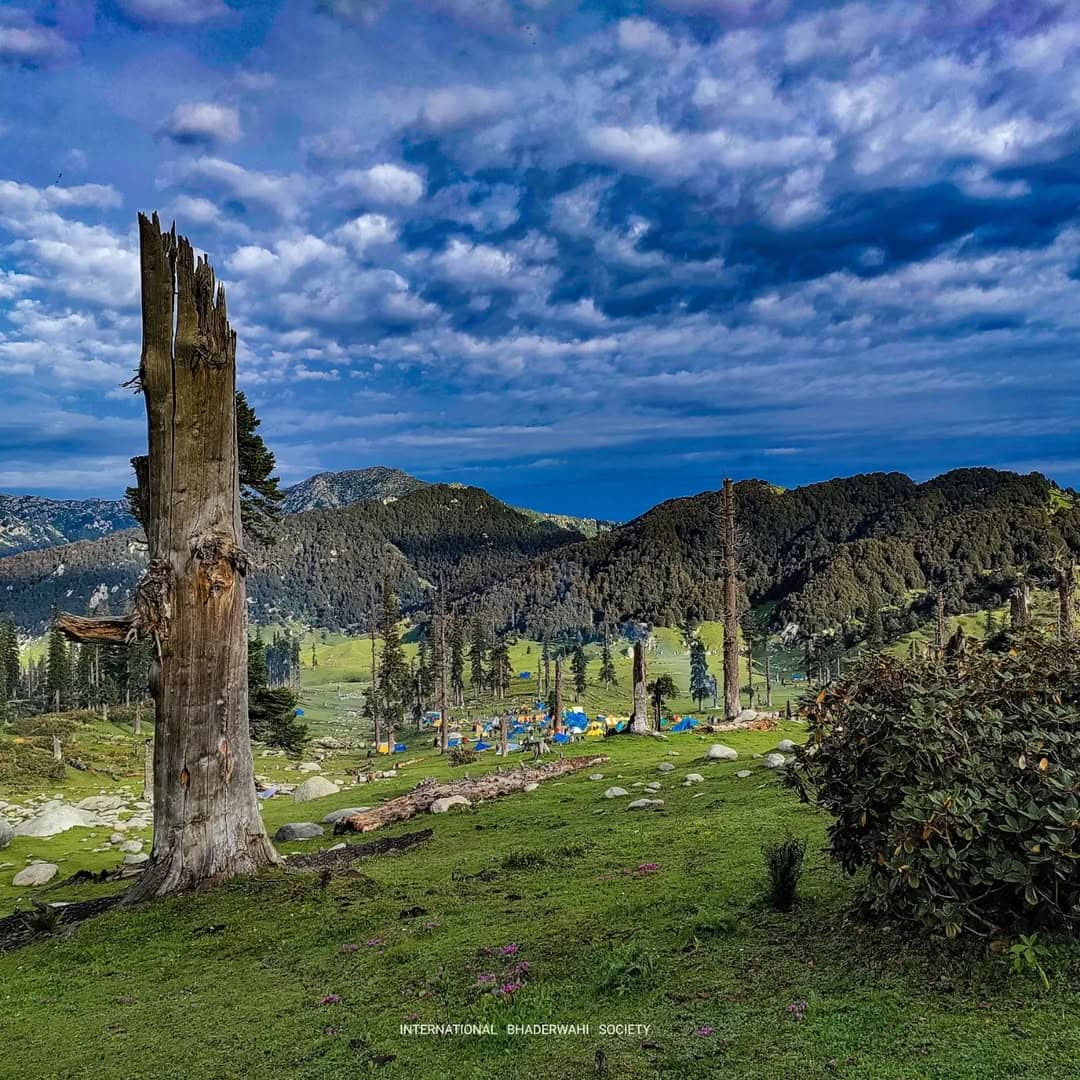 Trek Guide
By Preetam Singh Rawat|Feb 13, 2026
Kailash Mansarovar Yatra: Where Devotion Meets Himalayan SerenityThe Kailash Mansarovar Yatra is an extremely spiritual journey through the Trans-Himalayas that draws pilgrims and those seeking the personal awakening they seek. It is adored by Hindus, Buddhists, Jains as well as Bon devotees, Mount Kailash is revered by all four major religions and traditions as a symbol of divine energy, and close by Lake Mansarovar is famous for offering purifying waters to rejuvenate souls. A yatra is not just an excursion. It is an transformative spiritual journey that focuses on endurance, both physical and spiritual. A hike through Mount Kailash -- including Dolma La Pass at a high altitudes -- can make pilgrims undergo physical tests while also reviving their souls. The pilgrims return not only with memories of stunning landscapes, but also with renewed feelings of peace, harmony and connection too. Selecting the right adventure company is crucial to ensuring an enjoyable trekking experience. Trekup India provides enjoyable and well-organized treks that are designed to ensure that a thrilling adventure is truly enjoyable and worthwhile. In Trekup India, our primary priority is your security and security in all aspects of your trip, from comfortable transportation to meticulously planned routes. When you choose Trekup India as your tour service, every aspect will be taken care of to make your trip as enjoyable as it can be; from comfortable transportation to carefully planned routes, each aspect is managed to ensure that your trip runs smoothly. When you travel with Trekup India, your trip is accompanied by comfortable accommodations professional guides, comfortable accommodations and expert acclimatization programs designed to enhance your the spiritual experience, so that you can solely focus on enjoying the stunning mountain beauty without stress or problems! Each aspect is thought-through to allow everyone to focus on enjoying the scenery without worrying about anything. In the end, Kailash Mansarovar Yatra can be a memorable journey that will leave more than pictures behind: lasting memories are also made. If it's a spiritual awakening or an adventure that has brought you here, each step will reveal breathtaking landscapes and ancient places of spirituality. The ever-changing colors as it makes its way through Mount Kailash will leave you amazed at the wonders that Mother Nature is creating around us. Kailash Mansarovar Yatra is an amazing spiritual experience that takes you on a journey to Mount Kailash, an acclaimed Himalayan mountain which holds significant significance for all faiths. The mountain is considered to be the home of Lord Shiva himself and often regarded as a cosmic center, Mount Kailash attracts millions of pilgrims every year who come to its sacred shores due to its breathtaking views and stunning surroundings. There are also the chance to grow personally! This trip is more than a way to an end, it gives us the opportunity to be awestruck by the beauty of nature all around us and discover its spirituality through the Himalayan trek. The trek passes between Nepal and Tibet along the way is lush valleys, rugged scenery and jaw-dropping mountain passes, such as Dolma La and Mayum La with stunning views of pure nature, unspoiled. Every trip will be filled with unforgettable memories. will include watching the amazing changes in mountain hues. From sparkling white during the morning and golden hues at sunrise and sunset, with a few hints of red; peak has stunning displays. You also have the opportunity to participate in the Charan-Sparsh rite that involves touching the sacred peak to further enhance the spiritual experience already in place! Lake Mansarovar is another must-see during any journey through the Himalayas. It is clean and elevated, it's sacred within the Hindu religion because of this alone! The holy water of Lake Mansarovar cleanses the soul from any sinning they might have committed, while enjoying the many benefits that the journey gives you in terms peace and beauty. Lake Mansarovar sits 4,590m atop an edifice and is considered to be one of the world's highest freshwater lakes that are adored for their cleansing properties physically and spiritually. A ritual bath in its water is regarded as a highly spiritual for many believers who believe that drinking the sacred water will provide blessings from God and cleansing of the inner. This holy pilgrimage is widely regarded for being one of the most difficult pilgrimages due the harsh weather, steep peaks and a rugged terrain. Travelers with courage must negotiate Dolma La Pass, which is 5,645 feet high and push their physical and mental endurance to the limits! Pilgrims who are fervently religious undertake their pilgrimage with unwavering faith, determination and vigor which makes for an unforgettable adventure. Because of its physical demands Kailash Mansarovar trekkers can enjoy a profound experience that can be transformational for many participants - bringing new insights and increased self-knowledge and powerful feelings of spiritual bonding with their spiritual communities. Additionally, its stunning Himalayan landscape is an inspiring backdrop for contemplation and spiritual development. Kailash Mansarovar region holds great spiritual significance for all religions and religions, but especially Hinduism as well as its adherents, in which Kailash Parvat is worshiped as the place to honor both Lord Shiva and Goddess Parvati, which makes the site a sacred pilgrimage for those who believe in Shiva. According to the legend bathing in Mansarovar Lake's holy water can cleanse any sins and restore purity. On this trip you'll be visiting the Gaurikund Pond of sanctity in which goddess Parvati would bathe and the location where Lord Ganesha first appeared. Buddhist practice believes Kailash Parvat to be the center of cosmic energy, and is a place with a significant spiritual significance. there, Buddha was believed to have contemplated. Additionally, Bon and Jain practices consider this sacred mountain, which is revered with great respect as a place spiritually significant. The ideal time to start this sacred pilgrimage is in the monsoon time especially between July and August. One major benefit of hiking during these months is the clear views of Mount Kailash - this makes trekking a lot more enjoyable, comfortable and beautiful simultaneously! The weather generally stays steady, with stunning views of the landscape being provided to tourists looking at Mount Kailash at its best and temperatures are generally more manageable in comparison to the brutal winter cold. Kathmandu Before you embark on your journey to Tibet Take a moment to visit Kathmandu the capital of Nepal, a vibrant city, known for its ancient temples, fascinating traditional culture, stunning architecture and bustling main streets. If you are you're in Kathmandu go to the Pashupatinath temple and participate in the Rudrabhishek ceremony, which is a pilgrimage that is believed to honor Lord Shiva who can remove obstacles, bring wealth and strengthen the spiritual bonds within people. Friendship Bridge Friendship Bridge, situated between Nepal and Tibet is an entrance into Tibet's fascinating landscape. It offers breathtaking views from the Kerung River and mountain ranges. After crossing this stunning bridge into Tibet you will experience its deep spiritual fervor as well as its stunning natural beauty in person. Mansarovar Lake Lake Mansarovar is a unique tourist attraction along the way, famous for its crystal clear water which reflects mountains that are covered with snow. The water at this altitude is believed to cleanse past sins and purify the spirit of one's self providing peace and tranquility in a serene space of peace and tranquility. Participate in the Mount Kailash Parikrama for an incredible spiritual journey that spans around 50km, beginning in Yamdwar and concluding in Chongdo. This difficult trek provides stunning views of Mount Kailash as well as the chance to see its heavenly feet, often known as local names Charan Sparsh. For those who believe in God, this trek is vital as it brings the pilgrims closer to Lord Shiva himself. The serene water of Gauri Kund is revealed as one of the most sought-after lakes from Hindu mythology, and is connected to Goddess Parvati. In Hindu belief Parvati bathed in this lake and is believed to have had the birth of Ganesha. Ganesha there. The tranquil lake's surrounding of rugged rocks is truly stunning! Kailash Mansarovar is more than just physical experience. It is also an incredibly spiritual experience that people find transformational. Visitors gain awareness of their own in a clearer way, and a greater connection to God All this is set against a tranquil Himalayan backdrop that promotes meditation and peace.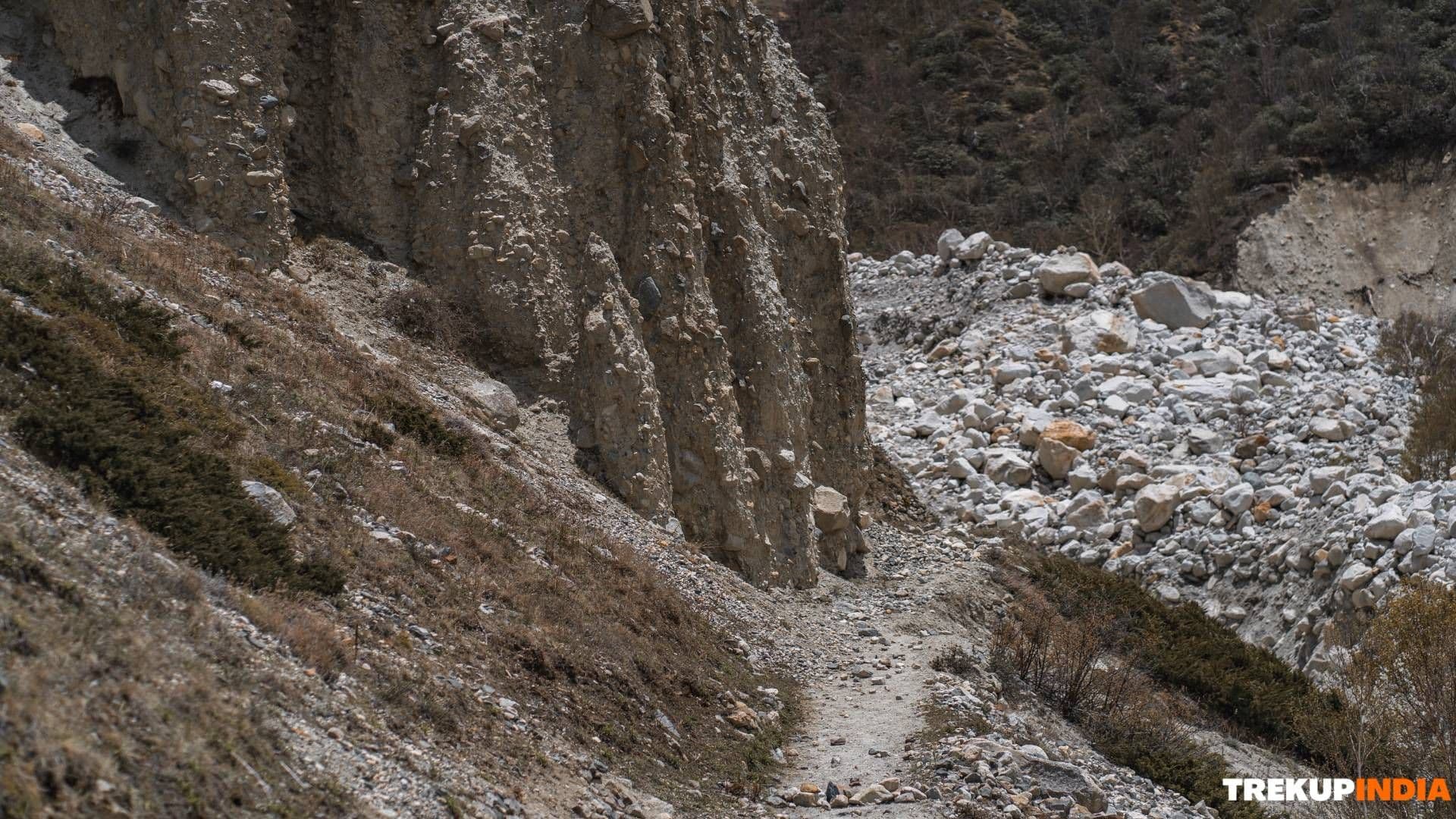 Trek Guide
By Shivam Shingari|Feb 13, 2026
Gaumukh Tapovan Trekking Guide: Ideal for Beginners or Experienced Trekkers?Discover Uttarakhand on an unforgettable Gaumukh Tapovan Trek, an exceptional high-altitude trek offering adventure, spiritual significance, and breathtaking Himalayan splendour! Start at Gangotri for this breathtaking trek along the Bhagirathi River to Gaumukh and see where the Ganges originates before continuing upstream to Tapovan at 4,400 metres, an alpine pasture offering breathtaking views from Mount Shivling and the Bhagirathi River. There can be difficulties encountered while climbing mountains, such as steep elevations, glacier crossings, and rugged terrain; experts in the field often prefer it; however, well-prepared beginners with guidance from knowledgeable guides may take on this challenge with the proper attitude and practice. Challenges such as low oxygen levels, freezing terrain, and basic campsites cannot be avoided; however, facing them head-on and reaping their rewards is truly rewarding. Gaumukh Tapovan provides an unrivalled combination of spiritual energy, unspoiled natural beauty, and peaceful trekking routes for an unforgettable and revitalizing Himalayan experience. Bhagirathi runs with energy from the Garhwal Himalayas deep within, flowing toward Gangotri Glacier at 30 kilometres in length and across an immense landscape of stones and boulders until eventually connecting with the Alaknanda River in Devprayag to form Ganga River which travels over 2700 kilometres throughout its course to provide vital nourishment to India’s entire population. At 300 vertical metres above Gaumukh, an inviting expanse of rocks becomes transformed into stunning Tapovan meadows filled with vibrant and flourishing meadows brimming with colour. Exploring Gaumukh Tapovan may help us better understand some of our most profound beliefs as well as cultural traditions. Although a well-known trail for pilgrims and easily accessible, don’t make the mistake of thinking it’s easy. Although technically traversing a national park, there may be issues to keep an eye out for along the way. Take an impressive Gaumukh Tapovan Trek journey that traverses dense woods of pine and birch along well-defined pathways, through lush forests filled with vibrant greenery encased in mist to give an illusion that you are walking through a dream landscape. But gradually, the lush forests give way to barren landscapes characterized by rock outcrops and sandy riverbeds as you climb higher, eventually reaching Gaumukh, where rock formations transform into huge boulders before eventually levelling off as slopes steeper still until eventually opening onto stunning Tapovan and its breathtaking sights. Starting your journey can be both exciting and demanding! One of the hardest challenges will be reaching Gangotri in the Himalayas; this sacred city lies 240 km away from Dehradun airport via automobile – taking 10-12 hours depending on traffic conditions – but its scenic ride provides an ideal starting point for this unforgettable trek through stunning landscapes, history and legends – it makes an unforgettable journey experience. As previously planned, we would have crossed the Bhagirathi River via Gangotri Glacier; however, due to changes at Bhojwasa camping site this is no longer an option; rather we must navigate it on our own from Bhojwasa onwards; with one of its major challenges being this massive natural force as part of its crossing process. An ordinary cart suspended from a manual pulley system stretches along the road’s length, leaving travellers at the mercy of those on either side who can pull them over the distance. Absent assistance, passengers may become trapped in midair, exposed to elements and flooding below. Public transportation with these risky iron cages holds more than six people at any one time in cramped conditions, often for as much as two hours at a time. Each trip lasts only 10 minutes, as working it takes twelve people, and each trip lasts approximately 10 minutes, therefore, frequent trekkers must wait long periods up to two hours until their turn. Days one and two cover 11 or 15 km respectively; remaining days cover approximately 5km each; however, the terrain can make these days treacherous for trekking. Day 4 presents one of the more challenging treks, when traveling from Bhojwasa to Tapovan through forest areas before descending through deserted landscape dotted with boulders and rocks. This uneven terrain requires constant attention over its 5-km course with a 500m ascent. As soon as you reach Gaumukh, the trek becomes increasingly strenuous as reaching Tapovan requires vertical climbing over massive rocks alongside a waterfall, necessitating jumping off rocks and making multiple crossings along its 300-meter ascent. Every day presents unique obstacles. Some may come from long distances or the terrain itself; other times they may stem from rockfall zones that shelter wildlife; terrain changes; steep slopes; or steep inclines, etc. It is essential to keep in mind that no mules are on this trail! This choice, which I strongly encourage, may make trekking more difficult; however, its breathtaking landscapes will surely distract you from any frustration with distance or terrain issues along your route. Using Shivling and Bhagirathi Mountains as motivation throughout your trek should make every step worthwhile and your journey unforgettable! Tapovan is an insurmountable challenge that merits our full consideration, with its almost vertical gradient making each move a test of endurance. Add into that its uneven, crummy terrain dotted by boulders and wet stones making movement even more hazardous – as well as potential rainstorms which only add further dangers! Our challenge here is no secret; anyone traveling through the Himalayas knows all too well how rapidly weather patterns can shift here, creating obstacles on our journeys and posing major problems on the trail. Unpredictable weather presents one of the greatest obstacles on any trail, due to parts being particularly susceptible to fluctuations. Particularly vulnerable in poor weather are areas prone to falling rocks and steep ascent towards Tapovan. Trekking beyond Bhojwasa involves mostly rock-covered terrain; rain or snowmelt makes navigating these trails all the more challenging. Bad weather can add extra strain when traveling such vast distances. When considering aesthetics, practicality, and comfort for an individual on this particular trek, favourable weather conditions for weather is truly an enticing gift.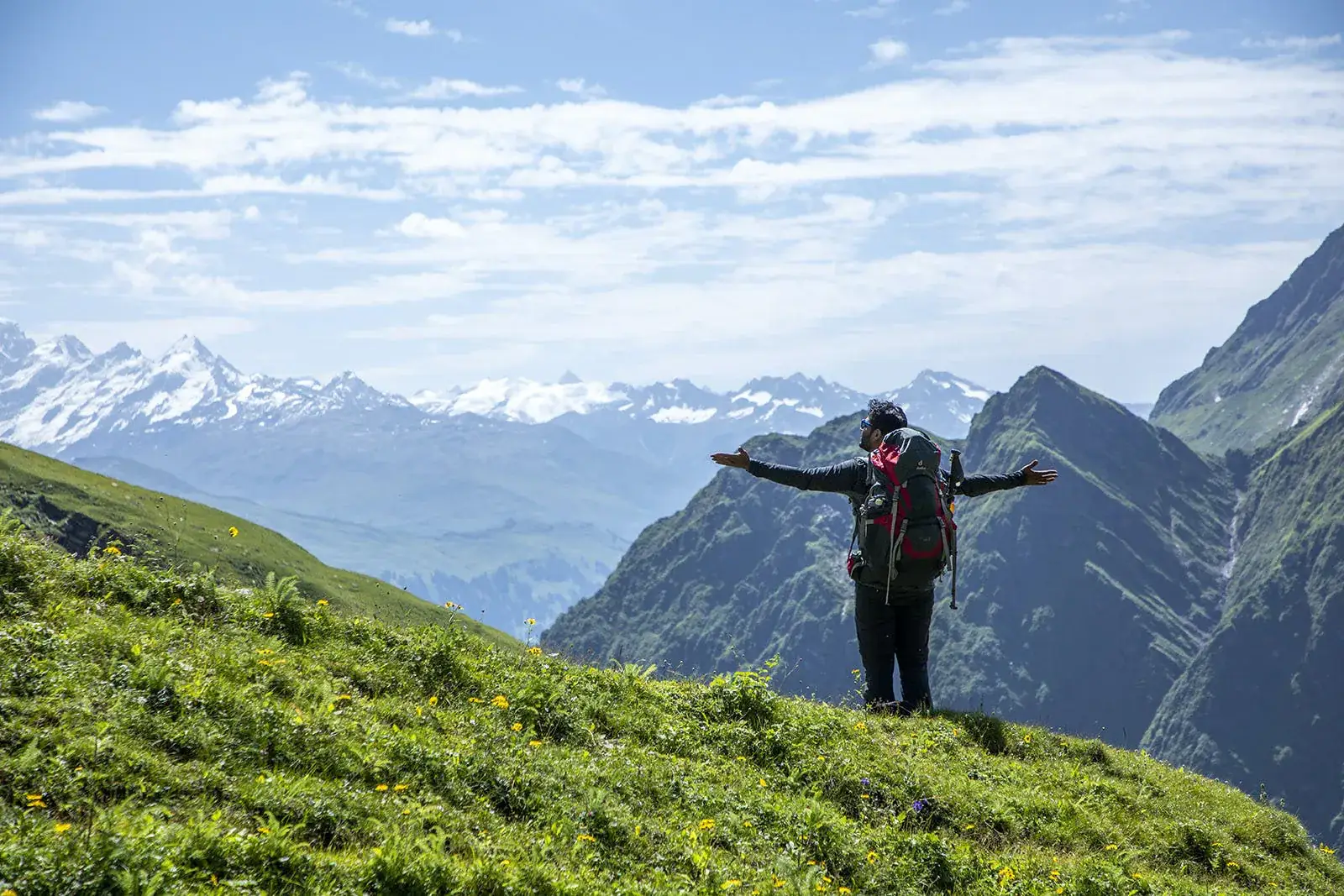 Trek Guide
By Nanda Rawat|Feb 13, 2026
Beas Kund vs Bhrigu Lake: Which Trek Should You Choose?Beas Kund and Bhrigu Lake offer an amazing glimpse into Himalayan trekking experiences, providing breathtaking panoramic views of the Dhauladhar as well as the Pir Panjal Mountains. The trails are dotted with stunning meadows, snow-covered mountains, and a variety of lakes to provide an enjoyable experience. The lakes are located in Himachal Pradesh close to Manali The treks are becoming more well-known as a shorter trek option, but both have some challenges that may hinder making the right choice for you. This article provides a thorough comparison of Beas Kund and Bhrigu Lake, with special focus on their distinct characteristics, in order to help you make an informed choice when planning an excursion. Himachal Pradesh and Bhrigu Lake provide the chance to enjoy an unforgettable two-day trek through the Himalayas. Beas Kund's smooth terrain and gentle inclines make an ideal starting point for new walkers or families and those who are looking for a relaxing river stroll, with vast meadows, a tranquil camping trip, or stunning Himalayan views. In contrast, Bhrigu Lake's more difficult trail, which has steep ascents and quick elevation gains, is perfect for those who are fit or experienced travelers seeking stunning Himalayan views. Beas Kund is associated with Rishi Vyas and Rishi Vyas, while Bhrigu Lake is dedicated to Maharishi Bhrigu; Beas Kund has a more accessible and serene landscapes, but Bhrigu Lake is more challenging trekking trails at higher altitudes with stunning views. Be sure to take your level of fitness, preference for views, and the determination to push yourself to make a decision one of these options. Each is sure to be an unforgettable mountain experience. The Beas Kund trek covers 32 kilometers and reaches 3700m and the Bhrigu Lake trek covers 29 kilometres. Both trails eventually reach 4267 metres in elevation. The first 7 kilometers are an easy climb; Beas Kund trail features an arduous moraine crossing that requires focus and agility to navigate safely. Additionally extra vigilance and care must be practiced during the route to avoid accidents caused by inability to balance or a misalignment. Beas Kund offers breathtaking vistas of Hanuman Tibba, Friendship Peak, Ladakhi, and Shitidhar that will make you swoon. Bhrigu Lake is situated at an incredible elevation and offers breathtaking panoramas, which include Seven Sisters, Hanuman Tibba, Deo Tibba, Beas Kund Valley and Hanuman Tibba itself. These stunning views will capture your attention and inspire you to keep on the path ahead. Each trail offers a unique landscape. Beas Kund is a the rugged terrain, with outcrops and rocks of rocks during summer and covered with snowfall during winter. The Bhrigu Lake route boasts an stunning landscape. From coniferous forests to expansive meadows that seem to be endlessly vast. Each trail is unique in its beauty that will continue to surprise you! Beas Kund as well as Bhrigu Lake have become popular destinations for trekkers who are new because of their accessibility. Although they are not popular every year, these trails attract hundreds of hikers. Bhrigu Lake trails are lined with Oak, Birch, Cedar and Pine trees, as in addition to Rhododendron as well as Juniper shrubs. Other frequent guests comprise Magpies, Swifts, and Woodpeckers! You may also be lucky enough to spot the occasional bear! When you first start trekking through Beas Kund Valley, you will encounter Fir and Spruce trees, before you will encounter more Juniper trees as you climb. Additionally, this region is the home of Monal, the official bird of Himachal which makes this area a great spot for bird-lovers! Beas Kund and Bhrigu Lake offer thrilling mountain experiences, with stunning views that make the perfect base for future Himalayan adventures. We hope the details we provide can help you make an informed choice based on information that matches your interests. Should any assistance be needed we can help you. our team of support.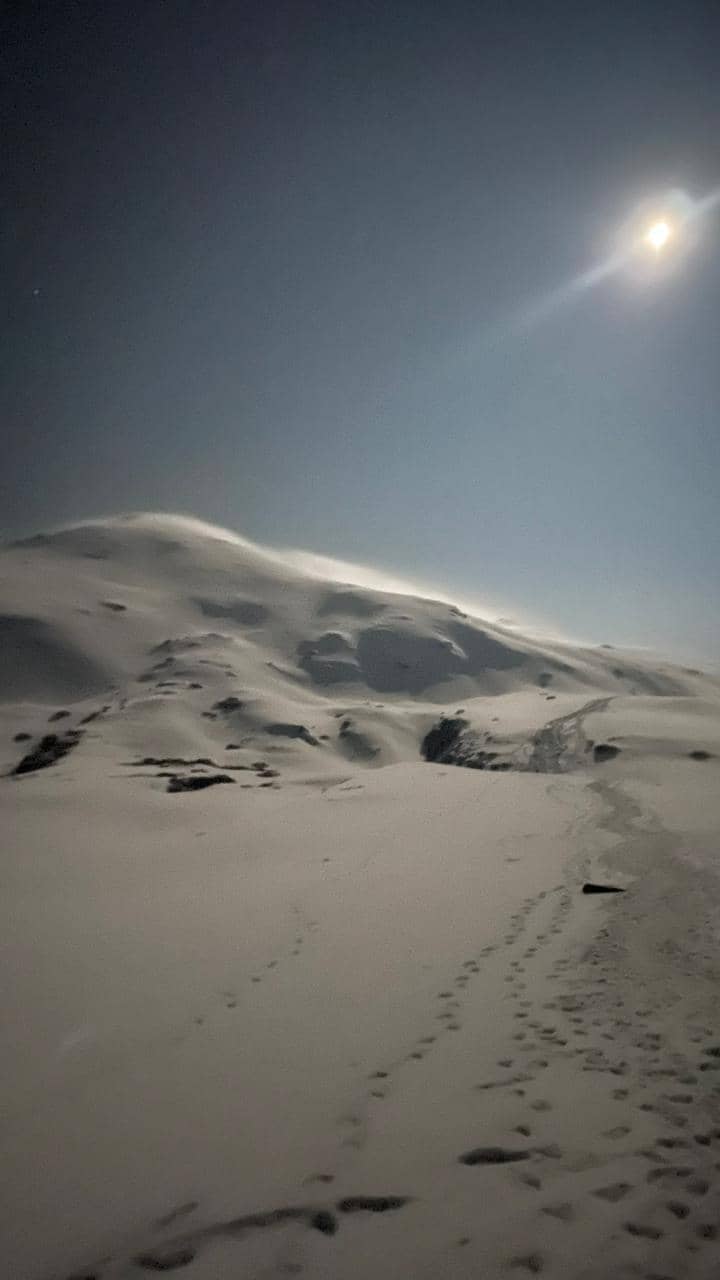 Trek Guide
By Nanda Rawat|Feb 13, 2026
Kedarkantha vs Brahmatal: Which Is the Best Winter Trek in Uttarakhand?Uttarakhand provides Brahmatal as well as Kedarkantha as the ideal place to start for beginning Himalayan trekkers looking to set out further. The trails are open during winter, offering trekkers the chance to explore these majestic mountains. Treks offer breathtaking views of mountains that are covered in snow and also meadows and night skies covered in snow, which will create lasting memories that will surely be enthralling. Their rugged beauty will draw visitors to return for more adventures. Choosing among a variety of treks may be a challenge however this article will highlight the distinctive characteristics of each while describing the ways in which they share differences, despite their distinct attractions. Brahmatal and Kedarkantha offer amazing treks in wintertime in Uttarakhand with breathtaking snow-covered trails through forested paths and stunning Himalayan views, providing unique experiences. Brahmatal is a haven filled with frozen lakes, ridgelines open to the air and serene camping spots that are a perfect spot for those who appreciate peace and vast landscapes. Its length is a little more and its gradual slope makes Brahmatal an ideal spot for those seeking solitude and peace between December between December and March. Kedarkantha is often referred to as the "Queen of Winter Treks" is a smaller but more challenging trek that is ideal for those who are new to the sport and for shorter winter treks during holidays. It has an exhilarating top as well as lively campsites like Juda Ka Talab. It is ideal for winter treks that are short and brief during holidays, such as the period from mid-December to February, where temperatures remain cold enough. Kedarkantha summit provides stunning mountain views of a variety of Himalayan mountains, including Bandarpoonch, Black Peak, Swargarohini and Ranglana in the Gangotri and Yamunotri ranges that showcase their breathtaking beauty against a breathtaking sunrise view. Brahmatal as the top point provides stunning views of Mt Trishul, Nanda Ghunti, Chaukhamba, Neelkanth Kamet Hathi Ghoda, and others that have played important role in Hindu mythology. These views are truly an amazing experience, and one can feel the immense impact they have on this ancient landscape! Kedarkantha and Brahmatal Treks start in small towns before moving through coniferous forests on well-defined trails. They then open to vast meadows that offer breathtaking panoramas of the Himalayan Mountains. Both trails take you to peaceful lakes that are hidden in mountains that are hidden in the vicinity of campsites. both trails have breathtaking ridges that offer views of snow-capped peaks which makes it difficult to look away from Brahmatal Peak. The trails offer stunning snow-covered terrain, which requires strenuous upward climbs in order to get to the Brahmatal summit. Kedarkantha is now becoming increasingly popular, drawing large numbers of trekkers every New Year's Eve, as they try to catch the spectacular sunrise that marks the beginning of a new year. In addition, an increase in trek operators draws large crowds of tourists on their trails during the winter which leads to overcrowding on some trails, including Kedarkantha in comparison to Brahmatal which is more suitable for beginners, despite being more popular than its counterpart. Brahmatal Forest as well as Kedarkantha's lush forest is full of active wildlife and plants as well as wildlife that live in both areas. Rhododendron and Oak trees flourish on both routes. Kedarkantha is home to Chir Pine as well. Brahmatal has dense conifer forests such as Cedar and Fir close to Gujreni campsite. If you're fortunate, Black and Golden Eagles can be seen flying out of Judato over Lohajung down the Brahmatal Route. Birdwatchers enjoy these routes too as both routes are home to exotic species, including the Himalayan Monal, which inhabit these regions. When you are deciding between Brahmatal and Kedarkantha make sure to keep these factors in your thoughts. Both treks are breathtaking as they lead visitors deep into the mountains before taking them to their summits for stunning panoramas and additional Himalayan adventure. Our article should provide you enough information about the different treks so that your choice is based on your personal preferences. should additional assistance or advice be needed We are here to help! Trek Guide
By Nanda Rawat|Feb 13, 2026
Top Reasons to Choose the Brahmatal Trek This WinterBrahmatal Trek in Uttarakhand's Garhwal region is widely thought of as one of the top winter treks within the Himalayan Mountains. From December to March the trek transforms into an icy paradise full of frozen lakes, pine forest and breathtaking views of mountains like Mt. Trishul and Nanda Ghunti. For those who are just beginning to trek and who are new to camping trips It offers moderately difficult hikes, camping spots in abundance without crowds, and significant historical significance and camping spots abundant which makes Brahmatal the ideal winter travel destination. Brahmatal Lake is an amazing glacial lake that is even more stunning when it reflects the stunning mountains that hang over it. It stands out from other trekking destinations. The Brahmatal trek is a unique adventure, giving trekkers the chance to walk along a tranquil lake, surrounded by mountains. In winter, the area transforms into an ice-covered wonderland covered in snow-capped peaks, creating an amazing view. For an unforgettable winter trip on the outskirts of India include the Brahmatal trek to your bucket list. The trek is known as one of Uttarakhand's most prestigious treks in winter, the Brahmatal trek reveals its stunning beauty during winter months like the months of December and February when snow-covered landscapes blend with tranquil surroundings to make for a memorable trip. The Brahmatal trek takes you through lush forests, that are dominated by rhododendrons as well as oak trees. It is followed by coming on stunning peaks covered in snow that transform into an amazing winter landscape following their first snowfall of the season, with each step leaving a mark of this stunning white panorama. As you climb towards Brahmatal Peak, the majestic Himalayan Mountain ranges unfold before you in a stunning view. As you ascend higher and higher to reach this amazing location, vast landscapes unfold before your eyes, offering stunning views as well. At its peak is Brahmatal summit, where breathtaking views and the fresh mountain air will awaken your senses to refresh the experience of travel and enrich your trips alike. Brahmatal is famous for its mythological significance as well as its spiritual importance to Hindu followers. "Brahmatal" is a reference to Brahma's Lake in homage to Lord Brahma - Hindu mythology's God of Creation According to local legends, he made it to collect pure water to write the Vedas there. He also meditated for long durations of time. This was the reason for this sacred place to Hindu followers. Brahmatal Trek is thought to be one of the best winter treks in India for those who are new to the sport. It is classified as easy moderate, this trek offers plenty of challenges and thrills for experienced and novice trekkers alike. Although trekking by itself might not be considered to be difficult however, factors such as elevation rise and weather that is unpredictable could cause some challenges. However, its stunning views of snow-capped Himalayan mountains like Trishul, Nanda Ghunti and Maiktoli make it an appealing option for winter treks. The Brahmatal trek is 24 km and reaches its peak at 12,250 feet. It begins from Lohajung and moving on to Ristreksh via Lohajung through gentle slopes and steep hills with straight sections that allow for easy travel. It also includes dense oak-rhododendron woodlands as wide grasslands as well as slippery trails. three days will bring daily climbs of between 4-5 kilometers and on day four we will cover greater distances at lower altitudes to allow for a more comfortable hike! This trek is classified as a moderately to easy difficult hike, but conditions like snow can pose additional obstacles. These obstacles add excitement and adventure to this thrilling trip.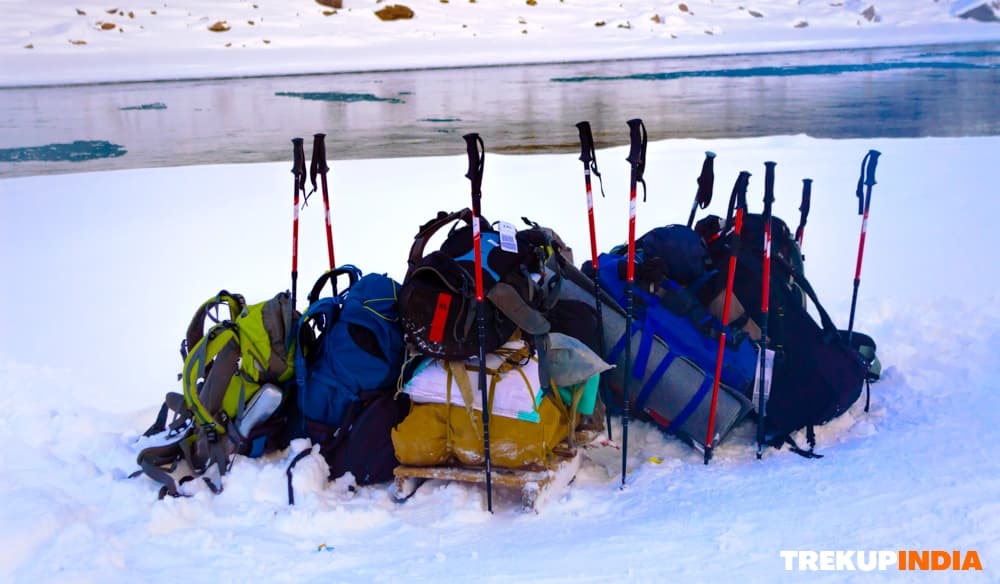 Trek Guide
By Anoop Rawat|Jan 25, 2026
Backpack Packing Tips for Stress-Free Travel: Prep the Night BeforeAsk any experienced hiker what makes the morning hikes in the mountains easier and the answer isn't necessarily extravagant equipment or fitness. It's usually something easy: Packing the backpack correctly the night prior to. In the TrekUp India We've witnessed the effects of rushing packing, which can result in missing headlamps, lost rain jackets, overloaded loads, and anxiety prior to the trek begins. On the other hand those who pack with calmness the night before start their day refreshed, calm and relaxed. When you live in the mountains, the way you start your day can determine how your day will unfold. Morning rushes are the fastest way to forget essentials--sunscreen, water bottles, gloves, snacks, or even permits. The night before packing allows you to think about your options and make sure that nothing essential is left out. The majority of treks start at a reasonable time. The knowledge that your backpack is prepared will allow your mind to unwind to sleep more soundly instead of focusing on your packing lists after midnight. Instead of rushing around in dim light or looking for lost things, you wake with the confidence that everything is there. Just a quick glance before a cup of tea and you're all set - physically and mentally. These aren't just theories. They are the habits that have been formed over thousands of departures from the beginning. Always make sure to pack the checklist that is specifically designed to suit your particular trek and time of year. For Himalayan treks This typically comprises: The act of removing items from the list reduces uncertainty and helps avoid the over-packing. Bottom of the Backpack Middle Section Top Section Side / Back Pockets Top Lid / Outer Pockets This system will help you not have to unpack your entire bag only to search for one item. The weather in the mountains can be unpredictable. Dry gear means better ease of use and less problems when you're on the trail. Items such as: It should be accessible without having to empty the backpack. Accessibility helps save time and energy. Before turning off your light A headlamp that is not working in the early morning or at dusk isn't something you'd like to face. The process of packing the night before can also be an opportunity for mental practice. When you put each item in its place in your bag, you envision the day ahead: weather, terrain breaks, the challenges. This increases your confidence and calmness. A properly packed backpack can also: A lesser amount of discomfort will mean greater energy and enthusiasm for your trek itself. Prior to each trek, TrekUp India conductors instruct trekkers on what to bring their bags efficiently. We strongly recommend that you finish packing prior to bedtime and utilizing the morning briefings for only final checks or to answer questions. This habit can be improved: Individually and in a group. The prior to bed isn't just about making it easier to get there on time. It will set the tone for your whole trekking adventure. At TrekUp India We've observed how this one habit can lead to more peaceful mornings, more clear minds and more enjoyable day out on the trail. When your backpack is neat your thoughts will follow. An organized backpack does more than just neatness. It demonstrates confidence, awareness of the mountains in front. Therefore, before you embark on your next trek make sure you pack your bags early, carefully and let your journey start with calm and not chaos.