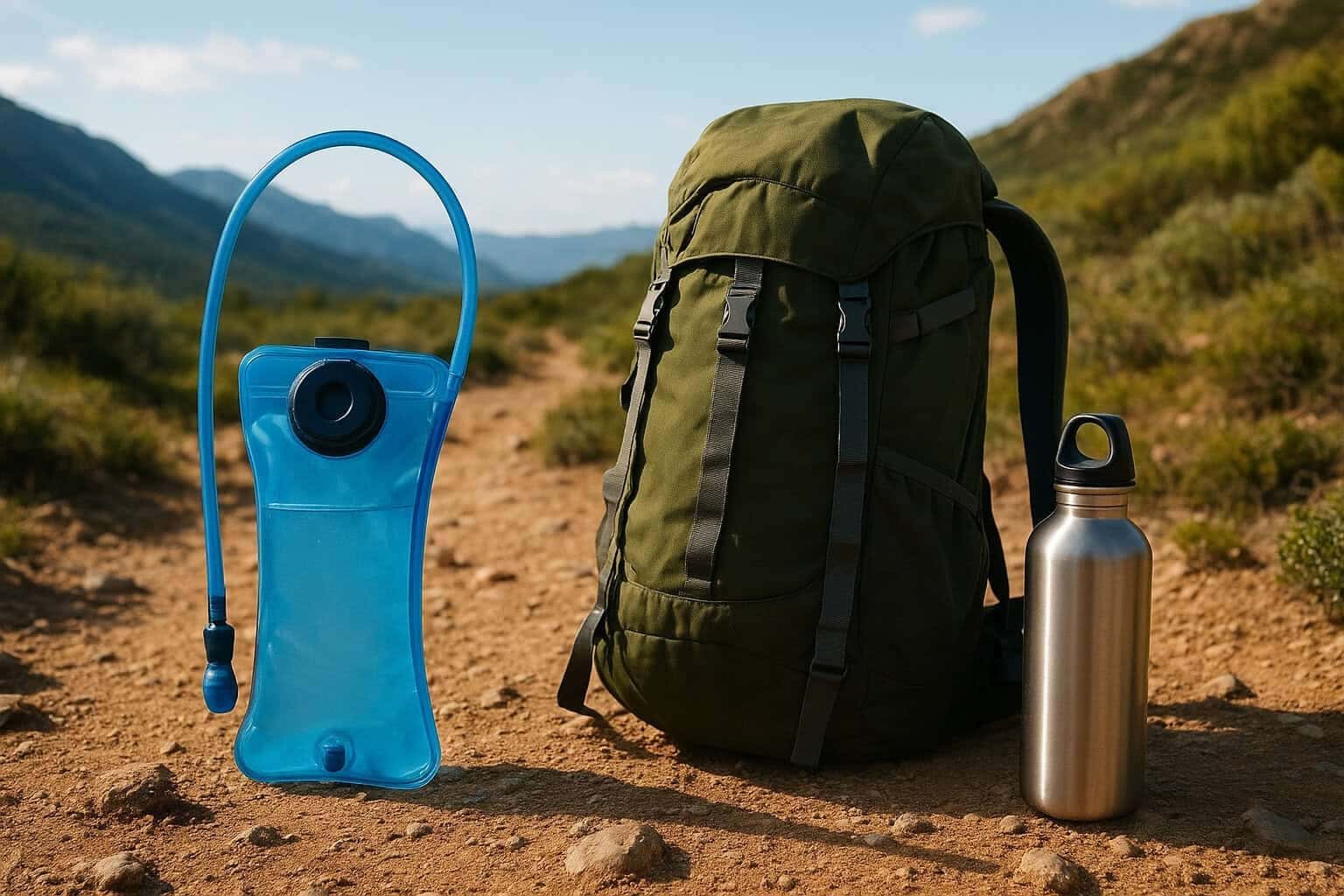
When on Indian trekking trips, conversations on the hydration equipment are similar to conversations over the chai break. Many trekkers prefer water bottles for sipping hands-free and others opt for traditional water bottles due to their ease of use and durability.
In TrekUp India, we have observed both systems perform exceptionally and fail, depending on the terrain, weather conditions altitude, as well as personal walking practices. There is no one universal "best" alternative. The best choice is based on the type of trek you take the trail, where you hike and how strict you are when it comes to drinking water.
This guide explains what are the real-world pros and pros, and tricks to keep you well-hydrated and secure while hiking.
The reason why hydration is crucial in the Mountains
Dehydration is more frequent in mountains than in the sea even in cold weather.
Principal reasons include:
- A low atmospheric moisture leading to increased loss of water through breathing
- More physical exertion that leads to more sweating
- Response to Blunted Drink when cold temperatures are present
- Fluid loss related to altitude which may exacerbate symptoms of fatigue and altitude.
Inadequate hydration in altitude could cause:
- Dizziness and headaches
- A decrease in stamina
- Slower acclimatization
- Risk of developing altitude sickness is increased
The key isn't just carrying water around, but taking small quantities regularly.
Hydration Bladders
Hydration bladders are very popular with hikers who want to drink continuously without having to stop.
Pros
- Hydration that is hands-free: Sip while walking without taking off your backpack.
- Encourages regular consumption of water: Reduces the risk of dehydration due to lack of attention
- Balanced weight distribution Close to back transport, increasing the stability
- Excellent for terrains with technical features: Useful when using trekking poles or scrambling
Cons
- Very difficult to monitor the intake of water: Hard to know the amount of water left
- Leak-risk: Even a small puncture in your backpack could cause a flood to soak it.
- Maintenance is required Drying is required thoroughly to prevent the growth of mould
"HTML0" India Tips:Always put your bladder in the waterproof liner or sleeve to safeguard your clothes and sleeping equipment from leaks.
Bottles of water Bottles
Water bottles are the most reliable way to hydrate for a lot of Indian trekkers.
Pros
- Clean and easy to maintain: Especially wide-mouth steel bottles
- Intake tracking clear: You know exactly the amount you've consumed
- Simple and durable: No tubes, valves, or moving parts.
- Multi-purpose: Can be used to mix electrolytes, tea or warm water.
Cons
- Requires a stop to drink: Many trekkers drink less because of this.
- Inequal weight distribution Side pockets may be uneven
- Risk of freezing when it is cold: Bottles that are exposed to the elements can be frozen when temperatures are high.
TrekUp India Tips:On winter hikes, wrap your bottles with a wool socks or place them inside your backpack to keep them from freezing.
The Hybrid Approach: practical for Indian treks
Many skilled Indian trekkers make use of both of these systems in conjunction.
- Water bladder for frequent drinking during walking
- Drinking water bottle as a backup to store electrolytes, hot drinks and intake monitoring
This configuration offers security, convenience and redundancy that is essential for mountain terrain that is remote.
Practical Hydration Hacks for Trekkers
- Create a sip schedule: Drink every 10-15 minutes, but not in massive in gulps
- Utilize electrolyte tablets: Particularly in high-altitude summer, or for long trek days
- Insulate bladder tubes When it is cold put the tube in your jacket in between sip
- Work using your own method: Make sure you drink enough water during hiking sessions so that it feels as if you are doing it naturally on the hike
- Never rely on a single system for everything: Backups matter in the mountains
Trek Leader Review
Examined by Rajneesh Trek leader, TrekUp India
This article was examined by Rajneesh Negi who has vast experience on the ground conducting treks across Uttarakhand, Himachal Pradesh, and high-altitude Himalayan routes. The hydration techniques and gear tips discussed above have been proven through actual trekking conditions that include extreme cold and long ascents, water shortage and dehydration-related altitude challenges.
Conclusion
There's no universal solution in deciding between hydration bottles or water bottle. Hydration bladders are excellent in hands-free drinking, frequent consumption and frequent drinking, and water bottles are a great option for ease of use, durability and a better way to control intake. For the majority of Indian treks it is recommended that a mixed system is the best choice for balancing your needs.
Keep in mind that hydration isn't about drinking a large amount of water every now and then, it is about regular, small amounts all day long. For those living in the mountain regions, drinking water isn't only fuel, it's vital for survival..
Select the one that lets to drink regularly, shields your equipment and helps keep your body running efficiently. Staying hydrated is keeping secure.
About the Author: Trekking Expertise You Can Trust
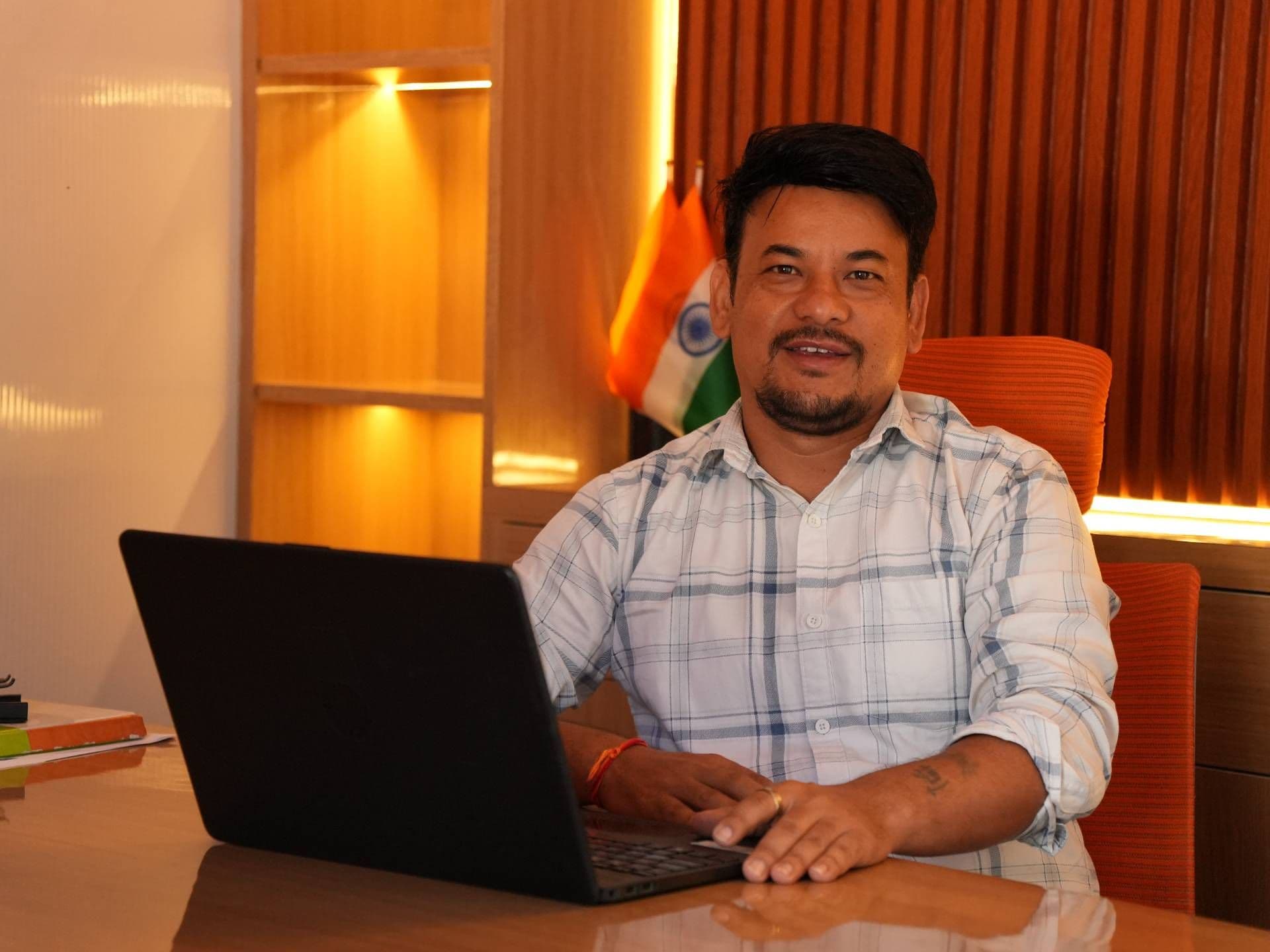
Operations Manager
Nanda Rawat holds a Master’s degree in Tourism & Hospitality and brings over 16 years of experience in adventure and leisure travel. He has led multiple Himalayan expeditions, contributed to ATOAI, and is trained in first aid by the Indian Mountaineering Foundation. A strong supporter of sustainable and ethical tourism, he plays a key role at Trekup India. Write to him at: nanda@trekupindia.com