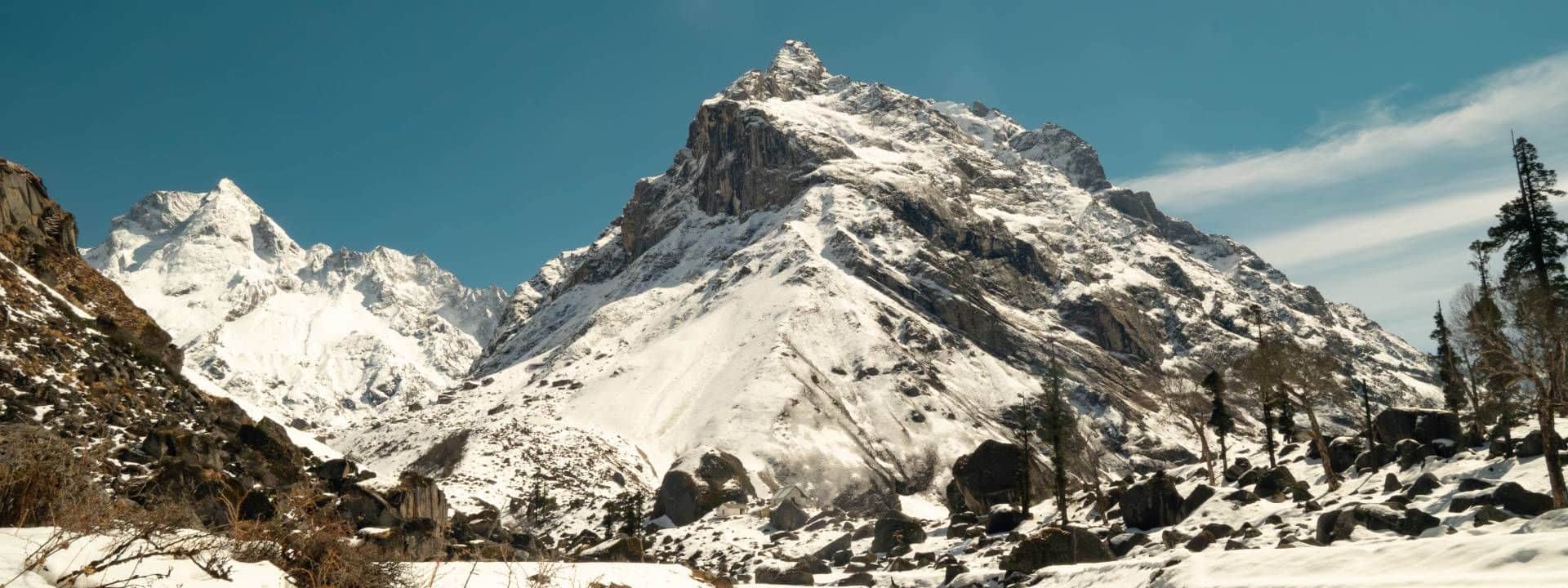
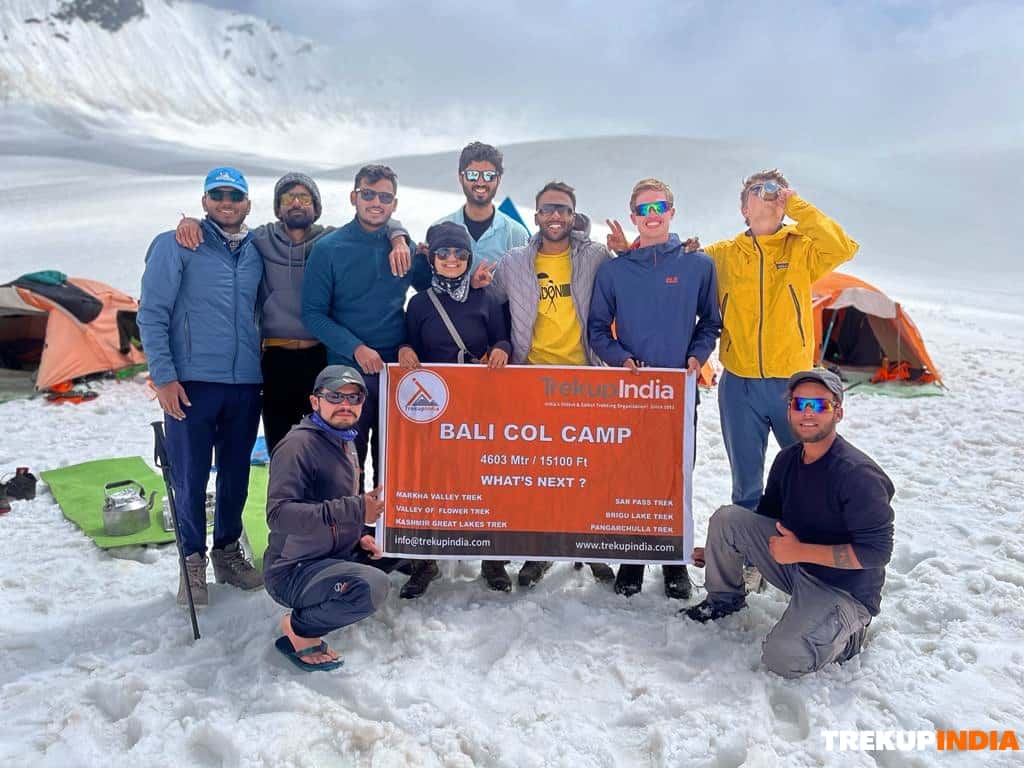
It is a joy to trek across India's varied landscapes, from the snow-covered trail that run through Himachal Pradesh to the dense Ghats of the Western Ghats - is an experience that is best enjoyed with. When you do it in an entire group, trekking becomes more than an exercise in physical distance and becomes an experience that is shared, in which cooperation, discipline and shared accountability make a difference in the safety and pleasure.
We at TrekUp India, we've led thousands of treks for groups across the Himalayas as well as various other Indian mountains. With years of experience in the field we have observed how good group behavior can transform a routine trek to a secure enjoyable, easy, and satisfying experience. However, inexperience or a disregard for norms of the group can lead to a flurry of discomfort, delays and even safety risks that could be avoided.
This guide will outline the most important group trekking manners of conduct based on actual trekking experiences, mountain safety guidelines as well as the best practices used by experienced trek guides.
Why Group Trekking Etiquette Is Essential
Safety is the first priority
In the remote areas Your group is your primary safety mechanism. Being in a group by communicating clearly and assisting one another greatly decreases the chance of injury in altitude, exhaustion, or other problems.
Effectiveness on the Trail
Teams that are well-coordinated move quickly keep schedules in check, and avoid unnecessary stops - crucial factors in times when daylight hours are restricted.
Group Morale and Experiential Learning
Positive behavior builds trust and inspires. A positive environment will ensure that everyone enjoys the experience regardless of the level of fitness or previous experience.
Essential Group Trekking Etiquette
1. Keep the agreed pace
Make sure you trek at the rate that is set in the direction of your trek leader. The pace is determined by evaluating the conditions, terrain, altitude and the slowest person in the team.
Being ahead of or behind can disrupt group rhythms and could compromise safety, especially in forested or high altitude regions.
2. Time for Respect Breaks
The purpose of rest breaks is to assist trekkers to hydrate, eat and recuperate efficiently.
- Be sure to use breaks well to drink water, snack, or quick gear changes
- Prepare yourself to move if the leader announces your departure
- Beware of extending breaks too much because it can impact the whole group's schedule
3. Make sure you communicate clearly and promptly
Contact your trek leader immediately if are feeling unwell, tired or uneasy. Inadequate communication could turn minor concerns into more serious medical issues.
Hand messages or phone calls particularly in areas with no mobile connectivity. Learn and then follow the rules.
4. Be Responsible and Share the Trail
Good trail behavior ensures safety and harmony
- Let way for trekkers who are climbing steep sections.
- Allow groups that are faster to travel on trails that are narrow
- Avoid blocking paths during breaks
A courtesy display on the trail shows the collective discipline.
5. Cooperate, don't compete
The group trekking is not an event. Be supportive of fellow trekkers instead of trying to measure endurance or speed.
Help when you need it However, be respectful of individuals who would prefer to handle tasks by themselves. Mutual respect strengthens group cohesion.
6. Help to protect the environment
Responsible groups minimize their environmental impact:
- Recycle all waste that you can, including biodegradable items
- Avoid disturbing wildlife or damaging vegetation
- Limit the amount of noise in order to ensure the environment is protected
The practice of adhering to Leave No Trace principles is an obligation shared by everyone.
7. Respect Your Space
Group treks are often based around camping sites with tents, camping areas, and eating areas. Be mindful of others' comfort, privacy, and personal boundaries--especially during rest hours and meal times.
8. The Trek leader's instructions
Trek leaders are educated in the field of weather assessment and the navigation of terrain, altitude management as well as emergency responses. Their decisions are based on safety of the group and must be acted upon without hesitation.
Group Trekking: The Golden Rule of Group Trekking
When trekking with groups, every action affects the entire group. Being considerate is not only about being polite, but also the safety, efficiency and peace for the whole group.
We at TrekUp India, we believe the most memorable treks aren't about achieving mountains, but about the shared strength as well as encouragement and accomplishment.
Conclusion
Group trekking is not just about the people, it is about routes and summits. Group treks that are successful rely on cooperation, a sense of humor, and respect between participants. If every participant agrees to a mindful approach and sharing of support, the experience transcends physical difficulties and becomes a long-lasting memory shared by all.
Through years of guiding treks, TrekUp India has seen how small acts of kindness--waiting for a teammate, offering encouragement, sharing responsibility--transform strangers into trusted companions. The bonds formed often last beyond the trail even after the trek itself is finished.
About the Author: Trekking Expertise You Can Trust

Operations Manager
Nanda Rawat holds a Master’s degree in Tourism & Hospitality and brings over 16 years of experience in adventure and leisure travel. He has led multiple Himalayan expeditions, contributed to ATOAI, and is trained in first aid by the Indian Mountaineering Foundation. A strong supporter of sustainable and ethical tourism, he plays a key role at Trekup India. Write to him at: nanda@trekupindia.com