
Prev
1 / 9
Next
 Travel Tips & Guides
By Nanda Rawat|Jan 22, 2026
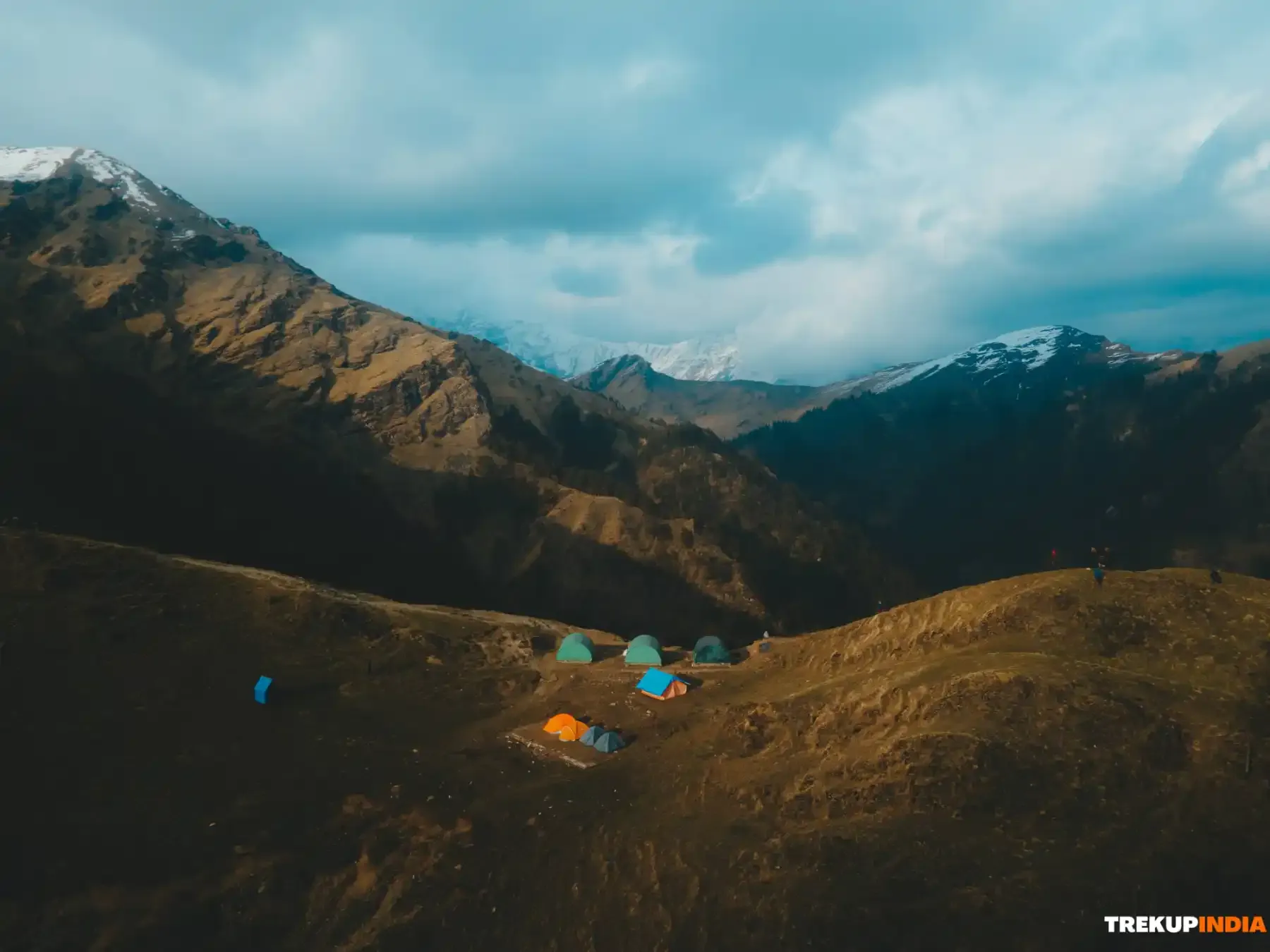
Camping Cooking Hacks: Easy, Healthy & Nutritious Meals for TrekkersFood during the trek is much more than fuel for the day. It is comfort, recuperation and morale all in one. After a hard day of climbing, walking rough terrain or battling cold winds, a cozy and nutritious meal could completely alter the way a hiker is feeling physically and mentally. In TrekUp India, we've cooked hundreds of meals for campers throughout the Himalayas and Western Ghats. From cold deserts at high altitudes to camp sites in the forest that are damp One thing is for sure: simple, well-planned meals keep trekkers feeling energized and well-nourished.. Camp cooking is not without difficulties: limited fuel, a lack of equipment, unpredictability of weather and high energy requirements. The key is making smart decisions and ensuring that meals are easy, nutritious and effective. The weight of the mountain plays a role. Select ingredients that are light and non-perishable. They are also versatile. Staple carbohydrates: Protein sources: Flavour essentials: Vegetables that are fresh and hardy: These foods provide balanced nutrition that lasts for several days, without refrigeration. One-pot cooking helps save energy, is less messy and streamlines routines at camp. Trustworthy options include: One-pot meals are perfect for those who are exhausted and need to be efficient when it is the most important factor. Preparation in advance saves time and helps avoid the need to carry several containers. When you arrive at camp, just add hot water. There is no measuring or messing up required. This method of reducing fuel consumption is particularly beneficial at higher altitudes. It's great to make quick noodles, soya pieces and grains. It also helps conserve the precious fuel. Small adjustments can greatly boost the calorie density and warm. These supplements are particularly helpful when you live in high-altitude or cold temperatures. Not every meal calls for the use of a stove. Practical snack ideas for you: These snacks are perfect to eat for breakfast or trail breaks, and snacking on snacks for dinner. Inadequate hygiene can cause stomach problems on treks. Always: A healthy lifestyle is just as important as healthy eating outdoors. Cooking in the wilderness isn't about complicated cooking, but about simple planning, smart thinking and nutrition. When you use the correct ingredients and methods simple meals can be comfortable, rejuvenating and relaxing in the camp. In TrekUp India, we have repeatedly observed the way that warm, balanced meals can boost your recovery, improve spirits, and improve all-around trekking experience. In keeping food light healthy, nutritious, and simple to cook, trekkers are able to be able to focus more on enjoying the mountain. Make sure you plan your menu well, cook simple and let each campsite dinner turn into a little celebration in the open air.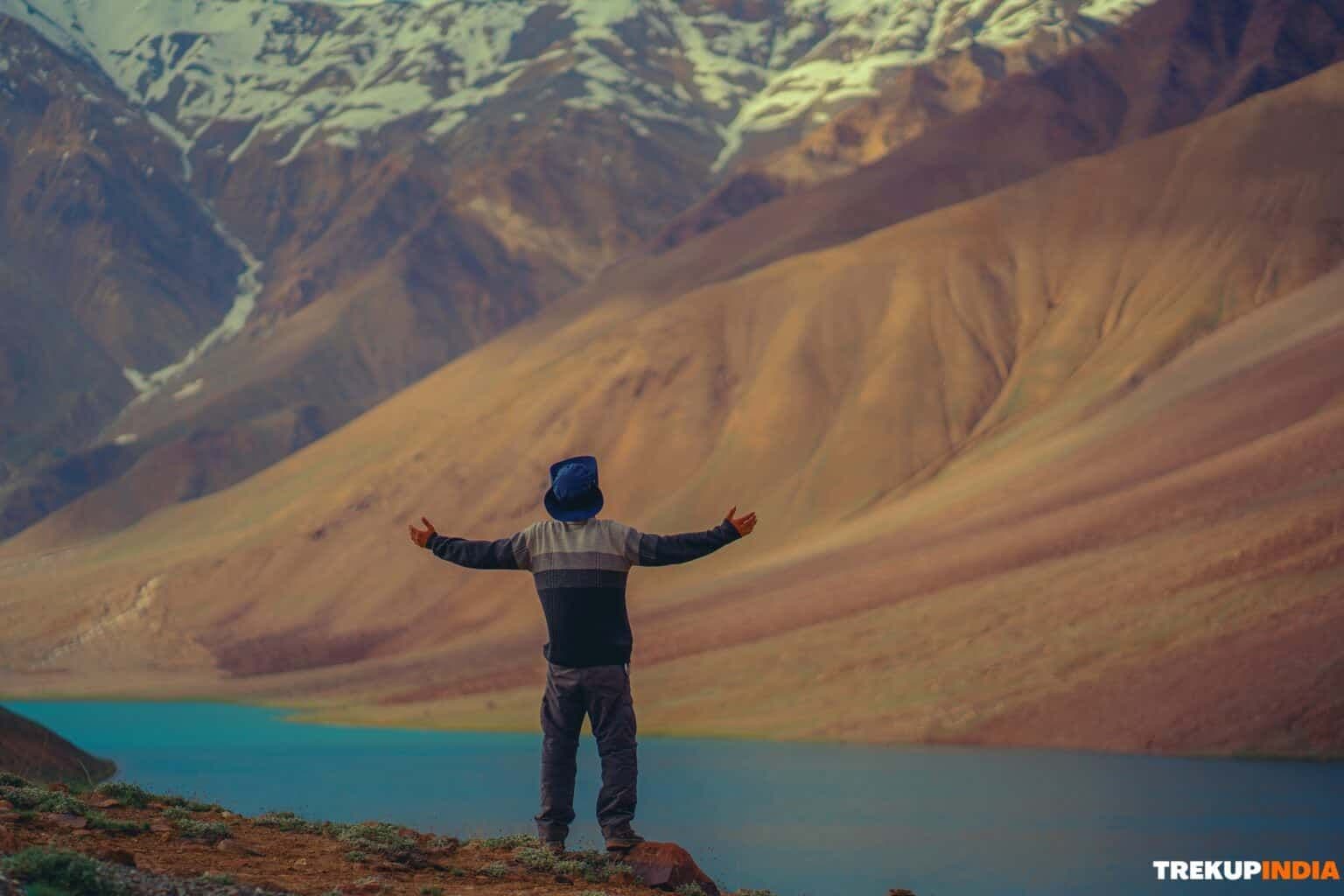 Travel Tips & Guides
By Nanda Rawat|Jan 22, 2026
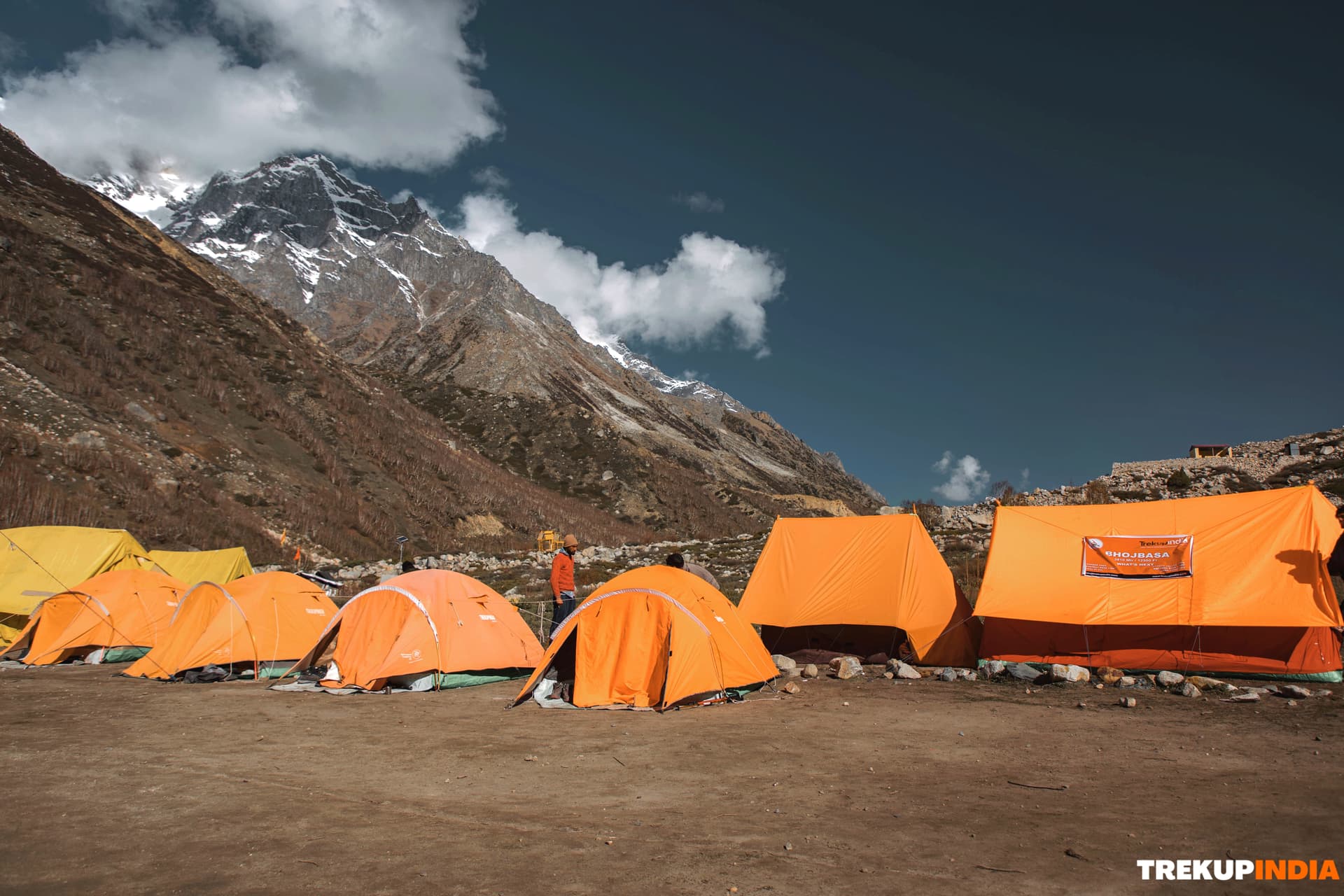
Mental Toughness for Trekking: How to Push Through Tough TreksMountain trekking is equally a mental test in the same way as physically demanding. Languish ascents in the Himalayas as well as slippery monsoon tracks through the Western Ghats, biting cold close to summits, and the loss of oxygen levels at high altitudes can be a test for a hiker's determination. Muscles can hurt, breath could be sluggish and worries can sneak into the trail becomes more difficult. We at our TrekUp India We've witnessed time and time again that, while fitness is what gets trekkers going, physical strength and mental stamina is the thing that keeps them up and running. Contrary to equipment that can be packed away or upgraded, mental strength is built through preparation by focusing, awareness, and regular practice both prior to and during the trek. Following strategies provide methods of mental resilience that have been tested in the field and utilized by more experienced trekkers and trek leader to navigate difficult terrains safely and with confidence. Concentrating on the whole distance, which could be 15 km or more, can quickly become overwhelming. Instead, focus on the specifics. Every little achievement builds momentum and increases confidence, making the entire experience feel more manageable. Physical exhaustion can lead to rapid, shallow breathing which then causes anxiety and negative thoughts. A controlled breathing pattern can slow down heart rate, boosts oxygen consumption, and aids in to keep your mind off of stressful stretching. In times of stress it is common for the mind to amplify the discomfort. Removing negative thoughts by using positive self-talk can dramatically alter perception. Examples: While it may seem unnatural at first, positive affirmation is a great way to keep you focused and motivated as fatigue begins to set in. Mental imagery is an effective tool. Imagine yourself: Reward and rest makes difficult terrain feel more purposeful and helps you remember that hard work leads to relaxation and success. When trekking with other people, the collaboration becomes a shared goal. A group effort can often propel people through areas they would be unable to finish on their own. Aversion to discomfort is often a source of the pain. Recognizing that cold, fatigue and strain are all an element of trekking can help reduce mental tension. Instead of thinking "This should not occur," remind yourself: Acceptance transforms hardship into an important part to the overall experience. Doing nothing but dwell on the past or pondering the future's problems drains your mental energy. Instead, focus on the present instead. Focusing on mindfulness diverts attention away from fatigue and shifts difficult upwards into moments of mindfulness and tranquility. Mental toughness is not about absconding with difficulties, it's about accepting the challenges and overcoming these. Each steep ascent, icy wind or exhausting stretch is an chance to increase resilience, confidence and self-confidence. Set smaller goals, managing breathing, practicing positive self-talk, imagining your success, gaining the strength of others, embracing the discomfort and remaining in the moment, trekkers can transform obstacles into achievements. We at TrekUp India, we have repeatedly observed that it's usually the mind, not the legs, that determines whether a hiker can reach the final destination. When you finally take a look back at the end of your trek these moments of uncertainty and adversity often turn into the most memorable and powerful aspects of the trek.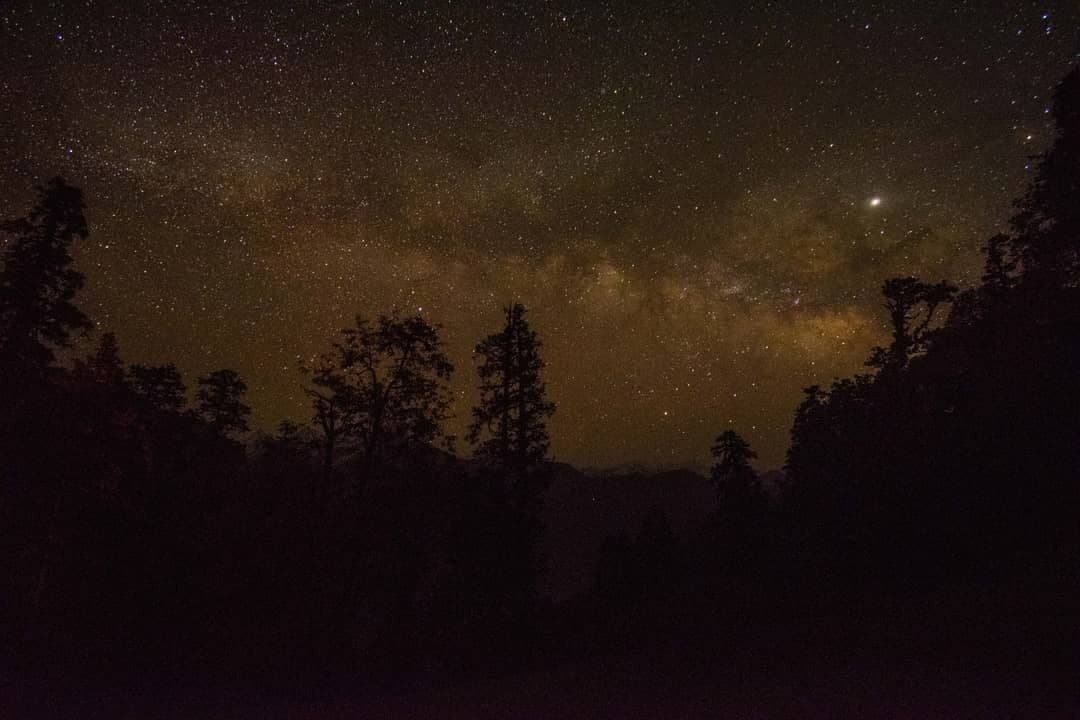 Travel Tips & Guides
By Nanda Rawat|Jan 22, 2026
Night Trekking Tips: How to Stay Safe and Enjoy Hiking After DarkNighttime trekking gives a new perspective on the mountains. The trails that are illuminated by the moon as well as cooler temperatures and the peacefulness of night are an experience many trekkers are able to deeply enjoy. But, the reduced visibility, falling temperatures and heightened risks make nighttime trekking demands more preparation and discipline than hiking in the daytime.. TrekUp India TrekUp India We've conducted numerous night walks, usually for summit pushes, sunrise views or short acclimatization hikes. Based on our experience on the ground it is evident that one thing is certain: night treks are enjoyable and safe only if planned with the appropriate plan as well as the right equipment and mental attitude. The use of a flashlight is crucial for nighttime trekking because it keeps your hands free as well as provides constant lighting. Best practices: Do not rely on flashlights for your smartphone because they can drain batteries fast and reduce usability. The temperature drops rapidly when it gets dark even in summer. Wear: Heat loss is the fastest in the hands and head so layering is essential to ensure safety and comfort. Nighttime trekking on unexplored routes greatly increases the chance of becoming lost. Beware of shortcuts and unfamiliar routes at night. A night of solo trekking is strongly advised against. Tips for securing your group: The coordination of groups reduces stress and avoids dissociation. The lack of visibility makes it difficult for dangers to detect. A slower pace lowers risk of injury and keeps the group in sync. The direct light of a bright fixture may temporarily blur vision. The night vision that is preserved improves awareness and balance. In certain areas there are areas where wildlife activity is more active at the night. Respect and awareness are essential in avoiding confrontations. A thirsty person is often disguised by cold conditions. Keeping hydrated and energized helps improve concentration and coordination. Night trekking is not only about achieving your goal. A thoughtful approach can increase enjoyment and safety. Nighttime trekking transforms regular trails into awe-inspiring experiences that provide peace, solitude and a deeper connection to nature. However, the circumstances that can make night hikes amazing also present risky situations that need to be taken care of. With the right lighting, layers of clothing, coordination of groups, as well as route confidence, night hikes can be safe and deeply satisfying. At TrekUp India, we believe the true value of night trekking lies not just in reaching a viewpoint or summit, but in moving thoughtfully through the mountains--respecting their rhythm, silence, and unpredictability. When approached with a sense of preparation as well as awareness trekking beneath the starry skies can be a memorable experience that stays for a long time after the trail is over.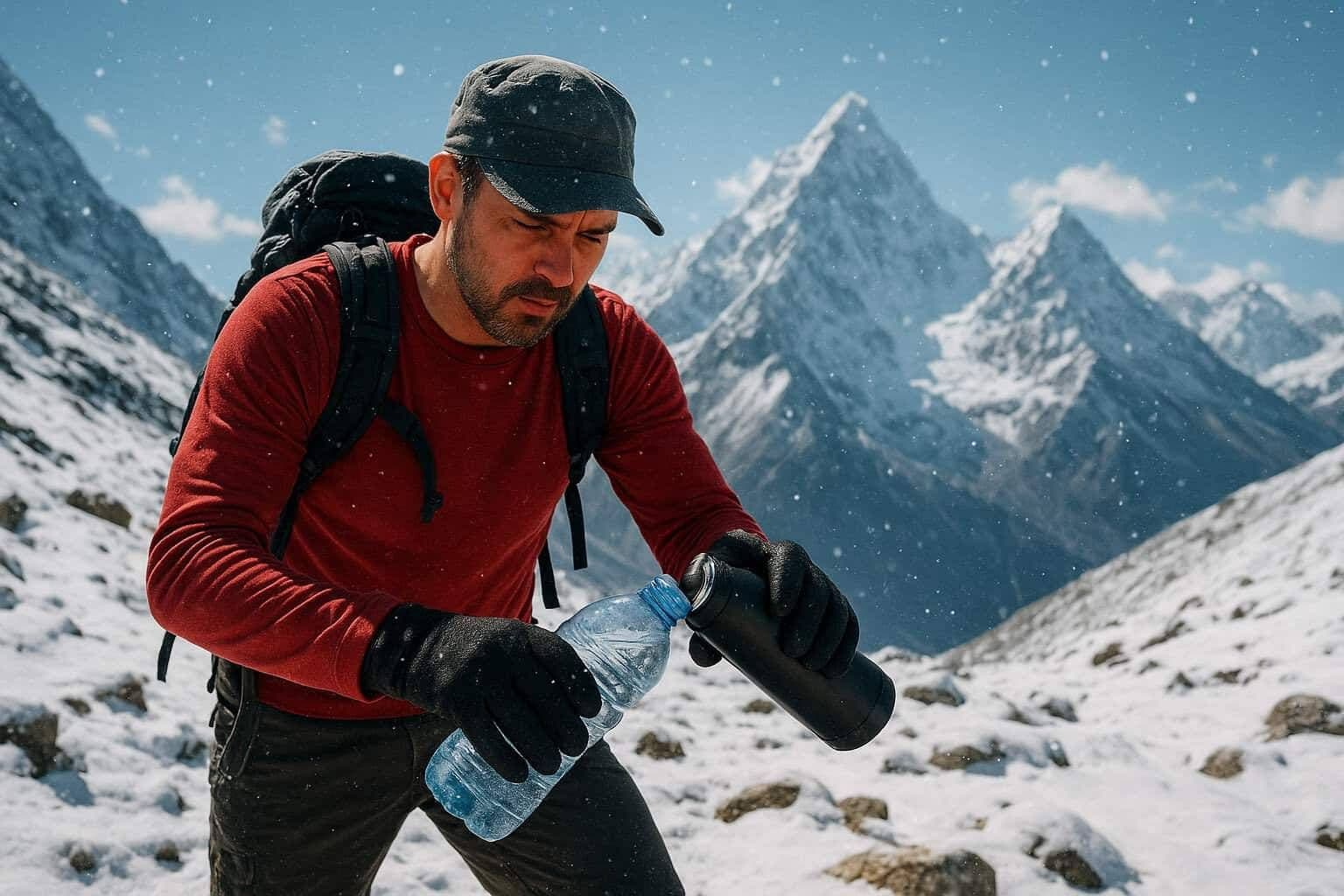 Travel Tips & Guides
By Nanda Rawat|Jan 22, 2026
How to Keep Water from Freezing While Hiking in Winter | Trekking TipsThe winter season of trekking within the Himalayas poses problems that are often ignored from experienced trekkers. The most frequently encountered but critical problems is stopping drinking water away from freezing. At altitudes where temperatures often drop lower than zero degrees, bottles of water could be frozen in just a few hours, and sometimes prior to the first mile on the trek. We at the TrekUp India We have seen repeatedly how freezing water causes fatigue, dehydration and higher health risks during winter treks. To stay hydrated in cold temperatures requires careful planning, proper storage techniques, as well as an understanding of the process by which freezing takes place. The tips below are practiced in the field and that are used in winter by trek leaders to ensure that they have access to drinking water throughout the day. Begin the day by filling up bottles by filling them with boiling (not hot) hot water. The initial warmth slows the process of the freezing process and makes it possible to drink liquid for an extended duration particularly in the initial hours of your trek. Insulated bottles keep the warmth for longer, however even ordinary plastic containers benefit from this technique. The foam or neoprene bottle covers dramatically decrease heat loss in cold conditions. If you don't have one, using improvised insulation techniques such wrapping the bottle with extra socks or clothes--can prove quite efficient. External mesh pockets expose bottles exposed to the cold breeze. Instead, put them in your backpack in a warm clothing or sleeping equipment. This helps trap heat and reduces the freezing process considerably. The water freezes from the top downwards. By storing bottles upside down, you can ensure that the ice will form close to the base instead of blocking the bottle's mouth and allowing you to drink longer while freezing is in progress. Hydration bladders are useful, but they are susceptible to freezing when you use the water hose. The best practices are: In the absence of these precautions, bladders can quickly freeze when temperatures are sub-zero. temperatures. When camping, store water bottles in your sleeping bag or in clothes that are close to your body. Body heat keeps you warm during the night and lets you sleep with drinkable water, which saves time and energy during cold winter mornings. The addition of electrolyte powder (or a little bit) sugar can reduce the temperature at which water freezes. Although this won't completely stop freezing but it will slow the process by providing a larger window to drink. Metal bottles lose heat quickly and can turn extremely cold. In extreme circumstances they can even adhere to the skin. When it comes to winter trekking make sure you choose non-BPA plastic containers, or double-walled bottles to keep your temperature more stable. Having access to water during winter treks isn't just about comfort. It is crucial to hydrate, boost energy levels and security. Bottles frozen in the freezer can disrupt drinking routines and can significantly increase the risk of fatigue and cold-related illness. Beginning using warm water using insulating bottles, keeping them in a safe place by using simple strategies like placing them upside down and close to the body trekkers will be able to effectively stop the water from freezing. In TrekUp India, we have witnessed these simple but intentional steps change into winter trekking from a gruelling adventure into a calm, relaxing adventure, allowing trekkers to concentrate on the trail as well as the surroundings and the adventure ahead.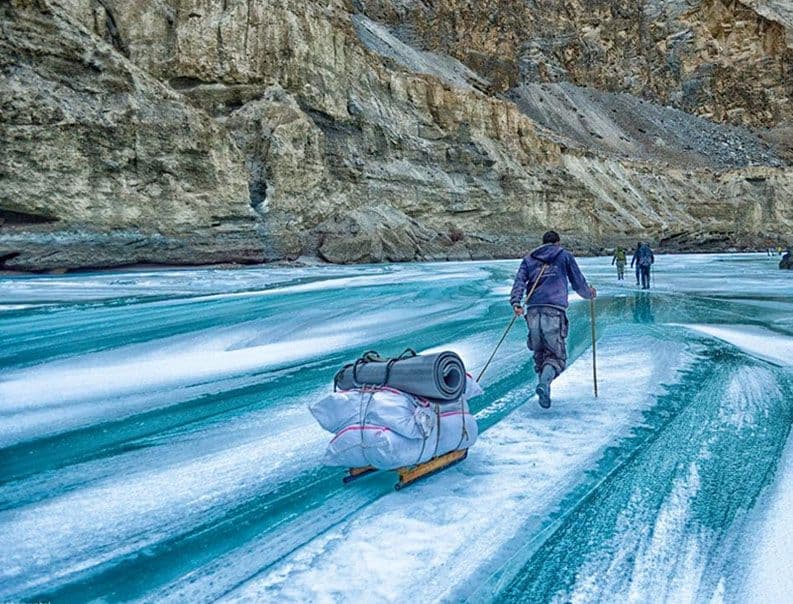 Travel Tips & Guides
By Nanda Rawat|Jan 22, 2026
Training for Trekking: How to Pick the Right Trek for YouThrough the many years, TrekUp India has helped hundreds of trekkers throughout the Indian Himalayas and the other trekking regions. There is a consistent pattern that is observed: the quality of the trekking adventure is actually related to the extent to which the trek is matched to the participant's fitness level.. A trek that's too easy could be a bit boring or too long, and one that oversteps your physical capabilities can result in exhaustion injuries, or a sudden withdrawal. Selecting the best trek is about finding the right balance between pushing yourself to the limit and growing but not to the extent that your safety or enjoyment are diminished. This guide was created to aid trekkers to accurately assess their fitness level, recognize trek difficulties and pick the trek that matches their level of physical fitness and previous knowledge. Before embarking on any trek take a honest self-assessment. Inadequate fitness is among the most frequent mistakes made by those who are first-time trekkers. A weekend trek with a full backpack is among the most reliable methods to assess your the level of readiness. If moderate terrain makes exhausted, starting with a beginner-level hike is highly advised. Indian Himalayan treks are generally divided into three general fitness categories that are: Intermediate, Beginner and Advanced. These categories take into consideration the duration, altitude as well as terrain and physical demands. Beginning treks provide trekkers to the mountains without putting them under too much physical or technical strain. These treks are perfect for acclimatisation, confidence building and gaining a basic understanding of trekking discipline. Examples:Kedarkantha, Brahmatal, Nag Tibba, Dayara Bugyal, Valley of Flowers, Chopta-Tungnath-Chandrashila (Uttarakhand);Triund, Bhrigu Lake (Himachal Pradesh);Sandakphu (West Bengal/Sikkim). Altitude Range: Lower than 3,500m. Duration 2-5 days Terrain Easy ascents, well-marked trails Ideal for first-time trekkers family members, trekkers with children or those returning from an extended vacation Training Tips for Preparation:Focus on the basics of endurance, such as brisk walking cycling, jogging--3-4 times per week, with a goal of 30 to 45 minutes each session. Intermediate treks are ideal to trekkers with a history of at minimum two or three beginning treks and are prepared to take on longer periods of time, greater altitudes and a wide range of terrain. Examples: Har Ki Dun, Kuari Pass, Ali Bedni Bugyal, Gaumukh-Tapovan (Uttarakhand); Hampta Pass, Beas Kund, Rupin Pass (Himachal Pradesh); Goechala (Sikkim); Kashmir Great Lakes (J&K). Altitude Range: 3,500-5500m Duration 5-10 days Terrain Steeper climbs more walking hours, winter snow Ideal For: Trekkers who can walk for 6-8 hours per day and have constant energy Strategies for Preparation:Combine the strength and cardio training of running stairs, squats, stair climbs as well as lunges and the core exercises--at least four times a week. Advanced treks can be physically challenging and usually comprise high altitudes technical sections, unpredictability of weather and exposure to extreme conditions. Examples:Bali Pass, Bhuran Ghati, Pangarchulla Peak (Uttarakhand);Pin Parvati Pass, Sar Pass (Himachal Pradesh);Chadar Trek, Stok Kangri Base Camp (Ladakh). Altitude Range: More than 5,500 m. Duration 8-15 days Terrain Long ascents/descents, snowfields technical sections Ideal to: Highly fit trekkers who have previous high-altitude experience Tips for Preparation:Advanced endurance training, strength training and loaded stair climbing and pre-acclimatisation treks are crucial. At 3,500m oxygen levels drop by around 30% when compared with sea-level. Even the most experienced trekkers might struggle if the climbing too fast. TrekUp India's Guideline:If you are making your first trek over 3,500m Choose routes that have a gradual increase in altitude and at least one day of acclimatization. The inability to recognize altitude is among the main causes of withdrawals from treks. Conditions during the seasons significantly affect trek difficulty: A trek that is rated "moderate" during summer can be "difficult" when it is winter. Beginners must always consider the season into trek choice. Whatever the trek the difficulty, a structured approach to training dramatically increases satisfaction and success. Even with the best preparations, trekking remains physically demanding. Drink plenty of water take small, frequent meals and rest as needed. A steady progress will ensure safety and fun. Picking an trek that is compatible with the fitness levels of your group is vital to ensure safety, enjoyment and long-term trekking achievement. TrekUp India TrekUp India, we consistently observe trekkers who can match difficulty to their ability to returning stronger, healthier and ready for new opportunities. Mountain trekking isn't about tackling the highest peaks, it's about knowing the body's limitations, while respecting nature and moving at a pace that doesn't overwhelm you. If you start with easy trails or plan for high-altitude adventures The Himalayas are waiting for everyone at any level.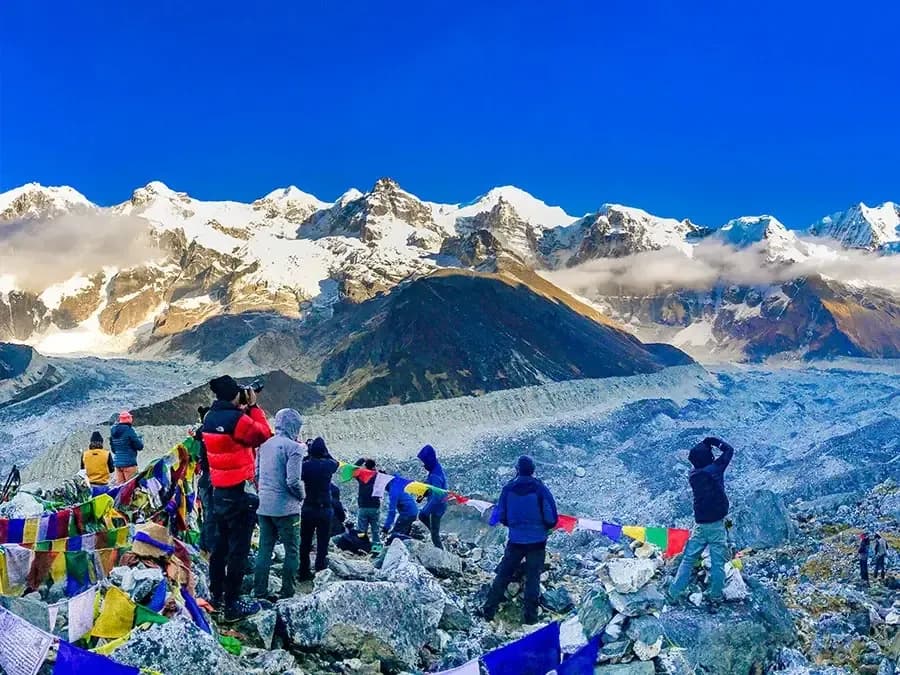 Travel Tips & Guides
By Anoop Rawat|Jan 22, 2026
Efficient Trekking Breaks: Maximise Recovery, Minimise Time LossWhen on Himalayan treks, each rest stop serves two goals: to restore energy efficiently or quietly draw out energy. In the years of leading treks through a variety of terrains and altitudes the TrekUp India has seen two extremes: trekkers who continue to push and are exhausted quickly while those who stay for too long between breaks to lose body heat and then struggle to find their the rhythm. Effective break management isn't about not resting more but rather being smart about resting. Well-planned, short, and purposeful stops help maintain warmth, conserve energy, and ensure timely arrival at campsites--especially critical in the mountains, where weather and daylight can change rapidly. A short, frequent break allows muscles to recuperate without causing excessive cooling. The long pauses can cause stiffness, which makes subsequent climbs more difficult. In mountainous regions, darkness falls quickly. The right breaks allow groups to remain on track and arrive at camping spots before temperatures drop and visibility diminishes. The extended stops in shady or chilly areas may cause rapid loss of heat, particularly in higher altitudes. Regular breaks are essential to maintain optimal body temperature. Regular pacing and structured rest breaks prevents the fragmentation of the group and helps maintain spirits throughout the day. The idea of waiting until fatigued is not productive. Recover actively. This helps to keep your breathing steady and avoids energy crash. A good rest stop must include: In the winter months, choose areas of sunshine; on the summer, shaded areas will help to prevent excessive heat. Be sure that backpacks can be easily accessed without obstruction to the trail. Beware of gulping water. Instead: Fuel efficiency is a key factor in sustaining performance. Unnecessary weight can increase fatigue and extends breaks. Preparation reduces downtime. Set up a timekeeper within the group to announce the group to restart, thus avoiding unexpected delays. Take breaks frequently: Avoid sitting for too long on damp or cold ground because this can tighten muscles and decreases flexibility. A structured teamwork system ensures better progress and more secure results. Breaks are designed to replenish your energy, not to procrastinate. For those who live in mountains, getting there punctually is often a factor in the safety, comfort and overall enjoyment. A five-minute break well managed will make a huge difference later during the day. Effective rest stops aren't focused on reducing recovery, but rather optimizing it. If you follow these steps Trekup India Rest Stop Formula, trekkers can balance energy conservation, body warmth and use daylight to their advantage. The purposeful breaks improve fitness, group morale and safety, often making the difference between a relaxing evening in camp and an unorganized, cold set-up at sunset. If you follow the right path with the right approach, rest stops are an opportunity to gain strategic advantages instead of a hidden risk in the trail.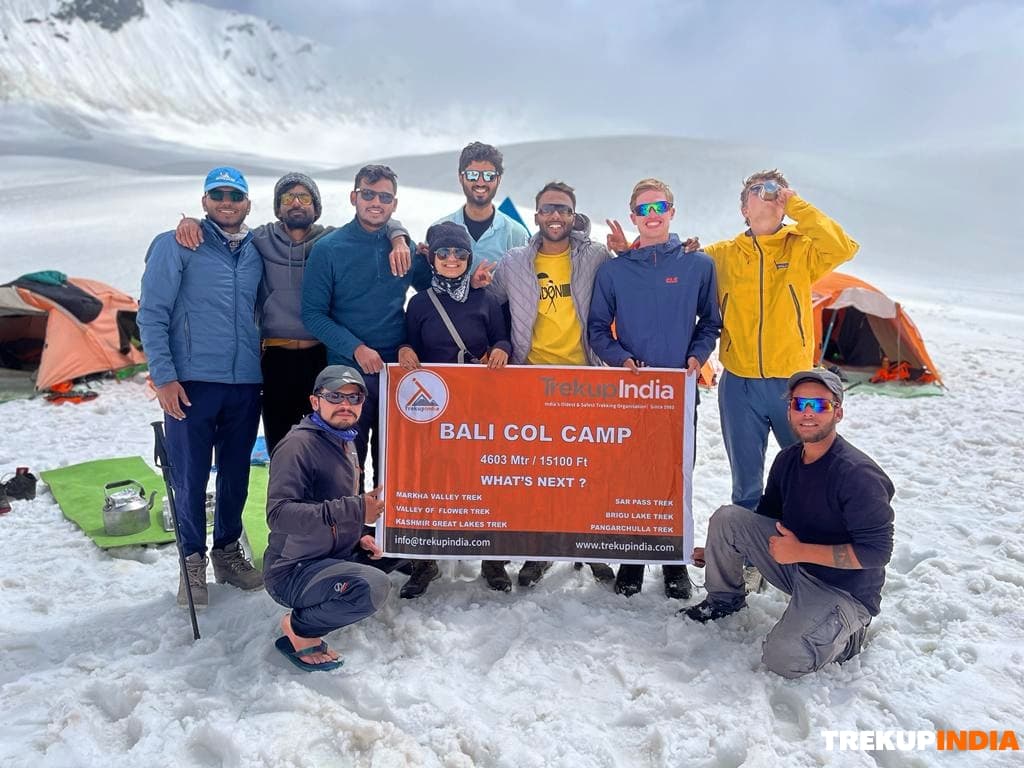 Travel Tips & Guides
By Nanda Rawat|Jan 22, 2026
Group Trekking Etiquette: Safety & Trail Courtesy GuidelinesIt is a joy to trek across India's varied landscapes, from the snow-covered trail that run through Himachal Pradesh to the dense Ghats of the Western Ghats - is an experience that is best enjoyed with. When you do it in an entire group, trekking becomes more than an exercise in physical distance and becomes an experience that is shared, in which cooperation, discipline and shared accountability make a difference in the safety and pleasure. We at TrekUp India, we've led thousands of treks for groups across the Himalayas as well as various other Indian mountains. With years of experience in the field we have observed how good group behavior can transform a routine trek to a secure enjoyable, easy, and satisfying experience. However, inexperience or a disregard for norms of the group can lead to a flurry of discomfort, delays and even safety risks that could be avoided. This guide will outline the most important group trekking manners of conduct based on actual trekking experiences, mountain safety guidelines as well as the best practices used by experienced trek guides. In the remote areas Your group is your primary safety mechanism. Being in a group by communicating clearly and assisting one another greatly decreases the chance of injury in altitude, exhaustion, or other problems. Teams that are well-coordinated move quickly keep schedules in check, and avoid unnecessary stops - crucial factors in times when daylight hours are restricted. Positive behavior builds trust and inspires. A positive environment will ensure that everyone enjoys the experience regardless of the level of fitness or previous experience. Make sure you trek at the rate that is set in the direction of your trek leader. The pace is determined by evaluating the conditions, terrain, altitude and the slowest person in the team. Being ahead of or behind can disrupt group rhythms and could compromise safety, especially in forested or high altitude regions. The purpose of rest breaks is to assist trekkers to hydrate, eat and recuperate efficiently. Contact your trek leader immediately if are feeling unwell, tired or uneasy. Inadequate communication could turn minor concerns into more serious medical issues. Hand messages or phone calls particularly in areas with no mobile connectivity. Learn and then follow the rules. Good trail behavior ensures safety and harmony A courtesy display on the trail shows the collective discipline. The group trekking is not an event. Be supportive of fellow trekkers instead of trying to measure endurance or speed. Help when you need it However, be respectful of individuals who would prefer to handle tasks by themselves. Mutual respect strengthens group cohesion. Responsible groups minimize their environmental impact: The practice of adhering to Leave No Trace principles is an obligation shared by everyone. Group treks are often based around camping sites with tents, camping areas, and eating areas. Be mindful of others' comfort, privacy, and personal boundaries--especially during rest hours and meal times. Trek leaders are educated in the field of weather assessment and the navigation of terrain, altitude management as well as emergency responses. Their decisions are based on safety of the group and must be acted upon without hesitation. When trekking with groups, every action affects the entire group. Being considerate is not only about being polite, but also the safety, efficiency and peace for the whole group. We at TrekUp India, we believe the most memorable treks aren't about achieving mountains, but about the shared strength as well as encouragement and accomplishment. Group trekking is not just about the people, it is about routes and summits. Group treks that are successful rely on cooperation, a sense of humor, and respect between participants. If every participant agrees to a mindful approach and sharing of support, the experience transcends physical difficulties and becomes a long-lasting memory shared by all. Through years of guiding treks, TrekUp India has seen how small acts of kindness--waiting for a teammate, offering encouragement, sharing responsibility--transform strangers into trusted companions. The bonds formed often last beyond the trail even after the trek itself is finished. Travel Tips & Guides
By Preetam Singh Rawat|Jan 22, 2026
First Time Trekker Guide: Essential Do’s & Don’ts for BeginnersThe first trek through India can be both thrilling as well as intimidating. Moving away from routines into a world shaped by majestic mountains, alpine forest, high-altitude trails, and rivers is an incredibly satisfying experience. For the majority of new trekkers it is an unforgettable experience that alters their perception of nature, the resilience of their surroundings and their own self-esteem. We at TrekUp India, we've accompanied thousands of new trekkers through India's Himalayas. Through our years of field experience and a team of experienced trek leaders, and well-defined safety procedures, we have identified common problems that novices face ranging from altitude and fitness problems to inadequate packing along with unrealistic expectations. This guide is based on actual trekking experiences, mountain safety best methods and experiences from the field to help new trekkers be safe, confident and prepared for the trail. Start your physical preparation at the least 4 to 6 weeks prior to the trek. It is more demanding than just regular fitness, particularly in the mountains. Concentrate on: Doing short hikes on uneven terrain while wearing a backpack is among the most effective methods to replicate realistic trekking conditions. Choosing the best trek is vital. New trekkers must opt at moderate altitude treks that range between 8000 to 12,000 feet. They allow your body to gradually adapt and still provide a variety of Himalayan experiences. Also, think about: Avoid technical or high-altitude treks until you have gained knowledge. Inadequately fitting shoes are among the main reasons trekkers quit their trek. Best practices: A good footcare routine is crucial for the success of a trek. Every extra pound feels heavier when you're at an altitude. Use an pattern of layering instead of bulky clothes: Only carry the essentials, such as gloves, rainwear, bottles, energy drinks, and any personal medications. Energy crash and dehydration are commonplace at altitudes. Hydration is a key role in the adaptation to altitude. Certified trek leaders are certified in the assessment of weather conditions as well as altitude management and emergency intervention. If you notice symptoms such as nausea, headache dizziness, headache, or other unusual fatigue, you should report them right away. Early reporting helps to prevent problems like acute mountain sickness (AMS). Responsible trekking protects fragile mountain ecosystems. The ethical nature of trekking ensures that these areas remain in pristine condition for the next generation. Altitude, mountain terrain and even the weather can make it difficult for physically fit people. Keep a steady pace and pay attention for your body. Excessive effort can increase the risk of injury or altitude-related illness. Acclimatization is an medical requirement not an inconvenience. The gradual exposure to altitude allows your body to adapt safely and greatly reduces the risk of health problems. The excess of unnecessary clothing, gadgets and toiletries cause unnecessary stress. A lighter backpack can improve endurance, balance and overall ease of use. The weather on the mountain can change quickly. Always bring an umbrella and warm clothes even on clear days. Even food waste like fruit peels can disrupt local ecosystems. You should leave the trail exactly the way you discovered it. The goal of trekking isn't to reach your campsite in the first place. Be happy, keep your pace and stop for breaks as required. Treat issues like blisters or fatigue promptly. Minor issues, if left untreated are often serious problems. The success of a trek does not measure speed, or height, it is measured by safety satisfaction, enjoyment, as well as personal improvement. Here at TrekUp India, we have seen a variety of first-time trekkers transform into competent mountain climbers through properly preparedness real expectations, a realistic approach, and a positive attitude. The very first trek through India can be much more than just a physical test. It's a voyage of self-discovery and patience and a deeper connection to the natural world. It is not a matter of costly equipment nor extreme training, it comes instead comes from the ability to prepare, awareness, humility and cooperation. If you follow these rules and don'ts, it will increase the likelihood of having a the most enjoyable, secure and unforgettable trekking experience. With the right attitude and a good guide the first trek could be the beginning of a long-lasting connection to the mountain.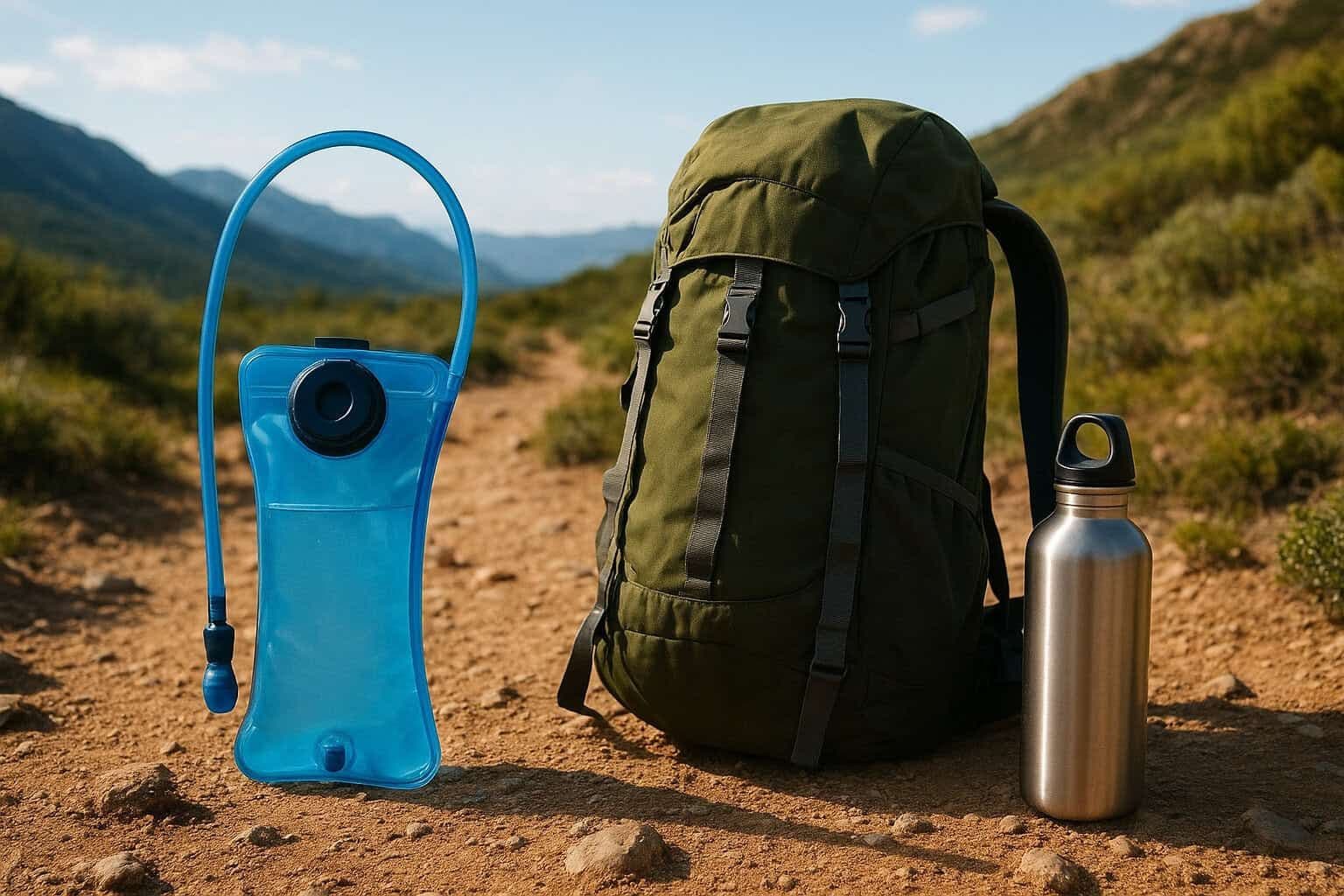 Travel Tips & Guides
By Nanda Rawat|Jan 22, 2026
Hydration Bladder vs Water Bottles: Pros, Cons & HacksWhen on Indian trekking trips, conversations on the hydration equipment are similar to conversations over the chai break. Many trekkers prefer water bottles for sipping hands-free and others opt for traditional water bottles due to their ease of use and durability. In TrekUp India, we have observed both systems perform exceptionally and fail, depending on the terrain, weather conditions altitude, as well as personal walking practices. There is no one universal "best" alternative. The best choice is based on the type of trek you take the trail, where you hike and how strict you are when it comes to drinking water. This guide explains what are the real-world pros and pros, and tricks to keep you well-hydrated and secure while hiking. Dehydration is more frequent in mountains than in the sea even in cold weather. Principal reasons include: Inadequate hydration in altitude could cause: The key isn't just carrying water around, but taking small quantities regularly. Hydration bladders are very popular with hikers who want to drink continuously without having to stop. "HTML0" India Tips:Always put your bladder in the waterproof liner or sleeve to safeguard your clothes and sleeping equipment from leaks. Water bottles are the most reliable way to hydrate for a lot of Indian trekkers. TrekUp India Tips:On winter hikes, wrap your bottles with a wool socks or place them inside your backpack to keep them from freezing. Many skilled Indian trekkers make use of both of these systems in conjunction. This configuration offers security, convenience and redundancy that is essential for mountain terrain that is remote. Examined by Rajneesh Trek leader, TrekUp India This article was examined by Rajneesh Negi who has vast experience on the ground conducting treks across Uttarakhand, Himachal Pradesh, and high-altitude Himalayan routes. The hydration techniques and gear tips discussed above have been proven through actual trekking conditions that include extreme cold and long ascents, water shortage and dehydration-related altitude challenges. There's no universal solution in deciding between hydration bottles or water bottle. Hydration bladders are excellent in hands-free drinking, frequent consumption and frequent drinking, and water bottles are a great option for ease of use, durability and a better way to control intake. For the majority of Indian treks it is recommended that a mixed system is the best choice for balancing your needs. Keep in mind that hydration isn't about drinking a large amount of water every now and then, it is about regular, small amounts all day long. For those living in the mountain regions, drinking water isn't only fuel, it's vital for survival.. Select the one that lets to drink regularly, shields your equipment and helps keep your body running efficiently. Staying hydrated is keeping secure.