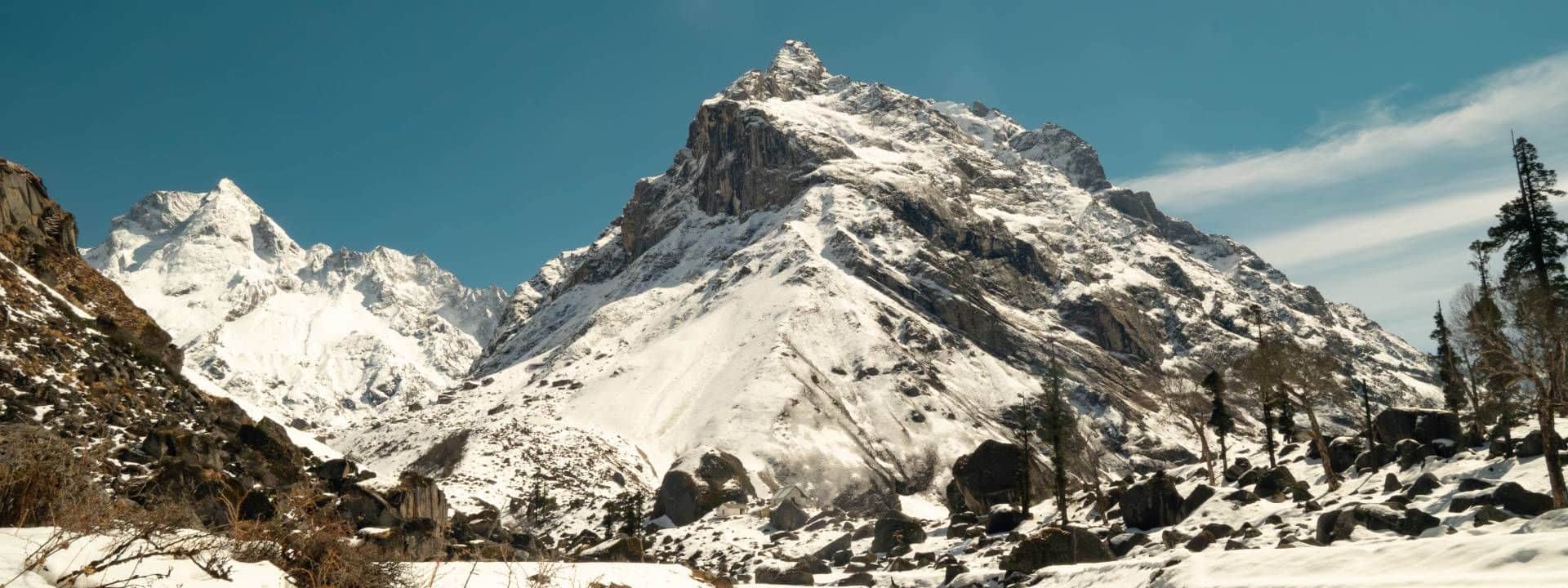
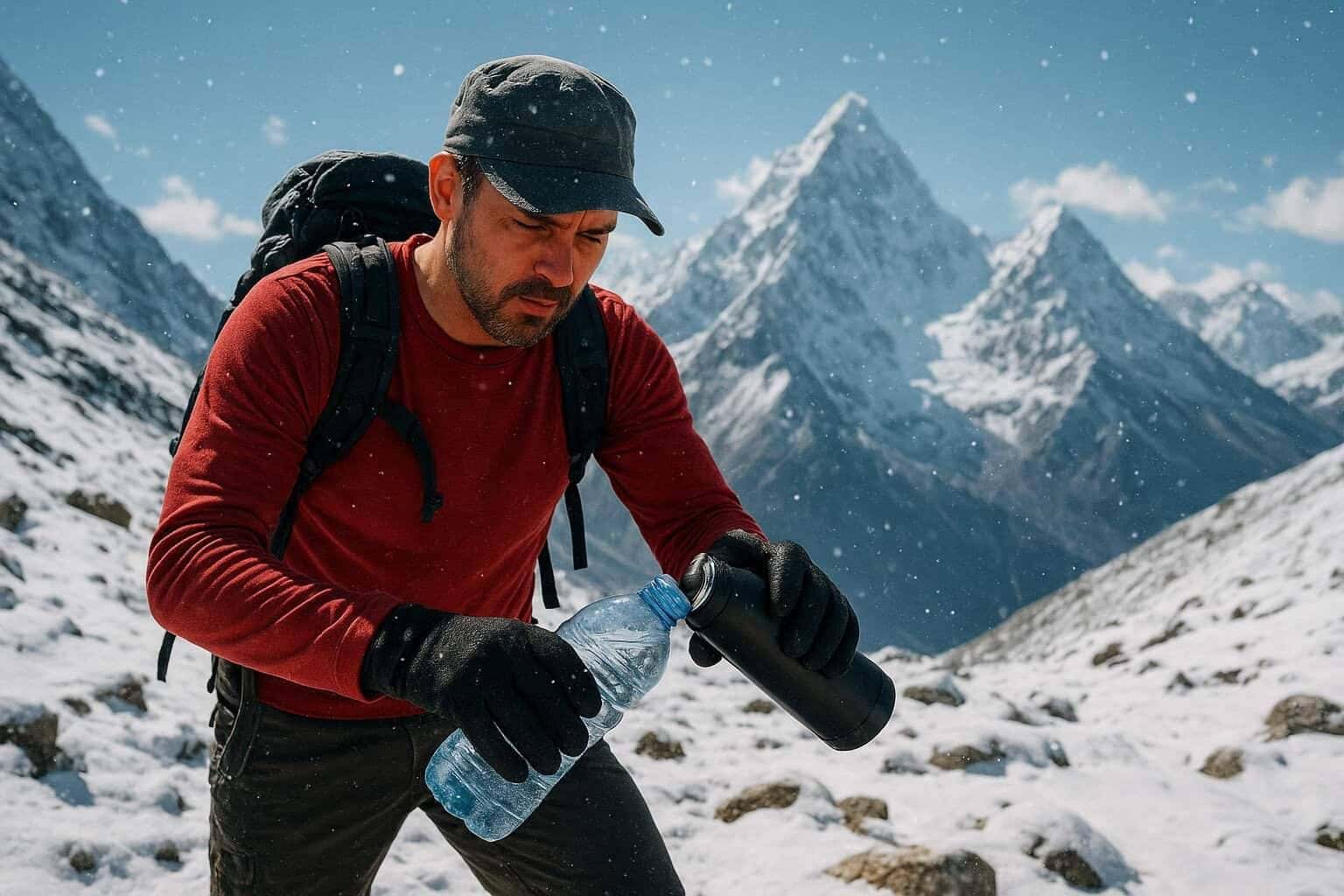
The winter season of trekking within the Himalayas poses problems that are often ignored from experienced trekkers. The most frequently encountered but critical problems is stopping drinking water away from freezing. At altitudes where temperatures often drop lower than zero degrees, bottles of water could be frozen in just a few hours, and sometimes prior to the first mile on the trek.
We at the TrekUp India We have seen repeatedly how freezing water causes fatigue, dehydration and higher health risks during winter treks. To stay hydrated in cold temperatures requires careful planning, proper storage techniques, as well as an understanding of the process by which freezing takes place.
The tips below are practiced in the field and that are used in winter by trek leaders to ensure that they have access to drinking water throughout the day.
1. Start with Warm Water
Begin the day by filling up bottles by filling them with boiling (not hot) hot water. The initial warmth slows the process of the freezing process and makes it possible to drink liquid for an extended duration particularly in the initial hours of your trek. Insulated bottles keep the warmth for longer, however even ordinary plastic containers benefit from this technique.
2. Make sure to use Insulated Covers for your bottles.
The foam or neoprene bottle covers dramatically decrease heat loss in cold conditions. If you don't have one, using improvised insulation techniques such wrapping the bottle with extra socks or clothes--can prove quite efficient.
3. Place bottles inside your backpack
External mesh pockets expose bottles exposed to the cold breeze. Instead, put them in your backpack in a warm clothing or sleeping equipment. This helps trap heat and reduces the freezing process considerably.
4. Keep Bottles Upside Down
The water freezes from the top downwards. By storing bottles upside down, you can ensure that the ice will form close to the base instead of blocking the bottle's mouth and allowing you to drink longer while freezing is in progress.
5. Be sure to use the Hydration Bladders judiciously
Hydration bladders are useful, but they are susceptible to freezing when you use the water hose.
The best practices are:
- Injecting fresh air into the tube following every sip
- Make sure the hose is tucked away inside your jacket
- Use insulated hose sleeves when they are available
In the absence of these precautions, bladders can quickly freeze when temperatures are sub-zero. temperatures.
6. Drink Water Bottles to Sleep at The Night
When camping, store water bottles in your sleeping bag or in clothes that are close to your body. Body heat keeps you warm during the night and lets you sleep with drinkable water, which saves time and energy during cold winter mornings.
7. Add Electrolytes or sugar
The addition of electrolyte powder (or a little bit) sugar can reduce the temperature at which water freezes. Although this won't completely stop freezing but it will slow the process by providing a larger window to drink.
8. Beware of single-wall Metal Bottles
Metal bottles lose heat quickly and can turn extremely cold. In extreme circumstances they can even adhere to the skin. When it comes to winter trekking make sure you choose non-BPA plastic containers, or double-walled bottles to keep your temperature more stable.
Conclusion
Having access to water during winter treks isn't just about comfort. It is crucial to hydrate, boost energy levels and security. Bottles frozen in the freezer can disrupt drinking routines and can significantly increase the risk of fatigue and cold-related illness.
Beginning using warm water using insulating bottles, keeping them in a safe place by using simple strategies like placing them upside down and close to the body trekkers will be able to effectively stop the water from freezing. In TrekUp India, we have witnessed these simple but intentional steps change into winter trekking from a gruelling adventure into a calm, relaxing adventure, allowing trekkers to concentrate on the trail as well as the surroundings and the adventure ahead.
About the Author: Trekking Expertise You Can Trust
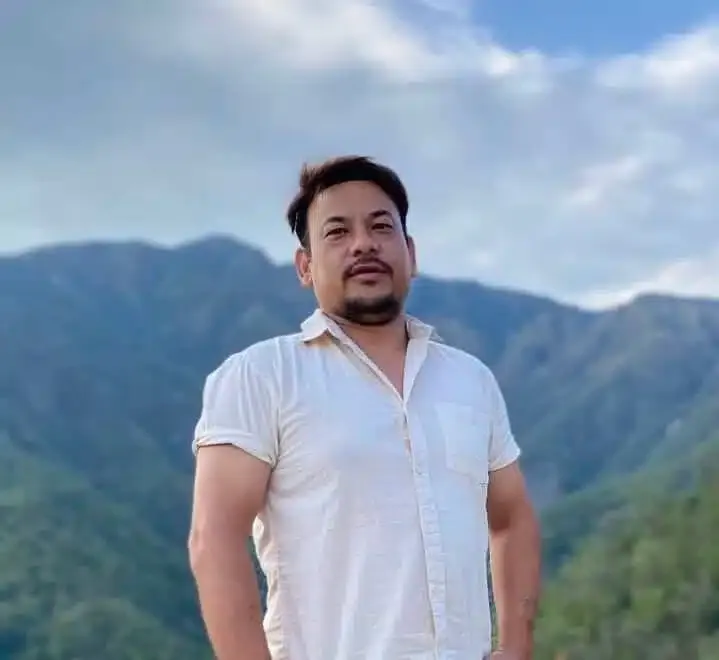
Operations Manager
Nanda Rawat holds a Master’s degree in Tourism & Hospitality and brings over 16 years of experience in adventure and leisure travel. He has led multiple Himalayan expeditions, contributed to ATOAI, and is trained in first aid by the Indian Mountaineering Foundation. A strong supporter of sustainable and ethical tourism, he plays a key role at Trekup India. Write to him at: nanda@trekupindia.com