
Prev
1 / 9
Next
 Travel Tips & Guides
By Nanda Rawat|Feb 13, 2026
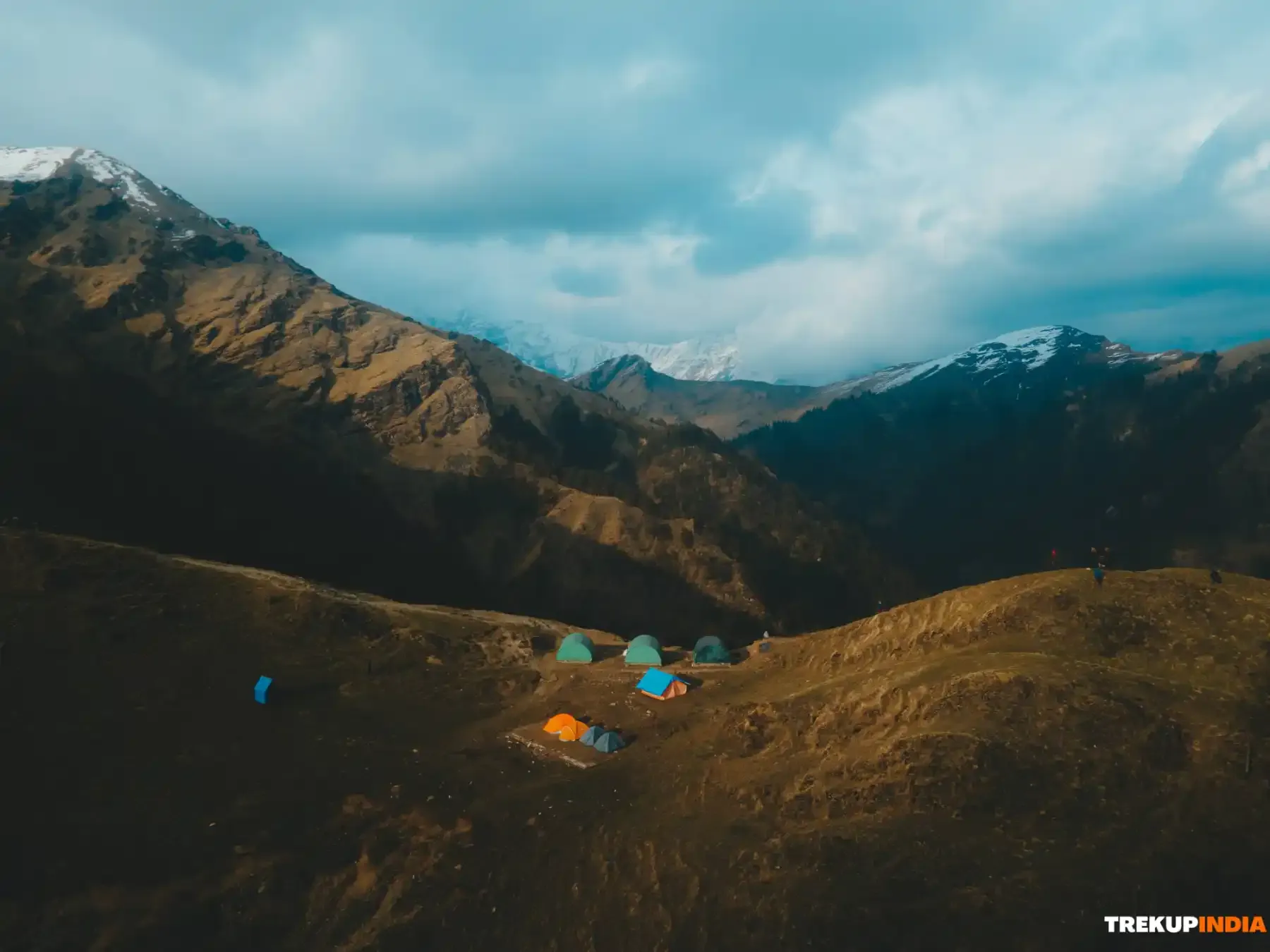
Top Reasons to Choose the Brahmatal Trek This WinterBrahmatal Trek in Uttarakhand's Garhwal region is widely thought of as one of the top winter treks within the Himalayan Mountains. From December to March the trek transforms into an icy paradise full of frozen lakes, pine forest and breathtaking views of mountains like Mt. Trishul and Nanda Ghunti. For those who are just beginning to trek and who are new to camping trips It offers moderately difficult hikes, camping spots in abundance without crowds, and significant historical significance and camping spots abundant which makes Brahmatal the ideal winter travel destination. Brahmatal Lake is an amazing glacial lake that is even more stunning when it reflects the stunning mountains that hang over it. It stands out from other trekking destinations. The Brahmatal trek is a unique adventure, giving trekkers the chance to walk along a tranquil lake, surrounded by mountains. In winter, the area transforms into an ice-covered wonderland covered in snow-capped peaks, creating an amazing view. For an unforgettable winter trip on the outskirts of India include the Brahmatal trek to your bucket list. The trek is known as one of Uttarakhand's most prestigious treks in winter, the Brahmatal trek reveals its stunning beauty during winter months like the months of December and February when snow-covered landscapes blend with tranquil surroundings to make for a memorable trip. The Brahmatal trek takes you through lush forests, that are dominated by rhododendrons as well as oak trees. It is followed by coming on stunning peaks covered in snow that transform into an amazing winter landscape following their first snowfall of the season, with each step leaving a mark of this stunning white panorama. As you climb towards Brahmatal Peak, the majestic Himalayan Mountain ranges unfold before you in a stunning view. As you ascend higher and higher to reach this amazing location, vast landscapes unfold before your eyes, offering stunning views as well. At its peak is Brahmatal summit, where breathtaking views and the fresh mountain air will awaken your senses to refresh the experience of travel and enrich your trips alike. Brahmatal is famous for its mythological significance as well as its spiritual importance to Hindu followers. "Brahmatal" is a reference to Brahma's Lake in homage to Lord Brahma - Hindu mythology's God of Creation According to local legends, he made it to collect pure water to write the Vedas there. He also meditated for long durations of time. This was the reason for this sacred place to Hindu followers. Brahmatal Trek is thought to be one of the best winter treks in India for those who are new to the sport. It is classified as easy moderate, this trek offers plenty of challenges and thrills for experienced and novice trekkers alike. Although trekking by itself might not be considered to be difficult however, factors such as elevation rise and weather that is unpredictable could cause some challenges. However, its stunning views of snow-capped Himalayan mountains like Trishul, Nanda Ghunti and Maiktoli make it an appealing option for winter treks. The Brahmatal trek is 24 km and reaches its peak at 12,250 feet. It begins from Lohajung and moving on to Ristreksh via Lohajung through gentle slopes and steep hills with straight sections that allow for easy travel. It also includes dense oak-rhododendron woodlands as wide grasslands as well as slippery trails. three days will bring daily climbs of between 4-5 kilometers and on day four we will cover greater distances at lower altitudes to allow for a more comfortable hike! This trek is classified as a moderately to easy difficult hike, but conditions like snow can pose additional obstacles. These obstacles add excitement and adventure to this thrilling trip.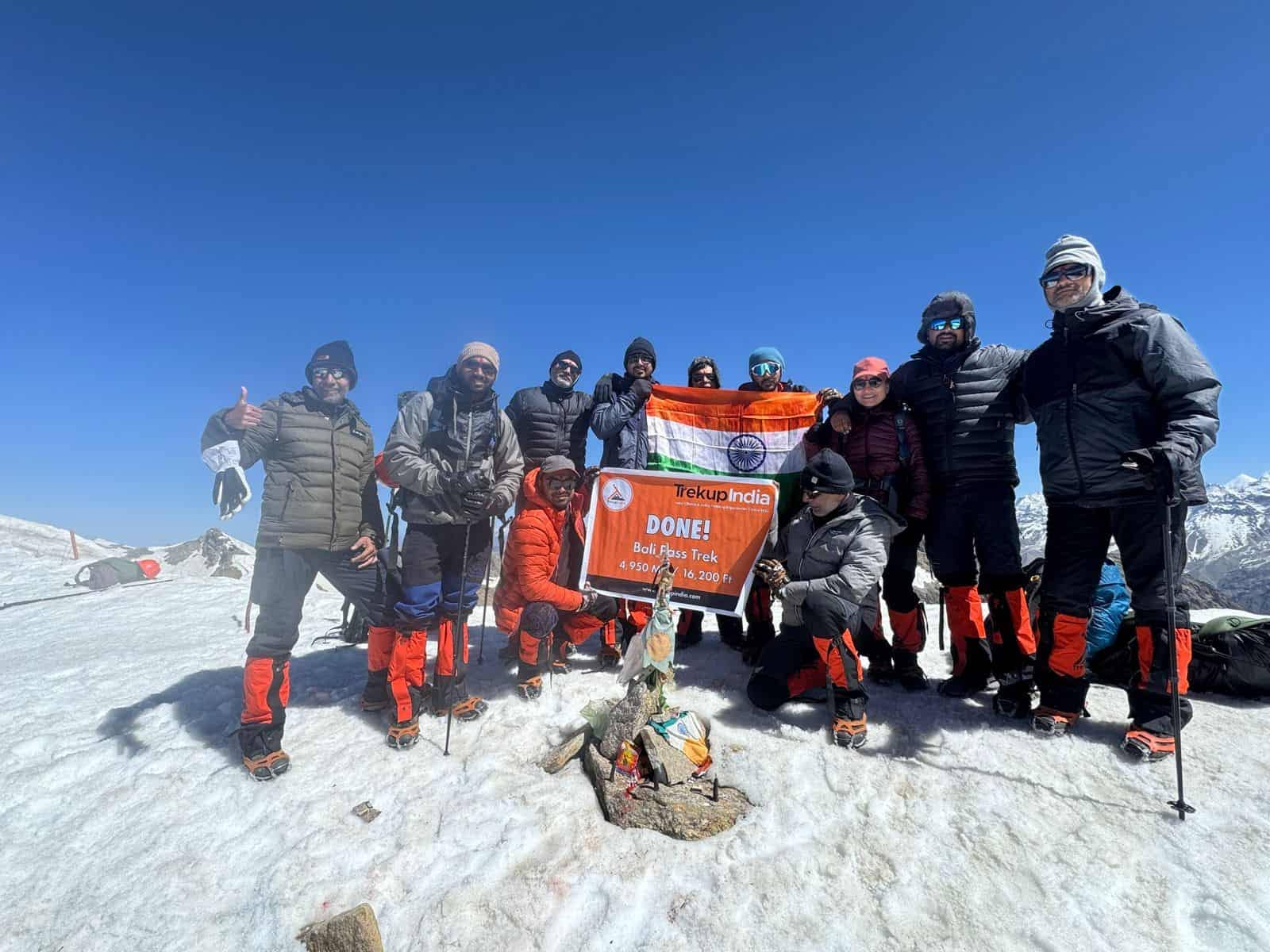 Travel Tips & Guides
By Nanda Rawat|Jan 25, 2026
Solo Trekking vs Group Trekking in India: Pros & ConsThe diverse terrain of Zanskar's rough terrain and the dense forests in the Western Ghats offers experiences suitable for trekkers who are solo as well as those who prefer groups treks. But, deciding between group or solo treks should not be a matter of merely relating to individual preferences. However, you should consider factors such as safety concerns, logistical requirements, as well as the your desired type of experience We've given you a step-by-step guidelines to help you determine which option is the most effective for your trekking requirements. You can determine the pace you prefer or make changes as you go along and soak up all things at your personal speed This is ideal for contemplative travel as much as solo trips into remote regions. With less distractions in your way, it is more easy to become more intimate with nature Every breeze, sound or even sight becomes intimate and exciting. Solo treks can test your endurance, determination and survival capabilities to the test, which increases your self-confidence. The success you achieve on these treks can boost your confidence. For those who are on their own for treks through less-known Indian tracks, like Kanasar and Kugti Pass, may find that getting lost and navigation are major issues, and requires a thorough understanding of GPS devices, maps and topography reading in order to avoid getting lost and lost. Emergencies, such as accidents, altitude sickness, or extreme weather conditions, could be life-threatening if not assisted by other people. Connectivity Problems in High Altitude and Remote Areas Mobile networks are generally out of reach in these areas. Wildlife and Human Encounters Even if encounters with wildlife are not common or hazardous situations are present the situation, they could represent a serious threat if placed in groups. Permits Regulations Some areas (for example, Ladakh and Arunachal) prohibit or ban solo trekking entirely. Treks run by accredited outfits such as Trekup India ensure there will always be someone to help you, from bringing equipment to providing first aid All of this is part of the team effort. Local Expertise guides provide valuable details such as alternatives to routes and weather forecasts and a better understanding of flora/fauna as well as the cultural differences. Rapid emergency response If you suffer an accident or illness, there are people readily available to provide assistance, inform authorities, and even help in the process of evacuation. Motivation and Motivation. Having success in climbing difficult mountains, like Kuari Pass, or Roopkund can be made simpler when backed by your team. Sharing Memories and Community Treks can foster lasting friendships among the group of participants and turn an adventure into an opportunity to share the experience with group members. Trekup India Recommendations: Consider Going Solo If you have knowledge of trekking across India and the Himalayas. Your abilities in navigating the wilderness are well-established. Are You Exploring Short, Popular Trails (Triund, Kareri Lake, or Rajmachi)? Your trip is carefully planned with regard to permits, safety measures and considerations for weather. Choose Group if: You are just beginning Trekking can be intimidating Therefore, joining a planned trek is a smart idea. The trek will comprise the extremely high altitude as well as technical trails (Pin Parvati, Bali Pass as well as Kedartal). Trekup India Safety Tip: If you're traveling by yourself, make certain to share your journey with someone else. Carry an GPS or Map device and have an emergency contact on hand in the event that conditions of the weather or climate are rapidly changing on the highlands of India. Indian trekking treks provide excitement and the opportunity to experience a variety. However, they require planning with regard to awareness of respect and understanding when deciding between group or solo treks. A solo trek gives you the freedom to explore, a connections with nature, as well as the opportunity to grow personally, but it also increases risks that require skills, knowledge and a keen sense of managing risk. Contrarily the group treks like Trekup India provide safe and enjoyable social activities when traveling to high altitudes or remote areas. The best option is determined by the desired trek objective, your level of fitness, as well as confidence in managing risk. If you're looking for peace or camaraderie, you must make sure you are safe and have an ideal mindset to make the most that comes with any trek through India's stunning landscapes. Travel Tips & Guides
By Anoop Rawat|Jan 25, 2026
Himalayan River Crossing Techniques: Essential Safety Tips for TrekkersThere's a time on a lot of Himalayan treks that the trail is merely a flowing water. The clear, icy rivers caused by glaciers or sudden rains might appear innocent at first. However, when we look at the TrekUp India we've observed how swiftly these rivers alter the character of these rivers, and how one mistake could turn a peaceful crossing into a risky one. River crossings aren't only obstacles to an trek They are crucial points of decision. The way you approach them determines whether your day goes on without a hitch or turns into an emergency. The mountain streams can be unpredictable. Water levels can rise in minutes because of: Rapidly moving, cold water coupled with slippery rocks can throw even the strongest hikers off their feet. Add fatigue, poor visibility and fatigue and the danger increases. Within the Himalayas, rivers don't appear to be dangerous until they are. Do not rush through a river crossing. If you are feeling uncertain about a crossing then make sure to stop. By waiting ten minutes longer, you will help prevent injury. Before you go in the water: A well-secured backpack could cause you to slide when you fall. The ability to remove your backpack quickly could make a difference in your life. This is a mandatory rule to be followed in all TrekUp India guides. Trekking poles are one of your most reliable allies when you are in the water. This position allows you to slightly lean into the current, while still remaining balanced. Socks or feet with no socks provide no grip and can cause injuries. Drying shoes after drying is more efficient to deal with cuts and injuries. For deeper or faster crossings, group techniques add safety. This common resistance decreases individual strain and improves stability. The most secure time to cross Himalayan streams is early in the morning. Why? In general, TrekUp India plans river crossings before 10 AM when it is possible. Do not cross the street if: If the conditions are unsafe, you should wait for a reroute or stop, or even stay in camp. A schedule is not worth the risk of a life. Even with the best of precautions accidents can occur. If you fall: Do not directly fight the current. Be in partnership together with it to get back control. Each TrekUp India trek leader is educated to: We don't cross rivers in order to "save the time." We cross only when the conditions are favorable. The crossings of rivers throughout the Himalayas are challenging moments that require patience and a sense of humility. The Himalayan mountains remind us that the nature creates the rules and not our itineraries. TrekUp India believes that safety is a matter of making the right decision. TrekUp India, we believe that safe trekking means taking the correct choice at the right time even if it requires waiting or turning around. If you are respectful of the river, follow your guides and adhere to established methods crossings become more safe, peaceful and a source of confidence for the trip. Keep in mind that Mountains can be climbed over again. A river that is crossed in recklessness is the only chance you have.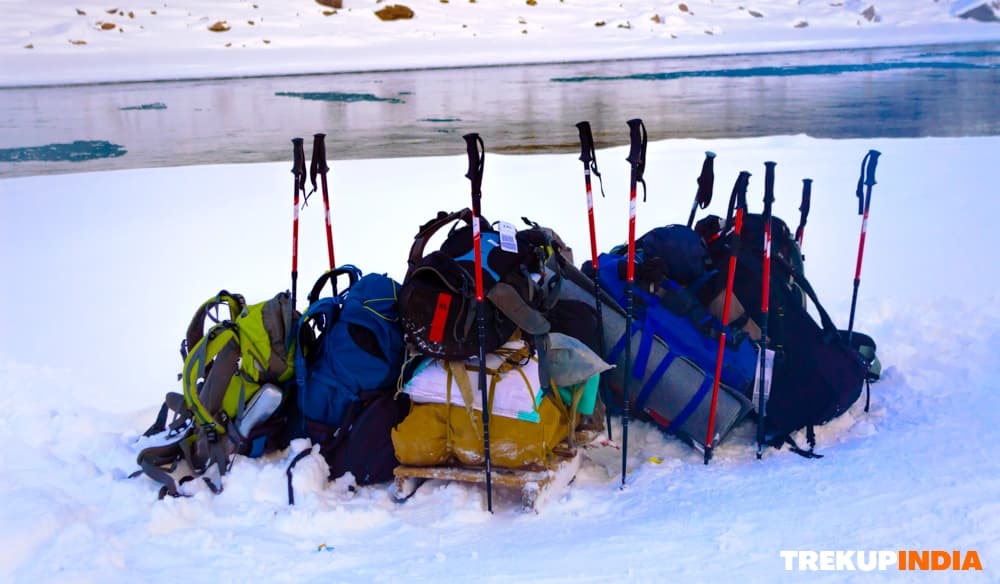 Travel Tips & Guides
By Anoop Rawat|Jan 25, 2026
Backpack Packing Tips for Stress-Free Travel: Prep the Night BeforeAsk any experienced hiker what makes the morning hikes in the mountains easier and the answer isn't necessarily extravagant equipment or fitness. It's usually something easy: Packing the backpack correctly the night prior to. In the TrekUp India We've witnessed the effects of rushing packing, which can result in missing headlamps, lost rain jackets, overloaded loads, and anxiety prior to the trek begins. On the other hand those who pack with calmness the night before start their day refreshed, calm and relaxed. When you live in the mountains, the way you start your day can determine how your day will unfold. Morning rushes are the fastest way to forget essentials--sunscreen, water bottles, gloves, snacks, or even permits. The night before packing allows you to think about your options and make sure that nothing essential is left out. The majority of treks start at a reasonable time. The knowledge that your backpack is prepared will allow your mind to unwind to sleep more soundly instead of focusing on your packing lists after midnight. Instead of rushing around in dim light or looking for lost things, you wake with the confidence that everything is there. Just a quick glance before a cup of tea and you're all set - physically and mentally. These aren't just theories. They are the habits that have been formed over thousands of departures from the beginning. Always make sure to pack the checklist that is specifically designed to suit your particular trek and time of year. For Himalayan treks This typically comprises: The act of removing items from the list reduces uncertainty and helps avoid the over-packing. Bottom of the Backpack Middle Section Top Section Side / Back Pockets Top Lid / Outer Pockets This system will help you not have to unpack your entire bag only to search for one item. The weather in the mountains can be unpredictable. Dry gear means better ease of use and less problems when you're on the trail. Items such as: It should be accessible without having to empty the backpack. Accessibility helps save time and energy. Before turning off your light A headlamp that is not working in the early morning or at dusk isn't something you'd like to face. The process of packing the night before can also be an opportunity for mental practice. When you put each item in its place in your bag, you envision the day ahead: weather, terrain breaks, the challenges. This increases your confidence and calmness. A properly packed backpack can also: A lesser amount of discomfort will mean greater energy and enthusiasm for your trek itself. Prior to each trek, TrekUp India conductors instruct trekkers on what to bring their bags efficiently. We strongly recommend that you finish packing prior to bedtime and utilizing the morning briefings for only final checks or to answer questions. This habit can be improved: Individually and in a group. The prior to bed isn't just about making it easier to get there on time. It will set the tone for your whole trekking adventure. At TrekUp India We've observed how this one habit can lead to more peaceful mornings, more clear minds and more enjoyable day out on the trail. When your backpack is neat your thoughts will follow. An organized backpack does more than just neatness. It demonstrates confidence, awareness of the mountains in front. Therefore, before you embark on your next trek make sure you pack your bags early, carefully and let your journey start with calm and not chaos. Travel Tips & Guides
By Anoop Rawat|Jan 25, 2026
Pre-Trek Planning Essentials: Insurance, Emergency Contacts & Itinerary SharingBefore boots are tied and backpacks are zipped, trekking actually begins with the paperwork. We at TrekUp India We've mastered this lesson in the real world--not out of a textbook, but rather from real-life scenarios in Himalayas where a little preparation could mean the difference between a calm and unneeded anxiety. The majority of trekkers concentrate in fitness, their gear and food. A few pay equal focus to information about insurance such as emergency contact information, sharing their itinerary--until the unexpected happens. In the mountains the "boring administrative tasks" are often your most reliable security net. The Himalayas are stunning However, they can also be remote, unstable and unforgiving when plans fail. Injuries, weather shifts as well as altitude-related issues and logistical issues are commonplace, not the exceptions. An effective pre-trek strategy will help: Simply stated: when things go wrong, preparation can save you time. Time saves lives.. Even the most experienced trekkers may have to face: The cost of helicopter evacuations in high-altitude areas can be thousands. Insurance isn't about fear. It's about accountability. Before you leave, make sure that your insurance policy is in place. TrekUp India requires trekkers to provide valid insurance information prior to departure but not on the trek, as emergencies aren't waiting around for. If something goes wrong, it is important to be clear. Your trek conductor must have access to current Emergency contacts who: On TrekUp India, emergency contact information is available at all times to in-ground trek leaders as well as base operations in order to avoid any delay in communicating. Don't ever set foot in the mountains without discussing your plans with someone else who isn't on the trek. The shared itinerary should contain: This information is crucial This information is required if: Families don't panic if they have a plan, but they fear when they don't. Tell the trek director about This is to protect your safety, not judgement. These documents explain: Check them out. Being aware of risk is an essential an essential part in responsible trekking. Before a trek commences, TrekUp India ensures: Families are notified in advance when there are route modifications, delays or other emergencies. Safety doesn't begin on the trail, it begins long before. Preparing for a trek isn't just about the gear you carry around on your back. It's about how you do prior to setting off on the trail. Emergency contacts, insurance and sharing of your itinerary might not be exciting however they're the silent systems that will safeguard you in the event that your adventure becomes uncertain. Here at TrekUp India, we've seen how these steps can stop panic, prevent confusion and can save precious time during crucial moments. Prior to your next trek take more than just gear.Pack clarity. Communication with your pack. Responsibility of the pack. The mountains can test you but the preparation will ensure you're never in a bind when they will.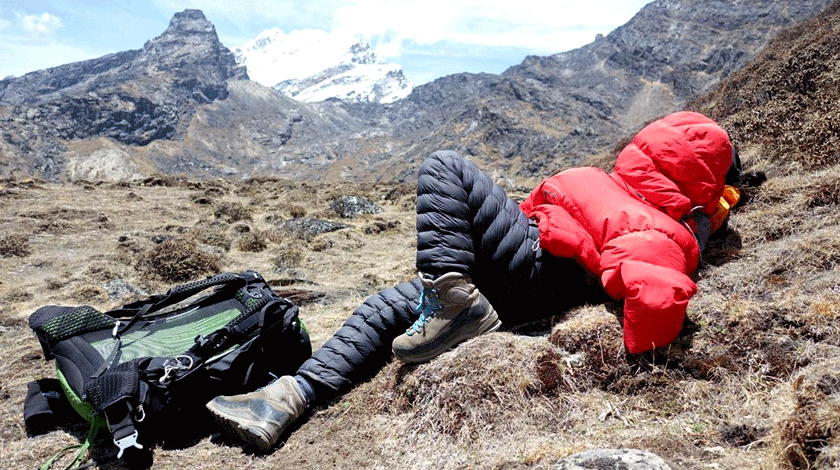 Travel Tips & Guides
By Nanda Rawat|Jan 24, 2026
Descending for Altitude Sickness: The Most Proven High-Altitude RemedyThe trek in the Indian Himalayas - whether it's across the vast tranquil valleys in Ladakh or along the forested, rocky slopes of Uttarakhand--offer amazing benefits. However, altitude comes with risks which should not be brushed aside. One of them is altitude sickness is the most significant and feared risk. TrekUp India the TrekUp India we adhere to the unbreakable mountain rule which is followed by guides all over the globe: "When in doubt, descend." Hydration, medications and rest all play supporting roles, but it is the only most efficient and fastest treatment for any altitude-related disease that includes Acute Mountain Sickness (AMS), High Altitude Pulmonary Edema (HAPE), and High Altitude Cerebral Edema (HACE). The condition is caused by the body's ability to adapt enough to the lower oxygen levels at higher altitudes. The symptoms usually begin above the 2,500 m (8,200 feet), though individual tolerance to altitude varies. The severity of altitude-related illness varies across the spectrum of mild discomfort up to life-threatening situations. Early warning signs can be invisible and easy to miss: These signs are your body's early warning system Not something you need to "push across". Severe altitude illness can escalate rapidly. HAPE (Lungs): HACE (Brain): These situations can be immediate risky and require immediate evacuation. The reason for altitude sickness is low levels in oxygen. The higher you climb the more thin the air, and the more difficult your body has to be able to handle. Descending: There is no medication that works faster or more consistently than getting lower. When the symptoms are identified at an early stage, the symptoms are emitted to: 300-500 meters (1,000-1,600 feet)can produce an immediate improvement in the space of a few hours.. If you wait too long, it can transform something manageable into an evacuation emergency. Our trek leaders adhere to a strict set of unalterable guidelines: If symptoms of AMS persist even after the hydration and rest for a few hours the symptoms are taken very seriously. A person who is suffering from AMS is not allowed to climb further altitude. The only option is to hold altitude, or descend. option that is safe. Any indication of HAPE or HACE will trigger an immediate drop without discussion, and no delays. Oxygen supplementation, Diamox (acetazolamide) as well as Dexamethasone can be utilized only under the supervision of a professional. Medication supports descent--it never replaces it. A trekker who is sick is always supported by a professional guide or a team member. A solo descent is risky and unacceptable. While descent saves lives, prevention reduces risk: Many trekkers are reluctant to descend due to: In TrekUp India, we've seen rapid descents that save lives--sometimes in just a few minutes. It's not worth it. summit view, view or trip should be risked for an injury that could last forever or even death. Mountains will always be around. Your health might not be. The illness of altitude does not require courage, it requires the wisdom and humour. While rest, hydration and medications can help, descent remains the fastest, most secure and most reliable treatment for altitude sickness. We at TrekUp India, we emphasise this in a clear manner:If symptoms occur, act early, immediately descend, and notify your trek leader promptly. A step down isn't a failure, it's an excellent mountain judgment. In the Himalayas Survival is the key to survival before the summits. Always.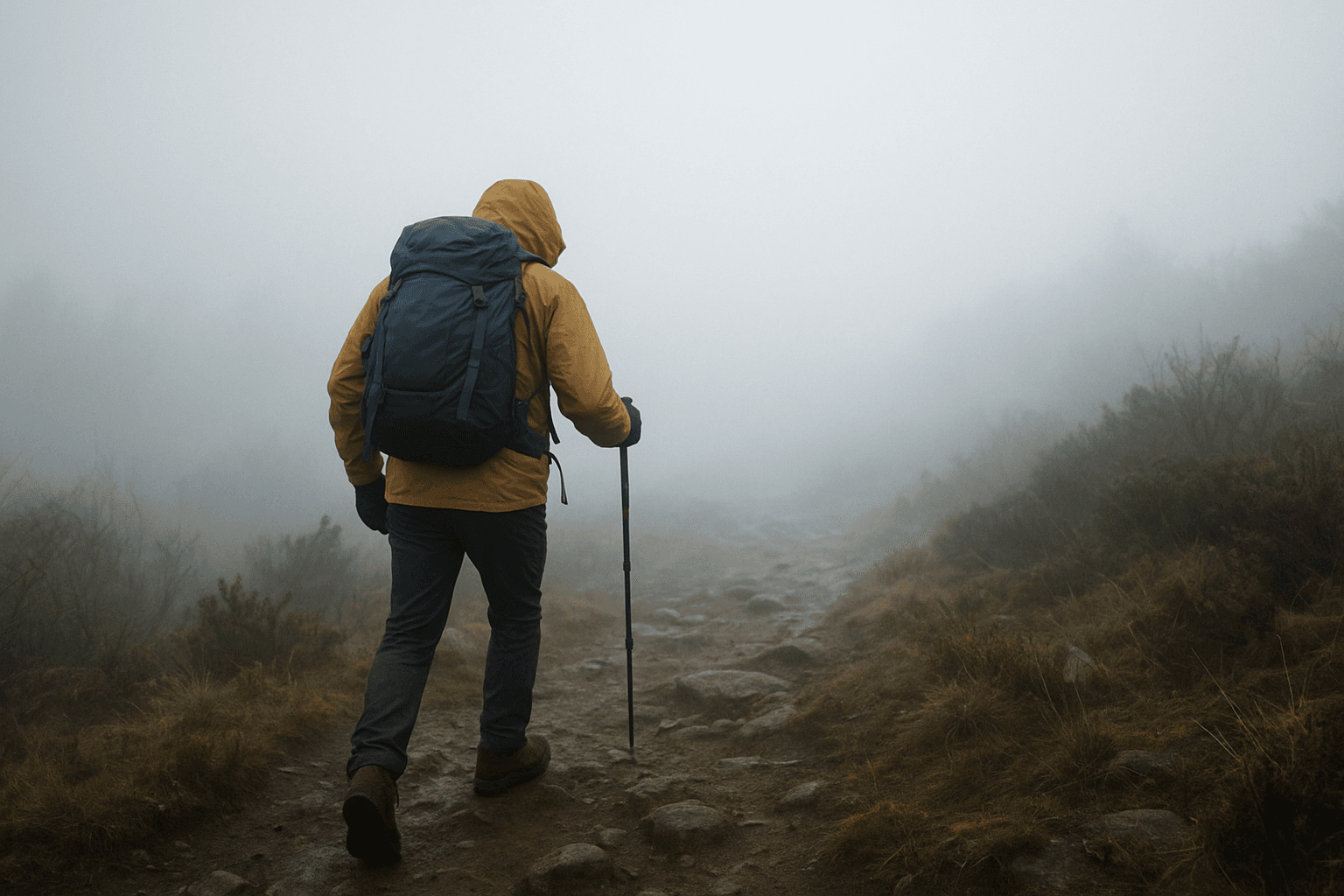 Travel Tips & Guides
By Nanda Rawat|Jan 22, 2026
Trekking During Fog: Essential Safety Tips for Low Visibility TrailsThe India's trekking regions -- from to the Himalayan highlands to dense forests of Western Ghats - frequently experience fog, particularly in the early mornings, monsoon seasons and seasonal transitions. Although fog can provide an eerie and mysterious atmosphere to the trail but it can also drastically decreases visibility and increases the risk of navigation errors, and increases the chance of detours, slips, and accidents. The team at TrekUp India Fog safety at TrekUp India is viewed as an important operational issue. Based on years of experience with trails that are prone to fog This guide will show how hikers can deal with low visibility conditions using calm decision-making using the correct tools, as well as well-controlled movements. Fog requires slowing pace, greater awareness, and organized teamwork. The most common form of fog is: Best practices: Do not rush into low visibility. The fog obscures well-defined routes. Being blinded in fog is among the most common reasons for hikers losing their way. Technology can be beneficial, but only if it is properly planned. The recommended tools are: Make sure you enable "breadcrumb" tracking to ensure that you can trace steps even if your visibility decreases. Fog can bring the elements of moisture and cold, even in summer. Essential clothing items: Keep your backpack dry by using a rain cover or umbrella to keep extra layers dry. The speed of a car is a risk in fog. If visibility is low, stay at an level, safe location until the conditions improve. If sight is impaired the sound is crucial. These measures can prevent separation. Fog can distort perception. In the event of confusion: In extreme situations in extreme circumstances, you should set up a temporary shelter, and sit rather than putting yourself in danger of moving. The risk of terrain erosion increases when visibility is low. Don't assume that you know the trail ahead is straight and clear. Fog is a great way to add mystery to your trek, but it also requires perseverance, discipline and an increased sense of. The reduced visibility turns simple trails into complicated navigation challenges that should be handled with respect. We at TrekUp India, we emphasise that fog isn't an issue to be feared, but rather something you need to be prepared for. If you plan it carefully, use the correct gear, reliable navigation and solid team coordination, hikers are able to travel safely in conditions of low visibility. Be cool. Keep your head together. Be sure to let clarity, both mental and physical guide each step.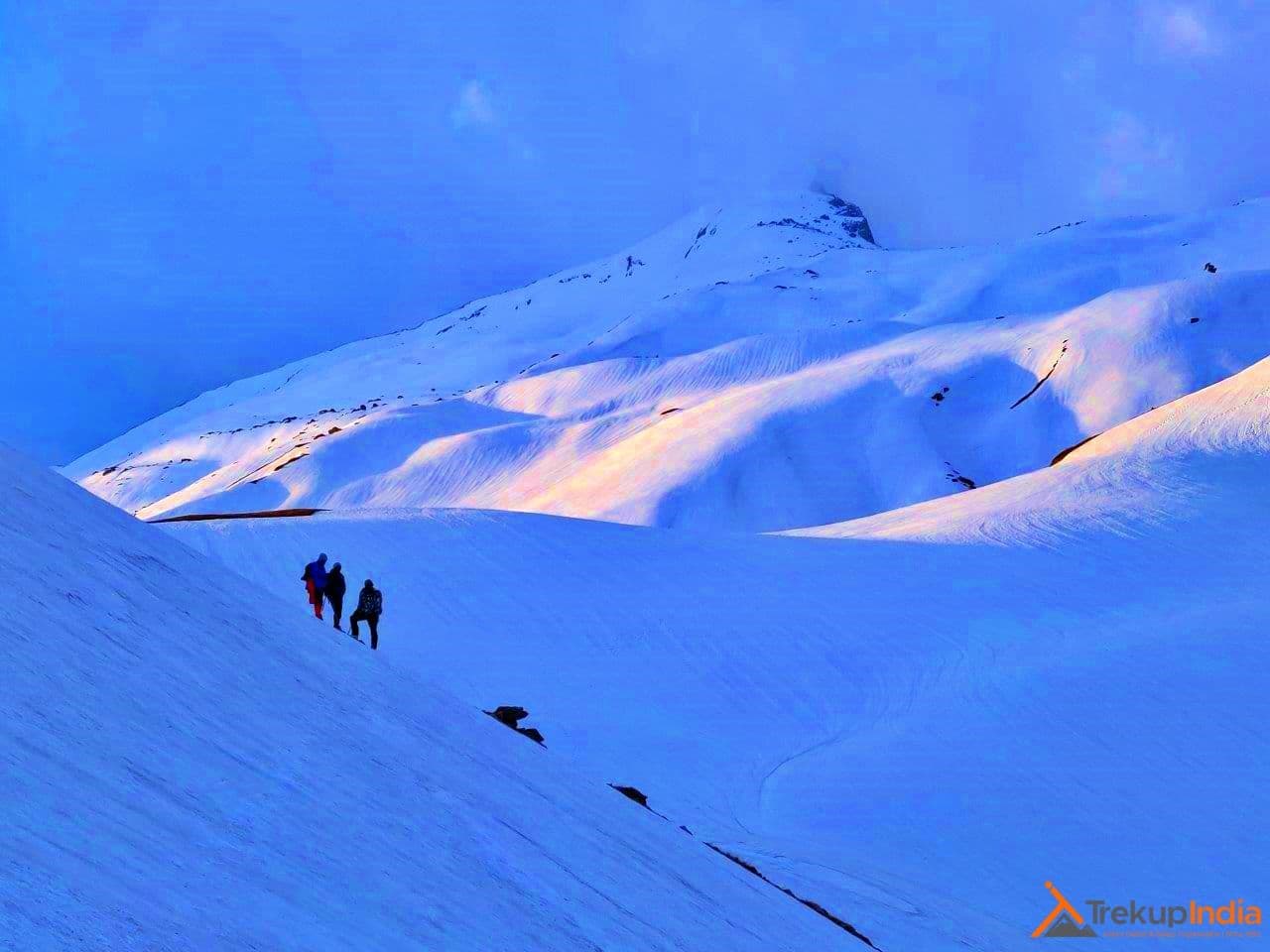 Travel Tips & Guides
By Anoop Rawat|Jan 22, 2026
Crossing Snow Patches & Moraines Safely: Himalayan Trekking TipsHiking at high altitude treks in the Himalayas of India--over regions like Uttarakhand, Himachal Pradesh, Ladakh and Sikkim, often require traversing snow areas and moraines. Although these areas are stunning in their beauty but they also offer one of the more technologically demanding and risky parts of the trek. On the TrekUp India We've observed even the most experienced trekkers struggle with moraine and snow sections, not due to a lack of fitness, but rather due to being unaware of the terrain's behavior. To be safe, crossings need knowledge of the terrain, proper technique, a patient attitude and complete respect for the instructions of guides. This guide will help you find dangers and move safely through snowy areas and moraines. Snow patches are loose or compacted snow areas that are found along high-altitude trails. Their stability is influenced by: They may be slippery, hide gaps that are hollow, or melt to form a deep slush as the temperature rises. Moraines are a collection of gravel, loose rocks and debris that have been left behind by glaciers that are retreating. They are incredibly unstable and easily shift when weighed down, particularly during the warmer times of the day. This is why being cautious in your movements crucial. Do not assume uniform snow conditions. Do not rush. Balance is more important than speed. Poles are essential for stability when skiing. If you are unsure, do not cross in a blind. The choice of route is crucial for moraines. Avoid locking joints. Always ensure that you keep 3 points of contact (two feet, and one pole or reverse) steady prior to transferring weight. This can greatly reduce the chance of falling. The risk of rushing increases when you are falling off or slipping over rocks. The controlled movement of the body ensures the balance and security. The proper spacing will prevent: Do not crowd around moraines. Preparedness and patience can help save lives in high-altitude environments. Moraines and snowy patches provide beauty and challenge to Himalayan treks However, they also require discipline and respect for movement. These mountains are unpredictable, dynamic, and unforgiving of careless choices. We at TrekUp India, we believe security begins by being aware and preparing. Through understanding the behavior of terrain and using the correct techniques and relying on knowledgeable guides, trekkers can traverse areas of moraine and snow confidently and in a safe manner. If they approach them with a sense of humour and grit, these crossings are no longer obstacles but crucial moments in the Himalayan adventure.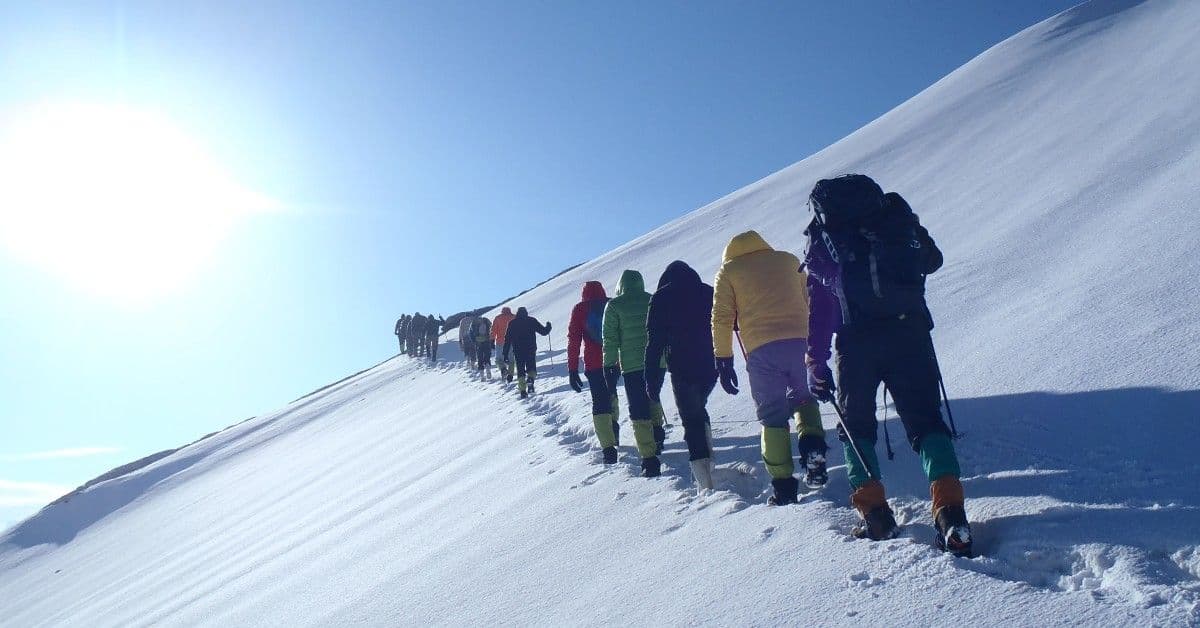 Travel Tips & Guides
By Preetam Singh Rawat|Jan 22, 2026
Respecting Local Culture While Trekking in India | Responsible Trekking GuideA major and rewarding aspect of trekking across India--whether it's through isolated villages of Himachal Pradesh, the high-altitude settlements of Ladakh or the vast valleys of Uttarakhand -- is getting to know those living in these mountain ranges. their home. Their warm, traditional and stories enrich each trekking journey, and offer perspectives that go beyond the trail itself. We at TrekUp India We believe that responsible trekking extends beyond physical endurance and appreciation of the scenery. Respectful interactions in local community is crucial for the preservation of culture, establishing trust and ensuring that the tourism industry enhances rather than hinders the quality of life in the mountains. The mountain villages are not tourist destinations. They are real communities with deep-rooted customs and scarce resources. The impressions left by trekkers influence how the locals see tourists, now and in the near future. Respecting the culture: A thoughtful approach changes trekking from a casual excursion into a meaningful exchange. Before you arrive, make sure to learn: The ability to learn a few words of the local language, like greetings or words of thanks can instantly create warmth and a sense of connection. Many communities in the mountains prefer modest clothes. A proper attire demonstrates respect for culture and cultural awareness. Always seek consent before photographing individuals--especially elders and children. The ability to respect boundaries helps build confidence and helps avoid discomfort. When you enter homes, temples or monasteries: The public display of affection could be banned in certain regions. Observe and change in line with the situation. One of the most effective methods to help others is through helping local communities to live their lives. Responsible spending helps sustain mountain communities. Show more than greetings by displaying genuine enthusiasm. You can ask questions about: Respectful listening fosters an exchange of ideas that is more meaningful than the superficial interaction. The mountain regions are often in need of basic resources such as water, firewood and food. Responsible use demonstrates respect for the reality that mountain living has to offer. After many years of trekking through the Himalayas We have discovered that the heart of the mountains is in its people than its scenery. The most memorable moments of the trek do not come from the mountains, but from sharing smiles and conversations over tea and stories shared over hearth fires. Here at TrekUp India, respect, humility and kindness are the basis of each trek we organize. Being able to interact with local communities on the course of a trek is more than a casual encounter. It can be a chance to build bridges between different cultures. When approaching each encounter with enthusiasm, humility and respect, hikers ensure that their presence makes an impression that is lasting and positive. Every interaction should be considered an exchange and not an exchange. If respect is flowing between both parties, trekking becomes richer, more meaningful, and transformative, both for hosts and trekkers.