
Prev
1 / 9
Next
 Travel Tips & Guides
By Preetam Singh Rawat|Feb 13, 2026
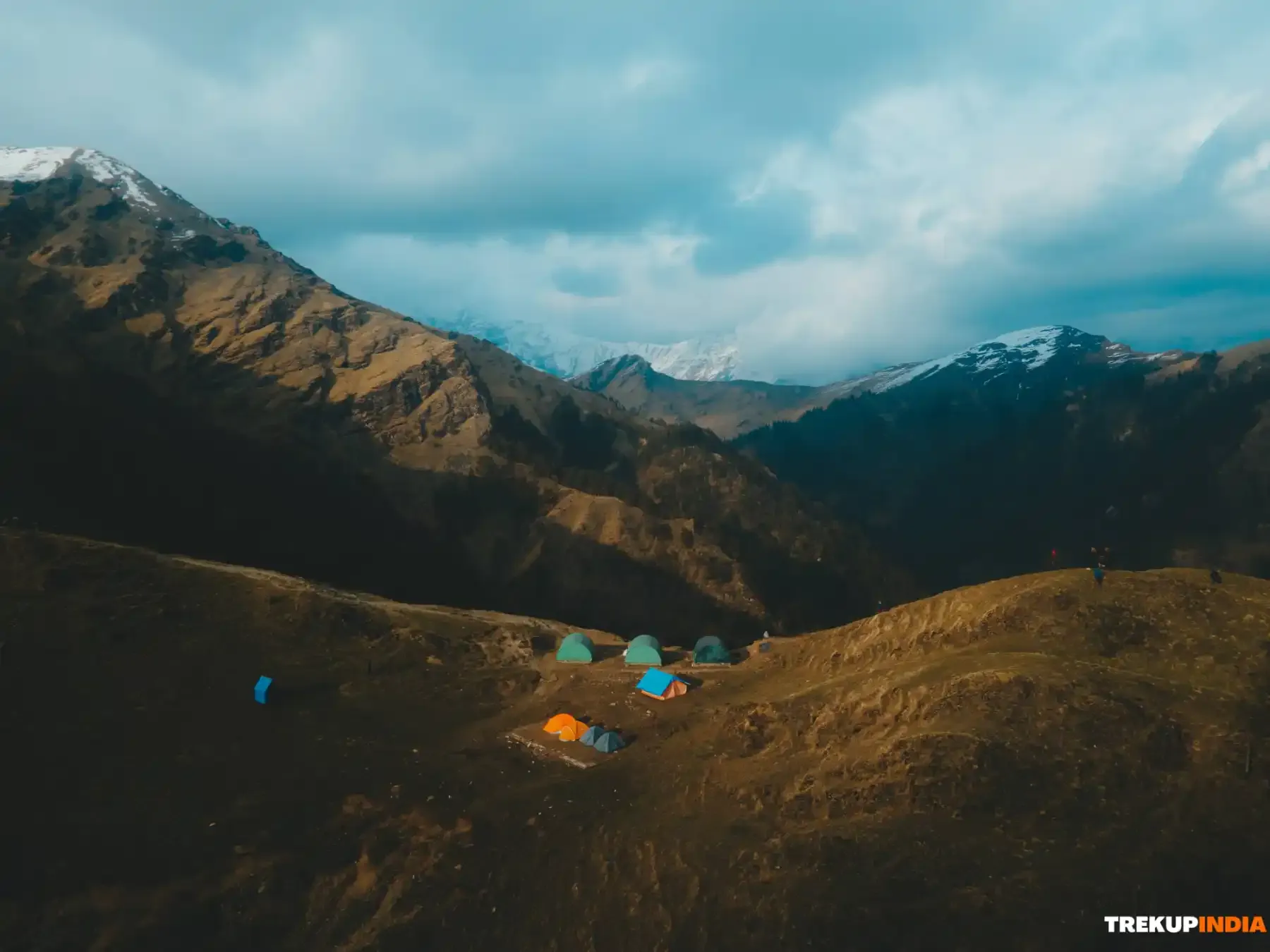
What Are Chilblains? Causes, Symptoms & Prevention Tips for TrekkersWalking in the cold can be a thrilling experience, thanks to the fresh mountain air and frosty feet. However, winter treks can also bring some health risks, such as lesser-known illnesses such as Chilblains which are easily ignored. If you've suffered from itchy, inflamed or puffy skin due to exposure to freezing temperatures, it is likely that you have experienced Chilblains firsthand. In this article, we'll discuss their causes and signs especially for those who venture out into colder temperatures for trekking or hiking purposes. Explore Here. If you're unfamiliar with the term "chilblain" and are unsure of its significance to trekking, it's important to educate yourself about this condition and its ways to prevent it. Chilblains are skin swellings that cause discomfort that may be painful, itchy and blue or red because of sudden temperature changes Although the majority of Indian trekkers aren't likely to experience Chilblains often, having a thorough understanding regarding their causes and how to prevent them must be vital! Although the majority of Indian trekkers will never experience Chilblains however, it is vital that everyone is informed. Chilblains are characterized through bumpy and itchy areas that range in color from purplish to reddish. They are typically bumpy and itchy on their edges. If left untreated Chilblains could cause ulcers or infection, with severe pain as a result and also the constant itching and numbness of the affected areas. If not treated for a long time they may progress into Frostbite where the tissues under the skin become frozen due to blood vessels that are constricted close to the surface that enlarge blood vessels. They then expand when exposed to heat causing can cause blood leakage into the surrounding tissues results in Chilblains being created only in one region! Certain groups and individuals are more at risk of Chilblain intake, which causes blood vessels to narrow for instance, minors and females who drink excessive amounts of caffeine, those with an insufficient body mass index, and those who suffer from Raynaud's Disease, which affects circulation to the extremities. The incorrectly fitted footwear can increase the chance of Chilblains. So, it's crucial to pay attention to your feet when on your trek to avoid the chance of developing this condition. Take preventative measures as soon as you can to decrease the likelihood of Chilblains occuring. Drinking water can in easing the process of quitting smoking as drinking enough fluids aids in flushing nicotine out via urine. Physical activity can play an important role in removing the toxins in your body. Eating antioxidant-rich fruits like oranges can aid in the natural detoxification process in the body and help flush nicotine faster. To prevent discomfort and the possibility of chilblains, choose footwear and boots that have sufficient space for your forefoot that doesn't restrict your feet. Shoes that aren't properly fitted can cause painful blisters, so footwear must be adjusted prior to beginning any trek or hike. Consuming at minimum one warm meal a day is essential to maintain your body's temperature and preventing sudden temperature fluctuations. Always keep another pair of socks in your bag to ensure that your socks dry frequently and remain at a high level to use. You can hang them under your clothes during the day and around your chest in your sleeping bag to allow them to dry completely. It is advisable to keep at a minimum an extra pair in your bag! Always ensure that you rest with dry, warm feet. The following guidelines are crucial as even a night of wearing cold and damp socks can sabotage all the progress made during the last few days. If you can, carry an additional towel to dry your feet after every shower. Start early and end your trek before sunset Be in tune with nature's rhythm when you walk by beginning early and stopping just before sunset to make the most of the sun's warmth while avoiding colder temperatures. Also, this strategy allows plenty of time to take care of your feet and there is no need to delay this task until after bedtime. immediately change to dry socks once you have reached an area to dry your shoes and socks that are wet due to walking! Regular foot examinations are essential throughout the day, especially in conditions of high altitude, especially when mountain sickness has weakened the communication between body and brain which makes it difficult to recognize symptoms of chilblains. Make it a part of your daily routine to check your feet for any signs of discomfort or injury to ensure you are performing at your best. Chilblains aren't necessarily dangerous, but they serve as a nagging indicator of the body's response to extreme conditions. By taking preventative measures and recognizing the signs, cold weather excursions can be enjoyed without pain or irritation. So, stay warm and dry. And take your time hiking!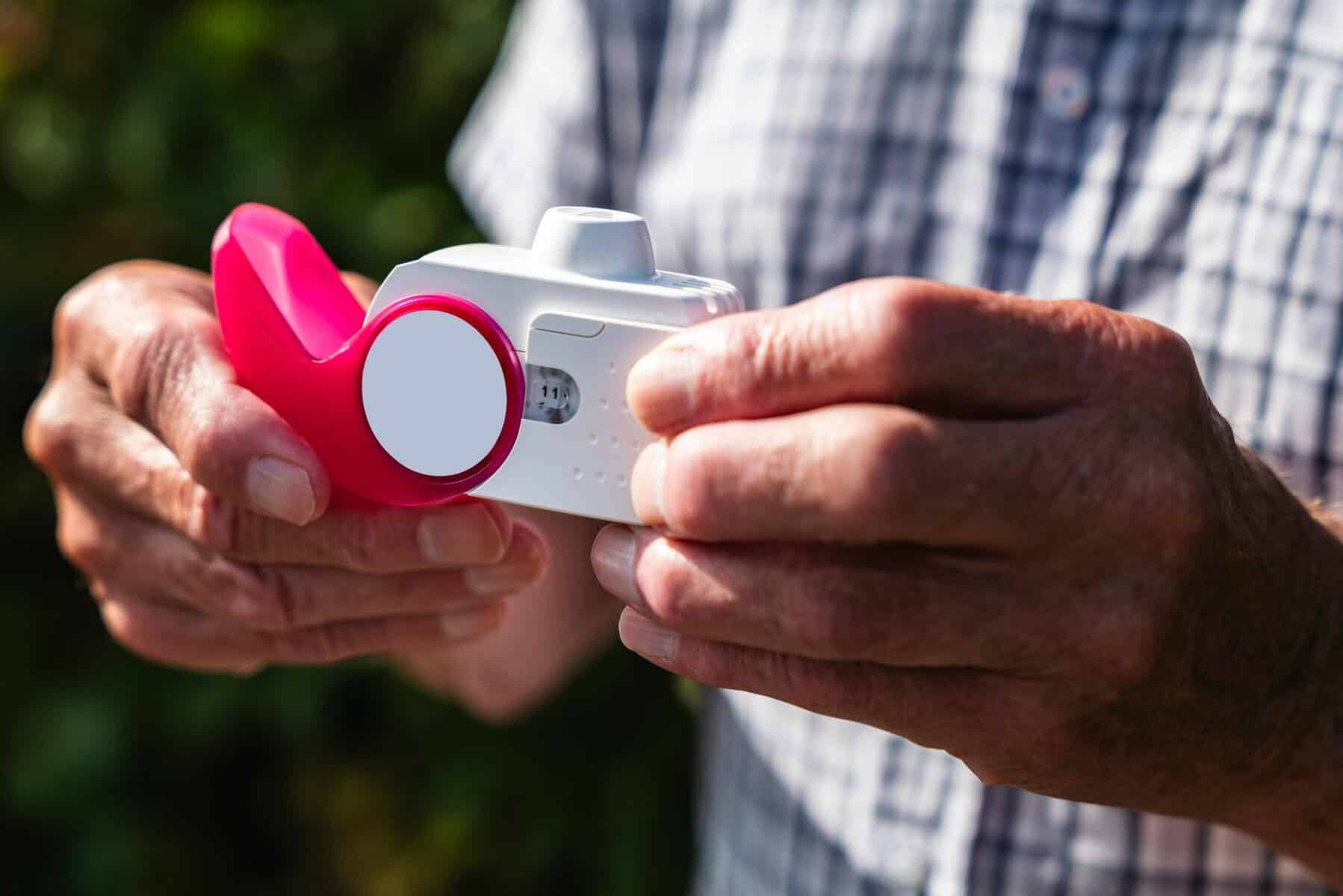 Travel Tips & Guides
By Shivam Shingari|Feb 13, 2026
Trekking with Asthma at High Altitudes: Precautions, Tips & Safety GuideThe trek can be a thrilling experience that is rewarded by stunning views and a humbling feeling of achievement. For those who suffer from asthma, traveling to high altitude regions with low oxygen levels could create challenges in breathing or overall health, such as "Breathing?" or "Is this Trip essential. "Individuals with asthma are able to safely take part in high altitude treks as long as they follow the appropriate precautions and are well-prepared. This complete guide will allow them to recognize the potential dangers and guide them through their trek with confidence. At elevations that exceed 2,500 metres (8,200 feet) atmospheric pressure drops and oxygen levels decrease and affect your respiratory system in a variety of important ways. (1) Insufficient oxygen supply: Your body has to work harder to get enough oxygen, which can cause breathing problems; (2) The cold and harsh air: Cold and chilly temperatures can cause irritation to the airways and lead to asthma-related symptoms such as wheezing, coughing, or chest tightening. (3) The physical strain can be increased physical demands: A higher level of physical stress can cause asthma symptoms to worsen. Asthma can be severe or mild, ranging between mild and severe. Asthma that is mild, referred to as refractory asthma, usually manifests as one of two episodes per week. It is treated with short-acting anti-inflammatory drugs typically, Inhalers are the best method of treatment. Asthma is an ongoing and common inflammation of the airways linking the upper and lower respiratory systems to the lung. It typically begins between 3 and 5 years old old and can be severe throughout the adolescent period, and is usually caused by conditions like pollen, colds, animal dander, pollutant dust and fumes. Symptoms usually include chest tightness and wheezing coughing, and difficulty breathing, especially at night, which can lead to a feeling of being suffocated, or in a position to not breathe freely. A physical activity like hiking might be at risk of creating asthma attacks. Physical exercise has been linked with exercise-induced asthma, an asthma type where intense physical activity causes the airways to narrow. Dry or cold air or both is the most common cause. Engaging in cold physical exercise can trigger more asthma symptoms than exercise in humid and warm conditions and those with asthma should stay clear of exercising in cold or dry conditions with high levels of pollution or dust. Mild asthmatics are able to safely participate in high-altitude trekking, however prior consultation with their doctor is recommended to make sure that their asthma is properly controlled. A five-day trek like Dayara Bugyal might be a great introduction before moving on to more challenging treks such as Buran Ghati Just make sure that your medication is included and bring camping equipment such as sleeping pads for tents for Dayara and Dhunda because the cold temperatures can trigger asthma attacks; severe cases that involve more than two attacks per week require more thorough plans that include medication and inhaled steroids to manage inflammation The most severe cases will require additional steps and inhaled steroids in conjunction with inhaled steroids to manage inflammation effectively. Even for those with asthma that is severe Trekking adventures are feasible with the right planning and safety precautions. Before you embark on your trek make sure you have the medical approval and set up a routine workout routine by beginning with shorter treks like weekends in winter or Nag Tibba, Dayara Bhugyal and Bhrigu Lake treks during summer. Once these smaller treks are completed, you can begin exploring more challenging treks like Har Ki Dun or Hampta Pass treks. Unmanaged asthma that is persistent causes frequent attacks throughout the week, which increases your chance of developing status Asthmaticus. Attacks can occur frequently without relief, and eventually become intense and incompatible with treatment with medications. As the symptoms get worse you might experience breathlessness and coughing that gets worse in the evening, and is particularly acute during times of tension or illness. The breathlessness can become so intense that talking more than one or two words becomes impossible (without the sentences completely completed) frequently requiring hospitalization to receive emergency care. Without prompt treatment and lifesaving injections, it could be the risk of life-threatening situations which is why I strongly suggest against hiking for asthma sufferers who are not controlled due to the fact that research on its effects at high altitudes have produced mixed results when it comes to asthmatics suffering from serious uncontrolled asthma; studies of both groups yielded different results in studies on the impact of it; therefore, I recommend against trekking for sufferers with severe asthma are uncontrolled, because it could lead to risky situations and could lead to life-threatening scenarios for them, as its effects varied based on studies conducted over time and research as high altitude has produced both negative and positive outcomes depending on the variables. Certain people had significant changes in their immune system which resulted in less inflammation, allowing them to decrease the amount of medication they take and lower costs. However, others did not notice any positive changes and are still susceptible to asthma attacks. low oxygen levels and frigid temperatures are well-known to trigger asthma symptoms, while high-altitude conditions are believed to help relieve respiratory illnesses like the common cold that typically happen at higher altitudes, unknown allergens, and asthmatic episodes caused by exercise were identified as causes. If you suffer from asthma and are planning on hiking in higher elevations, get approval from your doctor prior to. Acclimatize at the base camp prior to the trek starts and tell the Trek Leader of your health condition. Staying hydrated to avoid dry throat and lower the risk of developing respiratory illnesses is highly recommended. Trekup India provides oxygen cylinders and oximeters on treks to provide additional safety precautions. Maintaining a healthy lifestyle can reduce the severity and frequency of asthma attacks. Cold temperatures can worsen asthma symptoms and cause people to be more vulnerable to attacks. By remaining warm, you could also reduce the risk of upper respiratory infections. This is especially useful when cold temperatures trigger asthma symptoms. Diamox does not have an adverse effect on asthmatics since the two products function in different ways. If you suffer from asthma and have hiked in high elevations, we invite you to post your story by leaving a comment below. The trek as a person with asthma isn't just a possibility It's truly rewarding. If you follow the right approach, what was thought to be a hindrance becomes an obstacle that can be overcome. So, put into your boots for trekking, load up with care and remember to take a deep breath and walk in a safe manner mountains are waiting to be conquered by you. conquer.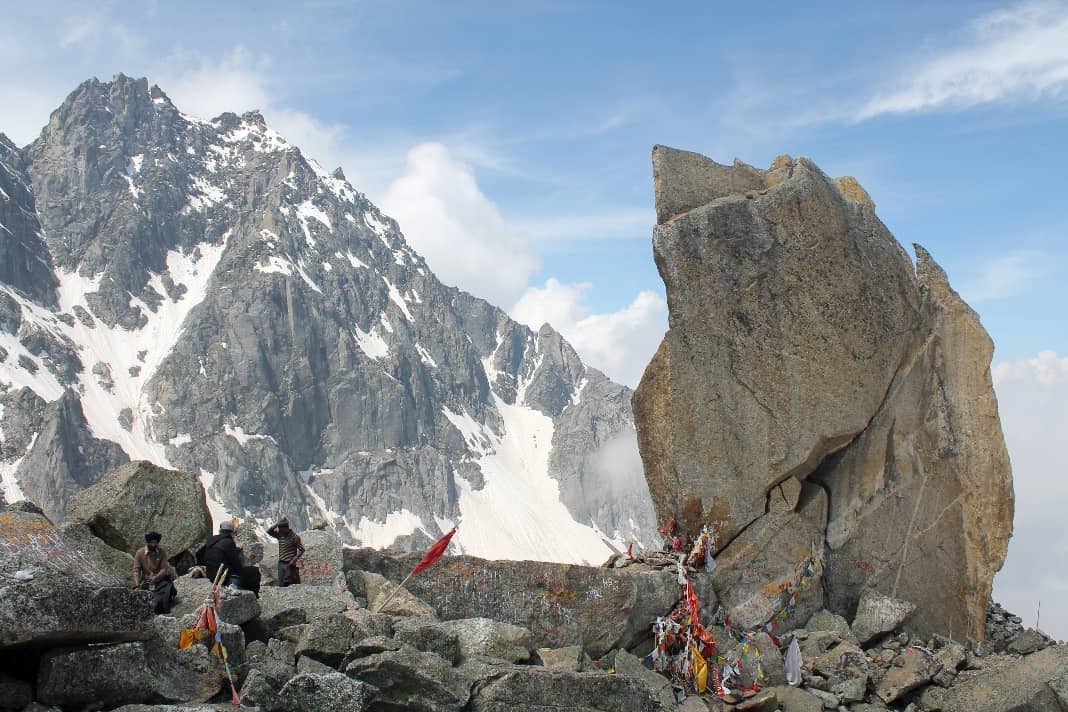 Travel Tips & Guides
By Preetam Singh Rawat|Feb 13, 2026
Sacred Himalayan Treks: Kinnaur Kailash to Gaumukh | Spiritual Journeys in the HimalayasIndia and its Himalayan neighbors aren't just trekking destinations; they're landscapes that's engraved with affection. Over the years, trekkers pilgrims and travelers have walked these paths and have combined fitness with a deep desire to be religious. We'll go over a more detailed study of the sacred treks which include your personal touches to the spot where boots and faith meet: Holy Focus The 6,050m summit is thought of as Lord Shiva's winter residence and the enormous natural Shiva Lingam. Travel: The ascent can be steep starting from Tapri/Tangling and traversing Kinnauri villages and ending in an arduous Parikrama (circumambulation). Essence: Raw devotion, syncretic Kinnauri culture, awe-inspiring geology. Moderate-Challenging. Best: May-Jun, Sep-Oct. To Kinnaur Kailash Trek Itinerary Holy Focus Glacier nose is the origin of the frozen Mother Ganga (Bhagirathi River). The Journey This journey is a rumbling Bhagirathi beginning at Gangotri Temple through Chirbasa forests until Bhojbasa to the glacial "Cow's Mouth." The essence: A trip to the most holy river in Hinduism. Pure humility and purification. Moderate. Best: May-Jun, Sep-Oct. To Gaumukh Tapovan Trek Itinerary The sacred Insight: Mythical "Valley of Gods" as well as a trade route that was once in use. It is connected to Pandavas who smelled towards Swarga (heaven). Journey A leisurely valley stroll through Garhwali village (Sankri, Taluka, Osla) with lush meadows and glacial basins. The views from Swargarohini summit. The essence Mythological resonance, unattainable beauty Cultural integration. Serene voyage through the centuries. Easy-Moderate. Best: Apr-Jun, Sep-Nov. To Har Ki Dun Trek Itinerary Sacred Focus: Valley of Flowers: A UNESCO site mythical garden in which Hanuman met the plant Sanjeevani. - Hemkund Sahib: Highest Gurudwara in the world (4,329m). It is a sacred Sikh temple that is surrounded by an glacial lake. Journey The trek starts in Govindghat over Ghangaria. Then, you can go towards the valley of flowers or climb up to Hemkund. The essence: A unique combination of Sikh faith and Hindu mythology in stunning alpine meadows. Moderate (VoF), Challenging (Hemkund). Best: Jul-Sep. To Valley Of Flowers Trek Itinerary Sacred Focus: Triangular glacial lake (4,600m) named after Hindu Trinity (Brahma-Vishnu-Mahesh). It is believed to be the entry point to heaven. Journey Inquiring for extension past Badrinath. Explore glaciers, moraines, and glaciers. establish the camp close to Laxmiban. The permit is required and previous experience. The essence: Extremely remoteness profound mysticism, and a terrifying challenge for dedicated pilgrims. Challenging/Difficult. Best: Jun-Sep. To Satopanth Lake Trek Itinerary Holy Insight: Buddhist heartland. Monasteries from the past (Hankar, Thiksey, Hemis) Chortens prayer flags that mark the terrain. Journey The most famous Ladakhi trekking through mountains (Ganda La and Kongmaru Kongmaru La) villages, valleys of rivers, and rough desert mountains. The essence is walking in meditation throughout the live Buddhist tradition. Landscapes that symbolize impermanence and spiritual endurance. Moderate-Challenging. Best: Jun-Sep. To Markha Valley Trek Itinerary Sacred Focus: Mt. Kailash (6,638m) is the home of Lord Shiva Axis mundi of Hindus, Buddhists, Jains and Bonpos. Sacred Lake Mansarovar. Journey is a highly-regulated and controlled pilgrimage that is controlled and controlled. It requires strenuous treks at high altitudes (5,000mplus) to complete The Kora (circumambulation) in Kailash as well as Mansarovar dip. The essence: A final journey for thousands. Physical and spiritual tests of devotion. Extreme. Best: May-Sep (limited access). To Kailash Mansarovar Yatra Trek Itinerary Holy Focus: Although it is not specifically a religiously based area, the Khumbu region is an Sherpa influenced region. Everest (Chomolungma"Mother Goddess of the World") "Mother Goddess of the World") is a sacred site. The monasteries (Tengboche) offer spiritual anchors. Journey An exciting high altitude trek that traverses Kongma La, Cho La and Renjo La passes, circling Everest while taking the scenic route through Gokyo Lakes. In essence: A profound respect for the highest mountains on earth, an intense experience of Sherpa faith and a test of mankind's faith in the sacred. Very Challenging. Best: Mar-May, Sep-Nov. To Everest Three Passes Trek Itinerary The Sacred Focus The HTML0 Sacred Focus traverses Hindu as in addition to Tibetan Buddhist regions. Muktinath Temple (3,800m) is an important religious site that is has been regarded as sacred by Hindus (Saligram) and and Buddhists. Journey Various "classic" journey in the Annapurna mountains, which includes Thorong La pass (5,416m) villages and forests, and high desert. Essentials: A spiritual and cultural journey through various communities, culminating in the sacred Muktinath. Challenging. Best: Mar-May, Oct-Nov. To Annapurna Base Camp Trek Itinerary These treks, which differ by place and history, have a common theme: Inner Pilgrimage Physical challenges remove any normal and encourages contemplation, resilience and clarity. The landscape as a temple the origin of Gaumukh's glacial Ice and Kailash's magnificent symmetry Himalayas are the symbol of God. Their sheer size and beauty attracts admiration and respect. Living Religion: Watching pilgrims prostrate before Kailash and being participant in Sikh music at Hemkund and receiving blessings in an alpine ghompa and attending ceremonies at Gangotri the living worship is deeply touching. Cultural Tapestry Connecting with Kinnauris Garhwalis, Ladakhis, Sherpas and Nepali villagers shows their lives in relation to sacred geographical regions. The Sacredness Beyond Religion: Treks like Everest Three Passes or Valley of Flowers provide a universal sense of the sacred through the nature's power and beauty. Respect is the most important thing: Follow the local laws (dress appropriately, don't wear shoes or take photos) Keep a respectful silence at holy places and take care to dispose of all garbage. These aren't just tracks, but holy places. Be sure to prepare thoroughly: train physically. Be aware of dangers that come with altitude (AMS) and adapt according to your needs. Do your research thoroughly (especially Satopanth, Kailash, Tibet trekking). Find Guidance: Hire local guides or porters. They ensure safety, provide insight into the culture and aid in the development of the economy in the area. Choose reputable firms for difficult journeys (Kailash, Everest, Annapurna). Take note of: sturdy boots, clothing that is multi-layered (extreme temperatures) and rain gear to protect yourself from the sun and water purification kit, as along with a headlamp. Pack light but essential. A mindful approach: Be an individual pilgrim, not simply becoming a tourist. Accept change and embrace the challenges and the beauty, calm and connections. From the quaint valleys of Har Ki Dun to the infinite axis of Kailash These sacred trails lead toward the soul. They require determination, but they reward with stunning beauty and spiritual resonance. If you're drawn by a strong belief or a desire to be outdoors or a desire to discover yourself, the ancient trails provide an opportunity to connect with God, imprinted forever in the midst of the Himalayas. Choose your trek make it a sacred plan and let the Himalayas revive the soul of your Travel Tips & Guides
By Shivam Shingari|Feb 13, 2026
Is Trekking Safe With Diabetes? Precautions, Tips & Safety GuideDiabetic trekkers can climb mountains without having to face any issues, allowing those with diabetes participate in high-altitude treks. However, before beginning the trek many were nervous and overwhelmed. I believe that everyone should not have to go through anxiety and uncertainty prior to embarking on an adventure. The trek can be more than just a physically demanding exercise and is a great source of spiritual nourishment. Being in lush forest and enjoying high altitude views, or climbing mountains, can result in significant change when done in a safe way However, those suffering from diabetes may be concerned about going on treks even though they are diabetic. It is possible to trek for those who suffer of Type 1 or Type 2 diabetes, if they adopt an appropriate and systematic strategy for planning. Not only is trekking safe, but it could aid in general wellbeing Learn to enjoy outdoors activities while living a healthy, happy lifestyle. The endocrine system is an ongoing disease that affects the way your body handles sugar. The cause of diabetes is their body's inability to produce or use insulin produced by specific pancreas cells, called islets. Insulin plays a crucial function in digestion. Insulin plays a crucial function in transporting glucose throughout the body. After every meal, the sugar levels in your body rise. Once the increase is recognized by your pancreas and the pancreas is able to recognize it, insulin gets rapidly released into the bloodstream to reach the cells in your body. These cells then allow the glucose in their cells. This allows glucose into. Once it's in, cells transform the sugar into energy which is used immediately, while storing certain amounts in fat cells to be used later. As per the WHO there are two kinds of diabetes: Type 1. Type 2. Type 1 Diabetes is an autoimmune disease in which immune cells attack and kill pancreatic cells that make insulin, resulting in decreased production. While the majority of diagnoses are among children or adolescents, patients are diagnosed at any time; treatment usually consists of daily insulin injections, since this focuses on its primary causes, which are not food or lifestyle-related however, it is often attributed to genetic and environmental factors such as viruses. The most effective way to treat Type 1 Diabetes is with regular glucose monitoring and therapy, in conjunction with a mindful approach to food preparation and exercises. Type 2 Diabetes Mellitus (T2) is an endocrine disorder that affects metabolism. The resistance to insulin or inability to produce sufficient quantities of insulin are two reasons for T2. The majority of people suffering from diabetes are who are between the ages of 40-70 years old however, its prevalence is increasing in teens and children as a result of inadequate diet and a lack of physical activity. While insulin production remains constant however, its role diminishes. The development of diabetes type 2 is usually due to lifestyle, genetic, and food choices like being overweight, having a poor habits, or making poor food choices. It is possible to control the condition through a balanced and healthy diet, participating in regular physical activity and taking oral medication In certain circumstances the treatment of insulin may be an alternative. While you take a walk through nature on walks or trips outdoors you might come across two additional terms related to diabetes: hypoglycaemia and hyperglycaemia. Both conditions can be seen in people who suffer with Type 1 diabetes. Hyperglycaemia is a term used to describe excessive sugar levels in the blood as a result of poor diet or lifestyle choices typically due to inadequate insulin treatment. The signs of the disease are dry mouth, excessive thirst and depleted energy levels headaches, as being impaired vision and frequent urinary frequency. Hypoglycaemia, though not widely recognized in diabetes, is usually more prevalent in outdoor. Hypoglycaemia is in the body when it produces excessive insulin in comparison to the amount of sugar is available, which causes an acute condition which can quickly escalate. Signs of thyroid dysfunction include irritability, hunger, and fatigue. Hypoglycaemia could pose a danger possibility on hikes. To avoid it, people who suffer from diabetes usually follow a prescribed diet as a part of their regular routine. The amount of food you consume can vary significantly during a trip. Walking can cause your eating habits and exercise routines to shift dramatically which can lead to hypoglycaemia while your body adapts to the new conditions. Making adjustments to a new diet may require changing the amount of insulin you consume at home. Individuals may adjust in various ways. Some may adapt quickly, whereas for others it might take several days to adjust. Hypoglycaemia may occur following any modifications made during surgery. In the end, this is the very reason. Insulin dosage may exceed daily sugar intake. If someone is experiencing digestive discomfort or is able to quickly adjust to new surroundings their blood sugar may fall rapidly despite active insulin therapy. A diet that reduces sugar intake is usually enough to control hypoglycaemia, aiding in the regulation of insulin levels in your body and ensuring the level of glucose in your blood. Diabetes shouldn't stop your from pursuing high-altitude hikes! If you are prepared and adhere to safety guidelines it's possible to overcome the challenges of trekking at higher altitudes while keeping an appropriate level of fitness. Physical Conditioning: To understand and overcome the obstacles that come with fitness, you need to be familiar in intense physical exercise and its limitations. Being early to your base camp will allow your body to adjust easily to a hostile environment. Start by taking a few short walks around town to gain an idea of what you can expect when you travel for longer distances. Medical Preparation: Bring an ample quantity of medications - twice what is normally required. Bring a temperature-controlled container for your insulin so it won't freeze, and stockpile things such as insulin, syringes, and an instrument known as glucometers, as well as replacement batteries (as cold weather drains them quickly). Also, make sure you have adequate glucose tablets and gel available. Insulin Control Two days prior to you begin your journey, you should begin making adjustments to your food intake and insulin dosages in order to help prepare your body for what's ahead. This will allow it to function at its most effectively. Emergency Preparedness: Establish an emergency plan that includes food, insulin or liquid intake in the event that an illness occur or unexpected setbacks occur in your travels. Being prepared means that you are better prepared to deal with any possible challenges that may be thrown your way. Maintain Your Energy and Health During trekking: Eating regularly during your trek is crucial to maintain your health and energy levels So, make sure to include plenty of healthy non-perishable foods in your bag for your trip. If an emergency occurs, it's essential that your trek leader as well as your support group are aware of the current condition of your body as well as any emergency procedures you'll need. Make them aware of the location of any medication are in your bag to ensure they are able to get them in the event of a need. Manage Your Medication Split any medication that you require into two sets and keep them in different locations. If you can, give one set of your trip leader, while keeping the other at home. Monitoring Blood Sugar Levels If your health issues center around the levels of blood sugar, make certain to monitor regularly any changes to ensure the best results. This will help protect yourself and other members of the community. Trekup India trek leaders are equipped with medically certified guides, who are equipped with complete medical kits and oxygen cylinders for every day of trekking and each camp is specifically designed to meet the needs of the needs of our clients. Which treks are suitable for those who have just been diagnosed with diabetes? Although trekking can seem daunting at first, Trekup India has seen numerous diabetics conquer difficult routes without having to deal with any major problems. People who are planning to trek for those with diabetes should be aware that it's an enjoyable experience with two treks that offer an excellent introduction to the Himalayas which include Nag Tibba, Dayara Bugyal, and Deoriatal Chandrashila treks are one of the top options.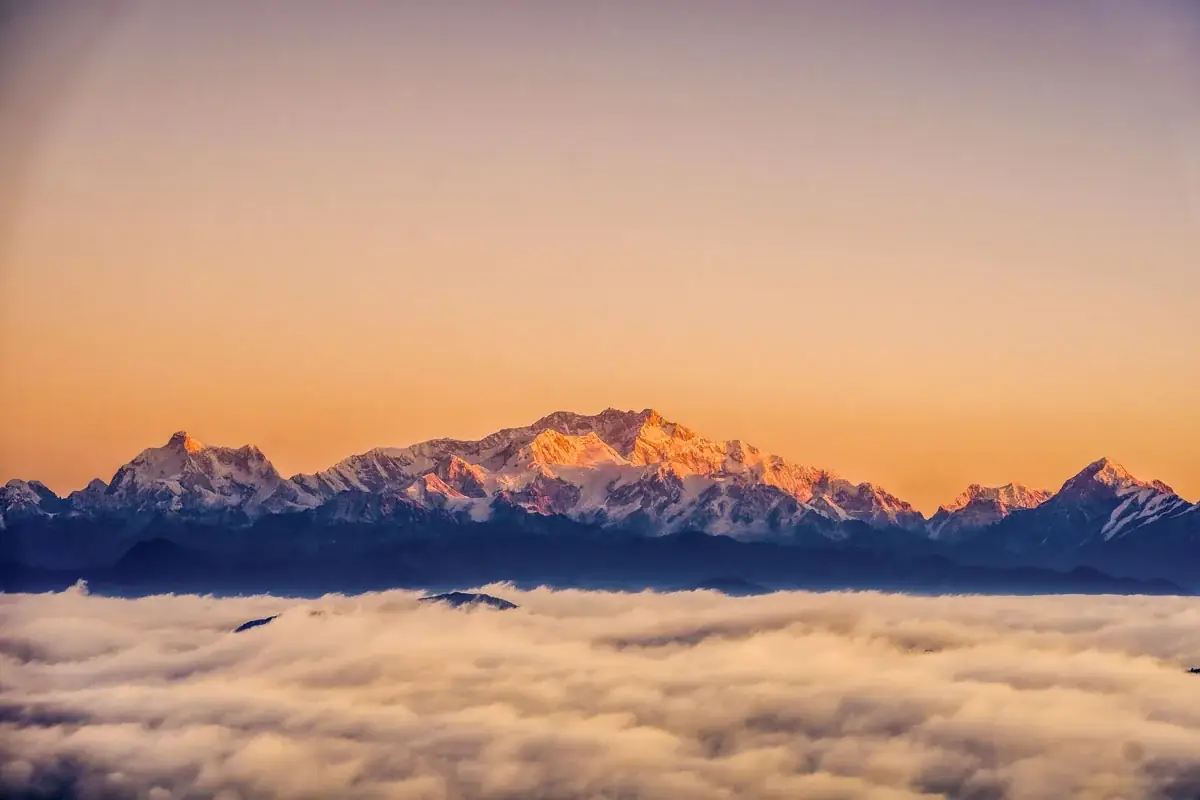 Travel Tips & Guides
By Preetam Singh Rawat|Feb 13, 2026
Sandakphu or Goechala? Choosing the Perfect Himalayan Trek for YouLet's discover the reason Sandakphu is a must-visit place for adventurers who are intrepid. I'd like to share a few personal experiences that prove my argument. I'm certain that my reasoning will convince you before I'm finished. It is amazing the lack of attention Day 1 receives in discussions. The areas of forest are extremely dense, allowing only a tiny amount of light to penetrate the ground. The denseness of the forest could fool you into thinking it's the evening. As the forest opens to a meadow, you get the sight of the Sleeping Buddha for the first time. In the following three hours it is revealed that the Sleeping Buddha appears to play playing hide and seek with you. When you reach Tumling the Buddha, you are greeted by an unobstructed view of the sleeping Buddha. The Sandakphu trek is a glimpse of the experience of trekking in Nepal without having to build a camp or search out a spot to rest. The comfortable accommodations, like wooden lodges or basic huts, offer comfortable bed and blankets that are warm, creating like luxury. At Tumling our club, there are windows that provide an unobstructed view of the magnificent Sleeping Buddha. The magnificent mountain peaks of Mt. Kangchenjunga, Kumbhakarna, Pandim, and Kabru (North, South, Dome) make an eerie resemblance to the Lord Buddha at rest. This place will remain in your mind for one day and through the four-day trek. When you are standing at Phalut the mountains seem like they are at hand, their proximity giving you a sense of awe and wonder that's hard to remove. The third day of your trip you'll travel to the breathtaking Singalila National Park, where you'll get to take in the stunning beauty of the fiery red Rhododendron trees that are ablaze in colors in the months of March and April. They provide a crucial habitat for the mysterious Red Panda, a species that is currently in danger of disappearance, with an estimated wild population of just 10,000 individuals. While you walk along the path you may be lucky enough to spot these fascinating creatures. This will surely make your visit unforgettable. Sandakphu is one of the few places on the planet where towering peaks of an altitude of 8,000m can be observed. In addition, it provides stunning views of Everest, Lhotse, and Makalu and also the chance to look out over the route in the horizon for the remainder of your hike. The vast views from Sandakphu are truly stunning. At Sabargram mountain lovers will find the most spectacular viewpoint. Sabargram is one of the very few campsites that allow you to stay in tents in the Himalayas, awe-inspiring mountains. When you open your tent you'll be welcomed by the breathtaking view of the world's most awe-inspiring peaks, an unforgettable experience for anyone who is a mountaineer. The trek to Gorkhey is a walk through a beautiful forest with an array of trees, including bamboo, rhododendrons, and the brown oak. The forest floor is covered with oak nuts which are the favorite food item for red pandas. A walk in the woods refreshes you and eases your fatigue, despite the long hours. Gorkhey village is situated in an open area that is with dense pine forest. A beautiful river runs through the city, creating a stunning view as one walks towards it. Samanden located just within an hour of Gorkhey it is a stunning village dotted with charming wooden houses and abundant vegetable farms, beautiful gardens, and tiny clusters of pine trees which enhance the beauty of the area. I would love to set up an apartment in this idyllic village. The next step after Samanden would be Ramam. With a bit of reluctance, you take your journey to an end at Sepi.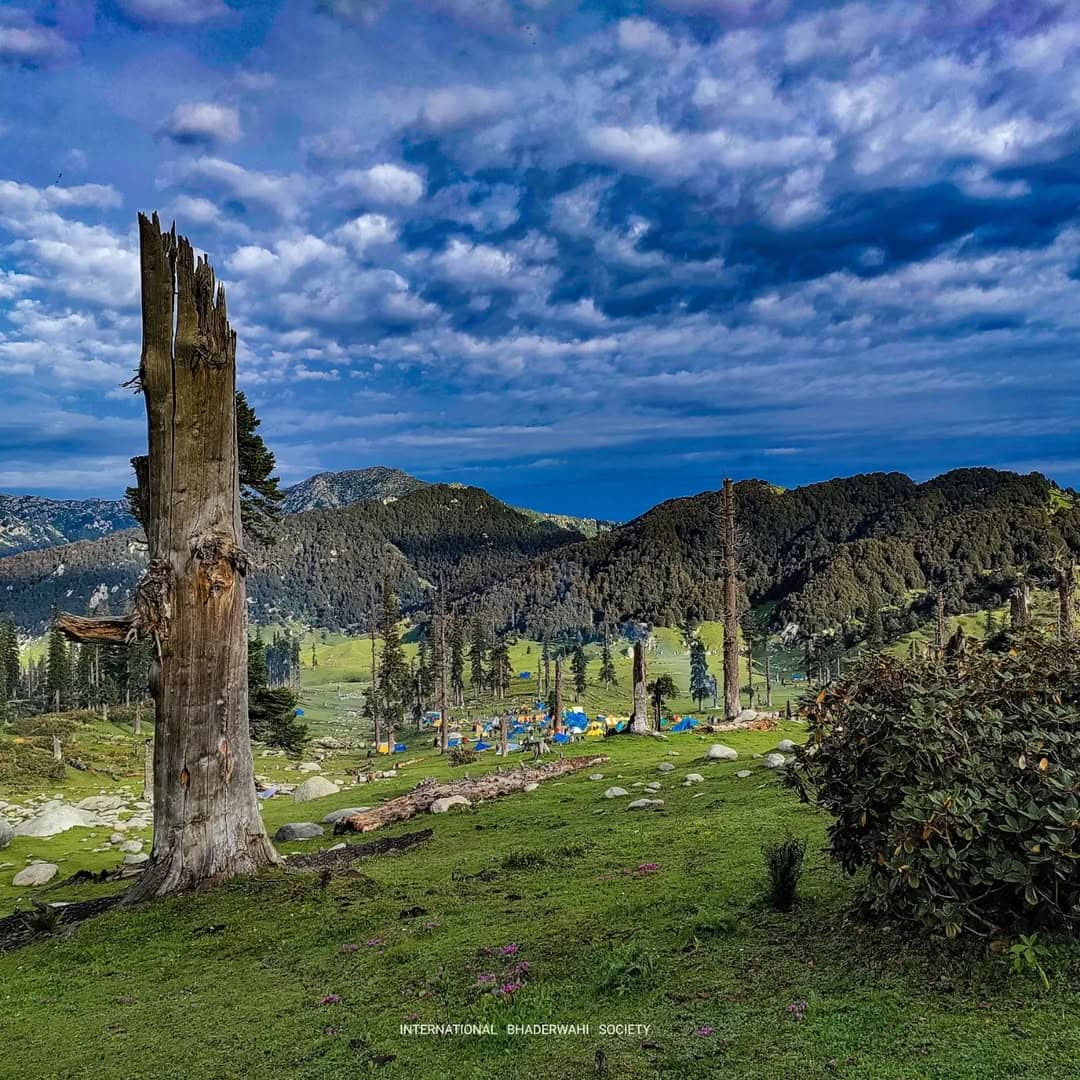 Travel Tips & Guides
By Preetam Singh Rawat|Feb 13, 2026
Kailash Mansarovar Yatra: Where Devotion Meets Himalayan SerenityThe Kailash Mansarovar Yatra is an extremely spiritual journey through the Trans-Himalayas that draws pilgrims and those seeking the personal awakening they seek. It is adored by Hindus, Buddhists, Jains as well as Bon devotees, Mount Kailash is revered by all four major religions and traditions as a symbol of divine energy, and close by Lake Mansarovar is famous for offering purifying waters to rejuvenate souls. A yatra is not just an excursion. It is an transformative spiritual journey that focuses on endurance, both physical and spiritual. A hike through Mount Kailash -- including Dolma La Pass at a high altitudes -- can make pilgrims undergo physical tests while also reviving their souls. The pilgrims return not only with memories of stunning landscapes, but also with renewed feelings of peace, harmony and connection too. Selecting the right adventure company is crucial to ensuring an enjoyable trekking experience. Trekup India provides enjoyable and well-organized treks that are designed to ensure that a thrilling adventure is truly enjoyable and worthwhile. In Trekup India, our primary priority is your security and security in all aspects of your trip, from comfortable transportation to meticulously planned routes. When you choose Trekup India as your tour service, every aspect will be taken care of to make your trip as enjoyable as it can be; from comfortable transportation to carefully planned routes, each aspect is managed to ensure that your trip runs smoothly. When you travel with Trekup India, your trip is accompanied by comfortable accommodations professional guides, comfortable accommodations and expert acclimatization programs designed to enhance your the spiritual experience, so that you can solely focus on enjoying the stunning mountain beauty without stress or problems! Each aspect is thought-through to allow everyone to focus on enjoying the scenery without worrying about anything. In the end, Kailash Mansarovar Yatra can be a memorable journey that will leave more than pictures behind: lasting memories are also made. If it's a spiritual awakening or an adventure that has brought you here, each step will reveal breathtaking landscapes and ancient places of spirituality. The ever-changing colors as it makes its way through Mount Kailash will leave you amazed at the wonders that Mother Nature is creating around us. Kailash Mansarovar Yatra is an amazing spiritual experience that takes you on a journey to Mount Kailash, an acclaimed Himalayan mountain which holds significant significance for all faiths. The mountain is considered to be the home of Lord Shiva himself and often regarded as a cosmic center, Mount Kailash attracts millions of pilgrims every year who come to its sacred shores due to its breathtaking views and stunning surroundings. There are also the chance to grow personally! This trip is more than a way to an end, it gives us the opportunity to be awestruck by the beauty of nature all around us and discover its spirituality through the Himalayan trek. The trek passes between Nepal and Tibet along the way is lush valleys, rugged scenery and jaw-dropping mountain passes, such as Dolma La and Mayum La with stunning views of pure nature, unspoiled. Every trip will be filled with unforgettable memories. will include watching the amazing changes in mountain hues. From sparkling white during the morning and golden hues at sunrise and sunset, with a few hints of red; peak has stunning displays. You also have the opportunity to participate in the Charan-Sparsh rite that involves touching the sacred peak to further enhance the spiritual experience already in place! Lake Mansarovar is another must-see during any journey through the Himalayas. It is clean and elevated, it's sacred within the Hindu religion because of this alone! The holy water of Lake Mansarovar cleanses the soul from any sinning they might have committed, while enjoying the many benefits that the journey gives you in terms peace and beauty. Lake Mansarovar sits 4,590m atop an edifice and is considered to be one of the world's highest freshwater lakes that are adored for their cleansing properties physically and spiritually. A ritual bath in its water is regarded as a highly spiritual for many believers who believe that drinking the sacred water will provide blessings from God and cleansing of the inner. This holy pilgrimage is widely regarded for being one of the most difficult pilgrimages due the harsh weather, steep peaks and a rugged terrain. Travelers with courage must negotiate Dolma La Pass, which is 5,645 feet high and push their physical and mental endurance to the limits! Pilgrims who are fervently religious undertake their pilgrimage with unwavering faith, determination and vigor which makes for an unforgettable adventure. Because of its physical demands Kailash Mansarovar trekkers can enjoy a profound experience that can be transformational for many participants - bringing new insights and increased self-knowledge and powerful feelings of spiritual bonding with their spiritual communities. Additionally, its stunning Himalayan landscape is an inspiring backdrop for contemplation and spiritual development. Kailash Mansarovar region holds great spiritual significance for all religions and religions, but especially Hinduism as well as its adherents, in which Kailash Parvat is worshiped as the place to honor both Lord Shiva and Goddess Parvati, which makes the site a sacred pilgrimage for those who believe in Shiva. According to the legend bathing in Mansarovar Lake's holy water can cleanse any sins and restore purity. On this trip you'll be visiting the Gaurikund Pond of sanctity in which goddess Parvati would bathe and the location where Lord Ganesha first appeared. Buddhist practice believes Kailash Parvat to be the center of cosmic energy, and is a place with a significant spiritual significance. there, Buddha was believed to have contemplated. Additionally, Bon and Jain practices consider this sacred mountain, which is revered with great respect as a place spiritually significant. The ideal time to start this sacred pilgrimage is in the monsoon time especially between July and August. One major benefit of hiking during these months is the clear views of Mount Kailash - this makes trekking a lot more enjoyable, comfortable and beautiful simultaneously! The weather generally stays steady, with stunning views of the landscape being provided to tourists looking at Mount Kailash at its best and temperatures are generally more manageable in comparison to the brutal winter cold. Kathmandu Before you embark on your journey to Tibet Take a moment to visit Kathmandu the capital of Nepal, a vibrant city, known for its ancient temples, fascinating traditional culture, stunning architecture and bustling main streets. If you are you're in Kathmandu go to the Pashupatinath temple and participate in the Rudrabhishek ceremony, which is a pilgrimage that is believed to honor Lord Shiva who can remove obstacles, bring wealth and strengthen the spiritual bonds within people. Friendship Bridge Friendship Bridge, situated between Nepal and Tibet is an entrance into Tibet's fascinating landscape. It offers breathtaking views from the Kerung River and mountain ranges. After crossing this stunning bridge into Tibet you will experience its deep spiritual fervor as well as its stunning natural beauty in person. Mansarovar Lake Lake Mansarovar is a unique tourist attraction along the way, famous for its crystal clear water which reflects mountains that are covered with snow. The water at this altitude is believed to cleanse past sins and purify the spirit of one's self providing peace and tranquility in a serene space of peace and tranquility. Participate in the Mount Kailash Parikrama for an incredible spiritual journey that spans around 50km, beginning in Yamdwar and concluding in Chongdo. This difficult trek provides stunning views of Mount Kailash as well as the chance to see its heavenly feet, often known as local names Charan Sparsh. For those who believe in God, this trek is vital as it brings the pilgrims closer to Lord Shiva himself. The serene water of Gauri Kund is revealed as one of the most sought-after lakes from Hindu mythology, and is connected to Goddess Parvati. In Hindu belief Parvati bathed in this lake and is believed to have had the birth of Ganesha. Ganesha there. The tranquil lake's surrounding of rugged rocks is truly stunning! Kailash Mansarovar is more than just physical experience. It is also an incredibly spiritual experience that people find transformational. Visitors gain awareness of their own in a clearer way, and a greater connection to God All this is set against a tranquil Himalayan backdrop that promotes meditation and peace.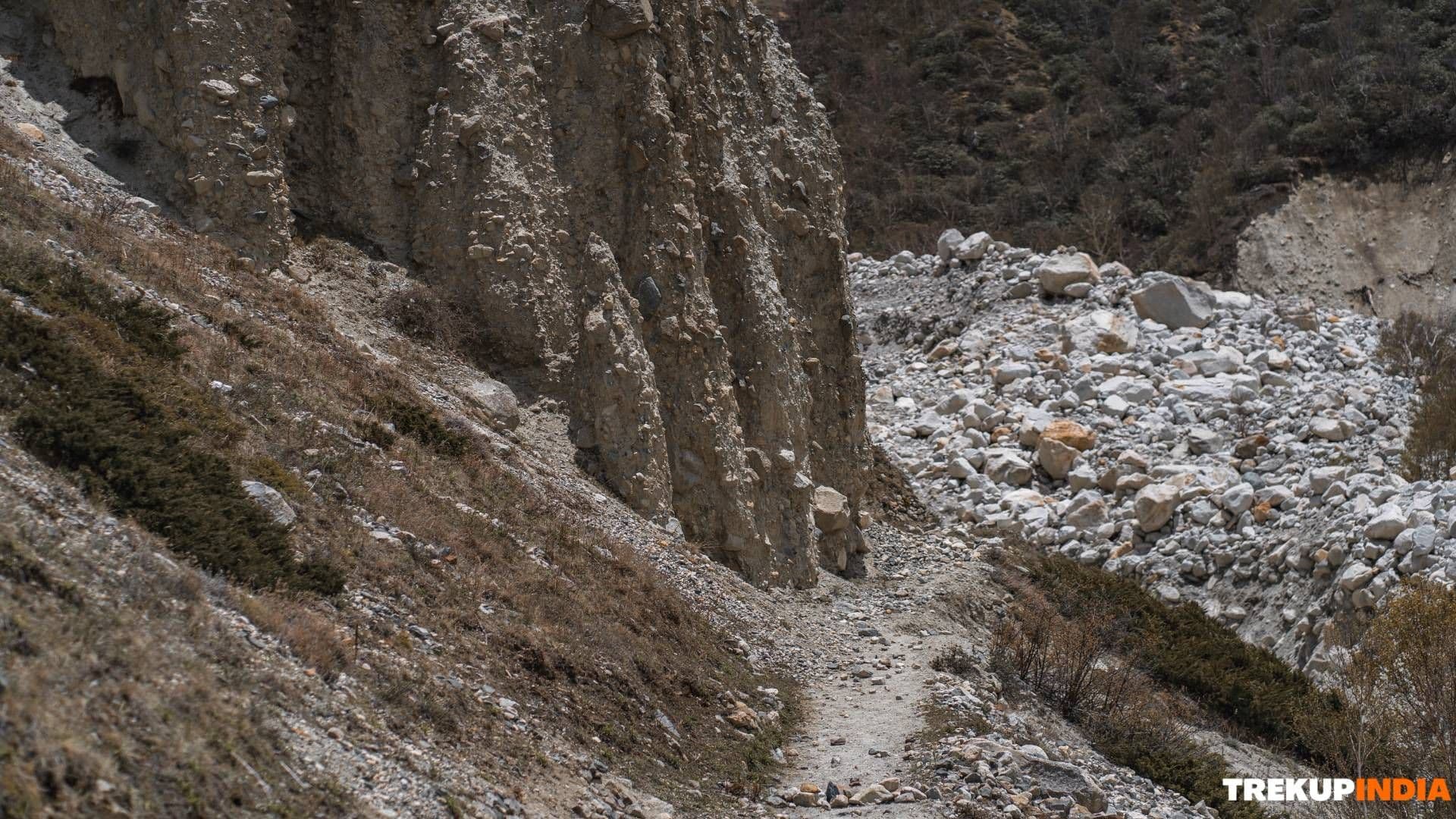 Travel Tips & Guides
By Shivam Shingari|Feb 13, 2026
Gaumukh Tapovan Trekking Guide: Ideal for Beginners or Experienced Trekkers?Discover Uttarakhand on an unforgettable Gaumukh Tapovan Trek, an exceptional high-altitude trek offering adventure, spiritual significance, and breathtaking Himalayan splendour! Start at Gangotri for this breathtaking trek along the Bhagirathi River to Gaumukh and see where the Ganges originates before continuing upstream to Tapovan at 4,400 metres, an alpine pasture offering breathtaking views from Mount Shivling and the Bhagirathi River. There can be difficulties encountered while climbing mountains, such as steep elevations, glacier crossings, and rugged terrain; experts in the field often prefer it; however, well-prepared beginners with guidance from knowledgeable guides may take on this challenge with the proper attitude and practice. Challenges such as low oxygen levels, freezing terrain, and basic campsites cannot be avoided; however, facing them head-on and reaping their rewards is truly rewarding. Gaumukh Tapovan provides an unrivalled combination of spiritual energy, unspoiled natural beauty, and peaceful trekking routes for an unforgettable and revitalizing Himalayan experience. Bhagirathi runs with energy from the Garhwal Himalayas deep within, flowing toward Gangotri Glacier at 30 kilometres in length and across an immense landscape of stones and boulders until eventually connecting with the Alaknanda River in Devprayag to form Ganga River which travels over 2700 kilometres throughout its course to provide vital nourishment to India’s entire population. At 300 vertical metres above Gaumukh, an inviting expanse of rocks becomes transformed into stunning Tapovan meadows filled with vibrant and flourishing meadows brimming with colour. Exploring Gaumukh Tapovan may help us better understand some of our most profound beliefs as well as cultural traditions. Although a well-known trail for pilgrims and easily accessible, don’t make the mistake of thinking it’s easy. Although technically traversing a national park, there may be issues to keep an eye out for along the way. Take an impressive Gaumukh Tapovan Trek journey that traverses dense woods of pine and birch along well-defined pathways, through lush forests filled with vibrant greenery encased in mist to give an illusion that you are walking through a dream landscape. But gradually, the lush forests give way to barren landscapes characterized by rock outcrops and sandy riverbeds as you climb higher, eventually reaching Gaumukh, where rock formations transform into huge boulders before eventually levelling off as slopes steeper still until eventually opening onto stunning Tapovan and its breathtaking sights. Starting your journey can be both exciting and demanding! One of the hardest challenges will be reaching Gangotri in the Himalayas; this sacred city lies 240 km away from Dehradun airport via automobile – taking 10-12 hours depending on traffic conditions – but its scenic ride provides an ideal starting point for this unforgettable trek through stunning landscapes, history and legends – it makes an unforgettable journey experience. As previously planned, we would have crossed the Bhagirathi River via Gangotri Glacier; however, due to changes at Bhojwasa camping site this is no longer an option; rather we must navigate it on our own from Bhojwasa onwards; with one of its major challenges being this massive natural force as part of its crossing process. An ordinary cart suspended from a manual pulley system stretches along the road’s length, leaving travellers at the mercy of those on either side who can pull them over the distance. Absent assistance, passengers may become trapped in midair, exposed to elements and flooding below. Public transportation with these risky iron cages holds more than six people at any one time in cramped conditions, often for as much as two hours at a time. Each trip lasts only 10 minutes, as working it takes twelve people, and each trip lasts approximately 10 minutes, therefore, frequent trekkers must wait long periods up to two hours until their turn. Days one and two cover 11 or 15 km respectively; remaining days cover approximately 5km each; however, the terrain can make these days treacherous for trekking. Day 4 presents one of the more challenging treks, when traveling from Bhojwasa to Tapovan through forest areas before descending through deserted landscape dotted with boulders and rocks. This uneven terrain requires constant attention over its 5-km course with a 500m ascent. As soon as you reach Gaumukh, the trek becomes increasingly strenuous as reaching Tapovan requires vertical climbing over massive rocks alongside a waterfall, necessitating jumping off rocks and making multiple crossings along its 300-meter ascent. Every day presents unique obstacles. Some may come from long distances or the terrain itself; other times they may stem from rockfall zones that shelter wildlife; terrain changes; steep slopes; or steep inclines, etc. It is essential to keep in mind that no mules are on this trail! This choice, which I strongly encourage, may make trekking more difficult; however, its breathtaking landscapes will surely distract you from any frustration with distance or terrain issues along your route. Using Shivling and Bhagirathi Mountains as motivation throughout your trek should make every step worthwhile and your journey unforgettable! Tapovan is an insurmountable challenge that merits our full consideration, with its almost vertical gradient making each move a test of endurance. Add into that its uneven, crummy terrain dotted by boulders and wet stones making movement even more hazardous – as well as potential rainstorms which only add further dangers! Our challenge here is no secret; anyone traveling through the Himalayas knows all too well how rapidly weather patterns can shift here, creating obstacles on our journeys and posing major problems on the trail. Unpredictable weather presents one of the greatest obstacles on any trail, due to parts being particularly susceptible to fluctuations. Particularly vulnerable in poor weather are areas prone to falling rocks and steep ascent towards Tapovan. Trekking beyond Bhojwasa involves mostly rock-covered terrain; rain or snowmelt makes navigating these trails all the more challenging. Bad weather can add extra strain when traveling such vast distances. When considering aesthetics, practicality, and comfort for an individual on this particular trek, favourable weather conditions for weather is truly an enticing gift.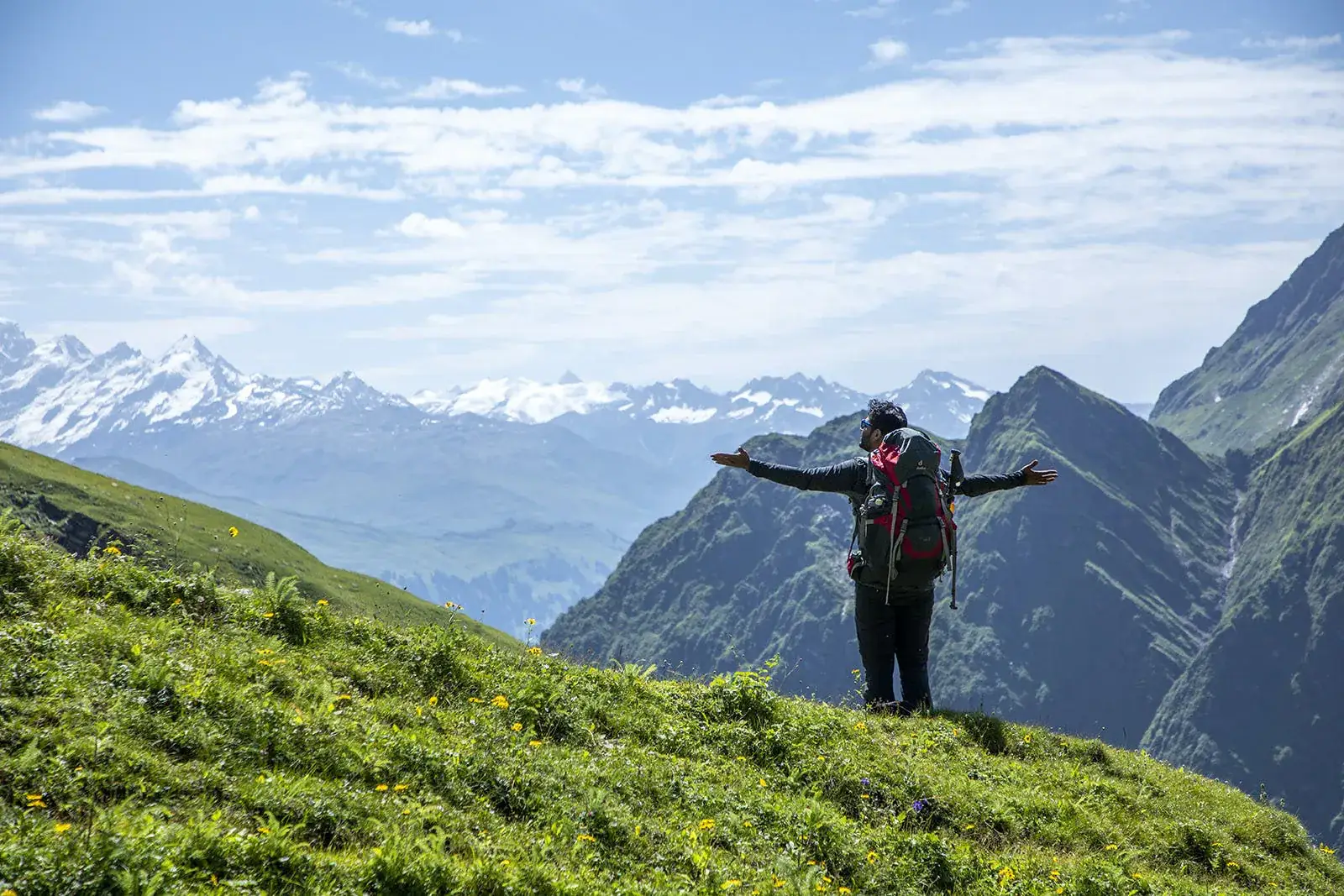 Travel Tips & Guides
By Nanda Rawat|Feb 13, 2026
Beas Kund vs Bhrigu Lake: Which Trek Should You Choose?Beas Kund and Bhrigu Lake offer an amazing glimpse into Himalayan trekking experiences, providing breathtaking panoramic views of the Dhauladhar as well as the Pir Panjal Mountains. The trails are dotted with stunning meadows, snow-covered mountains, and a variety of lakes to provide an enjoyable experience. The lakes are located in Himachal Pradesh close to Manali The treks are becoming more well-known as a shorter trek option, but both have some challenges that may hinder making the right choice for you. This article provides a thorough comparison of Beas Kund and Bhrigu Lake, with special focus on their distinct characteristics, in order to help you make an informed choice when planning an excursion. Himachal Pradesh and Bhrigu Lake provide the chance to enjoy an unforgettable two-day trek through the Himalayas. Beas Kund's smooth terrain and gentle inclines make an ideal starting point for new walkers or families and those who are looking for a relaxing river stroll, with vast meadows, a tranquil camping trip, or stunning Himalayan views. In contrast, Bhrigu Lake's more difficult trail, which has steep ascents and quick elevation gains, is perfect for those who are fit or experienced travelers seeking stunning Himalayan views. Beas Kund is associated with Rishi Vyas and Rishi Vyas, while Bhrigu Lake is dedicated to Maharishi Bhrigu; Beas Kund has a more accessible and serene landscapes, but Bhrigu Lake is more challenging trekking trails at higher altitudes with stunning views. Be sure to take your level of fitness, preference for views, and the determination to push yourself to make a decision one of these options. Each is sure to be an unforgettable mountain experience. The Beas Kund trek covers 32 kilometers and reaches 3700m and the Bhrigu Lake trek covers 29 kilometres. Both trails eventually reach 4267 metres in elevation. The first 7 kilometers are an easy climb; Beas Kund trail features an arduous moraine crossing that requires focus and agility to navigate safely. Additionally extra vigilance and care must be practiced during the route to avoid accidents caused by inability to balance or a misalignment. Beas Kund offers breathtaking vistas of Hanuman Tibba, Friendship Peak, Ladakhi, and Shitidhar that will make you swoon. Bhrigu Lake is situated at an incredible elevation and offers breathtaking panoramas, which include Seven Sisters, Hanuman Tibba, Deo Tibba, Beas Kund Valley and Hanuman Tibba itself. These stunning views will capture your attention and inspire you to keep on the path ahead. Each trail offers a unique landscape. Beas Kund is a the rugged terrain, with outcrops and rocks of rocks during summer and covered with snowfall during winter. The Bhrigu Lake route boasts an stunning landscape. From coniferous forests to expansive meadows that seem to be endlessly vast. Each trail is unique in its beauty that will continue to surprise you! Beas Kund as well as Bhrigu Lake have become popular destinations for trekkers who are new because of their accessibility. Although they are not popular every year, these trails attract hundreds of hikers. Bhrigu Lake trails are lined with Oak, Birch, Cedar and Pine trees, as in addition to Rhododendron as well as Juniper shrubs. Other frequent guests comprise Magpies, Swifts, and Woodpeckers! You may also be lucky enough to spot the occasional bear! When you first start trekking through Beas Kund Valley, you will encounter Fir and Spruce trees, before you will encounter more Juniper trees as you climb. Additionally, this region is the home of Monal, the official bird of Himachal which makes this area a great spot for bird-lovers! Beas Kund and Bhrigu Lake offer thrilling mountain experiences, with stunning views that make the perfect base for future Himalayan adventures. We hope the details we provide can help you make an informed choice based on information that matches your interests. Should any assistance be needed we can help you. our team of support.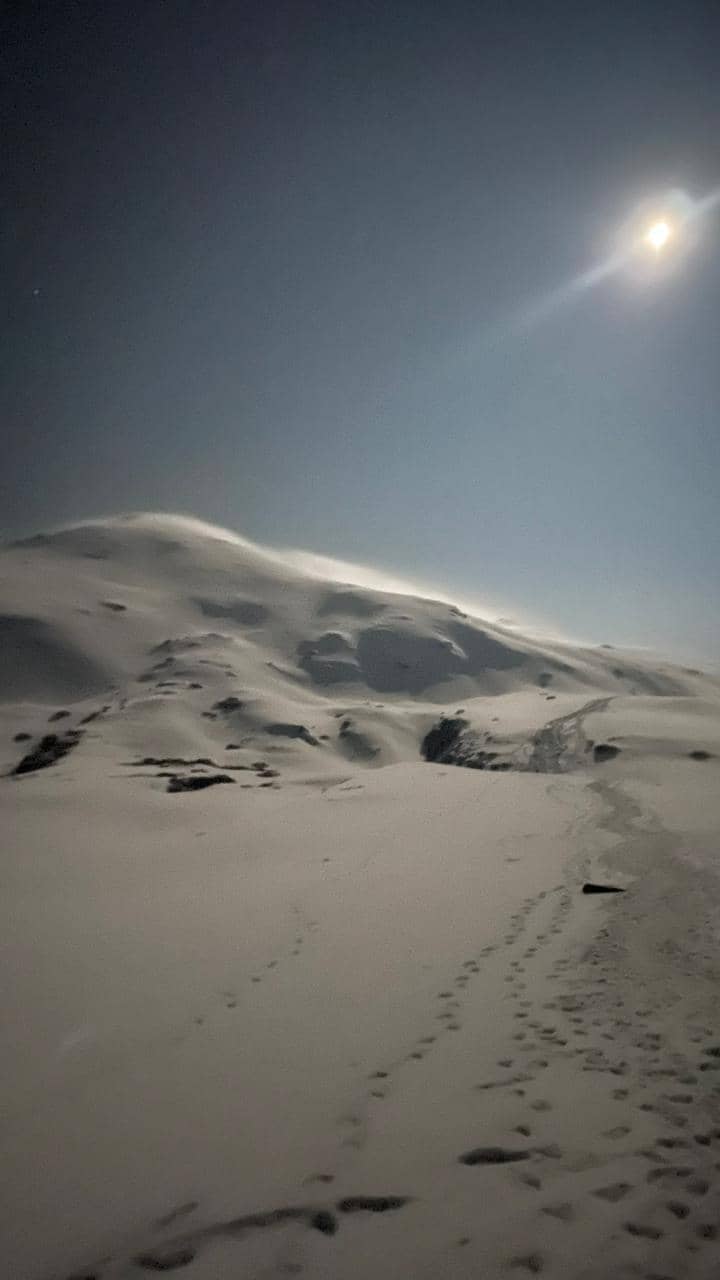 Travel Tips & Guides
By Nanda Rawat|Feb 13, 2026
Kedarkantha vs Brahmatal: Which Is the Best Winter Trek in Uttarakhand?Uttarakhand provides Brahmatal as well as Kedarkantha as the ideal place to start for beginning Himalayan trekkers looking to set out further. The trails are open during winter, offering trekkers the chance to explore these majestic mountains. Treks offer breathtaking views of mountains that are covered in snow and also meadows and night skies covered in snow, which will create lasting memories that will surely be enthralling. Their rugged beauty will draw visitors to return for more adventures. Choosing among a variety of treks may be a challenge however this article will highlight the distinctive characteristics of each while describing the ways in which they share differences, despite their distinct attractions. Brahmatal and Kedarkantha offer amazing treks in wintertime in Uttarakhand with breathtaking snow-covered trails through forested paths and stunning Himalayan views, providing unique experiences. Brahmatal is a haven filled with frozen lakes, ridgelines open to the air and serene camping spots that are a perfect spot for those who appreciate peace and vast landscapes. Its length is a little more and its gradual slope makes Brahmatal an ideal spot for those seeking solitude and peace between December between December and March. Kedarkantha is often referred to as the "Queen of Winter Treks" is a smaller but more challenging trek that is ideal for those who are new to the sport and for shorter winter treks during holidays. It has an exhilarating top as well as lively campsites like Juda Ka Talab. It is ideal for winter treks that are short and brief during holidays, such as the period from mid-December to February, where temperatures remain cold enough. Kedarkantha summit provides stunning mountain views of a variety of Himalayan mountains, including Bandarpoonch, Black Peak, Swargarohini and Ranglana in the Gangotri and Yamunotri ranges that showcase their breathtaking beauty against a breathtaking sunrise view. Brahmatal as the top point provides stunning views of Mt Trishul, Nanda Ghunti, Chaukhamba, Neelkanth Kamet Hathi Ghoda, and others that have played important role in Hindu mythology. These views are truly an amazing experience, and one can feel the immense impact they have on this ancient landscape! Kedarkantha and Brahmatal Treks start in small towns before moving through coniferous forests on well-defined trails. They then open to vast meadows that offer breathtaking panoramas of the Himalayan Mountains. Both trails take you to peaceful lakes that are hidden in mountains that are hidden in the vicinity of campsites. both trails have breathtaking ridges that offer views of snow-capped peaks which makes it difficult to look away from Brahmatal Peak. The trails offer stunning snow-covered terrain, which requires strenuous upward climbs in order to get to the Brahmatal summit. Kedarkantha is now becoming increasingly popular, drawing large numbers of trekkers every New Year's Eve, as they try to catch the spectacular sunrise that marks the beginning of a new year. In addition, an increase in trek operators draws large crowds of tourists on their trails during the winter which leads to overcrowding on some trails, including Kedarkantha in comparison to Brahmatal which is more suitable for beginners, despite being more popular than its counterpart. Brahmatal Forest as well as Kedarkantha's lush forest is full of active wildlife and plants as well as wildlife that live in both areas. Rhododendron and Oak trees flourish on both routes. Kedarkantha is home to Chir Pine as well. Brahmatal has dense conifer forests such as Cedar and Fir close to Gujreni campsite. If you're fortunate, Black and Golden Eagles can be seen flying out of Judato over Lohajung down the Brahmatal Route. Birdwatchers enjoy these routes too as both routes are home to exotic species, including the Himalayan Monal, which inhabit these regions. When you are deciding between Brahmatal and Kedarkantha make sure to keep these factors in your thoughts. Both treks are breathtaking as they lead visitors deep into the mountains before taking them to their summits for stunning panoramas and additional Himalayan adventure. Our article should provide you enough information about the different treks so that your choice is based on your personal preferences. should additional assistance or advice be needed We are here to help!