
Prev
1 / 9
Next
 Travel Tips & Guides
By Anoop Rawat|Feb 17, 2026
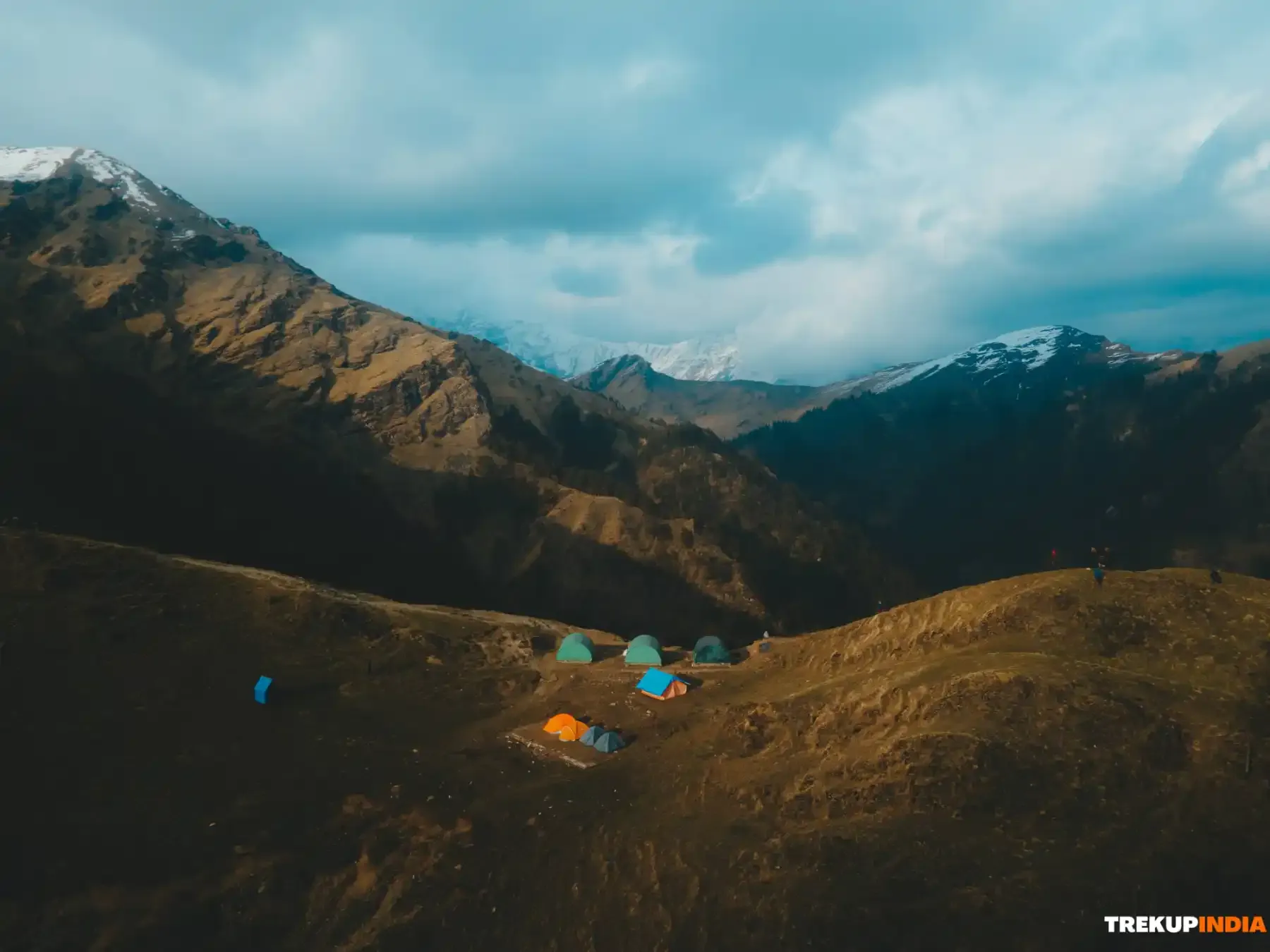
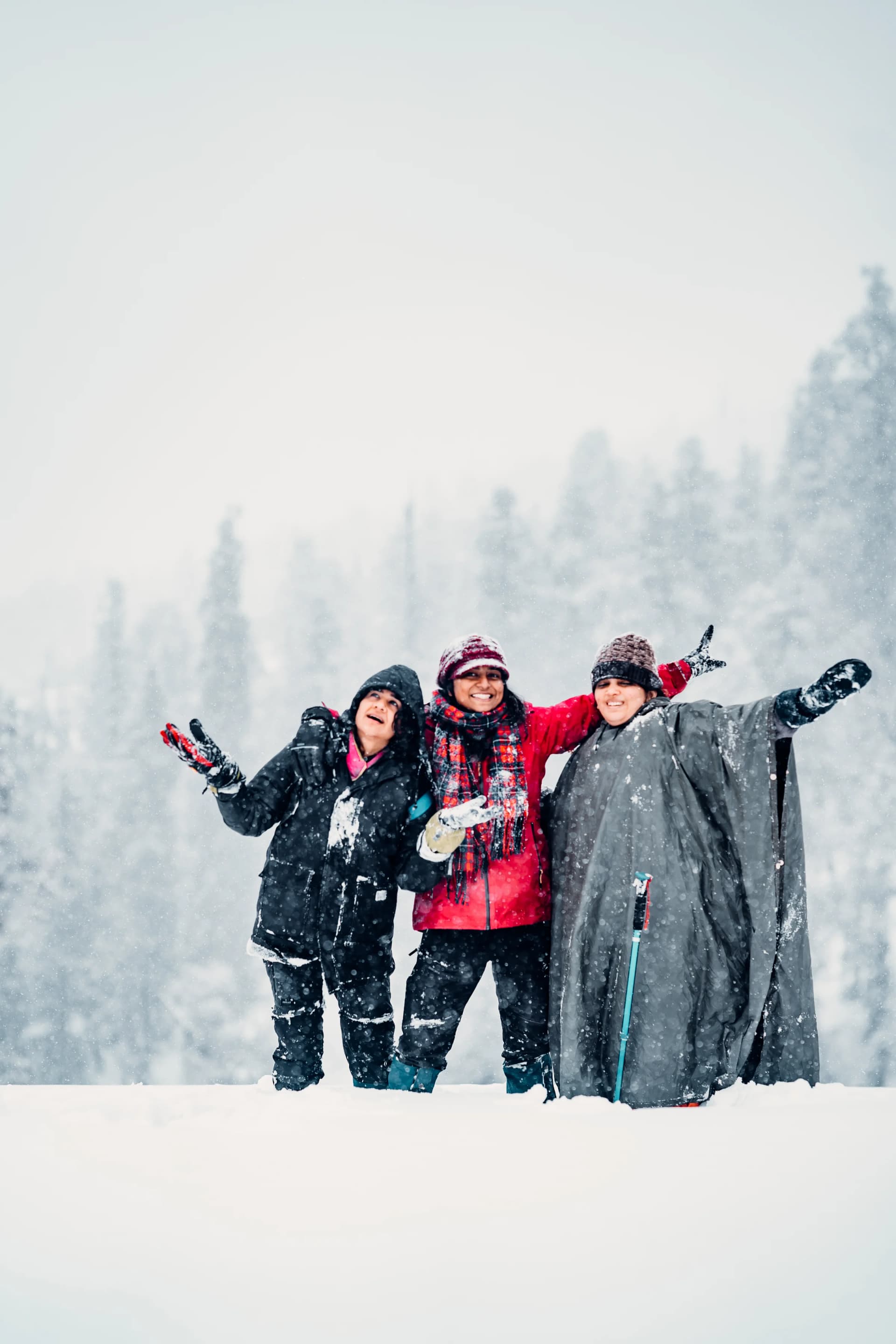
How to Time Your Trek in Winter | Best Months & TipsWinter treks in India provide unparalleled snow experiences, but proper planning of your trek can make all the difference between an enjoyable journey and one that leaves you disappointed. This guide is intended for novice and intermediate trekkers looking to see snow but don’t know when or how best to organize their trip. Most people associate the winter trekking season as starting around December and ending mid -March; however, this can differ significantly between years each has its own snow conditions and experiences; between February and December, you could trek the same mountain and have two completely different experiences! Let us walk you through three major winter trekking seasons so you can choose an appropriate time and date to visit the Himalayan peaks. Starting in December until mid – December an best period for novice snow trekkers wanting a first taste of winter without harsh conditions mid- December through to December’s final day will reveal light snow layers perfect for snow walks; while January through mid – March is known for deep snow cover and its fairy tale landscapes seen here! Winter trekkers must realize that winter can last much longer than most people realize. Starting in December and lasting until mid-March, winter trekking opportunities arise all year long. Planning your winter adventure requires taking into account this extended timeframe, as you have multiple months from which to choose when making plans for your trek. January and February bring the harshest winter conditions, making January/February an optimal time for trekkers looking for extreme winter adventures. Knowing this can help trekkers plan treks according to their experience level and desired snow conditions winter offers various degrees of intensity throughout its course. Winter treks bring about dramatic transformation across the landscape from start to finish, as snow accumulates gradually from the end of winter until the start of spring. This progression in accumulation radically alters both trekking experience and difficulty levels, making this season of exploration an extraordinary journey! At the start of winter, trekkers can expect light dustings of snow that create beautiful winter scenes without major obstructions. As the season advances, accumulation increases dramatically, with coverage ranging from moderate to knee deep snow requiring proper equipment and physical fitness for trekking through it all. Winter presents its toughest challenges during its most severe conditions when snow can reach chest deep depths, making trekking treks accessible to novices in December, becoming more challenging by February, making it important to pace yourself according to both your level of experience and the availability of equipment. Misconceptions about winter trekking planning often result in poorly timed treks and missed opportunities. One such misperception is thinking winter starts and ends in December, meaning trekkers miss taking advantage of an extended season that continues into March. One common misperception about winter is that its conditions remain constant all year long, leading trekkers to assume they will encounter identical conditions no matter when they start their trek. Yet weather conditions vary dramatically month by month, with December providing mild conditions best for getting acquainted, while peak winter months often bring extreme terrains. Timing is key when planning winter treks, as snow conditions directly determine their difficulty and preparation requirements. Recognizing patterns of accumulation helps trekkers tailor their trips based on their abilities and levels of experience. Early winter months offer those seeking winter beauty without too many challenges, while the peak winter months provide experienced trekkers with challenging snowy adventures. December to mid-March provides ample scheduling flexibility so trekkers can choose the best time and level of snow they prefer depending on weather forecasts, their schedules, and personal preference. Mid December to early December is an idyllic period for trekking in winter. At this time of year, mountaintops receive their initial snowfall, creating a magical winter wonderland easily accessible without harsh winter conditions offering trekkers their first taste of winter’s wonder while providing them with an easy trekking experience. This snowfall transforms familiar paths into stunning white landscapes, giving trekkers their first taste of its beauty while offering them an enjoyable trekking experience. What distinguishes this window is its impressive balance between the aesthetics of winter and practicality for trekking. The snow cover is light enough for safe passage but still provides enough snow trekking experiences in colder seasons that trekkers crave. Trekkers can experience the magic of winter snow without experiencing extreme temperatures and weather conditions that typically characterise its peak months. Light snowfall creates beautiful landscapes while providing easy access to treks for trekkers of varying experience levels. Winter trekking offers those accustomed to warmer seasons a great opportunity to try their hand at it for the first time, without experiencing extreme weather challenges and encountering additional stressors. Trekkers can become familiar with winter equipment as well as snow navigation techniques and cold weather trekking techniques without facing additional hardships due to severe climate issues. Between early December and mid-December, you can experience one of the most beautiful clear skies of wintertime. These crystal clear skies offer stunning mountain views that might otherwise be hidden by heavy snowfall or stormy weather patterns. Clear skies, shorter day length, and reduced light pollution at higher altitudes provide best conditions for astrophotography and stargazing, providing trekkers the perfect chance to capture breathtaking nighttime images while taking in some of the year’s best stargazing opportunities in mountain regions. This season boasts the highest completion rate when compared with winter months, making it the safest time for planning winter treks. Favorable weather patterns greatly decrease the likelihood of weather related cancellations or route modifications necessitating trekkers abandoning their treks due to safety concerns. Trekkers who wish to experience authentic winter mountain trekking conditions will find this combination of manageable snow conditions, clearer weather patterns, and moderate temperatures conducive to successful expeditions. As we move past early December, the second part of December offers trekkers their first experience of continuous snowfall and winter conditions in the mountains. At this time of year, you can anticipate at most two to three Western Disturbances to bring fresh snowfall to the Himalayan regions. These weather patterns begin in the Mediterranean before moving east and producing the first significant snowfalls of the season at popular trekking spots. Western Disturbances bring vibrant weather patterns that change mountain landscapes quickly by blanketing barren treks with pure white snow within hours providing the best foundation for winter treks ahead. Typically lasting two or three days, they offer consistent snowfall that provides the basis for winter treks ahead. As temperatures cool off, snow forms an ankle deep light layer perfect for enjoying snow walks. This snow depth offers beginners the best chance to experience winter trekking without becoming overwhelming for trekkers with moderate experience. Ankle deep snow provides great traction conditions while providing trekkers the opportunity to feel what it’s like walking on fresh snow trek markers remain visible and it adds visual beauty without creating extra navigational difficulty or technical challenges. Holiday seasons draw large crowds treks like Kedarkantha and Brahmatal experience over 1000 trekkers per day, which could compromise mountain peace. A combination of holiday getaways combined with best snow conditions as well as moderate difficulty levels creates high demand at this time, leading to campsites being packed to capacity and finding peace difficult despite efforts at finding it elsewhere. Early start times and less well-known routes may provide peace during this hectic time. Once we’ve covered the snowier periods, the period from January to mid-March marks the pinnacle of winter trekking adventures, this period offers some of the most breathtaking and captivating snow conditions that adventurers are seeking out; consistent sub-zero temperatures lead to solid snow formations; frequent snowfall during this season creates significant accumulation and transforms treks into completely different landscapes. At this time of year, trekkers encounter deep snow that ranges from knee deep at lower elevations to chest deep in higher altitude areas and valleys that are sheltered. These accumulations present challenging yet rewarding trekking conditions that necessitate appropriate equipment and techniques the deep snow insulation creates extremely comfortable camping conditions despite frigid temperatures! Microspikes or snowshoes become necessities during this season. Milder snow conditions don’t compare to the stunning transformation that takes place during winter’s peak temperatures, when all forest canopy trees become blanketed in thick and dense snow blankets, creating cathedral like spaces beneath heavy laden branches and making navigation challenging enough to require high levels of navigational skills. Winter conditions naturally dissuade novice trekkers, leaving treks mostly empty for those willing to brave winter’s harshness. This makes for an excellent opportunity to observe wildlife; animal tracks emerge vividly against the white snowscape narrating stories of nighttime forest activity; plus snow covered mountains offer a deep sense of serenity rarely experienced during busy seasons. Snow provides the best natural playground for winter sports enthusiasts. Steep, snow covered slopes provide unintentional sledding hills; their perfect consistency allows snowball fights as well as sculpture creation during breaks. Northern exposures and high altitude routes offer the best conditions for heavy snow accumulation during this period, and mountain ranges that align with winter weather patterns provide safe opportunities to experience these extreme winter conditions. Kedarkantha, Kuari Pass, Pangarchulla Peak Trek are among the best treks for big snow lovers. Now that we have discussed the different timing windows for winter treks, let’s explore which locations best suit different experiences and snow preferences. Each trek chosen has unique winter specific traits which perfectly sync up with seasonal cycles we have studied thus far. Altitude: 12,100 ft Duration: 5–6 days Difficulty: Easy–Moderate Dayara Bugyal stands out as a best location for those seeking an immersive snowy forest experience. The meadow at high altitude transforms into a breathtaking winter wonderland where trekkers are treated to an impressive display of snow laden trees meeting vast meadows of white. Dayara Bugyal makes an excellent start on any winter trek adventure, featuring gentle slopes with spectacular snow covered landscapes providing picture perfect scenes at every turn. Altitude: 12,250 ft Duration: 6 days Difficulty: Moderate Brahmatal offers unforgettable frozen lake adventures to those intrigued by its frozen surface, centered around its stunning high altitude lake. As winter progresses, its crystal mirror surface creates one of the most picturesque treks in Himalayan winter months; all experience is built around this frozen center to offer trekkers intimate winter experiences with dramatic transformations. Altitude: 12,083 ft Duration: 5 days Difficulty: Easy–Moderate Best Time to Visit: Deoriatal Chandrashila provides the best setting for winter trekkers looking for immersive winter experiences. This destination expertly blends the tranquil beauty of an ice engulfed lake with incredible views of Chaukhamba massif. Deoriatal lake offers reflective beauty as you traverse across its waters; Chandrashila summit views make the trek truly enthralling; together they make this trip perfect for both adrenaline junkies and quiet contemplatives alike! Altitude: 12,500 ft Duration: 6 days Difficulty: Easy–Moderate Best Time to Visit: Kedarkantha delivers on its promise offering an exciting peak winter adventure that tests physical and mental endurance and strength. The destination has long been sought out by serious winter trekkers looking to test themselves as they experience the raw force of winter conditions at higher altitudes. Trekkers should show due respect for winter mountain landscapes while summiters will gain life changing summit experiences! Altitude: 12,516 ft Duration: 6 days Difficulty: Moderate Best Time to Visit: Kuari Pass is well known for its stunning oak forests cloaked in pure snow, offering some of the most picturesque snow treks to winter trekkers. The trek winds through thick oak woodlands where each branch bears the weight of fresh snow, creating natural tunnels and archways that make ordinary walks through the forest extraordinary winter adventures. Kuari Pass makes for an excellent destination for those who prefer milder walks while still experiencing authentic Himalayan winter weather conditions. Altitude: 15,069 ft Duration: 7 days Difficulty: Moderate–Challenging Pangarchulla Peak Trek represents the epitome of winter trekking, offering challenging snow climbs culminating in an exhilarating summit push. It requires advanced winter trekking skills and quality equipment and offers experiencedtrekkersone of the most exhilarating summit experiences available during winter trekking. Combining technical challenges with breathtaking mountain landscapes at high elevations. Altitude: 11,941 ft Duration: 7–8 days Difficulty: Moderate Best Time to Visit: Sandakphu stands out among winter trekking spots by providing trekkers with a luxurious tea house experience in addition to a real mountain atmosphere. Trekkers can experience snow covered landscapes before retreating home each night in cozy lodgings, making this trek particularly suitable for novice winter campers or those searching for easier winter adventures. Trekking during winter in India provides an unforgettable array of experiences, depending on when and where you decide to venture into the mountains. From December’s first snowfalls and fairy tale like landscapes of January through mid-March’s Big Snow Season, each season brings its own set of unique challenges and opportunities. December 1 is an excellent starting point for beginners who are new to snow, while peak winter activity provides adventurous trekkers with knee deep snow accumulations on uncrowded treks during this period. At the core of any successful winter trip lies knowing exactly the kind of snow experience you want and matching it to its appropriate season. Whether you want a light dusting in early December, or more substantial blankets between January and February, planning is key for an enjoyable winter adventure in the Himalayas! Popular destinations like Kedarkantha, Brahmatal and Dayara Bugyal fill quickly so now is an excellent opportunity to reserve your place on this unforgettable journey..jpg&w=1920&q=75 "The Biodiversity of Kedarkantha Trek in Uttarakhand | Flora & Fauna of the Himalayas") Travel Tips & Guides
Travel Tips & GuidesBy Shivam Shingari|Feb 13, 2026
The Biodiversity of Kedarkantha Trek in Uttarakhand | Flora & Fauna of the HimalayasThe area is part of the Govind National Park in Uttarakhand, Kedarkantha is a popular trekking destination in India famous for its stunning landscape and breathtaking views from the summit. Although it is beautiful in its natural surroundings, the area's remarkable biodiversity is often overlooked. The hike across the national park reveals an array of plant and animals, with various zones of vegetation changing from dense pine and oak forest at lower elevations to beautiful alpine meadows higher up. This unique altitude variation creates a diverse ecosystem that supports numerous species of animal and plant. Kedarkantha is the home of a variety of rare species of plants, such as the gorgeous Brahma Kamal. It is a refuge for wildlife, including the Himalayan Monal, Musk Deer and a variety of bird species. The Kedarkantha Trek is moderately complex and is suitable for both novices and experienced trekkers. Each of them contributes to the abundant diversity of the Himalayas. Please keep in mind the following paragraph about plants and wildlife you might encounter on the Kedarkantha Trek: The Kedarkantha Trek offers an extensive view of rhododendron forest in a variety of shades, including pink, red and white, which are particularly evident in spring. These forests provide a vibrant contrast to the snowy landscape. The hike is through thick pine and oak forests that support a wide range of species of animals and plants which includes a variety of species of birds as well as small mammals. Higher elevations, you'll be able to see tranquil landscapes filled with moss and lichen, which are essential for maintaining the ecological balance of the region. The trek is a tribute to the Brahma Kamal, a adored plant species that is essential to the Uttarakhand's indigenous population. The unique Himalayan Monal, known as the bird of state in Uttarakhand is a beautiful sight in the dense forests with its sparkling feathers. The sighting of this majestic bird is a prestigious experience that will add a sense exclusivity to your trek. With its graceful movements, the mysterious red fox is a stunning part of the breathtaking snowy landscape. The presence of the fox adds a bit of awe to the already beautiful landscape, making your trip even more captivating. Find the magnificent Himalayan Tahrs with their curving fur and horns on the meadows of the alpine. Energetic macaques and langurs provide a thrilling element to the natural world. The chance to spot the elusive musk deer an exciting and rare experience in the stunning landscape of the Kedarkantha Trek, is sure to keep your heart pumping. The excitement of such an encounter will be an unforgettable experience of your trek. Thanks to its rich biodiversity The Kedarkantha Trek is a valuable adventure for nature lovers providing the opportunity to discover the amazing natural world.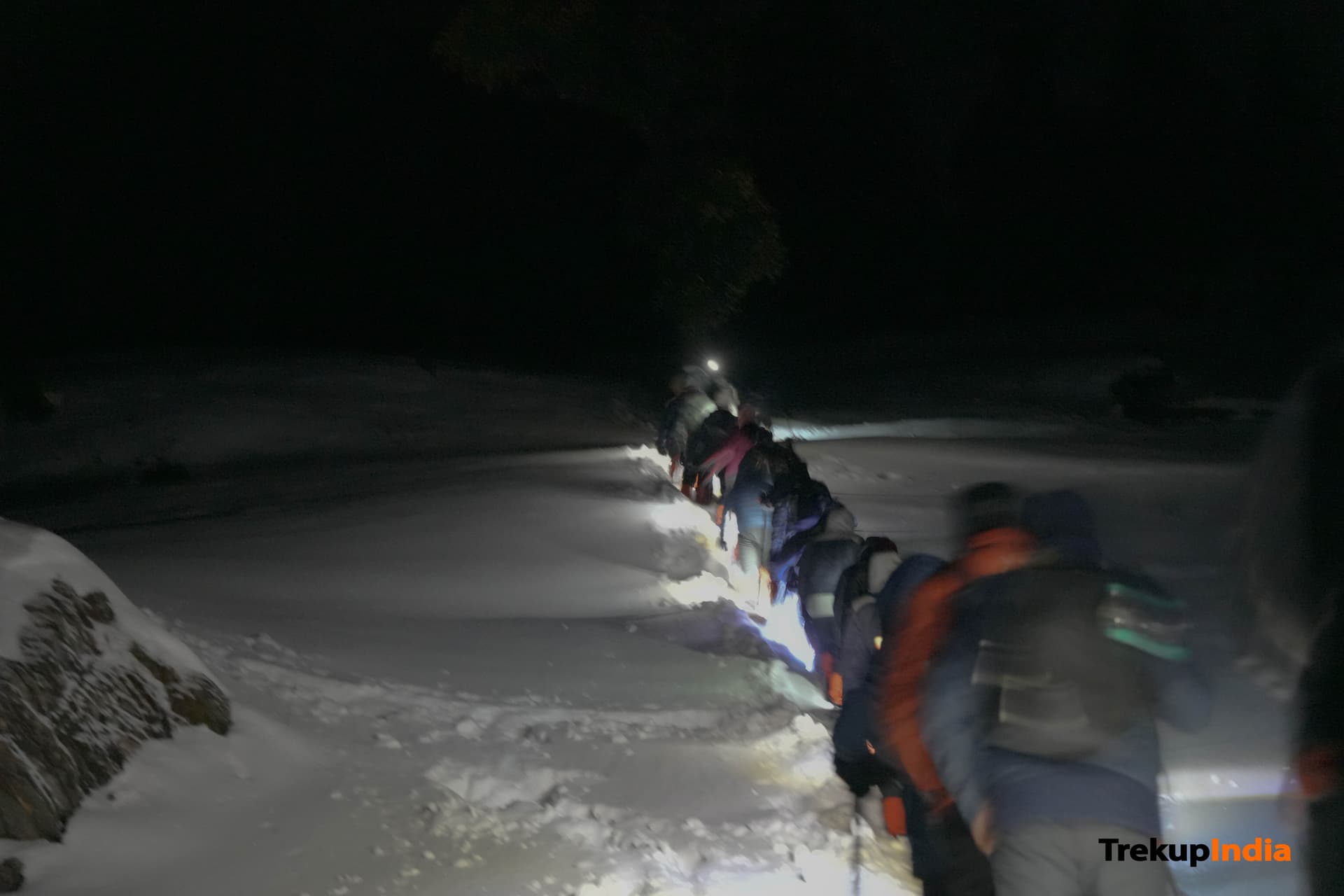 Travel Tips & Guides
By Nanda Rawat|Feb 13, 2026
Remember This Helpful Guide to the Kedarkantha Trek – Complete Trekking TipsThe Kedarkantha Trek, located in the Himalayas, is renowned for hikers because of the stunning landscape, moderate difficulty and its easy access. With winter fast nearing, it's the perfect time to begin planning the Kedarkantha Trek. This article gives a brief overview of what you can expect during the trek, and how to prepare. The Kedarkantha Peak is in the Uttarakhand Govind Garhwal region. The trek usually begins from the picturesque town of Sankri that is renowned for its beautiful scenery and welcoming locals. Sankri can be easily reached via roads from major cities, such as Dehradun and Rishikesh. The Kedarkantha trek takes six days and is appropriate for hikers of all levels, from novices to experienced hikers. A moderate score, Kedarkantha offers a good balance of accessibility and adventure which makes it suitable for both novice or experienced hikers. The gentle slope offers an enjoyable and rewarding experience and makes it a good option for families with children. The best time to visit The most ideal time to go on the Kedarkantha Trek is during winter between December and April. The area transforms into a stunning winter wonderland with the trails covered in snow, frozen lakes and dense forests. The altitude of Kedarkantha is 12,500 feet. The trek from the base camp all the way to the top is an increase in elevation of 6,100 feet in the course of three days, allowing the participants to get used to the elevation. Stays in the Trekup India Luxury Hotel in the village's bottom of Sankari and comfortable twin-sharing tents to share during the trek. Offloading service are available for a fee. If booked online via the website it will cost INR 1600 or at Base Camp Sankri, it will cost INR 2000. The weight of the bag that is used for offloading must not exceed 10 kg. Cloakroom After arriving in Sankri you will be able to keep your luggage in the guesthouse. The final ATM prior to Sankri is located in Mori. For a safe journey taking cash or withdrawing it in Dehradun is recommended.Travel Tips & GuidesBy Preetam Singh Rawat|Feb 13, 2026
Why Kedarkantha Trek is Perfect for Beginners – Easy Himalayan Trek GuideGeography and Location: Nestled in the heart of Uttarakhand, India, the Kedarkantha trail takes you through the stunning Govind Wildlife Sanctuary in the Western Garhwal Himalayas. The trail leads you through the captivating Tons Valley, a stunning sight to see and a top trek place in India. The trek from Kedarkantha Peak takes six days and is suitable for novice as well as experienced trekkers. It is a scenic route that passes through beautiful villages, lush forests and meadows that are captivating which highlight the stunning beauty of Uttarakhand's trek. The hike offers an equal amount of difficulty, suitable for those who have no experience. The terrain offers a blend of adventure and accessibility, without becoming overwhelming. Kedarkantha is not just a hike It's a journey that welcomes families, friends and solo travelers with welcoming arms. It has an experience for everyone which makes it a perfect option for people who are new to the sport. This beginner-friendly trail is easy to navigate and doesn't require any technical knowledge. Well-Marked Trail The route within Kedarkantha is clearly marked to reduce the risk of getting lost, and also enhancing the trekking experience. A team of experienced guides Your trip to Kedarkantha is not only about the trek, but also the experience. With the help of knowledgeable guides and trek leaders Your safety is our primary concern. They'll help guide you, and expand your understanding of the culture of the region and its natural environment, making your trip more enjoyable. For those who are just beginning to trek, Kedarkantha is an ideal starting point. It is stunningly beautiful and a profound feeling of accomplishment.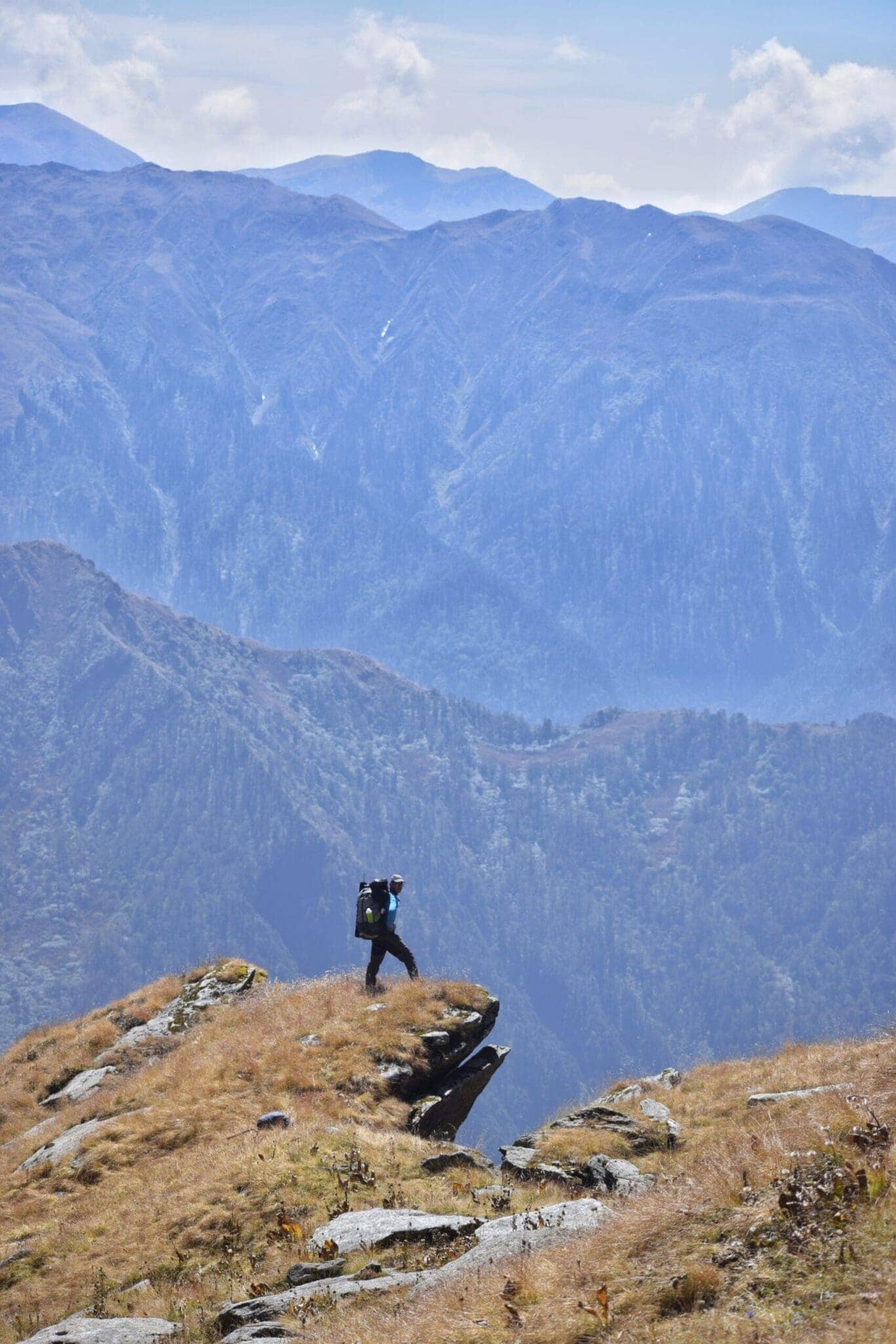 Travel Tips & Guides
By Preetam Singh Rawat|Feb 13, 2026
Har Ki Dun Trek in Autumn – Scenic Himalayan Trekking GuideThe autumnal time in the Har Ki Dun valley reveals its most beautiful state. This time of year offers the chance to take in breathtaking scenery without having to endure the more harsh winter temperatures when snow-capped peaks form stunning backdrops against vibrant red chaulai plants which flourish throughout. When the snow starts melting towards the end of April Har Ki Dun sheds its winter coat and reveals the stunning and raw landscape in which the Supin river flows through with renewed clarity, forming stunning light and shadow between the pine trees that sparkle in the golden glow of pine needles while our mules stroll peacefully by. Har Ki Dun Trek in Uttarakhand's Garhwal Himalayas is particularly enjoyable in the autumn months usually from late September until early November. Once the monsoon season has ended the landscape becomes unbelievable, with stunning images of Swargarohini, Black Peak, and Bandarpoonch against a vivid blue sky. In addition, bronze and golden shades that adorn the oak, maple and walnut trees begin their transformation into magnificent views to behold. Great for nature lovers and photographers alike, the trekking conditions in Nepal provide perfect trekking conditions: pleasant temperatures in the day, cool evenings well-maintained trails, free of leeches and monsoon residue creating the perfect trekking conditions. Osla and Gangad villages add another layer of attraction, where visitors can observe local life including harvest celebrations, as well as traditional celebrations as communities prepare for winter. The autumn season truly reveals the Valley of the Gods' glittering beauty. Following monsoon rains and the fall season, autumn brings a refreshing crispness to the air, allowing us to see breathtaking mountain views for the first time. Swargarohini, Black Peak (Kala Nag) and Bandarpoonch are stunningly visible against a stunning blue background providing us with breathtaking views often obscured by a summer clouds or monsoon veil during other seasons. When the seasons change, the oak, walnut, and maple trees change their colors from gold to bronze to golden-bronze shades offering beautiful landscapes along every path in the valley, awash in autumn leaves that light up every path and offer photographers endless photo opportunities - perfect locations for photographers that love nature! This setting offers excellent photographic opportunities and is an absolute delight for those who love nature. The temperatures during the day are perfect for hiking. Even though nighttime temperatures can be cooler from October onwards, the absence of snow or rain will ensure that the trek is dry and dry; this prevents leeches and other dangers resulting from heavy monsoon rains that can infiltrate the trail and supplying fresh mountain air instead. The fall season is also a season for exploring the culture in remote Himalayan villages like Osla and Gangad. There, you can witness the people who are prepping for winter with harvesting, observing small festivals, or taking part in traditional ceremonies, giving an opportunity to gain an understanding of the culture of mountain communities. Travel Tips & Guides
By Nanda Rawat|Feb 13, 2026
Top Rhododendron Treks in the Indian Himalayas – Scenic Himalayan AdventuresTravelers from all over the world travel to different destinations to take in the beauty of blooming flowers, however many trekkers miss the breath taking beauty of rhododendrons blooming in India. The first signs of spring appear in the Himalayas in mid-March, the buds of rhododendrons begin to pop up from the winter snow to cover mountains with vibrant shades of pink, scarlet red, purple, and scarlet until the first signs of summer appear. This spectacular display, limited to latitudes ranging from 80degN up to 20degS, is typically located within the Sino-Indian Himalayas, particularly Himachal Pradesh, Uttarakhand, Sikkim and Nepal with a higher density in the in the east. It's an absolutely amazing and unforgettable experience. The Rhododendrons flower from the end of winter until the beginning of summer especially between February and April. Uttarakhand is in bloom from mid-March and mid-April. Sikkim, Nepal, and North Bengal can see blossoming the rhododendrons from early April to the beginning of May. Here are five treks that offer an excellent opportunity to see the amazing beauty of our country's Rhododendrons! Goechala trek is renowned for its breathtaking display of rhododendrons. It draws tourists from all over the globe. This natural display is what makes Goechala stand out with its long bloom time: trekkers can witness their first blooms just after passing through Bakhim campsite, and will be able to see stunning flower displays for days afterward. Tshoka and Phedang provide stunning rhododendron experience beyond Tshoka. At elevations between 9,000 and 11,000 feet, a trip between these towns is an amazing rhododendron oasis with vibrant hues of yellow, pink, red and scarlet bursting throughout the landscape, wrapping you in vibrant, kaleidoscopic colors popping out of the scenery like fireworks! Rhododendrons are so dense that their flowers form flowering tunnels that let sunlight through to give this forest stunning beauty, making it an unforgettable experience with rhododendrons!" Sikkim and North Bengal's Eastern Himalayas are well known for their abundance of rhododendron blossoms however, Western Himalayan blooms tend to be less well-known. Trek makes itself known as an exception, with an amazing array of Rhododendrons that make the trek a stunning trek; its breathtaking variety gives the trek the title "Goechala of the West" and demonstrates its unique appeal. Har Ki Dun Trek is ablaze with vibrant rhododendron flowers from April through early May, bringing people through thick forests close to Osla and Seema villages to view stunning displays of pink and red flowers that line the paths, illuminating an otherwise green landscape, strewn with snow, and releasing their sweet, fragrant scent in the air of the mountains. Along with stunning panoramic views of Swargarohini Glacier and Jaundhar Glacier springtime creates Har Ki Dun valley a truly magical spot to explore. The Sandakphu trek is a memorable experience, but in the Rhododendron season, it really becomes a spectacle. Amazing panoramas of Kanchenjunga and the Everest range take center stage as stunning rhododendron blooms stretch across the valley below similar to the Goechala Trek, which is famous for its vivid display in Singalila National Park. Starting at Aal to Gurdum the trekkers can enjoy an explosion of colors that span deep red, pink light pink, white and yellow blossoms that create a memorable journey that is that should not be missed! Brahmatal provides an incredible hike that takes participants on a journey through the rhododendrons right from the beginning starting from Lohajung basecamp, with neatly arranged rhododendrons, to Gujrani where a day hike offers unforgettable Rhododendron adventures within one of the most dense forests. In the Gujraini campsite, you'll enjoy stunning Rhododendron blooms, especially in April. Further to Bekaltal the pink blooms are scattered along the lake, providing another amazing experience for those who want to unwind or discuss stories. Deoriatal Lake rivals its eastern counterpart in every aspect. You immediately are immersed in an amazing rhododendron woodland filled with vibrant blooms from the trees that surround it. the Deoriatal Lake itself features trees with deep crimson shades, magenta tones as well as vibrant pink hues that surround its shores, providing an immersive and enchanting experience! "This'll be spent by the lake," Vivek Saini has said about this region's beauty. Despite Day 1's breathtaking beauty the day 2 and beyond will only be more stunning - the forests that stretch all the way from Deoriatal to Rohini Bugyal to Chopta leave people awestruck, while the unexpected flowering clusters of Rhododendron all around will take your breath away. Chopta-Chandrashila Trek is among the most sought-after short hikes in Uttarakhand to experience the rhododendron bloom from April through May. When you trek through the lush forest of Chopta and Deoriatal the trails come vibrant with vibrant red, pink and white Rhododendron blooms that provide vibrant colors against a vast forest landscape with deodar trees and snow-capped mountain peaks. As you make your way towards Tungnath the world's tallest Shiva temple located at Chandrashila top offers stunning views of Nanda Devi, Trishul, and Chaukhamba mountains, as well as flowering Rhododendrons to give you the sensation of spring magic!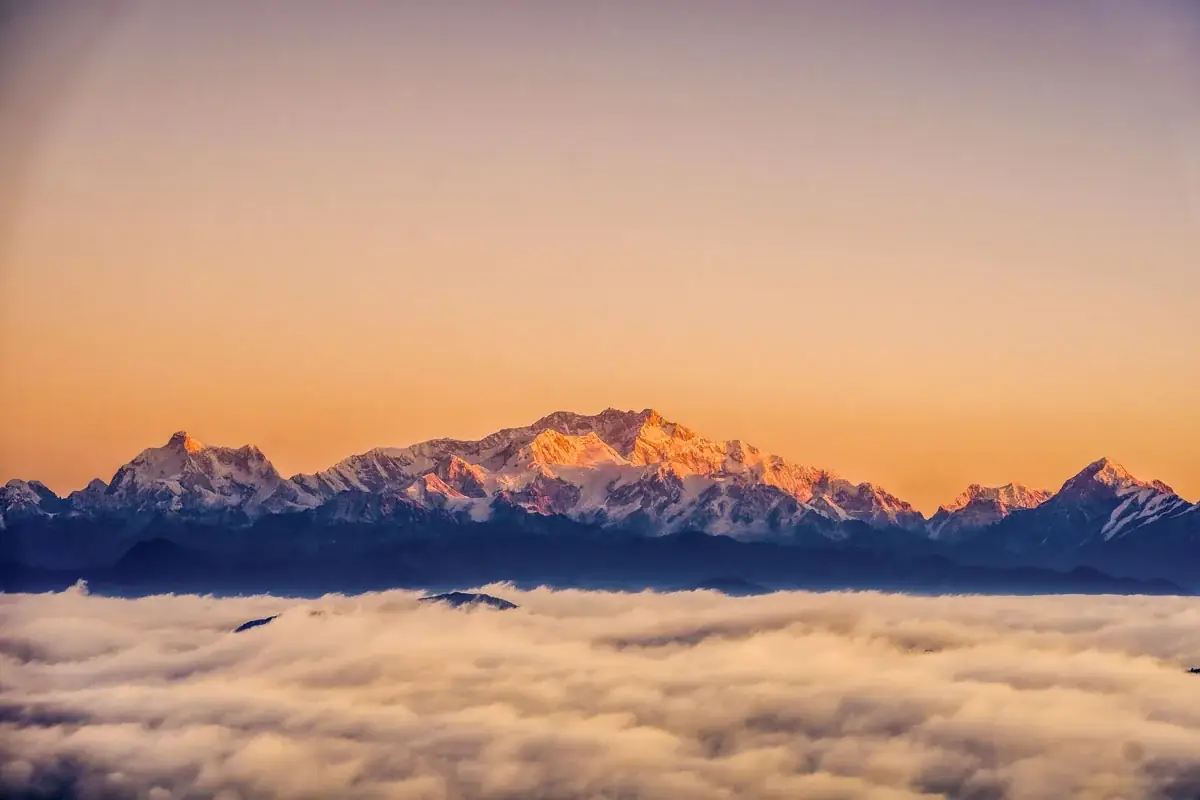 Travel Tips & Guides
By Preetam Singh Rawat|Feb 13, 2026
Best Himalayan Treks in Northeast India | Scenic & Offbeat Mountain TrailsRecent years have revealed our admiration for the Himalayas especially since their rising. A large part of Northeast India - approximately 70 percent - is comprised of hills and mountains. Sikkim and Arunachal Pradesh, two renowned tourist destinations, make up around 35 percent of the Indian Himalayas. Between the two states are many of the top peaks located in the Northern Himalayas, making this an ideal location for nature and adventure trekkers who want to experience thrilling journeys through unfamiliar terrains. While every one of the Northeast India states offer distinct terrains, Sikkim and Arunachal Pradesh are notable for their mountainous landscapes and rugged mountains that offer some of the best trekking routes. There are numerous routes within this untouched region, and there are numerous treks to choose from however, we've picked five of the best trekking routes in this region as our top choices. Explore Arunachal Pradesh's Talle Valley Trek and experience its lush forests that cover more than 80 percent of its land area, providing protection from wind and heat as well as lush canopy of plants to shade the sun and provide some relief from the heat and winds. High-altitude communities surrounded by dense forests and snow-capped mountain ranges provide peace from the brutal winters and scorching summers which provide the perfect environment for trekking adventures like the Talle Valley Trek in Arunachal Pradesh. Explore stunning forests and trails that aren't marked to get to the ancestral home of a dying tribe on a thrilling six-day trek through stunning jungle terrain. Don't miss out on this chance; take your bags today to embark on this unforgettable forest adventure. It is said that the Arunachal Seven Lakes Trek in Pradesh is a different adventure from the Kashmir Great Lakes trek, with a pristine high-mountain area featuring stunning lakes waiting to be discovered. The Seven Lakes trek provides the opportunity to explore hidden gems that are waiting to be discovered! A more offbeat trek is a trek along the Indo-Tibetan border Dibang Valley - one of the most beautiful valleys of Northeast India through the Indo-Tibetan border as well as through the breathtaking beauty of Dibang Valley which proves that it takes three days to get there! The remoteness of this trip can be seen in the fact that three distinct times are required in order to get to Dibang. The Idu Mishmi tribe of Idu remains unoccupied in this area and their way of life exemplifies sustainability practices for living. They heavily rely on forest resources for health and food requirements in addition to providing shelter. Anyone who wants to experience the forest for themselves can spend all night in their houses along the treks for an authentic experience in the forest. Goechala Trek in Sikkim is among the most sought-after treks in the Northeast with good reason. It is situated in the Kanchenjunga National Park's stunning beauty and stunning views and breathtaking views, the Goechala trekking route offers an unforgettable experience with Asia's third highest mountain range. Additionally each visit brings new and diverse memories due to its enchanting charm that changes with the seasons, leaving a lasting, memorable impression. Sikkim's Danphebir La Pass Trek may not be well-known as the more famous Goechala treks, however, this off-the-beaten-path trek is located at the border between Nepal as well as India as well as West Sikkim, providing an thrilling adventure. Danphebir La, a 4,530m mountain pass located in Sikkim that is largely unexplored by trekkers can be reached via this route. Trekkers can walk through dense grasslands, vast forests, and ridges that are steep and camping in the vicinity of three glacial lakes could be possible. Trekkers who have reached an altitude of 4,000m could encounter a variety of glacial lakes when they trek this less-known trek in Sikkim which makes it a truly memorable experience and offering breathtaking views. The location of Arunachal Pradesh in India's remote Mishimi Hills lies Dree River Valley one of Arunachal Pradesh's most secretive areas. The unexplored trek takes you through dense bamboo forest and lush greenery, before soaring through snow-covered mountains high peaks, creating an incredible backdrop. Soft terrain creates an enjoyable and non-scary adventure in the jungle. discover the rich culture and traditions when you travel on this amazing trek for a whole new level of enjoyment on any trip and truly experience the jungle life in this amazing trek. Northeast India offers an abundance of trekking options for those who love adventure with unspoiled natural landscapes and unique indigenous cultures and challenging terrains ideal for those seeking their next trek adventure. From Sikkim's Goechala Trek to Arunachal Pradesh's Seven Lakes and Talle Valley Treks, each adventure takes you to a place that is far from the ordinary. Hidden treasures like Danphebir La Pass and Dree River Valley provide an additional dimension to the region, offering those who want to go off the traditional routes an unforgettable experience. No matter if you're an experienced trekker or a nature seeker seeking peace and thrills, Northeast India promises an amazing and exciting journey, with each step bringing you closer to the beauty of nature in the Eastern Himalayas.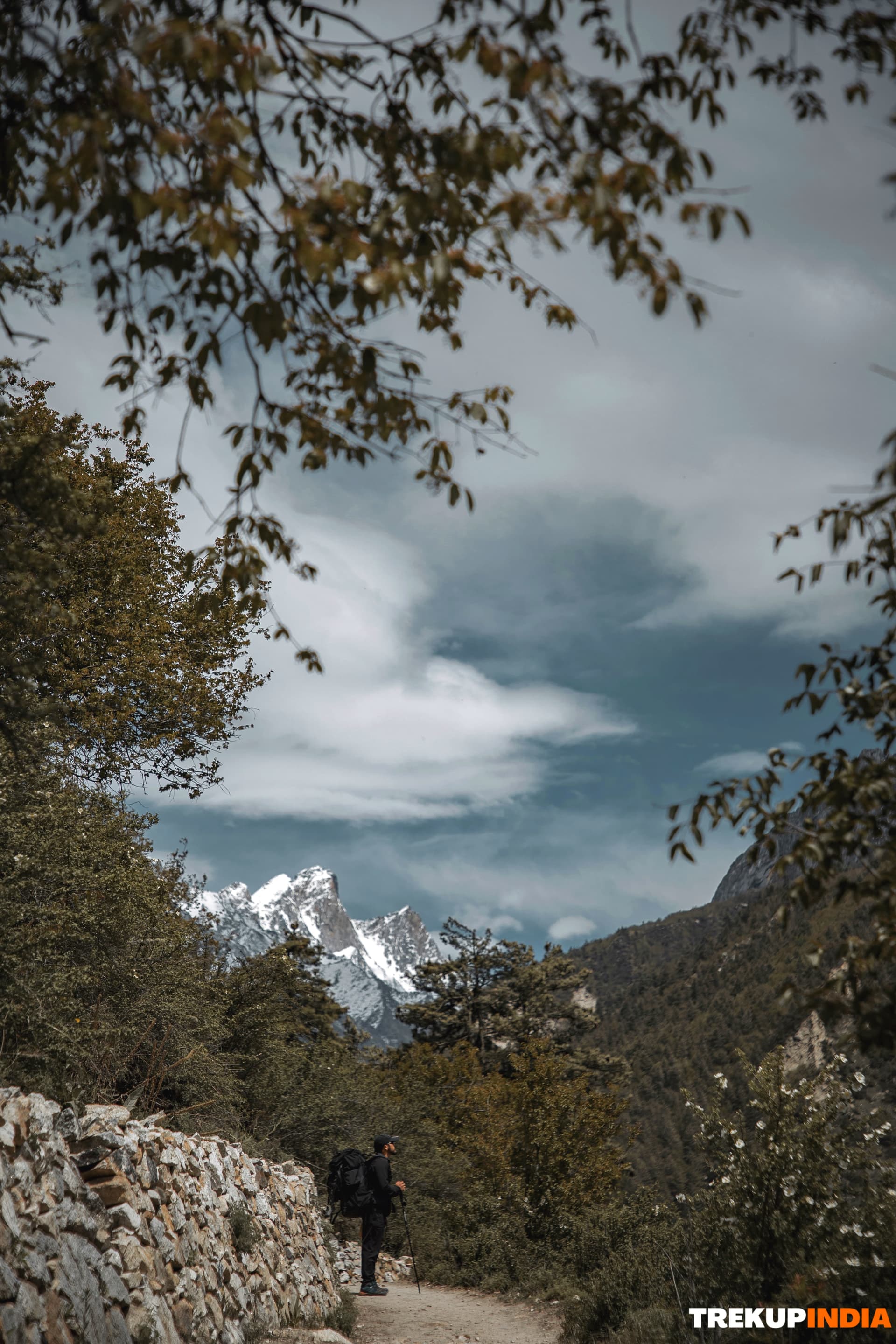 Travel Tips & Guides
By Nanda Rawat|Feb 13, 2026
Best Treks to Do in Autumn – Top Himalayan Trekking DestinationsAutumn is recognized as an ideal time for trekking offering a unique experience that many trekkers do not consider. While spring is famous for its flowers The unique appeal of autumn is its abundance of vivid leaves, grass and the sky, including forests that transform into vivid tapestries of red and yellow hues that dominate the landscape. In higher elevations, the grassy terrain becomes deep red before changing to gold. The sky becomes particularly beautiful during the sunset hours. To experience autumn to its peak and see mountains at their most vibrant autumn is the perfect season to go on a trek. A few top recommendations to enjoy autumn's vibrant colors are Har Ki Dun Valley, Goechala Buran Rupin Valleys. The autumn season is often overlooked when it comes to adventure trips like the Dayara Bugyal trek. Many travelers opt for spring or summer excursions. However, this hidden gem of a meadow treks shines the most in autumn, with stunning forest hues, sprawling meadows, and breathtaking mountain views like Mt. Bandarpoonch and the Gangotri Range, making for an experience that should not be missed! Don't miss this brief but unforgettable hike. Deoriatal is a cult destination that is renowned by its stunning mountain views that captivate visitors. When you're on your trek and reaching Deoriatal lake, be awed by the beauty of Chaukhamba Massif, Kedarnath Wildlife Sanctuary with lush forests that are full of birds as well as Kedar Dome surrounding Deoriatal lake You'll never be able to forget Deoriatal and Chandrashila summits with unparalleled panoramic views of all major mountains that lie and both Western as well as Eastern Uttarakhand! Offering visitors a memorable experience! The Kedarkantha trek is one of the most well-known winter hikes, popular for its snow-covered trail that is a great pleasure for trekkers. However because of its popularity in the winter months, crowds can be a problem. For an easier experience, consider to go on it in autumn instead. You will be able to enjoy breathtaking views of snow-covered mountains and the Himalayan ranges from its highest point with 360-degree panoramic views unrivalled in winter. Moreover, the trek is generally less strenuous during autumn, which makes it ideal for exploring with kids! In the course of the Brahmatal hike you'll travel along a ridgeline that is high and has steep inclines along either side, providing the impression of a soaring summit. One of the highlights is the camping at Tilandi in which you can enjoy stunning panoramas of the Himalayan landscape from every angle. Because of its elevated location, Tilandi affords trekkers the unique opportunity to watch both sunrise and sunset from a single campsite making it among the most windy places during the trek. Additionally from Brahmatal Top trekkers can enjoy close-up views of Mt Trishul and Mt Nanda Ghunti. This trek is notable for its closeness to Mt Nanda Devi, India's tallest mountain, which is located entirely within its boundaries. The trekkers who take it on will be able to enjoy breathtaking panoramic views of Mt Dronagiri as well as Hathi Parbat during their trek. The Kuari Pass trek is famous for its stunning forests and camping in them. The climb to Gorson Bugyal brings magnificent mountain views that are even more stunning in autumn; many photos captured from Gorson Bugyal of Mt Nanda Ghunti from Gorson Bugyal have even made their way into our calendars for the year. Ridge treks in India are extremely scarce and there are only a handful being present across the country. It's like walking on a thin edge with mountains sloping down in a steep slope to either side. While small ridge sections can provide an extra thrill, embarking on an all-day ridge walk is truly awe-inspiring. Instead of merely reaching the summit, this hike lets you spend the whole day at 12,000 feet with stunning views of 250 degrees of snow-covered mountain ranges. As you walk along a valley, with mountains following your path meadows on one side and views of the valley on the other make an ever-changing landscape that makes the Phulara Ridge Trek an incredible adventure. Har Ki Dun Har Ki Dun Ruinsara Valley trek remains relatively unexplored during the fall months, allowing a wealth of wildlife to flourish in the unspoiled surroundings. Langoor is a popular destination for its thriving pine forests and a variety of wildlife, including wild boars, black bears, Barasinghas, and Barasingha can all be observed during treks in the region. If lucky, trekkers might get a glimpse of Black Bears, Wild Boars and Barasingha on their journey! The treks take you through a vibrant pine forest that reveal their full range of hues, and provide an unforgettable experience! This valley offers a stunning viewpoint with stunning views of Swargarohini I II and III Bandarpoonch as well as Black Peak from a single spot. The majestic peaks of Swargarohini evoke memories of their infamous climb from the Pandavas. Ruinsara Peaks are readily visible and the gentle hum of streams is heard by those who trek down the hills. Autumn is the ideal time to begin the Har Ki Dun trek; September, October, and November provide stunning displays of colour. The Sandakphu-Phalut Trek is not listed on any ranking list as one of the top autumn treks. The trek is awe-inspiring and offers breathtaking panoramic views of four of the world's most awe-inspiring mountains: Everest, Lhotse, Makalu and Kanchenjunga which makes it a must-do autumn trekking option. The trek is through Singalila National Park, with vibrant colors of rhododendrons bamboo, pine and forests, which is a stunning spectacle to behold. It is also a wonderful time to photograph wildlife and observe red pandas as many birds - one photographer was able to see the bear on his hike! In addition, the fresh mountain air and well-planned views will enliven your senses, and provide peace and tranquility to your mind. Ali-Bedni bugyal provides a breathtaking hike that takes you through our most stunning alpine meadows. In autumn, these meadows turn into colorful displays of hues that range from golden hues, to fiery red hues that create an amazing display of colors that range from crimson to golden hues. At sunset and sunrise the meadows come alive with beauty, bringing unforgettable trekkers moments. The trek to arrive at these meadows is fascinating; Ghairoli and Tolpani meadows have some of the most beautiful oak forests that you can visit during your hike. The feeling of waking up in a camp tucked away in these forest with sun passing through the trees is breathtaking. The panoramic views from the trek of Mt Trishul and Mt Nanda Ghunti mountains adds more appeal as does observing their alpenglow effect at night that leaves even experienced trekkers in awe! A stunning combination of views and colours is truly awe-inspiring in the autumn months! This trip stretches across the renowned Ganga River and majestic Gaumukh glacier. In addition, you'll be in contact with Mtling which offers stunning views from the base to the summit. At Tapovan you can also be able to see Mt Meru and the Bhagirathi sisters right next to Mt Shivling to add more beauty! Buran Ghati provides an unbeatable trekking experience that includes stunning views, beautiful meadows, a rich cultural heritage and a thrilling high-altitude experience. The trek to the base camp is similarly impressive with autumn being the ideal time to start this adventure into a constantly changing spectrum of vibrant colours that change as you ascend through vibrant green hues of the base camp toward warmer hues closer to the pass. Though snow is sometimes present on Buran Ghati, it is melting and could become an exciting descent route! Rupin Pass trek is a classic Indian adventure; an endless adventure with breathtaking scenery and unexpected delights in every direction. The trekkers will notice that as they continue their journey the landscape changes as they discover stunning and new vistas at every turn. The autumn season is a time of new splendour as monsoon rains diminish and Jiskun Valley bursts with vibrant green foliage as monsoon rains ebb away and waterfalls pop up in a flash as meadows made of Saruwas Thatch and Dhanderas Thatch are filled with blooming wildflowers the wildflowers as monsoon rains diminish and leave us feeling refreshed but awe-inspiring throughout their journey! As October approaches the beauty of the valley remains unaffected despite the limited snow cover. Goechala trek offers breathtaking views of imposing mountain peaks. Instead of only seeing only one peak, Kanchenjunga climbers can marvel at a stunning panorama that includes 14 other magnificent summits, taking in the grandeur of the Himalayas! Goechala is an outstanding trekking destination because of its proximity to the mountains which makes it one of the most popular trekking routes within South Asia, rivalling those that are found in Nepal. The journey through Goechala will be enhanced with walking through stunning rhododendron forests, with wooden trails that wind through thick foliage, providing a memorable walking experience. Another attraction of the hike is Samiti Lake, where its serene Mt Pandim provides breathtaking sunrise views, creating an unforgettable experience in the visuals! Few treks allow you to see the beauty of crossing an Himalayan pass in the autumn season, like Bali Pass' breathtaking route that connects Har Ki Dun valley with Yamunotri. It crosses Tons and Ruinsara rivers, the tranquil Ruinsara Valley and the meadows of Devsu Thach, this stunning trek, you can enjoy stunning perspectives of Bandarpoonch, Kalanag, and Swargarohini summits at an altitude of 16,207 feet, and providing the 360-degree view. But, this breathtaking experience requires a lot of effort, and those who are not experienced should avoid this hike. This trek is challenging for those who are not experienced trekkers, and is not recommended as a first step into trekking. Starting at a height of 16,000 feet and climbing to breathtaking Kedartal Lake and provides stunning views of Mt Thalaysagar and Mt Bhrigupanth which are two of the most prominent mountains close by. It is known for its high-end level of endurance and adventure The trek's length rough terrain, as well as the altitude climbs make it an excellent endurance test for those looking for an experience that is similar to Rupin Pass or Gaumukh Tapovan However this trek is best done when you are in great physical condition and if you have prior experience in high altitude trekking. The view from Everest Base Camp The achievement of one's mountain goal is an unparalleled feeling of accomplishment and offers unbeatable panoramic views of Mount Everest despite peak visitor numbers during the season. October is the best time to accomplish this goal despite the peak tourist numbers. It's an experience you'll never forget.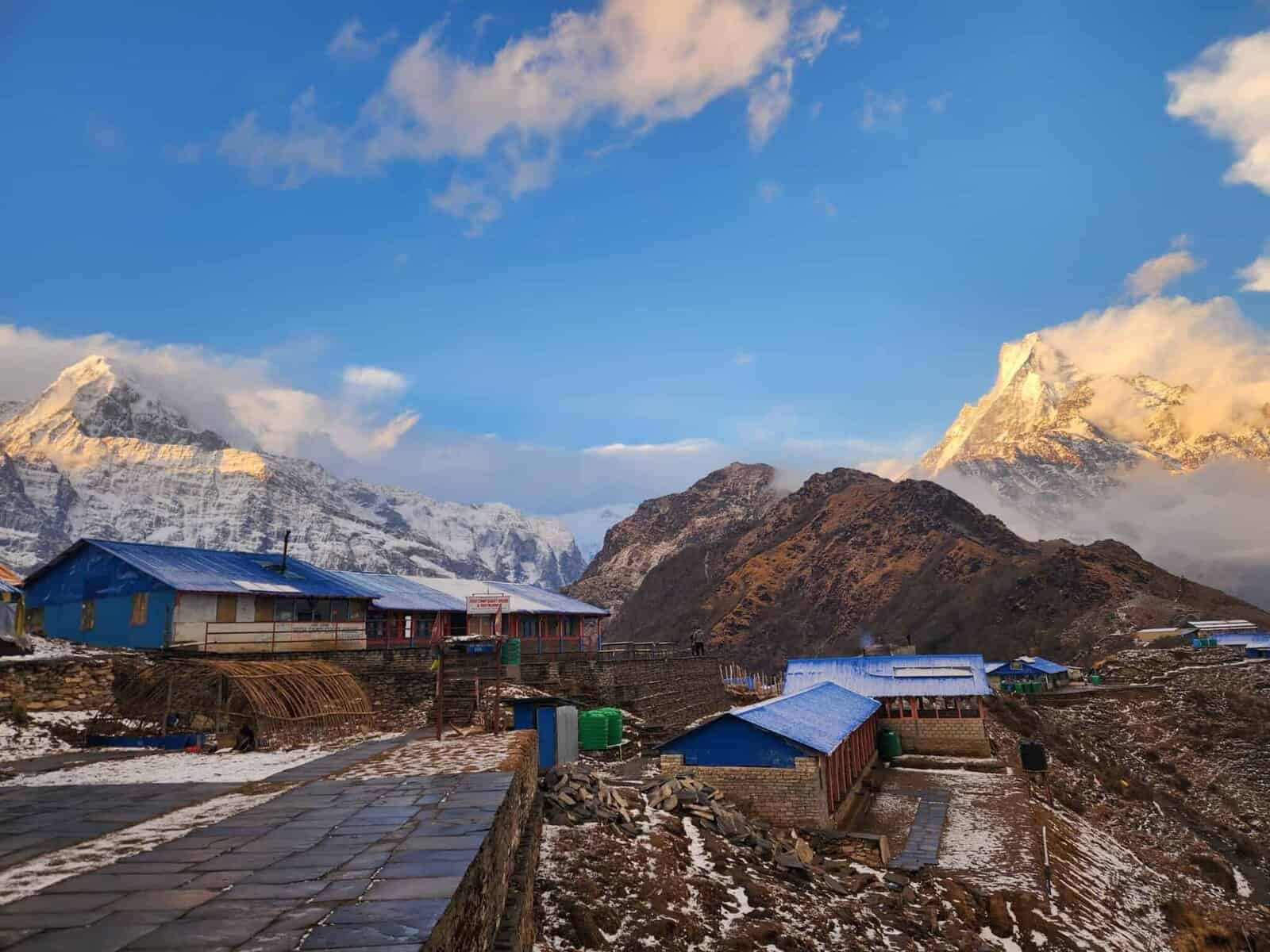 Travel Tips & Guides
By Nanda Rawat|Feb 13, 2026
15 Best Himalayan Treks to Do in 2025 – Ultimate Trekking GuideWe've compiled a list of the top 15 Himalayan treks for adventurers this year. They was not easy because of their many appeal. We are however delighted to share our selection of must-do treks that will leave you in awe of amazement. Pangarchulla Peak Trek provides the perfect blend of adventure and the challenge. With a height of 15,069 feet from its highest point, it can be difficult; however, the rewards more than make the effort worthwhile as hikers enjoy a stunning 360-degree view of Garhwal mountains that include Nanda Ghunti and Trishul ranges which are the first time ever seen here! If you're an adventurer seeking an exciting climb, this trek is definitely one to consider. Trekup India was responsible for finding and documenting the Brahmatal trek as well as many other treks. It is the top elevation at Brahmatal Top, which is 12,250 feet and has stunning views. Along the way, you'll meet Mount Chaukhamba, Neelkanth Hathi Ghoda Trishul Nanda Ghunti; perfect for trekkers on their own with snowfall covering the trail from December to February, and the trekking season continuing until April's end. Dayara Bugyal trek is the perfect example of the classic Himalayan experience, with stunning forests, beautiful campsites and historic villages as thrilling ascensions to high summits and stunning mountain vistas and a few of Uttarakhand's most stunning alpine meadows which transform into tranquil white landscapes! A trek that offers moderate difficulty makes this trek accessible to all adventurers. Kedarkantha was among the first hikes we set out to organize that featured a stunning climb to its top and stunning panoramic views from a variety of Himalayan summits. In the years since, we have discovered thrilling and new routes leading to it, and are now able to offer an even more enjoyable trip all year long! Enjoy a memorable 6-day trip by joining Trekup India on the Deoriatal Chandrashila trek - an unbeatable adventure with breathtaking views of the Himalayan Mountains from its peaks. Ascend to view major mountains in both Western and Eastern Uttarakhand. Begin your trek when blooming rhododendrons make for an incredible setting, adding more beauty. Additionally, this trail acts as a refuge for bird lovers, providing numerous species to observe and is often said to be a birdwatcher's dream! Trekup India has made the Har Ki Dun Trek an unforgettable trip of natural and cultural discovery giving visitors the chance to explore ancient villages, while exploring breathtaking valleys meadows, lakes and valleys. Furthermore, Trekup India has enhanced the trek by incorporating Ruinsara Tal into their itinerary. Many people think that Ruinsara Tal to be more beautiful as compared to Har Ki Dun Valley, making this trek a must. Phulara Ridge trek is ideal for the autumn and spring months September, October, November May, June, and September to be exact - providing an experience unlike any other. Pushtara meadows make the trek particularly appealing to those seeking adventure, while its dense and scenic forests offer numerous opportunities for wildlife viewing and bird watching. Our expeditions have documented sightings of more than 10 species of Himalayan birds, making this Phulara Ridge trek ideal for ornithologists! The Valley of Flowers trek is an experience unlike any other. Locals claim that the scent of blossoming flowers can be stunningly overwhelming, leaving even the most experienced trekkers stunned. When you first set onto the property, a breathtaking magnitude is revealed before your eyes, with flowers in every size, shape, color and size and not forgetting its holy place of worship located at Hemkund Sahib situated high up. Hampta Pass was our first trek outside of Uttarakhand that we took on in the year 2010. The remarkable Himachal Pradesh trek is a favorite in my heart since Trekup India was instrumental in the popularity of it among trekkers. I would love to return to it as it remains one of my most memorable treks, and offers an stunning crossing experiences for trekkers starting at Kullu which has narrow valleys that are similar to gorges, which eventually lead to viewpoints high in the mountains. Upon reaching the point where you will be treated to stunning panoramic views of Spiti Valley stretching in front of you. You must complete this trek as you will be amazed as you reach the final destination that is waiting for you! Buran Ghati trek is an unforgettable journey that is brimming with breathtaking meadows, a thrilling crossing of the pass, and glimpses of the past of village life. Rupin Pass trek follows a different path starting at Janglik through thick forests before reaching Dayara meadows. It's two amazing hikes in one! Rupin Pass Trekking is a legendary Indian adventure that offers thrills through ever-changing landscapes and captivating stories. As trekkers progress through the landscape, new views appear every hour and the experience truly captures the thrill of exploration! One of the most memorable aspects of this famous trek is its challenging but thrilling ascent from the Upper Waterfall campsite to Rati Pheri and then up Rupin Gully towards its endpoint at 15,279 feet. The Sandakphu Phalut trek provides an incredible opportunity to see the four world's highest mountain ranges: Everest, Lhotse, Makalu and Kanchenjunga that makes the Himalayan trek truly unique. In addition, visitors can see the Kanchenjunga range of peaks, known together as the Sleeping Buddha, creating lasting impressions. You'll find unique tea homes that resemble hotels, yet offer a distinct experience that allows you to fully enjoy their warmth. Gaumukh Tapovan hike within the Indian Himalayan wilderness is a renowned Himalayan trek that is famous for its stunning views. See Mt Shiv and explore the Gangotri glacier while you trek from the place where it was born all the way back to its base. Ristreksh is the base camp, and offers visitors an enriching cultural experience they won't want to miss on this adventure! Kashmir is an incredibly beautiful place that boasts lakes of outstanding beauty that compete with each the other in beauty. A walk through these breathtaking lakes is an experience that is similar to watching a film on a big screen instead of watching an typical television show. Don't put off adding the Kashmir Great Lakes trek to your bucket list because the sheer beauty of it will make you swoon. The Pin Bhaba Pass trek is famous for its stunning variety of landscapes, which alter dramatically day-to-day and providing breathtaking scenic beauty and stunning scenery. In contrast to more risky treks such as Pin Parvati Pass which carry serious risks, Pin Bhaba Pass stands out as a stunning and more secure alternative, boasting breathtaking beauty and stunning landscapes.