
Prev
1 / 9
Next
 Travel Tips & Guides
By Adhish Bhandari|Apr 28, 2026
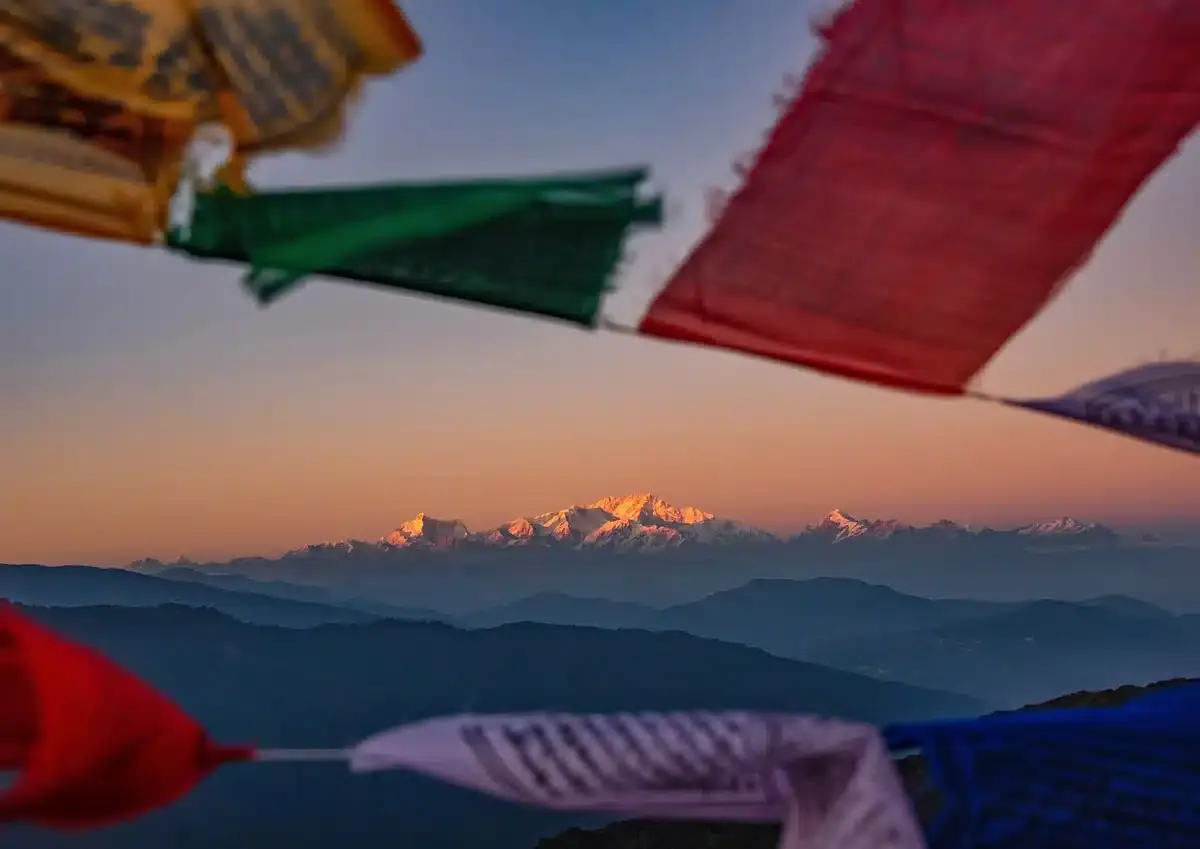
Why You Should Do Sandakphu TrekSandakphu Trek is one of the picturesque treks, as you see four of the world’s tallest peaks. The mountain range within the Singalila National Park offers breathtaking Himalayan views. Pine forests and a narrow river surround small clearings through dense bamboo groves. Experience this unique landscape and its distinct nature is well worth the trip. It has stunning views of the peaks within the Himalayan range. Travel Tips & Guides
By Nanda Rawat|Feb 17, 2026
Wind Chill on Indian Treks: What Every Trekker Must UnderstandIn the Himalayas in India or in other high altitudes that are exposed Cold temperatures are not the only risk. One of the least understood environmental hazards are the wind chill--a condition that makes moderate temperatures appear dangerously cold and dramatically increase the likelihood of frostbite as well as hypothermia. On TrekUp India, our trek guides regularly monitor trekkers who rely entirely on weather forecasts, and not taking into account the wind exposure. This is a frequent source of discomfort due to cold, and safety concerns during high-altitude treks. "Wind chill" is the perceived reduction in temperature due to the wind's ability to accelerate heat loss from the skin exposed. Although the actual temperature is unchanged, moving air removes that thin blanket of warmth that surrounds the body, causing it appear colder than the thermometer indicates. For instance: At higher altitudes this impact can be intensified by: Mountain passes that are exposed, such as Roopkund the Trek, Pin Parvati Pass as well as Stok Kangri frequently encounter strong winds, especially close to ridgelines and campsites. In winter and during shoulder seasons, the wind chill can cause temperatures to be well lower than safe levels even in clear skies. Some peaks like Kalsubai and Tadiandamol are renowned for the strong winds that blow through them throughout and after the monsoon season. The continuous exposure of open summits can quickly lower body temperatures, which can throw hikers off guard due to the moderate altitude. The Base LayerUtilize the moisture-wicking properties of thermal wear. Avoid cotton since it holds in water and speeds up the loss of heat. Insulate LayerDown jackets or fleece retain body heat and offer essential insulation during periods of rest and cold winter mornings. Outside Shell (Critical layer):A windproof (and most importantly, weatherproof) Shell is your most effective protection against the chill of wind. If it isn't, top-quality insulation will lose its effectiveness. Professional Tips: Most heat loss on treks is through wind not due to low temperature alone. Moisture significantly increases the impact of wind chill. Even clothing that is lightly damp can result in rapid cooling when exposed to wind. The best practices are: These methods are based on repeatedly observed observations by TrekUp India trek leaders operating throughout Himalayan as well as Western Ghats treks. Wind chill is among the most under-appreciated but crucial issues faced by trekkers within the mountainous regions of India. It is a rapid process that can transform the weather that is manageable into a significant danger to safety by increasing the risk of losing heat, feeling numb, and the possibility of injuries caused by cold. Knowing how wind chill affects you and making sure you are prepared for it by layers, wind protection and timely insulation can make the difference between having a safe enjoyable, enjoyable hike and an unsatisfactory experience. TrekUp India is a company that focuses on TrekUp India, we emphasize active preparation, as the ability to survive in the mountains starts by being aware. Being prepared does more than increase comfort but also the safety, confidence and overall experience. Travel Tips & Guides
By Nanda Rawat|Feb 17, 2026
Top 4 Treks in Every Season to Explore in the HimalayasThe right choice of a hike isn't just about the destination, but also selecting the right time of year. The same path can be totally different from year to season, with snowfields, rhododendron forest and golden meadows, lakes in the alps or crystal-clear mountain views. On TrekUp India, trek recommendations aren't just generic lists. They are built on more than a decade of experience as a guide on the ground as well as seasonal route assessments as well as weather pattern tracking and safety evaluations throughout India's Himalayas. This guide offers four well-chosen treks that are suitable for all major seasons of trekking that are suitable for new trekkers and those who want to explore the mountains in their prime. Spring is a season of transition where snow is still covering areas higher up, and forests explode in color thanks to flowering Rhododendrons. The visibility is great, and the it is possible to manage the terrain. Famous for its 270-degree views of the mountain The trek blends forests, snowy patches and early spring flowers--a perfect choice for those who are first Himalayan trekkers. Oft referred to as the "Valley of the Gods"," Har Ki Dun turns green in spring, while the higher mountains remain covered in snow, providing an enlightened and beautiful experience. Spring provides close-up perspectives from Mt Trishul and Mt Nanda Ghunti With rhododendron trees that line the trail and snow on the summit points. An opportunity to take in all four world's highest mountains, made more impressive by spring's blossoming forests and the lingering snow. Summer is the ideal time to go on seriously Himalayan trekking as snow melts enough to allow access to high passes. The summer months allow full accessibility to valley as well as higher vantage points, making it the ideal time to acclimatize to altitude. A challenging high-altitude trek that covers more than 15,000 feet, best tried when conditions for snow are at their lowest in summer. Famous for its changing landscapes, waterfalls, as well as an exciting pass crossing accessible only during the summer. This leads to the real origin of the Ganga and to the base of Mt. Shivling which is accessible only in the summer time. Monsoon trekking can be safe as well as rewarding only when you choose the right routes. The treks are most successful in rainy conditions. A dramatic change in vegetation from the dense Kullu Valley to arid Lahaul landscapes, accentuated by the lush greenery of monsoons. An UNESCO World Heritage Site that is at its peak during the monsoon. Multiple lakes of the alpine appear in their brightest form due to the amount of rainfall and melt of glaciers. Twin lakes in the alpine, with meadows filled with flowers ideal for monsoons. The atmosphere after monsoon is completely clear, allowing the most stunning mountain views of the year.. Clear skies increase Swargarohini views of the massif as well as village landscapes. Crystal-clear views and snow-free paths make this window perfect for those who have a good track record. The most spectacular perspectives of the mountain Kanchenjunga and the 14 peaks surrounding it. Two days of full-time activity across Dayara meadows that offer exceptional visibility. The autumn season brings squeaky-clean skies beautiful grasslands with golden hues, as well as mild temperatures. The snowy winter landscape is stunning and unbeatable visibility.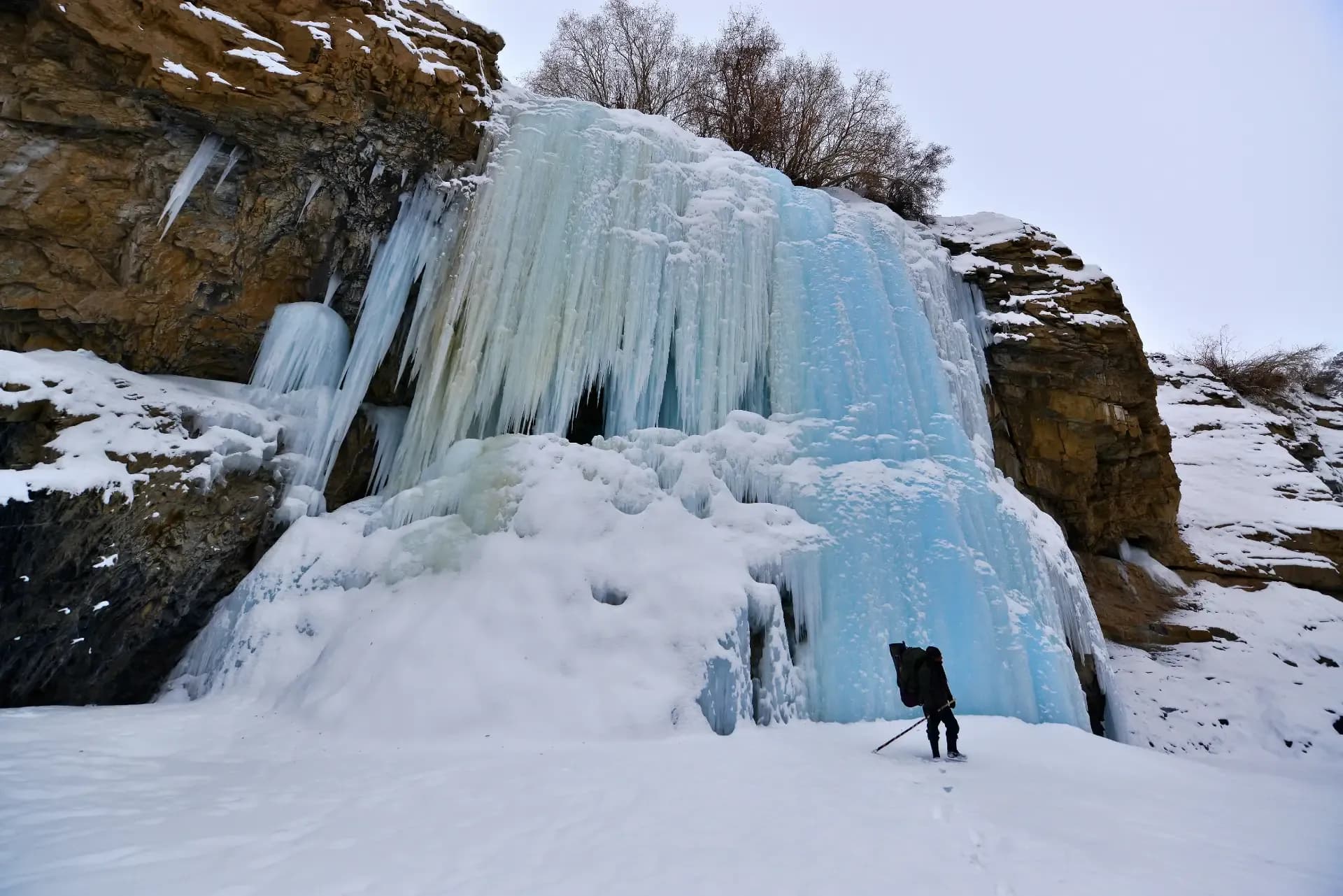 Travel Tips & Guides
By Anoop Rawat|Feb 17, 2026
Best Winter Treks: Frozen Lakes, Icy Trails & Snow CampingWinter is the time when the Himalayas take away any the distractions and reveal their real essence. The forests are silent beneath fresh snow, lakes in the alpine become crystal clear mirrors, mountain trails require perseverance and discipline. It is also a time to be resilient. Contrary to summer hikes that are a celebration of blossoms and greenery winter treks are about the solitude endurance, endurance, and mental toughness. The treks at TrekUp India, winter routes are chosen only after considering the reliability of snow as well as safety of the terrain as well as campsite accessibility and evacuation access as determined by the number of years of field operations. This guide includes the best winter treks available in India that range from snow-walks that are easy for beginners to challenging summit climbs, each one designed to give you a secure yet memorable winter experience. Reviewed by Nitin Rana - Senior Trek Leader, TrekUp India Nitin Rana is a professional with more than 10 years of direct Himalayan guides experience as well as extensive knowledge in winter trekking, snow camping and high-altitude safety. The treks in this article have been verified by actual winter activities including snow conditions, trekking feasibility. Sometimes referred to as often the Queen of Winter Treks, Kedarkantha is the perfect introduction to Himalayan treks in winter. Frosted pine forests covered in snow, ice-cold water bodies, and a satisfying summit hike make it ideal for first-time trekkers as well as experienced trekkers. Highlights What makes it special?The consistent snow with safe slopes and the ultimate summit experience - perfect for those who are just starting out. Brahmatal provides some of the best winter trek experiences in India It is a place of frozen lakes of the alpine and expansive Ridge walks that are framed by massive Himalayan mountains. Highlights What makes it unique?It is one of the few winter treks in which trekkers camp alongside frozen lakes at high altitude. Kuari Pass, also known as the Curzon Trail transforms into a magical winter landscape. Soft ridges, snowfields that are open and stunning Himalayan panoramas make the trail a perfect choice for trekkers who are looking to conquer the winter landscape. Highlights What makes it uniqueProvides some of the most stunning snowy mountain panoramas without any technical difficulty. Pangarchulla is designed for hikers who are looking for the ultimate winter test. The climb up the mountain through ice and snow demands strength, balance and determination. Highlights What makes it unique?It is one of very few Winter summits with no technical requirements for trekkers with a strong endurance. The Chadar Trek is among the most difficult winter treks in the world that follow through the frozen Zanskar River under towering canyon walls. Highlights What makes it uniqueIt's an winter survival trip and not just a hike. Dayara Bugyal changes into an expanse of white of land during winter, providing beautiful and safe snow hiking. Highlights What makes it unique?It is a easy winter trek perfect for families and those who are new to snow trekking. Nag Tibba offers a short but rewarding winter trek in close proximity to Mussoorie. Highlights What makes it different?Perfect for those who want rapid winter exposure with a minimal commitment to time. Winter treks in the Himalayas isn't all about snow. It is also about solitude, self-discovery and the power of. Starting with the frozen lakes in Brahmatal and the cold river walks that runs through Chadar and the epic climb of Pangarchulla The winter season reveals some aspects of the mountains only a few can ever experience. In TrekUp India, winter treks are designed to provide the thrill of adventure, security, with authenticity. It doesn't matter if you're taking a step onto new snow on your first trip, or looking for a challenging winter adventure The Himalayas during winter are a place to leave memories in your memory. Be careful, plan your trip carefully and let the snow guide you.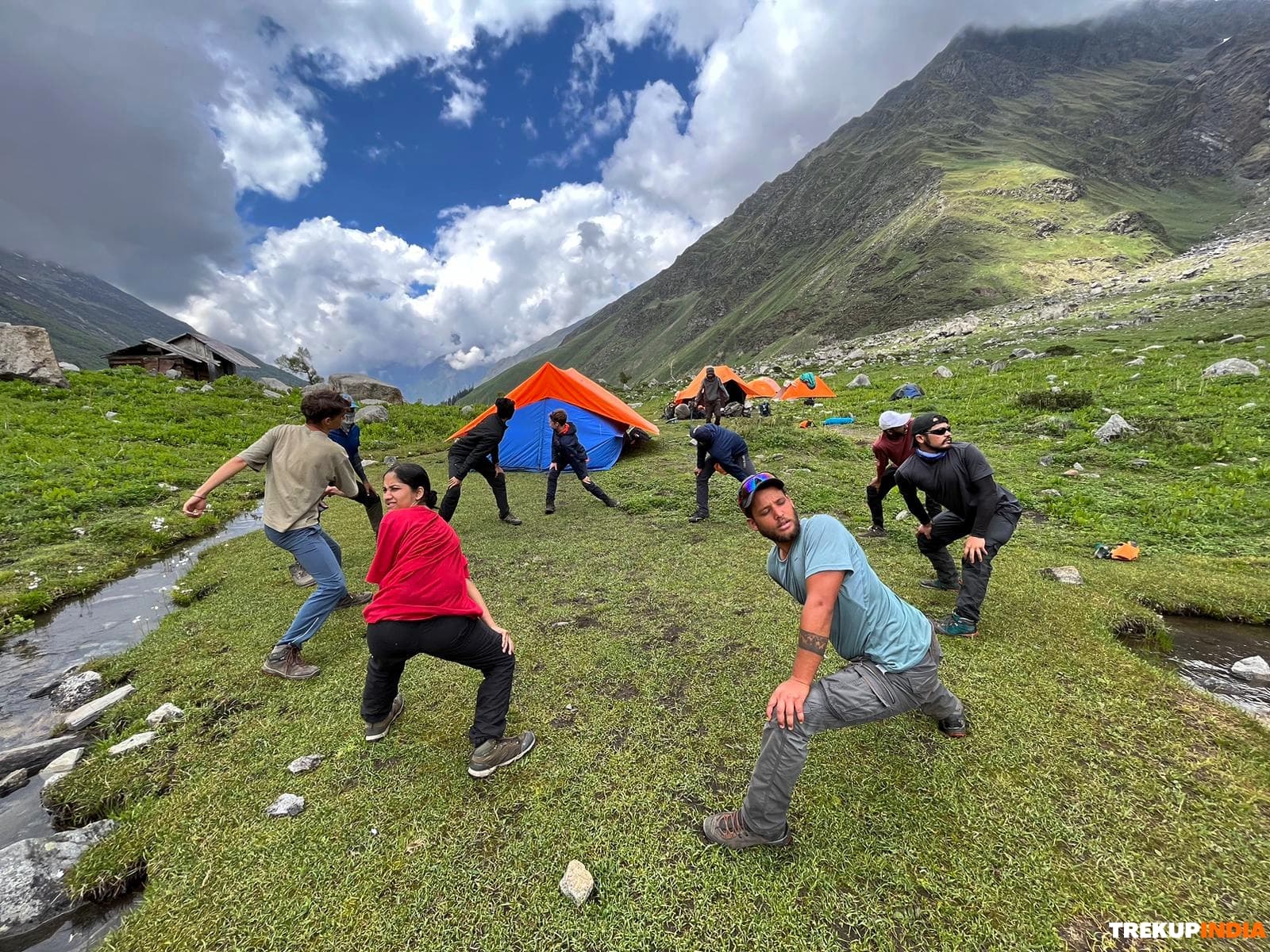 Travel Tips & Guides
By Nanda Rawat|Feb 17, 2026
Leave No Trace Principles: Adapted for Popular Indian TreksThe Indian Himalayas, Western Ghats, and Central Indian forests offer some of the most varied and beautiful trekking landscapes anywhere in the world. But, due to the increasing popularity of trekking these fragile ecosystems are being increasingly impacted by human activities. In TrekUp India, trek leaders often look at the way seemingly innocuous actions - like littering meadows or stepping out of trails, or injuring wildlife--can result in long-term environmental damage. Alpine grasslands forests, forest ecosystems and high-altitude regions recover extremely slow, and often the damage can be irreparable. This is the reason that adhering to this principles of the Leave No Trace (LNT) principles is crucial for anyone who is trekking in India. It was initially developed as an global ethics of outdoor recreation, the guidelines are adaptable to Indian conditions for trekking as well as local culture and habitats for wildlife. Indian trekking regions can be notably vulnerable due to: In contrast to many international trails, the environmental damage in Indian mountains can take decades to recover. Responsible trekking will ensure that these areas remain in pristine condition and accessible to the next generation. Planning ahead can greatly reduce environmental impacts even before the hike begins. The management of waste is one of the most difficult issues for trekkers on Indian treks. Reviewed by Nitin Rana - Trek Leader, TrekUp India This article was read by Nitin Rana who has over 10 years of experience on the ground trekking throughout the Indian Himalayas as well as the Western Ghats. The principles discussed above have been verified by real-world conditions for trails as well as environmental challenges and conservation practices implemented in TrekUp India operations. Leave No Trace is not just a set of rules, it is a responsibilities. It shows respect for nature, the mountains local communities, as well as the future trekkers who will follow these paths. We at TrekUp India, we believe the true value of a trekker isn't determined by the height they have attained, but rather by how well they walk on the Earth under the feet of their shoes. Any responsible choice -- walking on trails, bringing garbage back, and respecting wildlife helps to preserve the trekking heritage of India. When you are preparing for your next hike, be mindful to leave behind nothing more than footprints. Do not take anything back, but memories. Travel Tips & Guides
By Anoop Rawat|Feb 17, 2026
Why Rushing Acclimatization in Ladakh & Spiti Is DangerousLadakh as well as Spiti are the most sought-after high-altitude locations for trekkers cyclists, and adventure travelers. The stark, cold deserts, the ancient monasteries, as well as the dramatic mountain passes provide a unique experience unlike any other within the Himalayas. But, underneath this splendor is a significant and often overlooked issue: altitude sickness caused by inadequate adaptation. Here at TrekUp India, we have always observed that one the most dangerous mistakes travelers do during their travels in Ladakh or Spiti Valley is hurrying their trip. The inability to take acclimatization breaks in order for the sake of "save time" often results in illnesses, delays to travel and, in the worst situations serious medical emergency situations. Acclimatization is a natural process in the body adjusts to lower levels of oxygen at higher altitudes. For Ladakh and Spiti the majority of regions are over 3000 metres (10,000 feet), with passes and villages typically exceeding 4,500 to 5,100 meters. At these elevations: In the absence of proper acclimatization even fit individuals could get sick. AMS is one of the more frequent health issue at altitude, and shouldn't be overlooked. Common symptoms include: If left untreated, AMS can worsen rapidly. Incorrect acclimatization could lead to: Both are medical emergencies that can be fatal if not treated immediately. Travelers often have trouble with: In the case of poor acclimatization, it can lead to: The medical facilities for patients in the remote areas of Ladakh along with Spiti are not as extensive. Evacuation in case of emergency is: Acclimatization to the environment is a significant factor in reducing the chance. The golden rule is: "Climb High, Rest Low." Make sure you spend at minimum two night getting used to: Make use of this time to: Signs of danger should never be ignored. If symptoms get worse: Through the years of running trekking and road trips through Ladakh as well as Spiti, TrekUp India has discovered that travelers who adhere to acclimatization have healthier, safer, and much more satisfying experiences.. Acclimatization does not waste time. It will be an investment into: The mountains are a great place to practice perseverance. Reviewed by Kapil Sharma - Trek Leader, TrekUp India This article was examined by Kapil Sharma who has a wealth of on-the-ground experience in leading treks and high altitude travel programs in Ladakh as well as Spiti. The acclimatization tips above have been confirmed by actual field conditions and medical emergencies related to altitude and safety protocols for operations that are followed by TrekUp India. The rush of Ladakh and Spiti without adequate acclimatization could transform a trip of a lifetime into an unintentional risk. The elevation, the dry weather and the remoteness of these areas need patience, understanding and a respect for the way the body adjusts to the thin air. We at TrekUp India, we remind everyone who travels that acclimatization is not an inefficient time. It safeguards your health, improves your experience and lets you really take in the natural beauty of these beautiful landscapes. Slowly move. Pay attention to your body. Allow Ladakh and Spiti show their magic in their own way.The mountains will reward those who honor their rhythm.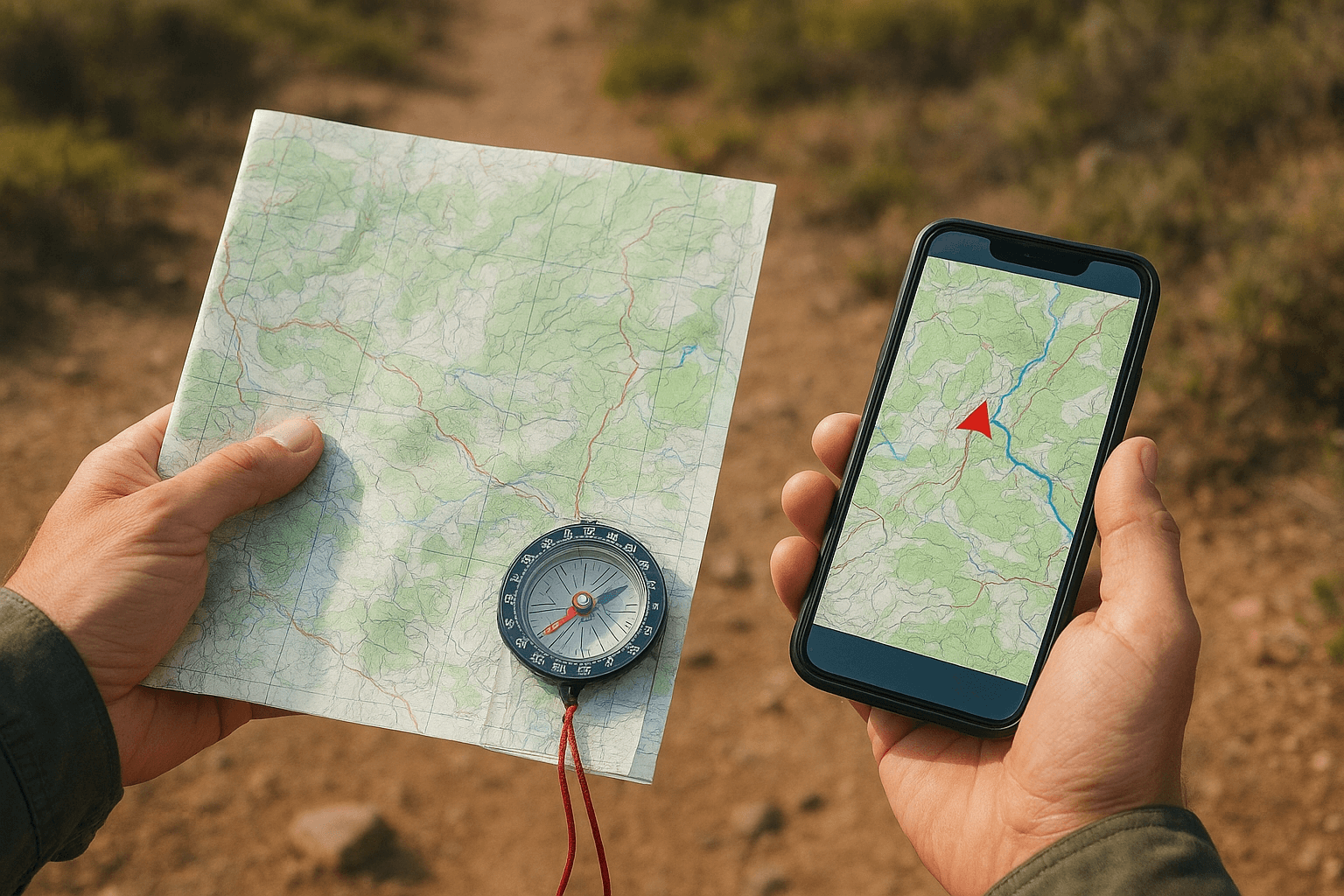 Travel Tips & Guides
By Nanda Rawat|Feb 17, 2026
Navigation Basics for Hiking: Map, Compass & GPS Apps (Offline)In India's wilds, whether traversing high Himalayan passes and the dense Western Ghats forests or remote central Indian landscapes--requires more than physical strength. Navigation is among the least-known but essential abilities required for trekking particularly when trails are hidden by fog, snow or thick forest cover. On TrekUp India, trek leaders have seen time and again that hikers who are familiar with maps as well as compasses and GPS offline tools are more comfortable save energy, and are more responsive to unexpected events. Navigating knowledge eases anxiety, helps avoid dangerous detours and enhances the safety of Indian trails. Numerous trekking routes in India: Strong navigation skills help trekkers: Navigation isn't about speed. It is about safety and control. The Topographic maps is the basis of a secure navigation. Always keep always carry a printed map of the outdoors in a bag that is sealed. Note your routes and campsites ahead of time and keep track of your progress throughout your trek. The compass does not require charging and is able to work in any condition. This technique is invaluable This method is extremely useful fog-filled meadows, snowy conditions, or in forests in which landmarks disappear. Learn to use compass at home, or on short walks before using this in mountain terrain. Smartphones are a great tool for support but only when they are used with care.. Download maps prior to the hike using GPS apps that allow offline usage. Signals are not reliable or even absent in the majority of trekking regions. GPS is supposed to be able to support rather than replace traditional navigation. Reviewed by Dev Rawat - Trek Leader, TrekUp India This article was examined by Dev Rawat, who has vast experience on the ground in leading treks through India's Himalayas, Western Ghats, and forested trails in India. The guidelines for navigation in this article can be verified through real-world conditions on trails that involve fog or snow cover as well as dense forest navigation as well as emergency corrections to routes that were encountered in TrekUp India operations. The wilderness of India isn't just about technology alone. It is about preparation, awareness and a respect for the terrain. People who are able to navigate using maps, an compass, and use GPS applications offline can move more confidently and with lower risk. We at TrekUp India, we have observed that mixing traditional navigation techniques with the latest technology lets trekkers travel more securely, avoid unnecessary stress, and to enjoy their travels more. A reliable navigation system will not hurry you to your location. It can help you to understand the terrain and react calmly to any uncertainty and safely navigate the natural world. Take your map with you. Be sure to trust your compass. Make sure to use your GPS in a responsible manner.And let the navigation guide you and not frighten you.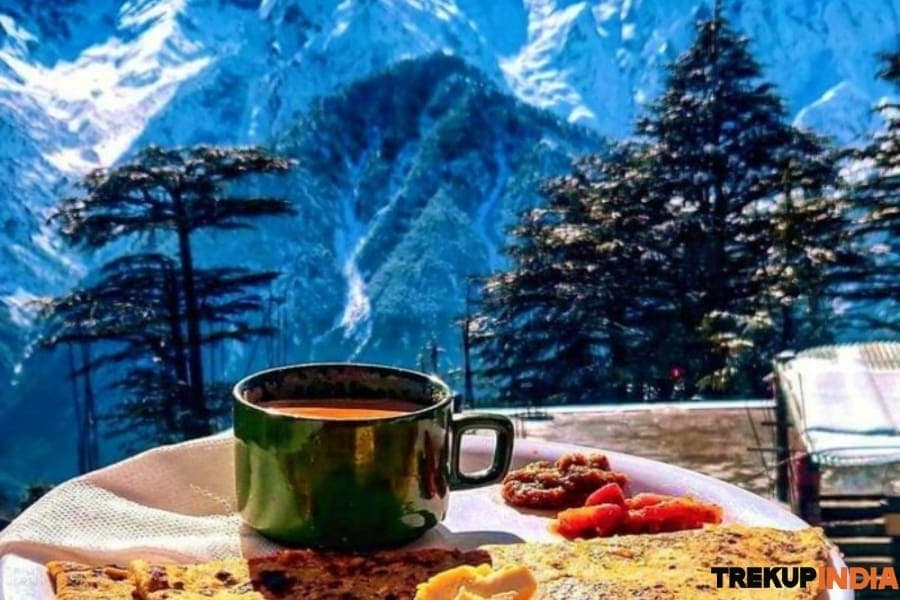 Travel Tips & Guides
By Nanda Rawat|Feb 17, 2026
Vegetarian & Vegan Trekking Nutrition: Protein and Calories GuideA trek through high altitudes like Himalayas or other high altitude regions of India puts a lot of physical strain for the human body. For those who follow an vegetarian or vegan diet the problem is not whether or not it's feasible but whether it's designed correctly. In TrekUp India, we have assisted numerous trekkers with diets based on plants across the challenging Himalayan routes. Our experience on the ground shows that vegans and vegetarian trekkers can perform the same as other trekkers--provided they satisfy their energy, protein and micronutrient requirements. Insufficient planning could result in the loss of muscle, fatigue in recovery, a slow recovery time, and even loss of appetite at high altitudes. If you follow the right approach the right approach, plant-based food can aid in endurance, strength and recovery in the mountains. In high altitudes and on multi-day hikes: Vegans and vegetarians must be mindful of iron Vitamin B12, iron along with omega-3 fats which are essential to fitness and recuperation. The best use for HTML0 is Lunch or dinner at camp Best use: Main meals or protein-rich dinners The best use for it: On-trail snacks and energy boosters The best use for HTML0 is: Lunch or dinner meals Best usage: Evening recovery drink or post-trek snacks At higher altitudes, calorie density matters more than volume. These foods can help meet your the calorie requirements without a heavy stomach burden. BreakfastOatmeal topped with almond butter, bananas, and soy milk Snack for Mid-MorningMix of trail mix that includes pumpkin seeds, nuts and raisins lunchQuinoa served with mix vegetables, tofu and mixed vegetable Lunchtime SnackProtein shake with plant shake of protein with dates DiningLentil soup containing chapati and spinach This structure is able to balance proteins, energy and digestion throughout the day. Examined by Sispal Rana Sispal Rana Trek Leader, TrekUp India This article was examined by Sispal Rana who has extensive experience in leading high-altitude treks for the vegan or vegetarian group of trekkers throughout the Indian Himalayas. The nutritional strategies described above are backed by real-world trail performance, recovery results and altitude-specific dietary issues that were observed during TrekUp India treks. The choice of a vegetarian or vegan diet when trekking through the mountains of India isn't an obstacle, but rather an essential aspect of planning. When you prioritize the consumption of protein-rich foods from plants as well as calorie-dense snacks and essential micronutrients that trekkers are able to maintain the strength, energy, and recuperation throughout their challenging treks. On TrekUp India, we have observed plant-based trekkers complete some of the most difficult Himalayan trails. Often, they do it with more inventive and disciplined diets than their meat-eaters counterparts. With a well-planned preparation, careful packing, and an awareness of your body's requirements, a vegan trekker can excel at altitude, while remaining true to their way of life. Plan well. Take in enough food. Make sure you recover properly.Let plants provide fuel for your journey to the top of mountains.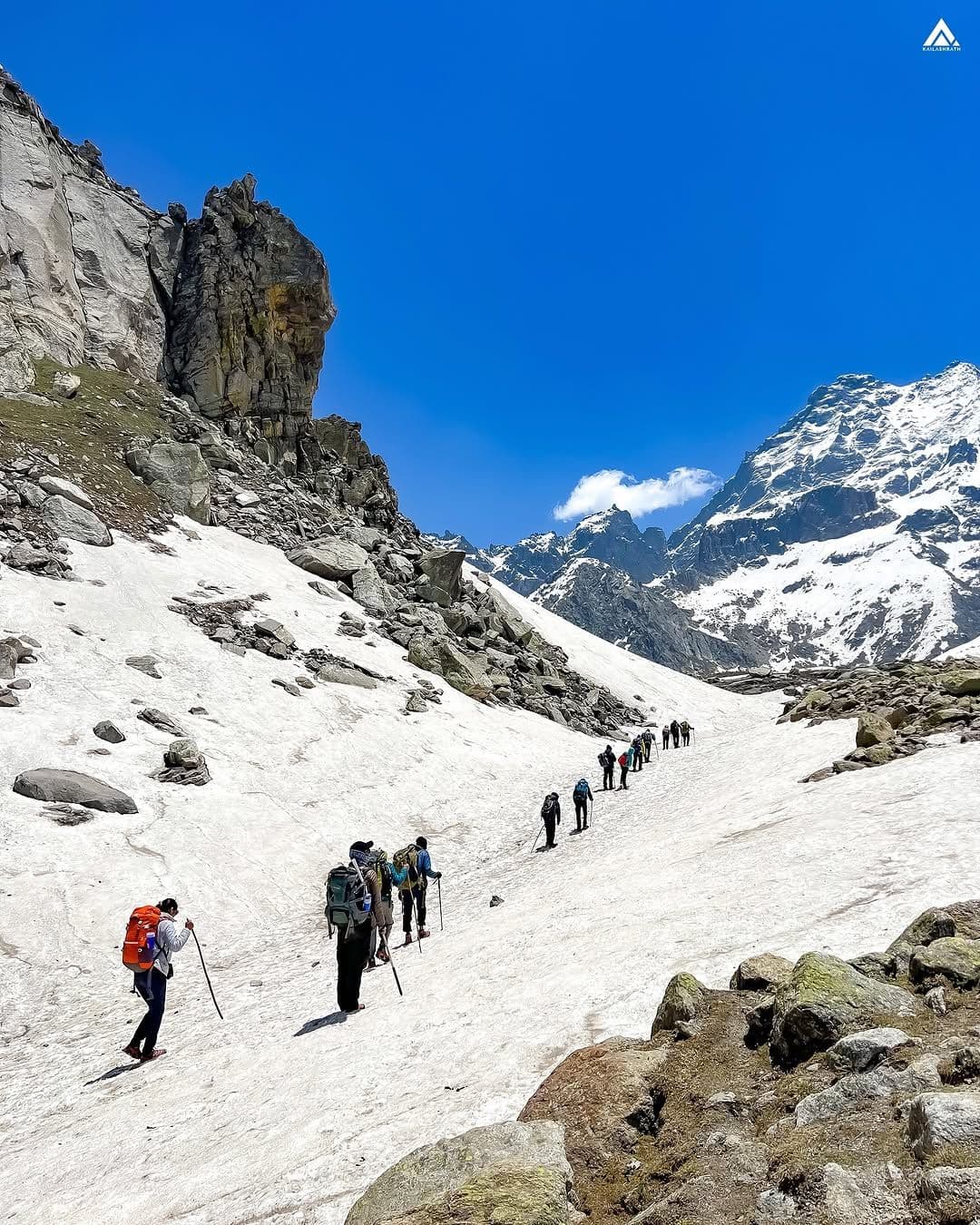 Travel Tips & Guides
By Anoop Rawat|Feb 17, 2026
How Difficult Is the Hampta Pass Trek? | Difficulty GuideAltitude: ~14,100 ft (4,298 m) Trek Duration: 5–6 days The Hampta Pass trek falls within the moderate difficulty category, attracting thousands of trekkers annually from the Kullu Valley to Lahaul in Himachal Pradesh. Due to rapid altitude increases and difficult terrain sections, along with unpredictable mountain weather that ranges from sunny skies to sudden showers, this Himachal Pradesh trek earned itself a Level 3 rating. This guide is written for novice Hampta trekkers or those unsure if they’re physically prepared to tackle this high altitude journey. We will cover its difficulty rating and factors that make certain sections challenging, the fitness requirements needed to ascend 14,000 feet safely, weather patterns you can expect during trek season (be it snowy treks in June or stunning autumnal colours), as well as weather patterns you may experience when crossing over a pass. Hampta Pass falls within Moderate Level 3, making it suitable for more challenging treks and activities. Hampta Pass earned its Moderate Level 3 difficulty rating due to a combination of challenging factors that set it apart from other treks. Most notably, its rapid elevation change puts undue strain on trekkers when traversing various levels, leaving little time for adjustment creating a challenge even experienced trekkers must face head on. Classifying treks takes into account their lack of escape points in case of emergency along the trek, such as once trekkers have committed themselves to one section, retreat is often impossible; this increases risk and accounts for part of what makes moderate difficulty ratings so high. Hampta Pass features several technical sections that require careful navigation and safe footing, combined with river crossings that must be made. trekkers must remain calm when crossing these sometimes turbulent waters to maintain balance. Trek difficulty grading involves an analysis of three essential factors that determine its overall level of challenge. Gradient is one such factor, representing the incline and intensity of ascent over the entire journey; steep gradients require greater physical effort and require skilled leadership for safe passage this directly affects its rating as difficulty increases. Nature of Terrain Encountered When it comes to assessing difficulty, terrain is of primary concern. Loose scree, rocky paths, glacier crossings, and varied terrain conditions all add complexity; Hampta Pass offers diverse terrain issues that necessitate different skillsets and equipment requirements for successful traversal. Exit points play an integral part in difficulty ratings, as their accessibility impacts rescue efforts and retreat options. Treks that offer few emergency exit options tend to be higher in difficulty due to increased risk and limited evacuation strategies. Hampta Pass stands out among Himalayan trekking destinations as one of the colder treks due to traversing through a highly narrow valley. This makes Hampta Pass an interesting trekking option. This unique natural tunnel serves to channel winds all along the trek, increasing wind exposure. As a result, temperatures become progressively colder during your trek as more wind exposure occurs compared to other Himalayan routes at similar altitudes. The combination of wind tunnel effect and the valley’s narrow shape creates microclimates that require trekkers to prepare differently than for other regional treks. Higher wind exposure and colder temperatures necessitate more extensive gear considerations and mental planning, particularly compared to treks that are sheltered from weather hazards. The Hampta Pass trek presents numerous challenging obstacles that increase its difficulty significantly and make for a challenging adventure even for experienced trekkers. Understanding these hurdles is crucial to planning properly and completing your Himalayan adventure successfully. One of the most significant challenges trekkers face when trekking or trekking is dealing with high altitude climbs. Trekkers need to reach 14,000 feet quickly in just two days, which makes for a rapid ascent, particularly since they gain elevation on their first journey to Jobra alone! Rapid elevation changes such as this leave trekkers only a limited time for acclimatization before the risk of complications related to altitude becomes increasingly difficult from day one of their trek. Access to emergency facilities becomes a serious concern once trekkers are well into their journey. Due to its remoteness, finding accessible emergency exits can be highly challenging, particularly from strategically situated points like Balu ka Ghera. When an emergency strikes, trekkers must be prepared for long treks across an entire valley, as there are no suitable evacuation routes. This creates an additional source of psychological strain and requires thorough planning of safety procedures in case anything unexpected should arise. The trek presents several technical terrain obstacles that require the assistance of a mountain guide and an acute eye for navigation. Rocky sections are prevalent throughout, becoming particularly noticeable once crossing over the Lahaul pass into the Lahaul region. Their prominence increases due to the shifting landscape, which transforms into a desert like rocky terrain characterized by overhangs that look onto the river below. To safely traverse these sections, intense concentration and keen navigation skills are required. After reaching the Pass, trekkers must descend into Lahaul which presents incredible steep and rugged descents with desert like terrain that poses unique navigational challenges to those used to the more conventional Himalayan terrain previously encountered during their trek. The route offers numerous river crossings that pose constant challenges during a trek. These water crossings, which take place before reaching any passes, require rope assistance or help from trekking groups to cross rapid flowing mountain streams safely. Once we’ve discussed what makes Hampta Pass challenging, let’s dive deeper into its specific fitness requirements to traverse it successfully. Being physically fit is at the foundation of an enjoyable and safe trek; knowing these standards will allow you to gauge your level of physical preparation for this Himalayan expedition. Your fitness program should focus on reaching a specific benchmark for cardiovascular fitness. Aim to complete a 5 km run in under 35 minutes, as this serves as an excellent indicator of the endurance and aerobic levels necessary for trekking at higher altitudes, where oxygen levels decrease drastically. The 35 minute goal should not simply be seen as a number; rather, it serves as an indicator of your body’s endurance when exercising for longer durations something which translates directly to trekkers’ ability to traverse diverse terrain. Core strength training should also play a vital role in your mountain preparation routine, including cardiovascular fitness. Make sure to include exercises like squats and planks into your program as these target specific muscles of the core, legs and upper body. By doing so you ensure that your body gains both the strength and stability needed to navigate mountainous terrain with ease. Squats build the leg strength necessary for climbing steep slopes while planks develop core stability essential to keeping your balance when carrying heavy backpacks over rugged terrain. Your training program must address the unique difficulty of carrying a backpack for extended periods. This type of endurance differs significantly from usual fitness routines because it involves both cardiovascular demands and additional strain associated with keeping balance on uneven surfaces. Strength training exercises such as those listed above help develop endurance for backpacking so that your body can carry the load without hindering performance or increasing injury risk. Given this comprehensive fitness strategy, a minimum preparation period of at least 6 weeks should be allotted before setting out on your trip. This should give your body ample time to adapt to training demands while building up its necessary fitness base. This timeline isn’t random: it represents the minimum period necessary for physiological changes to take place and ensure that any fitness gains translate into real trekking capabilities rather than temporary conditioning. The Hampta Pass trek stands out among popular trekking destinations in Uttarakhand for its striking thermal landscape, set apart by its location within a narrow valley that creates a natural wind tunnel, funneling powerful cold winds through. This geographic feature greatly amplifies temperatures, making them seem much harsher than on other high altitude routes; combined with elevation changes and wind funneling phenomena, even experienced trekkers may be taken by surprise and require additional layers and cold weather attire than would usually be required by mountain trekking routes. Trekking Hampta Pass during its four month trekking season can reveal distinct and dramatic weather changes that range from June to September, when temperatures can become significantly colder, and snowfall becomes frequent across the trek two months that provide some of the most challenging conditions for trekkers trying to climb it. July and August bring warmer temperatures that completely transform the landscape. When temperatures peak during this period, regular rain helps clear away snow covered campsites and treks before sparking wildflower blooms in alpine meadows to provide one of the most picturesque trekking conditions of the year. Trekkers must be prepared for drastic temperature variations while travelling. Temperatures during the day typically range from 13 to 18 degrees Celsius, providing an enjoyable trekking experience when the sun shines. However, as evening approaches, temperatures can fall to 8 13 degrees Celsius, requiring additional layers of insulation for safety. Nighttime camping conditions present unique thermal challenges when temperatures can drop as low as three to four degrees Celsius, necessitating high end sleeping systems and outfit management to provide comfortable rest periods. Balu ka Ghera and Shea Goru, situated between 12,000 and 2,500 feet, experience some of the harshest temperatures during a trek. These alpine campsites sit above tree line and feature exposed rock terrain as well as persistent snowy patches that reflect cold temperatures, creating harsh microclimates. From June to September, camps can experience temperatures that reach below zero and test even the most experienced trekkers’ equipment and endurance. Due to the lack of trees providing windbreak protection against harsh weather conditions and an exposed snow covered landscape that doesn’t insulate from soil temperature fluctuations, selecting suitable equipment is of utmost importance for comfort and safety. Given these considerations, let us now turn our focus towards the unique conditions trekkers must adapt to on their Hampta Pass journey, paying particular attention to monsoon patterns and snow accumulation that could drastically change your experience of trekking through this spectacular Pass. The monsoon season brings manageable rainfall to the Hampta Pass region, and trekkers should expect monsoon rains during their trek season; however, trekkers typically only experience intermittent drizzles that last only briefly; therefore, trekking never comes to a halt due to weather conditions clear days provide plenty of chances to continue safely on your trek! Rain showers typically occur intermittently and at moderate intensity levels, making their impact minor and less of an obstacle to trekking than expected. Being aware of this pattern can help trekkers mentally prepare for short delays while assuring their trek will go according to plan. Hampta Pass snow conditions follow an obvious seasonal cycle that affects trekking conditions and access. From June until the last days of July’s treks end, snow lingers within Hampta Pass itself, creating an idyllic winter landscape during its summer treks. Beginning around the end of July, snowmelt starts in earnest and slowly changes the landscape. Even after this initial melting phase is complete, small pockets of snow may remain visible across various sections of the Pass in shaded and higher elevation spots, creating beautiful yet challenging trekking conditions and necessitating proper gear and preparation to traverse it successfully. Gear selection is of paramount importance when trekking the Hampta Pass route in changing weather conditions, and an adequate rain gear set should be considered an absolute essential. Rain gear protects you from unexpected drizzles while providing comfort during wetter periods. Microspikes and gaiters are essential safety equipment when traversing snowy terrain. Trekking teams typically offer specialized gear when conditions dictate its use, ensuring everyone can access appropriate traction devices without needing to purchase expensive gear just for one trip. Weather can often result in unpredictable situations that require us to change plans quickly and flexibly, such as extended stays at particular camps or making difficult decisions such as returning to base for safety purposes. Our trekking team has the authority to make such crucial decisions based on current conditions. In such instances, they must make vital decisions on itinerary changes accordingly based on current conditions; such decisions could involve anything from extending stay by another day at specific camps to returning due to safety reasons. Smart trekkers incorporate buffer days into their plans specifically to account for possible delays caused by weather delays, which could entail missed flights, work obligations and other commitments that might be affected by longer trekking duration. Buffer day planning expertise reduces stress when extreme conditions require flexibility with schedules. Once we’ve addressed both physical and weather related challenges, determining a best time and date to embark on our Hampta Pass trek becomes paramount to its success. Each season brings different advantages and drawbacks that could drastically change your trekking experience. June is a best month for trekkers seeking breathtaking snowy landscapes at comfortable temperatures, offering stunning snow covered vistas along the trek with clear snow views that last well into July. Additionally, cooler temperatures in June ease physical requirements of treks while providing relief from lower altitude heat in summertime. Furthermore, photographers and nature lovers have unparalleled chances to capture unspoiled Himalayan winter beauty as photographers document this magical mountain region in all its winter glory. July August Benefits: Enjoy beautiful blooms and lush greenery during this period. Hampta Pass becomes a botanical paradise during July and August due to an extraordinary display by nature that creates an explosion of flowers along its trek route, covering it like an expanse of vibrant wildflowers spanning slopes and meadows an attraction beautiful to nature lovers and botanists who wish to experience Himalayas at their most vibrant state. September is an excellent month for trekkers seeking to experience beautiful autumn colors without the heavy rainfall of previous months. Lower precipitation levels provide more stable trekking conditions while the landscape transforms into stunning autumnal hues. Trekkers should note that September marks the onset of winter weather conditions, with temperatures declining toward harsh winter conditions. However, this time of year particularly appeals to those seeking aesthetic beauty and comfortable conditions. May and October pose significant difficulties that make them unsuitable for most trekkers. May is advised against due to snow accumulation along the treks, creating hazardous and difficult conditions which necessitate advanced mountaineering abilities. On the other hand, October presents additional threats with its potential first significant snowfall of winter season and can create dangerous situations for unprepared trekkers. The Hampta Pass trek offers an unforgettable adventure that requires careful preparation and consideration. Rated at Moderate difficulty level 3, this trek presents unique challenges such as rapid altitude climbs up to 14,000 feet, challenging river crossings and limited exit points in case of emergencies. Due to its narrow valley setting, temperatures range from pleasant during the day ranging between 13-18 degrees Celsius down to subzero levels at higher camp sites an adventure not for the faint of heart! Success on any trek depends on good physical condition. Aim to complete 5km in 35 minutes and strengthen both leg and core muscles before setting out on your adventure. Understanding seasonal changes is also critical; June brings with it snow covered landscapes, while July and August bring monsoon flowers and lush greenery, followed by stunning autumn colours and less rainfall in September. No matter when or why you decide to trek, make sure that you bring along sufficient equipment in case of cold, rain and snowy conditions. Create a fitness plan, monitor weather forecasts, and prepare mentally for what lies ahead the Hampta Pass trek promises one of Himachal Pradesh’s most spectacular and rewarding mountain adventures!