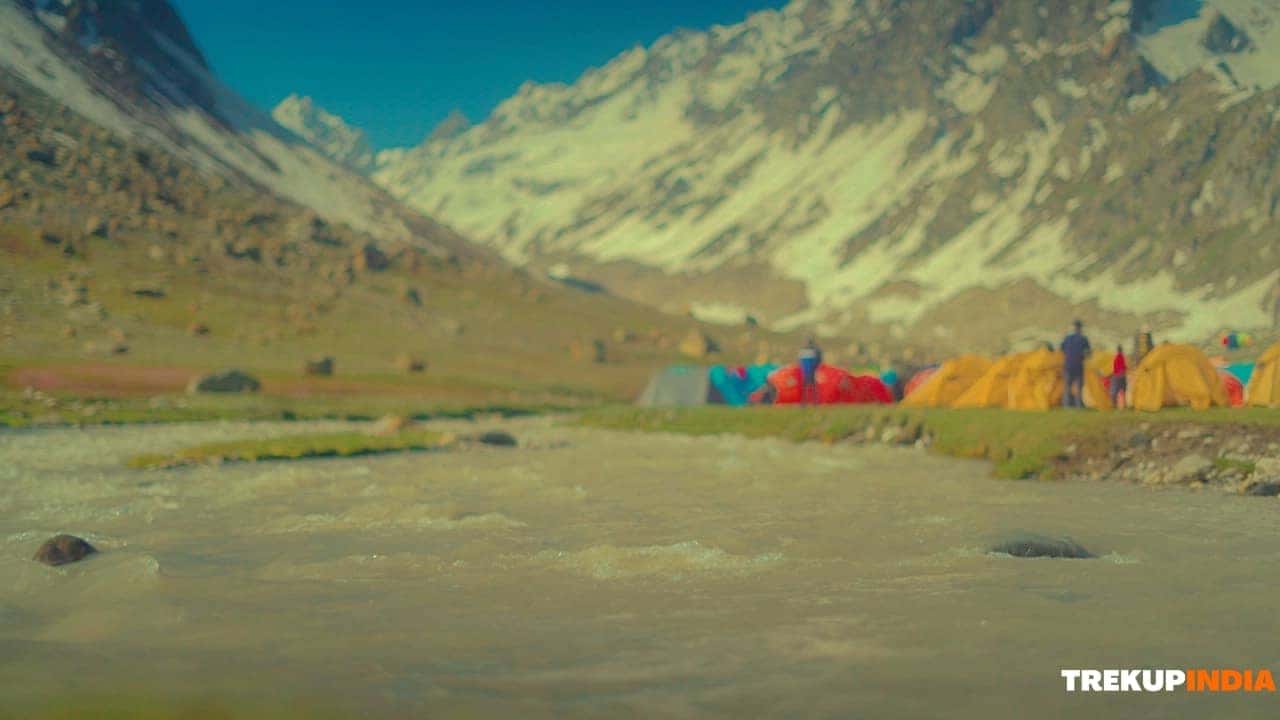
There's a time on a lot of Himalayan treks that the trail is merely a flowing water.
The clear, icy rivers caused by glaciers or sudden rains might appear innocent at first. However, when we look at the TrekUp India we've observed how swiftly these rivers alter the character of these rivers, and how one mistake could turn a peaceful crossing into a risky one.
River crossings aren't only obstacles to an trek They are crucial points of decision. The way you approach them determines whether your day goes on without a hitch or turns into an emergency.
Why Himalayan River Crossings Demand Respect
The mountain streams can be unpredictable. Water levels can rise in minutes because of:
- Afternoon glacier melt
- Sudden rainfall upstream
- Snowmelt during warmer days
Rapidly moving, cold water coupled with slippery rocks can throw even the strongest hikers off their feet. Add fatigue, poor visibility and fatigue and the danger increases.
Within the Himalayas, rivers don't appear to be dangerous until they are.
Before You Step In: Assess the Crossing Carefully
Do not rush through a river crossing.
Scan the Area First
- Go upstream or downstream until you find the most expansive and deepest section.
- Avoid waterfalls, bends, or narrow channels when the current speed is increasing
- Seek out stabile rocks or gravel beds. The muddy bottoms can be slippery and dangerous.
If you are feeling uncertain about a crossing then make sure to stop. By waiting ten minutes longer, you will help prevent injury.
Unbuckle Your Backpack--Always
Before you go in the water:
- Straps for the shoulder loosen
- Remove the buckle from your waistband
A well-secured backpack could cause you to slide when you fall. The ability to remove your backpack quickly could make a difference in your life.
This is a mandatory rule to be followed in all TrekUp India guides.
Use Trekking Poles or a Strong Stick
Trekking poles are one of your most reliable allies when you are in the water.
- Poles for plant downstream before moving forward
- Test the the depth of the rock and its stability
- Keep 3 points of contact in all instances
This position allows you to slightly lean into the current, while still remaining balanced.
Wear Proper Footwear--Never Go Barefoot
Socks or feet with no socks provide no grip and can cause injuries.
- Wear trekking shoes or sturdy sandals
- Guard yourself from stones that can cause injury and Numbness
- Wet shoes are much better than feet that are injured on an extended trek
Drying shoes after drying is more efficient to deal with cuts and injuries.
Cross in Groups When the Current Is Strong
For deeper or faster crossings, group techniques add safety.
Mutual Support Method
- Keep your arms together or securing shoulders
- The strongest trekker is slightly downstream
- Begin to work with taking one step at a
This common resistance decreases individual strain and improves stability.
Timing Matters More Than Strength
The most secure time to cross Himalayan streams is early in the morning.
Why?
- The melting of glaciers increases when the sun rises.
- The crossings after noon are typically longer and more rapid.
- Post-rainfall crossings can be extremely hazardous
In general, TrekUp India plans river crossings before 10 AM when it is possible.
Situations When You Should NOT Cross
Do not cross the street if:
- It's been raining heavily or been rained on downstream
- The visibility isn't great or it's near dark
- Water levels are above the thigh or is visibly powerful
If the conditions are unsafe, you should wait for a reroute or stop, or even stay in camp. A schedule is not worth the risk of a life.
If You Slip or Fall--What to Do
Even with the best of precautions accidents can occur.
If you fall:
- Keep in peace
- Keep your head elevated above the water.
- Take a few minutes to float with your feet pointing toward the water.
- Lean towards the bank and ensure that you are standing on stable ground
Do not directly fight the current. Be in partnership together with it to get back control.
TrekUp India's River Crossing Protocol
Each TrekUp India trek leader is educated to:
- Check the condition of the river continually
- Find the safe crossing points
- Reroute or delay when needed
- Assist trekkers by using poles, human chains, or ropes when needed.
We don't cross rivers in order to "save the time." We cross only when the conditions are favorable.
Conclusion
The crossings of rivers throughout the Himalayas are challenging moments that require patience and a sense of humility. The Himalayan mountains remind us that the nature creates the rules and not our itineraries.
TrekUp India believes that safety is a matter of making the right decision. TrekUp India, we believe that safe trekking means taking the correct choice at the right time even if it requires waiting or turning around. If you are respectful of the river, follow your guides and adhere to established methods crossings become more safe, peaceful and a source of confidence for the trip.
Keep in mind that Mountains can be climbed over again. A river that is crossed in recklessness is the only chance you have.
About the Author: Trekking Expertise You Can Trust
Admin
Anoop has worked for 5 years as a Trek Leader with TrekUpIndia, leading numerous treks across the diverse and challenging terrains of Uttarakhand and Himachal Pradesh. He holds a degree in Geology with a specialization in Geographic Information Systems (GIS) from UPES Dehradun. During his academic years, he actively applied his classroom knowledge in the field—most notably by contributing to a glacier research project on the Jundar Glacier in the Har Ki Dun Valley, Uttarakhand. And now, Anoop is a trekking content writer with TrekUp India, specialising in seasonal Himalayan trekking guides, winter safety content, and trek planning resources. His work is informed by field research, trek leader inputs, and real trail conditions across Uttarakhand, Himachal Pradesh, Ladakh, and Kashmir.