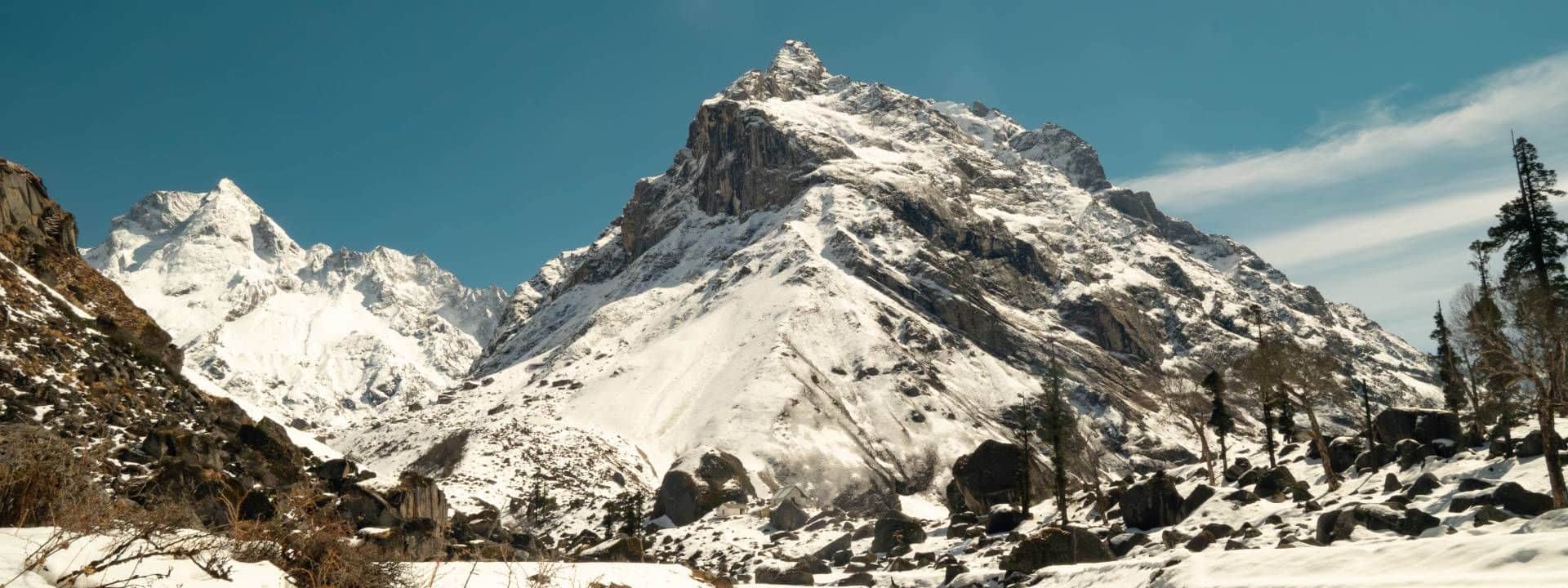

Through the many years, TrekUp India has helped hundreds of trekkers throughout the Indian Himalayas and the other trekking regions. There is a consistent pattern that is observed: the quality of the trekking adventure is actually related to the extent to which the trek is matched to the participant's fitness level..
A trek that's too easy could be a bit boring or too long, and one that oversteps your physical capabilities can result in exhaustion injuries, or a sudden withdrawal. Selecting the best trek is about finding the right balance between pushing yourself to the limit and growing but not to the extent that your safety or enjoyment are diminished.
This guide was created to aid trekkers to accurately assess their fitness level, recognize trek difficulties and pick the trek that matches their level of physical fitness and previous knowledge.
Review Your Fitness Status honestly
Before embarking on any trek take a honest self-assessment. Inadequate fitness is among the most frequent mistakes made by those who are first-time trekkers.
Important Self-Assessment Questionnaires
- Walk endurance Do you have the ability to walk 8-10 kilometers on uneven terrain in one day?
- The stairs: Do you have the ability to ascend 7 flights of stairs without being able to breathe or stopping?
- The load of your backpack: Can you carry 6-8kg backpack for a period of 2-3 hours in a row?
- Recuperation time Do you get back to your normal speed after a strenuous exercise or a strenuous walk?
A weekend trek with a full backpack is among the most reliable methods to assess your the level of readiness. If moderate terrain makes exhausted, starting with a beginner-level hike is highly advised.
Understanding Trek Difficulty The levels of India
Indian Himalayan treks are generally divided into three general fitness categories that are: Intermediate, Beginner and Advanced. These categories take into consideration the duration, altitude as well as terrain and physical demands.
Trekking at a Beginner's Level
Beginning treks provide trekkers to the mountains without putting them under too much physical or technical strain. These treks are perfect for acclimatisation, confidence building and gaining a basic understanding of trekking discipline.
Examples:Kedarkantha, Brahmatal, Nag Tibba, Dayara Bugyal, Valley of Flowers, Chopta-Tungnath-Chandrashila (Uttarakhand);Triund, Bhrigu Lake (Himachal Pradesh);Sandakphu (West Bengal/Sikkim).
Altitude Range: Lower than 3,500m. Duration 2-5 days Terrain Easy ascents, well-marked trails Ideal for first-time trekkers family members, trekkers with children or those returning from an extended vacation
Training Tips for Preparation:Focus on the basics of endurance, such as brisk walking cycling, jogging--3-4 times per week, with a goal of 30 to 45 minutes each session.
Intermediate-Level Treks
Intermediate treks are ideal to trekkers with a history of at minimum two or three beginning treks and are prepared to take on longer periods of time, greater altitudes and a wide range of terrain.
Examples: Har Ki Dun, Kuari Pass, Ali Bedni Bugyal, Gaumukh-Tapovan (Uttarakhand); Hampta Pass, Beas Kund, Rupin Pass (Himachal Pradesh); Goechala (Sikkim); Kashmir Great Lakes (J&K).
Altitude Range: 3,500-5500m Duration 5-10 days Terrain Steeper climbs more walking hours, winter snow
Ideal For: Trekkers who can walk for 6-8 hours per day and have constant energy
Strategies for Preparation:Combine the strength and cardio training of running stairs, squats, stair climbs as well as lunges and the core exercises--at least four times a week.
Advance-Level Treks, Expeditions and Excursions
Advanced treks can be physically challenging and usually comprise high altitudes technical sections, unpredictability of weather and exposure to extreme conditions.
Examples:Bali Pass, Bhuran Ghati, Pangarchulla Peak (Uttarakhand);Pin Parvati Pass, Sar Pass (Himachal Pradesh);Chadar Trek, Stok Kangri Base Camp (Ladakh).
Altitude Range: More than 5,500 m. Duration 8-15 days Terrain Long ascents/descents, snowfields technical sections
Ideal to: Highly fit trekkers who have previous high-altitude experience
Tips for Preparation:Advanced endurance training, strength training and loaded stair climbing and pre-acclimatisation treks are crucial.
Do Not Underestimate Altitude
At 3,500m oxygen levels drop by around 30% when compared with sea-level. Even the most experienced trekkers might struggle if the climbing too fast.
TrekUp India's Guideline:If you are making your first trek over 3,500m Choose routes that have a gradual increase in altitude and at least one day of acclimatization.
The inability to recognize altitude is among the main causes of withdrawals from treks.
Be aware of the season and the terrain
Conditions during the seasons significantly affect trek difficulty:
- The summer months are a great time to hike: Clear trails, more light gear, and steady weather makes treks easier
- Winter The cold, the snow and heavy clothing raise physical demands
- Monsoon The slippery trail, the leeches and humidity boost the chance of injury and fatigue
A trek that is rated "moderate" during summer can be "difficult" when it is winter. Beginners must always consider the season into trek choice.
Timing of Training: 5 Weeks Prior to the Trek
Whatever the trek the difficulty, a structured approach to training dramatically increases satisfaction and success.
Training Essentials
- Exercise: Running, cycling, swimming, or strolling (30-45 minutes, four times a week)
- Strength: Squats, lunges, push-ups, planks (2-3 times/week)
- Endurance Every week, hikes using an 8-8 kg backpack
- Flexible: The practice of stretching or yoga can decrease the risk of injury
Pay attention to your body on the Trail
Even with the best preparations, trekking remains physically demanding. Drink plenty of water take small, frequent meals and rest as needed. A steady progress will ensure safety and fun.
Conclusion
Picking an trek that is compatible with the fitness levels of your group is vital to ensure safety, enjoyment and long-term trekking achievement. TrekUp India TrekUp India, we consistently observe trekkers who can match difficulty to their ability to returning stronger, healthier and ready for new opportunities.
Mountain trekking isn't about tackling the highest peaks, it's about knowing the body's limitations, while respecting nature and moving at a pace that doesn't overwhelm you. If you start with easy trails or plan for high-altitude adventures The Himalayas are waiting for everyone at any level.
About the Author: Trekking Expertise You Can Trust
Operations Manager
Nanda Rawat holds a Master’s degree in Tourism & Hospitality and brings over 16 years of experience in adventure and leisure travel. He has led multiple Himalayan expeditions, contributed to ATOAI, and is trained in first aid by the Indian Mountaineering Foundation. A strong supporter of sustainable and ethical tourism, he plays a key role at Trekup India. Write to him at: nanda@trekupindia.com