
Prev
1 / 9
Next
 Travel Tips & Guides
By Anoop Rawat|Jan 21, 2026
Appetite Loss at Altitude: Strategies to Keep Eating on TreksOne of the biggest shocks that trekkers face who trek in The most surprising thing for hikers in the Indian Himalayas is loss of appetite when they are at an high altitudes. Even trekkers who have worked hard and packed a nutritious, energy-rich meal--often encounter this issue once they have reached 12,000 feet eating food is no longer appealing. When you are at a high altitude your body requires more energy but more than. Calories are vital to keep warm, to fuel your movement as well as aid in acclimatization. recover from the long trekking days. With TrekUp India, we have been guiding trekkers in high-altitude areas such as Ladakh, Spiti, Uttarakhand along with Himachal Pradesh, and have always observed that controlling weight loss is essential for security, strength as well as enjoyment during the trek. The loss of appetite in altitude is a common occurrence and is physiological. It happens due to: If the amount of food consumed drops enough, it could result in: It may seem harmless, but at high altitudes, it's dangerous. Instead of waiting until you are hungry, eat on a timetable. A regular, small amount of food is more efficient than big meals. At altitude, digestion slows. The weight of food can make it feel overwhelming. Select foods that are: The best options are: Carbohydrates are particularly important at altitudes because they are less difficult to be metabolized with less oxygen. The loss of appetite is exacerbated by dehydration. symptoms associated with altitude. Cold and dry air reduces thirst. Drink regularly. Taste buds can be dull when at high altitudes. Enhance palatability through: The appeal of food can increase the chances you'll consume enough. Doing this until you are hungry is often counterproductive at altitude. Warm food is more easy to digest and consume when you are at an altitude. The best options are: Warm meals can boost morale and aid in fighting cold stress. It's okay to not feel hungry, but do not completely cut out food. Just a few bites of every meal: Think of "minimum intake" instead of "full food". TrekUp India has consistently observed that eating in an entire group can boost appetite. Sharing meals can encourage trekkers to consume more food than they would otherwise. Many trekkers benefit from having one or two of their favorite food items at home--such as instant noodles, chocolate or snacks made from scratch. These can be the difference between not eating and eating it. Reviewed by Nitin Rana - Trek Leader, TrekUp India This article was reviewed by Nitin Rana who has a wealth of experience with leading high altitude treks throughout Ladakh, Spiti, and Uttarakhand. The methods described above have been verified by real-world conditions in the field, including hunger loss and management of altitude sickness and nutritional issues that trekkers face during TrekUp India treks. Hunger loss at altitude is common, but it shouldn't cause a disruption to your trek. If you understand the causes and applying simple methods such as eating smaller portions and frequently selecting foods with high energy content while staying hydrated, and prioritising warm, tasty meals the trekkers can keep their the strength they have and lessen fatigue due to altitude. We at TrekUp India, we have noticed that a mindful approach to nutrition can make the difference between simply finishing the trek and taking pleasure in every moment that comes along with it. The food you eat at altitude isn't only fuel, but also health, comfort and strength.Eat with focus, listen to your body as well as let your mountains show your efforts.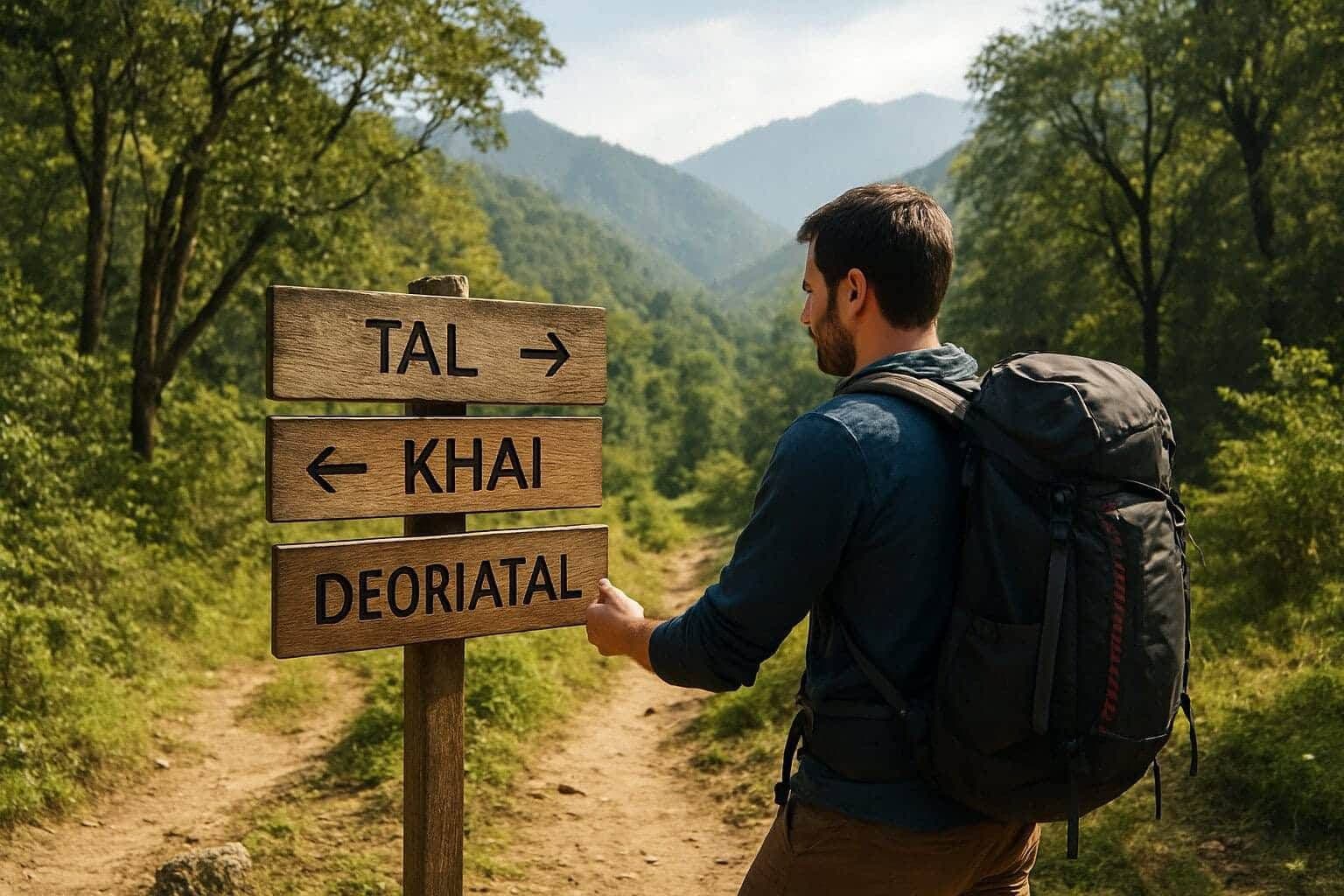 Travel Tips & Guides
By Preetam Singh Rawat|Jan 21, 2026
Trek Signs and Markers in India: How to Read Them RightIt is a challenge to trek through the Indian wilderness whether across the Himalayas or and the Western Ghats, or central Indian forests -- requires more than just stamina and excitement. Knowing trek markers as well as trail markers is a crucial ability to navigate which is often the determining factor in the extent to which the trek is safe, efficient and enjoyable. We at TrekUp India, we have frequently seen trekkers fatigue themselves or waste valuable time due to their inability to recognize trail markers in the right way. Understanding how to speak the "language that is the trail" permits trekkers to easily navigate through meadows, forests, snowfields, and other rocky terrain without stress. Contrary to many international trekking destinations that use uniform markings, Indian trails vary greatly in the way they are designated. It is vital to know these markers due to: For India, trail literacy is an essential trekking capability, and not a supplementary one. They represent the majority of popular trail indicators along the most popular routes. Practical Tips:After you have spotted one marker with paint Always pause to identify next marker. next marker before proceeding. This helps ensure continuity in the route. Cairns are used extensively for: They are constructed by shepherds, guides, or experienced walkers to mark the safest route. Practical TIP:If multiple cairns are visible, choose the most popular and often employed line because it typically is the safest way to go. Common in: These are typically: Essential RuleDon't remove or shift these markers. They're crucial, not just to you, but also for the trekkers who follow your. Installed by: Most often, you will find them typically at: These could comprise: Practical TIP: Mentally take note of information on the signboard - it could be extremely useful in the event that you have to go back your steps. If formal markers are not present the natural world provides guidelines: Warning: Natural clues should not substitute markers, maps as well as GPS tools. Confidence is based on confirmation, not a presumption. Reviewed by Sunil Rawat - Trek Leader, TrekUp India This article was read by Sunil Rawat, who has years of experience managing treks throughout the Indian Himalayas and forests routes as well as the remote terrain of alpine. The information provided in this article is based on real-world navigation challenges with regard to fog, snow as well as faded trails along with mixed use pastoral routes encountered in TrekUp India operations. The ability to read trek markers and signs in the wilderness of India is not just a naivety skill, but an essential safety technique. From marks painted on trees and rocks to stone cairns, as well as subtle natural signals, each marker is essential in guiding trekkers through difficult terrain. At Trekup India, we have observed how those who are able to recognize and appreciate these signs travel more efficiently, reduce energy consumption and stay clear of unnecessary risk. When paired with modern technology such as offline GPS apps and other traditional trail markers can be used to create an efficient navigation system. Be respectful of the markings. Pay attention. Combine your knowledge with the latest technology.When you take note of your ears to what trail tells you, let the mountain will guide you in the right direction.Travel Tips & GuidesBy Nanda Rawat|Jan 21, 2026
Training With a Loaded Pack: Simulating Real Trek ConditionsOn TrekUp India, a consistent pattern has emerged from many years of leading treks: trekkers who are trained with a packed backpack prior to their trek improve their performance and more efficiently and enjoy the mountains better that those who are relying on routine fitness exercises. It's not only about endurance for the heart and leg muscle strength. It's about learning to be agile and balance properly, as well as control your energy when carrying weight--often for a number of hours per day, on rough terrains, climbs and descents. Training with a backpack loaded with weights helps prepare your body and brain for the exact requirements. Transporting 8-12 kilograms in your backpack fundamentally alters how your body reacts and moves. Training without a backpack will not prepare you fully for actual trekking conditions. Important modifications are: For trekkers who don't train their pack, they typically struggle the most in the beginning and the last two days of the trek. Start with 5 to 4-5 kilograms inside your pack. You can increase the weight up to 1 kg every week until you've reached the expected trek weight. Weight-bearing speed increases the chance of back strain and ankle injuries. When you can, practice: Stairs are a close representation of climbs and descends on mountains and are extremely effective. Train using: This allows your body to adapt to: It can also aid in identifying problems with fit or chafing early. Method of uphill Downhill method The majority of trek-related injuries happen during the descent, not during the climbs. Every week, set aside for a longer hike (10-15 miles) with your pack.These sessions help you: They also let you test the fueling and hydration strategies. Complementary training pack with: Mobile joints that are strong and mobile can reduce the risk of injury significantly when carrying a heavy load. Your body will be trained the way you'll trek: This prepares your digestive system for trekking days. It is more important to be consistent than intense. Train with a full pack for at minimum 6-8 weeks prior to you begin your trek. Even 30 to 45 minutes of walking around the pack three times per week will result in remarkable gains in confidence, comfort in performance and comfort on mountain. Reviewed by Arpit Ramola - Trek Leader, TrekUp India This article was read by Arpit Ramola who has extensive experience in leading Himalayan treks that involve loads that are carried for multiple days over a variety of terrain. The method of training described in this article has been proven by actual trekking performance and injury prevention results, and field observations gathered from TrekUp India trips. The practice of carrying a weighted backpack is among the most effective and real methods to prepare yourself for the trek. It helps bridge the gap between basic fitness and actual mountain demands, teaching your body to move, maintain balance and withstand the rigors of a mountain. In TrekUp India, we have observed that trekkers who choose to packing training do better, but they also are more comfortable on the trip with less fatigue, less injuries and more confidence. Be prepared. Work out with a sense of reality.Let the mountains be familiar to you before you take the first step.