
Prev
1 / 9
Next
 Trekkers Corner and Space
By Nanda Rawat|Jan 25, 2026
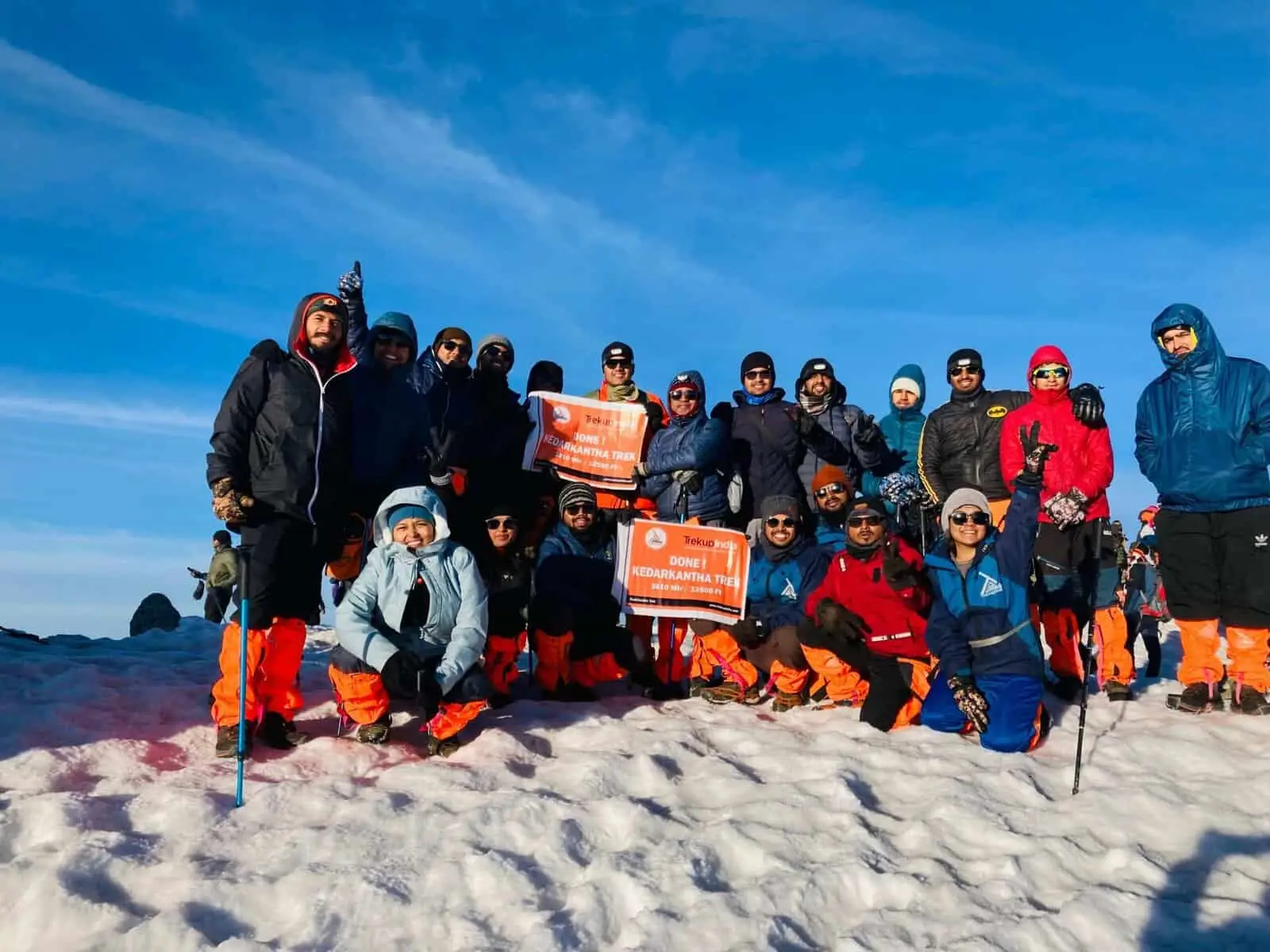
First Himalayan Trek: From Couch to Summit GuideThe Beginning: Why I Decided to Trek Six months ago, I was your typical “couch potato” binge watching Netflix, ordering takeout, and avoiding stairs like they were an obstacle course. But deep down, I craved adventure. One night, I came across amazing images from the Himalayan Mountains on Instagram of Trekup India. This was when I came to an option: I’d trek up a real mountain top. As a beginner, I wanted something challenging, but not too overwhelming. After doing some research and talking to Trekup India mountain expert Santoshi, I settled on Kedarkantha (12,500 feet) with Trekup India – a ideal winter trek for those who are just beginning their journey, offering breathtaking views and a easy to moderate grade trek. Because I wasn’t sure whether trekking would be a permanent pastime, I rented the majority of my equipment from Trekup India I only bought the essentials:- The experience has changed my life. I’m already planning my upcoming trek, Har Ki Dun with Trekup India. If I, a former couch potato, and you can too, then so can you. Are you ready to start your very first trek? Check out Trekup India’s beginner friendly treks here. Start your journey now!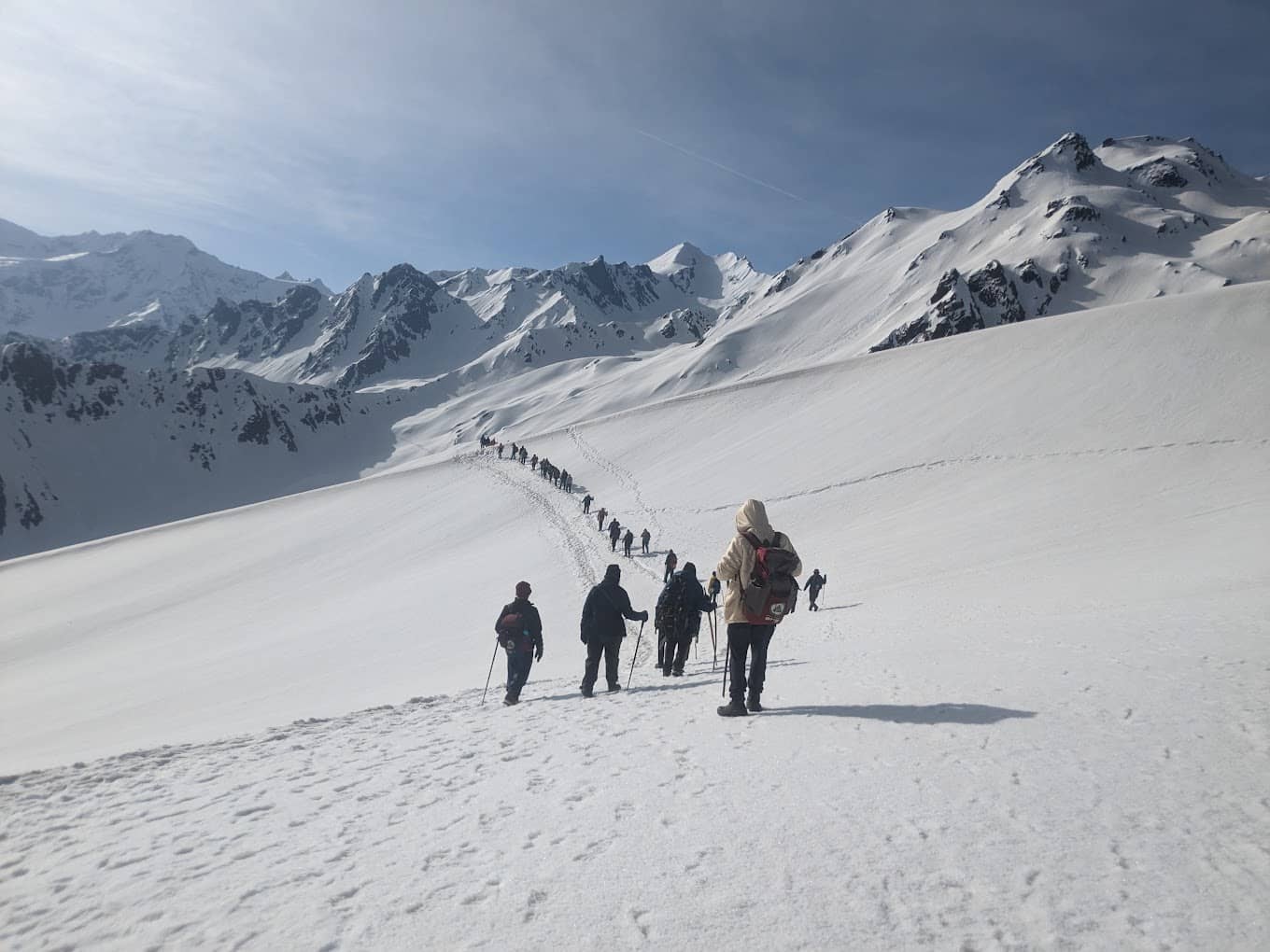 Trekkers Corner and Space
By Nanda Rawat|Jan 24, 2026
Mental Effects of High Altitude: Staying Focused and Positive While TrekkingWhen discussing trekking through the Indian Himalayas, they typically talk about aching legs, breathlessness and cold nights. They also talk about altitude sickness. The thing that is often not mentioned, but is equally real how altitude affects your mind. Higher altitudes can cause trekkers may experience slower mental processing emotional sensitive, a bit nervous, or simply "not their own." On the TrekUp India we've observed the most experienced and skilled trekkers fight with their bodies, not simply because they were failing, but because their minds were unclear and uneasy, or even overwhelmed. Knowing the psychological effects of altitude is as important as training for physical strength. Being aware allows you to react with calmness, safeguard your health and continue trekking without fear and with confidence. At altitudes, decreased oxygen concentrations (hypoxia) impact brain function. You may notice: It could feel like your body is moving faster than your thoughts -- a bizarre and at times unsettling experience. Hunger, fatigue, cold and low oxygen levels can increase the intensity of emotions. Even minor inconveniences can be incredibly irritating. People who tend to be patient might feel irritable, or withdrawing. This is not uncommon and usually temporary. Insularity, vast landscapes the silence and physical discomfort may trigger anxiety, especially for new hikers at high altitude. Think about: These sentiments are more prevalent than many people acknowledge. Sleep can be more sluggish and more fragmented when you are at an altitude. A lack of sleep can trigger: Feeling drained upon waking up regardless of "sleeping," is a well-known altitude effect. Acclimatization through gradual acclimatization isn't just good for lung function, but also for mental clarity. Relaxation days and controlled elevation gain can aid in adjusting your brain. The stress of racing increases the chance from AM and mental stress. Small rituals can provide stability in unsettling environments: Routine provides the mind with something familiar to keep. The brain is powered by glucose and the body needs to hydrate. A lack of eating can lead to mood fluctuations and anxiety. The slow, controlled breathing helps reduce anxiety and mental stress. Simple techniques: TrekUp India guides often introduce the basics of breathing on hard days - for a reason. If you are feeling anxious or irritable, or just mentally "off," speak up. They are trained by guides to spot the first signs of fatigue in your mind. The act of sharing how you feel frequently will relieve you immediately and stops the escalation. The entire route may be overwhelming. Instead, concentrate on: Thinking step-by-step keeps the mind focused and calm. Natural light helps regulate mood. Have a walk outdoors during breaks, and especially in the early morning. The sun's rays help to reset your internal clock and improve your mood. When there is a signal, stay clear of excessive use of phones. The constant stream of news or on social media can create anxiety. Disconnecting can help improve mental peace and concentration. When mental confusion, disorientation hallucinations, mental confusion, or other unusual behavior occur in conjunction with physical symptoms like: They could be a sign of the presence of High Altitude Cerebral Edema (HACE). This is a situation that requires an immediate descend and evacuation of medical personnel. TrekUp India teams are trained to respond in emergency situations and carry oxygen and communication equipment for these situations. High-altitude trekking is more challenging than just muscles. It challenges your mental and emotional ability to focus, and inner strength. If you feel a bit agitated, confused or emotional sensitive in the high altitudes is not suggest you're insecure or unprepared. It's a sign that your body or mind are adjusting to a harsh setting. In TrekUp India, we believe that mental health is equally important as physical fitness. Acclimatizing slowly by eating and hydrating properly and establishing routines that are simple keeping in touch to your group and requesting help early, trekkers are able to stay at ease, focused and optimistic, even on the most difficult days. The true test of endurance in the mountains doesn't have to be about running through in blindness.It's about paying attention to your breath, your body as well as your mind, and then reacting by being aware.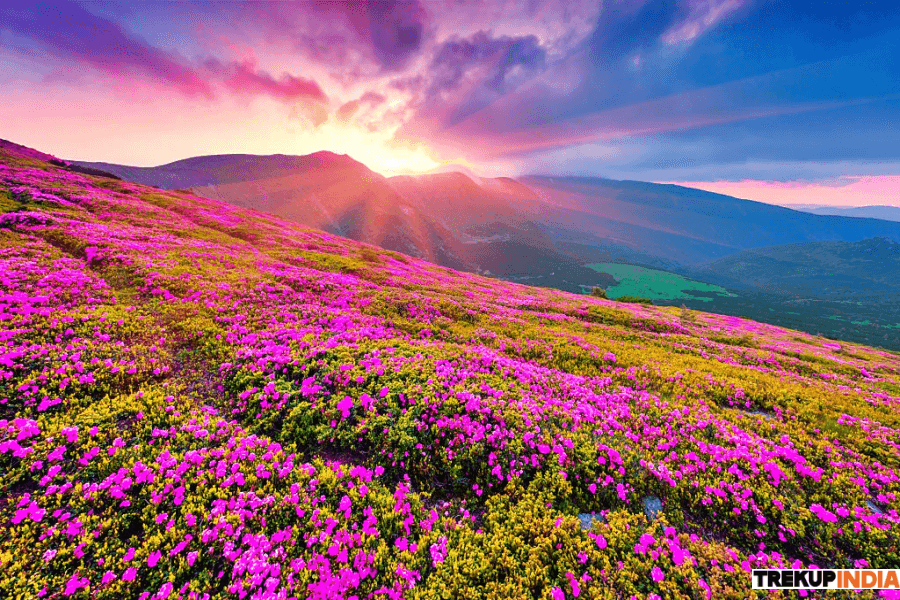 Trekkers Corner and Space
By Preetam Singh Rawat|Jan 23, 2026
Photography Tips for Trekkers in the Indian HimalayasA trek through the Indian Himalayas is an opportunity to experience nature at its most raw: the first gentle snow peaks that touch prayer flags flying through the air, clouds sweeping over valleys in the form of slow streams. Every trekker has the need to record the entire scene. However, Himalayan photography isn't only about hitting the shutter button. It's about being aware, waiting and taking time to appreciate every moment. In trekUp India we've observed how the identical trail can yield totally different photos based on a person's patience, their awareness, and intent. The most effective images usually result from hikers who slow down, take a look while letting the mountain guide their camera. Here's a practical and trail-tested photography tips for hikers, whether you're using the DSLR or mirrorless camera or even your smartphone. When on an trek the camera equipment should be used to enhance the experience not weigh it down. The truth behind it:Keep your camera close to your body during frigid conditions. The body heat can prevent the loss of battery and condensation better than any other accessory. If there's a single principle worth getting up earlier it, this is it. Within the Himalayas, sunrise and sunsets are transforming. Soft gold, icy blue and deep purples create the same texture and emotional impact that hard-to-see daylight can't. Best shooting windows: Low-angled light shows paths, ridges and prayer flags and shadows that appear like cinematic. Moments of humankind:A few of the most quiet and significant moments happen when the majority of the camper is asleep. Himalayan peak are enormous, however photos may flatten them if the scale is clearly shown. Sometimes, a person makes the mountain appear even more massive. The Himalayas naturally create depth. Make use of it. Moving your height up or down, kneeling or climbing a slight rise or shooting from above can instantly enhance your photos. Blue skies with clear blue skies are gorgeous, but dramatic weather reveals more stories. Many among the best images originate from situations that initially seem uncomfortable. The Himalayan Mountains are not just about locations. Photograph: These moments are a source of emotions. Later, they may have more significance then they did in the summit shot. When you are at a high altitude at high altitude, the sky opens. With a little patience and an appropriate tripod, you can make: Basic set-up: Photography at night requires a lot of quiet, and the mountains will reward you for it. The best photographs shouldn't be taken without respect. Photographers who exhibit respect are cherished and remembered with a smile. Photographing in the Himalayas of India isn't just about taking photos, it's all about living in the moment. The best photos often occur when you let go of your perfect photo and begin taking in more in the present. TrekUp India is a company that believes in storytelling. TrekUp India, we believe everyone can be an artist of the visual. From sunny mornings and chilly afternoons, to peaceful village trails and night skies filled with stars, every frame tells a story of your trip. Use your camera in a gentle manner. Be respectful of the mountains. Keep in mind that the most memorable image is one that you keep to your mind.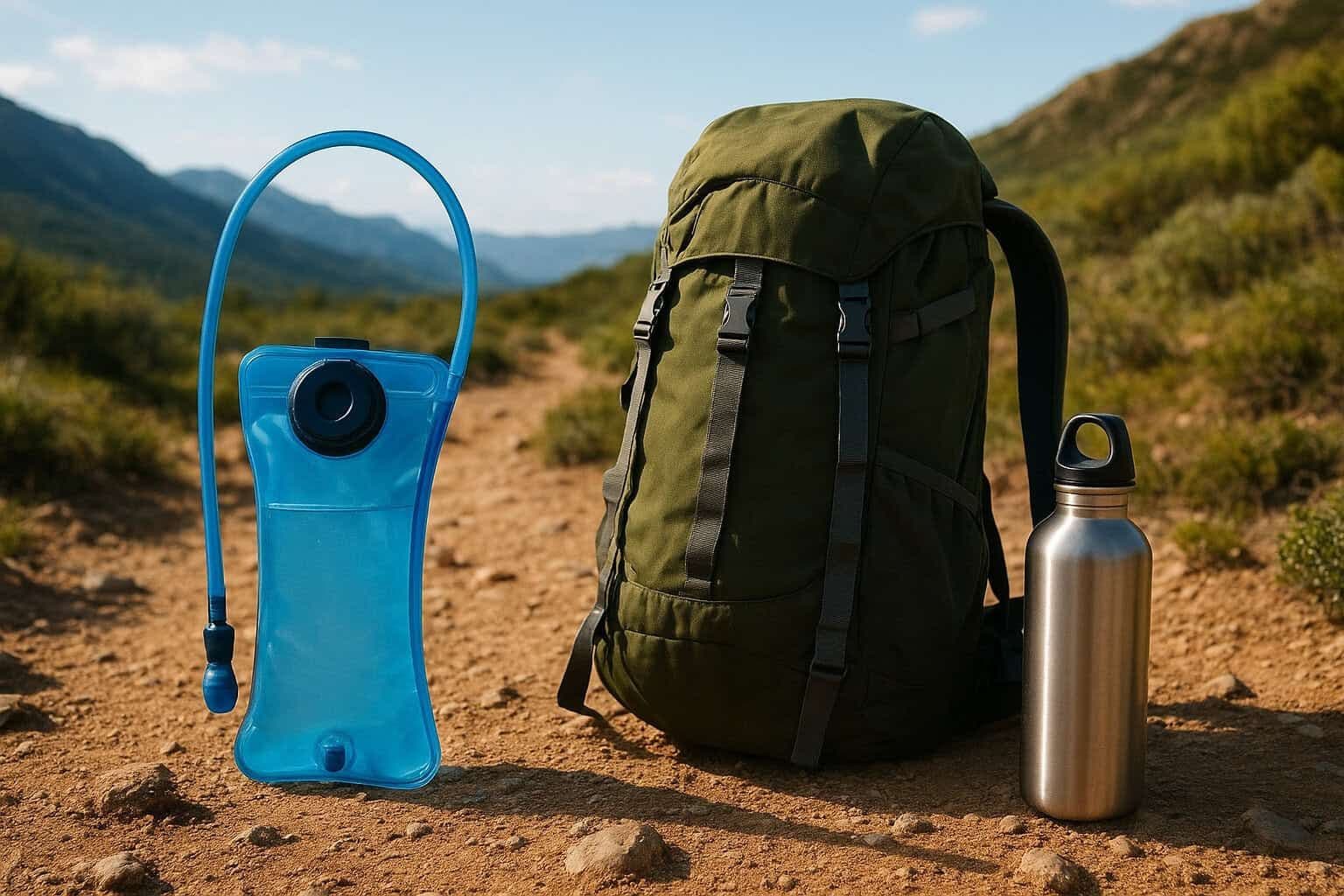 Trekkers Corner and Space
By Nanda Rawat|Jan 22, 2026
Hydration Bladder vs Water Bottles: Pros, Cons & HacksWhen on Indian trekking trips, conversations on the hydration equipment are similar to conversations over the chai break. Many trekkers prefer water bottles for sipping hands-free and others opt for traditional water bottles due to their ease of use and durability. In TrekUp India, we have observed both systems perform exceptionally and fail, depending on the terrain, weather conditions altitude, as well as personal walking practices. There is no one universal "best" alternative. The best choice is based on the type of trek you take the trail, where you hike and how strict you are when it comes to drinking water. This guide explains what are the real-world pros and pros, and tricks to keep you well-hydrated and secure while hiking. Dehydration is more frequent in mountains than in the sea even in cold weather. Principal reasons include: Inadequate hydration in altitude could cause: The key isn't just carrying water around, but taking small quantities regularly. Hydration bladders are very popular with hikers who want to drink continuously without having to stop. "HTML0" India Tips:Always put your bladder in the waterproof liner or sleeve to safeguard your clothes and sleeping equipment from leaks. Water bottles are the most reliable way to hydrate for a lot of Indian trekkers. TrekUp India Tips:On winter hikes, wrap your bottles with a wool socks or place them inside your backpack to keep them from freezing. Many skilled Indian trekkers make use of both of these systems in conjunction. This configuration offers security, convenience and redundancy that is essential for mountain terrain that is remote. Examined by Rajneesh Trek leader, TrekUp India This article was examined by Rajneesh Negi who has vast experience on the ground conducting treks across Uttarakhand, Himachal Pradesh, and high-altitude Himalayan routes. The hydration techniques and gear tips discussed above have been proven through actual trekking conditions that include extreme cold and long ascents, water shortage and dehydration-related altitude challenges. There's no universal solution in deciding between hydration bottles or water bottle. Hydration bladders are excellent in hands-free drinking, frequent consumption and frequent drinking, and water bottles are a great option for ease of use, durability and a better way to control intake. For the majority of Indian treks it is recommended that a mixed system is the best choice for balancing your needs. Keep in mind that hydration isn't about drinking a large amount of water every now and then, it is about regular, small amounts all day long. For those living in the mountain regions, drinking water isn't only fuel, it's vital for survival.. Select the one that lets to drink regularly, shields your equipment and helps keep your body running efficiently. Staying hydrated is keeping secure.