
Prev
1 / 9
Next
 Trekkers Corner and Space
By Preetam Singh Rawat|Feb 13, 2026
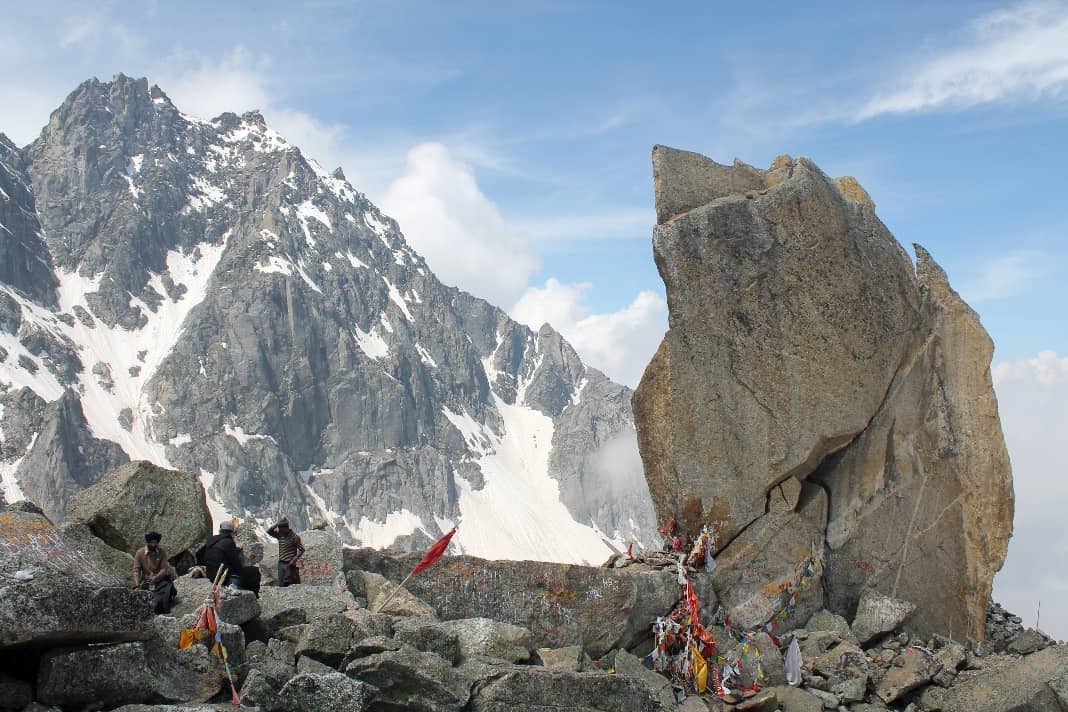
Sacred Himalayan Treks: Kinnaur Kailash to Gaumukh | Spiritual Journeys in the HimalayasIndia and its Himalayan neighbors aren't just trekking destinations; they're landscapes that's engraved with affection. Over the years, trekkers pilgrims and travelers have walked these paths and have combined fitness with a deep desire to be religious. We'll go over a more detailed study of the sacred treks which include your personal touches to the spot where boots and faith meet: Holy Focus The 6,050m summit is thought of as Lord Shiva's winter residence and the enormous natural Shiva Lingam. Travel: The ascent can be steep starting from Tapri/Tangling and traversing Kinnauri villages and ending in an arduous Parikrama (circumambulation). Essence: Raw devotion, syncretic Kinnauri culture, awe-inspiring geology. Moderate-Challenging. Best: May-Jun, Sep-Oct. To Kinnaur Kailash Trek Itinerary Holy Focus Glacier nose is the origin of the frozen Mother Ganga (Bhagirathi River). The Journey This journey is a rumbling Bhagirathi beginning at Gangotri Temple through Chirbasa forests until Bhojbasa to the glacial "Cow's Mouth." The essence: A trip to the most holy river in Hinduism. Pure humility and purification. Moderate. Best: May-Jun, Sep-Oct. To Gaumukh Tapovan Trek Itinerary The sacred Insight: Mythical "Valley of Gods" as well as a trade route that was once in use. It is connected to Pandavas who smelled towards Swarga (heaven). Journey A leisurely valley stroll through Garhwali village (Sankri, Taluka, Osla) with lush meadows and glacial basins. The views from Swargarohini summit. The essence Mythological resonance, unattainable beauty Cultural integration. Serene voyage through the centuries. Easy-Moderate. Best: Apr-Jun, Sep-Nov. To Har Ki Dun Trek Itinerary Sacred Focus: Valley of Flowers: A UNESCO site mythical garden in which Hanuman met the plant Sanjeevani. - Hemkund Sahib: Highest Gurudwara in the world (4,329m). It is a sacred Sikh temple that is surrounded by an glacial lake. Journey The trek starts in Govindghat over Ghangaria. Then, you can go towards the valley of flowers or climb up to Hemkund. The essence: A unique combination of Sikh faith and Hindu mythology in stunning alpine meadows. Moderate (VoF), Challenging (Hemkund). Best: Jul-Sep. To Valley Of Flowers Trek Itinerary Sacred Focus: Triangular glacial lake (4,600m) named after Hindu Trinity (Brahma-Vishnu-Mahesh). It is believed to be the entry point to heaven. Journey Inquiring for extension past Badrinath. Explore glaciers, moraines, and glaciers. establish the camp close to Laxmiban. The permit is required and previous experience. The essence: Extremely remoteness profound mysticism, and a terrifying challenge for dedicated pilgrims. Challenging/Difficult. Best: Jun-Sep. To Satopanth Lake Trek Itinerary Holy Insight: Buddhist heartland. Monasteries from the past (Hankar, Thiksey, Hemis) Chortens prayer flags that mark the terrain. Journey The most famous Ladakhi trekking through mountains (Ganda La and Kongmaru Kongmaru La) villages, valleys of rivers, and rough desert mountains. The essence is walking in meditation throughout the live Buddhist tradition. Landscapes that symbolize impermanence and spiritual endurance. Moderate-Challenging. Best: Jun-Sep. To Markha Valley Trek Itinerary Sacred Focus: Mt. Kailash (6,638m) is the home of Lord Shiva Axis mundi of Hindus, Buddhists, Jains and Bonpos. Sacred Lake Mansarovar. Journey is a highly-regulated and controlled pilgrimage that is controlled and controlled. It requires strenuous treks at high altitudes (5,000mplus) to complete The Kora (circumambulation) in Kailash as well as Mansarovar dip. The essence: A final journey for thousands. Physical and spiritual tests of devotion. Extreme. Best: May-Sep (limited access). To Kailash Mansarovar Yatra Trek Itinerary Holy Focus: Although it is not specifically a religiously based area, the Khumbu region is an Sherpa influenced region. Everest (Chomolungma"Mother Goddess of the World") "Mother Goddess of the World") is a sacred site. The monasteries (Tengboche) offer spiritual anchors. Journey An exciting high altitude trek that traverses Kongma La, Cho La and Renjo La passes, circling Everest while taking the scenic route through Gokyo Lakes. In essence: A profound respect for the highest mountains on earth, an intense experience of Sherpa faith and a test of mankind's faith in the sacred. Very Challenging. Best: Mar-May, Sep-Nov. To Everest Three Passes Trek Itinerary The Sacred Focus The HTML0 Sacred Focus traverses Hindu as in addition to Tibetan Buddhist regions. Muktinath Temple (3,800m) is an important religious site that is has been regarded as sacred by Hindus (Saligram) and and Buddhists. Journey Various "classic" journey in the Annapurna mountains, which includes Thorong La pass (5,416m) villages and forests, and high desert. Essentials: A spiritual and cultural journey through various communities, culminating in the sacred Muktinath. Challenging. Best: Mar-May, Oct-Nov. To Annapurna Base Camp Trek Itinerary These treks, which differ by place and history, have a common theme: Inner Pilgrimage Physical challenges remove any normal and encourages contemplation, resilience and clarity. The landscape as a temple the origin of Gaumukh's glacial Ice and Kailash's magnificent symmetry Himalayas are the symbol of God. Their sheer size and beauty attracts admiration and respect. Living Religion: Watching pilgrims prostrate before Kailash and being participant in Sikh music at Hemkund and receiving blessings in an alpine ghompa and attending ceremonies at Gangotri the living worship is deeply touching. Cultural Tapestry Connecting with Kinnauris Garhwalis, Ladakhis, Sherpas and Nepali villagers shows their lives in relation to sacred geographical regions. The Sacredness Beyond Religion: Treks like Everest Three Passes or Valley of Flowers provide a universal sense of the sacred through the nature's power and beauty. Respect is the most important thing: Follow the local laws (dress appropriately, don't wear shoes or take photos) Keep a respectful silence at holy places and take care to dispose of all garbage. These aren't just tracks, but holy places. Be sure to prepare thoroughly: train physically. Be aware of dangers that come with altitude (AMS) and adapt according to your needs. Do your research thoroughly (especially Satopanth, Kailash, Tibet trekking). Find Guidance: Hire local guides or porters. They ensure safety, provide insight into the culture and aid in the development of the economy in the area. Choose reputable firms for difficult journeys (Kailash, Everest, Annapurna). Take note of: sturdy boots, clothing that is multi-layered (extreme temperatures) and rain gear to protect yourself from the sun and water purification kit, as along with a headlamp. Pack light but essential. A mindful approach: Be an individual pilgrim, not simply becoming a tourist. Accept change and embrace the challenges and the beauty, calm and connections. From the quaint valleys of Har Ki Dun to the infinite axis of Kailash These sacred trails lead toward the soul. They require determination, but they reward with stunning beauty and spiritual resonance. If you're drawn by a strong belief or a desire to be outdoors or a desire to discover yourself, the ancient trails provide an opportunity to connect with God, imprinted forever in the midst of the Himalayas. Choose your trek make it a sacred plan and let the Himalayas revive the soul of your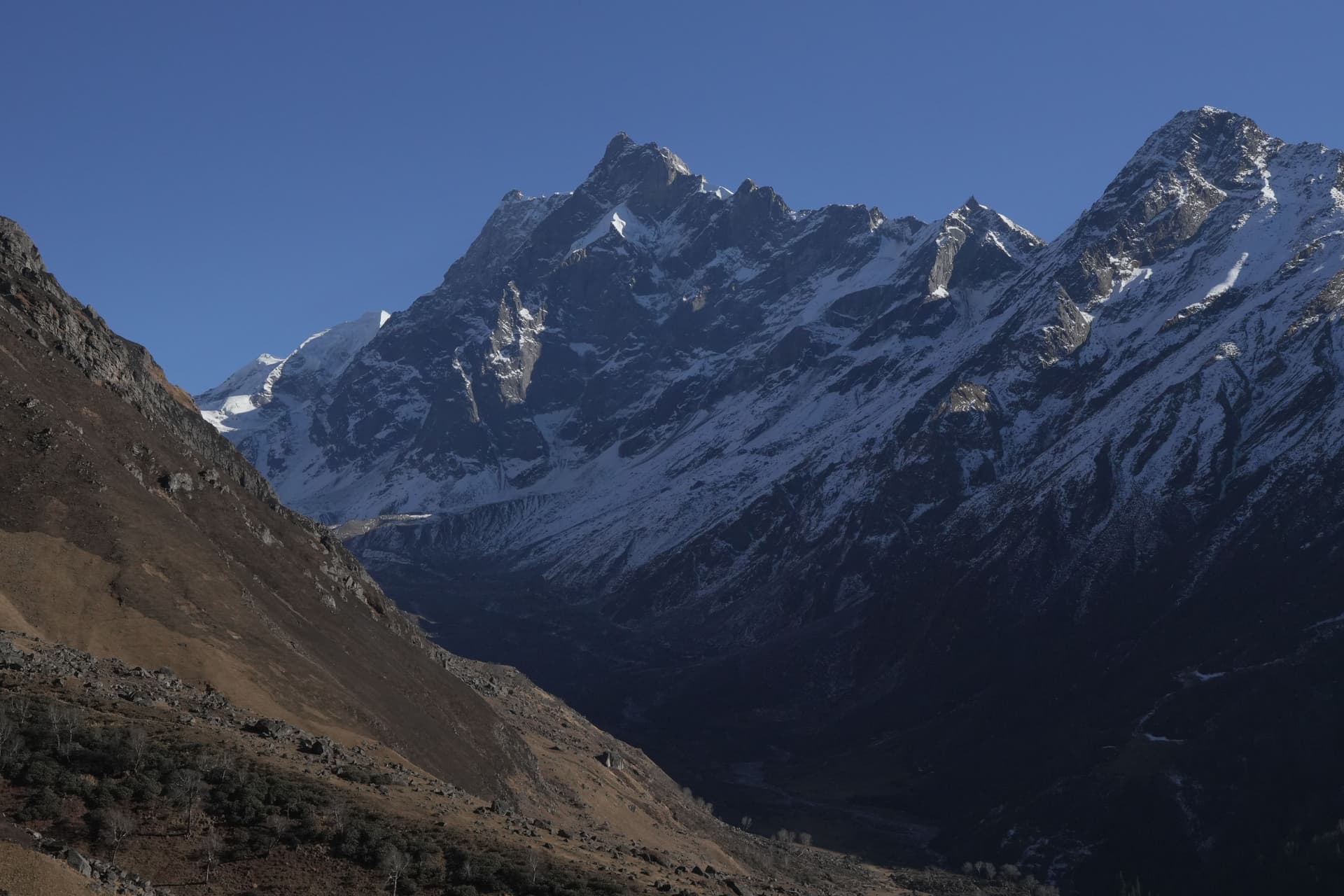 Trekkers Corner and Space
By Nanda Rawat|Feb 13, 2026
Himalayan Culture and Life in the Mountains | Traditions, People & LifestyleThe Himalayan Mountains aren't just about snow peaks, glaciers and stunning scenery. They're home. It's the home of lively traditions and ancient cultures and some of the warmest and friendly people you'll meet. In Trekup India, we believe that the heartbeat of a trek is not just in the trail and its surroundings, but in the people who make it. Their smiles and customs-made food and family celebrations, folklore, and festivals create the Himalayan trek an unforgettable experience. This is a deeper glimpse into the everyday life of the Himalayas and more than 30 hikes that don't just walk along the mountains, but meet mountain people. This is an overview of the treks in India's regions where interaction with culture plays a an important role in the experience you have Trekup India.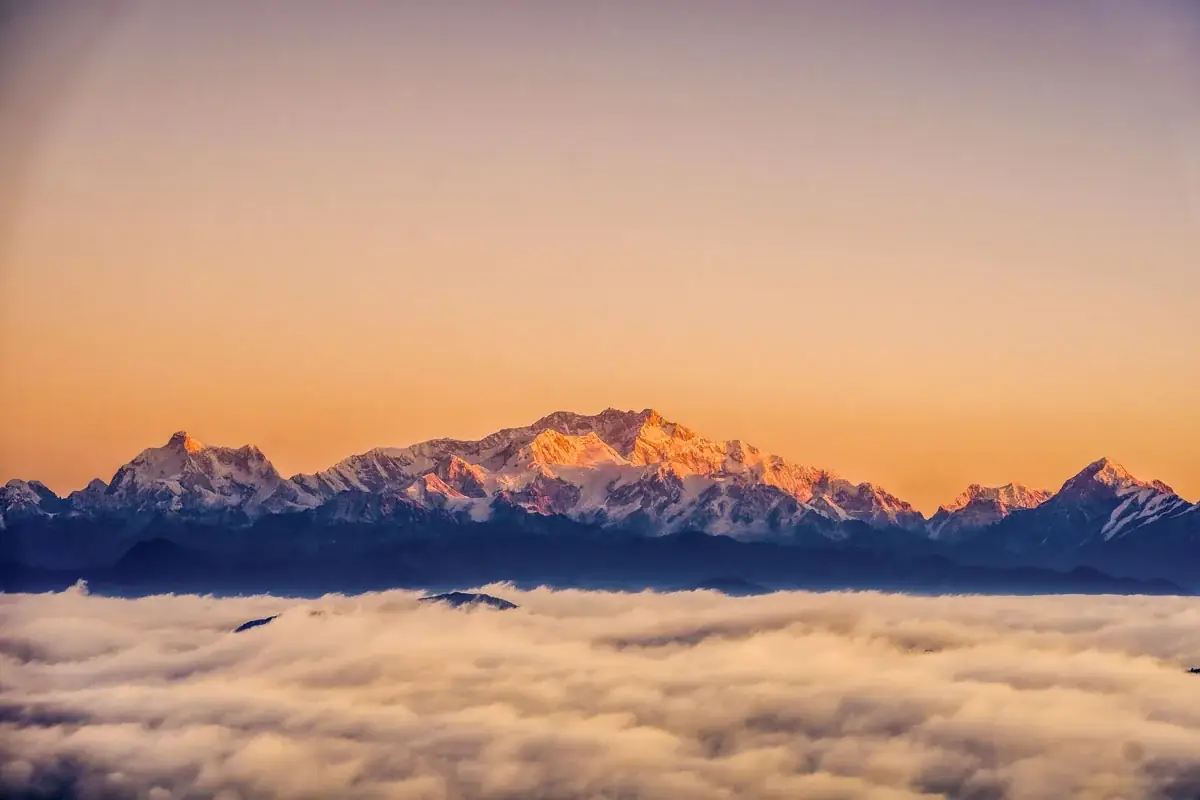 Trekkers Corner and Space
By Preetam Singh Rawat|Feb 13, 2026
Sandakphu or Goechala? Choosing the Perfect Himalayan Trek for YouLet's discover the reason Sandakphu is a must-visit place for adventurers who are intrepid. I'd like to share a few personal experiences that prove my argument. I'm certain that my reasoning will convince you before I'm finished. It is amazing the lack of attention Day 1 receives in discussions. The areas of forest are extremely dense, allowing only a tiny amount of light to penetrate the ground. The denseness of the forest could fool you into thinking it's the evening. As the forest opens to a meadow, you get the sight of the Sleeping Buddha for the first time. In the following three hours it is revealed that the Sleeping Buddha appears to play playing hide and seek with you. When you reach Tumling the Buddha, you are greeted by an unobstructed view of the sleeping Buddha. The Sandakphu trek is a glimpse of the experience of trekking in Nepal without having to build a camp or search out a spot to rest. The comfortable accommodations, like wooden lodges or basic huts, offer comfortable bed and blankets that are warm, creating like luxury. At Tumling our club, there are windows that provide an unobstructed view of the magnificent Sleeping Buddha. The magnificent mountain peaks of Mt. Kangchenjunga, Kumbhakarna, Pandim, and Kabru (North, South, Dome) make an eerie resemblance to the Lord Buddha at rest. This place will remain in your mind for one day and through the four-day trek. When you are standing at Phalut the mountains seem like they are at hand, their proximity giving you a sense of awe and wonder that's hard to remove. The third day of your trip you'll travel to the breathtaking Singalila National Park, where you'll get to take in the stunning beauty of the fiery red Rhododendron trees that are ablaze in colors in the months of March and April. They provide a crucial habitat for the mysterious Red Panda, a species that is currently in danger of disappearance, with an estimated wild population of just 10,000 individuals. While you walk along the path you may be lucky enough to spot these fascinating creatures. This will surely make your visit unforgettable. Sandakphu is one of the few places on the planet where towering peaks of an altitude of 8,000m can be observed. In addition, it provides stunning views of Everest, Lhotse, and Makalu and also the chance to look out over the route in the horizon for the remainder of your hike. The vast views from Sandakphu are truly stunning. At Sabargram mountain lovers will find the most spectacular viewpoint. Sabargram is one of the very few campsites that allow you to stay in tents in the Himalayas, awe-inspiring mountains. When you open your tent you'll be welcomed by the breathtaking view of the world's most awe-inspiring peaks, an unforgettable experience for anyone who is a mountaineer. The trek to Gorkhey is a walk through a beautiful forest with an array of trees, including bamboo, rhododendrons, and the brown oak. The forest floor is covered with oak nuts which are the favorite food item for red pandas. A walk in the woods refreshes you and eases your fatigue, despite the long hours. Gorkhey village is situated in an open area that is with dense pine forest. A beautiful river runs through the city, creating a stunning view as one walks towards it. Samanden located just within an hour of Gorkhey it is a stunning village dotted with charming wooden houses and abundant vegetable farms, beautiful gardens, and tiny clusters of pine trees which enhance the beauty of the area. I would love to set up an apartment in this idyllic village. The next step after Samanden would be Ramam. With a bit of reluctance, you take your journey to an end at Sepi.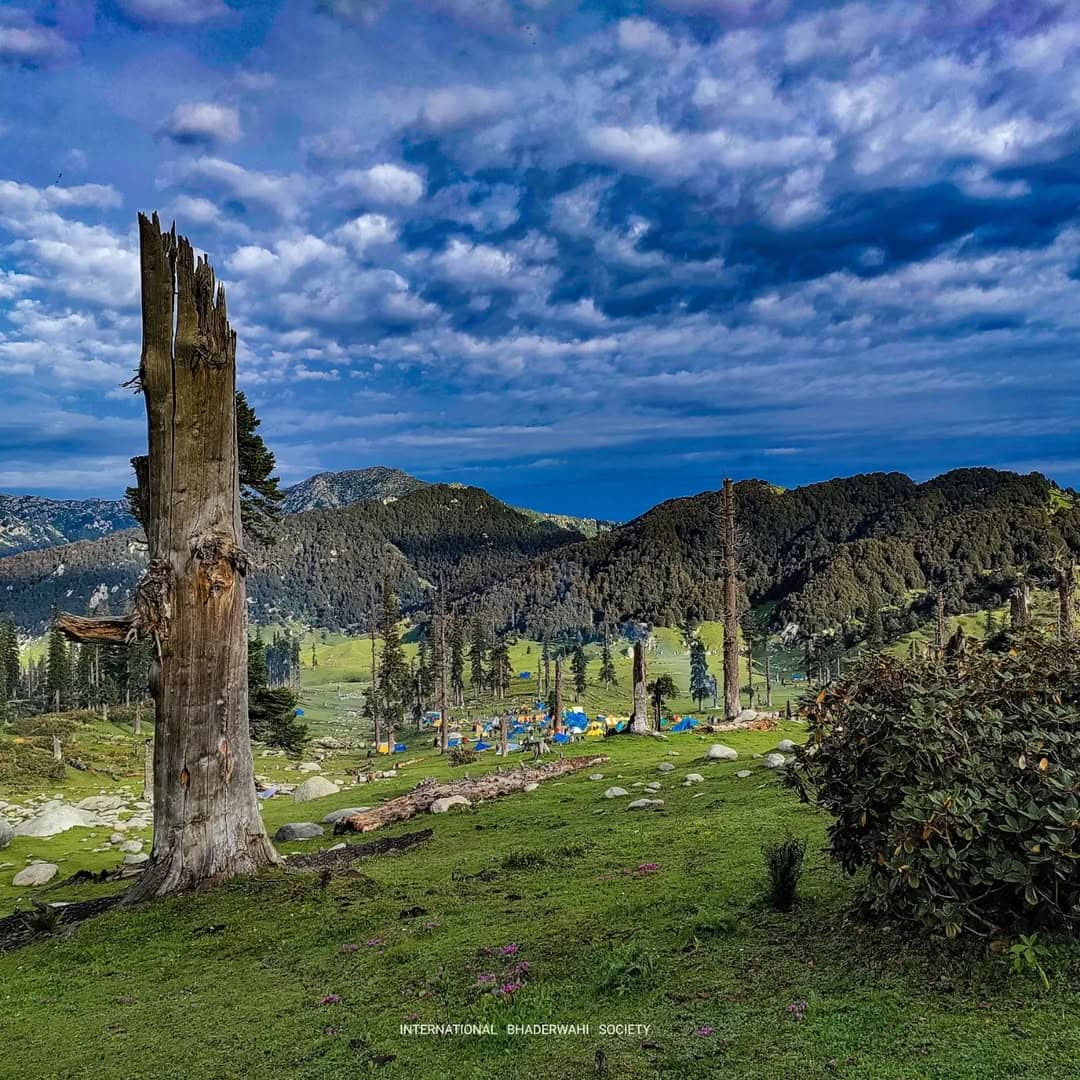 Trekkers Corner and Space
By Preetam Singh Rawat|Feb 13, 2026
Kailash Mansarovar Yatra: Where Devotion Meets Himalayan SerenityThe Kailash Mansarovar Yatra is an extremely spiritual journey through the Trans-Himalayas that draws pilgrims and those seeking the personal awakening they seek. It is adored by Hindus, Buddhists, Jains as well as Bon devotees, Mount Kailash is revered by all four major religions and traditions as a symbol of divine energy, and close by Lake Mansarovar is famous for offering purifying waters to rejuvenate souls. A yatra is not just an excursion. It is an transformative spiritual journey that focuses on endurance, both physical and spiritual. A hike through Mount Kailash -- including Dolma La Pass at a high altitudes -- can make pilgrims undergo physical tests while also reviving their souls. The pilgrims return not only with memories of stunning landscapes, but also with renewed feelings of peace, harmony and connection too. Selecting the right adventure company is crucial to ensuring an enjoyable trekking experience. Trekup India provides enjoyable and well-organized treks that are designed to ensure that a thrilling adventure is truly enjoyable and worthwhile. In Trekup India, our primary priority is your security and security in all aspects of your trip, from comfortable transportation to meticulously planned routes. When you choose Trekup India as your tour service, every aspect will be taken care of to make your trip as enjoyable as it can be; from comfortable transportation to carefully planned routes, each aspect is managed to ensure that your trip runs smoothly. When you travel with Trekup India, your trip is accompanied by comfortable accommodations professional guides, comfortable accommodations and expert acclimatization programs designed to enhance your the spiritual experience, so that you can solely focus on enjoying the stunning mountain beauty without stress or problems! Each aspect is thought-through to allow everyone to focus on enjoying the scenery without worrying about anything. In the end, Kailash Mansarovar Yatra can be a memorable journey that will leave more than pictures behind: lasting memories are also made. If it's a spiritual awakening or an adventure that has brought you here, each step will reveal breathtaking landscapes and ancient places of spirituality. The ever-changing colors as it makes its way through Mount Kailash will leave you amazed at the wonders that Mother Nature is creating around us. Kailash Mansarovar Yatra is an amazing spiritual experience that takes you on a journey to Mount Kailash, an acclaimed Himalayan mountain which holds significant significance for all faiths. The mountain is considered to be the home of Lord Shiva himself and often regarded as a cosmic center, Mount Kailash attracts millions of pilgrims every year who come to its sacred shores due to its breathtaking views and stunning surroundings. There are also the chance to grow personally! This trip is more than a way to an end, it gives us the opportunity to be awestruck by the beauty of nature all around us and discover its spirituality through the Himalayan trek. The trek passes between Nepal and Tibet along the way is lush valleys, rugged scenery and jaw-dropping mountain passes, such as Dolma La and Mayum La with stunning views of pure nature, unspoiled. Every trip will be filled with unforgettable memories. will include watching the amazing changes in mountain hues. From sparkling white during the morning and golden hues at sunrise and sunset, with a few hints of red; peak has stunning displays. You also have the opportunity to participate in the Charan-Sparsh rite that involves touching the sacred peak to further enhance the spiritual experience already in place! Lake Mansarovar is another must-see during any journey through the Himalayas. It is clean and elevated, it's sacred within the Hindu religion because of this alone! The holy water of Lake Mansarovar cleanses the soul from any sinning they might have committed, while enjoying the many benefits that the journey gives you in terms peace and beauty. Lake Mansarovar sits 4,590m atop an edifice and is considered to be one of the world's highest freshwater lakes that are adored for their cleansing properties physically and spiritually. A ritual bath in its water is regarded as a highly spiritual for many believers who believe that drinking the sacred water will provide blessings from God and cleansing of the inner. This holy pilgrimage is widely regarded for being one of the most difficult pilgrimages due the harsh weather, steep peaks and a rugged terrain. Travelers with courage must negotiate Dolma La Pass, which is 5,645 feet high and push their physical and mental endurance to the limits! Pilgrims who are fervently religious undertake their pilgrimage with unwavering faith, determination and vigor which makes for an unforgettable adventure. Because of its physical demands Kailash Mansarovar trekkers can enjoy a profound experience that can be transformational for many participants - bringing new insights and increased self-knowledge and powerful feelings of spiritual bonding with their spiritual communities. Additionally, its stunning Himalayan landscape is an inspiring backdrop for contemplation and spiritual development. Kailash Mansarovar region holds great spiritual significance for all religions and religions, but especially Hinduism as well as its adherents, in which Kailash Parvat is worshiped as the place to honor both Lord Shiva and Goddess Parvati, which makes the site a sacred pilgrimage for those who believe in Shiva. According to the legend bathing in Mansarovar Lake's holy water can cleanse any sins and restore purity. On this trip you'll be visiting the Gaurikund Pond of sanctity in which goddess Parvati would bathe and the location where Lord Ganesha first appeared. Buddhist practice believes Kailash Parvat to be the center of cosmic energy, and is a place with a significant spiritual significance. there, Buddha was believed to have contemplated. Additionally, Bon and Jain practices consider this sacred mountain, which is revered with great respect as a place spiritually significant. The ideal time to start this sacred pilgrimage is in the monsoon time especially between July and August. One major benefit of hiking during these months is the clear views of Mount Kailash - this makes trekking a lot more enjoyable, comfortable and beautiful simultaneously! The weather generally stays steady, with stunning views of the landscape being provided to tourists looking at Mount Kailash at its best and temperatures are generally more manageable in comparison to the brutal winter cold. Kathmandu Before you embark on your journey to Tibet Take a moment to visit Kathmandu the capital of Nepal, a vibrant city, known for its ancient temples, fascinating traditional culture, stunning architecture and bustling main streets. If you are you're in Kathmandu go to the Pashupatinath temple and participate in the Rudrabhishek ceremony, which is a pilgrimage that is believed to honor Lord Shiva who can remove obstacles, bring wealth and strengthen the spiritual bonds within people. Friendship Bridge Friendship Bridge, situated between Nepal and Tibet is an entrance into Tibet's fascinating landscape. It offers breathtaking views from the Kerung River and mountain ranges. After crossing this stunning bridge into Tibet you will experience its deep spiritual fervor as well as its stunning natural beauty in person. Mansarovar Lake Lake Mansarovar is a unique tourist attraction along the way, famous for its crystal clear water which reflects mountains that are covered with snow. The water at this altitude is believed to cleanse past sins and purify the spirit of one's self providing peace and tranquility in a serene space of peace and tranquility. Participate in the Mount Kailash Parikrama for an incredible spiritual journey that spans around 50km, beginning in Yamdwar and concluding in Chongdo. This difficult trek provides stunning views of Mount Kailash as well as the chance to see its heavenly feet, often known as local names Charan Sparsh. For those who believe in God, this trek is vital as it brings the pilgrims closer to Lord Shiva himself. The serene water of Gauri Kund is revealed as one of the most sought-after lakes from Hindu mythology, and is connected to Goddess Parvati. In Hindu belief Parvati bathed in this lake and is believed to have had the birth of Ganesha. Ganesha there. The tranquil lake's surrounding of rugged rocks is truly stunning! Kailash Mansarovar is more than just physical experience. It is also an incredibly spiritual experience that people find transformational. Visitors gain awareness of their own in a clearer way, and a greater connection to God All this is set against a tranquil Himalayan backdrop that promotes meditation and peace.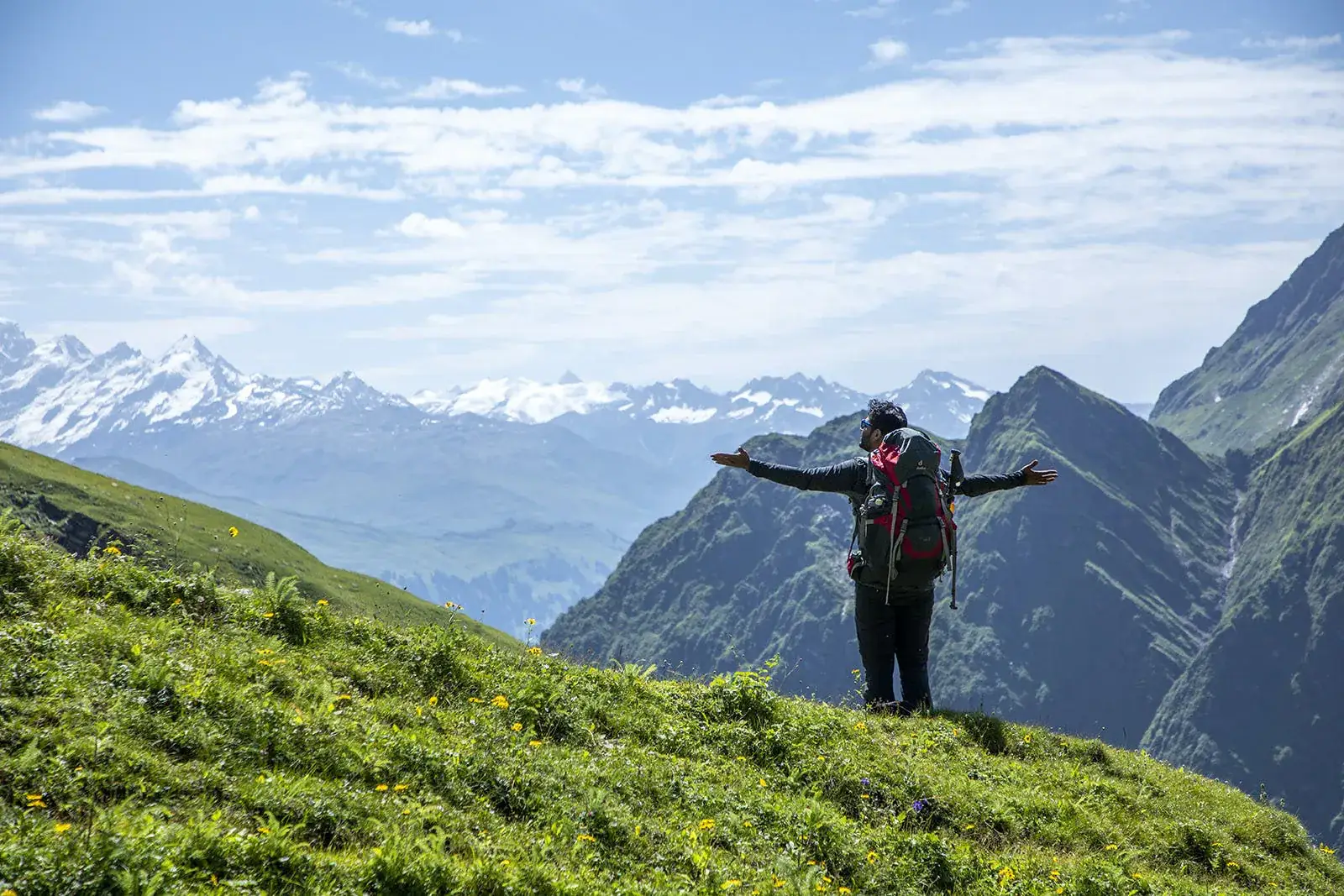 Trekkers Corner and Space
By Nanda Rawat|Feb 13, 2026
Beas Kund vs Bhrigu Lake: Which Trek Should You Choose?Beas Kund and Bhrigu Lake offer an amazing glimpse into Himalayan trekking experiences, providing breathtaking panoramic views of the Dhauladhar as well as the Pir Panjal Mountains. The trails are dotted with stunning meadows, snow-covered mountains, and a variety of lakes to provide an enjoyable experience. The lakes are located in Himachal Pradesh close to Manali The treks are becoming more well-known as a shorter trek option, but both have some challenges that may hinder making the right choice for you. This article provides a thorough comparison of Beas Kund and Bhrigu Lake, with special focus on their distinct characteristics, in order to help you make an informed choice when planning an excursion. Himachal Pradesh and Bhrigu Lake provide the chance to enjoy an unforgettable two-day trek through the Himalayas. Beas Kund's smooth terrain and gentle inclines make an ideal starting point for new walkers or families and those who are looking for a relaxing river stroll, with vast meadows, a tranquil camping trip, or stunning Himalayan views. In contrast, Bhrigu Lake's more difficult trail, which has steep ascents and quick elevation gains, is perfect for those who are fit or experienced travelers seeking stunning Himalayan views. Beas Kund is associated with Rishi Vyas and Rishi Vyas, while Bhrigu Lake is dedicated to Maharishi Bhrigu; Beas Kund has a more accessible and serene landscapes, but Bhrigu Lake is more challenging trekking trails at higher altitudes with stunning views. Be sure to take your level of fitness, preference for views, and the determination to push yourself to make a decision one of these options. Each is sure to be an unforgettable mountain experience. The Beas Kund trek covers 32 kilometers and reaches 3700m and the Bhrigu Lake trek covers 29 kilometres. Both trails eventually reach 4267 metres in elevation. The first 7 kilometers are an easy climb; Beas Kund trail features an arduous moraine crossing that requires focus and agility to navigate safely. Additionally extra vigilance and care must be practiced during the route to avoid accidents caused by inability to balance or a misalignment. Beas Kund offers breathtaking vistas of Hanuman Tibba, Friendship Peak, Ladakhi, and Shitidhar that will make you swoon. Bhrigu Lake is situated at an incredible elevation and offers breathtaking panoramas, which include Seven Sisters, Hanuman Tibba, Deo Tibba, Beas Kund Valley and Hanuman Tibba itself. These stunning views will capture your attention and inspire you to keep on the path ahead. Each trail offers a unique landscape. Beas Kund is a the rugged terrain, with outcrops and rocks of rocks during summer and covered with snowfall during winter. The Bhrigu Lake route boasts an stunning landscape. From coniferous forests to expansive meadows that seem to be endlessly vast. Each trail is unique in its beauty that will continue to surprise you! Beas Kund as well as Bhrigu Lake have become popular destinations for trekkers who are new because of their accessibility. Although they are not popular every year, these trails attract hundreds of hikers. Bhrigu Lake trails are lined with Oak, Birch, Cedar and Pine trees, as in addition to Rhododendron as well as Juniper shrubs. Other frequent guests comprise Magpies, Swifts, and Woodpeckers! You may also be lucky enough to spot the occasional bear! When you first start trekking through Beas Kund Valley, you will encounter Fir and Spruce trees, before you will encounter more Juniper trees as you climb. Additionally, this region is the home of Monal, the official bird of Himachal which makes this area a great spot for bird-lovers! Beas Kund and Bhrigu Lake offer thrilling mountain experiences, with stunning views that make the perfect base for future Himalayan adventures. We hope the details we provide can help you make an informed choice based on information that matches your interests. Should any assistance be needed we can help you. our team of support.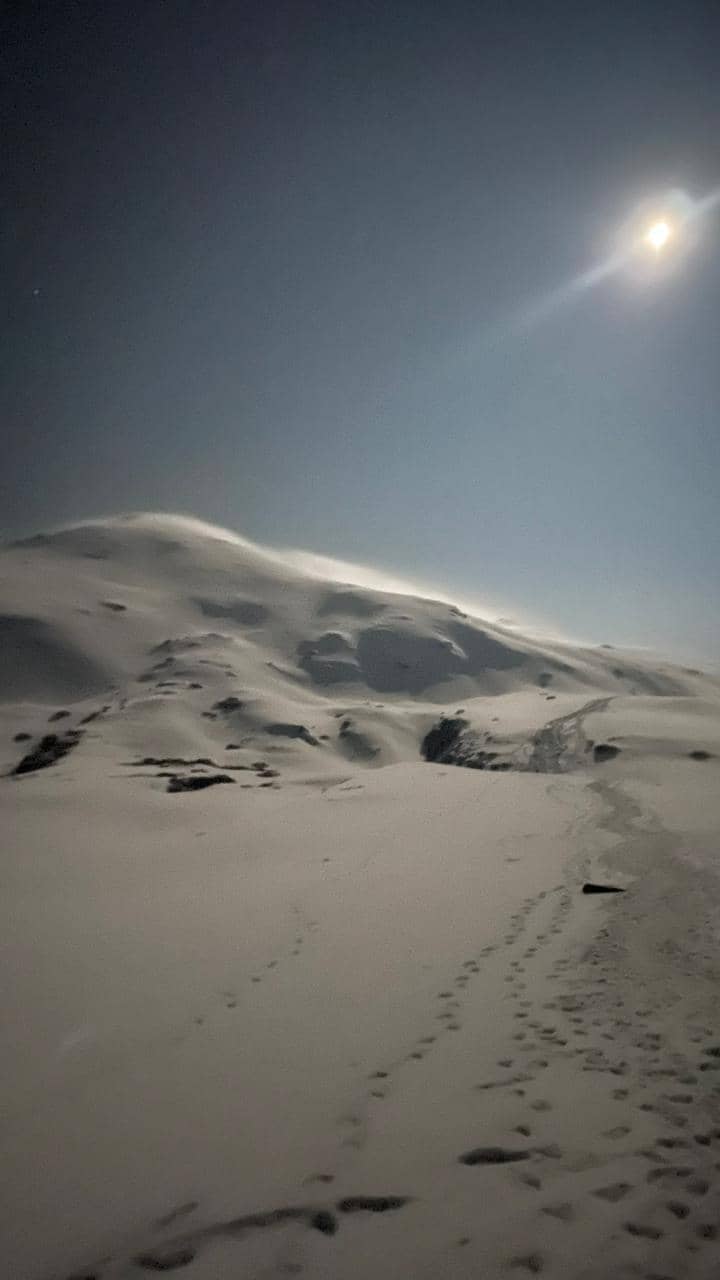 Trekkers Corner and Space
By Nanda Rawat|Feb 13, 2026
Kedarkantha vs Brahmatal: Which Is the Best Winter Trek in Uttarakhand?Uttarakhand provides Brahmatal as well as Kedarkantha as the ideal place to start for beginning Himalayan trekkers looking to set out further. The trails are open during winter, offering trekkers the chance to explore these majestic mountains. Treks offer breathtaking views of mountains that are covered in snow and also meadows and night skies covered in snow, which will create lasting memories that will surely be enthralling. Their rugged beauty will draw visitors to return for more adventures. Choosing among a variety of treks may be a challenge however this article will highlight the distinctive characteristics of each while describing the ways in which they share differences, despite their distinct attractions. Brahmatal and Kedarkantha offer amazing treks in wintertime in Uttarakhand with breathtaking snow-covered trails through forested paths and stunning Himalayan views, providing unique experiences. Brahmatal is a haven filled with frozen lakes, ridgelines open to the air and serene camping spots that are a perfect spot for those who appreciate peace and vast landscapes. Its length is a little more and its gradual slope makes Brahmatal an ideal spot for those seeking solitude and peace between December between December and March. Kedarkantha is often referred to as the "Queen of Winter Treks" is a smaller but more challenging trek that is ideal for those who are new to the sport and for shorter winter treks during holidays. It has an exhilarating top as well as lively campsites like Juda Ka Talab. It is ideal for winter treks that are short and brief during holidays, such as the period from mid-December to February, where temperatures remain cold enough. Kedarkantha summit provides stunning mountain views of a variety of Himalayan mountains, including Bandarpoonch, Black Peak, Swargarohini and Ranglana in the Gangotri and Yamunotri ranges that showcase their breathtaking beauty against a breathtaking sunrise view. Brahmatal as the top point provides stunning views of Mt Trishul, Nanda Ghunti, Chaukhamba, Neelkanth Kamet Hathi Ghoda, and others that have played important role in Hindu mythology. These views are truly an amazing experience, and one can feel the immense impact they have on this ancient landscape! Kedarkantha and Brahmatal Treks start in small towns before moving through coniferous forests on well-defined trails. They then open to vast meadows that offer breathtaking panoramas of the Himalayan Mountains. Both trails take you to peaceful lakes that are hidden in mountains that are hidden in the vicinity of campsites. both trails have breathtaking ridges that offer views of snow-capped peaks which makes it difficult to look away from Brahmatal Peak. The trails offer stunning snow-covered terrain, which requires strenuous upward climbs in order to get to the Brahmatal summit. Kedarkantha is now becoming increasingly popular, drawing large numbers of trekkers every New Year's Eve, as they try to catch the spectacular sunrise that marks the beginning of a new year. In addition, an increase in trek operators draws large crowds of tourists on their trails during the winter which leads to overcrowding on some trails, including Kedarkantha in comparison to Brahmatal which is more suitable for beginners, despite being more popular than its counterpart. Brahmatal Forest as well as Kedarkantha's lush forest is full of active wildlife and plants as well as wildlife that live in both areas. Rhododendron and Oak trees flourish on both routes. Kedarkantha is home to Chir Pine as well. Brahmatal has dense conifer forests such as Cedar and Fir close to Gujreni campsite. If you're fortunate, Black and Golden Eagles can be seen flying out of Judato over Lohajung down the Brahmatal Route. Birdwatchers enjoy these routes too as both routes are home to exotic species, including the Himalayan Monal, which inhabit these regions. When you are deciding between Brahmatal and Kedarkantha make sure to keep these factors in your thoughts. Both treks are breathtaking as they lead visitors deep into the mountains before taking them to their summits for stunning panoramas and additional Himalayan adventure. Our article should provide you enough information about the different treks so that your choice is based on your personal preferences. should additional assistance or advice be needed We are here to help! Trekkers Corner and Space
By Nanda Rawat|Feb 13, 2026
Top Reasons to Choose the Brahmatal Trek This WinterBrahmatal Trek in Uttarakhand's Garhwal region is widely thought of as one of the top winter treks within the Himalayan Mountains. From December to March the trek transforms into an icy paradise full of frozen lakes, pine forest and breathtaking views of mountains like Mt. Trishul and Nanda Ghunti. For those who are just beginning to trek and who are new to camping trips It offers moderately difficult hikes, camping spots in abundance without crowds, and significant historical significance and camping spots abundant which makes Brahmatal the ideal winter travel destination. Brahmatal Lake is an amazing glacial lake that is even more stunning when it reflects the stunning mountains that hang over it. It stands out from other trekking destinations. The Brahmatal trek is a unique adventure, giving trekkers the chance to walk along a tranquil lake, surrounded by mountains. In winter, the area transforms into an ice-covered wonderland covered in snow-capped peaks, creating an amazing view. For an unforgettable winter trip on the outskirts of India include the Brahmatal trek to your bucket list. The trek is known as one of Uttarakhand's most prestigious treks in winter, the Brahmatal trek reveals its stunning beauty during winter months like the months of December and February when snow-covered landscapes blend with tranquil surroundings to make for a memorable trip. The Brahmatal trek takes you through lush forests, that are dominated by rhododendrons as well as oak trees. It is followed by coming on stunning peaks covered in snow that transform into an amazing winter landscape following their first snowfall of the season, with each step leaving a mark of this stunning white panorama. As you climb towards Brahmatal Peak, the majestic Himalayan Mountain ranges unfold before you in a stunning view. As you ascend higher and higher to reach this amazing location, vast landscapes unfold before your eyes, offering stunning views as well. At its peak is Brahmatal summit, where breathtaking views and the fresh mountain air will awaken your senses to refresh the experience of travel and enrich your trips alike. Brahmatal is famous for its mythological significance as well as its spiritual importance to Hindu followers. "Brahmatal" is a reference to Brahma's Lake in homage to Lord Brahma - Hindu mythology's God of Creation According to local legends, he made it to collect pure water to write the Vedas there. He also meditated for long durations of time. This was the reason for this sacred place to Hindu followers. Brahmatal Trek is thought to be one of the best winter treks in India for those who are new to the sport. It is classified as easy moderate, this trek offers plenty of challenges and thrills for experienced and novice trekkers alike. Although trekking by itself might not be considered to be difficult however, factors such as elevation rise and weather that is unpredictable could cause some challenges. However, its stunning views of snow-capped Himalayan mountains like Trishul, Nanda Ghunti and Maiktoli make it an appealing option for winter treks. The Brahmatal trek is 24 km and reaches its peak at 12,250 feet. It begins from Lohajung and moving on to Ristreksh via Lohajung through gentle slopes and steep hills with straight sections that allow for easy travel. It also includes dense oak-rhododendron woodlands as wide grasslands as well as slippery trails. three days will bring daily climbs of between 4-5 kilometers and on day four we will cover greater distances at lower altitudes to allow for a more comfortable hike! This trek is classified as a moderately to easy difficult hike, but conditions like snow can pose additional obstacles. These obstacles add excitement and adventure to this thrilling trip.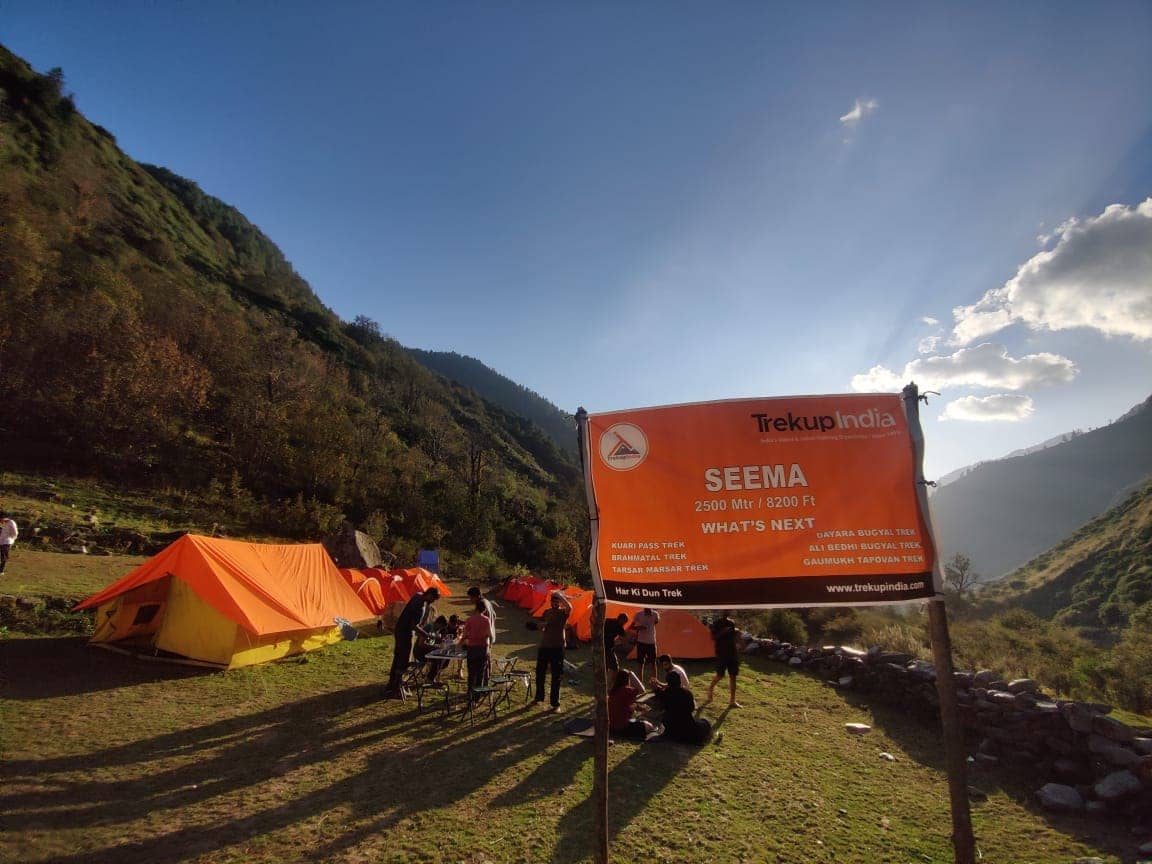 Trekkers Corner and Space
By Shivam Shingari|Feb 2, 2026
Fueling Your Trek: High-Altitude Nutrition & HydrationTrekking at high altitudes – whether in Ladakh, Uttarakhand, or Himachal – requires more than mere determination. Cold, thin air temperatures and increased exertion mean your body needs more calories to stay hydrated, as dehydration speeds up the digestion of foods; so having an appropriate diet and water intake plan in place is vital to keep yourself safe while trekking the mountains of the high Himalayas. To aid digestion while trekking at high altitudes, select food items with easy digestion processes. Breakfast: Porridge + dry fruit + hot tea Lunch: Rice/roti, Dal, Vegetables, and Pickle or Chutney. Dining: Enjoy light but energy-rich foods such as soup, khichdi, and paneer or boiled egg for lunch. To maintain energy levels during a trek, snack smart and regularly. This will keep your energy at an even level throughout. Top Indian snack options for an outdoor adventure: Roasted Chanada, energy bars with jaggery peanuts, Till Larddus dry fruit (dates, raisins, almonds, etc). Be wary of: Sugar-loaded candy bars or oily snacks, which may hinder digestion. Mix of proteins and carbs for muscle recovery: Examples are boiling potatoes with eggs or rice with dal, or even energy bars served with warm milk. Drink 500 milliliters of water before beginning your trek – don’t wait until thirst strikes before taking action, because by then dehydration has set in and could have already started its work on you. Your goal should be to hydrate daily at higher altitudes using three to four liters of water. Make sure to use insulated bottles so as to prevent freezing from taking place. Be sure to add an electrolyte powder, sugar, and salt mix or OR (electrolyte powder) every time you consume 1-2 Liters. Drinking lemon water, herbal tea, or hot plain water helps improve circulation while keeping you hydrated. Caffeine can act as a diuretic. Therefore, avoid overconsuming it as this will irritate your bladder and make you sweat more than necessary. A healthy diet will not only boost your exercise routine, but it is also your primary defense against challenges at higher altitudes. When trekking Stok Kangri or the Kashmir Great Lakes Mountains, nutrition and hydration decisions could make or break your trek. At high altitudes, your body is constantly adapting and healing itself. Load up on carbs before your trek; select energy-packed food that’s easy to digest; drink lots of water frequently and maintain an energy boost with recovery food like healthy snacks, warm beverages, or recovery meals; this ensures your body will withstand the elements more readily and stay on the trail longer. This also helps avoid fatigue-related ailments like dizziness, muscle loss, or acute mountain sickness (AMS). Trekking is a holistic experience; taking proper care to fuel and hydrate properly allows you to fully experience India’s high trails while truly appreciating their landscapes, cultures, and challenges. Be sure to fuel appropriately while drinking plenty of water regularly throughout your trek – this way, your strength increases step by step.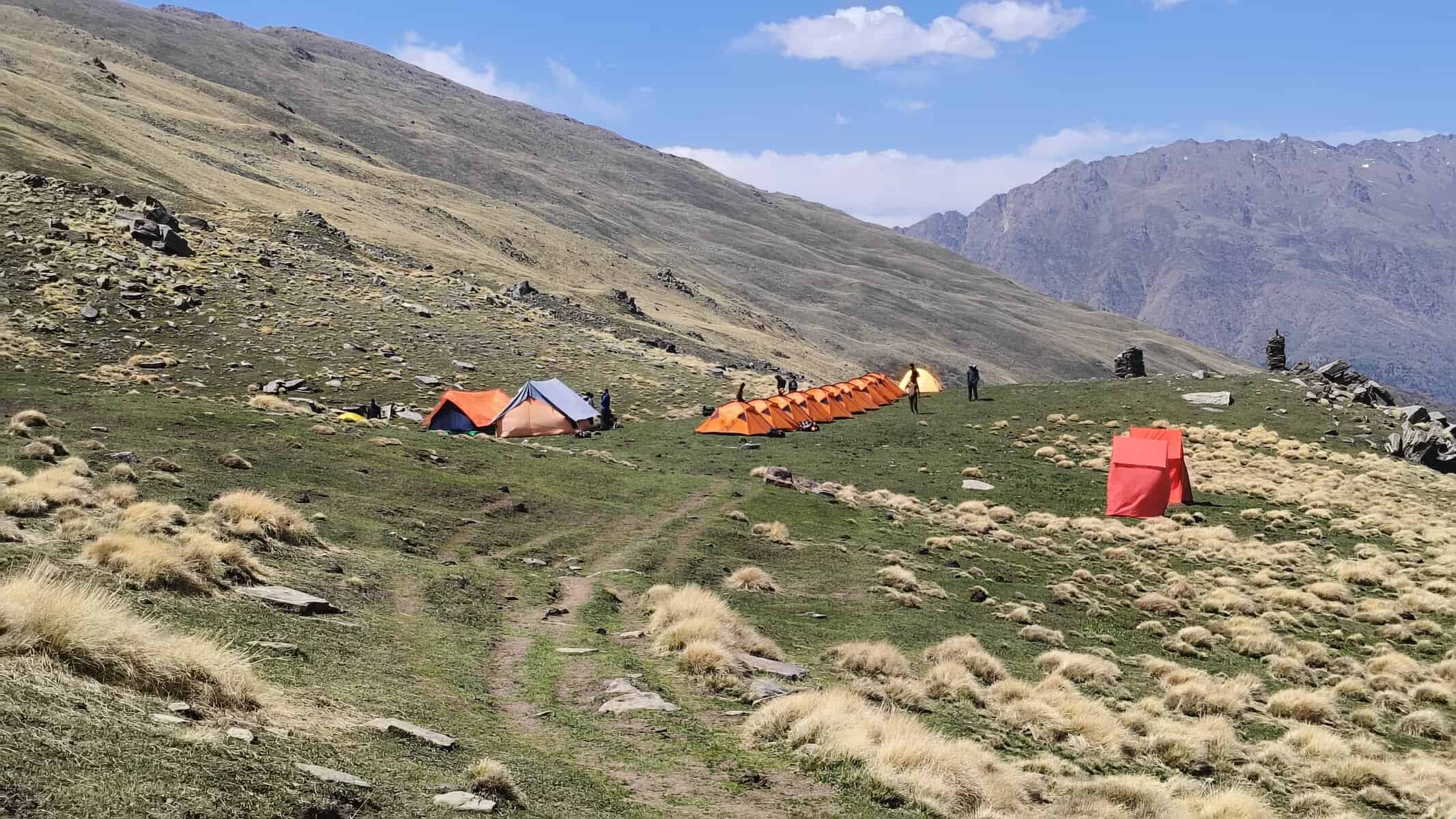 Trekkers Corner and Space
By Preetam Singh Rawat|Jan 25, 2026
Is Trekking Expensive? The Real Cost with Trekup IndiaThe idea of trekking to the Himalayas is a dream of many, but a problem that keeps people from it is – “Is trekking expensive? “ The answer? It depends. Costs for trekking can be wildly different, ranging from budget friendly DIY treks to luxury guided treks. Trekup India is a company that believes in making trekking affordable. Trekup India, we think that trekking should be accessible to all, and by planning it well you can enjoy the Himalayas without breaking the bank. Let’s discuss the actual costs associated with trekking and the best way to reduce it. Quality equipment is essential to ensure safety and ease of use, however you don’t have to purchase everything in one go. Trekup India’s Smart Tip: The journey to the Himalayas can be an enormous expense, but it all depends on the location you begin: From Delhi to Popular Trek Bases: Budget Saving Tips: The majority of Himalayan treks need permits and the permits may vary by region. Trekup India Advantage: If you book with us: Why Choose Trekup India’s Camping Treks? Our Recommendation: First time doing trekking of experienced? Go guided for safety and convenience. At Trekup India, we strive to make Himalayan trekking accessible, cost effective, and safe – without losing out on the experience. Are you ready to begin with your adventure? Check out our next treks and discover the ideal one that fits your budget! Upcoming Treks