
Prev
1 / 9
Next
 Trekkers Corner and Space
By Nanda Rawat|Feb 16, 2026
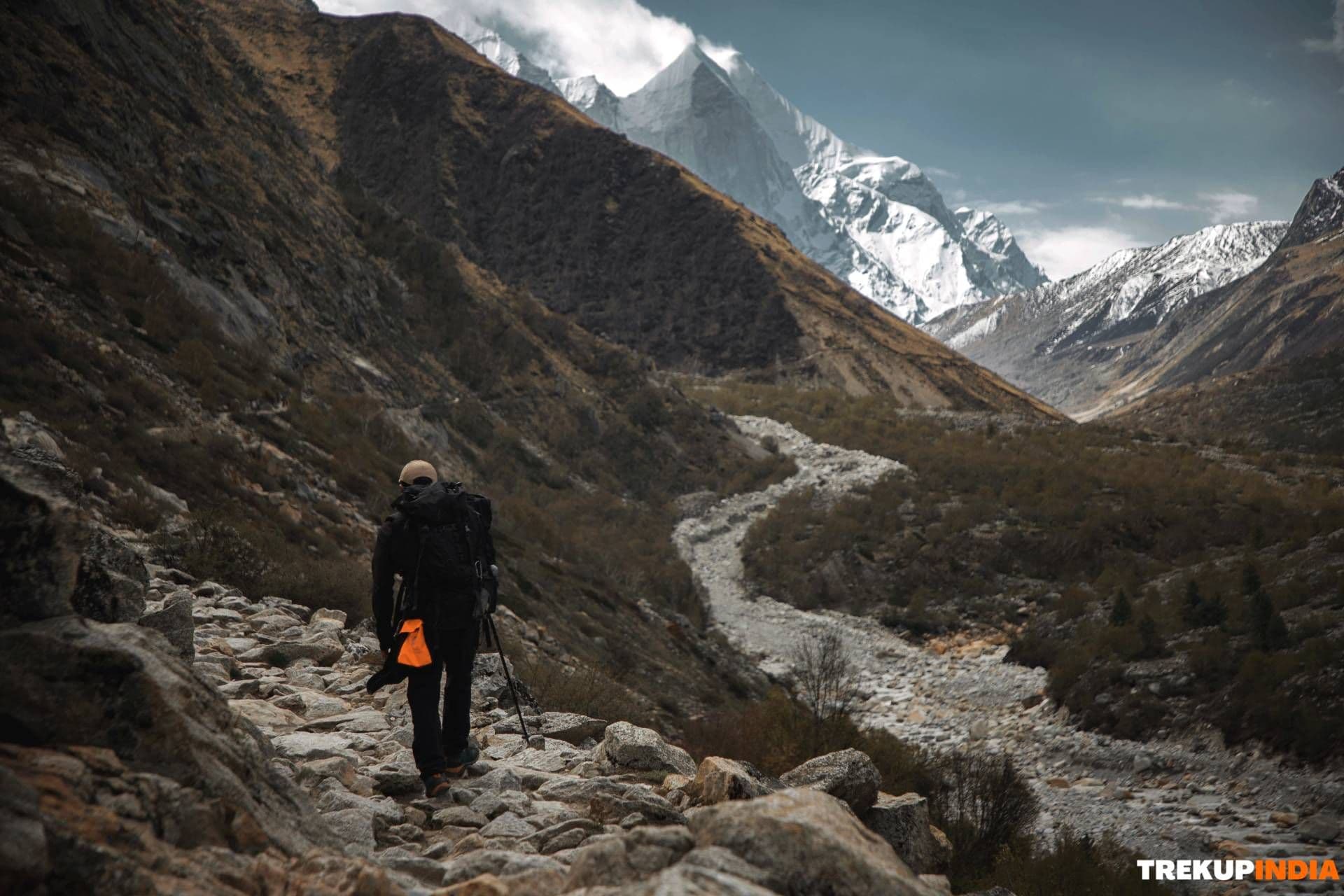
A Tale of Bravery and Brotherhood on the Gaumukh Tapovan TrekEvery trekker embarks on an adventure to explore the unknown, seeking the thrill of the wilderness and the challenge of the climb. But sometimes, these Adventures take an unexpected turn, becoming stories of profound courage, camaraderie, and human resilience. This is one such tale—the journey of an adventurer, Mr. Rajarshi Das, who found himself relying not just on his strength but on the unbreakable spirit and compassion of our trek leader, Mr. Nitin Rana, and our porter, Mr. Anil. Together, they overcame unforeseen challenges on the rugged trails of Gaumukh Tapovan, creating a bond that transformed this trek into an unforgettable experience of Rajarshi. On October 19, 2024, Mr. Rajarshi set out from Dehradun with high hopes and excitement for the challenging trek ahead. Halfway through, however, an unexpected hurdle threatened to bring his journey to a halt—the sole of his shoes gave way on the rough trail of Gaumukh Tapovan Trek. They tried every makeshift solution, using the last of their adhesive to patch it up, but Nitin quickly realized this wouldn’t hold against the more challenging paths still to come. In that critical moment, he made a brave decision; Our Trek Leader Nitin took off his trekking shoes and offered them to Rajarshi, choosing to wear his damaged pair instead. This simple yet selfless act spoke volumes about his dedication to the safety and comfort of his fellow trekkers. With a renewed spirit and Nitin’s sturdy shoes, Rajarshi continued, able to move forward because someone had quite literally walked a mile in his shoes. But the challenges did not end there. As they made their way along the winding paths to Tapovan, Mr. Rajarshi lost his balance twice, teetering dangerously close to a fall on the narrow trail. Each time, a strong hand pulled his back to safety. It was Anil, our steadfast porter, who stepped in with an unwavering commitment to protect him. With steady hands and unspoken reassurance, Anil not only prevented a fall but took on the added weight of his heavy backpack, shouldering the burden without a moment’s hesitation. His strength and kindness were like an anchor on that unpredictable trail, offering Ms. Rajarshi more than just physical support—a genuine feeling of safety. That evening, as they approached Tapovan, the group faced a harsh and chilling wind. Despite the exhausting day, Nitin managed to arrange a warm stay at Mauni Baba Hut, honouring the group’s request for a peaceful hermitage experience. Also, Nitin left the oxygen cylinder with them for overnight safety at such a high altitude. His quiet but thoughtful gesture was a reminder of the commitment to protecting each other in the mountains, a value shared by everyone at Trekup India. Yet, the actual test of Nitin’s resilience came as they began their descent. The rugged terrain had taken its toll on the damaged shoes Nitin wore, and the soles came off completely. But even then, his determination didn’t waver. With incredible resourcefulness, he wrapped tape around the shoes to reinforce them, hoping it would last. When that, too, became insufficient, he spotted another porter with a spare pair of slippers. Without a second thought, Nitin borrowed the slippers, giving his shoes back to Mr. Rajarshi for the return trek. He walked the remaining rugged trail in the flimsy slippers, each step a testament to his selflessness and his unyielding dedication to the people he was guiding. This wasn’t just a trek; it was an adventure that showcased the depth of the human spirit. Nitin and Anil transformed what could have been a series of hardships into a story of strength and kindship, reminding us all that mountain treks are far more than just a climb. They are about the people who help you up when you stumble, who share your load when it becomes too heavy, and who walk alongside you through every rocky path. Mr. Rajarshi’s gratitude for Nitin and Anil resonates with all of us at Trekup India. We are immensely proud of their heroic actions, and we are committed to recognizing their extraordinary dedication with a special token of appreciation. Their actions have left an indelible mark on us all, showing us the profound impact of kindness, bravery, and the unspoken promise to look after one another. To Nitin, Anil, and every soul who embodies the spirit of the trekking—thank you for reminding us what it truly means to walk these trails together. insta handle of Rajarshi – https://www.instagram.com/thewildretina/ insta handle of Our Trek Leader Nitin – https://www.instagram.com/solotriper_/ Trekkers Corner and Space
By Adhish Bhandari|Feb 15, 2026
High-Energy Snacks for Indian Treks: What to Carry & WhyThe trek requires sustained energy and the right food choices could make the difference between endurance and exhaustion. To Indian trekkers, the balance of the need for nutrition along with convenience and the local taste is crucial. Don't buy expensive imported snacks, here are light, inexpensive and energy-rich Indian snack options that will fuel you for your trek. Chikki (Jaggery + Peanut/Besan/Sesame) A energy booster packed of natural sugars, oils, and vitamins for a calorie-burning snack choice. Protein, magnesium and iron are all found in this dish. A material that isn't melting is ideal for winter hikes for example, Brahmatal or Kedarkantha. Pro Tips: Break food down into bite-sized pieces, then wrap them with foil, so it's simpler to get them while hiking. Roasted Makhana (Fox Nuts) It's a light and intriguing snack to fill you up. Potassium and magnesium can be plentifully available. Easy to digest High-elevation living is particularly well-suited to its advantages. Masala and turmeric provide the possibility of variety and flavor without adding any unnecessary ingredients. Sattu Ladoo/ Dry Sattu Mix A protein and fibre-rich product. Sattu powder is a quick way to transform water into a refreshing drink. Ideal for treks with high energy levels such as Pin Parvati or Bali Pass. Dry Fruits & Nuts Mix Almonds, dates, and walnuts give you instant energy boosters and snacks. Mixes natural sugar with antioxidants, healthy fats and essential oils for the greatest nutritional benefits. Your preferred length and style can easily be made to work. For extra flavor, try adding the roasted coconut or jaggery bits to garnish. Thepla/Khakra Long shelf-life Gujarati snacks Fresh, light and easy to digest food items that are light, crisp and easy to digest. Create a protein and energy combo with chutney powder and peanut butter for the foundation of a breakfast energy bowl. Stuffed Parathas in Foil-Wrapping for Quick Summit Days Wrapped in foil, stuffed parathas make a fantastic lunch choice in the event of a short summit day. Fillings like paneer sattu or aloo can be the energy needed for long periods of time. Consume your food for the next 24 hours to prepare for the day one of your journey Homemade Energy Bars The recipe below calls for energy bars made from scratch that are made from honey Oats, dates and dates with nuts. Be sure you're sure that your food items and sweeteners is within acceptable limits. Vacuum-pack and freeze in order to prolong the shelf life and ensure freshness. Trekup India Tip: Do not use chocolate-coated products in the summer months or when hiking at high altitudes because they could easily melt! Sev Murmura/ Poha Chivda Crisp, Light and Delicious High Carb and Low Oil Mix Ideal for snacking during short stops. Incorporate more protein with soy or roasted peanuts to increase the texture and protein content. Peanut Butter Sachets and Snacks for breakfast and Snacks for Breakfast Brunch. They are packed with calories and healthy fats. It is delicious when served with biscuits, rotis or simply all by itself! They are light easy to carry and compact enough for speedy transportation. Glucose Biscuits/ Digestive Cookies Simple sugar is a readily absorbable source of carbs. Energy bars give you a quick energy boost when climbing hard. Refresh yourself during your time in camp by sipping a tea to help your recuperation. Smart snacking is given added importance when Long summit days (e.g., Goechala Peak or Pangarchulla Peak) require multiple summit days of hiking/climbing/ascending to the peak. High altitude traverses (Pin Bhaba, Buran Ghati) For winter hikes, you need food to boost energy levels. cold temperatures can help reduce hunger, and help keep energy levels steady. Travelling to remote locations (where there could be a only limited access to food, and you must carry additional provisions) will require special precautions as well as precautions to prevent potentially stressful experiences. A good trekking meal doesn't require extravagant labels. All you need are sensible food options that are readily available and have been tried by trekkers! When you select Indian choices like these and you'll be able explore the terrain without draining your power or bank accounts! Fuel Right, Trek Light! Trekkers Corner and Space
By Anoop Rawat|Feb 15, 2026
Top 5 Lesser Known Trekking Tips in India by Trekup IndiaTrekup India believes that the best treks aren't just about the trails. Trekup India, think that enjoyable hikes don't only focus on the trails, they're also about traveling with an awareness of. While most trekkers know the basics-layering, hydration, and acclimatization-there's a world of lesser-known hacks that can dramatically improve your trekking experience. These are the kinds of techniques experienced trekkers use at an end of their minds that could be an important decision between a good excursion and one that's good quality. If you're planning to visit the frozen regions that are Kedarkantha or the stunning meadows of Brahmatal or the rocky canyons which form Pin Bhaba This is the top five tips for trekking that every Indian hiker must be aware of. Blisters are the most common cause of injuries to your walk. Moisture + friction = painful feet. Spread petroleum jelly (Vaseline) on hotspots prior to wearing socks. In the evening high altitude nights be frigid-sleeping within a cozy location is vital. Keeps the water in your body from freezing during the the night. Rehydrate as soon as you wake up! A mountain-based toilet can be scarce as well, and cat hole digging isn't often possible. Sprinkle baking soda inside to neutralize odor. Repairs each and every product-shoes or backpacks, and also cuts (in the case of the need to repair them in the event of). If you're at altitude the body needs electrolytes in addition to power.. The mountains will reward people who design their trek meticulously - not just those with massive loads. With a few clever modifications and hacks to make your trip more efficient your journey will be easier, more smooth, and a lot more enjoyable.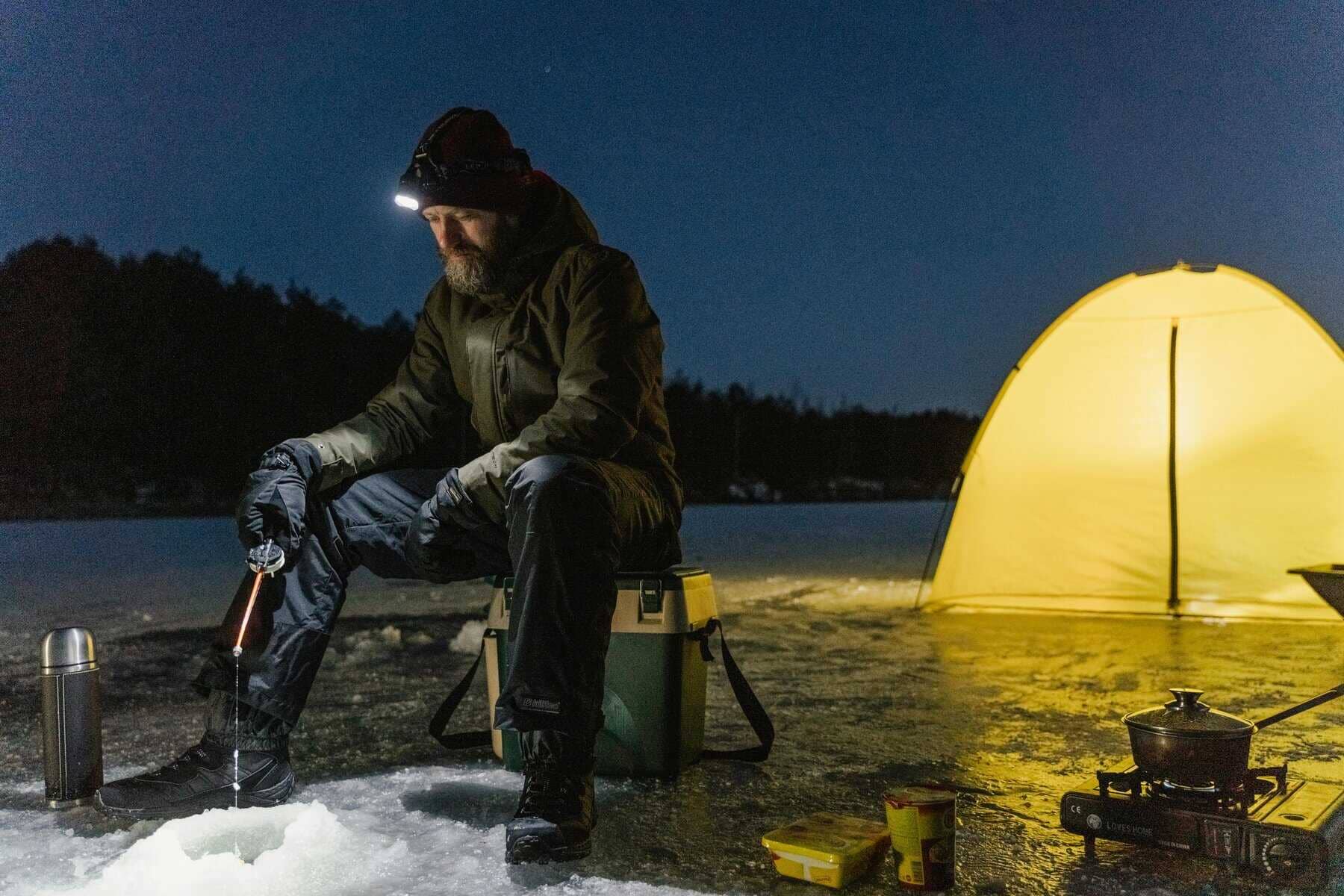 Trekkers Corner and Space
By Adhish Bhandari|Feb 15, 2026
Headlamp Hacks for Trekking: Red Light & Battery TipsHeadlamps offer hands-free illumination for evening hikes and making camp even in darkness. But, with the right use, a quality headlamp will become more effective, from protecting night vision by providing the bright red light to extending the life of batteries and their lifespan. Here are some essential factors that every hiker should be aware of when it comes to headlamp use. Secure Night Vision and prevent bugs:The most modern-day headlamps have an LED red feature that helps preserve night vision and prevent bugs. But, the primary function isn't for glaring as in sci-fi film characters however, it is to safeguard night vision and protect the headlamp from bugs. This mode has two major goals. Night Vision Protection:White lighting can rapidly overpower what your eyes are accustomed to seeing at night. the red light assists in adjusting them to a gradual darkness which is a huge benefit for reading maps and navigating an area in the dark. Stealth Mode In the event that you're watching animals or camp with friends the red light will not be as disruptive to both human beings (and animals). Red light is much less attractive to bugs than its white counterpart and is a good option for camping sites with lots of insects. A battery failure during a run can be extremely frustrating. Here are some suggestions to extend the life of your battery: lower brightness:To accomplish your task completed efficiently and preserve battery power it is recommended to select the most minimal setting. Higher settings will deplete batteries faster. Lock Mode Lights equipped with locks can be set to avoid accidental activation in your bag. Carriers Spares When you are planning to embark on a lengthy excursion, make sure you have additional batteries (or an extra battery bank in the event that your headlamp has rechargeability). battery storage in frigid Weather hack: The lifespan of batteries decreases dramatically in cold temperatures. To extend their lifespan and to keep them cool to ensure optimal performance keep them close to your body. A headlamp can be lifesaving in the event of an emergency Make use of it to call to get assistance! SOS Mode Most headlamps come with An SOS (or Strobe) function that allows you to assist in the event of an emergency. Make use of it when you need to! Mirror trick: Utilizing the beam of your headlamp to reflect reflective surfaces such as the phone's screen or compass to boost visibility is an instant and efficient method to boost the visibility of your headlamp. Tent Lanterns for campers: Hook it onto an elastic strap hook to provide ambient lighting in your RV or camper van and also to provide ambient light. Hands-Free Cooking Set it up on the strap for your pot or on your backpack chest strap to light up the cooking area. Reading Light Use it for reading and not disturb other readers. Use it to point it downwards as you read, and rest sure that you don't disturb other readers who might also be reading at the moment. A faulty or dim headlamp is a waste of time. Maintain its performance in top shape by following these tips for weatherproofing and maintenance Anti-Fog Trick In case your eye is susceptible to fogging, you can use toothpaste (then rinse it off) to clear it up so that condensation is less and fogging. waterproofing test: When trekking through snow or rain, be sure all seals and O-rings remain in their designated locations. When it comes to Indian trekking excursions where the weather may change quickly and routes can are extended over a long period of time in the night, a flashlight can be an essential part of safety equipment. However, you can make use of some clever tricks to transform it into something that is more efficient, allowing safety while at while efficiently utilizing the existing lighting sources.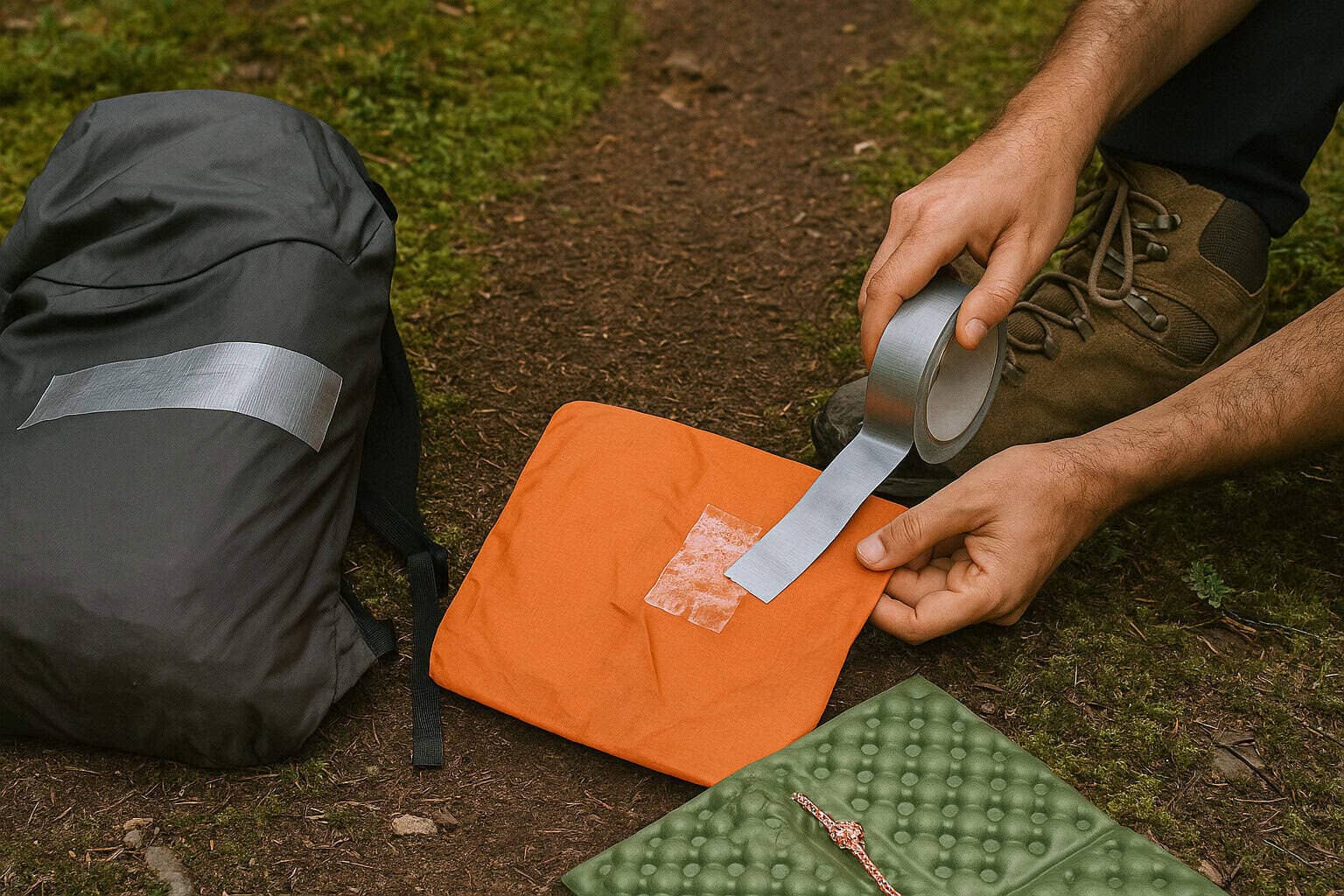 Trekkers Corner and Space
By Shivam Shingari|Feb 15, 2026
Trail Gear Repair: Simple DIY Fixes That Work on TreksOnce you've entered the wilderness, problems with gear are likely to strike at suitable times. A strap for your backpack that's not repaired or a tent that's broken, or water bottles that leak could turn into a battlefield that isn't immediately repaired using tools like paracord, duct tape and multi-tools, such as the ones discussed here, which can be used to make repairs that are reliable even when you're the distance is far away from the nearest civilization. This article will demonstrate how quickly and reliably maintenance of gear can occur even when you are miles from the ghetto. It can be an issue when you carry your bag and therefore, replacing a broken strap buckle is a must. To provide quick and simple solutions: Duct tape wrap: It is recommended to fold the strap over, then then secured using Duct tape as an interim fixation in order to achieve this outcome. Paracord Replacement If your belt get completely torn Paracord can be utilized to create a new loop, and then secured with the buckle. Zip Tie trick: Thread the zip tie through the buckle holes in order to assist the strap and keep it in place. Problem: A Rip in the fabric of a tent can allow in rain, wind and insects. To ensure it is sealed, place Duct Tape Patch around both sides of the tear, creating an impermeable barrier around it. Tenacious Tape (if it is available): For repairs lasting a long time, Tenacious Tape may provide the best solution. Sewed and Tape Combination To prevent larger tears Sew the edges first, then apply TapeTape for a secure measure. Issue: A puncture in the water bottle could make you thirsty. Repair: Dry the area first, then seal any gaps using several different layers of duct tape. Superglue for tiny holes: Use using containers made of plastic (allowing the glue to dry in air prior to refilling). A damaged pole could cause disruption to any shelter, trek or even a trip. To stabilize the situation immediately, you can use the strength of a stick to create an splint aligned with the damaged part and secure it with Duct Tape. Tent Pole Repair Sleeve (if included): Slip it over any damaged areas to give additional support and strength. issue: Losing a shoe sole during a trek can be disastrous. To solve the issue, Duct Tape and Cord Wraps offer support. Tape the sole back to its original position and then secure a paracord wrap around the sole to provide additional stability. Zip Tie Lugs are a great way to give temporary grip to worn treads. Problem: A broken or stuck zipper can cause damage to clothes or backpacks. Instead of replacing the zipper pull in entirety with paracord or keyrings instead, try using one of them as a pull tab instead. Make use of lip balm or wax to help lubricate. This can help to loosen any zipper that's become stuck. Safety pins function as emergency stoppers in case the zipper's teeth get disaligned, the zipper's opening is stopped from occurring. In the wilderness, and every milligram matters, being able to make quick and efficient repairs to gear yourself could not only be a benefit It could also save lives. Broken straps tear-strewn tents broken bottles, damaged soles, paracord, zip ties, duct tape and a variety of other tools can stop a trip that is otherwise fun from turning dangerous. Trekup India frequently emphasizes "Prepare to deal with issues. Before you leave, take an emergency kit to repair as well as a solution, and be confident - particularly as in the wild self-reliance is your best friend..jpg&w=1920&q=75 "The Biodiversity of Kedarkantha Trek in Uttarakhand | Flora & Fauna of the Himalayas") Trekkers Corner and Space
Trekkers Corner and SpaceBy Shivam Shingari|Feb 13, 2026
The Biodiversity of Kedarkantha Trek in Uttarakhand | Flora & Fauna of the HimalayasThe area is part of the Govind National Park in Uttarakhand, Kedarkantha is a popular trekking destination in India famous for its stunning landscape and breathtaking views from the summit. Although it is beautiful in its natural surroundings, the area's remarkable biodiversity is often overlooked. The hike across the national park reveals an array of plant and animals, with various zones of vegetation changing from dense pine and oak forest at lower elevations to beautiful alpine meadows higher up. This unique altitude variation creates a diverse ecosystem that supports numerous species of animal and plant. Kedarkantha is the home of a variety of rare species of plants, such as the gorgeous Brahma Kamal. It is a refuge for wildlife, including the Himalayan Monal, Musk Deer and a variety of bird species. The Kedarkantha Trek is moderately complex and is suitable for both novices and experienced trekkers. Each of them contributes to the abundant diversity of the Himalayas. Please keep in mind the following paragraph about plants and wildlife you might encounter on the Kedarkantha Trek: The Kedarkantha Trek offers an extensive view of rhododendron forest in a variety of shades, including pink, red and white, which are particularly evident in spring. These forests provide a vibrant contrast to the snowy landscape. The hike is through thick pine and oak forests that support a wide range of species of animals and plants which includes a variety of species of birds as well as small mammals. Higher elevations, you'll be able to see tranquil landscapes filled with moss and lichen, which are essential for maintaining the ecological balance of the region. The trek is a tribute to the Brahma Kamal, a adored plant species that is essential to the Uttarakhand's indigenous population. The unique Himalayan Monal, known as the bird of state in Uttarakhand is a beautiful sight in the dense forests with its sparkling feathers. The sighting of this majestic bird is a prestigious experience that will add a sense exclusivity to your trek. With its graceful movements, the mysterious red fox is a stunning part of the breathtaking snowy landscape. The presence of the fox adds a bit of awe to the already beautiful landscape, making your trip even more captivating. Find the magnificent Himalayan Tahrs with their curving fur and horns on the meadows of the alpine. Energetic macaques and langurs provide a thrilling element to the natural world. The chance to spot the elusive musk deer an exciting and rare experience in the stunning landscape of the Kedarkantha Trek, is sure to keep your heart pumping. The excitement of such an encounter will be an unforgettable experience of your trek. Thanks to its rich biodiversity The Kedarkantha Trek is a valuable adventure for nature lovers providing the opportunity to discover the amazing natural world.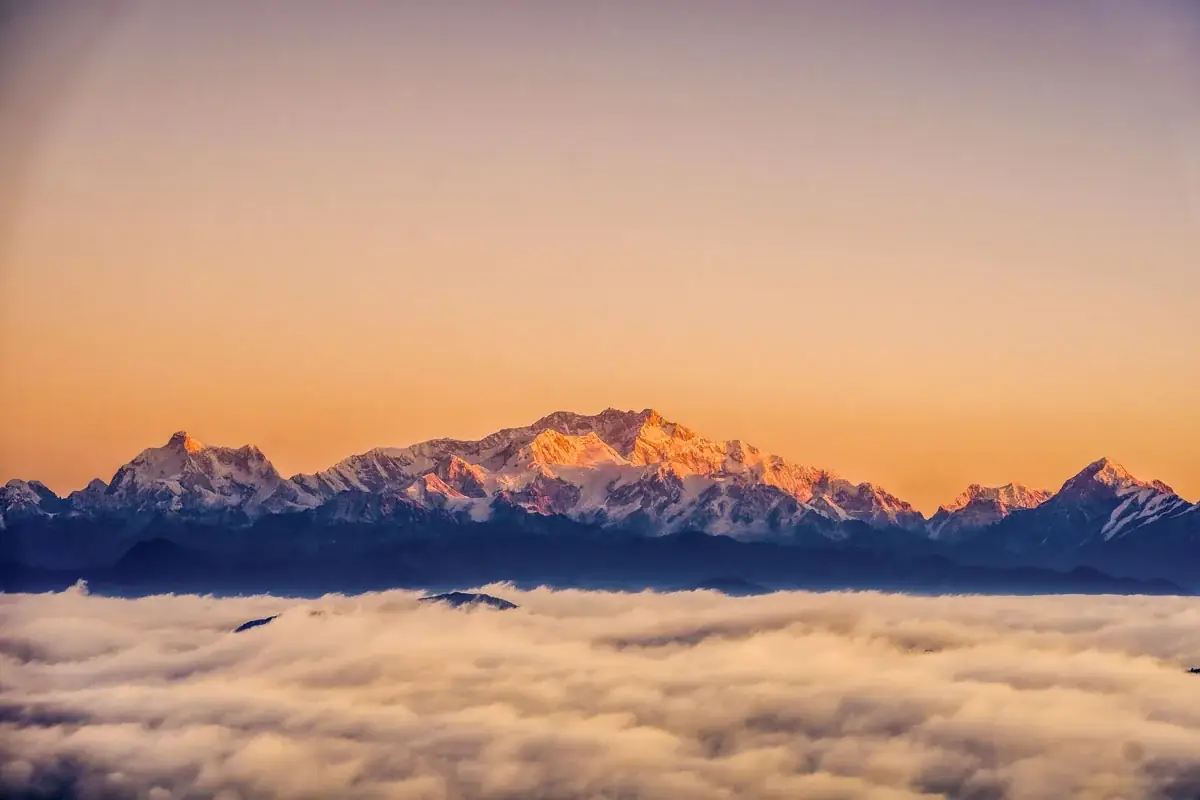 Trekkers Corner and Space
By Preetam Singh Rawat|Feb 13, 2026
Best Himalayan Treks in Northeast India | Scenic & Offbeat Mountain TrailsRecent years have revealed our admiration for the Himalayas especially since their rising. A large part of Northeast India - approximately 70 percent - is comprised of hills and mountains. Sikkim and Arunachal Pradesh, two renowned tourist destinations, make up around 35 percent of the Indian Himalayas. Between the two states are many of the top peaks located in the Northern Himalayas, making this an ideal location for nature and adventure trekkers who want to experience thrilling journeys through unfamiliar terrains. While every one of the Northeast India states offer distinct terrains, Sikkim and Arunachal Pradesh are notable for their mountainous landscapes and rugged mountains that offer some of the best trekking routes. There are numerous routes within this untouched region, and there are numerous treks to choose from however, we've picked five of the best trekking routes in this region as our top choices. Explore Arunachal Pradesh's Talle Valley Trek and experience its lush forests that cover more than 80 percent of its land area, providing protection from wind and heat as well as lush canopy of plants to shade the sun and provide some relief from the heat and winds. High-altitude communities surrounded by dense forests and snow-capped mountain ranges provide peace from the brutal winters and scorching summers which provide the perfect environment for trekking adventures like the Talle Valley Trek in Arunachal Pradesh. Explore stunning forests and trails that aren't marked to get to the ancestral home of a dying tribe on a thrilling six-day trek through stunning jungle terrain. Don't miss out on this chance; take your bags today to embark on this unforgettable forest adventure. It is said that the Arunachal Seven Lakes Trek in Pradesh is a different adventure from the Kashmir Great Lakes trek, with a pristine high-mountain area featuring stunning lakes waiting to be discovered. The Seven Lakes trek provides the opportunity to explore hidden gems that are waiting to be discovered! A more offbeat trek is a trek along the Indo-Tibetan border Dibang Valley - one of the most beautiful valleys of Northeast India through the Indo-Tibetan border as well as through the breathtaking beauty of Dibang Valley which proves that it takes three days to get there! The remoteness of this trip can be seen in the fact that three distinct times are required in order to get to Dibang. The Idu Mishmi tribe of Idu remains unoccupied in this area and their way of life exemplifies sustainability practices for living. They heavily rely on forest resources for health and food requirements in addition to providing shelter. Anyone who wants to experience the forest for themselves can spend all night in their houses along the treks for an authentic experience in the forest. Goechala Trek in Sikkim is among the most sought-after treks in the Northeast with good reason. It is situated in the Kanchenjunga National Park's stunning beauty and stunning views and breathtaking views, the Goechala trekking route offers an unforgettable experience with Asia's third highest mountain range. Additionally each visit brings new and diverse memories due to its enchanting charm that changes with the seasons, leaving a lasting, memorable impression. Sikkim's Danphebir La Pass Trek may not be well-known as the more famous Goechala treks, however, this off-the-beaten-path trek is located at the border between Nepal as well as India as well as West Sikkim, providing an thrilling adventure. Danphebir La, a 4,530m mountain pass located in Sikkim that is largely unexplored by trekkers can be reached via this route. Trekkers can walk through dense grasslands, vast forests, and ridges that are steep and camping in the vicinity of three glacial lakes could be possible. Trekkers who have reached an altitude of 4,000m could encounter a variety of glacial lakes when they trek this less-known trek in Sikkim which makes it a truly memorable experience and offering breathtaking views. The location of Arunachal Pradesh in India's remote Mishimi Hills lies Dree River Valley one of Arunachal Pradesh's most secretive areas. The unexplored trek takes you through dense bamboo forest and lush greenery, before soaring through snow-covered mountains high peaks, creating an incredible backdrop. Soft terrain creates an enjoyable and non-scary adventure in the jungle. discover the rich culture and traditions when you travel on this amazing trek for a whole new level of enjoyment on any trip and truly experience the jungle life in this amazing trek. Northeast India offers an abundance of trekking options for those who love adventure with unspoiled natural landscapes and unique indigenous cultures and challenging terrains ideal for those seeking their next trek adventure. From Sikkim's Goechala Trek to Arunachal Pradesh's Seven Lakes and Talle Valley Treks, each adventure takes you to a place that is far from the ordinary. Hidden treasures like Danphebir La Pass and Dree River Valley provide an additional dimension to the region, offering those who want to go off the traditional routes an unforgettable experience. No matter if you're an experienced trekker or a nature seeker seeking peace and thrills, Northeast India promises an amazing and exciting journey, with each step bringing you closer to the beauty of nature in the Eastern Himalayas..jpg&w=1920&q=75 "Ali Bedni Bugyal Highlights – Meadows, Peaks & Serenity | Himalayan Meadow Trek") Trekkers Corner and Space
Trekkers Corner and SpaceBy Nanda Rawat|Feb 13, 2026
Ali Bedni Bugyal Highlights – Meadows, Peaks & Serenity | Himalayan Meadow TrekAli Bedni's Bugyal Trek is a fantastic way to earn rewards with little effort. It is accessible throughout the year, and offers stunning scenery like vast open spaces and picturesque views from vantage points that offer panoramic views. Trekking gives newbies to trekking an the chance to experience the magnificent Himalayas in their entirety however nothing compares with experiencing their beauty in person. Here, we've tried our best to convey the essence of trekking as accurately as we can in this article. Lohajung located in the Chamoli district in the Garhwal Himalayas, is an entry point to popular treks like Roopkund, Brahmatal, and Ali Bedni Bugyal. The village is located at 2300 m this charming village offers breathtaking views and is awash in the mountain tradition. Relax on the porch of your hotel as you gaze upon the mountain, that is adorned with precise geometric shapes and vivid green shades. sipping tea from the traditional clay cup (kullhad) while watching a whirlwind of steam collide with clouds and create a serene atmosphere. Apart from offering a cultural immersion and a sense of relaxation, the trip between Dehradun to Lohajung is also an enjoyable experience. Travel to the Kumaon region to the Garhwal Himalayan Belt on well-maintained roads, dotted with the Shivalik ranges that lie in the background, and an associated river. A highlight of this trip is crossing three of the five major confluences of Alaknanda River along its journey from Devprayag to Lohajung. In Devprayag where tradition and modernity meet as the Bhagirathi joins the Alaknanda River at Devprayag first confluence point. The vibrant teal and turquoise hues of these rivers are mixing within the valley beneath. Srinagar is a town that has been around for centuries located on the banks of the Alaknanda River is located forty kilometers to the south of Devprayag with Rudraprayag just a few miles along. Rudraprayag is the place where you can see the intersection of the Mandakini and Alaknanda rivers. Karnaprayag is where Alaknanda connects with the Pindari River, is approximately 33 km from Rudraprayag and each confluence is unique in its own way that creates stunning sights. The history of this trekking route is awash in mythology and legend, and is it is believed by many to be utilized by Shiva and his family members when travelling from Kumaon Valley in Nepal to Mansarovar. Nanda Devi Raat Jaag Yatra festival occurs every year, in this area. The entire village takes part in a fervent pilgrimage to commemorate the destruction of their homes as a part of this holy journey. Many people flock to Uttarakhand every year for this grand celebration. When you embark on this trek be sure to inquire with your guide local for a detailed version of the story. listening to their passion and engaging stories is truly unique and being able to experience it in person is the most effective way to comprehend the significance of it. Ali Bedni Bugyal offers a breathtaking view of the Garhwal Himalayas' beauty with Mounts Nanda Ghunti and Trishul as strong and powerful visitors throughout your trek. While you'll be able to see these mountains from everywhere during your trek The most stunning views are found from Bed Top, located at an elevation of 3,803m at which point they become more visible as smaller mountains that obscured their view that leave you stunned or even speechless by the vistas that lie beyond. Apart from these two magnificent giants The Chaukhamba range also has other impressive mountains, making this trip an unforgettable experience. The experience of hiking for the first time can be incredibly rewarding. We at Highlight 4 are happy to make sure this trip is among your top choices! Ali and Bedni bugyals trek is perfect for hikers who are just beginning their journey due because of its low elevation, easy terrain and a pleasant climate. In just five days of walking this trek will allow access to a variety of attractions throughout the Himalayas. Ali Bedni Bugyal boasts lush forests, imposing peaks, open meadows bursting with vibrant colors and babbling streams that lead to mountain villages, lush fields filled with curious livestock and lush fields all year long All the things you could ever want is in Ali Bedni Bugyal! It doesn't matter if it's summer or snowfall, lush alpine forests bursting with vibrant rhododendrons and wildflowers make this trip very welcoming at all year round! Your trip winds through thick oak groves. Dappled sunlight is reflected through the lush canopy above, while the gentle breeze agitates the leaves beneath your feet squeezing the dry leaves of each step. Prepare yourself for a thrilling experience where shadow and light can play with you in these forests that can be a bit disorienting and thrilling. Caterpillar Fungus' Intriguing Cycle Caterpillar Fungus serves as an emblematic example of the harsh reality of nature, prevalently found in meadows with high altitudes over 3,500m and acting as an illicit, but high-paying source of income for those living there. The process of formation for this fungus is fascinating it infects and kills larvae of moth species that are native to these elevations, and then creating the locally referred to as Keeda Jadi structures, which are able to fetch large amounts in the black market. The families that live in these mountain villages commit months of laborious effort seeking out a mysterious but sought-after commodity. Amid the harsh winter conditions, they search through the overgrown terrain with meticulous precision to locate these tiny creatures, cleverly disguised in camouflage Once they have been found, they are carefully taken care of wrapped, packed, and then auctioned off as an innovative and creative solution to ensure that no animal is wasted, even those that are prey to smaller predators. Simply searching online will yield shocking images that depict this natural phenomenon. Ali and Bedni Meadows offer an exciting hike throughout the year, with each season revealing unique features in these meadows that offer different kinds of beauty. Winter brings white snow that sparkles over them, monsoon brings explosions of wildflowers blooming across the meadows, and pre-winter boasts bright yellow hues all over them, and the summer months bring warmth and affluence abundance. Ali Bedni Bugyal stands out among the highlights of this trek as a unique feature thanks to its vast meadows referred to as bugyals. They provide stunning views, stunning viewpoints with moderate altitude, and a welcoming climate throughout the year, not to mention its vast expanse that is alive on four legs, or static. Watching life thrive in these vast spaces is a exciting experience. Ali Bedni Bugyal provides more than just a trek It offers an unforgettable experience of nature, culture, as well as the breathtaking beauty of the Himalayas. For novice trekkers to seasoned trekkers This trail offers excitement and challenge in equal proportion. Every step is awe-inspiring from enchanting meadows and forests to breathtaking landscapes Trishul and Nanda Ghunti. The journey through ancient villages and sacred river confluences and ever-changing landscapes offers a memorable adventure, but also creates an intimate understanding of Uttarakhand's rich past and its essence. It is a year-round destination with moderate difficulty levels The Ali Bedni Bugyal Trek provides an inviting experience that is enriching and unforgettable journey into the middle of the Himalayas.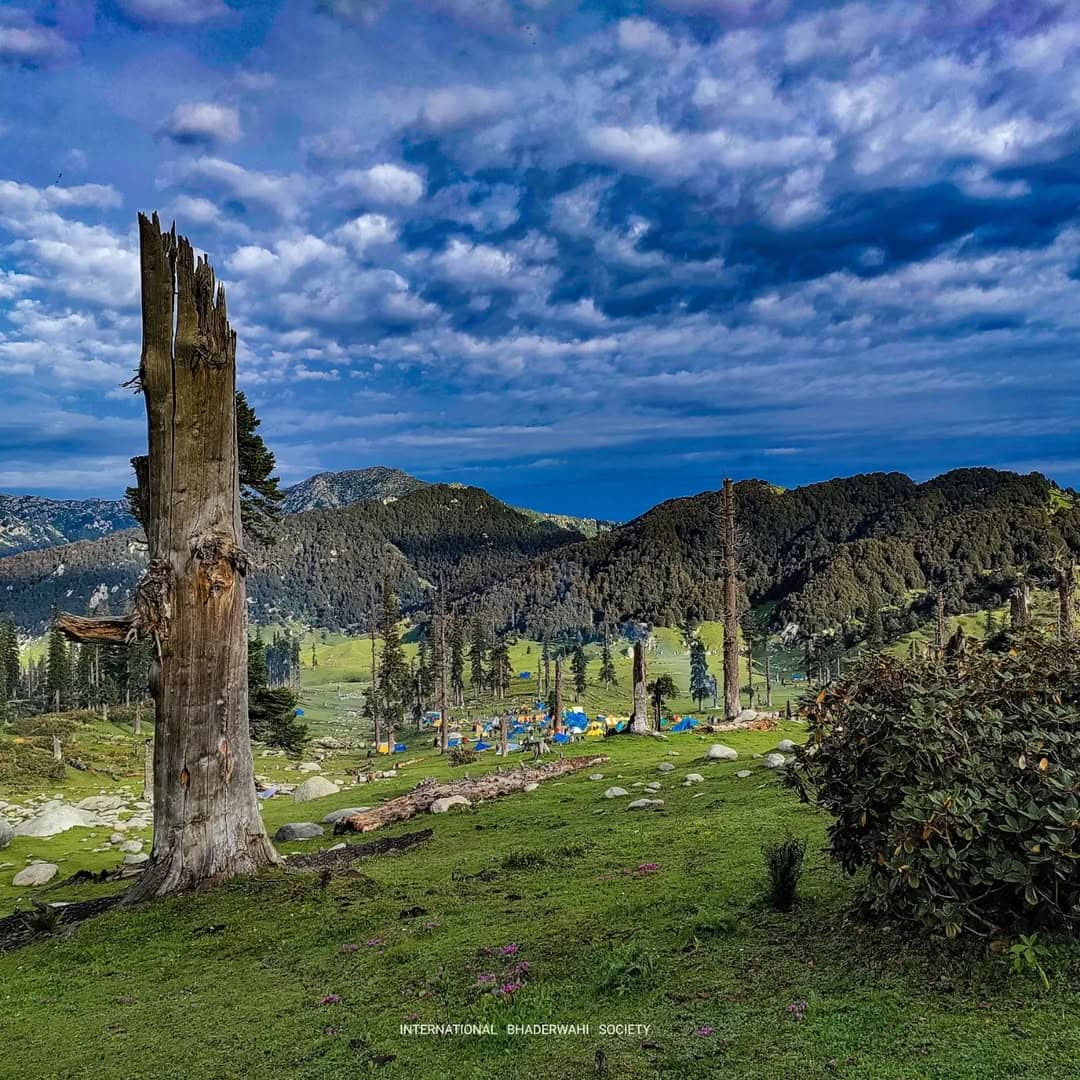 Trekkers Corner and Space
By Shivam Shingari|Feb 13, 2026
Himalayan Trekking Meditation for Healing and Peace | Mindful Treks in the HimalayasIn the crowded world, it's challenging to achieve peace. We live in a world where silence seems impossible to attain and solitude is scarce and noise from the internet has become a regular phenomenon. However, the desire for peace isn't gone, bringing people back to nature. One of the most effective methods to reconnect with nature is walking-especially in the tranquil heart-warming Himalayas. The walk is more than about exercise. It's also an contemplative experience that can lead to mental healing and spiritual clarity. If you go through long-standing forests, stroll over the clouds along ridgelines or sit in the lakes in the mountains and alpine you will experience an inner shift in your self. This is why no other place can provide more of this than the Himalayas, particularly when you go on a trek through Trekup India's meticulously planned trekking excursions that aren't just focused on thrills but also on the inner alignment. The Himalayas aren't only a mountain range; they're holy places. Over the many thousands of years the spiritual gurus, sages and monks and seekers have walked the same paths, searching for peace, truth and freedom. This energy is an energy frequency that soothes the mind and awakens the soul. It's about the spirituality of Uttarakhand or the mystical lakes of Kashmir or the peace valleys of Himachal's hidden valleys, Trekup India offers trekking experiences that go beyond beauty. They alter. The purpose of mindfulness is being present. What is a better method to cultivate mindfulness than taking a step at a time walking through the woods? Trekking demands awareness: Your feet are where you rest. The way that your breath is coordinated with the movements of your body. The body's response to altitude and terrain. Walking in a mindful manner reduces thoughts and keeps your focus on the present. As time passes, this constant awareness is reflected in the core of meditation. The experience becomes more stimulating not only with the world and nature but also with you. Trekup India Treks That Offer Meditative Healing Location: Uttarakhand Best Season: May-June, September-October Phulara Ridge is unique to any other trek route in India. It's a ridge hike that offers 360-degree views of the Himalayas for an extended period of time. The pace of the hike is an tranquil mental state that takes place as you're walking through the ridge. It's similar to walking along the spine of the earth. There aren't any crowds or commercial noises, making this a authentic meditative experience that offers a serene environment and peace. Healing Highlight A lengthy, steep hike that requires conscious movement stillness, reflection, and silence on your soul. Location: Uttarakhand Best Season: December to April Kedarkantha is often described as"the "Winter Wonder Trek"-but it's actually a charming spiritual retreat that's hidden as. It's a path that runs through old woodlands charming towns and temples. It culminates in a ridge that offers a stunning sunrise over the clouds. This hike is perfect for those who want to experience an inner release from their emotions and relaxation, especially with the tranquility of snow. The snow-white, pure landscape can give you the tranquil effect-as as when you're letting go of the weight of your problems by every step you take on the snow. Healing Summary The peace of the mountains covered in snow as well as the sunrise temple energy and summits in Juda ka Talab. Location: Himachal Pradesh Best Season: July to September Within the shadows of Kinnaur, Yulla Kanda is located in Kinnaur. It is an lesser-known spiritual treasure. It takes you to a sacred lake believed to be Lord Shiva's meditation spot. The trek is long and rough, but the final destination, a beautiful lake surrounded by snow-capped mountains, is awe-inspiring. The trek encourages reflection. Many trekkers linger at the edge of the lake watching their reflections as they dance across the serene waters. This is the perfect place for anyone seeking answers to their questions, peace and clarity. Amazing Healing A tranquil lake with importance to the spiritual perfect for contemplation or quiet journaling. Location: Uttarakhand Best Season: December to March Brahmatal is the source of legends. The name refers to Lord Brahma The trek takes visitors to two lakes in the alpine which are buried in oak forests that are encased in snow, and on top of the ridgelines. But it's not just stunning views, but legends and potential of the area attracts you. In this location you can walk around in peace as you feel like nature was waiting to breathe. The snow blocks sound, while the frozen lakes act as mirrors of the soul. Ideal for those seeking internal healing and it helps to align their energy. Healing Highlight Highlight: Pine forest silence of frozen lakes, the ancient mythological resonance. Location: Uttarakhand Best Season: May-June, September-October If you're hoping to be able to feel the sensation of meditation while moving, Dayara Bugyal is the ideal trek. The vast meadows in the alpine seem endless, as if green oceans in blue skies. Every step is breathing. Each air feels like a blessing. The hike is relatively easy and is perfect for those who want to to be in nature, but without the physical strain. It is perfect for yoga lovers and nature lovers and those who are recovering from fatigue or burnout. Healing Summary Meadows with gentle slopes are ideal for yoga, walking meditation and for regaining your balance. Location: Kashmir Best Season: July to September There is no other place that can rival the stunning emotional awe of Tarsar or Marsar Lakes. The two lakes in the alpine located in Kashmir offer an incredible magical, surreal and mystical experience. These lakes are bordered by impressive rocks and also flowers. These lakes are perfect for meditation during long periods of solitude as well as journaling. The trek is about getting rid-of the past, the pain and identity that was lost in the past. Many trekkers have stated that the tranquility of Tarsar will stay with them for a long time after they returned home. Healing Summary The blue glacial lakes are surrounded by natural beauty, which triggers an emotional cleansing. However, each conscious trek across the Himalayan mountains can bring you to an experience of meditation, some routes are blessed with energy and past physical form and their history, making them powerful conduits for exploration and healing. Here are a few walks that can be an exercise in meditation What is it that it is that it contemplates: Often called the "classic" trek, its long length (traditionally between 15 and 21 days) gives you a profound experience and a rhythm. The gradual ascent through a variety of landscapes, such as dense subtropical valleys, lush Rhododendron-filled forests, and the high desert that is dry (Manang) and finally the imposing and soaring Thorong La pass (5,416m) is an expression of an inner experience. Walking every day can create an intense flow. Meditative Elements The nature of the circuit reflects the constantly changing, non-linear pathways of life. The journey across Thorong La isn't just about physical challenges. It's also an indication of letting go and commitment, and requires total presence. The presence of ancient Hindu and Buddhist villages (like Braga, Manang, Muktinath) along with monasteries and chortens provide the opportunity to meditate in natural moments. Hot springs in Tatopani are both a metaphorical and literal cleansing. Ideal for shedding the burden of stress, gaining an overall perspective and gaining endurance through constant efforts and adapting. The long length allows the buried emotions to have sufficient space to surface and be integrated. What does it mean: This strenuous hike (Kongma La, Cho La, Renjo La at 5,300m and all above) explores valleys that aren't as crowded (like Gokyo and the sacred Thame) beneath several of the most stunning mountains on earth. The high altitude, vast glacial terrains and extreme physical strain create a powerful setting for change. The silence that envelops the clouds is profound. Meditative Elements The mountains demand total focus on breathing and walking There's no room for distraction. The sheerness and force of the mountains (Nuptse, Lhotse, Everest, Ama Dablam) induce the humble and sloughing away of the self-defence. The clear and crystal-clear Gokyo Lakes are a place where you can enjoy moments of complete quiet and meditation. The simple lifestyle of high Sherpa communities can help you get away from the shackles of unnecessary things. Healing Concentration Effective in overcoming fears (of extremes and exposure, or personal limits) and also feeling a profound humility and peace through the simple cleansing the body. Its intensity builds a deep connection with the vitality and breath. What is it about: Set in the high-altitude desert moonscapes of Ladakh, "The Land of High Passes," this excursion provides stunning beauty, as well as tranquil silence and an extensive experience of Tibetan Buddhist culture. Crossing passes like Kongmaru La (5,260m) reveals surreal vistas. The surroundings are beautiful and peaceful. Meditational Elements The dry, large areas create a vast space for meditation and peace. The squeak rhythmic of a pair of shoes smacking against the gravel creates a powerful sound. Staying in a traditional homestay in Ladakhi villages is a chance to experience a cultural immersion as well as a simple life. The monasteries' passage that have been in existence since the beginning of time (Hemis, Thiksey) and many mani walls and chortens constantly remind that we are in the spirit side. Sky is vast, ideal for a meditation on the sky. Healing Concentration A wonderful method for bringing inner peace into the middle of immense emptyness, and learning from the lasting happiness of the Ladakhi people, and observing the deep stillness of the desert mountains. The Buddhist environment naturally encourages mindfulness and meditation practices. What does it mean? This extraordinary trek, which is often associated with Hemkund Sahib, doesn't just about mountain passes, but much as it is a trip through meadows that are breathtaking at high altitude, full of rare blooms (July-August). It's a trip that is both sensory and an opportunity to celebrate the world's stunning beauty. Walking turns into an energizing flowing movement that runs across a variety of colors. It's a shift of concentration to the senses and the variety of flowers as well as the scent of the earth and flowers and the sound of water falling and the chirping of insects. The beautiful landscape contrasts with the peaks of snow that are in the background. The scene is a symbol of "walking beauty," a kind of exercise that is characterized by walking with gratitude. Profoundly restorative for anxiety or mental fatigue, stress and tension. It helps you reconnect to the earth's gorgeous and abundant beauty. It also encourages happiness, gratitude, as well as a sense of reverence. The ideal choice for a easy, open-hearted meditation that can heal the healing power of nature. The reason it's a Meditate is that Mount Kailash is widely thought of as the axis (center of the universe) according to Hinduism, Buddhism, Jainism as well as Bon. The circular trek (Kora) around the summit (52km and up to 5,650m at Dolma La Pass) is one of the most venerated pilgrimages in the world. It is designed to be a workout in walking. Meditative Elements It is believed that the Kora is performed with intention and often in silence or singing mantras (like "Om Mani Padme Hum"). The Kora is adorned with mani stones, prayer flags, and places to prostrate. Physical challenges (altitude or distance) is not important in the pursuit of spirituality. The pilgrims of various faiths unite in a powerful force of devotion. The harmony of the mountain is breathtaking. Healing Concentration This is an intense soul-level process. It's about cleansing, releasing the cycle of karmic rebirth (symbolized via the Kora) and deep reverence, as well as reconnecting with God (however it's defined). Healing is often described as transformative and transcendental. What these journeys have they share is the simplicity. No Wi-Fi, no concrete, no deadlines. Only the sky, the tracks of trees and the time. With this simple approach, there is an inner peace that is calming your soul. It's easy to recall the person you were before the turmoil. Then, you are reminded of it. You listen again. It is for the second time, a human being-not an individual doing. The most significant impact of the walks will not be just present but also in the way they do with what they've left behind after. Once you are back you'll be able to focus greater focused. It is obvious that you're less reactive and you are more adaptable. It is at this point that you start to believe in the process of life as if you believed in the journey. The best way to heal is by trekking. It's not through preaching but rather through dawns. This isn't with the therapeutic value of hikes on trails. It's not due to the pressure but the presence. The Himalayan mountains aren't just challenging your body but also cleanse your spirit. If you go in the right direction, the right path, and have the right goals the journey becomes more than a mere journey of adventure. It's an experience that will make you feel alive.. Trekup India is not just an organization for trekking, but rather a network that is comprised of seekers, travelers, and healers. Each trek is designed to give you not just excitement but also the therapeutic advantages..