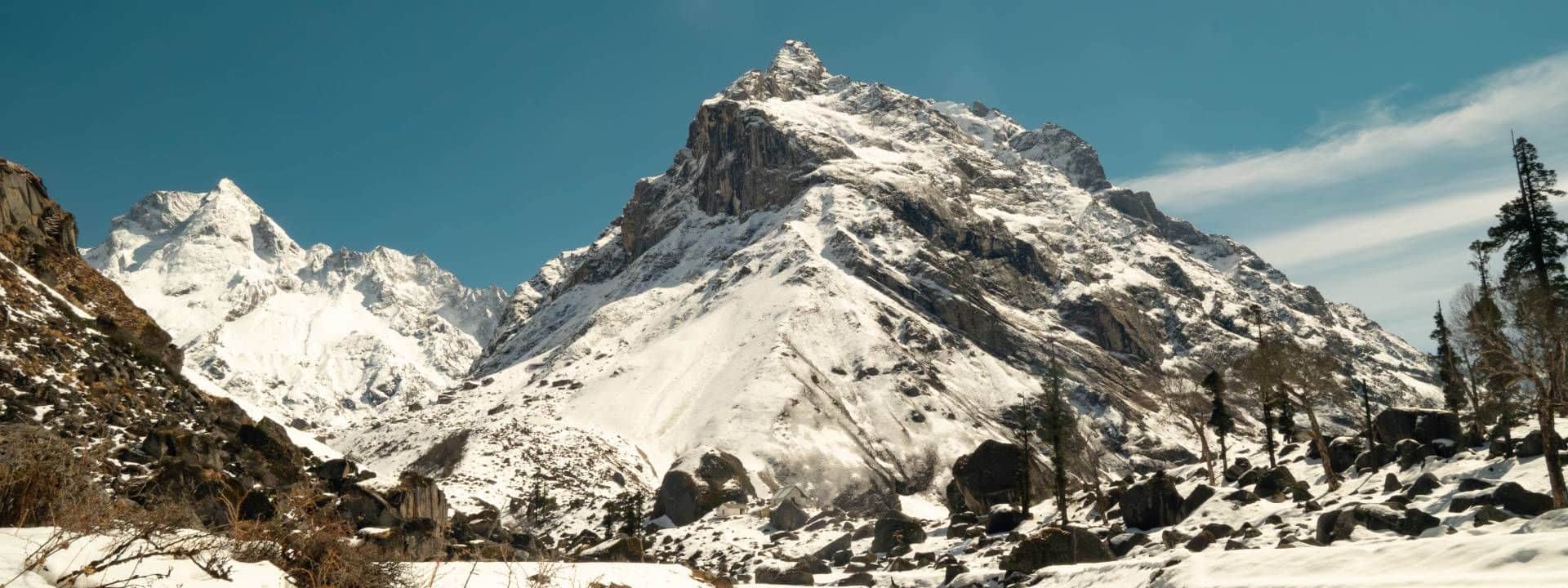
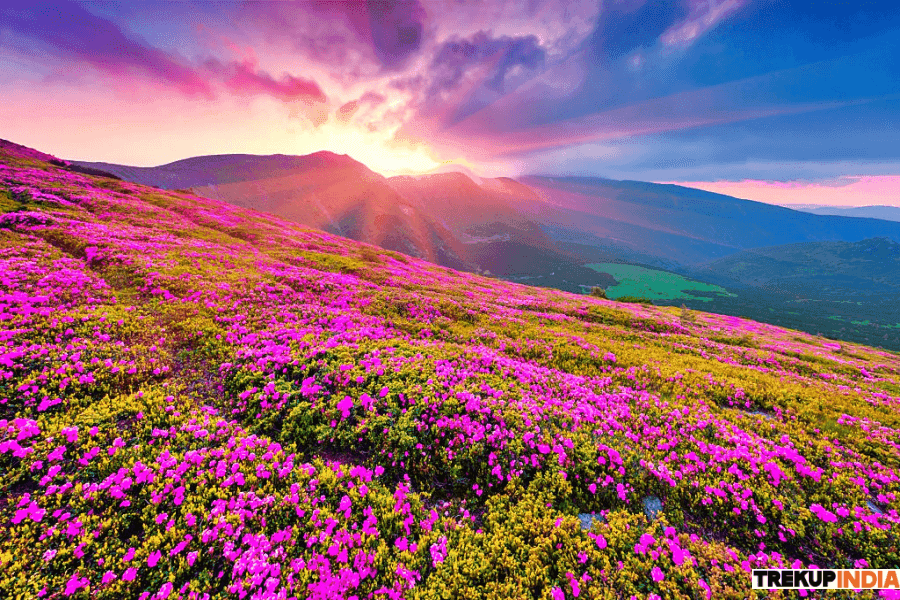
A trek through the Indian Himalayas is an opportunity to experience nature at its most raw: the first gentle snow peaks that touch prayer flags flying through the air, clouds sweeping over valleys in the form of slow streams. Every trekker has the need to record the entire scene. However, Himalayan photography isn't only about hitting the shutter button. It's about being aware, waiting and taking time to appreciate every moment.
In trekUp India we've observed how the identical trail can yield totally different photos based on a person's patience, their awareness, and intent. The most effective images usually result from hikers who slow down, take a look while letting the mountain guide their camera.
Here's a practical and trail-tested photography tips for hikers, whether you're using the DSLR or mirrorless camera or even your smartphone.
1. Carry Light, Think Smart (Gear That Makes Sense on a Trek)
When on an trek the camera equipment should be used to enhance the experience not weigh it down.
- An ultra-compact DSLR (or mirrorless) camera is the best choice However, smartphones are able to produce stunning photos if utilized with care.
- Always have additional batteries--cold depletes them more quickly than you would expect.
- A light tripod can be used during low light, sunsets and night photography.
- The lens cover is necessary--dust fog, snow and rain are always in the same vicinity.
The truth behind it:Keep your camera close to your body during frigid conditions. The body heat can prevent the loss of battery and condensation better than any other accessory.
2. Golden Hours: When the Mountains Whisper
If there's a single principle worth getting up earlier it, this is it.
Within the Himalayas, sunrise and sunsets are transforming. Soft gold, icy blue and deep purples create the same texture and emotional impact that hard-to-see daylight can't.
Best shooting windows:
- Early morning: about 30 minutes prior to sunrise.
- Evening evening: the last hour prior to sunset
Low-angled light shows paths, ridges and prayer flags and shadows that appear like cinematic.
Moments of humankind:A few of the most quiet and significant moments happen when the majority of the camper is asleep.
3. Show the Scale (Mountains Need Context)
Himalayan peak are enormous, however photos may flatten them if the scale is clearly shown.
- Include tents, people trees, people, or trail lines
- A single hiker against a massive ridge typically speaks more to the viewer than an empty frame
- Utilize your Rule of Thirds--avoid setting the horizon in dead in the middle
Sometimes, a person makes the mountain appear even more massive.
4. Look for Layers, Not Just Peaks
The Himalayas naturally create depth. Make use of it.
- Foreground: rocks, flowers, boots, prayer flags
- Midground: ridges, forests, rivers
- Background: snow peaks, clouds, sky
Moving your height up or down, kneeling or climbing a slight rise or shooting from above can instantly enhance your photos.
5. Let the Weather Work for You
Blue skies with clear blue skies are gorgeous, but dramatic weather reveals more stories.
- Clouds that roll, fog snowfall, or rain can add a sense of to the mood and create contrast
- The light breaking through the clouds can create moments that last a second. So be prepared
- Take pictures with the RAW file format when your camera permits this; it will allow you to be flexible for later
Many among the best images originate from situations that initially seem uncomfortable.
6. Capture the Journey, Not Just the Summit
The Himalayan Mountains are not just about locations.
Photograph:
- Tea breaks at dhabas on the road
- Laces for shoelaces to tie before climbing
- Steam rising from the morning Chai
- Trekkers joking at cooking, relaxing, and taking a break,
These moments are a source of emotions. Later, they may have more significance then they did in the summit shot.
7. Night Photography & Starry Skies
When you are at a high altitude at high altitude, the sky opens.
With a little patience and an appropriate tripod, you can make:
- Milky Way arcs
- Star trails
- Moonlit Ridges
Basic set-up:
- Long exposure with Tripod
- I prefer moonless nights
- Use headlamps cautiously for lighting.
Photography at night requires a lot of quiet, and the mountains will reward you for it.
8. Respect the Mountains and Their People
The best photographs shouldn't be taken without respect.
- Be careful not to step off trails and cause damage to fragile terrain
- Beware of flash photography in holy places or monasteries.
- Always get permission before taking pictures locals
Photographers who exhibit respect are cherished and remembered with a smile.
Conclusion
Photographing in the Himalayas of India isn't just about taking photos, it's all about living in the moment. The best photos often occur when you let go of your perfect photo and begin taking in more in the present.
TrekUp India is a company that believes in storytelling. TrekUp India, we believe everyone can be an artist of the visual. From sunny mornings and chilly afternoons, to peaceful village trails and night skies filled with stars, every frame tells a story of your trip.
Use your camera in a gentle manner. Be respectful of the mountains. Keep in mind that the most memorable image is one that you keep to your mind.
About the Author: Trekking Expertise You Can Trust

Director & Founder
With over 12 years of experience in the Himalayas, he has summited multiple 6000–7000 meter peaks and led more than 200 expeditions across iconic routes like Bali Pass, Buran Ghati, Rupin Pass, Pin Bhabha, Stok Kangri, and Black Peak. His deep mountain experience and leadership make him a trusted name in Himalayan trekking. Write to him at: preetam@trekupindia.com