
Prev
1 / 9
Next
 Trek Gears Tips & Reviews
By Kanishk s|Feb 13, 2026
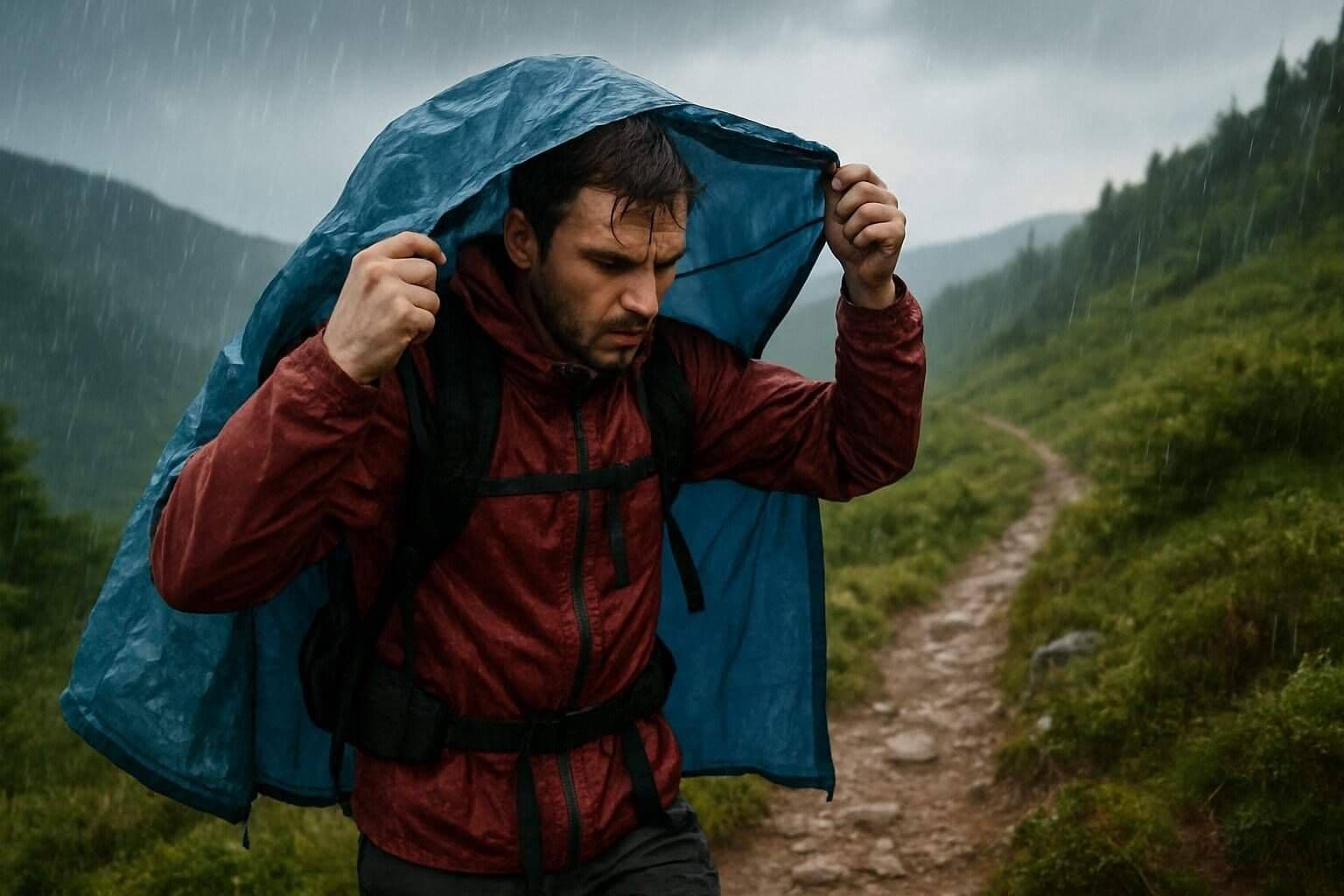
Waterproof Hiking Gear: Monsoon Protection Tips for TrekkersWhen the monsoon clouds engulf the mountains and turn the trails of the mountains into beautiful spots of water, your trek shouldn't be affected in the event that your gear is dry. Trekup India provides experienced trekkers who will make sure that in the midst of heavy rain your equipment remains clean and is in perfect condition. Starting from Western Ghats treks through to Himalayan tracks Indian monsoon treks are stunning, but could also produce unpredictable patterns of rain. How do experienced trekkers ensure that their equipment is in good condition throughout the Indian monsoon trek? Our experts have compiled a an in-field waterproofing manual, that includes waterproofing advice to shield your equipment from damage in the monsoon months and allow you to go on your adventures without fear of injury. Rain covers are a good option however they will not be completely secure in Indian monsoon conditions. To increase the durability of your backpack under these circumstances, make sure that you line your backpack's interior by: Large garbage bags made of heavy duty (black liner) Rubble bags, compactors or even rubble (thicker and more durable) are worth considering. Specially-designed backpack liner bags for dry bags Once you have lined your bag with your items, put all of the essential items you need-clothes, electronic devices, and sleeping bags into it to ensure secure storage. Check that everything is secure inside the bag. Make use of Ziploc bags or pouches that are waterproof when you transport things. Make sure to store them in a easily accessible area, in a separate dry bag to ensure secure storage. Hack The idea of putting electronics in the ziplock bag and putting them inside clothes will minimize the damage caused by condensation for the item. Waterproofing Your Tent The majority of budget tents sold in India are waterproof, but aren't waterproof. The feet can become painful. To avoid this you should: Wear waterproof or quick-dry socks. Make use of a waterproofing or a wax spray on your shoes (especially mesh and suede designs). This will help keep your footwear as secure as it can be while also extending the life of your footwear. Choose a pair of lightweight shoes or sandals that are floating for traveling through rivers or using camping facilities. Some old tricks provide security (only only when absolutely necessary). For instance, placing plastic bags on your feet prior to putting on socks is a precautionary measure. Set aside money to purchase the minimum of two huge dry goods bags (5-10 Liters each) to store the essentials. This can comprise:Sleeping bag, clothing and spare power banks and electronic components Even if your backpack is waterlogged, these bags can aid in a smooth journey. Rain can be very damaging to flashlights, power banks, and mobile phones, particularly in humid conditions. Utilization: To keep electronics running at their peak during humid conditions. Silica Gel Bags and chalk sticks put inside electronic pouches absorb water. Ziplock and Cloth Layer Make sure to charge your phone or power bank, but don't put it in the water! Quick Dry Clothes and Storage Choose Merino wool yarns as quick-dry alternatives, such as Woolite. The cotton is prone to expand in the presence of moisture. It could dry out in time, resulting in uneven distribution and a unpleasant experience for the user. Sort clothes into dry sacks, ziplock bags or dry containers. Label them label them to make it easier to access to: campwear nightwear, emergency clothing or any other items you need. Take additional garbage bags or plastic These bags make excellent rain equipment, packing cubes and even ponchos made from a poncho. Be careful not to overload the raincover. Too tight could cause it to become broken and too loose can cause it to fall off entirely. While camping, secure your clothes in a Tarp by using manline or paracord. A trek through India's monsoon time is an unforgettable time of stunning beauty, misty cloud and unspoiled wilderness provided your equipment can stand up to the elements. When it's equipped with waterproofing features to protect you from rainstorms, the crossing of rivers, dense jungles or heavy rainy weather it is unlikely that you will be totally lost in. Beginning with a backpack liner, dry bag lined with plastic liner Applying silica gel on electronic devices or footwear and shoes, then waxing them and applying the silica gel simple and simple actions can make a massive impact on any trek. We at Trekup India, we have observed that a seasoned trekker is not just dry and secure in all climates, but they also fly better with fewer risks and more confidence. Before you venture out into the rain, be sure your waterproofing precautions are up-to-date and should be able to serve you and not cause injury.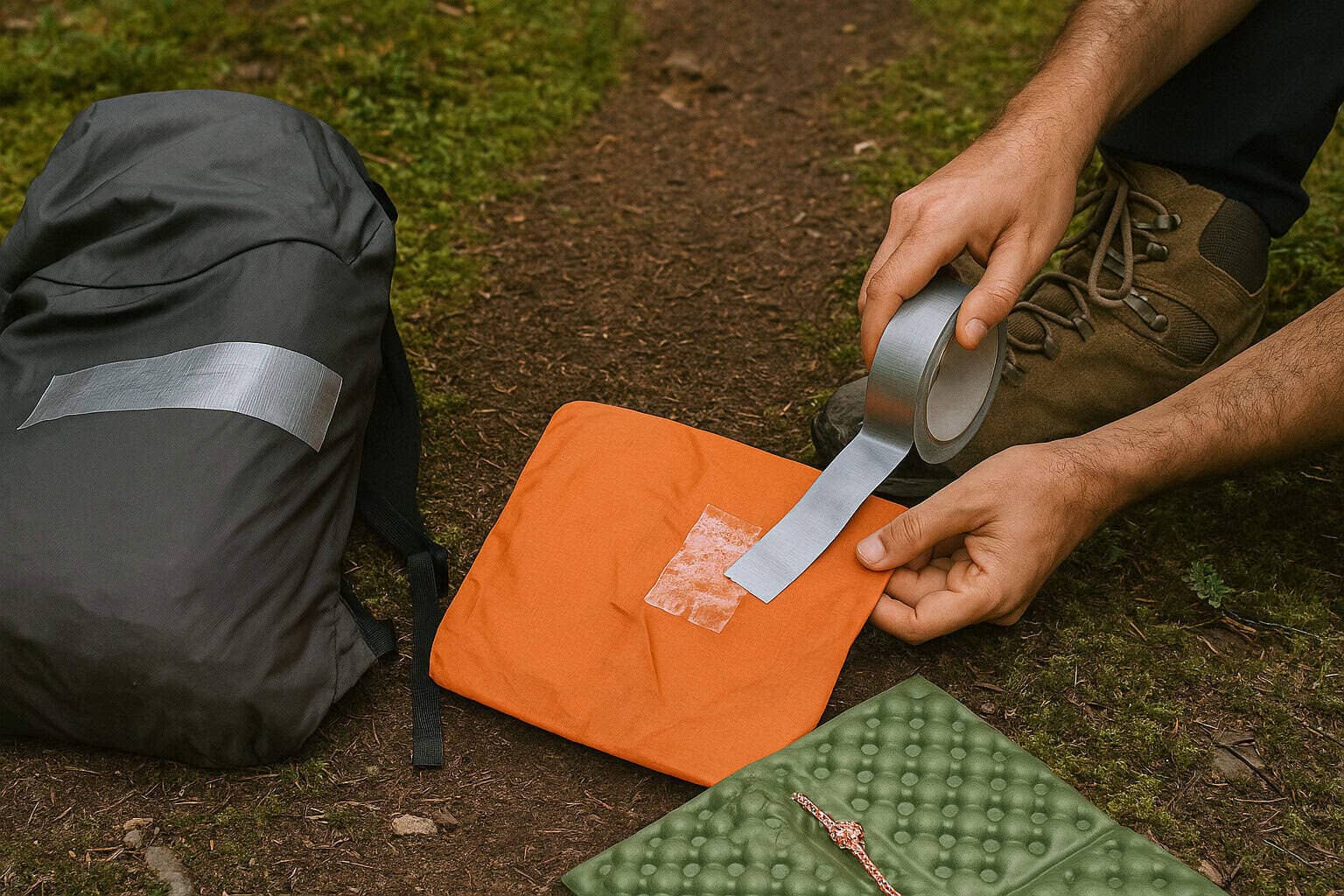 Trek Gears Tips & Reviews
By Shivam Shingari|Feb 2, 2026
Trail Gear Repair: Simple DIY Fixes That Actually WorkOnce you've entered the wilderness, issues with gear are likely to strike at suitable times. A backpack strap that isn't repaired or tent that's damaged, or water bottles that leak could be a potential battlefield if not quickly fixed using tools like paracord, duct tape and multi-tools like those mentioned here - that can be used to make repairs that are reliable even when you're the distance is far away from the nearest civilization. This article will demonstrate how quick and reliable maintenance of gear can be carried out even when far from the ghetto. It could be a hassle when you carry your bag around which is why replacing a damaged strap buckle should be your top priority. To provide quick and simple solutions: Duct Tape Wrap This strap must be folded and secured with the duct tape for an interim fixation in order to achieve this outcome. Paracord Replacement If your belt be completely damaged the paracord could be used to make a loop that can be secured with the buckle. Zip Tie trick: Thread the zip tie through the buckle holes, allowing it to assist the strap and secure it. Problem: A Rip in the fabric of a tent can let in rain, wind and insects. To ensure it is sealed, place Duct Tape Patch around both sides of the tear in order to create an impermeable barrier around it. Tenacious Tape (if there is one available): For repairs lasting a long time, Tenacious Tape may provide the most effective solution. Sewed and Tape Combination To repair larger tears make sure you sew the edges first, then apply TapeTape to secure the measure. Problem: A puncture in the water bottle could make you thirsty. Repair: Dry the area first, then seal any gaps with multiple different layers of duct tape. Super glue to fill in small holes Use using glass bottles (allowing for it to air-dry prior to refilling). A damaged pole could ruin any trek or shelter excursion. For immediate stabilization, you should use an extremely strong stick to serve as an splint that is aligned with the damaged portion and secure it with Duct Tape. Tent Pole Repair Sleeve (if included): Slip it over damaged areas to provide additional support and strength. issue: Losing a shoe sole when trekking can be catastrophic. To solve the issue, Duct Tape and Cord Wraps offer support. Tape the sole back into place Then, tie a paracord wrap around the sole to provide additional stability. Zip Tie Lugs are a great way to give temporary grip to worn treads. issue: A broken or stuck zipper can cause damage to backpacks or clothing. Instead of replacing the zipper pull in entirety with keyrings or paracord, you can use an alternative pull tab instead. Apply lip balm or wax to moisturize, which can help to loosen any zipper that is stuck. Safety pins are used as emergency stoppers in the event that the zipper's teeth are disaligned, the zipper's opening is prevented from happening. If you are in the wilderness and every milligram matters, being able to make quick and efficient repairs to gear yourself could not only be useful It could also save lives. Broken straps tear-strewn tents, ruined bottles or soles that are worn, paracord, duct tape zip ties and other tools can keep an fun trip from becoming dangerous. Trekup India frequently emphasizes "Prepare to face difficulties. Before leaving, bring with you a kit for repairs to come up with solutions and be confident - particularly because in the wilderness self-reliance is the best friend.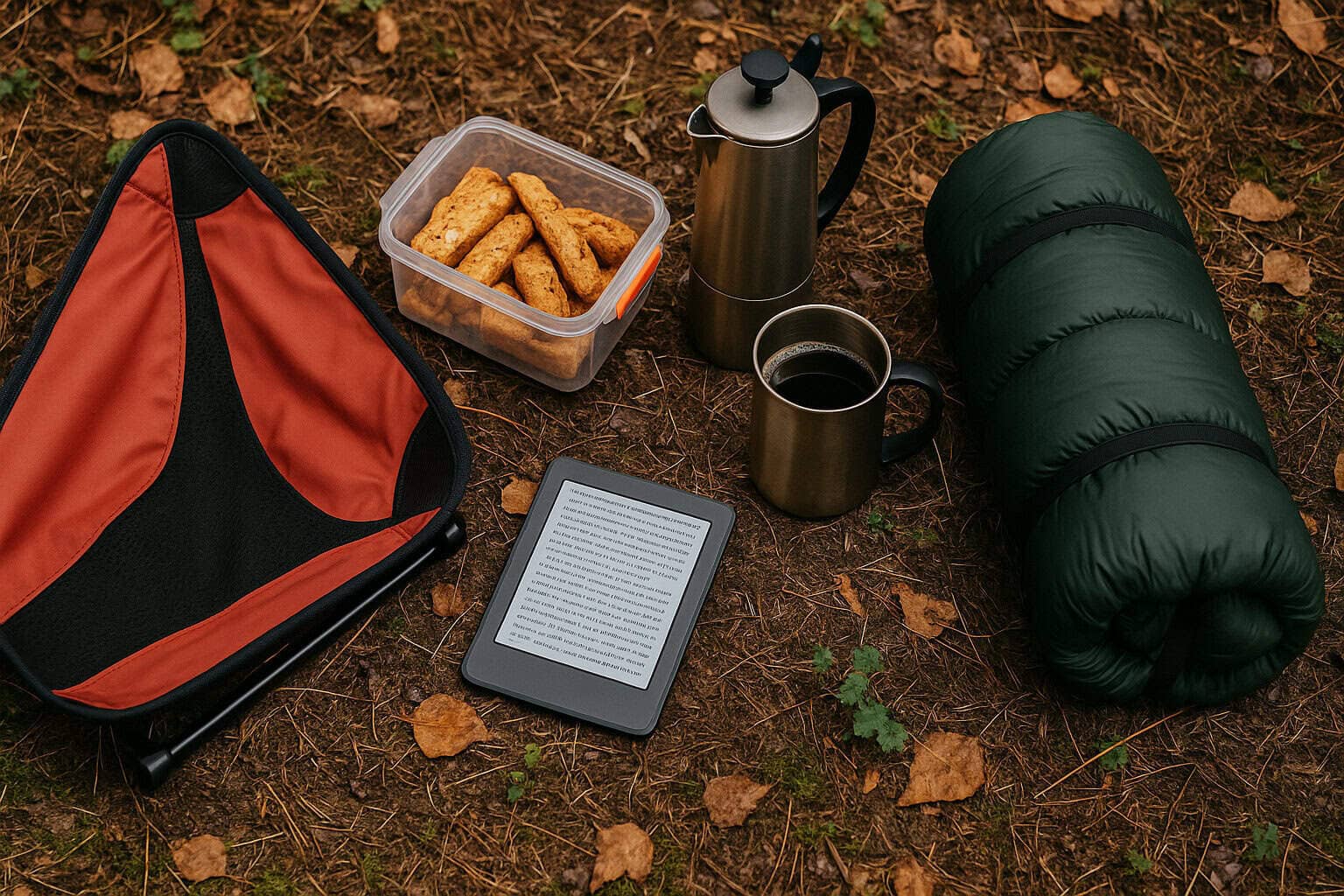 Trek Gears Tips & Reviews
By Nanda Rawat|Jan 25, 2026
Luxury Items for Trekking Worth Carrying Extra WeightThe process of packing for long-distance trek is a matter of weighing every gram. The most experienced trekkers can balance essentials without difficulty, while also taking into consideration the occasional luxury items that can make a difference when on the trek. While ultralight enthusiasts might dismiss certain items, other less essential items can boost the recovery process, morale, and overall enjoyment out on the trek. It's worth the investment: After hours of walking or sitting on a hard rock or muddy, damp ground can be incredibly uncomfortable. The purchase of portable camping chair that weighs less than 500 grams provides support for the back when eating or watching the sunset in addition to providing security during trips like those! NOTE: If space is limited, think about an affordable foam sit pad and more than enough! This investment will pay dividends. Instant coffee can be handy however there is nothing like freshly-brewed coffee at the mountain! It weighs just 380g and boasting barista-quality results AeroPress Go is a great choice. AeroPress Go (380g). NOTE: For maximum freshness grind coffee beans prior to placing them in the ziplock bag. What it offers: Allowing your feet to breathe after trekking will help reduce the formation of blisters and also swelling. A pair of ultralight Crocs or sandals (200-300g) can also double-duty as water shoes while traveling along rivers. Notice: Foldable designs offer huge space savings. This investment yields dividends Making jackets roll up to use as pillows can be tiring and an inflatable compact pillow (60-100g) provides neck support to aid in more sleep and restful sleep, two of the key elements to help you regain your fitness and health. NOTE:For optimal hardness, increase the volume of air to reach the desired level of hardness. The reasons to buy: If you're documenting or using GPS during your travels A powerful battery of 200-300 grams should ensure that your device is completely charged all the time. Solar-powered models are excellent long-term solutions. NOTE: Switching your phone into airplane mode will keep battery power intact and prolong the life of your battery. It is a good idea for economics investing in a lighter camping towels (50-100g). Microfiber that is quick drying and absorbent towel is ideal to remove sweat and drying off after bathing, removing streams or for washing cooking appliances. Note: For maximum odor prevention, opt for antimicrobial-treated towels. It's always worthwhile treating yourself to something indulgent following an intense trek such as dark chocolate bars with hard cheese or nuts could be a source of motivation and help replenish your energy levels after a workout. NOTE: For optimal freshness wrap the food items in wax so that it retains its freshness over a longer period. Then, you can refrigerate it. This purchase will be useful in the time of camp when you can read or writing, and will keep the mind active with an extra large notebook (100-150g) to stimulate thinking processes. NOTE: For weight savings Try reading online on Kindle or a phone instead of using a laptop computer. It's an investment worth making:Music or podcasts can provide a boost in breaks or on camping trips and can inspire all the members of your group. The use of a portable, water-proof speaker that weighs around 200g can be an effective option to get the group motivated! The reason it is worth it: Cleanliness while camping can be a challenge. Wet wipes made of the biodegradable leaves of soap (50g) help to quickly clean up without affecting the environment. NOTE: For easy transportation of unused wipes, put them in a ziplock bag. The most important thing to do for successful trekking is packing light but having a few carefully selected "luxury" products can dramatically improve your experience over multiple sessions of trekking without adding extra weight to your backpack. From a cup of hot coffee at sunrise, and a comfortable pillow following an uphill hike to chocolate and music under the evening sky of the Himalayas these items can boost your spirits, recover and mental wellbeing. Similar to their predecessors This trekker is enjoying every step of her way. A 200-gram camping chair or solar power bank could help you relax in your evenings and your mornings more lively It could be worth the effort to boost this aspect of your travels. Select what you value most. Happy trekkers are better trekkers.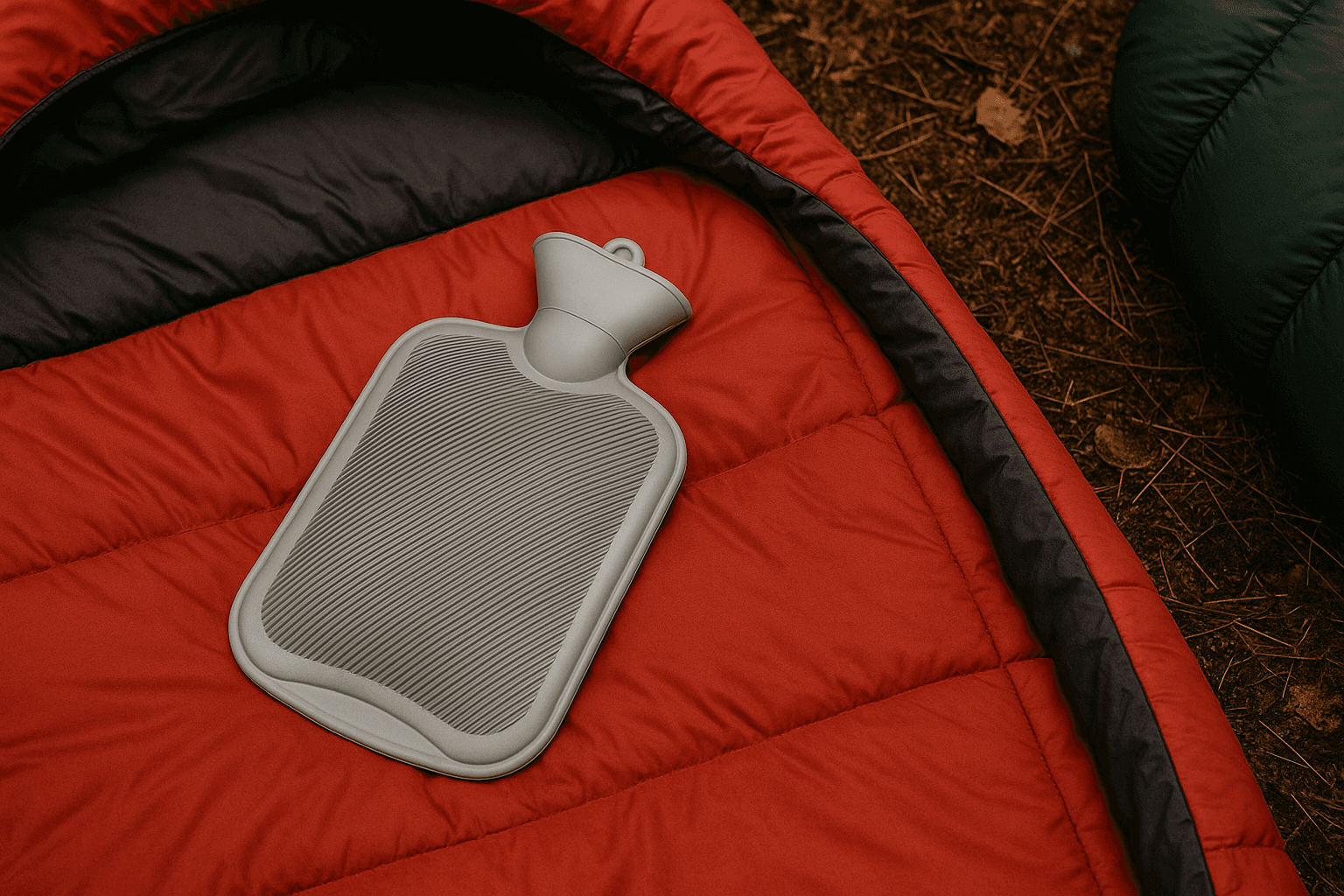 Trek Gears Tips & Reviews
By Anoop Rawat|Jan 25, 2026
Hot Water Bottle Sleeping Bag Hack for Cold NightsHiking in the highest altitude Himalayas within Ladakh, Spiti, or Uttarakhand can lead to temperatures to drop swiftly at sunset, even during the summer months. A winter night that is cold in your tent could make you feel cold and sleepy as well as reducing your safety and performance when you go on a trek. Trekkers who have been through this know and know the trick to hot water bottles. Simply put it simply, the Hot Bottle Hack involves filling up an empty plastic container with hot water and placing it in your sleeping bag to create instant comfort in a microclimate. While it seems like a small thing the method has proved its effectiveness in supplying warmth, improving sleep quality and reducing energy consumption over the course of the night. Indian Himalayan treks often include cold temperatures at night, despite the generally pleasant conditions. Camping close to Chandratal, Roopkund, and Har Ki Dun can make sleep a challenge; the hot water bottle trick could be particularly useful in these areas. Improved quality of sleep: essential to recovery at altitudes. Natural heat without batteries and the risk of fire! What you will need: A metal or hard plastic bottle for drinking (Nalgene-style is recommended), whereas soft plastic could create deformation). A great sleeping bag (rated by the temperature you are likely to experience at night) can suffice. A different option is to use a small sock or a cloth to wrap the bottle. TIPS FOR TRAVEL: Most treks offering camping aid offer hot water during lunch or tea time. take advantage of this chance! This Hack After having a meal or drinking tea and drinking tea, fill the glass by filling it with hot (but still not boiling) water between 70 and 80 degrees Celsius - ensure that the lid is secure because it could be very risky in the event of a leak! (Optional) Cover it in an afghan or put it inside an unclean sock to avoid burns that result from direct contact with your skin. Make sure not to allow direct contact between you as well as the bottle! To combat cold feet and lessen the impact on your sleep put the bottle near your feet inside the sleeping bag. This will help ease cold feet. To soothe and relax your muscles, put it next to either your belly or the thighs (near the femoral arterial). You could also put it on your lower back, when you feel it's sore or stiffness. Keep warm by snoozing in the sleeping bags, sealing in warmth while enjoying sleep at peace even at temperatures that fall below freezing. It is helpful in the event that your bottle is able to hold warmth overnight. Take advantage of this by using it wash your skin, sooth the hands or keep hydrated by drinking a hot glass of water every morning. When you travel through India's Himalayan Mountains in winter be mindful that the importance of recovery and comfort aren't just luxury things - they're essential. The hot water bottle hack is an easy and low-effort method which can dramatically improve and the overall quality of your sleep as well as your energy levels. It doesn't matter if you are you are camping near Roopkund or gazing up at Chandratal starry skies, this method makes your bed an inviting retreat even in conditions of sub-zero temperatures. Utilizing the natural warmth of nature and ditching large gadgets to make use of the facilities at camp will not only aid in surviving frigid temperatures but trek more efficiently too. If you are preparing for the mountains, take note of this hidden resource as a secret weapon that is not widely known.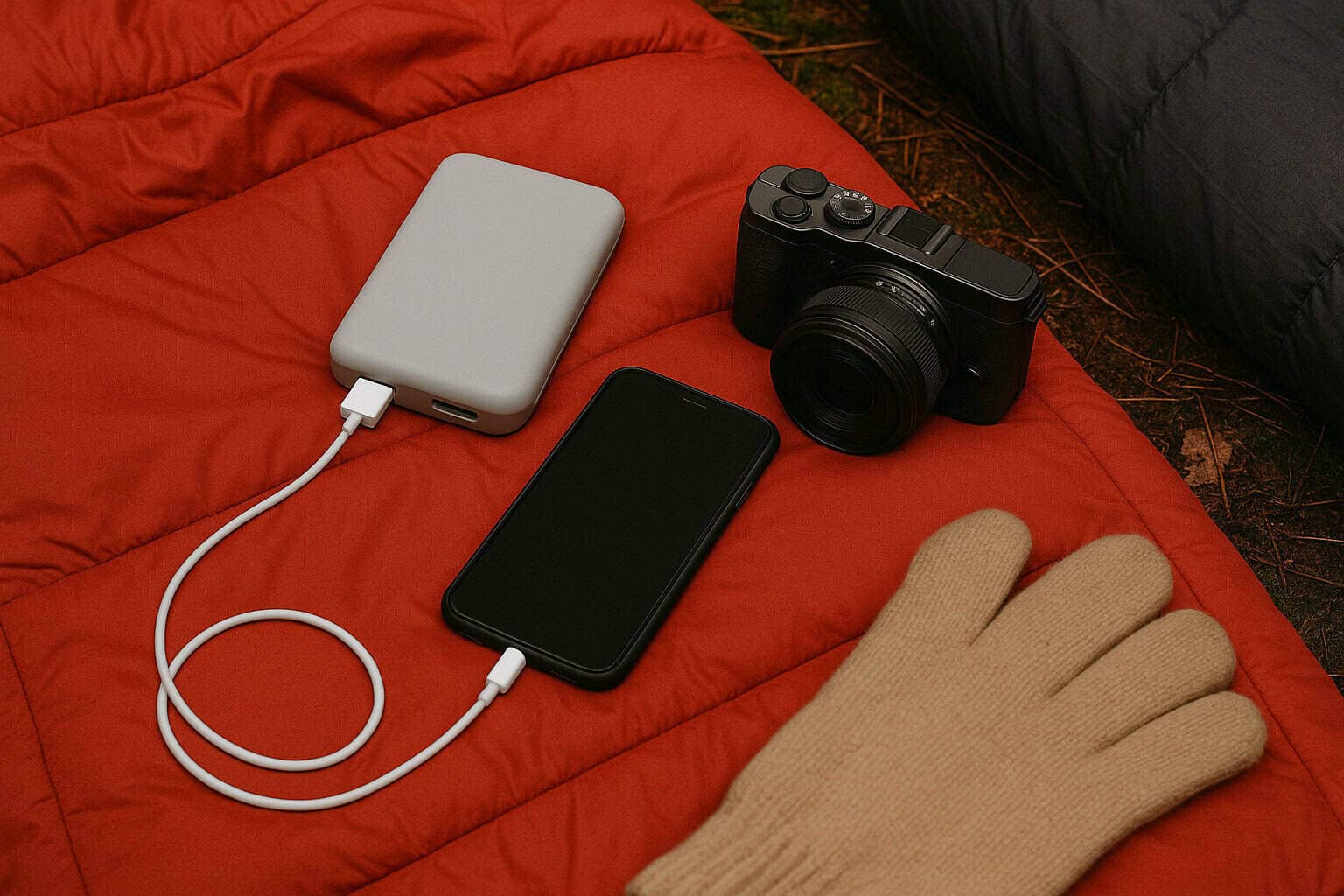 Trek Gears Tips & Reviews
By Nanda Rawat|Jan 25, 2026
Battery Saving Hacks to Keep Electronics Alive in ColdBroken phones or cameras can make it difficult to enjoy breathtaking photographs of the mountains, or even GPS navigation, more than any other thing. The cold temperatures drain batteries at an the rate of a million times faster which means that trekkers aren't able to connect to information, navigation or even pictures. However, with these tried and tested tricks to save battery to ensure your device will continue to function in frigid temperatures. Lithium-ion batteries that are used in phones, cameras and power banks depend on chemical reactions that decrease performance when temperatures are lower which is why their capacity is reduced briefly when temperatures fall below the threshold of 0 degC In extreme instances when temperatures drop below 10 degC, the battery can stop working abruptly. To ensure optimal care for your device Make sure to keep your electronic devices close to your body (such in the inside pockets of a jacket, or the chest strap bag). Wrap it in an insulating sock or jacket (foil-lined pouches are extremely effective). Hand warmers are an efficient solution; put them in close proximity to the device, but not touching the device directly (to avoid overheating the device). Prior to bed, put your smartphone as well as a power bank and camera inside your sleeping bag, as body heat can help to prevent the draining of cold water. Cold-Weather Power Banks When looking for power banks that are cold-weather (e.g., Goal Zero Venture 75 or Anker PowerCore Thermal), be sure to choose ones specifically made for operation at lower temperatures like Anker PowerCore Thermal. Keep power banks safe and secure. Better yet keep them inside the jacket when they are not utilized. Solar Chargers for Long-Distance Treks Foldable solar panels (like BioLite SolarPanel 10+ ) permit devices to recharged whenever sunlight is available, for instance when trekking for long distances. Ideal option for treks in high altitude in the summer when the sun is intense. Utilize a standard map and compasses for the best security. Informing the members of your trek group or the leader of the current state the battery is in. Best Tips For extremely Cold: Use a Ziploc bag to travel between cold and warm zones to minimize condensation. Before you embark for any long journeys it is advisable to charge your electronic devices in advance since cold weather can decrease the maximum capacity. Be cautious of any metal that touches you directly, since this can conduct the cold rapidly through it. The cold winter weather makes electronic devices seem even colder, making their batteries important when you're out walking trails or hiking routes. The loss of these precious devices because of a failed battery isn't just frustrating, it's embarrassing. Learning how cold can affect lithium-ion batteries and making use of the majority the the Trekup India's tricks, such as body heat insulation and hand warmers in airplane mode and safe charging methods that will increase the battery's lifespan can significantly extend its life and minimize the chance of having to stop mid-way through a trek. When trekking through snow-covered hills in Ladakh or through the alpine forests in Uttarakhand, just a few simple steps can ensure that electronics are working and secure.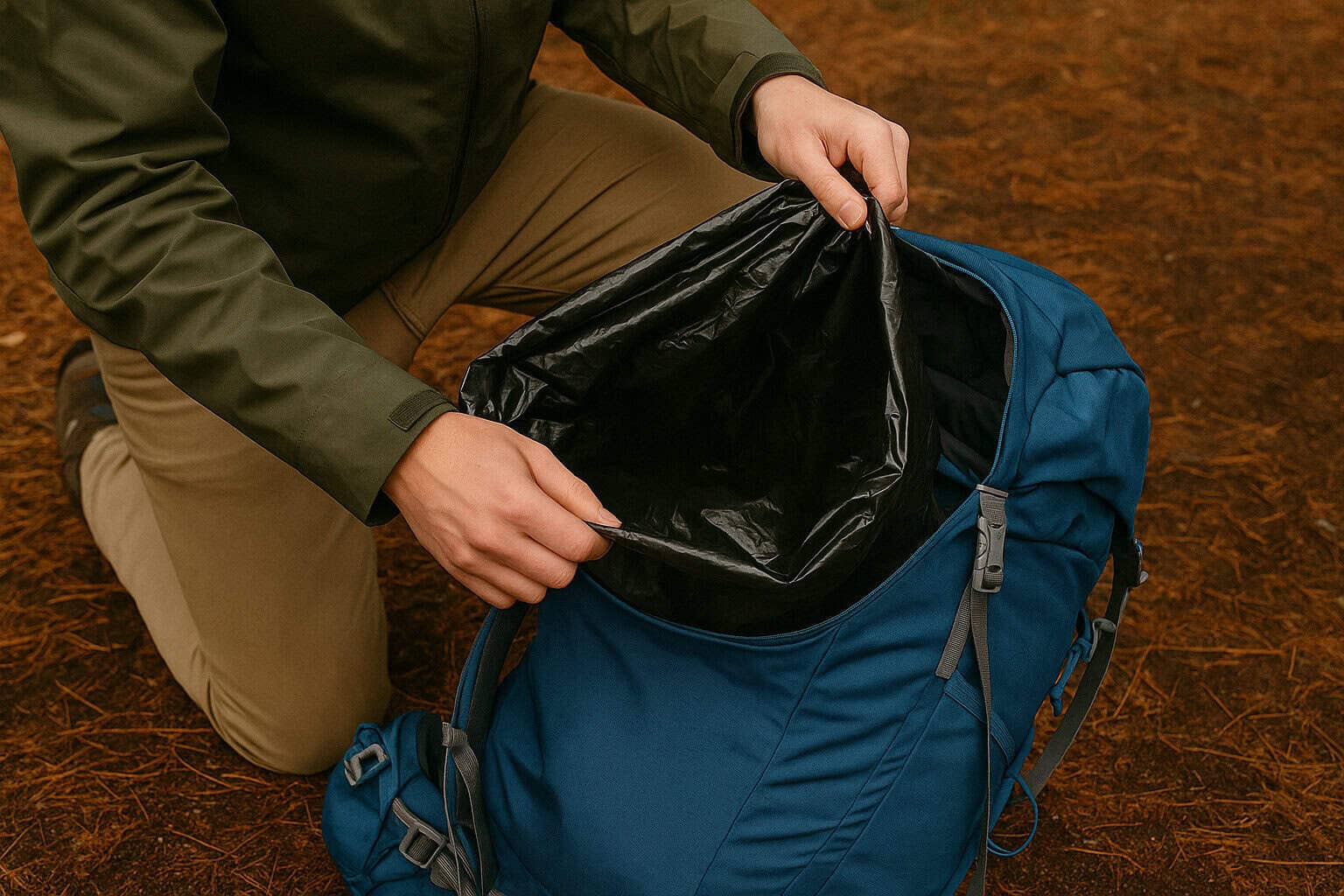 Trek Gears Tips & Reviews
By Nanda Rawat|Jan 25, 2026
Compactor Bag Pack Liner: Budget Waterproofing SolutionWhen you trek through the varied circumstances of the Indian Himalayas ranging from monsoon-fed valleys of Himachal to the snow-covered roads of Uttarakhand making sure to keep all your gear dry and clean a necessity. However, waterproof backpack liners or dry bags can be expensive and bulky. We therefore designed Compactor bags as a budget-friendly but lightweight and efficient method to keep important items, like trekking important items, clean during any trip. Compactor bags are heavy-duty plastic bags made to hold household garbage. In contrast to traditional garbage bags, these bags tend to be heavier (2-3 mil) as well as more puncture-resistant and last longer they are the ideal option for internal packaging liners. The heavy monsoon rains in the mountains and crossings of rivers in Sikkim and snowfalls in Kashmir can cause havoc to your gear if the water seeps in your bag. Although the majority of trekking packs are waterproof however, a handful of them provide waterproof protection. Compactor bags are completely protected against rain, snow and humidity. The first step is to line your backpack. Open your bag, put the compactor bag in the bottom corner, shape it in line with its interior shape, and then seal it up. The next step is making it fit these contours, if needed, and then attaching the compactor bag to be used later on. Include Your Most Valuable Items in:Secure all of the most delicate and risky objects (clothes bags, bags, sleeping bag, electronics, etc.) in the compactor bag, instead of scattering them within the bag. Twist, then Tuck When your compactor is filled, open its top bag to form an impervious sealing around the contents. Fold back the excess material prior to packing it into your backpack. This creates an impenetrable barrier against spills and air leakage. For added security when you are trekking (e.g., Valley of Flowers in July) Two bags or compactors can be placed inside one another to create a double layer. Cost-effective: Five packs are available for less than 200 rupees in hardware stores as well as online stores. Ultralight Ultralight bags provide little mass (roughly 100-100g per bag). Bags that are highly tear-resistant More durable and tear-proof than normal bags. The flexibility: Use as a dry bag that could be used as a personal poncho in case of emergency or a miniature groundsheet if needed. Color Code In order to make compactors easier for you to identify objects opt for transparent and clear bags. In this way objects will become easier to identify inside. To safeguard the double layer inside your compactor, put electronics as well as clothing in Ziploc bags before putting them in its liner. Refresh frequently: Though compactor bags will last for a long time however, as time passes their longevity can decrease. Be sure to check for holes prior to each trip. How to Apply It: A backpack should always be used during monsoon treks like Kudremukh, Harishchandragad, or Tarsar Marsar. An essential item for smart Trekkers If you're trekking across India's many and frequently humid regions compactor bags are often unnoticed heroes, being cheap, but durable, light and useful. If you're backpacking with the tightest budget or are an experienced mountaineer, incorporating this technique in your packing regimen could be the difference between pleasant travel and a sour experience. Trek Gears Tips & Reviews
By Anoop Rawat|Jan 25, 2026
Backpack Packing Tips for Stress-Free Travel: Prep the Night BeforeAsk any experienced hiker what makes the morning hikes in the mountains easier and the answer isn't necessarily extravagant equipment or fitness. It's usually something easy: Packing the backpack correctly the night prior to. In the TrekUp India We've witnessed the effects of rushing packing, which can result in missing headlamps, lost rain jackets, overloaded loads, and anxiety prior to the trek begins. On the other hand those who pack with calmness the night before start their day refreshed, calm and relaxed. When you live in the mountains, the way you start your day can determine how your day will unfold. Morning rushes are the fastest way to forget essentials--sunscreen, water bottles, gloves, snacks, or even permits. The night before packing allows you to think about your options and make sure that nothing essential is left out. The majority of treks start at a reasonable time. The knowledge that your backpack is prepared will allow your mind to unwind to sleep more soundly instead of focusing on your packing lists after midnight. Instead of rushing around in dim light or looking for lost things, you wake with the confidence that everything is there. Just a quick glance before a cup of tea and you're all set - physically and mentally. These aren't just theories. They are the habits that have been formed over thousands of departures from the beginning. Always make sure to pack the checklist that is specifically designed to suit your particular trek and time of year. For Himalayan treks This typically comprises: The act of removing items from the list reduces uncertainty and helps avoid the over-packing. Bottom of the Backpack Middle Section Top Section Side / Back Pockets Top Lid / Outer Pockets This system will help you not have to unpack your entire bag only to search for one item. The weather in the mountains can be unpredictable. Dry gear means better ease of use and less problems when you're on the trail. Items such as: It should be accessible without having to empty the backpack. Accessibility helps save time and energy. Before turning off your light A headlamp that is not working in the early morning or at dusk isn't something you'd like to face. The process of packing the night before can also be an opportunity for mental practice. When you put each item in its place in your bag, you envision the day ahead: weather, terrain breaks, the challenges. This increases your confidence and calmness. A properly packed backpack can also: A lesser amount of discomfort will mean greater energy and enthusiasm for your trek itself. Prior to each trek, TrekUp India conductors instruct trekkers on what to bring their bags efficiently. We strongly recommend that you finish packing prior to bedtime and utilizing the morning briefings for only final checks or to answer questions. This habit can be improved: Individually and in a group. The prior to bed isn't just about making it easier to get there on time. It will set the tone for your whole trekking adventure. At TrekUp India We've observed how this one habit can lead to more peaceful mornings, more clear minds and more enjoyable day out on the trail. When your backpack is neat your thoughts will follow. An organized backpack does more than just neatness. It demonstrates confidence, awareness of the mountains in front. Therefore, before you embark on your next trek make sure you pack your bags early, carefully and let your journey start with calm and not chaos.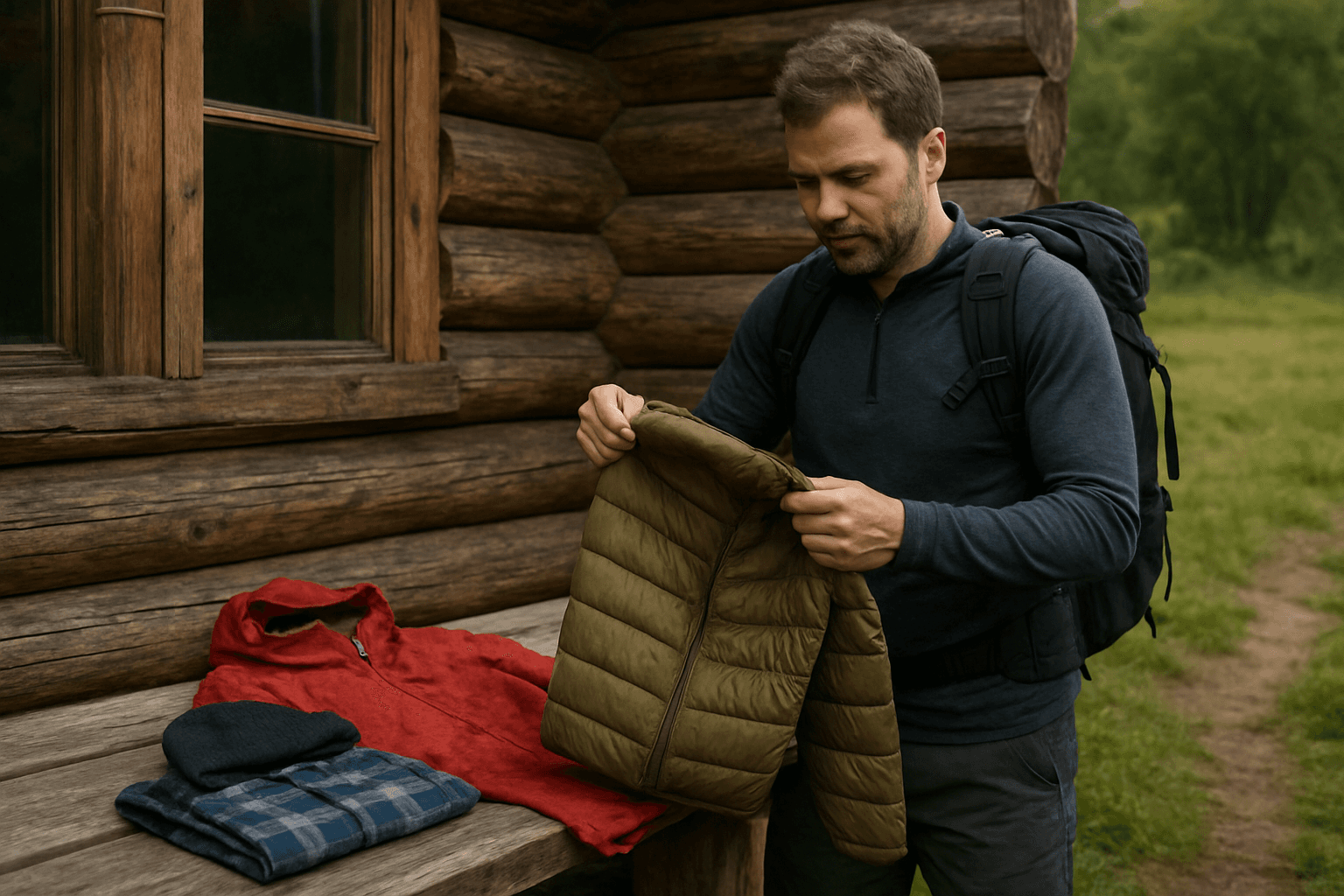 Trek Gears Tips & Reviews
By Nanda Rawat|Jan 22, 2026
Seasonal Gear Swaps for Trekking: How to Adapt Your Kit Year-RoundOne of the primary lessons that most trekkers are taught - often by accident--is the fact that Indian trekking isn't the same for everyone. A jacket that is perfect on a summer's ridge in Uttarakhand could be useless in an icy Himachal winter. Shoes that float through the dry, autumnal trails could become a liability during monsoon slush. In the TrekUp India We've witnessed this over and over. The hikers who love the most in the mountains aren't those who carry the largest gear, but rather those who modify their gear each season. With smart seasonal changes, you'll be less heavy, safer and much more comfortable. Let's discuss how your gear needs to change in the course of changing seasons. What does it feel to be:Long hot days, muddy trails, sweaty climbs, and surprising cool nights when the sun sets behind the mountains. A word of advice from the trail:Start early. Then finish early. Relax under shade in peak heat. This saves energy as well as reduces exhaustion. What does it feel as:Lush green landscapes, continuous moisture as well as slippery descents. sounds of rainfall that follows you everywhere. A word of advice for trail users:Avoid river crossings in heavy rain. Any view is not worth the risk of a flash flood. What does it feel is likeclear skies with crisp air warm golden light and that unmistakable sense of being in the mountains at its zenith. The trail's wisdom:Cold mornings are warm and quickly warm. Keep gloves and a hat on hand however, don't put on too much clothing. The way it makes you feelThe crunching of snow on your boots, fingers that are numb, shimmering sunsets - and silence that feels like it's almost sacred. The trail wisdomThe cold is more testing for patience than strength. Keep moving slowly, but not too fast. Whatever you do on your trek, some gear is always in your pack: The seasons change should affect your equipment, but they should not affect safety. Indian trekking alters its nature as the seasons change and the gear you use should be able to adapt with the seasons. From the sluggish summer ridges of Uttarakhand to monsoon-filled forests brimming with leeches within the Western Ghats, and frozen winter trails in Himachal, preparedness is not an option for luxury. It's about survival.. We at TrekUp India, we've learned that the top trekkers aren't defined by their expensive equipment. They are defined by how well they adjust--removing items they don't want and incorporating what they need to meet the demands of the season and embracing the mountains for what they are. Before beginning each trek take a pause. Make sure you check the forecast. Review your packing list. The season will determine your choices. Because when your gear is working in harmony with nature, your journey will be significantly more enjoyable.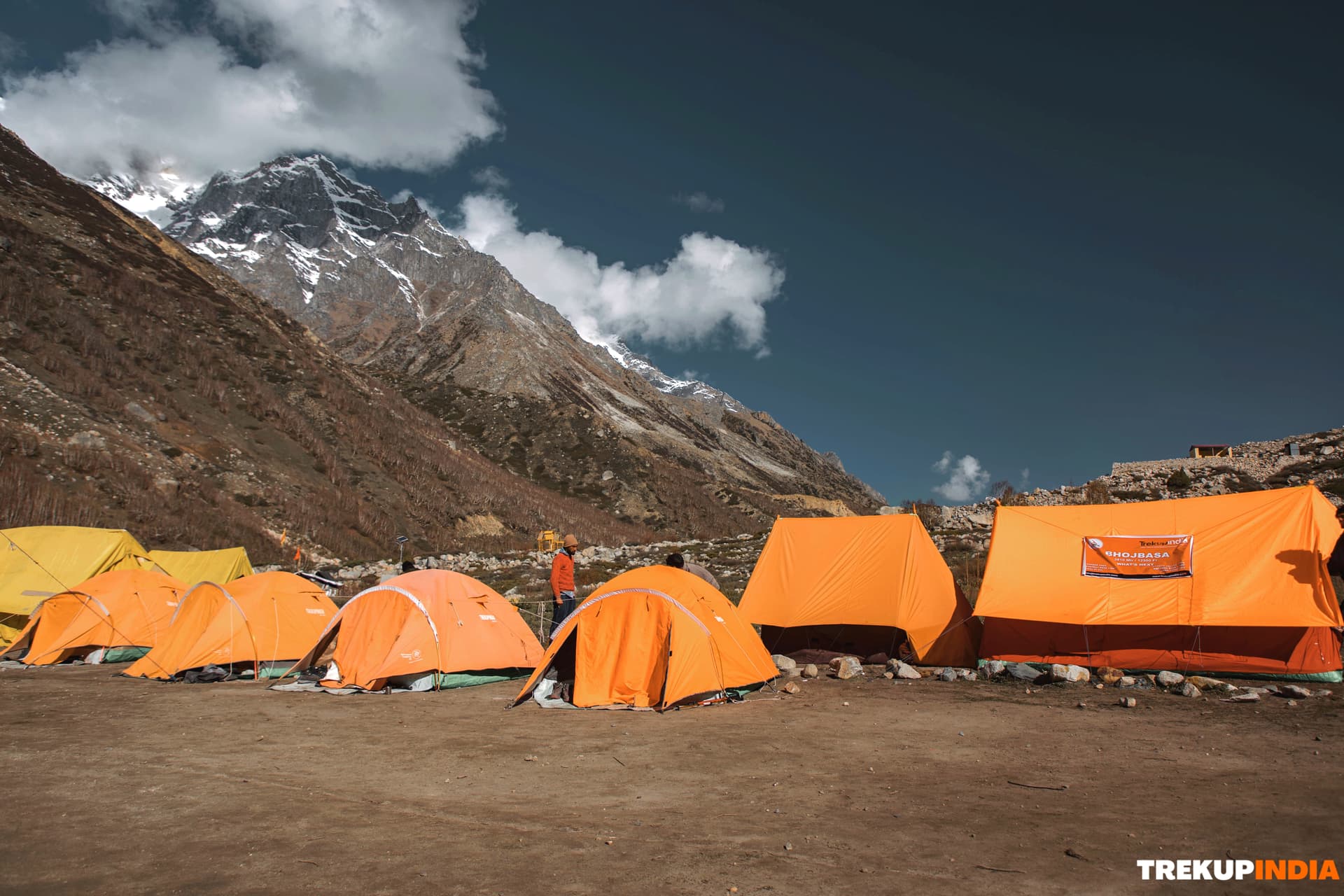 Trek Gears Tips & Reviews
By Nanda Rawat|Jan 22, 2026
Camping Cooking Hacks: Easy, Healthy & Nutritious Meals for TrekkersFood during the trek is much more than fuel for the day. It is comfort, recuperation and morale all in one. After a hard day of climbing, walking rough terrain or battling cold winds, a cozy and nutritious meal could completely alter the way a hiker is feeling physically and mentally. In TrekUp India, we've cooked hundreds of meals for campers throughout the Himalayas and Western Ghats. From cold deserts at high altitudes to camp sites in the forest that are damp One thing is for sure: simple, well-planned meals keep trekkers feeling energized and well-nourished.. Camp cooking is not without difficulties: limited fuel, a lack of equipment, unpredictability of weather and high energy requirements. The key is making smart decisions and ensuring that meals are easy, nutritious and effective. The weight of the mountain plays a role. Select ingredients that are light and non-perishable. They are also versatile. Staple carbohydrates: Protein sources: Flavour essentials: Vegetables that are fresh and hardy: These foods provide balanced nutrition that lasts for several days, without refrigeration. One-pot cooking helps save energy, is less messy and streamlines routines at camp. Trustworthy options include: One-pot meals are perfect for those who are exhausted and need to be efficient when it is the most important factor. Preparation in advance saves time and helps avoid the need to carry several containers. When you arrive at camp, just add hot water. There is no measuring or messing up required. This method of reducing fuel consumption is particularly beneficial at higher altitudes. It's great to make quick noodles, soya pieces and grains. It also helps conserve the precious fuel. Small adjustments can greatly boost the calorie density and warm. These supplements are particularly helpful when you live in high-altitude or cold temperatures. Not every meal calls for the use of a stove. Practical snack ideas for you: These snacks are perfect to eat for breakfast or trail breaks, and snacking on snacks for dinner. Inadequate hygiene can cause stomach problems on treks. Always: A healthy lifestyle is just as important as healthy eating outdoors. Cooking in the wilderness isn't about complicated cooking, but about simple planning, smart thinking and nutrition. When you use the correct ingredients and methods simple meals can be comfortable, rejuvenating and relaxing in the camp. In TrekUp India, we have repeatedly observed the way that warm, balanced meals can boost your recovery, improve spirits, and improve all-around trekking experience. In keeping food light healthy, nutritious, and simple to cook, trekkers are able to be able to focus more on enjoying the mountain. Make sure you plan your menu well, cook simple and let each campsite dinner turn into a little celebration in the open air.