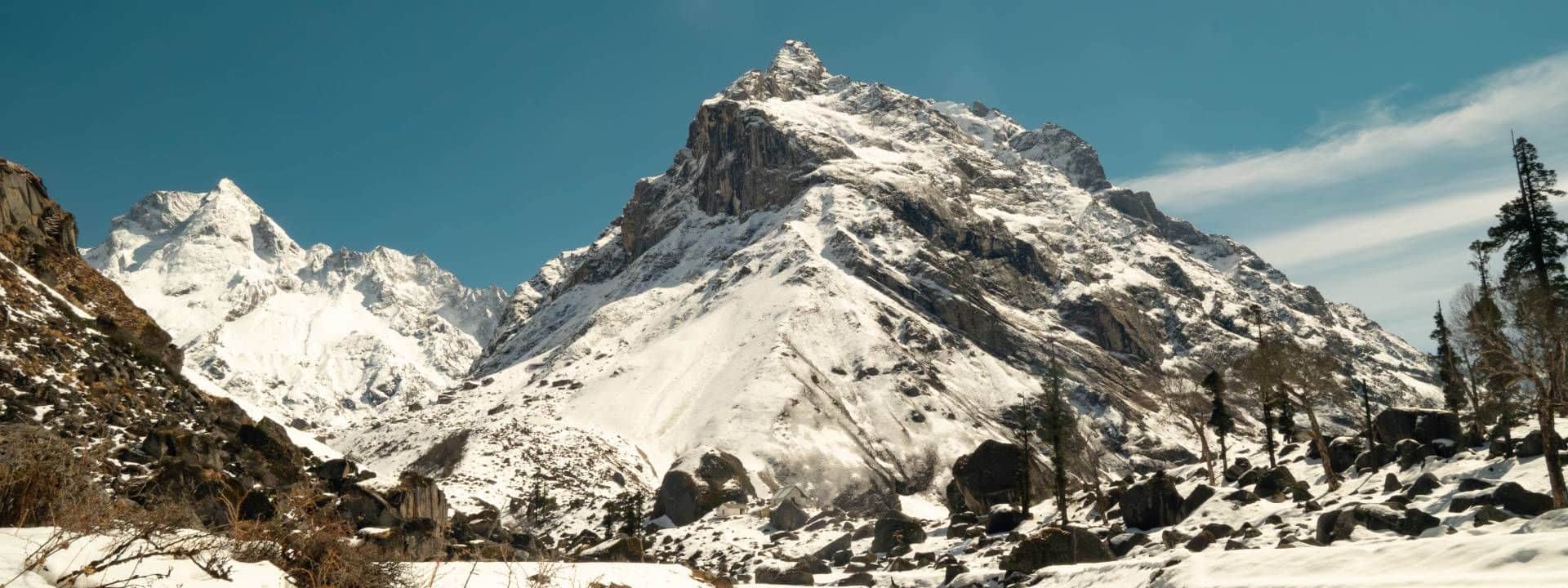
Hiking in the highest altitude Himalayas within Ladakh, Spiti, or Uttarakhand can lead to temperatures to drop swiftly at sunset, even during the summer months. A winter night that is cold in your tent could make you feel cold and sleepy as well as reducing your safety and performance when you go on a trek. Trekkers who have been through this know and know the trick to hot water bottles.
What Is a Hot Water Bottle Hack?
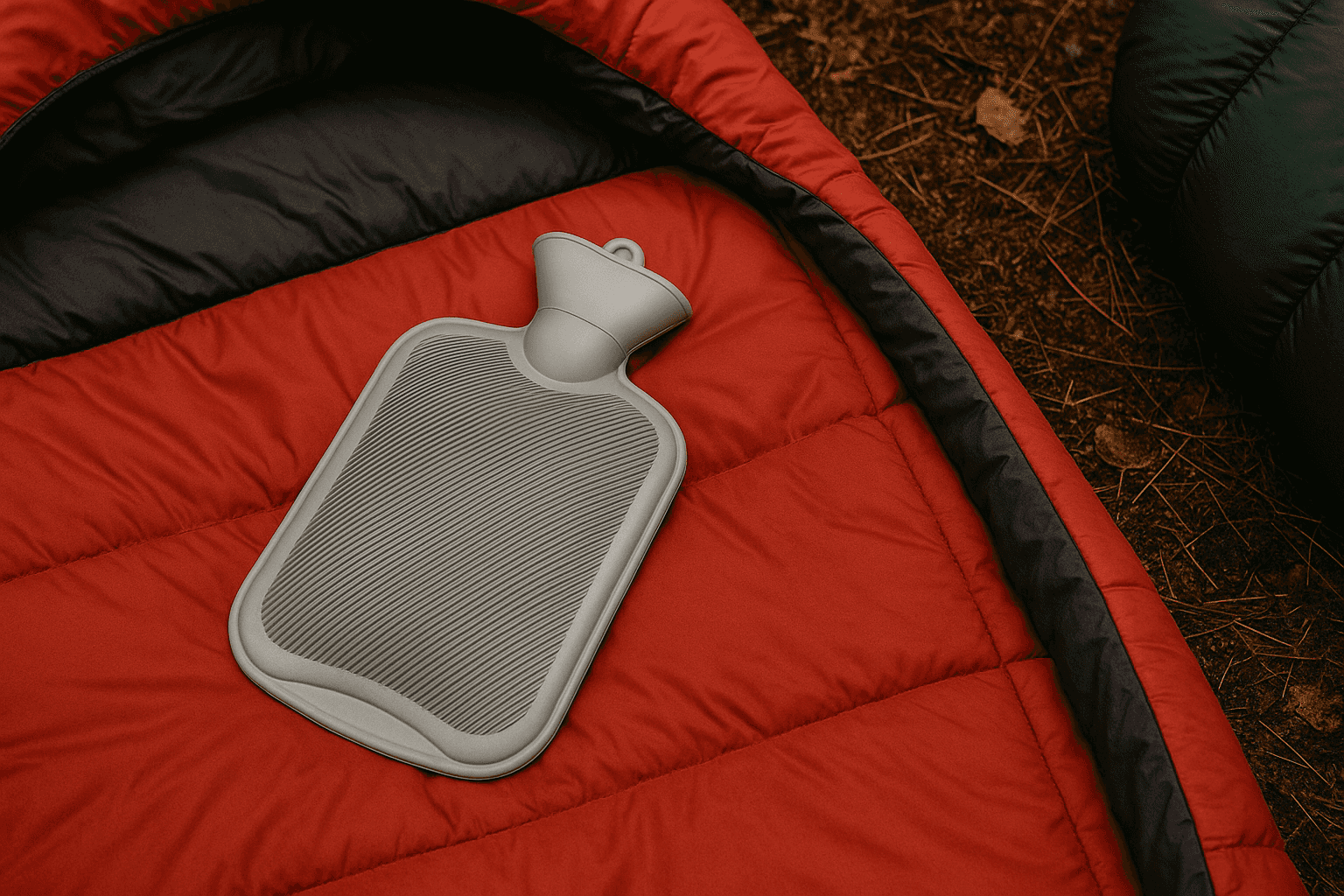
Simply put it simply, the Hot Bottle Hack involves filling up an empty plastic container with hot water and placing it in your sleeping bag to create instant comfort in a microclimate. While it seems like a small thing the method has proved its effectiveness in supplying warmth, improving sleep quality and reducing energy consumption over the course of the night.
Why Use it on Indian Treks?
Indian Himalayan treks often include cold temperatures at night, despite the generally pleasant conditions. Camping close to Chandratal, Roopkund, and Har Ki Dun can make sleep a challenge; the hot water bottle trick could be particularly useful in these areas.
- Instantaneous Heating Without Relying on heavy equipment or batteries
- Make sure to warm your sleeping bag in order to avoid cold cocoons.
- Relaxes muscles after a long day of walking
Improved quality of sleep: essential to recovery at altitudes.
Natural heat without batteries and the risk of fire!
What you will need: A metal or hard plastic bottle for drinking (Nalgene-style is recommended), whereas soft plastic could create deformation).
Accessing boiling or extremely hot water sources
A great sleeping bag (rated by the temperature you are likely to experience at night) can suffice. A different option is to use a small sock or a cloth to wrap the bottle.
TIPS FOR TRAVEL: Most treks offering camping aid offer hot water during lunch or tea time. take advantage of this chance!
How to Implement
This Hack After having a meal or drinking tea and drinking tea, fill the glass by filling it with hot (but still not boiling) water between 70 and 80 degrees Celsius - ensure that the lid is secure because it could be very risky in the event of a leak!
(Optional) Cover it in an afghan or put it inside an unclean sock to avoid burns that result from direct contact with your skin. Make sure not to allow direct contact between you as well as the bottle!
Place It Intelligently
To combat cold feet and lessen the impact on your sleep put the bottle near your feet inside the sleeping bag. This will help ease cold feet.
To soothe and relax your muscles, put it next to either your belly or the thighs (near the femoral arterial).
You could also put it on your lower back, when you feel it's sore or stiffness.
Keep warm by snoozing in the sleeping bags, sealing in warmth while enjoying sleep at peace even at temperatures that fall below freezing.
Safety Tips
- Before putting the bottle in your sleeping bag make sure to check for leaks.
- Be cautious when tightening lids of metal, as they may crack because of extreme temperatures. Overtightening may result in leakage.
- Do not use hot water straight from the stove since this can cause damage to or warp the bottle, and possibly cause burns.
- Use containers that are rated for handling boiling liquids (rather than plastic bottles that are only used for single use).
Trekup India Bonus Hack: Morning Warm-Up
It is helpful in the event that your bottle is able to hold warmth overnight. Take advantage of this by using it wash your skin, sooth the hands or keep hydrated by drinking a hot glass of water every morning.
Conclusion
When you travel through India's Himalayan Mountains in winter be mindful that the importance of recovery and comfort aren't just luxury things - they're essential. The hot water bottle hack is an easy and low-effort method which can dramatically improve and the overall quality of your sleep as well as your energy levels. It doesn't matter if you are you are camping near Roopkund or gazing up at Chandratal starry skies, this method makes your bed an inviting retreat even in conditions of sub-zero temperatures.
Utilizing the natural warmth of nature and ditching large gadgets to make use of the facilities at camp will not only aid in surviving frigid temperatures but trek more efficiently too. If you are preparing for the mountains, take note of this hidden resource as a secret weapon that is not widely known.
About the Author: Trekking Expertise You Can Trust
Admin
Anoop has worked for 5 years as a Trek Leader with TrekUpIndia, leading numerous treks across the diverse and challenging terrains of Uttarakhand and Himachal Pradesh. He holds a degree in Geology with a specialization in Geographic Information Systems (GIS) from UPES Dehradun. During his academic years, he actively applied his classroom knowledge in the field—most notably by contributing to a glacier research project on the Jundar Glacier in the Har Ki Dun Valley, Uttarakhand. And now, Anoop is a trekking content writer with TrekUp India, specialising in seasonal Himalayan trekking guides, winter safety content, and trek planning resources. His work is informed by field research, trek leader inputs, and real trail conditions across Uttarakhand, Himachal Pradesh, Ladakh, and Kashmir.