
Prev
1 / 9
Next
 Trek Gears Tips & Reviews
By Nanda Rawat|Jan 22, 2026
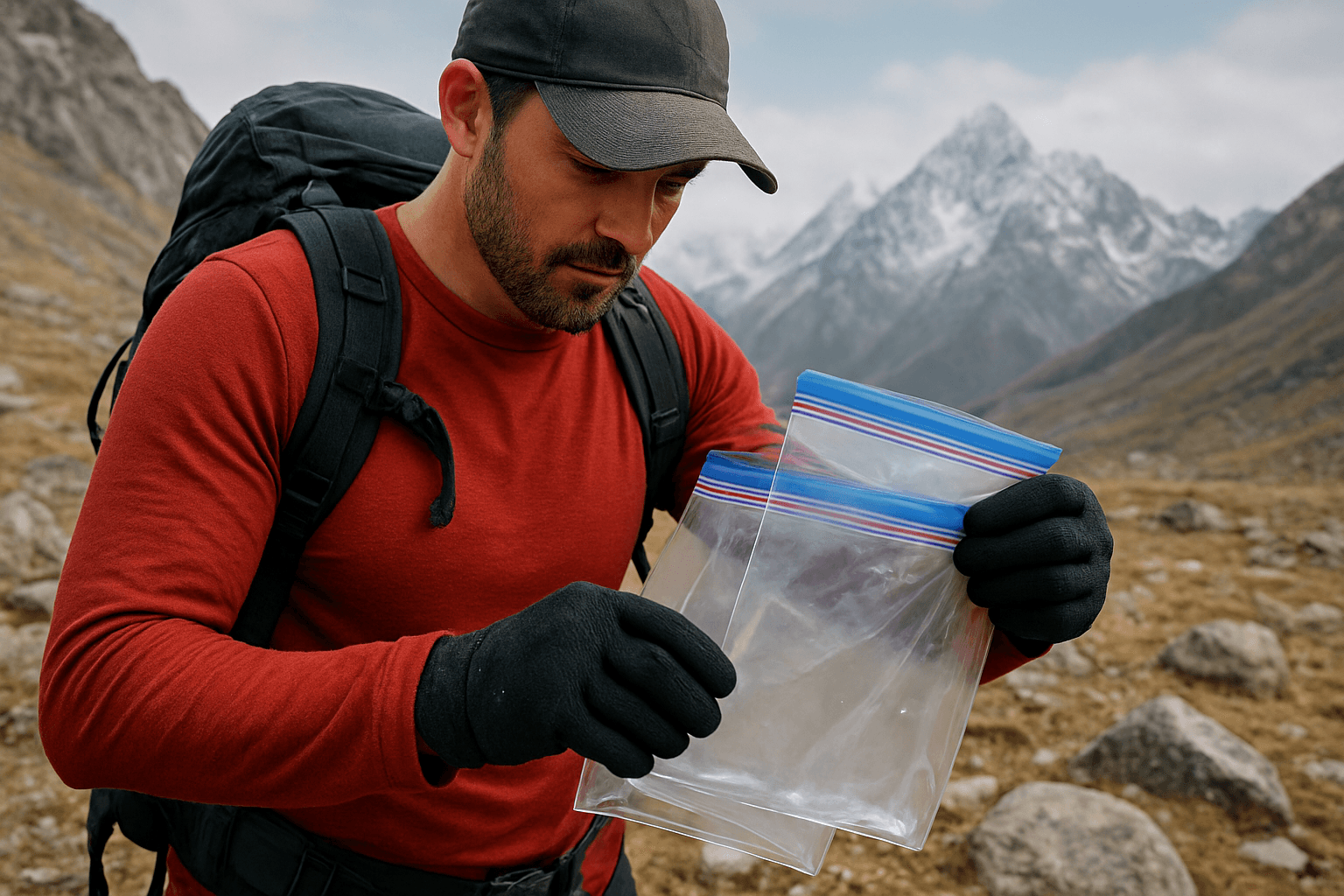
Ziplock Bags for Trekking: Smart Packing & Organization Tips for HikersTrekUp India has discovered that some of the most reliable trekking gear isn’t always from top outdoor brands; sometimes, small household items prove more useful for trekking expeditions than ever before. One such item is the zipper bag; light, watertight, and recyclable, it can help trekkers keep organized while staying dry when trekking through mountain terrain. Zip lock bags may provide trekkers with everything they need to keep organized, dry, and relaxed during mountaineering journeys. In Himalayan treks, the weather can change rapidly from sunny to rainy within minutes, and zip lock bags provide an effective way to ensure that smartphones, maps, and matches remain dry if your backpack gets wet. Compared to more bulky dry bags, which weigh significantly more, zip lock bags require minimal additional weight or bulk. Rely on larger zip lock bags to separate dirty and clean clothing or store wet objects to prevent dampness from dampening other items in your bag, and hamper packing and unpacking processes more efficiently. It will also make packing and unpacking simpler. Most people like to enjoy their food when out and about. Organizing snacks, dry fruit, and even single meal rations in zip lock bags can save time and reduce mess while helping keep food fresh; in addition, these bags help prevent any debris or spillage from entering the bag and potentially spoiling its contents. To stay prepared in case of emergencies, organize your first-aid kit in easily identifiable zip lock bags with transparent sides so it’s quick and simple to locate items. To be responsible when trekking is to carry everything you’ve brought along safely to the base. Zip lock bags can help with safely disposing of tissues or snack wrappers at the end. Power batteries, camera equipment, and other electronic devices that rely on water are vulnerable when you travel at high altitudes; adding a layer of protection without increasing weight is key to ensuring their continued functionality. A snug zipper bag offers another layer of watertight protection while still being lightweight. Losing or damaging documents such as identification, permits, and insurance can create major difficulties while trekking. Storing them safely inside a zip lock bag protects them from snowfall, rainstorms, and accidental spillage that might occur along the journey. Zip lock bags may seem inconsequential in mountainous regions, but their flexibility, lightweight weight and protection characteristics make them essential tools. From protecting electronic devices from moisture to managing waste on trails and trekking excursions – having these small zipper lock pockets could mean the difference between an exhausting trip or an enjoyable journey. We at TrekUp India believe having just a few zip lock bags in your backpack could mean the difference between an exhausting experience or one with smooth sailing ahead.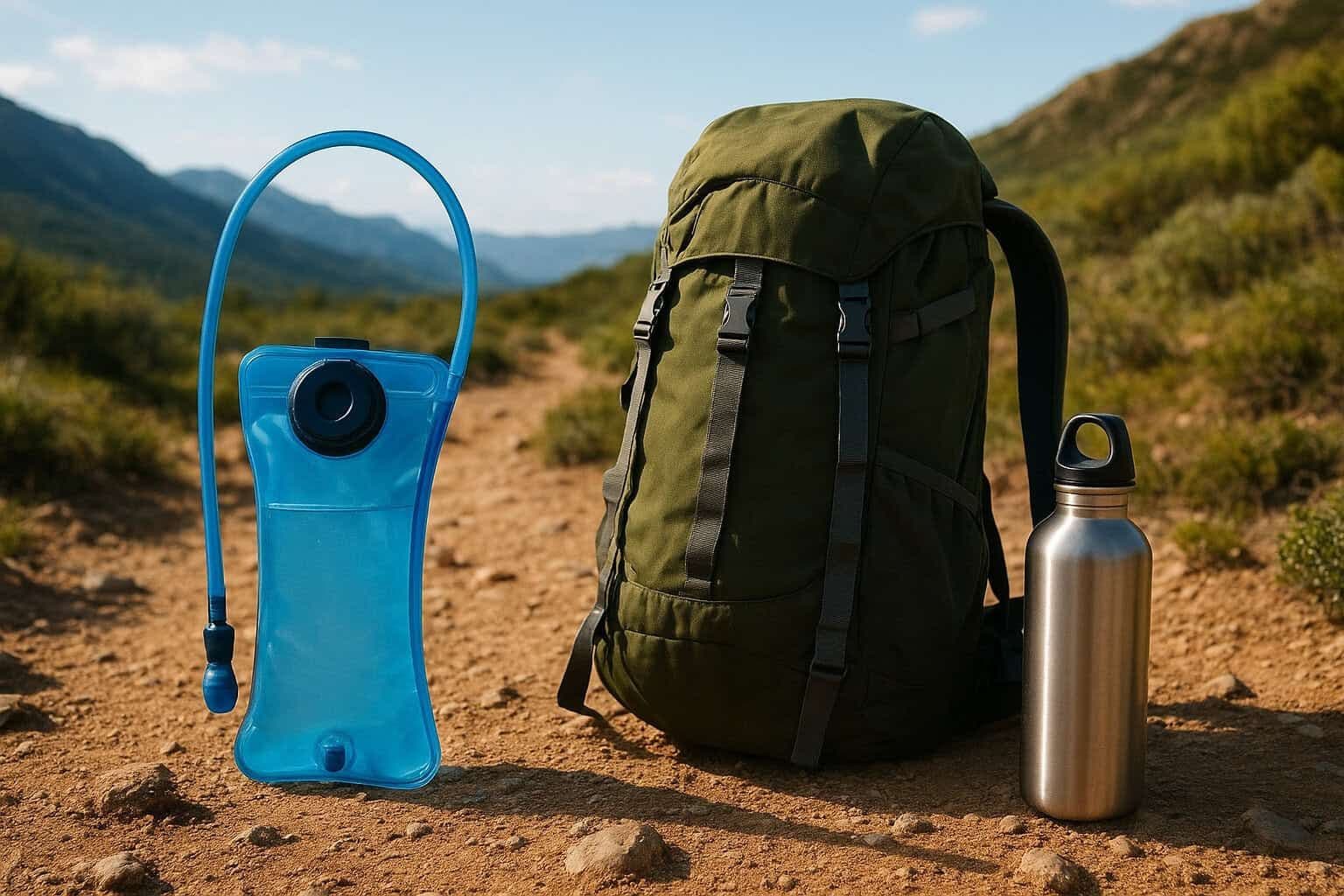 Trek Gears Tips & Reviews
By Nanda Rawat|Jan 22, 2026
Hydration Bladder vs Water Bottles: Pros, Cons & HacksWhen on Indian trekking trips, conversations on the hydration equipment are similar to conversations over the chai break. Many trekkers prefer water bottles for sipping hands-free and others opt for traditional water bottles due to their ease of use and durability. In TrekUp India, we have observed both systems perform exceptionally and fail, depending on the terrain, weather conditions altitude, as well as personal walking practices. There is no one universal "best" alternative. The best choice is based on the type of trek you take the trail, where you hike and how strict you are when it comes to drinking water. This guide explains what are the real-world pros and pros, and tricks to keep you well-hydrated and secure while hiking. Dehydration is more frequent in mountains than in the sea even in cold weather. Principal reasons include: Inadequate hydration in altitude could cause: The key isn't just carrying water around, but taking small quantities regularly. Hydration bladders are very popular with hikers who want to drink continuously without having to stop. "HTML0" India Tips:Always put your bladder in the waterproof liner or sleeve to safeguard your clothes and sleeping equipment from leaks. Water bottles are the most reliable way to hydrate for a lot of Indian trekkers. TrekUp India Tips:On winter hikes, wrap your bottles with a wool socks or place them inside your backpack to keep them from freezing. Many skilled Indian trekkers make use of both of these systems in conjunction. This configuration offers security, convenience and redundancy that is essential for mountain terrain that is remote. Examined by Rajneesh Trek leader, TrekUp India This article was examined by Rajneesh Negi who has vast experience on the ground conducting treks across Uttarakhand, Himachal Pradesh, and high-altitude Himalayan routes. The hydration techniques and gear tips discussed above have been proven through actual trekking conditions that include extreme cold and long ascents, water shortage and dehydration-related altitude challenges. There's no universal solution in deciding between hydration bottles or water bottle. Hydration bladders are excellent in hands-free drinking, frequent consumption and frequent drinking, and water bottles are a great option for ease of use, durability and a better way to control intake. For the majority of Indian treks it is recommended that a mixed system is the best choice for balancing your needs. Keep in mind that hydration isn't about drinking a large amount of water every now and then, it is about regular, small amounts all day long. For those living in the mountain regions, drinking water isn't only fuel, it's vital for survival.. Select the one that lets to drink regularly, shields your equipment and helps keep your body running efficiently. Staying hydrated is keeping secure.