
Prev
1 / 9
Next
 Travel Tips & Guides
By Adhish Bhandari|Sep 21, 2026
The Mythology and Folklore behind Pangarchulla PeakThe Pangarchulla Peak is not only a paradise for trekkers but also a place filled with mythology and folklore. Situated in the heart of the Garhwal Himalayas of Uttarakhand, this peak has ancient stories still believed by locals that connect nature, gods, and the mountains. Trekking here is not merely climbing to the summit; it’s about treading in the footsteps of the legends, where the mythological stories about these mountains have been passed down for generations. While the mythology of Pangarchulla is less well recorded than that of some other, more popular peaks, it is still rich in the thick cultural richness of Garhwal, with its profound spirituality about gods, spirits, and the land. As you climb up the magnificent Pangarchulla Peak, you cannot help but get immersed in the pages of history, culture, and mythology that have pervaded this monumental marvel. The folklore and mythology of Pangarchulla Peak are not just stories of the land; they are woven deeply into the fabric of the place, holding secrets that have been passed down for centuries. From its spiritual significance to its connection with Lord Hanuman and Lakshman in the Ramayana, this peak is a symbol of spirituality as well as adventure. Mount Dronagiri is one of the most spectacular peaks visible from the Pangarchulla summit. It is believed that the Sanjeevani Booti had exceptional medicinal value, and can even resurrect the dead! In mythology, when Lakshman fell unconscious after receiving a killing arrow in his combat with Maghnada, Lord Hanuman was sent to pick up the Sanjeevani Booti in order to revive him. Hanuman did not find the specific herb, though, and under stress, picked up the entire mountain, which was said to be either Dronagiri or Gandhamardhan, and transported it to the battlefield in order to revive Lakshman. This saved Lakshman’s life but deformed the holy mountain, for which the people have never forgiven the Gods. Even to this day, some communities within the region do not worship Lord Hanuman, even omitting his role in the Ram-Leela performances during Dussehra. This peculiar combination of folklore and religious beliefs provides a profound spiritual layer to the mythical narratives of this region. Other than connection with Lord Hanuman and Sanjeevani Booti, Pangarchulla Peak is also associated with other Hindu Gods. Pandavas, according to local myth, are said to have passed through this very region when heading towards Swargrohini, the peak that represents the path to heaven in Hindu mythology. The Kuari Pass trek section of the total trail to Pangarchulla is said to have been a track trodden by the Pandavas. Even the top has been described as the playground of Lord Ganesha, so many layers are bestowed upon the summit in the way of cultural and spiritual weightage. The convergence of such mythological events makes the Pangarchulla Peak no less than a spiritual journey, representing the convergence of nature, spirituality, and mythology. Trekking Pangarchulla Peak with Trekup India is more than just a trip to the Garhwal region of Uttarakhand. The trek leaders, being locals of the nearby areas, have immense information about the region’s flora, fauna, and rich folklore. Their strong connection with the land and its history enables trekkers to see a part of the Pangarchulla Peak trek that most people do not. You will be treated to fascinating tales about the mythological importance of the mountain, its natural splendor, and the customs of the inhabitants of this region. Trekking with Trekup India provides you with a genuine insight into the local way of life. You will not just be learning about the mountains and the trek but also about the culture, customs, and daily way of life of the people who have inhabited these beautiful landscapes for centuries. The trek leaders will present you with information on the nearby villages, their ways of living, and the way they live peacefully with nature in this distant area of the Garhwal Himalayas. It’s that unique, firsthand cultural experience which makes trekking to Pangarchulla Peak with Trekup India such a unique and memorable one. And that’s not all, Trekup India also sees to it that the food part of your trekking experience becomes equally memorable. Their master chefs serve and prepare local specialties, and you will get an opportunity to enjoy the region’s true flavor. From a hot, warming meal after a trekking day to freshly prepared snacks, all your meals will be true expressions of the region’s rich culinary tradition. Together with the thrill of the adventure and cultural interaction, the dining experience while trekking to Pangarchulla Peak with Trekup India will be an integral part of your memories. Trekking to Pangarchulla Peak is not only a physical trek, it’s a spiritual journey that takes you through territories rich in mythology, folklore, and legend. The association with Lord Hanuman, the Pandavas, and Lord Ganesha gives your journey multiple layers of meaning, making it an experience like no other. As you absorb the stunning vistas and challenge yourself to the top, you’ll discover that the trek has something much deeper to offer, a chance to connect with nature, myth, and the enduring tales that have defined the Garhwal Himalayas for centuries. Travel Tips & Guides
By Anoop Rawat|Sep 21, 2026
Bali Pass Trek: A Guide to Its Most Beautiful CampsitesUttarakhand offers an incredible trek in the Himalayas experience combined with breathtaking Himalayan scenery, as this trek blends adventure with stunning Himalayan panorama. Starting from Sankri, a picturesque village near Uttarkashi, and reaching 16,200 feet. The Bali Pass Trek guide highlights its challenging terrain, winding its way through rugged terrains, picturesque villages of Uttarakhand, and dramatic mountain landscapes, with campsites along the trail providing comfort and beauty of this Himalayan adventure. Discover its charm on an unforgettable Himalayan journey – take on its challenging terrains for an unforgettable Himalayan experience. The Bali Pass Trek in Uttarakhand is a thrilling high-altitude experience that begins in Sankri and winds its way up to 16,200 feet. Renowned for its challenging trails and beautiful campsites such as Seema, Devsu Bugyal, Ruinsara Tal, Odari, Bali Col, and Lower Dhamni—each offering serenity as well as breathtaking Himalayan vistas—this Bali Pass Trek guide provides something different than any other. At Camp 1, Trekkers on the Bali Pass Trek will find peace after their long trek from Taluka. Travelling by scenic drive along winding routes through deodar and bamboo forests before beginning your trek through thick chestnut, willow, walnut, and oak forests on the route. En route, Gangad Village showcases vibrant Himalayan architecture and culture as well as authentic Garhwali culture; finally, Seema provides its tranquil sanctuary among snowcapped mountains and unspoiled nature! Seema provides an outline for a trek along the Supin River that leads to Devsu Bugyal in Ruinsara Forest, known for its Himalayan wildflowers, dense greenery, and breathtaking beauty. Wildlife enthusiasts will delight in observing various animal and bird species that reside here. As we journey toward Devsu Bugyal, the path will wind through dense forest with sandy and stone trails gradually descending to the riverbed before following the Supin River shoreline to Rain Basera camping area. Be mindful when approaching Rain Basera as some slippery sections exist near its entrance; be wary, as Rain Basera offers both a safe and enjoyable trekking experience! When arriving at Devsu Bugyal the landscape changes significantly with breathtaking views of Osla Village as well as Ruinsara valley featuring meadows stretching for almost 2 km in Ruinsara valley with its sprawling meadows stretching for approximately 2 km. Ruinsara Tal Campsite can be found along the Bali Pass Trek and offers beautiful camping facilities near Ruinsara Lake for an idyllic camping experience, indulging in peace and serenity as it blends harmoniously into nature’s bounty. Surrounded by majestic mountains and lush meadows, it has a serene atmosphere that creates an environment conducive to deep meditation, not to mention spectacular panoramic views. Ruinsara Tal campsite provides breathtaking views of Yamuna Kanta in the south-west and Dhundhari Kandi Ranges in the east; not to mention White Peak and Kala Nag in the southeast, For trekkers looking to experience trekking firsthand, camping at Ruinsara Tal offers a thrilling opportunity among these iconic Himalayan peaks – Ruinsara Tal is our go-to spot to capture everything trekking offers. Odari Campsite can be found along the Bali Pass Trek and offers tranquility in beautiful surroundings. According to legend, Odari was named for a rock cave believed to be where Bali, Sugreev’s brother resided. Swargrohini Mountains offer stunning scenery; you may even catch sight of Himalayan Mountain Bear, plus this campsite’s prime position provides beautiful panoramic views of scenic valleys and Bali Pass. The Bali Col Camp serves as the final stop before ascending Bali Pass’ summit, situated at an elevation of 15100 feet on the trek route and offering breathtaking views and exhilarating challenges ahead. Trekkers who wish to avoid Acute Mountain Sickness should make it their top priority to remain well hydrated on their trek, particularly when traversing steep ridges with slopes of 60 degrees or steeper. Rapid temperature drops and prolonged acclimatization times at higher altitudes require careful preparation as well as compliance with instructions from leaders. Lower Dhamni is the final camp on the Bali Pass Trek and features stunning vistas as you make your descent down narrow trails towards Bali Pass Summit. Here you will enjoy peaceful camping site access via trails winding through forests – providing an idyllic retreat before returning back into civilization. On your Bali Pass Trek, you will come across various campsites, each one providing its opportunities and challenges. Each campsite allows you to experience the Himalayas’ beauty up close while making new connections as you traverse challenging terrain together with fellow trekkers and your trek leader.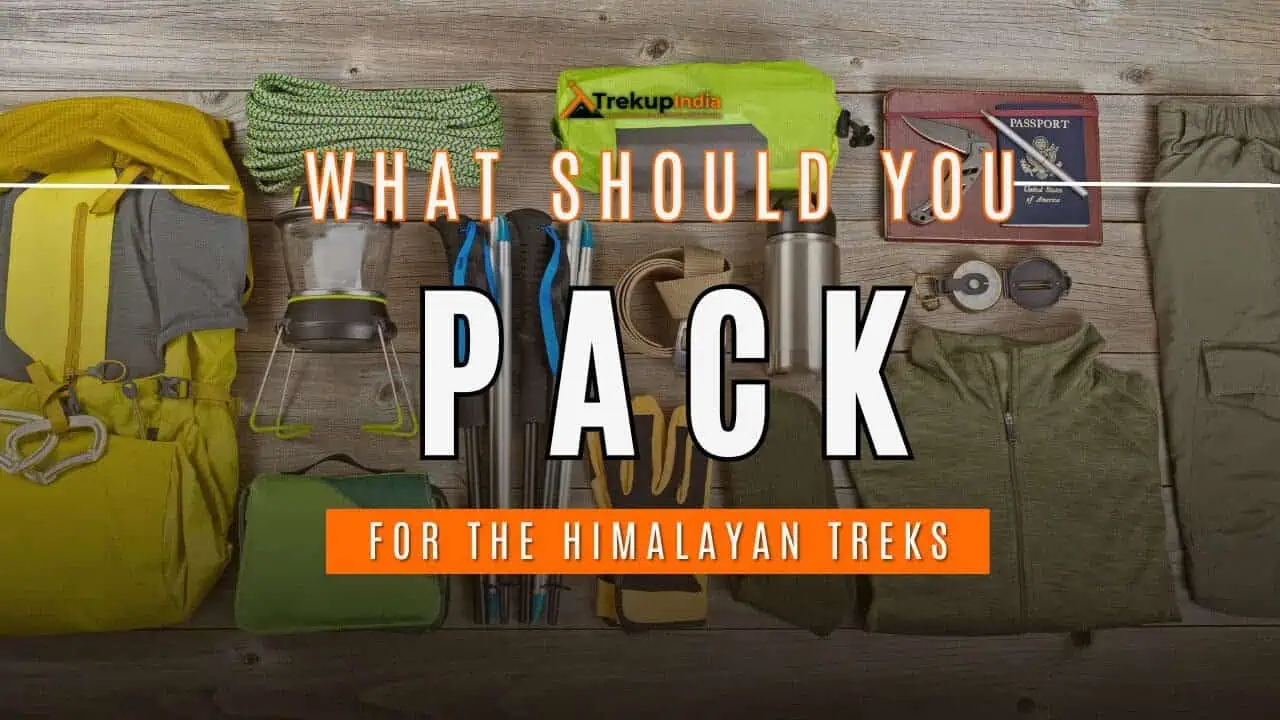 Travel Tips & Guides
By Nanda Rawat|Sep 21, 2026
Trekup India Trek Checklist: Prep for Your ExpeditionPreparing for your trek involves more than simply filling your backpack. Proper organization, training, and preparation of the backpack should all play an integral part in ensuring an enjoyable adventure, whether that means climbing Kedarkantha’s snowy heights, strolling lush treks of Tarsar Marsar, or trekking over Pin Bhaba Pass – preparation is key to guaranteeing both safety and enjoyment during any adventure. At Trekup India, we know that being well prepared is key to an enjoyable trekking experience. Therefore, we have created an extensive pre-departure checklist for trekkers joining any Trekup India expeditions. Footwear for Trekking The following shoes should be considered essential: Ankle Support, Water-proof, and well-worn-in (never use brand new footwear on any trek!). Camp Shoe Sandals or flip flops provide lightweight relaxation options. Backpack & Accessories Food & Hydration Pick up energy bars or dry fruit snacks as quick bites for energy on your trek. Electrolytes/ORS – Help prevent dehydration by replenishing lost fluids. Lightweight Cutlery: A Foldable Spoon and a Reusable Mug are essential pieces to have when traveling light. Exercise Checklist (4-6 weeks before event ) Fitness Training Strength of Leg Exercise (squats, lunges, and calf raises), Mental Readiness Evaluate the difficulty and terrain before setting out. Prepare yourself to cope with unpredictable weather as well as basic living conditions. Keep your eye on the prize! Running is both an exercise in mental and physical strength! Before travelling abroad, always carry original and photocopies of travel permits and IDs, as backup. cash may not always be readily available at remote ATMs. Communicate your itinerary as well as emergency contact numbers with family/friends as an extra precautionary measure. Check for updates regarding snowfall/rainfall at the last minute. backpack weight should not exceed 10-12kg (unless on an adventure trip). TrekUp India encourages sustainable trekking by encouraging responsible practices – such as using fewer plastics and respecting local cultures when traveling abroad. Mountains reward those who put in enough training time, so check your gear and start training smart to be ready for an incredible trip.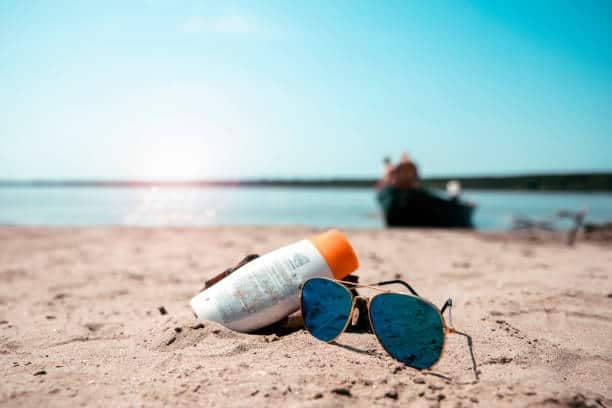 Travel Tips & Guides
By Preetam Singh Rawat|May 9, 2026
High-Altitude Sun Protection Tips for TravelersCold air can often mask the intense heat of the sun when trekking high altitude passes such as Kongmaru La or Bali Pass. At altitudes between 4000 and 5500 meters, exposure to sunlight is especially hazardous, potentially resulting in sunburn and other serious medical complications. We have witnessed how not recognising its dangers could result in sunburns and more serious medical conditions, such as altitude sickness. Thinner Atmosphere- Stronger radiation results from less UV filtering. Reflection off Snow & Ice: Up to 80% of UV rays may reflect off snow or ice and double your UV exposure. Cool temperatures mask burns- Even though you might not feel heat directly on your skin, it’s still being cooked off. Dry Air & Wind: Exposure to dry air and wind accelerates dehydration of skin cells and chapping. Sunburn: At high altitudes, sunburns of any severity may arise within 20 minutes and be visible on the neck, face and hands. Snow Blindness: Cornea damage due to ultraviolet radiation causes snow blindness; symptoms include red and watery eyes as well as blurred vision or temporary blindness. Dehydration: Even in cooler climates, sunlight can speed up water loss from our bodies when combined with dry mountain air and intense exercise. Heat Exhaustion: Even during winter weather conditions, prolonged exposure to sunlight on clear days may result in dizziness, heatstroke and fatigue. Do not be deceived by fresh air and bright skies into thinking sun protection is unnecessary for high-altitude treks; at Trekup India, we teach our trekkers how to manage the sun’s rays as part of the pre-trek training, providing preventative steps that ensure they can enjoy stunning vistas without experiencing sunburn later each day.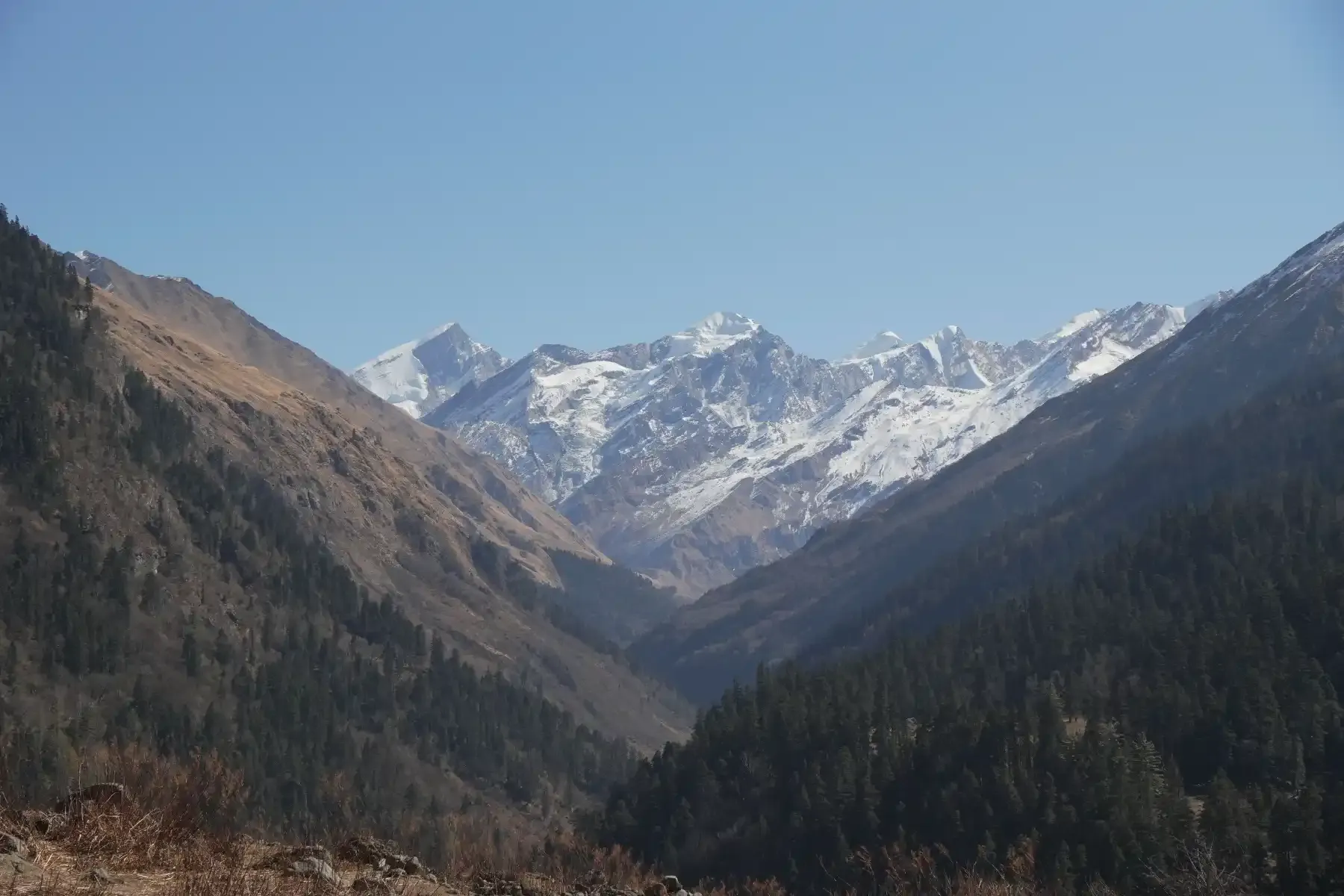 Travel Tips & Guides
By Anoop Rawat|May 8, 2026
Best Treks in May in India to Escape the Summer Heat and Embrace the HimalayasDuring the month of May, as the plains start to sizzle under the summer sun, the Himalayas call out with cold breezes and stunning flora and fauna (and even some snow-kissed trails!). If you’re looking to beat the heat and be in the fresh mountain air for some time, May is one of the best times to go trekking in India. From lush meadows to high-altitude passes, the mountains are alive and welcoming, and there’s a perfect trail for every type of trekker. Here’s a guide to India’s top May treks, carefully selected for breathtaking views, nice weather, and an experience never to forget. While discussing the top treks to do in Himachal during May, the tranquil Buran Ghati takes everyone by surprise. The trek offers everything from thick pine forests, old villages, alpine lakes, and snow bridges from an adrenaline-pumping rappel on the Buran Pass. Due to melting snow and flowering meadows, May is the best time to embark on this adventure. It’s a whole package for variety-seekers packed into one trail. Highest Elevation gained: 15,000 ft. Duration: 6 Nights, 7 Days Best Time to visit: May to June; September to October Difficulty Level: Moderately challenging Base Camp: Janglik village If you’re looking for adventure, thrill, and stunning landscapes, the Goechala trek is a no-brainer. May is the last month before the trek closes during the monsoon season, and the views of Kanchenjunga and its surrounding giants are breathtakingly clear. Add to that the blooming rhododendrons and cold temperature, and you’ve got one of the most rewarding treks in May in India. Highest Elevation gained: 15,100 ft. Duration: 10 Nights, 11 Days Best Time to visit: April to May; September to October Difficulty Level: Moderate-difficult Base Camp: Yuksom Imagine walking on lush green carpets of grass, with snowy peaks like Bandarpoonch towering in the background. That’s Dayara Bugyal in May—peaceful, picturesque, and soul-calming. It’s a simple trek, so one of the best Himalayan treks in May for families or first-time trekkers who still want those postcard-perfect views of mountains. Highest Elevation gained: 12,090 ft. Duration: 3 Nights, 4 Days Best Time to visit: January to June Difficulty Level: Easy Base Camp: Raithal village With its rich mythological past and picturesque villages, the Har Ki Dun trek provides a lovely combination of culture and nature. The valley comes alive in May with colourful flowers, crystal-clear streams, and gentle patches of residual snow. This is one of the more leisurely treks in May that still provides spectacular alpine beauty. It is perfect for those who want to take it easy and enjoy the scenery. Highest Elevation gained: 12,000 ft. Duration: 6 Nights, 7 Days Best Time to Visit: April to June; September to November Difficulty Level: Easy to moderately challenging Base Camp: Sankri village The Chopta Tungnath trek is a relatively short but phenomenally rewarding hike that crams spiritual energies, spectacular summit panoramas, and tranquility that you can only get in such rare places. During May, the weather is bright and the rhododendrons bloom, and thus it is one of the best treks with clear skies in May in India. The trek to Chandrashilla provides you with panoramic vistas of prominent Himalayan peaks such as Nanda Devi, Trishul, and Chaukhamba, a sight that is unforgettable, particularly at sunrise. If you want a weekend trek with a high return, this one’s difficult to surpass. Highest Elevation gained: 12,100 ft. Duration: 2 Nights, 3 Days Best Time to visit: December to May Difficulty Level: Easy Base Camp: Sari village If pristine alpine meadows and postcard-like mountain scenery are your delight, the Ali Bedni Bugyal trek should be at the top of your list. The trek passes through two of the most stunning high-altitude grasslands in India, Ali and Bedni, surrounded by snow-covered mountains and ancient oak groves. May is the best time for this trek with good weather, wildflowers bursting all around, and long day hours to indulge in the scenery. It’s really one of the finest Himalayan treks in May if you want peace, beauty, and a dash of magic at every step. Highest Elevation gained: 12,557 ft. Duration: 5 Nights, 6 Days Best Time to visit: April to June; September to October Difficulty Level: Easy Base Camp: Lohajung It doesn’t matter if you’re an avid trekker or someone who has just been introduced to it, treks open during May offer the best combination of nice weather, colourful paths, and mesmerizing views. From the stunning charm of the meadows of Dayara Bugyal to the grand landscapes of Goechala and Buran Ghati, there’s something truly unique waiting for you in every corner of the Himalayas. So, get your boots buckled, set your bags ready, and have the mountains enchant you. Head out this May, beyond those familiar getaways and opt for the road not taken. Travel Tips & Guides
By Shivam Shingari|May 8, 2026
Why Drinking Water Is Important On Trek?Look, when you’re out there trekking—whether you’re sweating buckets in the heat or grinding up a mountain—water isn’t just a nice-to-have. It’s your lifeline. Forget the “eight glasses a day” rule; that’s for couch days. On the trail, your body’s in beast mode, burning energy and losing fluids faster than you realize. Here’s a ballpark: aim for about a liter of water every 2–3 hours of hiking. Tough trail? Blazing sun? You’ll need more. Even if you’re not parched, you’re losing water through sweat, heavy breathing, and just pushing your body. High altitude or cold weather? Same deal—dehydration doesn’t care about the temperature. Skip the water, and it’ll sneak up on you. First, your lips get dry. Then your legs feel like lead. Next thing you know, you’re battling cramps, a pounding headache, or worse, dizziness. Check your pee—if it’s dark yellow, your body’s screaming, “Yo, hydrate me!” Here’s some real talk from the trail: don’t mess around with tiny bottles. Pack at least a 2-liter water bottle or, better yet, a hydration bladder for easy sipping. Pro move? Get a solid thermo flask (Decathlon’s got some great ones). It’ll keep your water cool on sunny climbs or warm for cozy evenings at camp. Trust me, it’s a game-changer. One mistake I’ve seen too many times? People think, “I’ll drink when I’m less wiped.” Nope. That’s a trap. By the time you’re exhausted, you’re already behind. Make sipping water part of your flow—take a swig every time you pause for a view or adjust your straps. Keep that bottle where you can grab it without breaking stride. Why does this matter? Staying hydrated isn’t just about feeling good. It keeps your muscles firing, your brain sharp, and your vibe high so you’re soaking in the adventure, not dragging yourself to the next checkpoint. So, pack smart, sip often, and don’t underestimate water. It’s the MVP of your trek. Keep it close, and you’ll crush those trails.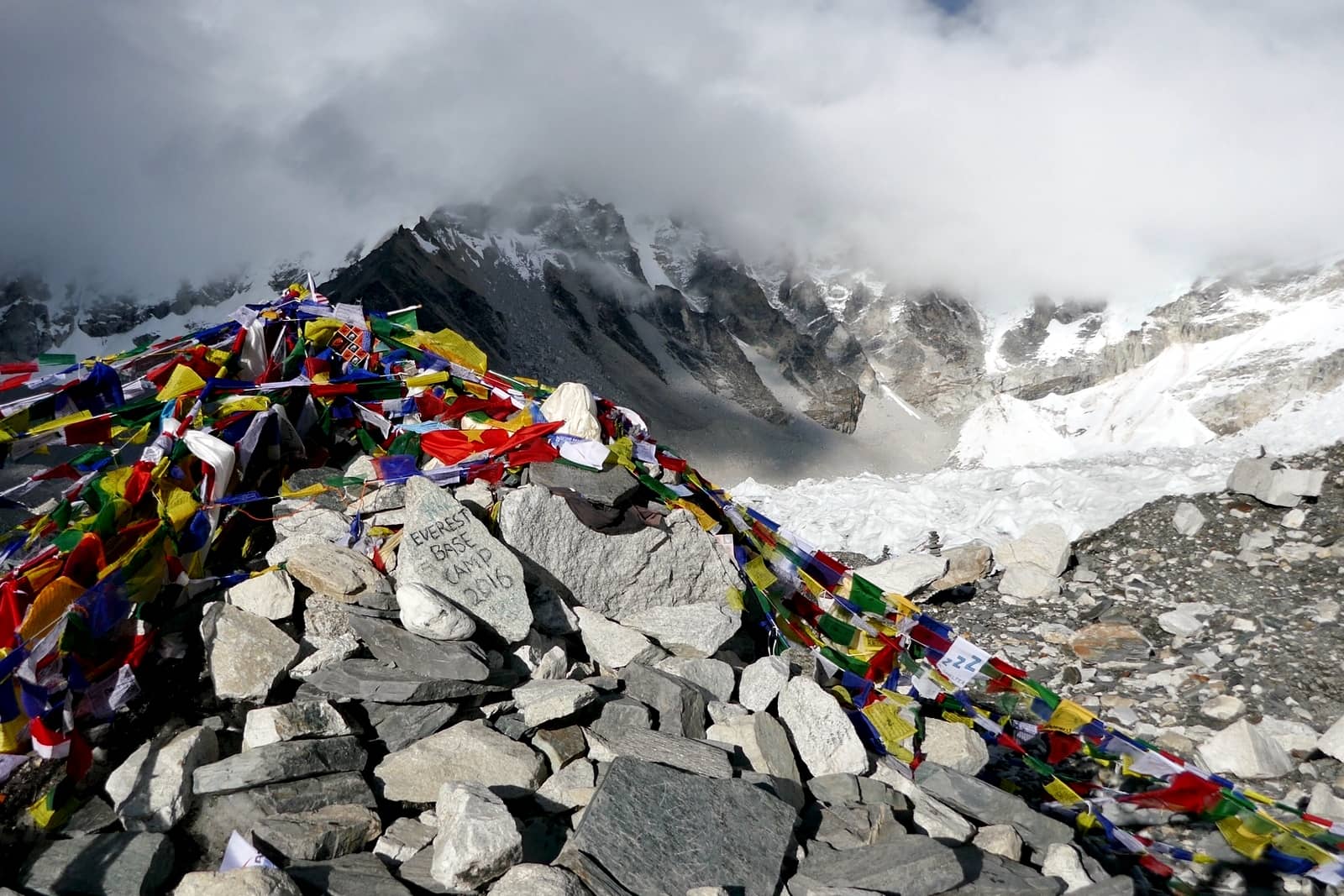 Travel Tips & Guides
By Nanda Rawat|May 8, 2026
Everest Base Camp vs. Annapurna Base Camp: Which Himalayan Trek is Best Suited for You?The Everest Base Camp and Annapurna Base Camp treks (lovingly called EBC and ABC) are not merely trails carved out in the soul of the Himalayas—they are mythical expeditions that every trekker wishes to overcome. Both trails, to the bases of two of the globe’s most famous mountains, Mount Everest and Mount Annapurna; are far more than picturesque excursions. They are an experience of a lifetime that tests you both physically and mentally, pushing you beyond what you believed you were capable of. If you’re standing at Mount Everest Base Camp, looking up at the majesty of the highest point on our planet, or soaking in the alpine panorama of the Annapurna Massif at ABC, the feeling of accomplishment and wonder is impossible to put into words. These hikes are not merely about getting to a place; they’re about finding the strength within yourself in the midst of the Himalayas’ awe-inspiring altitudes. Both these treks are iconic, and offer a once-in-a-lifetime experience, but which one is best suited for you? I have written this blog to discuss the unique aspects of both these treks so that you can make an informed decision about which one would be ideal for you. I have covered aspects like difficulty, costs, landscapes, elevations, and the best time to visit both EBC and ABC to help you decide which one would be the most suitable for you. Height: 5,364 meters (17,598 feet)Duration: 12–14 daysDifficulty: Moderate to challengingBest Time to Visit: March to May and September to NovemberThe Mount Everest Base Camp trek is among the most famous treks in the world. It leads you through the breathtaking Khumbu valley, with its white-capped mountains, suspension bridges, and picturesque Sherpa villages. The trek is tough because of its high altitude and the possibility of altitude sickness, but the payback is the breathtaking sight of Mount Everest and a feeling of achievement. Height: 4,130 meters (13,550 feet) Duration: 7–10 days Difficulty: Moderate Best Time to Visit: March to May and September to November (also possible in February for winter trekkers) The Annapurna Base Camp trek from Pokhara is shorter and less demanding than the Everest Base Camp trek. This trek takes you through terraced fields, dense rhododendron forests, and picturesque Gurung villages, all while being surrounded by the towering Annapurna Massif. The moderate Annapurna Base Camp trek difficulty makes it more beginner-friendly, while the lower elevation significantly reduces the risk of altitude sickness. Mount Everest Base Camp v. The Annapurna Base Camp Everest Base Camp trek tends to be more crowded than the Annapurna Base Camp trek, particularly during peak trekking seasons such as spring (March to May) and autumn (September to November). The magnetism of visiting the base of the world’s highest mountain lures hikers from around the world, so the trails come alive, particularly along hotspots such as Namche Bazaar and Tengboche. Annapurna has also become quite popular in recent years but its still not as crowded as the Mount Everest Base Camp. People often combine it with Annapurna circuit which is even less travelled upon by people. Therefore, if you’re somebody who enjoys solitude and a quieter experience in general, Annapurna Base Camp Trek would be the better choice. Everest Base Camp Trek: This trek is tougher because of the greater elevation (5,364 meters), greater length of time spent, and more rarefied air. Acclimatization is important, and trekkers must prepare themselves for steep climbs and longer walking days. Annapurna Base Camp Trek: Although the Annapurna Base Camp trek altitude is shorter (4,130 meters), one still needs good physical fitness. The climb entails slow rises, and it is relatively easier to acclimatize.My advice: People who are knew to the world of trekking may find the Annapurna Base Camp trek less challenging as compared to the Everest Base Camp trek. However, if you are a seasoned trekker looking for a challenge, then I suggest you go for EBC. It would not be fair to say that one of these hikes has better views than the other as both have a different charm that cannot be compared. At the end of the day, it is up to you and what kind of landscapes and views you would enjoy more. Rugged Terrain of EBC: Mount Everest Base Camp is renowned for spectacular mountain scenery, such as Everest, Lhotse, and Ama Dablam. The trail also goes through glaciers, alpine country, and famous sights like Tengboche Monastery. Beautiful green forests slowly give way to barren, rocky valleys with glacial sheets. You’ll walk over swaying suspension bridges, navigate loose-soil paths, and touch one side of the glorious Khumbu Glacier. It all happens as you gradually get used to the rigors of ascending to higher altitudes. Lush Greenery of ABC: ABC provides a blend of landscapes, ranging from forests and fields to giant peaks like Annapurna I, Machapuchare, and Dhaulagiri. It also possesses a warmer and more verdant ambiance than the barren, rocky landscape of EBC. This trek is better suited for you if you would prefer slightly warmer and comparatively more comfortable temperature that EBC. What I think: Both treks are great for views, but EBC suits people who prefer rugged and snow-covered landscapes, whereas ABC is perfect for trekkers who enjoy greeneries and varied landscapes. Everest Base Camp Trek Cost: Trekup India charges about $1500 for this trek, and the cost includes any permits and permissions, food, lodging, guides, trek leaders, porters, accommodation, and some necessary mountain gear. Flying into Lukla can very much add to the cost. Annapurna Base Camp Trek: The ABC trek is a less costly affair at about $350, excluding the costs of the flights. Nevertheless, the flights are also not that costly, and the departure point, Pokhara, can be reached either by road or by a short domestic flight, depending on where you’re coming from. Verdict: Annapurna Circuit would be the clear choice if budget concerns are there, as it is much more affordable. Everest Base Camp Trek Altitude Sickness: Altitude sickness is a very prevalent problem on the Mount Everest Base Camp Trek. Therefore, we always advice trekkers that before embarking on this journey they must prepare meticulously. Other than that, drinking lots of fluids while on the trails is extremely important so that the body acclimatizes to the harsh weather conditions properly. Annapurna Base Camp Trek Altitude Sickness: Lower elevation means less problem with altitude sickness, but one should still ascend slowly and use precautions. Conclusion: ABC trek is better for individuals concerned about altitude sickness. Everest Base Camp Trek: The ideal season for EBC trek would be before the arrival of monsoon (March to May) and after the monsoons have gone by (September to November). Both of them provide optimal weather and sunny views. Annapurna Base Camp Trek: Same for this, although Annapurna Base Camp in February can prove to be an exciting challenge for avid trekkers who want to experience the magic of this place in winter. Verdict: Either trek is at its most beautiful (and the safest) during Spring and Fall. EBC is a bit more challenging and physically demanding as compared to Annapurna Base Camp Trek. While the same fitness regimen can be followed for both; which would be 2-3 months of proper strength training and cardio, ABC would be a better choice if you do not have much experience with high-altitude Himalayan treks. If you are looking to plan an Everest Base Camp trek or Annapurna Circuit trek, Trekup India is the ideal companion for your tour. Recognized for their effective itineraries, skilled guides, and top-notch safety measures, Trekup India makes your experience memorable and stress-free. They also provide personalized assistance, making them the best option for first-timers and seasoned trekkers alike. With a dedication to environmentally friendly activities and sustainable tourism, Trekup India is your trekking agency of choice. Both the Annapurna Base Camp trek from Pokhara and the Everest Base Camp trek have different experiences, so your decision will be based on your budget, fitness level, and purpose of trekking. For a tough high-altitude trekking experience, go for EBC. For a short, affordable trek with varied landscapes, choose ABC. Regardless of the trek you undertake, good preparation, acclimatization, and selecting a proper trekking agency (such as Trekup India!) will guarantee an unforgettable experience in the heart of the Himalayas. No, not really. While climbing the summit of the Annapurna massif is something that requires immense preparation and skill and could still be dangerous, the journey to its base camp is a lot safer. At Trekup India, your safety is paramount for us and our experienced team ensures that you have a safe and memorable experience. No, Annapurna Base Camp trek has lesser number of trekking days and slightly easier ascents as compared to Everest Base Camp trek. While both require a lot of preparation, ABC is more suited for beginners or those having less experience with high altitude Himalayan treks. Yes, beginners can surely attempt the Annapurna Base Camp trek. Even though it has its challenges, but with the right will and determination, they are perfectly manageable. Annapurna Base Camp is a great choice for people looking to start their Himalayan high altitude trekking journey. Travel Tips & Guides
By Adhish Bhandari|May 7, 2026
Top 10 Best Himalayan Treks in India for Adventure LoversIndia is a paradise for trekkers. With its breathtaking Himalayan mountains, alpine meadows, glacial lakes, and spiritual valleys, India offers the most picturesque and diverse trekking experiences anywhere in the world. No matter if you’re a beginner looking to start the first time to go on a snow trek as well as an expert trekker searching for high altitude passes in the Indian Himalayas offer it everything. Here’s an overview of the most popular treks you can take in India–featuring an ideal mix of easy, moderate, and demanding trails. Kedarkantha is India’s most renowned winter trek and a popular choice for those who are just beginning. The well-marked trail, along with the stunning summit climb and the stunning Juda Ka Talab, make it ideal for trekkers who have never before attempted it. Hampta Pass is a thrilling trek that has a wide range of scenery from woodlands, meadows, and glacial valleys. The most notable is the crossing between the green Kullu to the stark Spiti at 14,000 feet. This snow-covered trek will take you to the gorgeous Brahmatal Lake, which is frozen in winter and surrounded by imposing mountain ranges. It’s an excellent option for those looking for an unforgettable snow trekking experience. A monsoon-friendly gem, the Valley of Flowers blooms with diverse flowers throughout the year and makes it among the most vibrant hikes in India. The spiritual connection to Hemkund Sahib is a cultural layer. Goechala is a high-altitude trek that will test your endurance and reward you with breathtaking views of the 3rd highest mountain in the world. It is ideal for those who have experience and want the challenge and beauty. Also known as the “Valley of the Gods,” Har Ki Dun is rich in mythology and culture. It’s the perfect place for those who are drawn to the remote Himalayan settlements, meadows, and peaceful trails. Kuari Pass is one of the most popular treks for families and beginners, offering sweeping views of the major Himalayan summits and a pleasant slope. It is famous for its stunning forest of oak and rhododendron. Rupin Pass is an adventure-packed trek that includes everything from pine forests to frozen waterfalls, glaciers and snow. Meadows. The high altitude pass crossing can be a thrilling adventure for experienced trekkers. Buran Ghati is regarded as a “complete trek”-featuring forest, meadows, villages, and a technical ascent with snow descent. It’s perfect for those seeking an even mix of adrenaline and beauty. Sandakphu can be described as the most awe-inspiring spot located in West Bengal and offers one of the most unique views—four of the five tallest mountains are visible. The unique cultural mix between India and Nepal makes it more distinctive. These top 10 trekking routes in India offer a wide range of adventures, from easy snow trails to challenging high-altitude passes. If you’re looking for peace, cultural exploration, or a high-intensity adventure, there’s an Indian trail that will call your name. So, get your gear on and put on your boots and face the mountains, they’re waiting.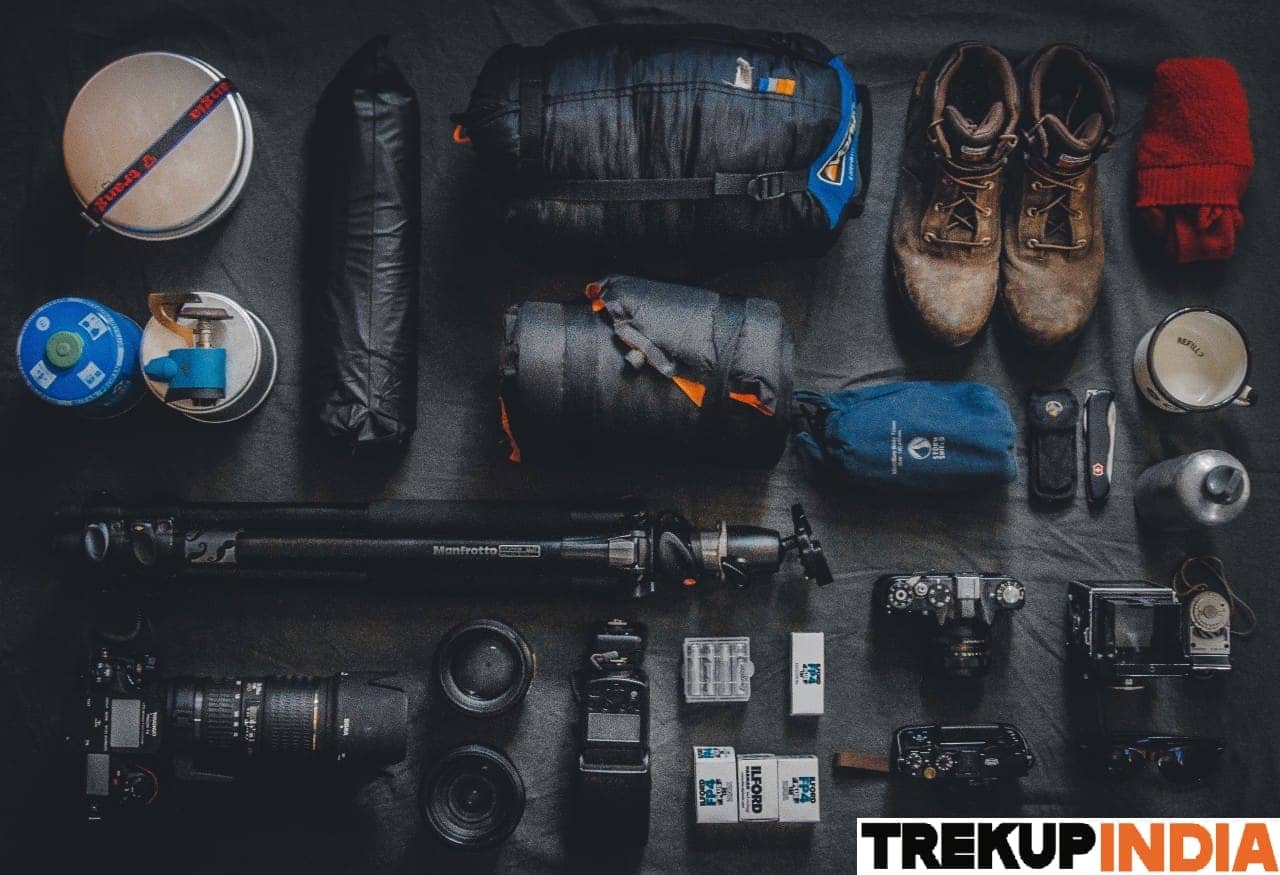 Travel Tips & Guides
By Nanda Rawat|May 7, 2026
Trekup India Gear List: What’s Essential & WhyIt’s not only about putting a few items in a backpack. It’s about making smart decisions, preparing correctly, and packing properly. If you’re headed to the icy peaks of Kedarkantha, the gorgeous trails of Tarsar Marsar, or the rocky mountain terrain in Pin Bhaba Pass, the key to having a safe and pleasurable trip is. We at Trekup India believe that a prepared person for a trek is a comfortable one. This is why we have compiled a complete checklist for pre-departure for all participants who are joining a Trekup India expedition. Ankle Support + Waterproof trekking shoes should always be on the list of must-have items for trekking adventures. Why? India’s rugged treks – from Himalayan slopes of scree to Western Ghats’ slippery rocks–require robust shoes. Knee support helps prevent sprains and strains; Vibram rubber soles offer maximum traction and security, while Gore-Tex waterproofing technology keeps feet dry when crossing streams or when raindrops fall. Note: For optimal trekking success, break in your shoes for at least two weeks prior to embarking on your adventure, in order to prevent blisters. The temperature can vary widely during an Indian trek. Layering up can help regulate temperatures by keeping moisture at bay while providing insulation against cold nights. Base Layer (Synthetic/Marino Wool): Best for moisture wicking and fast drying times. Mid-Layer (Fleece/Down Jacket): Traps the body heat. Exterior Shell (Waterproof jacket): Protects from wind and rain. Cotton should be avoided as it retains moisture, leading to chills in high altitudes. A properly fitting backpack will distribute weight evenly between your hips and shoulders without straining or overburdening either one of you. An option that offers this distribution of weight across both hips is best, while 40-60L capacity backpacks provide sufficient room for gear without being excessive. Raincovers should always be carried along just in case unexpected rain hits! Why? Trekking poles reduce knee injuries by 25-30% when descending. Enhances Balance on Rocks & River Crossings. Helps maintain rhythm, conserving energy. Why? To facilitate pre-dawn summit pushes. Red light protects night vision while deterring insects. As batteries discharge energy rapidly, backups are essential. Insufficient water at altitude can lead to fatigue and headaches. Providing yourself with enough hydration through bottles/bladder and electrolytes may help protect against this effect. Water bladders of 2-3L capacity make for easier transport when walking. Electrolyte-containing tablets may help prevent cramps on humid walks. Why? At altitude, UV rays increase, increasing the chances of snow blindness unless sunglasses are worn to block them out. SPF 50+ sunblock should not be required in any weather condition, even on cloudy days. Chapped lips often worsen in dry environments; to protect your lips further, use sunscreen-based balms as soon as you feel symptoms. Blister tape (Leukotape) should be an indispensable item on longer treks. Diamox may help alleviate high altitude sickness (please consult your physician). Basic medicines to treat diarrhea, headaches, and muscle pain include Imodium(r). Sleeping Bag Rated for Sub-Zero Temperatures Even during summer, Himalayan nights can drop below freezing, so having a sleeping bag that is rated between -5 °C and -10 °C can provide much-needed warmth. Note: Use a liner to add insulation and ensure hygiene. Showers may not be common, so moist wipes make a great companion when taking a bath or shower. Tissues made of microfiber dry quickly and do not add weight. Keep electronics dry. Teatrul Store trash (Leave No Trace!). Sort small items (meds or snacks). High-end Denim Jeans can take an eternity to dry. Multiple cotton T-shirts become damp and could potentially lead to hypothermia. In terms of cameras, one simple phone or camera is often enough. Over-the-top toiletries: Limit yourself to essentials (toothbrush, small soap bar, and small sunscreen). TrekUp India’s Professional Packing Philosophy Single-use gear that can serve multiple functions (for instance, a buff can also serve as a bandana and scarf). Test Before Trek: It’s always wise to bring gear or footwear that has not been put through rigorous use prior to heading out on an outdoor excursion. The gear selection of TrekUp India is tested and proven in battle throughout Indian terrain–from the frozen Ladakh pass to Kerala’s monsoon trek. Stay with the basic gear, make sure you don’t overpack, and you’ll be able to move more quickly, you’ll feel better, and enjoy the trip to the fullest.