
Prev
1 / 9
Next
 Travel Tips & Guides
By Anoop Rawat|May 7, 2026
Best Himalayan Treks in OctoberMountains adorned with lush vegetation and fragrant earthy moss mark the end of the monsoon season and herald autumn’s arrival. October is an ideal month for discovering Himalayas beauty with lush trees, lakes, stunning green mountains, and blue skies as you trek along. As autumn colours emerge on these incredible trees and lakes with blue skies overhead, trekking along this trek in October would make your experience truly worthwhile, with stunning night skies lighting up before dusk and dawn to add that final touch. As October offers amazing treks that can help alleviate daily tension, it may be wise to consider which destinations may provide some respite this fall. Here is our selection of Himalayan trekking routes available during October that may soothe and revitalize. Everest Base Camp Trek (commonly referred to as EBC) allows visitors to witness some of the tallest mountain peaks on earth, including Mt Everest! Everyone should make EBC part of their bucket list; Sagarmatha National Park provides cold desert terrain throughout with little vegetation for most of its trek, and an exciting ride from Kathmandu via Lukla makes accessibility easier and exciting. Although EBC may seem a long trek, however, its stunning sights include monasteries as well as suspension bridges. October is an ideal month to begin an EBC trek, as temperatures remain relatively constant and do not cause travel delays or freezing nights. Contrary to popular perception, trekking to EBC needn’t be daunting: anyone with great fitness levels and prior gym training is capable of undertaking this incredible journey. While trekking at higher altitudes with reduced oxygen may put additional strain on you physically, seeing some of the greatest summits certainly makes the effort worth your while! Pangarchulla Trek provides an exceptional Himalayan trekking adventure that may not be well known. Set within Nanda Devi National Park, this excruciating journey towards 15000-foot ridge summit from Joshimath/Auli takes five to six days typically, giving trekkers the opportunity to witness some of the highest peaks including Mana Peak (23,858ft), Mount Kamet (25 446 ft) and Abi Gamin (24 130 feet), among many more. March and April have long been considered ideal months for trekking expeditions; however, many trekkers now choose October as well. Although temperatures in October tend to be chilly and it is possible for massive snowfall, October still provides the ideal Himalayan winter trekking adventure experience. While trekking to Pangarchulla peak may prove challenging, anyone with adequate trekking knowledge and physical fitness should attempt its ascent; once on top, however, its views from its peak are truly captivating – not to mention it often brings fewer crowds of people, which only adds enjoyment during this trek. Har Ki Dun Trek lies deep within the Garhwal Himalayas and is famous for its dramatic hanging valley and vibrant colours that mesmerize visitors who visit this ravine. Also dubbed as “God’s Valley”, the Pandavas from the Mahabharata used this route to reach heaven. Har Ki Doon stands out among other destinations due to its Alpine forests that boast diverse wildlife and plants; expect sightings of Black bears, wild boars, and languorous families such as Barasingha families among others. Also notable: this destination remains unaffected by modernization. Peaceful forests and valleys provide the ideal setting for nature enthusiasts, bird watchers, and shutterbugs alike to unwind and recharge their batteries. Not only will its natural beauty entice you, but its serene atmosphere could end up becoming home. Discovering their day-to-day activities will create a closer bond between the valley and its inhabitants. Har Ki Doon provides an incredible trekking experience, featuring cattle and horses grazing across expansive meadows, breathtaking mountain scenery, peaceful campsites with comfortable rest stops, and unspoiled alpine meadows to meet all your desires and relax on comfortable campsites – an unmissable stop on any October trek! For trekkers searching out stunning beauty, Har Ki Doon offers breathtaking trekking routes. Kedarkantha trek is an unforgettable adventure and an ideal autumn destination. October offers the ideal opportunity to tackle the Kedarkantha trek, as many prefer avoiding crowds during this trek. April is also an exceptional month to trek because its mountain views are free from clouds, offering stunning vistas of Mt Swargrohini and Kedarkantha along your trek route, giving the feeling that it came straight out of a painting by an artist. As you trek along this trek, you’ll come across beautiful blooming flowers that bring new life and wonder to every trekker. Nature’s breathtaking beauty provides breathtaking vistas while trekking. Kedarkantha Hill is also well known as being home to numerous Shiva temples; its name refers to Shiva’s throat. Devotees often travel here seeking peace in his sanctuary. Goechala trek stands as one of the most rewarding journeys within Sikkim. There isn’t just one peak that stands out like Kanchenjunga; rather, there are multiple summits that form its distinct contrasts. To truly appreciate the grandeur of mountains, breathtaking vistas are essential, and only in October-November can one witness breathtaking perspectives – when fog has lifted and one witnesses breathtaking sunrise/sunset spectacles; rainy season brings fresh water; vibrant vegetation offers an idyllic environment to this journey. Sunrises can be breathtakingly gorgeous; when the first rays of the sun hit silvery peaks, it becomes even more so. Images of snow-covered mountains can draw the eye immediately, such as Khangchendzonga, Mt Pandin, and Frey’s Peak; Koktang Rathong Rathong Kabru Group mountains, Mt Tien Chenkhang Jopuno; in September/October, it may snow occasionally, though you shouldn’t expect actual accumulation, making for pleasant conditions throughout this month of travel. This trek leads you directly to Beas Kund and allows you to see where the Beas River begins its course, offering breathtaking views as glaciers melt away into small streams that eventually join forces as part of an impressive river like Beas. This trek offers something truly exceptional: uneven treks and cobblestone pathways create a memorable adventure, making this trek ideal for beginners looking to try their luck at trekking, and completed in three days, making this adventure ideal for short vacations. Beas Kund Trek offers breathtaking mountain and river landscapes, and ideal temperatures from May through October to make trekking enjoyable. These months also offer perfect trekking temperatures, offering breathtaking natural views along the Beas Kund trek originating in Manali. This trek features picturesque meadows, mountains, and fresh air for an unforgettable journey. Beas Kund offers expansive meadows and fresh, clean air, accompanied by the whistling river noises for a peaceful setting and a refreshing walk. The Beas Kund trek offers jaw-dropping beauty that Mother Nature provides! Don’t miss this incredible journey through Beas Kund! Beas Kund Trek. Sandakphu offers trekkers an unforgettable Himalayan trekking experience, boasting views of five of the most recognizable mountains, such as Kanchenzongda, Everest, Lhotse, and Makalu. At an elevation of 11,900 feet northwest of Darjeeling, this trek offers everything one would desire from trekking. Its breathtaking panorama and truly extraordinary treks will create an incredible trekking adventure you must experience at least once! If trekking is your passion but the trek remains incomplete, don’t wait – join this exciting West Bengal State trek and don’t delay in signing up! Experience the sheer joy of strolling through an exquisite Rhododendron Forest of Mammoth Magnolias and majestic magnolias, as well as numerous varieties of beautiful orchids, which is truly magical. Shilgalila National Park adds another unforgettable dimension to this trekking journey, providing visitors with rare species such as Red Pandas and Pangolins as well as birds. An optimal timeframe for the Sandakphu trek would be May-June or a mid-August period between August and October. Travel Tips & Guides
By Preetam Singh Rawat|May 7, 2026
Altitude Sickness Prevention India: Trek Safe at High AltitudeAn exhilarating trek through the Indian Himalayas is an unforgettable journey through snow-covered passes, alpine lakes and meadows with views to the skies. However, as soon as you cross 2,500-3,000 meters (8,200-9,800 feet), another challenge awaits: Altitude Sickness. At Trekup India, we understand that even fit trekkers can face difficulties due to altitude changes. Still, with proper precautions taken against Acute Mountain Sickness (AMS), its symptoms can be prevented or managed effectively—comprehensive trek-tested information regarding altitude sickness during Indian trekking expeditions. Acute Mountain Sickness occurs when your body does not have sufficient time to adjust to lower oxygen levels in high altitude environments. High altitude sickness typically manifests itself with fatigue, dizziness and inability to eat or feel full – symptoms commonly experienced when trekking at higher altitudes. Some trekkers may also experience breathlessness or sleep disturbances while resting while climbing up. If the situation becomes acute, life-threatening conditions may arise that require immediate descent. High altitude pulmonary Edema (HAPE), caused by fluid accumulation within the lungs and making breathing very difficult, is one such concern that should be monitored closely. High-Altitude Cerebral Edema (HACE), in which swelling develops in the brain, can result in loss of coordination or unconsciousness and should be addressed quickly with professional aid and descent. Both conditions should be treated immediately by healthcare personnel to reduce risks as soon as possible. To achieve successful altitude acclimatization, avoid climbing more than 1000 feet/300m during any given day. An outstanding example of Kedarkantha Trekking: Day 1: Sankri (6,400ft). Day 2: Judida-ka-Talab (9,100ft). We then return to Sankri for a relaxing night’s stay. Day 3 of Base Camp (11.250ft). At 10,000 feet or higher, to minimize physical exertion by 30% at elevations greater than 10,000 feet. Start slow: Take 50 steps with 10 deep breaths rhythmically. If you are over 40, ensure you obtain a medical certificate before undertaking any ascents or breath-holding exercises, pack an Anti-Money Sack Syndrome medication kit, and book flexible itineraries with buffer days built in. Be mindful: Mountains will always be there – your health should come first! TrekUp India provides expert assistance from its accredited altitude medic team. Our expeditions to higher altitudes adhere to stringent safety protocols: Slow travel plans often include rest days.Trek leaders with extensive training and credentials – basic mountaineering knowledge as well as medical certification for wilderness settings – should lead their trek.Health checkups on a daily basis (pulse for O2 level and signs). Emergency plans should include provisions for backup oxygen and evacuation in case of an oxygen emergency. The Himalayas are breathtakingly beautiful, but should be approached with caution and an awareness of altitude sickness’s potential effects. A careful plan, appropriate acclimatization and awareness can ensure you reach the summit safely.Make sure that when making plans to climb that mountain or lake at high altitude, don’t forget that preparation is the key to successful performance. Travel Tips & Guides
By Nanda Rawat|May 6, 2026
Best Stargazing Treks for Night PhotographyMountain night skies hold a charming appeal, stars become even brighter, the Milky Way becomes easily discernible, and their peacefulness creates the best setting for incredible experiences. Trekkers who combine Trekking with photography of night skies can experience truly remarkable encounters by combining both activities – below is our selection of top treks in India that provide incredible opportunities for stargazing and photography at night – providing truly incredible memories that stand the test of time. Kedarkantha is an best winter trekking destination, providing stunning opportunities for astrophotography with its clear night skies and snowy landscape. Key features of Kedarkantha include camps covered by snow blanketing under starry skies; ease of accessibility for beginners; panoramic sunrise views from summit, starlit nights at campsite and more – ideal time for visits is December through April. Har Ki Dun Trek in Uttarakhand’s Govind Wildlife Sanctuary provides an unforgettable celestial experience, thanks to its remoteness and lack of artificial lighting. As its dark skies allow stargazers and amateur astrophotographers to capture stunning shots of the Milky Way and star trails framed by majestic snow-capped mountains and lush alpine meadows, evening skies here become especially clear during post-monsoon and winter seasons; drawing professional astrophotographers as well as amateur stargazers alike. Beginning your adventure from lively Manali, the Hampta Pass Trek offers breathtaking Himalayan landscapes. Pass through lush forests and meadows before reaching Lahaul valley’s desolation for an unforgettable journey. Attractions to visit here include Hampta Pass at an elevation of 14,065 feet and reaching its summit, offering breathtaking panoramic views of snow-covered peaks such as Deo Tibba, Indrasan and Hanuman Tibba. Beyond physical exertion, this trek provides an extraordinary cultural journey. Shifting landscapes from Kullu’s lush greenery to Lahaul’s dry allure provide an unforgettable journey from Manali in Himachal Pradesh with elevation 14105 and difficulty grades moderate to difficult – creating an adventure like no other! Starting point: Manali in Himachal Pradesh with elevation 14,065 and starting point Manali and difficulty from moderate to difficult difficulty levels. This trek is perfect for stargazing due to its gorgeous surroundings and impressive night skies. Deoriatal Lake provides a serene reflection of stars on its tranquil surface while Chandrashila summit provides the rare chance to observe them above the clouds. Attractions include stargazing by the lake, seeing Himalayan peaks like Chaukhamba in moonlight viewing sessions, astrophotography photography during short weekend getaways or even simply stargazing alone by moonlight; optimal times to visit are March to May and September-December. Tso Moriri, located in an isolated and elevated area with beautiful, desolate surroundings, provides the ideal location for celestial photography. Visitors can witness meteor showers, constellations and satellite trails during their visits here. Other features worth mentioning are its absence of light pollution for miles around, being designated one of India’s dark sky zones and suitableness for wide-angle and time-lapse night photography – with the optimal timeframe being July through September for visitation.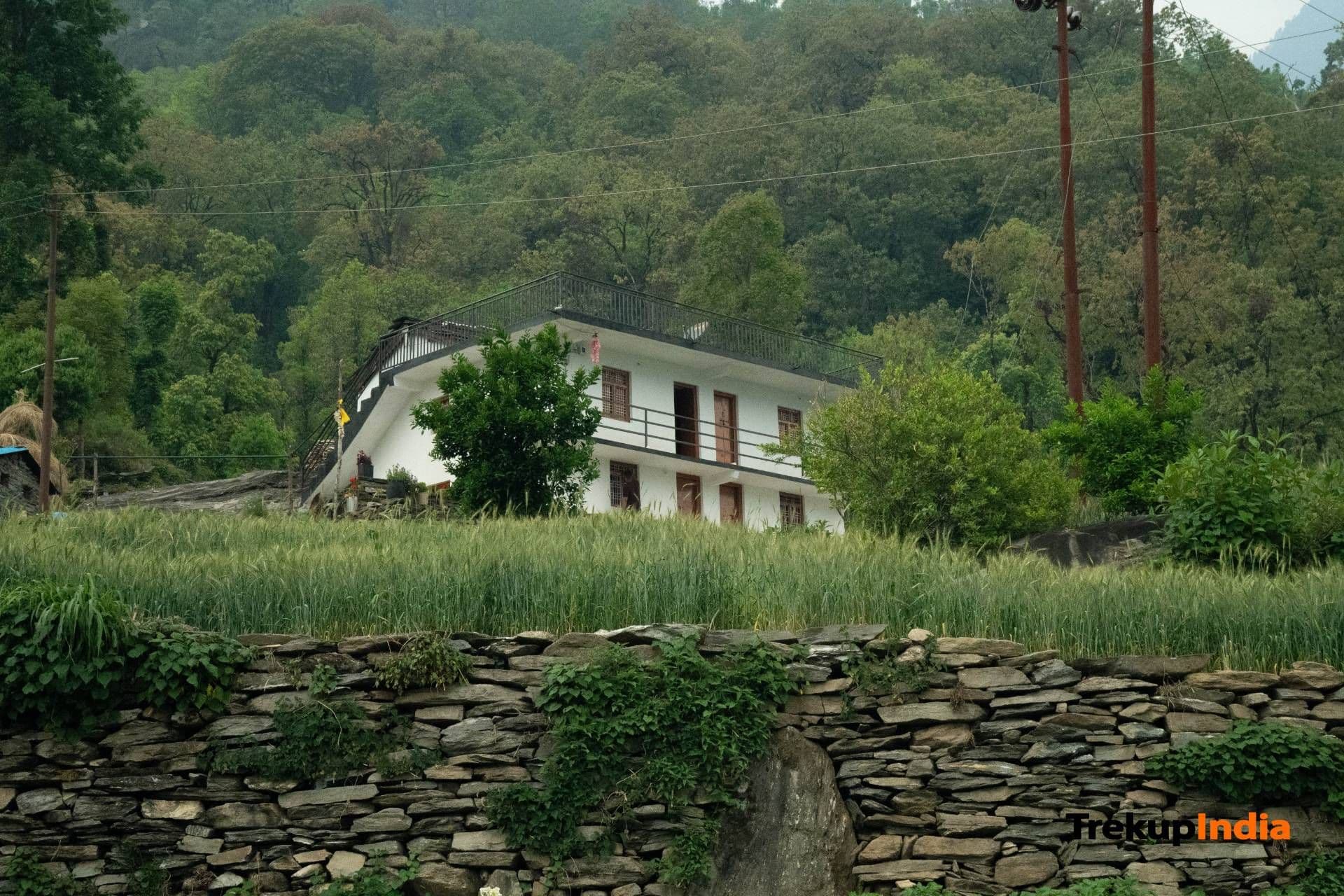 Travel Tips & Guides
By Adhish Bhandari|May 6, 2026
15 Benefits Of TrekkingA winter trek in the Himalayas offers more than just physical adventure—it provides a profound opportunity for personal growth, spiritual awakening, and a deeper connection with nature. Here are 15 compelling reasons why a Himalayan trek can be a life-changing experience: Trekking at high altitudes enhances both physical endurance and mental resilience. The steady rhythm of walking builds stamina while bringing clarity and calmness to the mind. Facing unpredictable weather and challenging terrain cultivates perseverance and self-discipline. Overcoming these obstacles builds mental toughness and a quiet confidence. The Himalayan landscapes—towering peaks, snowy trails, and pristine valleys—offer visual experiences that stir awe and wonder, deeply touching the soul. The repetitive motion of trekking becomes meditative, allowing you to tune into your thoughts and emotions. It’s a journey not just outward, but inward. Moments of stillness in the mountains provide space for introspection, helping you find peace in silence and solitude—something rare in daily life. Breaking away from your everyday routine helps reset your mind, offering perspective and a chance to re-center yourself in nature. Interacting with Himalayan communities exposes you to rich traditions and humble wisdom. It’s a reminder of simplicity, resilience, and human connection. Spotting rare species in their natural habitat builds appreciation for biodiversity and encourages respect for all living beings. The vastness and serenity of the mountains encourage deep reflection, helping you reconnect with your values, beliefs, and sense of purpose. Immersion in the untouched natural world fosters responsibility toward protecting it. Trekkers often leave with a renewed connection to the Earth. The clean air, silence, and natural rhythm of life in the mountains are powerful antidotes to urban stress, offering a sense of emotional renewal. Shared challenges build trust and connection. From group hikes to shared meals around a campfire, teamwork and camaraderie naturally develop. Trekking encourages problem-solving and resourcefulness. With limited resources, you learn to adapt and make the most of what’s available. From photography and outdoor cooking to map reading and snow-walking techniques, every trek is an opportunity to grow your skillset. Trekking at high altitudes trains you to breathe deeply and mindfully—benefiting both your lungs and your mental focus. Final Thought: The Himalayas are more than just mountains—they are mentors, spiritual spaces, and mirrors that reflect who you truly are. A winter trek here is not just about reaching a summit—it’s about discovering something far more meaningful within yourself.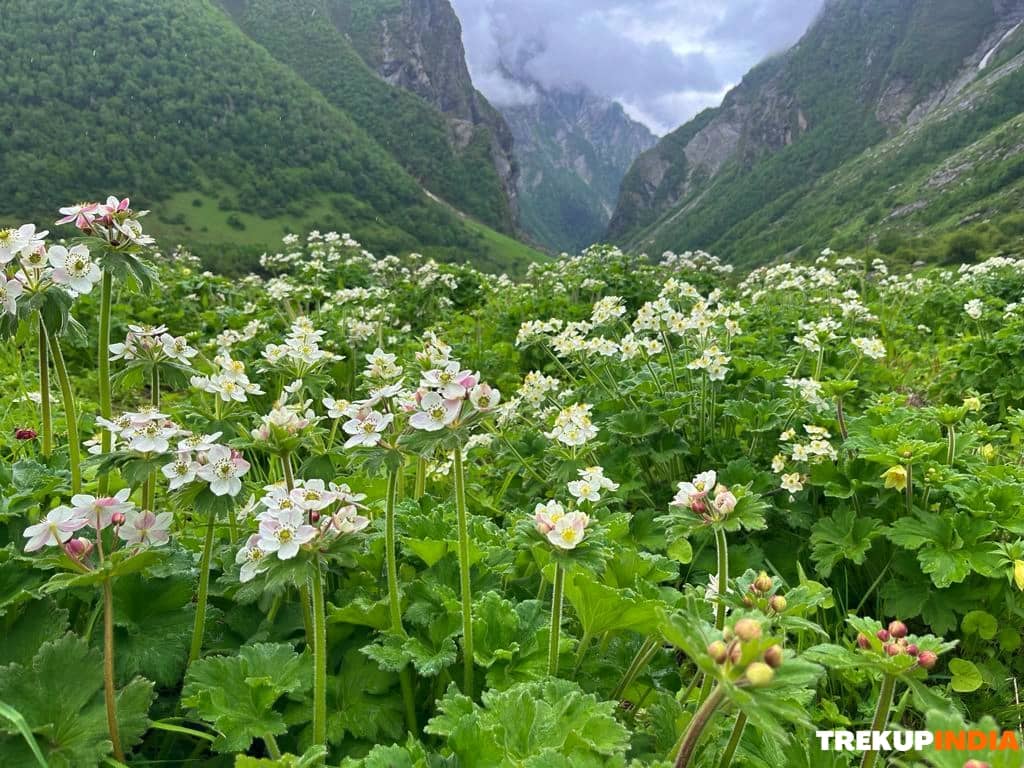 Travel Tips & Guides
By Anoop Rawat|May 6, 2026
Valley of Flowers – A UNESCO World Heritage SiteThe Valley of Flowers lies at an elevation of 3,658m (12,000 feet), covering 87.5 square kilometres in the Nanda Devi Biosphere Reserve. From July until September, it comes alive with over 500 varieties of flowers, such as blue poppies, orchids, primulas, and the extraordinary Brahma Kamal – as well as snow-capped mountains with flowing streams and lush grasses – to put on an incredible show. Monsoon season typically runs from late June through September in the Valley of Flowers, and it is an unforgettable adventure! Bursting with breathtaking displays of blooms, this vibrant, colourful paradise transforms under monsoon rains, nourishing soil nutrients for rare and threatened species to flourish, and a blooming landscape combined with fresh air provides an incredible hiking adventure that you will remember forever! In our discussion about its UNESCO World Heritage status and fascinating aspects that make this such an essential destination, come join us! We will also talk about its identification process. Frank Smythe was one of a group of British explorers who discovered the Valley of Flowers while exploring Mt. Kamet in 1931. Drawn by its stunning splendour, they appropriately named it: “Valley of Flowers.” So taken with its beauty was Smythe, that he decided to stay for over one month writing notes for his next book and collecting specimens to give to Edinburgh’s Royal Botanic Garden. Joan Margaret Legge, an esteemed botanist, decided to explore the valley after Smythe’s groundbreaking research had spurred her interest. Unfortunately, this love led to tragedy when Joan fell off a rock while collecting flowers; five years after this tragic incident, she established a small memorial that stands as a lasting tribute to Joan and her deep passion for the Himalayan Mountains, with its words as a powerful tribute to her spirit. This lovely valley boasts an exquisite and rare variety of stunning flowers, such as poppies, orchids, primulas, and anemones, that form an eye-catching display. Rhododendron and birch trees add even more colour. As you walk through this exquisite floral paradise, you’ll encounter stunning varieties of blooms such as delicate Pink Primulas and vibrant Pedicularis, as well as Golden Lilies and Anemones – among others! Take stunning photos of magnificent purple Asters, stunning white Androsace, and breathtaking blue Borage for stunning results! The vibrant landscape of the valley is further enhanced by rose-coloured Cypripedium and vivid blue Forget-me-nots, distinctive Fritillaries, and stunning Geraniums, adding colour and beauty. The elegant beauty of beautiful purple and dwarf Irises, as well as Larkspurs, Nomo Charis, and vibrant blooms such as Pansies, Deep Mauve Polemoniums, and Ocean Blue Poppies, is truly captivating. Admire the exquisite pink and white Potentillas, gold Lillies, tiny Rhododendrons in various hues ranging from soft pink to deepest purple, Ranunculi’s flowers with pink Epilobium leaves, fragrant Brahma Kamals, and other decorative plants that add charm. All combine for an extraordinary display. Trekkers heading towards the Valley of Flowers begin their journey from Govindghat near Joshimath, in a town close by Ghangaria which serves as both the base camp for The Valley of Flowers and Hemkund Sahib. This 16km trek features moderate difficulty that is suitable for novice as well as experienced hikers, offering wonderful views of waterfalls, dense forests, and Pushpawati River along its path. Hemkund Sahib (sometimes known as Gobind Dham) is a well-known Gurudwara located at an elevation of 14,100 feet in Himachal Pradesh, dedicated to Guru Gobind Singh Ji. This sacred site holds immense spiritual importance for Sikhs as this was where their 10th Guru spent his majority of time meditating; hence its deep reverence among Sikhs and devotion from thousands who visit each year for bathing rituals with sacred water from Hemkund Sarovar (Hemkund Sarovar). A trip uphill from Hemkund Sahib symbolises both physical and spiritual journeys forward.Hemkund Sahib holds an important place in Sikhism due to the belief that Guru Gobind Singh Ji, its supreme guru and master teacher was a devotee who meditated here prior to leaving this earthly realm. Guru Gobind Singh Ji was an exceptional leader and gifted teacher whose words remain an inspiration to Sikhs worldwide; his legacy, marked by wisdom, courage and spiritual wisdom still influences society today.The Valley of Flowers provides an incredible experience for nature enthusiasts looking for adventure. Everyone should visit at some point in their lifetime! Best Time of Visit For maximum floral splendour, the ideal time to visit this Valley of Flowers is between July and September during monsoon season, when rain has transformed it into an oasis. At this time of year, visitors from around the globe come here for its vibrant flower displays that draw tourists from near and far.Travel Tips & GuidesBy Anoop Rawat|May 5, 2026
Common Post-Trek Issues and How to Overcome Them | Post-Hike Recovery TipsWhenever I go on a high-altitude Himalayan trek, it is an absolutely surreal experience, but once I come back, I often find myself dealing with several issues like soreness, fatigue, and numb toes. Over the years, we at Trekup India have noticed that it’s not just me but a lot of people, especially beginners, who face these problems and often ask us how to recover from a trek. Therefore, I have prepared this guide talking about the best recovery practices after trekking, some post-hike recovery tips, and how to reduce fatigue on treks. Perhaps the most frequent post-trek problem encountered by trekkers is numb or swollen toes. If your toes are limp or puffy following a trek, fear not, it’s sometimes a natural reaction to vigorous physical exertion the body is subjected to during the trek. Why does it occur? Numbness can occur due to several reasons. When you descend from steep and rocky inclines, again and again, your toes repeatedly strike in front of your shoes, damaging sensory nerves. This causes numbness in your toes and can even be accompanied by severe pain and blisters. Moreover, after 2-3 days of continuous hiking, sometimes your feet tend to swell naturally. When this occurs, your shoes tighten, increasing pressure on your toes and aggravating the issue. For the majority of trekkers, this persists for about 10-15 days. Treatment How can swelling and numbness be prevented? We always tell trekkers that the best way to prevent leg pain after trekking is by selecting the right trekking shoes before the trek. Ideally, you should pick shoes that are one size bigger than your regular shoe size. This ensures that your toes have enough space and do not get hurt when you descend. You should also make sure that the trekking shoes you choose have proper ankle support, as this can prevent several potential injuries. Another best practice is to descend properly. Descending poorly exerts extra pressure on your toes. Try bending your knees a little bit, taking careful steps, and employing trekking poles to distribute the weight more evenly on your feet. Feeling sore all over after a trek? This is probably your body’s response to the prolonged physical activity it is subjected to during the trek. Why it happens? Trekking in high-altitude terrains is often hard on the body. We use most of our muscle groups at the same time while hiking, and this tends to put pressure on the legs, back, shoulders, and even the arms. Mountain conditions and physical activity over several hours put more strain on the body. This typically lasts for about 4-5 days, depending on your fitness levels. Treatment How can fatigue be prevented? Although fatigue and body pain is something that is unavoidable after a high-altitude trek, there are things you can do to ensure that it is minimum and you don’t feel too exhausted. Over the years, we have noticed that fitness level plays a crucial role when it comes to the amount of body pain and fatigue one experiences. It is advisable to work on your fitness at least one month before the trek. This ensures that your muscles are in good shape to take the toll of the trek and you don’t feel excessive fatigue. Following a long trek, some individuals develop mild fever, body pain, and fatigue, this condition is popularly known as trek fever. It is not really an illness but a reaction of the body to excessive exertion, dehydration, and changes in altitude. Though generally harmless, it can be uncomfortable and will slow down recuperation. Why Does Trek Fever Happen? Trek fever is essentially brought about by physical fatigue, dehydration, and changes in altitude. The leading causes of trek fever are: Overexertion: Long periods of walking, particularly at high altitudes, result in microtears in muscles, which result in inflammation and a slight increase in body temperature. Dehydration: Inadequate intake of fluids leads to electrolyte imbalance, which makes it more difficult for the body to control temperature. Temperature Changes: Traveling through various altitudes and different kinds of weather can test the immune system, with occasional mild fever-like symptoms. Altitude Illness: In higher altitudes, lower oxygen levels can result in headaches, dizziness, nausea, and even fever in some instances. Treatment If you come down with trek fever, don’t panic, most of the time, it’s temporary and goes away in a day or two with due care. This is how you can recover faster: How can trek fever be prevented? You can lower the risk of developing trek fever by conditioning your body prior to, during, and after the trek. Do these steps to prevent it: Knee pain is probably the most common post-trek challenge regardless of whether you’re an experienced trekker or a first-timer. In our groups, we have often noticed that older people who already have pre-existing knee conditions often suffer from severe knee pain after a trek. Your knees get thrashed, after all, and especially on long downhills. A bit of soreness is inevitable, but chronic pain can impede recovery. Why does it occur? Long Descents have a Heavy Impact: Walking downhill makes your knees absorb several times your body weight, which causes pain and swelling. Here your knees act as shock absorbers and bear tremendous pressure. Weak Knee Ligaments & Muscles: If the muscles surrounding your knees are not strong enough, they don’t properly support the joint, causing strain. Improper Technique: Walking with locked knees, taking long strides, or moving too fast downhill puts unnecessary stress on your joints. Pre-Existing Knee Issues: If you’ve had knee injuries before, a trek can flare up old problems, causing discomfort or even lasting pain. Treatment If your knees are hurting post-trek, don’t push through the pain, your body needs time and care to recover. Here’s what can help speed up the healing: How can Knee Pain be prevented? Prevention is far, far better than suffering later on. If you prepare well ahead, your knees will be thanking you. Trekking is a wonderful experience, but what comes after the trek is equally essential as the journey itself. Treating recovery as much as rehydration and relaxation of muscles to avoiding knee aches and managing trek fever with priority ensures your body recovers rapidly and remains prepared for other challenges ahead. Listen to your body, take care of it, and prepare in advance for your next trek. Whether it’s building up your knees, honing your descent skills, or maintaining hydration levels, small actions can make a huge impact. Trekking should make you feel complete, not crippled; so rest smart, and you’ll be back on the trails stronger than ever. Here’s to many more pain-free, awe-inspiring adventures! How many days should I rest after a long hike? It varies with the intensity of your hike and your physical fitness. In general, 1-3 days of adequate rest should suffice for most individuals. If you do feel very sore or tired, however, allow your body as much as a week to recover completely. Gentle movement such as walking or yoga can accelerate recovery without exhausting yourself. How to get rid of body pain after trekking? Post-trek body pain is preventable with a proper management method. Begin with good hydration and electrolyte repletion to forestall cramps and aches in muscles. Gentle stretches or yoga stretches are useful for dissolving stiffness, while foam rolls and massage treatments enhance blood circulation and alleviate pressure in the muscles. Relax tight muscles through soaking in a warm bath using Epsom salts, and relieve inflammation using ice packs. Finally, ensure quality sleep, as this is vital for muscle repair and general energy replenishment. What to eat after a trek? Proper refuelling after a hike enables your body to recover quickly. Concentrate on protein food such as eggs, lentils, tofu, chicken, and nuts to heal muscle damage, while whole grains, rice, fruits, and potatoes supply energy lost. Healthy fats from avocados, nuts, and seeds contribute to overall recovery, and coconut water, lemon water, and electrolyte mix supply lost minerals with electrolyte drinks. Moreover, anti-inflammatory foods such as turmeric milk, ginger tea, and berries will minimize muscle soreness. Having a good meal with a combination of all these nutrients makes your body bounce back stronger!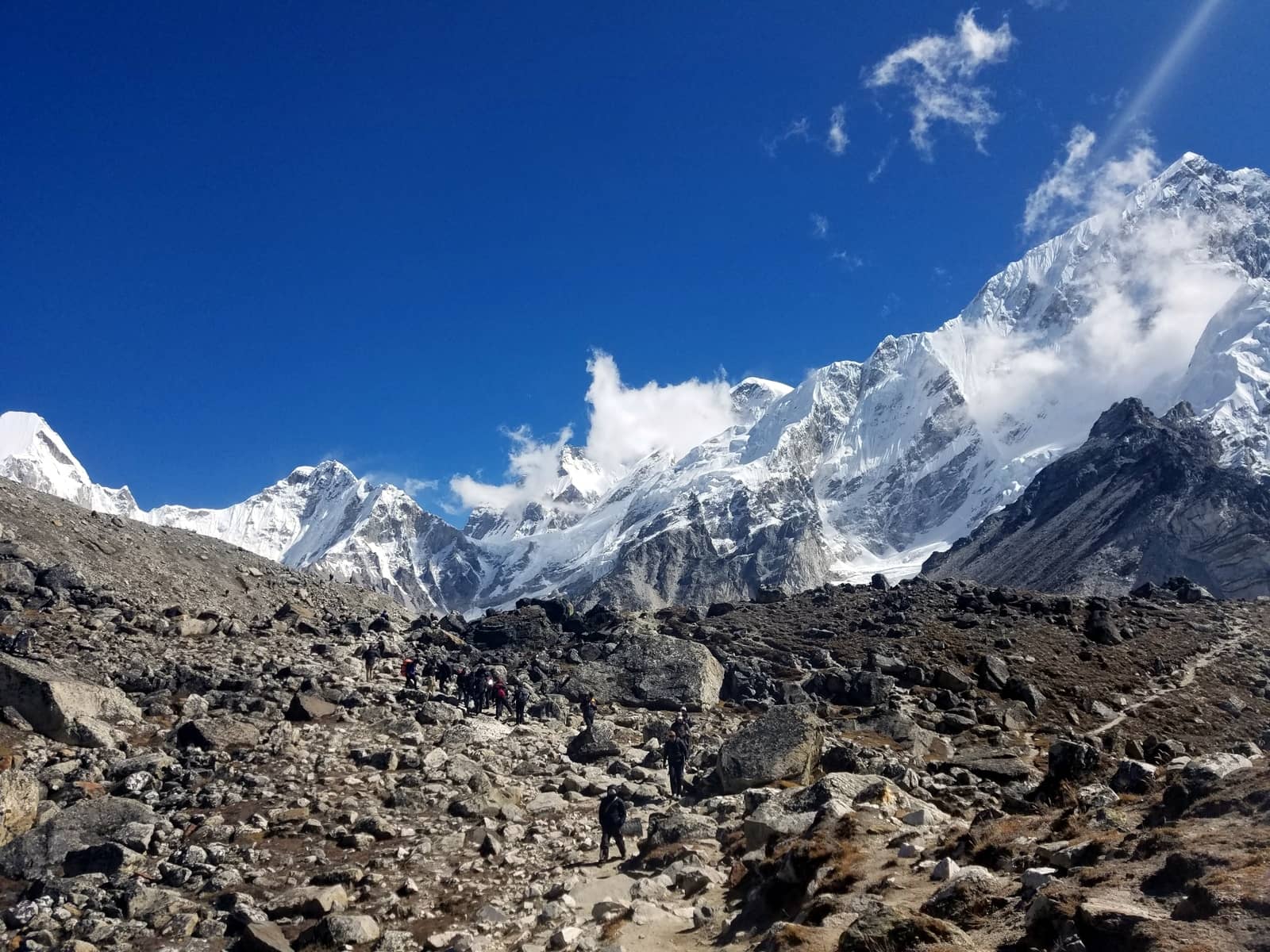 Travel Tips & Guides
By Nanda Rawat|May 5, 2026
Why You Should Do Everest Base Camp Trek?Mount Everest is the most famous mountain peak in the country and the world; this trek is the base camp of the highest mountain in the world. The trek is also known as the “steps of heaven,” as the view from here is unlike another you have seen on any trek. Everest Base Camp trek presents a beautiful opportunity to experience the grandeur of the Himalayas, the imposing challenge and thrill of the climb, and the charming culture of Nepal.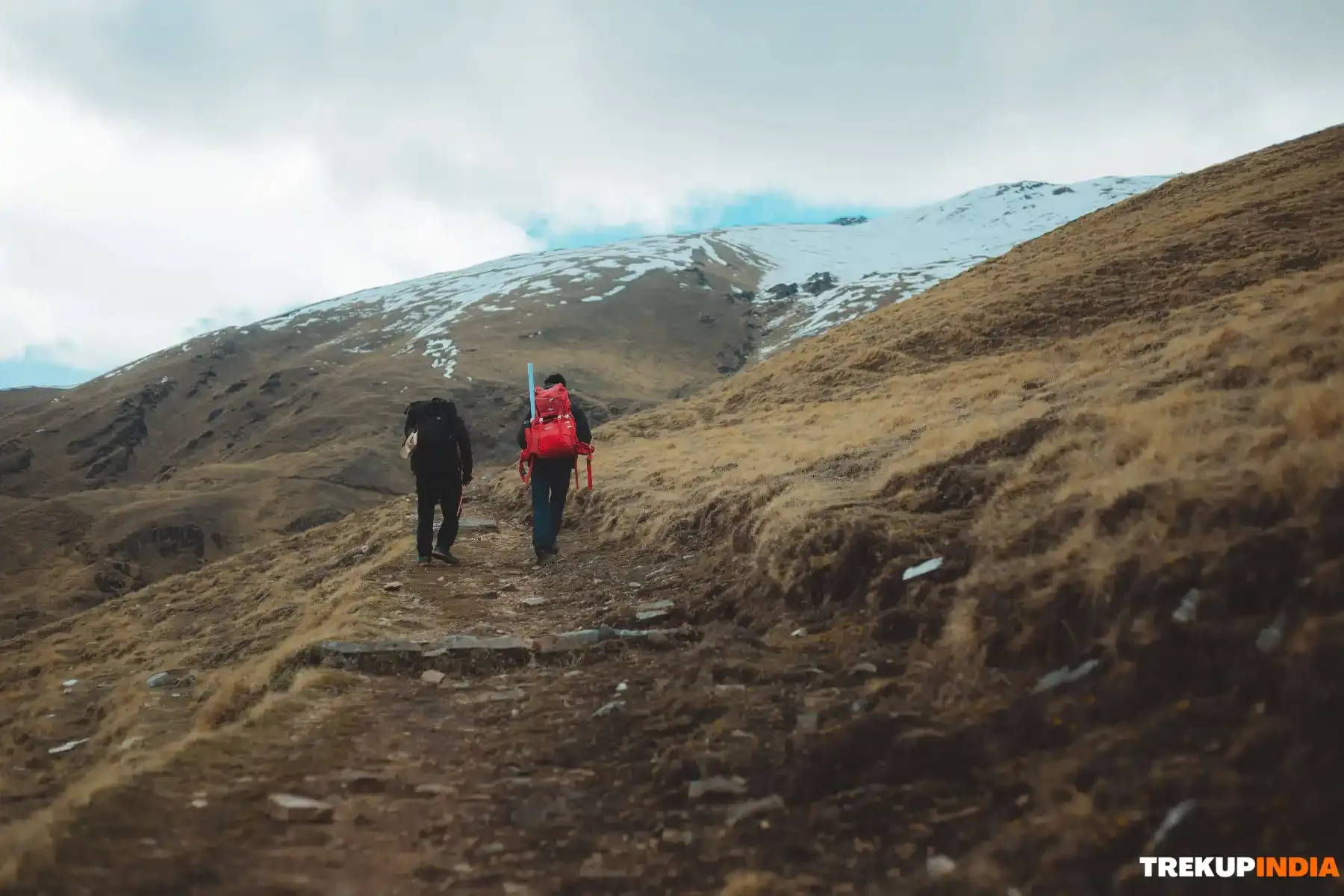 Travel Tips & Guides
By Adhish Bhandari|May 5, 2026
Why You Should Do Ali Bedni Bugyal TrekSuppose you are looking for a mountain getaway. In that case, Trekup India welcomes you to join our Ali Bedni Bugyal Trek in Uttarakhand, which combines breathtaking views of snow-capped peaks and beautiful meadows. Below are some of the significant highlights that await this trek. Travel Tips & Guides
By Preetam Singh Rawat|May 5, 2026
Best Treks for Beginners: Top Himalayan Treks you can start your Trekking Journey withBest Treks for Beginners: Top Himalayan Treks You Can Start Your Trekking Journey WithIf you are a beginner in trekking and seeking the best adventure to begin your journey with, you have come to the right place! The Himalayas in Uttarakhand and Himachal Pradesh offer some of the most stunning yet beginner-friendly trails—no technical expertise required, just a passion for nature and adventure. Whether you’re looking for a short, scenic escape or a slightly more challenging but rewarding experience, these Himalayan treks for beginners promise unforgettable memories and breathtaking views. Dayara Bugyal is one of the most beautiful and an easy trek for beginners. It has huge snow-covered meadows in winter meadows in winter and is covered with colourful flowers in summer. The scenery of mountains such as Bandarpoonch, Black Peak, Srikanth and Draupadi ka Danda is just wonderful. The gradual slope and well-marked paths make it an ideal trek for newbies. Moreover, the ascent and descent are more or less even and there is no summit, making it a suitable choice for introducing yourself to high-altitude trekking in the Himalayas. What adds to the uniqueness of this trek is how easy and accessible it is—it’s perfect for families with children and older people who want to experience the essence of the Garhwal Himalayas without a laborious ascent. Highest Altitude gained: 12,090 ft. Best Time to Visit: March to June, December to February Duration: 3 Nights, 4 Days Base Camp: Raithal Village The Kedarkantha trek is the perfect pick for anyone looking for a winter wonderland experience in the heart of the Himalayas. It has breathtaking views of snow-covered peaks, icy lakes, and thick pine forests. The summit climb is an exciting but feasible challenge, making it a popular destination among first-timers. Fun fact: this trail was first discovered by one of the co-founders of Trekup India in 1993, and since then, it has been a rite of passage for several aspiring trekkers seeking to reach their first Himalayan summit. Highest Altitude gained: 12,500 ft. Best Time to Visit: December to April Duration: 5 Nights, 6 Days Base Camp: Sankari Village Har Ki Dun, or the ‘Valley of Gods,’ is an ideal beginner trek for those interested in mythological stories and scenic beauty. This is not a trek, it’s a walk through culture and folklore. Har Ki Dun is a cultural trail dating back centuries, ideal for trekkers as well as those interested in mythology. It’s an easy trek for beginners that goes through ancient villages, alpine meadows, and thick forests, with a combination of cultural and natural scenery. It’s also one of the best ways to witness how people in the Garhwal Himalayas live, providing an authentic glimpse into mountain life. If you’ve ever wanted to step into a world where mythology and nature intertwine, this is the trek for you. Highest Altitude gained: 12,000 ft. Best Time to Visit: March to June, September to November Duration: 6 Nights, 7 Days Base Camp: Sankari Village If you’re looking to enjoy the unspoiled beauty of Kashmir minus the crowds in popular treks like Kashmir Great Lakes, then the Tarsar Marsar trek is ideal for you. The trek goes through alpine meadows that look straight out of dreams, valleys, and two sparkling lakes, Tarsar and Marsar against the majestic backdrop of snow-covered peaks. The landscape is so unreal that you’ll wonder if you’re still in India. The highlight? It’s a simple hike, which is perfect for novices who wish to experience the stunning beauty of Kashmir without undertaking a taxing challenge. The tranquillity of the location, coupled with its postcard-pretty scenery, will leave you completely enchanted. Highest Altitude gained: 13,498 ft. Best Time to Visit: July to mid-September Duration: 6 Nights, 7 Days Base Camp: Aru Kuari Pass Trek, popularly known as the ‘Curzon Trail’, is one of the best Himalayan treks for beginners. The trek sees a combination of dense forest cover, open pasturelands, and majestic views of peaks such as Nanda Devi and Dronagiri. It’s excellent for fit beginners looking for a moderately challenging trek. Other than this, if you’re an experienced trekker looking for a slightly more different trek, then you can consider going on the Pangarchulla Peak trek that not only covers Kuari Pass but also takes you to the thrilling summit of Pangarchulla Peak. Highest Altitude gained: 12,516 ft. Best Time to Visit: December to March Duration: 5 Nights, 6 Days Base Camp: Joshimath Ali and Bedni Bugyal are two of India’s most scenic high-altitude meadows. The trek is one of the largest green pastures, the most spectacular mountain scenery, and a gentle trail that is beginner-friendly. The trek through lush rhododendron groves and scenic campsites makes it an outdoorsman’s dream trek. In spring, the meadows are a riot of colours, while winter turns them into a fairy-tale white carpet. It’s among the best beginner treks for a serene and scenic Himalayan experience. Highest Altitude gained: 12,557 ft. Best Time to Visit: April to June, September to November Duration: 5 Nights, 6 Days Base Camp: Lohajung Sandakphu Trek is a special trek in the sense that it provides glimpses of four of the world’s highest mountains: Everest, Kanchenjunga, Lhotse, and Makalu. Trekking on the Indo-Nepal border, you’ll get to see a combination of cultures, sunrises that will take your breath away, and a ridge walk that makes this trek stand out from any other trek in India. The gradual climb and well-trodden paths make it an excellent beginner’s trek for those who desire to witness the majesty of the Himalayas with not too demanding a climb. Highest Altitude gained: 12,950 ft. Best Time to Visit: January to April, September to December Duration: 6 Nights, 7 Days Base Camp: Sepi A UNESCO World Heritage Site, the Valley of Flowers trek is a most captivating starter trek in India. The route goes through a colourful valley that’s laden with exotic and rare flowers, thus turning out to be nature enthusiasts’ dream trek. The extensive diversity of flora set against the stunning background of snow-covered peaks results in a surreal experience of sorts. It is a well-trodden path, so it is an easy but satisfying endeavour, and monsoon is the peak time to visit if the valley is in bloom. It’s an experience that is like a splashing fairy tale. Highest Altitude gained: 14,100 ft. Best Time to Visit: June to September Duration: 5 Nights, 6 Days Base Camp: Pipalkoti