
Prev
1 / 9
Next
 Travel Tips & Guides
By Preetam Singh Rawat|May 5, 2026
Kuari Pass v. Pangarchulla Peak: Which trek is suitable for you?The Garhwal Himalayas in Uttarakhand feature some of India’s most lovely treks, among which the Pangarchulla Peak Trek and the Kuari Pass Trek are the most popular. Both the treks feature breathtaking scenery, an opportunity to get in touch with nature, and a good challenge for adventure-seekers who love trekking. But each trek has its unique characteristics, making a choice between the two challenging, particularly for first-time trekkers or those inexperienced with high-altitude trekking. To guide you in making the right choice, we’ve pitted these two iconic treks against each other based on essential considerations such as trail difficulty, scenery, best bits, and the optimal time to visit. If you prefer a trek that’s easier for first-timers, the Kuari Pass Trek may be a better choice. The trek is a gentle rise through well-paved trails, making it a good introduction to trekking in the Himalayas. The difficulty of the trek is usually graded as moderate, and it is suitable for beginners or those with little trekking experience. However, the Pangarchulla Peak Trek is a little tougher. Being nothing but an extension of Kuari Pass, the first half of the trek remains equally challenging. Therefore, Pangarchulla is ideal for those who wish to venture further than Kuari Pass. Steeper ascents and greater altitudes in the hike to Pangarchulla Peak make it a little tougher. This trek is classified as moderate to challenging and is more appropriate for trekkers with some experience in high-altitude trekking or those who are physically fit for a more demanding hike. The final push to the top can push you to your limits, particularly as you go beyond 14,000 feet. So, if you’re ready for a more demanding experience, the Pangarchulla Peak Trek is the option to choose. Both treks have stunning views, but the scenery is different. Kuari Pass Trek: Popularly referred to as the “Lord Curzon Trail,” Kuari Pass Trek provides panoramic vistas of the Garhwal Himalayas, such as Nanda Devi, Chaukhamba, and Dronagiri. The trek is renowned for its white landscapes (depending on the season) and walking through untouched rhododendron forests and traditional villages. It’s ideal for trekkers who want a serene and scenic trek along green meadows, with tall mountains looming all around. Pangarchulla Peak Trek: The Pangarchulla Peak also provides more breathtaking views, including a view of the entire Nanda Devi range and the imposing Chaukhamba Peak. The summit itself is the highlight of this trek. At the summit of Pangarchulla Peak, one can have a view of not only the panoramic view of the entire Garhwal range but also of the Badrinath valley, and even the Trishul and Kamet peaks. The trek gives you a higher altitude experience, with stunning views from over 14,000 feet, which is ideal for those seeking a more immersive high-altitude hiking experience. Kuari Pass Trek: March-April and September-November are the best times to trek to Kuari Pass. The path is easier during these times, with better climatic conditions and less likelihood of heavy snowfall. It is a wonderful trek for experiencing the spring flowers or autumn leaves. Pangarchulla Peak Trek: Pangarchulla Peak is only accessible during March-April. This is the time when snow-capped mountains make a beautiful contrast with deep blue skies. The weather can be a bit harsh during this time, but you are able to get a better view of the Himalayan range. During winter, the trek becomes inaccessible because of excessive snowfall, and hence, April proves to be the best time to go for such Himalayan treks. For First-Timers and Less-Experienced Trekkers: If you’re just starting to get into Himalayan treks or you only have some experience, the Kuari Pass Trek will probably be the better option. It is a more gentle rise and has not so demanding paths, which are ideal for one seeking an easy-level trek. For Experienced Trekkers and Thrill Hunters: If you already have high-altitude trekking experience and would like to challenge yourself further, the Pangarchulla Peak Trek is a more satisfying challenge with its challenging climbs and summit view. It’s also ideal for those looking for an added boost of adventure and opportunity to hike on the less traveled routes of the Garhwal Himalayas. When selecting the best trekking agency in India, Trekup India is excellent because of its years of experience and competence in organizing Himalayan treks. Being one of the best trekking agencies in India, they have everything you require for an adventure to remember, right from high-quality equipment such as microspikes for walking on ice to professional local guides who know the trails like the back of their hand. Trek Up India is also focused on sustainability, operating the Save the Trail program to keep the scenic landscapes unspoiled for other trekkers in the future. Apart from this, Trekup India’s skilled chefs will have you taste the local cuisine of the region, providing mouth-watering meals during the trek. Whether you are an individual traveller, a female, or have particular needs, Trek Up India keeps safety and care in mind and is thus the perfect option for anyone who wishes to trek in the Garhwal Himalayas. Selecting the Kuari Pass Trek or the Pangarchulla Peak Trek boils down to how experienced you are and what type of trekking experience you want. While both offer unique experiences and the beauty of the Garhwal Himalayas, the Kuari Pass Trek is better suited for beginners, whereas Pangarchulla Peak offers a more challenging and rewarding experience for those ready to test their endurance. Either way, both treks provide a chance to experience the splendor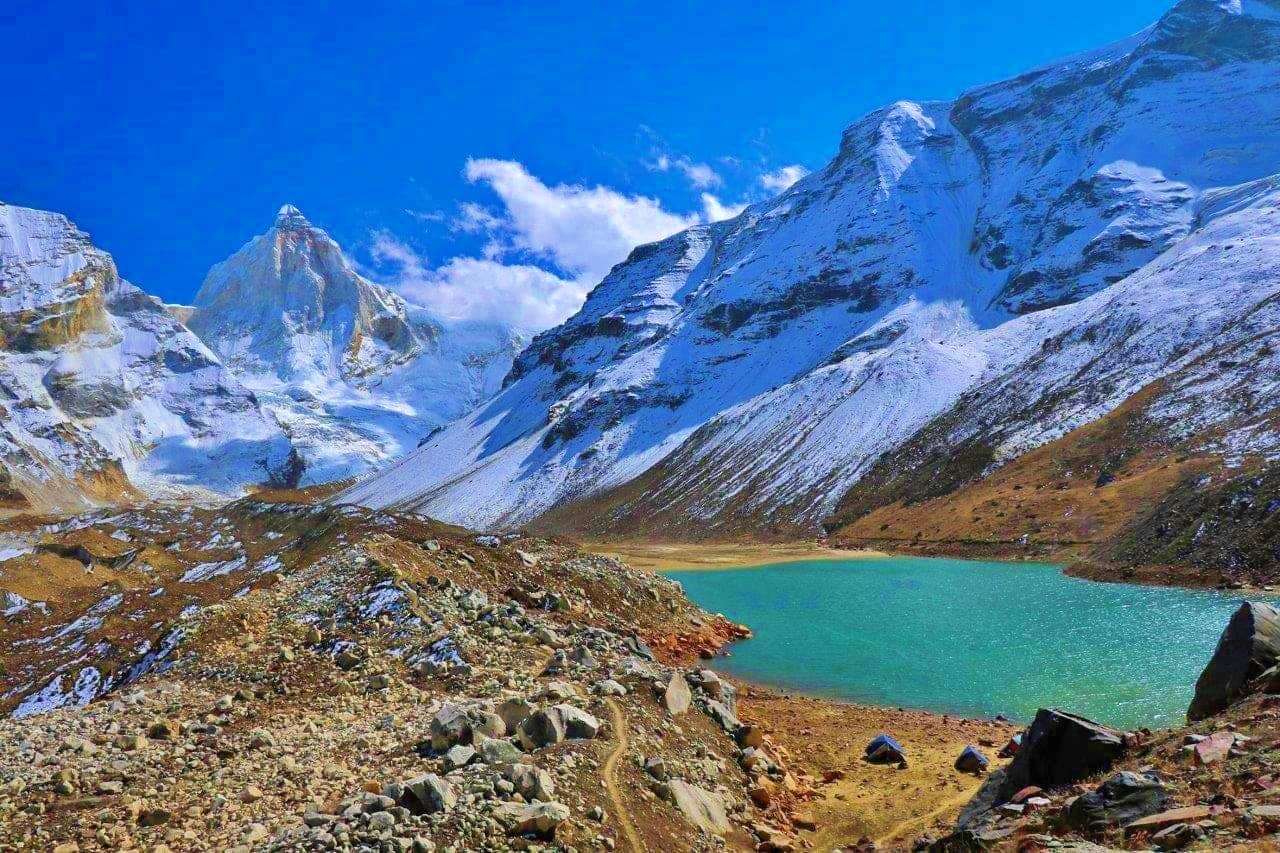 Travel Tips & Guides
By Nanda Rawat|May 4, 2026
Kedartal Trek: A Hidden Gem Every Trekker Must ExploreAt high altitudes in the Garhwal Himalayas where air becomes thinner and mountain peaks reach for the sky is Kedartal Trek, an impressive trekking journey through an incredible lake at 4800 feet altitude surrounded by some of India’s most revered peaks – an experience beyond an excursion through mountains; more like an adventure into an unforgettable world of natural beauty and spiritual significance. Kedartal Trek in the Garhwal Himalayas provides an exciting adventure, far beyond what one would expect from a trek. Join us as we journey along this stunning trek, as we reveal incredible attractions and marvels along its length in this article. Gangotri, located in Uttarakhand, serves as a starting point for numerous trekking adventures and treks, including Aarti (nightly Aarti ceremony at ancient temple), tranquil caves and ashrams, fragrant pine forests, spiritual seeking, peace, and serenity – Gangotri offers something special! Dubbed the Gateway of the Gods by locals. Gangotri boasts its unique mix of cultural and historical heritage, making it a superb starting point for any trek. Starting Trek in Gangotri. Our trek will commence after a night of restful relaxation in Gangotri on our third day. Ascending along Kedar Ganga river towards higher altitudes with lush pine forest on either side and birch grove on either side, leading up to Bhoj Kharak, where our initial camping spot awaits, providing comfortable shade from its trees as vibrant purple rhododendrons dance through the air in the distance! This campsite sets the bar high for future campsites we will visit. Kedartal Trekking is known for its breathtaking scenery and spiritual significance, but also offers a challenging obstacle called The Spider Wall. Before reaching the Bhoj Kharak camp, trekkers face an unforgiving 60-degree tilted rock with limited footholds, which tests both their skills and courage. Along this 15-meter-long granite slab are two narrow ledges that offer sufficient room to firmly grip their shoe edges for progressing forward on this trek. To navigate this area effectively and successfully, one must imitate the speed and movement of spiders, making this experience truly exceptional and unforgettable. Climbing this Spider Wall offers breathtaking views from every step. Step after step brings breathtaking panoramas of the surrounding mountains and Kedartal Lake below you, turning this journey into an unforgettable adventure. Kedar Kharak, the second campsite of this trek, lives up to the high standard set by Bhoj Kharak – with stunning mountainous settings surrounding this idyllic campsite and snow-capped summits that shimmer in the sunlight, as well as steep slopes offering stunning vistas and snowy mountain slopes that create stunning vistas – not forgetting those adorable blue sheep roaming freely through this region and adding nature-based charm. Ruggedness of Kedar Kharak’s campsite is part of its allure. Partly destroyed by an earlier landslide, its route presents hazards and is steep. Cliffs that drop towards both riverbanks offer thrilling adventures along this trek towards Kedar Kharak. On the third day of your travels, the breathtaking beauty of Mt. Thalaysagar appears from behind an evergreen forest in the Garhwal Himalayas. However, while traversing through difficult spider wall terrain and rough terrain can be easy to lose track of the breathtaking scene that awaits. Mt. Thalaysagar stands out in the distance with its striking and irregular surface covered by snow. The place exudes power and grandeur. The mountains’ peaks shimmer in sunlight, creating a breathtaking display of nature’s magnificence and beauty. Mountain enthusiasts and photographers will find Thalay Sagar an enthralling sight. Situated within the Kedar Kharak campsite, visitors can view this majestic mountain up close and appreciate its magnificence in person. When gazing upon Thalay Sagar, one cannot help but be taken aback by its strength and magnificence amongst the Himalayas. On your fifth and final day of trekking to Kedar Tal, you’ll navigate over rugged hills dotted with boulders and dirt tracks woven through ridges, as well as treks marked with towering rock formations known as cairns that act as guides along your journey. After conquering your first two ridges, you may catch sight of another ahead, prompting you to explore it further. Reaching its summit, an incredible view awaits! There’s nothing quite as spectacular as Kedartal Lake, an awe-inspiring frozen emerald perched atop an altitude of 4,800 meters and formed glacially by nature itself. At Kedartal Lake, there is a clear view of the peak you named – imagine yourself sitting by its edge while breathing in fresh mountain air, while being surrounded by Thalay Sagar, Mt. Bhrigupanth, and Mt. Meru are just two of many Himalayan mountains renowned for their peace. Here you’ll find crystal-clear waters of Lake Pangong reflecting the majestic mountains that encase it, creating an astonishing scene that leaves visitors speechless. Kedartal offers more than its striking scenery; it provides an intense spiritual experience. According to legend, Lord Shiva reportedly meditated here at one time and left an immovable, mysterious presence behind. While trekking through the valley, you might come across religious people searching for spiritual awakening – watching their religious practices or simply taking in their environment will enhance your experience and leave an impactful memory in your heart that won’t soon fade away. Sadhus of the Himalayan region regularly invite travellers to attend their sacred rituals, providing an unparalleled understanding of their unrivalled spirituality. Becoming part of these spiritual ceremonies can give visitors an unforgettable experience. Travel through this beloved landscape to be delighted by nature’s magnificent sights and to develop a deeper appreciation for its religious significance – something which pilgrims have been drawn to do for many years. We hope that soon enough you’ll experience these wonders for yourself; should any questions arise, feel free to contact us anytime! Travel Tips & Guides
By Anoop Rawat|May 2, 2026
Monsoon Trekking Tips: Stay Dry, Safe & Comfortable on Rainy TrailsMonsoon treks are breathtaking – lush green valleys, cascading waterfalls and mist-laced trails with earthenware aroma await your visit. Unfortunately, however, not everything about these monsoon excursions is poetry: rain can fall for days on end, making trails slippery while your gear remains wet until reaching your campsite. Here at Trekup India, we have assisted numerous trekkers during monsoon season treks and gained valuable lessons that we have put into this guide on staying dry, safe and secure while trekking during rainy conditions. A watertight backpack and rain cover are essential in order to keep equipment dry in case it rains, such as dry bags for electronic devices, as well as zip-lock bags containing important documents. Clothing That Dries Fast Cotton clothing absorbs moisture quickly and takes some time to dry; try instead choosing quick-dry clothing made of materials like polyester that evaporate quickly, such as: Leeches can be a major problem during monsoons. But you can help protect yourself by following a few easy tips: Plastic Bags for Clothing and Waste (including plastic garbage bags). Extra socks (wet feet can cause blisters!) will prevent this scenario. Clean your phone in an environmentally-friendly and fast-drying microfiber pouch (with waterproof lining). For even faster drying times, grab an accompanying microfiber towel. Electronics in silica gel packs (to prevent moisture damage) is another effective way of protecting them from moisture damage. Take care when walking over slippery surfaces by carefully testing each step before placing weight on it. Use trekking poles for balance when trekking. Be cautious of shortcuts and follow trail markers. Be careful around waterfalls & river crossings (water levels can quickly rise!). Also, exercise extra caution at waterfalls & river crossings as water levels can quickly change! Place tents on elevated surfaces to prevent water from pooling underneath them, thus avoiding possible flooding issues at your campsite. Use a groundsheet under your tent. Be sure to keep wet shoes out of the tent by placing them upside-down for drying purposes. Before embarking on any journey, ensure you are aware of the weather forecasts before making plans to travel. Stay ahead of heavy afternoon rainfall by rising early. Always be ready for unexpected fog conditions by carrying a whistle and a torch with you. Monsoon trekking can be an exhilarating adventure, yet it requires more caution and awareness than other excursions. By equipping yourself with appropriate gear and keeping an open mind, you can successfully traverse treacherous slopes, avoid insects, and enjoy nature’s raw beauty. Are you heading out on a monsoon trek? Make sure that you pack carefully, travel safely and let the rain fuel your adventures!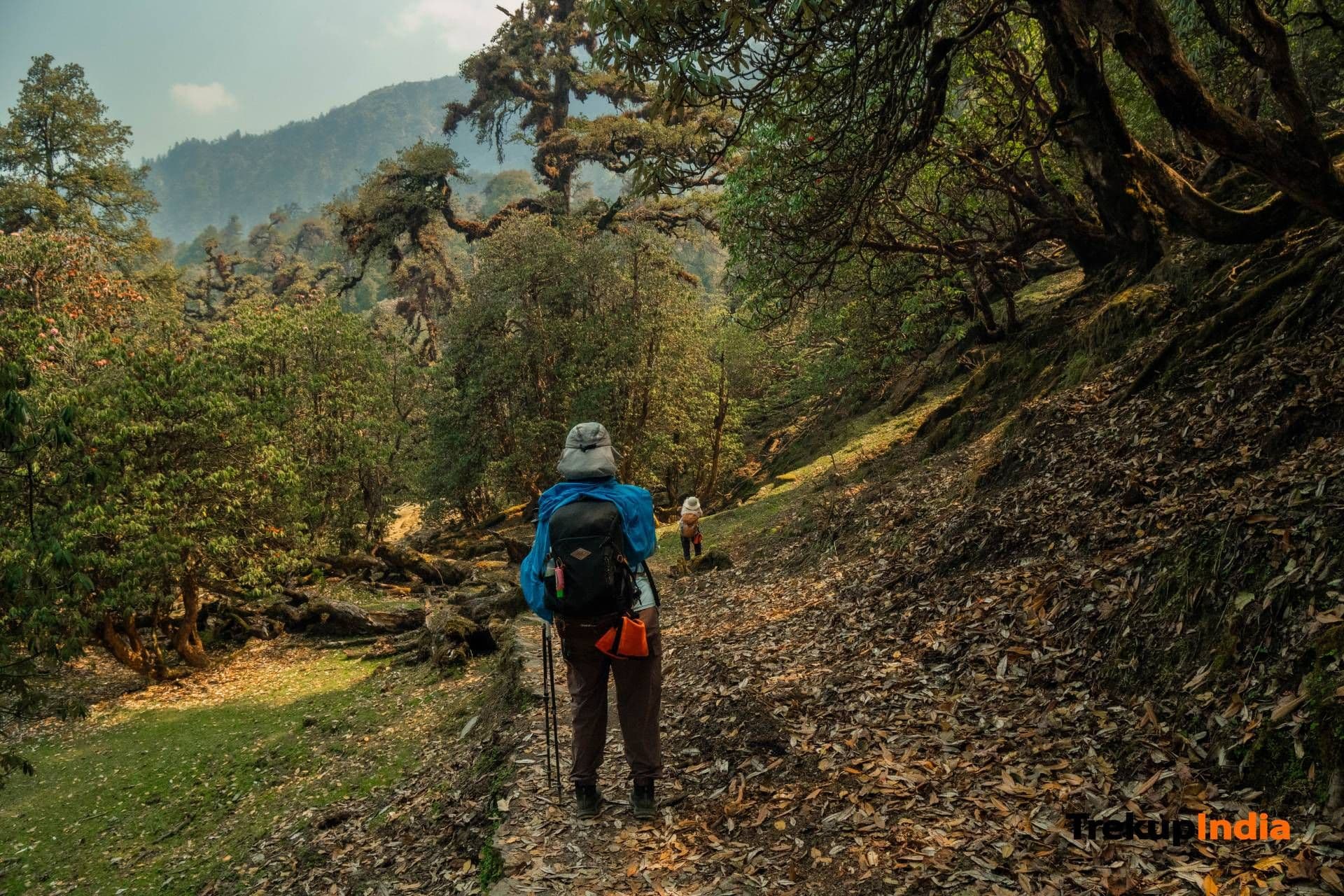 Travel Tips & Guides
By Preetam Singh Rawat|May 2, 2026
Solo vs Group Trekking in India: Which One Suits You Best?The sound of the gravel underfoot, the huge expanse of mountains that unfold before you, the utter silence, and the experience of trekking is pure bliss. One of the most important choices that any trekker has to make is whether to go on your own or join a group? Both solo trekking (embarking on your own) and group trekking (with families, friends, or organised excursions) are growing in popularity throughout the country’s incredible landscapes. Individual trekkers seek to connect with the natural world and their own inner selves, while group trekkers are drawn to shared experiences and the camaraderie. There is no one “right” answer, however understanding the subtleties is crucial. What trail style is best suited to your love of adventure? Let’s put on our boots and start exploring. Solo trekking is the act of going on a trek solely on your own, accountable for the entire planning as well as navigation, safety and even decision-making. Imagine a lonely figure walking through the valley, setting up camp at night, and relying solely on their own abilities and preparedness. Ideal for: Experienced trekkers with solid navigational skills, excellent fitness, and self-resilience, who also have a comfortable relationship in a quiet environment. The perfect choice for those who want the challenge of a lifetime or a calm moment of reflection. Group trekking involves hiking with other trekkers that range from a small group of buddies to more extensive organized tours that include guides and personnel (like the ones provided through Trekup India ). Ideal for:- Beginners who are learning to walk, trekkers with a focus on safety (especially in high-altitude and remote regions), Social butterflies who are drawn to group activity, or those looking for a hassle-free logistical experience, and anyone who is tackling difficult routes in the beginning. Here’s a quick breakdown to help you weigh the essentials: “Solo treks can be spiritually rewarding but require high preparedness. For high-altitude or technical trails, group treks are definitely safer and more enjoyable.”— Nitin, Trek Leader at Trekup India “When I started trekking, I loved the freedom of solo hikes. But the best laughs and memories came from group treks.”— Neha, 12 trek veteran from Mumbai We at Trekup India are open to individuals as well as groups of trekkers. We will be supporting each of them: Explore Upcoming Group Treks The decision between group and solo trekking isn’t about which one is more effective but rather the one that suits you most at this point on your trek. Consider this: For experienced trekkers an individual trek could be the most powerful expression of independence. For beginners the structure and the support of a group could help to build confidence and transform a trek into a lifetime of memories. Here at Trekup India, we’re here for you, no matter if it’s to trek by yourself in peace and contemplation or join an energetic group of people sharing stories in the night. Be aware: There’s a perfect trail for each trekker – Choose the one that is in tune with your love of adventure as well as the peaks will be there to reward you in ways that you’d never have thought of.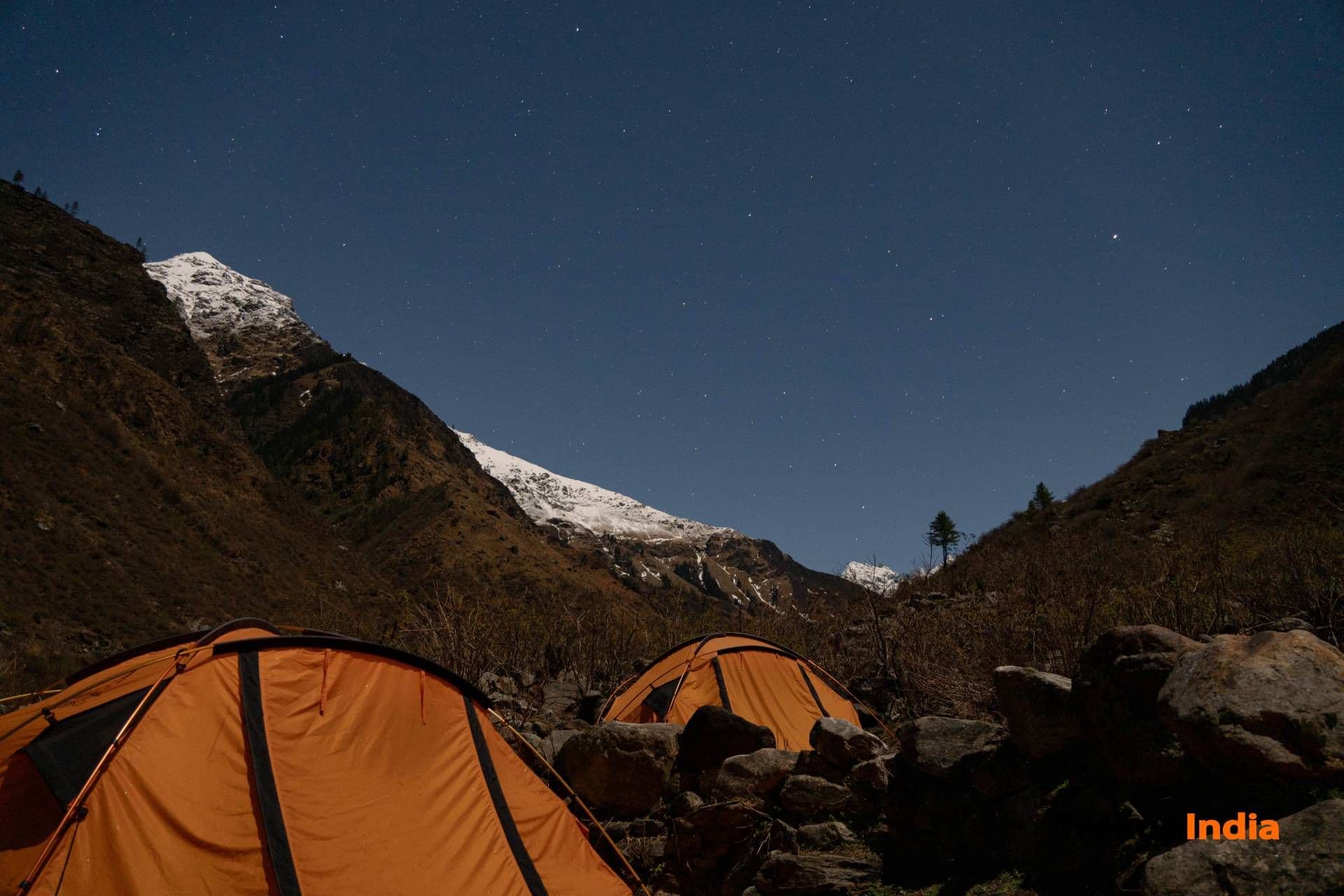 Travel Tips & Guides
By Nanda Rawat|May 2, 2026
When and Why Trek Cancellations Happen | Trekup India InsightsTrekup India is a place where you can experience the best of both worlds. Trekup India we are obsessed with the mountains, We dream of beautiful trails, stunning summits, and the joy that comes from sharing an adventure. The decision to cancel the trek is probably the last thing we’d ever want to do as it upsets the trekkers as well as sabotages our enthusiasm. But, the mountains are unpredictable and deserve a great deal of respect. Your safety is our primary concern. Sometimes, cancellation is the only choice that’s safe. Knowing what and what happens when this is happening, and also how Trekup India handles it according to our Terms and Conditions helps to manage expectations and establish trust. Let’s open the curtains: We recognize that cancellations can be disruptive. Our Terms and Conditions define a clear and well-organized refund policy that is fair and fair in covering the unavoidable costs of operation prior to cancellation (Important Be sure to look up the cancellation page and the most up-to-date T&C on our site for specific percentages and timelines since they can differ somewhat for each trek). Refunds cover the trek cost that you pay by Trekup India. The refund does not cover: doesn’t pay for: Trek cancellation, although very regrettable, it is a important safety tool. We at Trekup India, we don’t take it lightly. It is a result of our unwavering determination to bring our trekkers back from the mountains without any hassle, and with amazing memories and without unnecessary risk. Our Terms and Conditions offer a clear and concise framework for these events that are rare to ensure fairness and honesty. Through understanding how to answer the “why” and “when,” and then preparing for the event accordingly (especially using insurance) it is possible to make a reservation for an Himalayan trek by contacting Trekup India confidently, knowing that your safety is our top priority above everything else.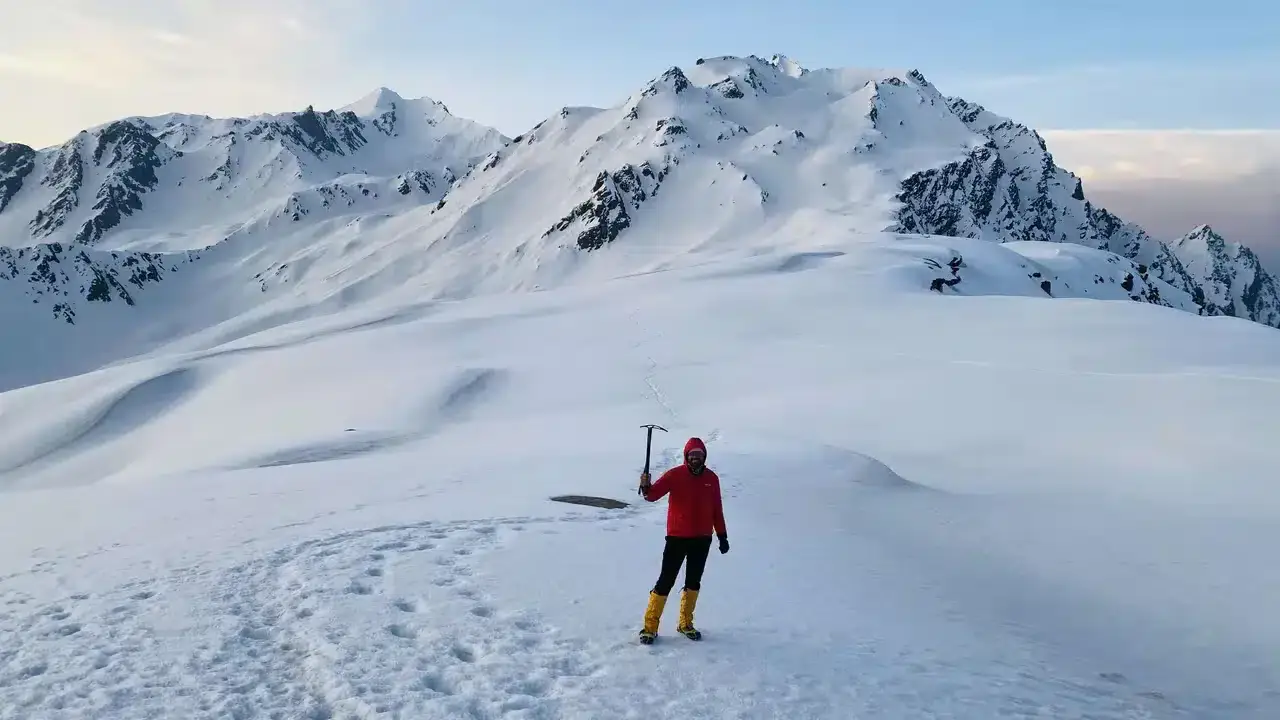 Travel Tips & Guides
By Nanda Rawat|May 1, 2026
Sar Pass Trek: A Stunning Journey Through Forest and PeaksTrekking trips of different varieties all offer something special. The Sar Pass Trek in Himachal Pradesh stands out as a particularly beautiful course to traverse. Don’t miss your chance to witness its immense Himalayan grandeur while challenging both yourself and the beauty of its landscape. Sar Pass is an ideal trip for novice and seasoned trekkers alike. Offering an in-depth Himalayan journey without needing advanced climbing abilities, its scenery constantly shifts between open meadows, pine forests, mountains, and snowfields for an ever-evolving journey experience. Sar Pass Trek provides an exciting, captivating, and breathtaking trek experience in Kullu District in Himachal Pradesh at 13800 feet. Perfect for people wanting to immerse themselves in nature’s grandeur, the Sar Pass Trek provides visitors with the chance to be amazed by its magnificence. The Himalayas have long been an inspiration to humanity, offering breathtaking peaks, lush meadows, and crystal-clear rivers as breathtaking vistas that leave visitors speechless. Travel to Sar Pas and discover this beauty for yourself with coniferous trees, Rhododendrons, and colourful flowers adding another dimension. Discover eternal peace and harmony when you reach your location. Visit Sar Pass Trek between March and September to enjoy optimal conditions, in particular, Spring: April to June, September through October for Autumn. These months feature clear skies, moderate temperatures, and minimal rainfall – ideal conditions for trekking! Snowfall tends to be manageable, and views of the Himalayas can be spectacularly clear. Travel during July-August for heavy rainfall, while December to February for extreme cold and heavy snowfall can also be avoided. Day 1 of Our Trek Our journey starts in Kasol, known for its stunning beauty and laid-back ambience. To reach Grahan Village via the Nallah de Grahan, we travel through dense pine forests on our route; once in Grahan, we enjoy an authentic local village experience where trekkers can spend their nights and get their first view of the mountain range. Day Two: Grahan to Min Thach Today’s path climbs steadily through forests that open onto meadows. At Min Thach, you’ll enjoy stunning snowcapped mountain peaks; here lies an oasis of tranquility where one can begin to appreciate their mountain surroundings. Day 3: Min Thach to Nagaru. This can be one of the toughest days due to the steep uphill trek. At an elevation of over 3,000 feet, Nagaru Camp offers breathtaking panoramic views across the valley below and incredible nighttime stargazing experiences. Day 4: Nagaru to Sar Pass and Biskeri Thach. Today will be an incredible and enjoyable trek experience! An early start will take trekkers up to Sar Pass with its breathtaking panoramas; as you descend towards Biskeri Thach, you may enjoy sliding down snowy slopes that offer great thrills for many trekkers. Day 5: Biskeri Thach to Barshaini and Back to Kasol. On their final day of travel, visitors will journey through forests and meadows towards Barshaini in the Barshaini region before being met by vehicles to return them safely home to Kasol. This trip offers adventure, beauty, and personal growth all in one. Write a summary of this. Highs and Lows Kasol serves as the starting point for trekking Sar Pass in Himachal Pradesh and is famous as an area to experience authentic Israeli cuisine. Your journey begins by trekking from Kasol towards Grahan village. At first, the path appears straightforward and allows people to cover an impressive distance in just a few hours. After crossing the river Grahan Nalah, however, the path takes an abrupt and more difficult turn that eventually leads to the village of Grahan situated atop a hilltop; reaching its summit requires an uphill trek lasting an estimated one-hour climb. The beauty and surrealism of the town, established nearly 500 years ago, create an indescribably captivating charm that makes for a captivating visitor experience. Particularly appealing are those with an appreciation of art who find inspiration there; many artists refer to Himachal Pradesh as “stoner’s paradise or painter’s haven.” Dappled with beautiful old-fashioned Himachali homes as well as pine forests with Rhododendron trees lining its paths, visitors can relax peacefully amidst nature. Min Thach, which locals frequently use as an access route to farms and cattle pastures, provides stunning natural beauty along the journey to Min Thach. Watching the sun setting over mountains ablaze with golden hues is among the most relaxing sights after an exhausting trek to Grahan village. As one advances further North, the path becomes steeper and eventually leads into the forest. Yet Rata Pani provides an ideal lunch spot with breathtaking mountainous peaks on one side and deep valleys on the other side, to ease any fatigue that might build up from walking for so long. As you traverse the forest and its breathtaking perspectives, be sure to enjoy the Chanderkhani stretch as well as the mountain peaks from the Min Thatch camping area. Warming up and adjusting is beneficial to replenish energy lost during trekking. On Day Two of this expedition, you’ll trek through a snow-covered pastoral forest as the path that runs from Min Thatch to Nagaru starts at an altitude of 12,500 feet above sea level. One of the highlights of a trek like this one is being able to gaze upon majestic peaks and feel their strength as winds rush past you as you climb ever higher. Snow can make the trek more difficult because its surface can become slippery; thus, it is best to have a trekking stick handy as well as a knowledgeable guide on hand in case it snows during your trek. Starting before noon could also prove useful should any treks be covered with snow; temperatures tend to be more pleasant then. Though at times challenging for those new to kayaking, kayaking can be immensely rewarding and pushes one towards taking on new challenges while becoming more self-aware. Once at Nagaru Campsite, you will experience life differently! Manikaran offers breathtaking views of majestic mountains overlooking Parvati Valley, while seeing its small yet glittering lights that reflect nature’s appeal, and Manikaran town is known for being revered among devotees of religion, with hot springs flowing around gurudwaras that contain healing properties. Moving forward from here, our next trekking destination will be Biskeri Thatch via Sar Pass. Its lush green meadows, wildflowers, and variety of birds that inhabit Biskeri will help restore both body and mind, leaving us refreshed for another round. Biskeri Thatch provides an ideal setting for filmmaking. Offering stunning and clear images of snow-capped peaks and the natural beauty that Biskeri Thatch exudes will enthral visitors as they climb its steep hillsides. Climbers must remember to climb at an even pace to maximize capturing stunning footage while at the same time maintaining safety for climbing safely. Snow can make for easier walking conditions than concrete; however, you are still likely to use up all your energy in doing so. But that shouldn’t worry you: The beautiful surroundings will keep your energy high and encourage you to relish every second of this trek to Sar Pass; with its breathtaking panoramic view of tall mountains, take a deep breath as nature showcases her glorious green beauty before arriving there at last.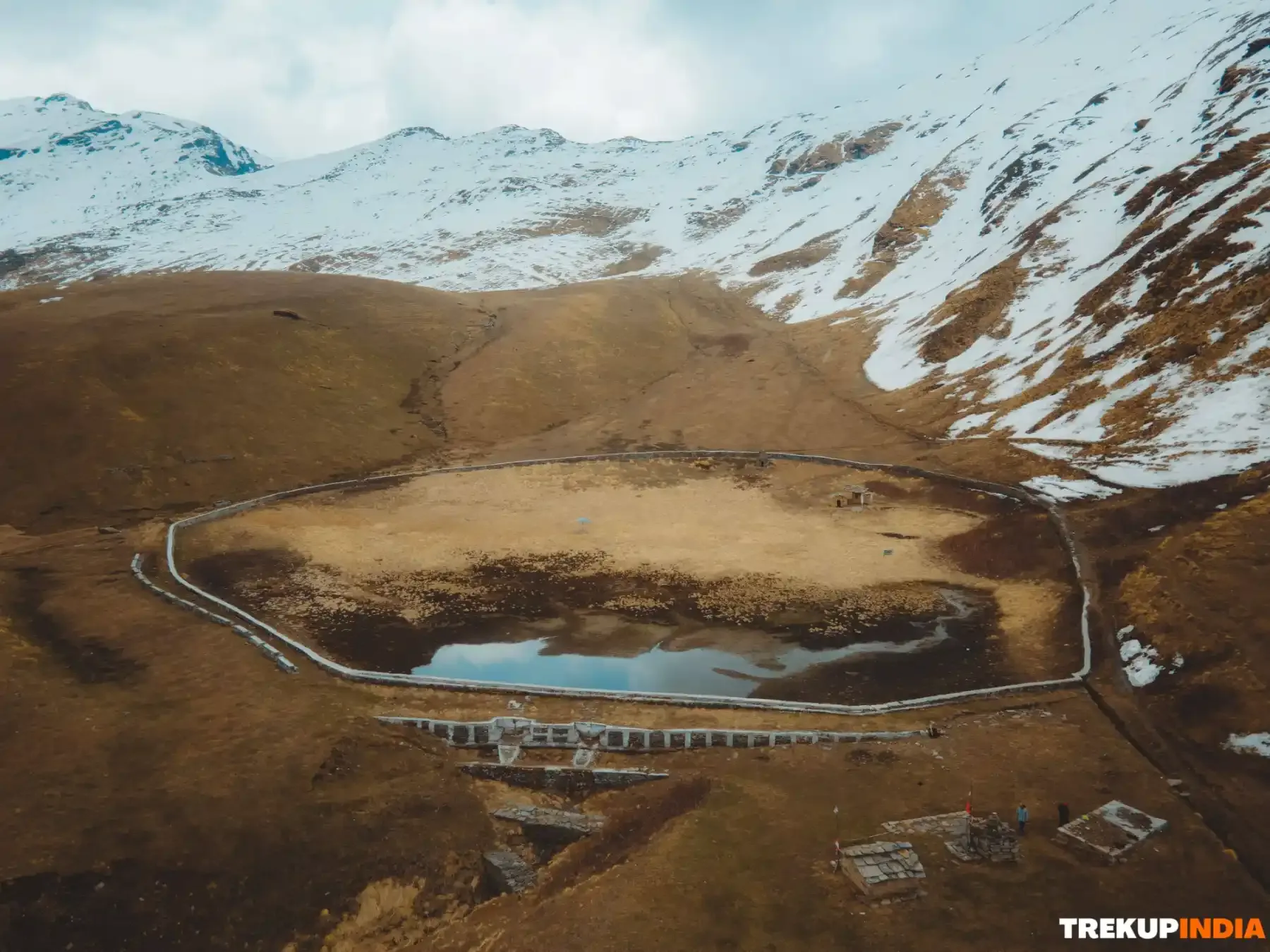 Travel Tips & Guides
By Anoop Rawat|May 1, 2026
Explore Roopkund Trek: The Enchanting Beauty & Ancient SecretsRoopkund Trek in the Indian Himalayas offers an unrivalled combination of natural beauty and mysticism. Renowned for its Skeleton Lake, Roopkund is set among centuries-old human remains that create an eerie ambience during your trek. Trekkers can enjoy dense forests, bubbling rivers, and vast meadows of alpine Bedni Bugyal, along with breathtaking panoramic views that include Trishul and Nanda Ghunti mountains. As your journey continues and the terrain becomes difficult and snow-covered, culminating in an exhausting yet exhilarating ascent to an incomprehensible glacial lake. Roopkund Lake is often known as the Mystery Lake due to its remoteness. Situated at an astounding altitude of 16,499 feet above sea level within Chamoli district in Uttarakhand, Roopkund is a glacial lake known for the mysterious human bones floating within its waters when snow melts away, adding another element of mystery for visitors trekking to Roopkund.On your trek, you’ll encounter lush green meadows known as “Bugyals,” snow-covered mountain peaks, and lush forest areas. Marvel at stunning images from Mt Trishul and Mt Nanda Ghunti as you pass Roopkund lake – one of the best-known trekking locations within the Garhwal region and beloved among people from across the globe. Roopkund stands out among Himalayan trekking routes due to its breathtaking view, an intimate frozen lake filled with hundreds of human bones that was discovered during World War II in 1944 and is thought to date back as far as the 9th Century CE; their precise reason for its discovery remains disputed. The most widely held hypothesis suggests that pilgrims were caught up in a hailstorm and perished, their remains lying frozen within glaciers for hundreds of years after. Additionally, DNA tests have confirmed their origins from all corners of the earth, adding even further intrigue and mystery. Positioned at the head of Roopkund Lake and surrounded by majestic peaks and ancient bones, being at its end can both captivate and chill you to your core. Lohajung marks the starting point for this trek, offering beautiful landscapes and rich diversity to explore. Navigating its windy, curvy roads, gradually ascending elevation, will be challenging but will undoubtedly provide you with a rewarding sense of achievement and fulfilment. After walking about six kilometres through the Garhwal district of Uttarakhand, Kulling will appear. Beautifully landscaped with fields and houses abounding with concrete paths dividing each sector of the township, Kulling boasts an exquisite town centre complete with a small concrete plain that runs throughout. As you approach Didna village and cross Neel Ganga valley, a moderately steep roadway encased by lush forest full of rhododendron and oak will lead to Dodna village, located 8000 feet up the mountainside. Ali Bugyal, one of the country’s most populous areas, boasts an extraordinary community that should not be missed. There is a path running directly through it which offers two routes for exploration – ascending on one and inclining more steeply on another – but both lead directly to their respective points of departure. Ghora Lutani provides beautiful scenic panoramas as you ascend towards your final location at altitudes between 12,500-14500ft, offering incredible scenic vistas as you climb towards Ghora Lutani’s steep altitude rise of between 12,500-14500 ft. Walking on this rugged terrain can be challenging physically and mentally, as well as being physically exhausting; high altitude conditions may cause breathing difficulties, but the stunning sights surrounding your campsite will bring back its excitement of trekking! Once at camp, it’s time to end your day’s trek and settle down before relaxing for the evening ahead. As you head toward Bhagwabasa on day 2, its terrain may prove challenging, and it should not be easy for travellers. Situated approximately 14000 feet above sea level, Kalyuvinayak Temple stands 200 feet higher. Travellers should make sure they travel at a slower pace as oxygen becomes thinner in this alpine region. As you reach this height, the reward of Roopkund comes into view: sparkling Trishul on one side and bell-shaped Nandagunti on the other. It’s simply breathtaking and captivating. At an elevation of over 16,000 feet, Roopkund is the highlight of any trek to Nanda Devi temple, after having traversed this challenging but rocky terrain. Once there, you will discover multiple photo ops at Nanda Devi temple, so why should you miss this chance for lasting memories with loved ones? Rest and acclimate throughout the day as most trekkers do, then recover well before starting in reverse to ensure you can withstand any potential dangers on the trek up to Roopkund. It will require both perseverance and strength, but Roopkund will provide enough motivation to finish. Although Roopkund can be considered a challenging trek it is moderate to difficult trek, those with sufficient stamina and resolve can conquer it. While reaching its summit requires strenuous climbing, its breathtaking views make the journey well worth your while! The best timing for this trek would be May and June, as well as between August and September. In May/June, you might miss seeing any frozen skeletons due to frozen water; however, the lush bugyals will leave an impressionable memory behind. In contrast, during the monsoon season, when visiting Roopkund Lake is likely to freeze over by September end and it becomes apparent why Roopkund Lake remains so mysterious and alluring.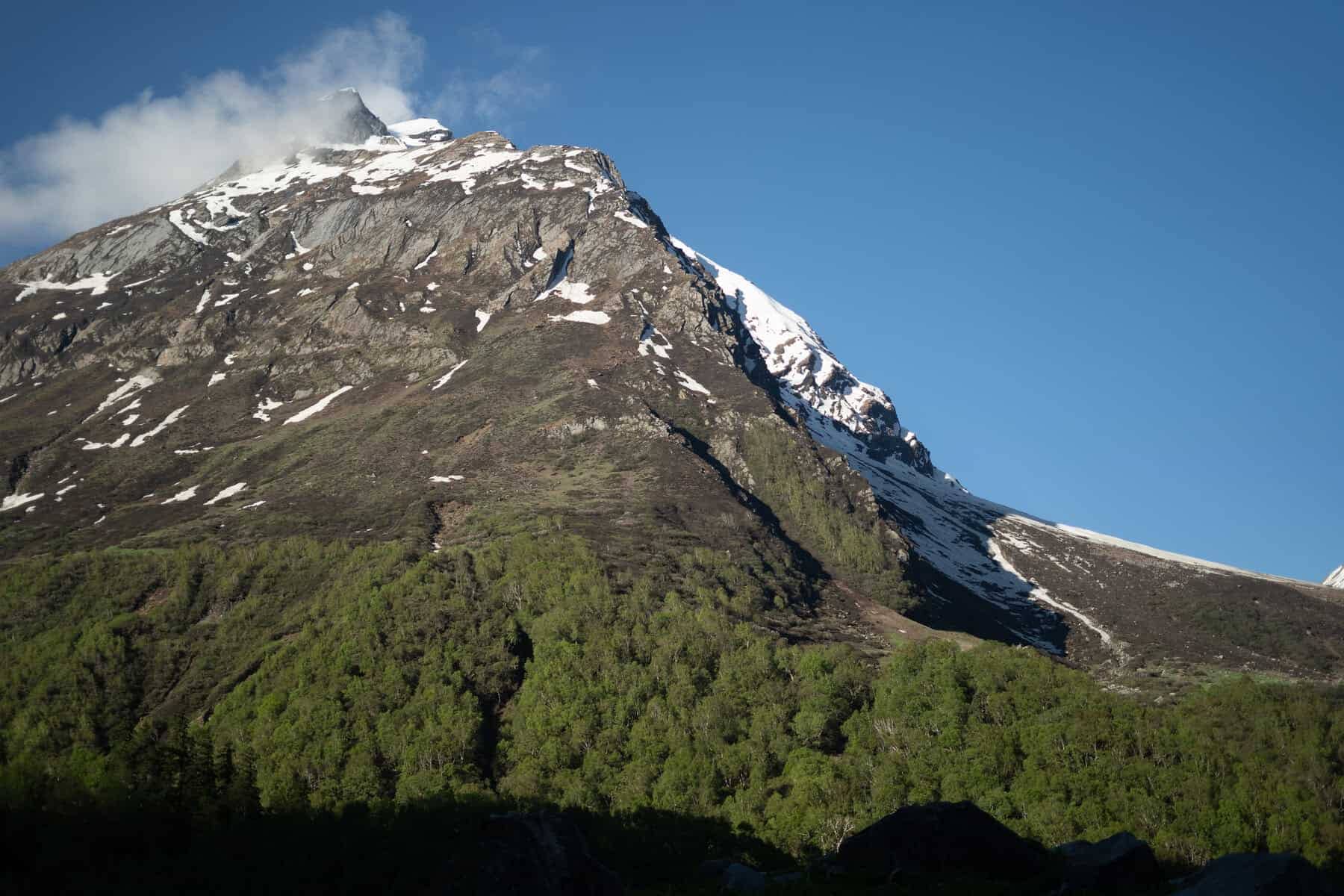 Travel Tips & Guides
By Preetam Singh Rawat|May 1, 2026
Why You Should Do Bali Pass Trek?The Bali Pass Trek is a challenging and exciting trekking adventure in the Garhwal region of the Indian Himalayas. It is a high-altitude trek that takes you through some of the most scenic and breathtaking landscapes, with snow-capped peaks, lush forests, and glacial lakes.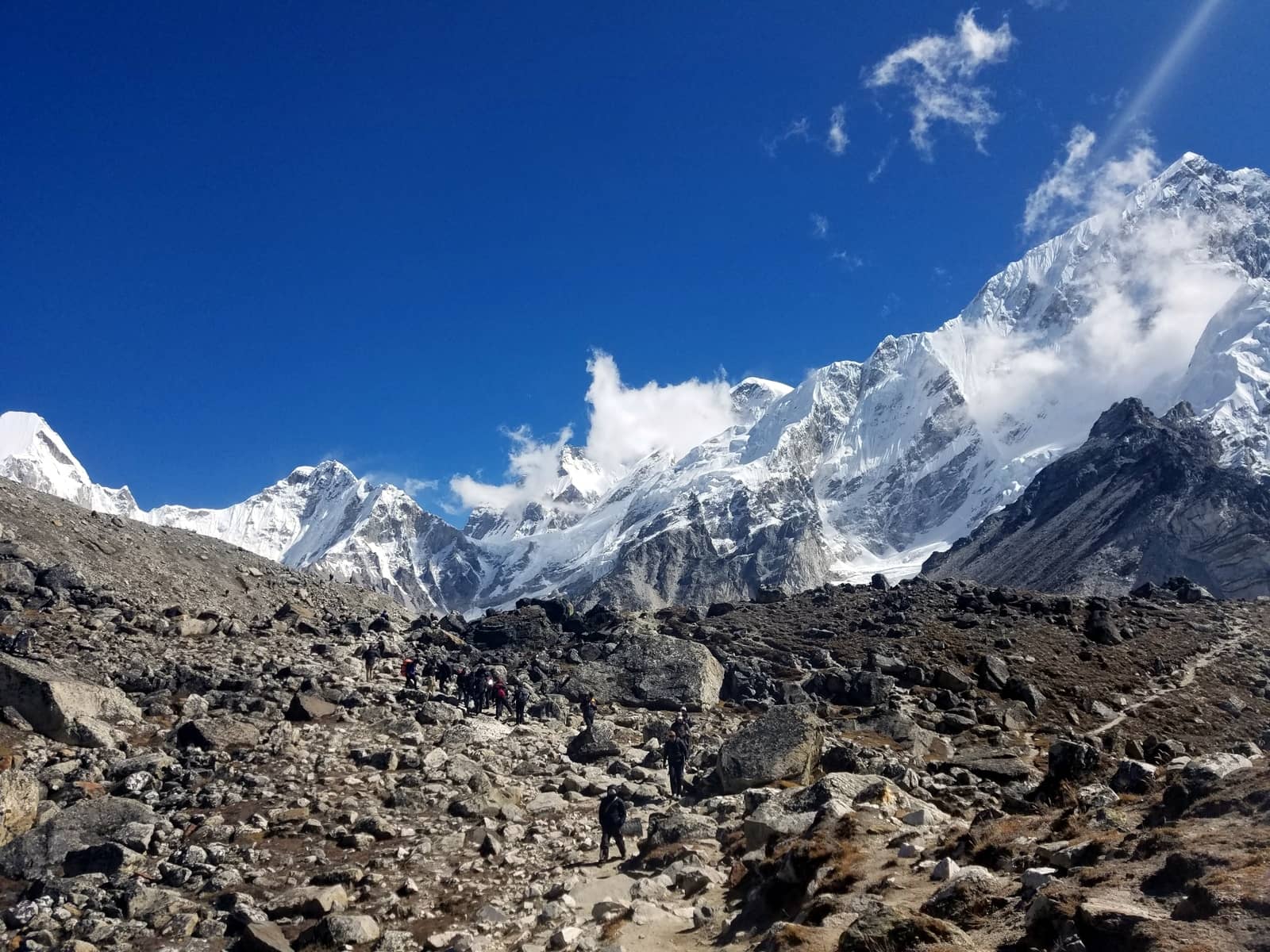 Travel Tips & Guides
By Nanda Rawat|Apr 30, 2026
Everest Base Camp Trek Preparation Checklist: Are You Really Ready?Many great people from around the globe have rightly dubbed Everest as “stairs to heaven”. With breath taking views and fresh air, this wonder of nature attracts visitors from around the world, who come to enjoy nearby bazaars and monasteries (if not itself). Unbelievably beautiful and breathtakingly majestic, this spectacular scene awaits those with enough courage to imagine what an adventure it would be to feel the fresh mountain air, climb its peak, and experience one of Earth’s highest points first-hand. Below is a checklist that covers some of the basic and advanced needs in deciding if an Everest Base Camp (EBC) Trek should be undertaken by you. However, this shouldn’t be taken as definitive information – before taking on such an amazing adventure, it would be prudent to speak with a doctor or experienced trekker first. An Everest Base Camp (EBC) trek is on many bucket lists. But before embarking on such an endeavour, it’s vital to ask yourself: Am I really capable? The EBC Trek isn’t your average trekking trek: It is an extreme, multi-day challenge designed to put both mind and body to the ultimate test. For experienced hikers or those just beginning, this list provides an effective means of measuring how prepared you are to face such an adventure. For obvious reasons, having more experience trekking at higher altitudes, particularly that relating to EBC (29,028 feet), can significantly prepare you mentally and physically for this endeavour. Experienced trekkers tend to be less likely to need to answer distress calls on a similar trip than novice trekkers; when temperatures drop to 60 degrees Celsius during winter months, however, only those who possess exceptional ability should attempt this endeavour. A) These individuals generally are healthy and do not present with any serious diseases that might increase due to altitude (for instance, heart or lung conditions). B) You possess an exceptional capacity for long-distance walking. EBC trekking should take between 4-10 hours with adequate breaks during that time; what’s essential to survive this adventure is exerting consistent effort over a sustained period. C) When traveling, staying focused and motivated are keys to a successful adventure. D) You enjoy working in teams. Knowing this, take heart in knowing that embarking on this challenging journey with like-minded colleagues can boost motivation and help overcome its hurdles! Everyone has flaws and weaknesses, but to ensure success, it is vitally important that we start planning our journey now and increase the intensity of our fitness regimen a minimum six months before our trek. If you are at risk for lung or heart diseases, chances are it won’t be permitted for you to embark on the trek. Furthermore, being a smoker or heavy alcohol consumer makes this task far more difficult in comparison with others in better physical shape for high altitude trekking – smoking restricts breathing at higher elevations; drinking or drug exposure alters judgment could result in further health risks. Acclimatization should not be neglected when traveling at altitude, as Acute Mountain Sickness (AMS) is an actual health risk triggered by high-altitude environments. A higher altitude, with decreased oxygen levels, tension in the air, and stress contributing, can trigger it; often seen around 8000ft or higher and leading to headaches, nausea, dizziness, shortness of breath, as well as headaches. Although usually mild and quickly resolved, occasionally symptoms of altitude illness can become serious and cause lasting complications in the brain or lungs. Rare cases involving brain or lung complications occur, which require hospitalization. Acclimatization to high altitudes through spending several days in certain locations before and during your trek or trek is critical to minimize health problems, and should take 13-20 days on average for EBC Journeys. Keep this in mind as nutrition plays an integral role in finishing any trek successfully. A balanced and nutritious diet must be maintained while trekking towards EBC. Your guides and sherpas will likely serve you light meals that are easily digestible in the tea houses you stay at, such as herbal tea, electrolytes, energy bars, light snack bars, dry fruits, or digestive biscuits to ease hunger pangs. When hunger strikes in between meals served at tea houses, you might require other sources to provide relief – some items could include herbal tea, electrolytes, energy bars, snack bars, light snack bars, dry fruits, and digestive biscuits. At least two to three months before embarking on any trek, it is necessary to develop an efficient workout program designed to build up endurance for trekking over an extended duration. A) Walking for 60 days before embarking on your trek can help prepare you for its physical demands and core strength development. B) Plank exercises may also prove helpful. C) Engaging in some yoga can help alleviate breathing issues as well as strengthen core muscles. D) Swimming or cycling for just a few minutes each week could help build lean, toned muscles. Mt Everest remains one of the world’s most revered mountains, drawing accolades and praise songs that honor it from across all sectors of society. Every year, thousands of trekkers make the trek up to Everest Base Camp; you may just be one of them one day! So have faith!