
Prev
1 / 9
Next
 Trek Guide
By Preetam Singh Rawat|Apr 28, 2026
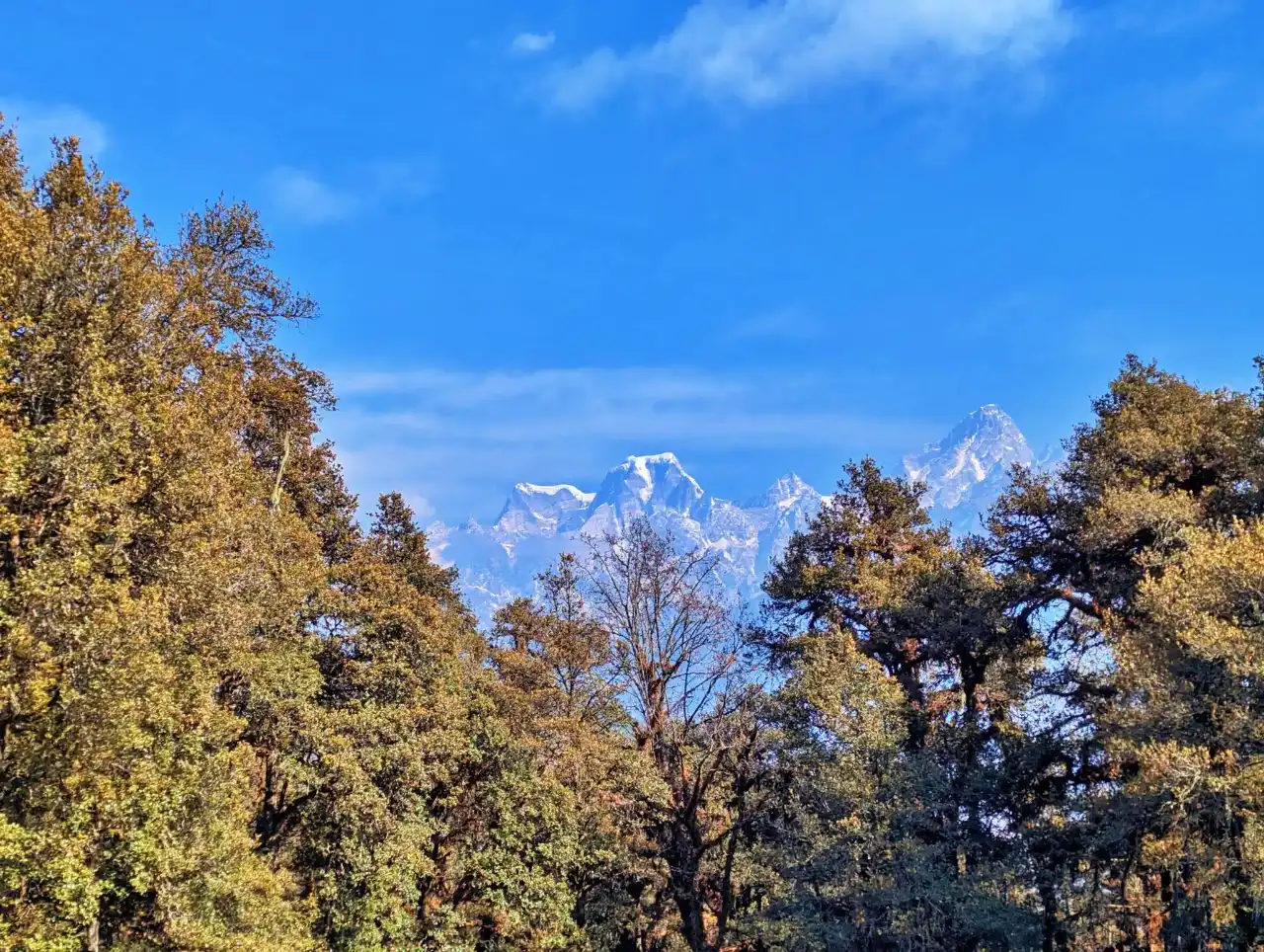
The Mystical Mythology and Folklore of Har ki Dun ValleyHidden in the soul of the Garhwal Himalayas, the Har ki Dun trek of Uttarakhand has more to offer than just stunning vistas; it is a place imbued with ancient lore. The name itself, Har ki Dun, means Valley of Shiva or Valley of the Gods, proof that the deeply rooted myths ring through its hills. It’s truly fascinating how the valley features in one of India’s finest epics, the Mahabharata. The most interesting myth associated with Har ki Dun’s location is the myth of the last journey of the Pandavas. In mythology, the Pandavas began their journey to heaven via the Swargarohini peak. This mighty peak rising to 6,252 meters is said to be the gateway to the afterlife itself. Whereas all five Pandavas and their wife Draupadi set out on the journey, only the oldest Pandava, Yudhishthir, returned with a dog, while the rest died one by one during the journey. This particular part of the story does make people curious about many things. How did Yudhishtir and not Arjun or Bhim survive this journey when Arjun and Bhim were clearly stronger than him? Did this divine land require one to have more than physical stamina? Did it challenge the reservoirs of one’s moral vigor and righteousness? What adds to the mystique of the Har ki Dun valley is a temple located here that is in honour of Duryodhana, the notorious Kaurava prince and arch-rival of the Pandavas. Located in the village of Osla, the temple is a testament to a different point of view, one that mythology tends to overlook. The inhabitants of this valley have long prayed to Duryodhana, calling themselves his descendants. This loyalty raises the question: Why does this village still look up to a character traditionally seen as the villain? Perhaps history, written by the conquerors, did not present Duryodhana fairly? Or perhaps, to the people of this area, he was not the bad guy we’re always told he was. Of all the possible paths in the Himalayan range, why did the Pandavas set their sights on Har ki Dun for their climb to heaven? They had journeyed far and wide, yet this valley marked their final trajectory. Was it an unconscious draw towards a place still dedicated to their sworn foe? Did they feel a need to make peace with their past before their final journey? Or was it the final grand battle, not of swords and arrows, but of inner devils, guilt, and unresolved conflicts? Apart from its connection with Hindu mythology, Har ki Dun trek is a nature lover’s paradise. The trek starts at Sankri, going through scenic villages such as Taluka, Ganghar, Osla, and Seema, all of which reflect an unspoiled cultural heritage. The valley is an old trade route to the Kinnaur valley, and via Borasu Pass (5,450M), it links with the Baspa valley. Among its numerous natural wonders, the valley boasts the Jamdhar glacier (3,700M), Ruinsara and Morinda lakes, Bonga peak, Black peak, Supin River, Fateh Parbat, and wide panoramic views of stunning peaks like Bandar Poonch. The biodiversity is astounding here, with a host of bird species and flora inhabiting this high-altitude region. Trekkers who embark on the Har ki Dun trek even today feel curious about the same questions. Was Yudhishthir’s path a metaphor for the challenges of human existence? Was Duryodhana deservedly punished, or was he misunderstood? The answers are as elusive as the valley itself, isolated, serene, and forever enshrined in legend. Maybe, the actual pilgrimage is not climbing to the top, but rather discovering the secrets hidden deep in these holy lands. The trek to Har ki Dun, Uttarakhand is more than a high-altitude trek—it is a journey through history, mythology, and self-discovery. Whether this interpretation changes how you view Har ki Dun trek Uttarakhand or not, it definitely enriches the experience. As you stand in between the great mountain peaks and century-old trails, you can’t help but find yourself asking such questions. Or maybe this hike isn’t as much about touring a stunning valley, it’s learning about the history and mythology it carries with it and secrets it encourages us to decipher. And if anything, this blog has provided you with a glimpse of the off-beat trails and unknown treasures in Har ki Dun place, waiting to be unearthed by those who look for something more than just a trek—they look for an experience of history, mythology, and the whispers of the past. Many locals believe that one does not simply decide to go to the mountains; rather, it is the mountains that call you. If you’ve been thinking about going on a trek to Har ki Dun, take this as a sign. We at Trekup India invite you to join us on this amazing adventure in 2025. Our seasoned trek leaders, carefully crafted itineraries, and abiding respect for the history and culture of the region will see that your adventure is not only about trekking, but about being immersed in the wonder of the Himalayas. Let us venture into this fabled valley together and reveal the secrets that have attracted seekers for centuries! The best thing about this trek is that it is accessible for almost 8 out of 12 months. The trekking season opens in mid-March. It then closes briefly during the monsoon in July and August and then opens again in late-September to remain open till November end. We recommend that you go during the month of May. This is the best time to explore the valley in all its glory as the flowers are in full bloom making the landscape a beautiful riot of colours. Har ki Dun cannot be explored during the peak winter months of December, January, and February as the valley closes during this time. However, if you still want to experience snowfall, you could go in mid-March when the trekking season just opens. Book & view details of Har Ki Dun Trek Here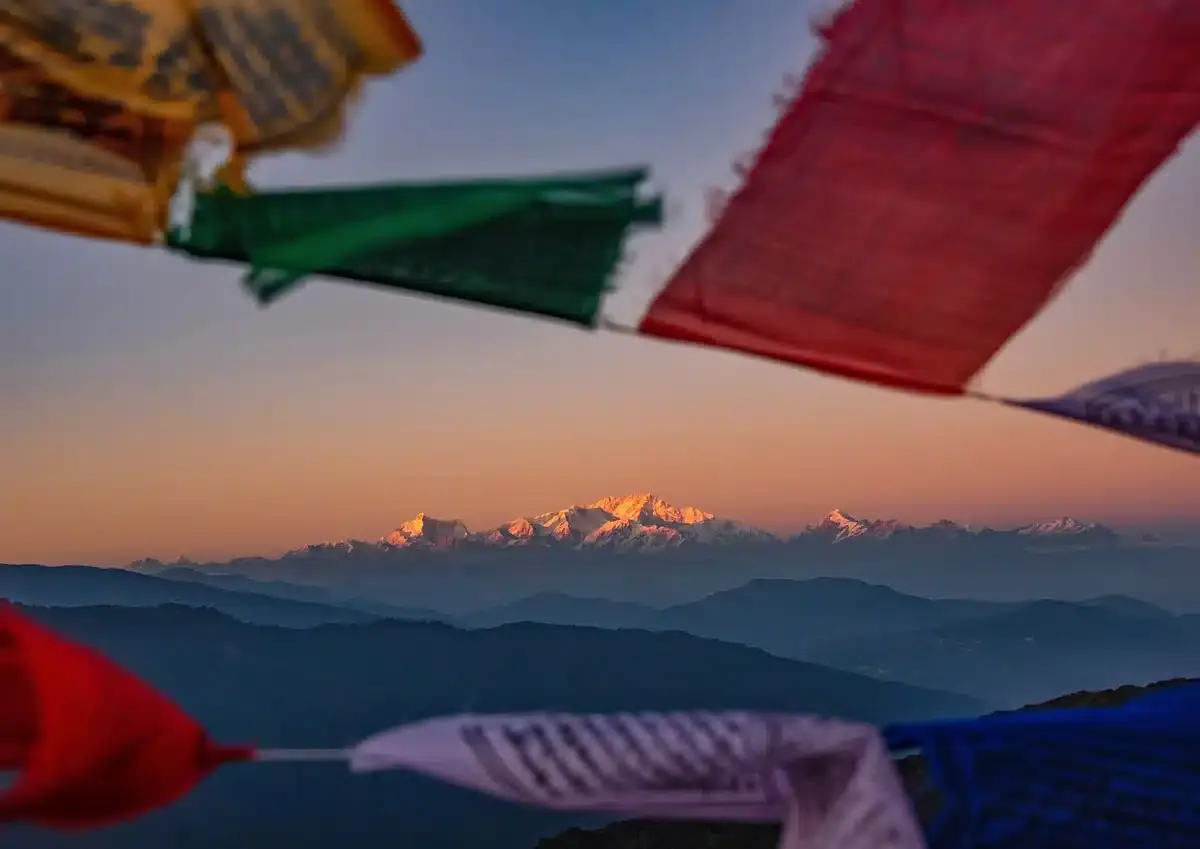 Trek Guide
By Adhish Bhandari|Apr 28, 2026
Why You Should Do Sandakphu TrekSandakphu Trek is one of the picturesque treks, as you see four of the world’s tallest peaks. The mountain range within the Singalila National Park offers breathtaking Himalayan views. Pine forests and a narrow river surround small clearings through dense bamboo groves. Experience this unique landscape and its distinct nature is well worth the trip. It has stunning views of the peaks within the Himalayan range.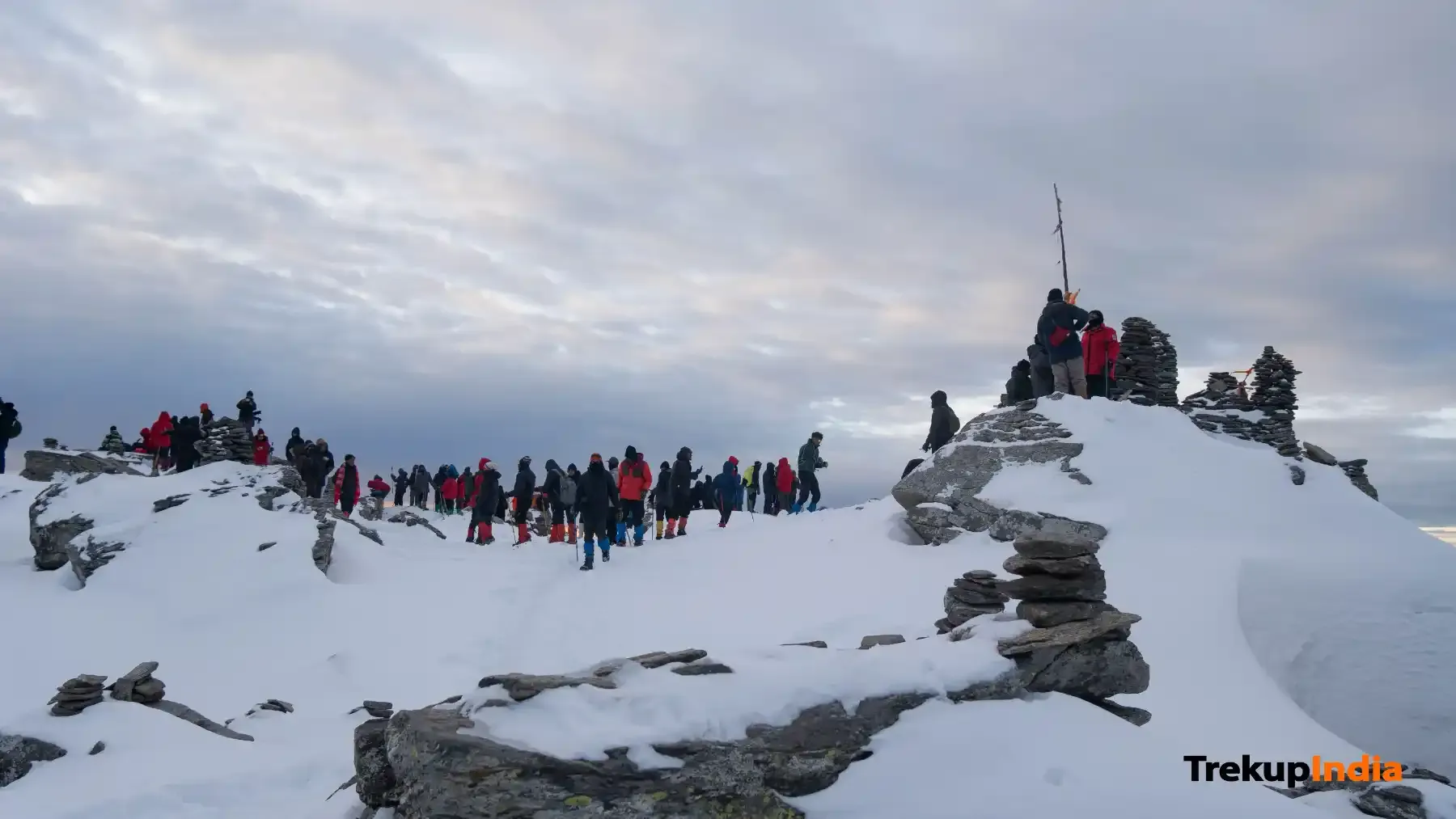 Trek Guide
By Nanda Rawat|Apr 27, 2026
What is the difficulty of Kedarkantha Trekking?The most common question I receive from trekkers is: What is the difficulty of Kedarkantha Trekking? This question is very pertinent as Kedarkantha has become one of the most popular treks. This article will give you an overview of the difficulty of Kedarkantha and how much preparation is required. Kedarkantha makes a great trek for newbies. Many first-timers choose to do this trek and have an adventurous climb up the summit. They return safe and happy. Kedarkantha is a great trek for anyone, regardless of their experience level. But I do not want you to underestimate this climb, since it’s a summit at high altitude. Kedarkantha is not just a beautiful trek — it’s a true adventure that demands preparation.While it’s considered one of the more accessible Himalayan treks, it’s not without its challenges. The altitude, cold temperatures, steep ascents, and long walking hours can test your endurance and mental strength. Trekkers must be prepared for: To truly enjoy the Kedarkantha experience, it’s important to build physical fitness, pack the right gear, and mentally prepare for a few days away from comfort. With the right mindset and preparation, the Kedarkantha Trek can be one of the most rewarding and scenic journeys you’ll ever take. Start the hike at around 6500 feet. Then, in three days you will climb to the height of 12,500 feet. The trek is a long one, with many climbs. You gain height every day. Next, we’ll talk about the terrain. This trek has few steep climbs. The majority of the ascent is gentle. The summit push, however, is by far the most difficult part of the hike. The rest of your trek is relatively flat and easy. It isn’t the same every day. In winter the trails can be covered in snow, making it a bit more difficult. Our technical team will be there for you at all times. If there is any snow, they clear the whole trail and ensure that you walk on a safe pathway. Verglas can be found in abundance on Kedarkantha. You will need to be careful in certain sections where there is a lot verglas. This is usually only between December and mid-April. You won’t experience this much after that. Now we come to our last problem – temperatures. Winters are the only time this problem occurs. Temperatures can drop as low as -5 or -8 degrees at night. During the day it is bearable. Carry at least five warm layers with you and be sure to take good care of yourself. Kedarkantha can be done by yourself. Winter can be a challenging time for the trek because of snow and verglas. Due to the snow and ice, you need to pay attention to where you are walking. We would not recommend doing the trek in one day even though it’s physically possible. Here’s why: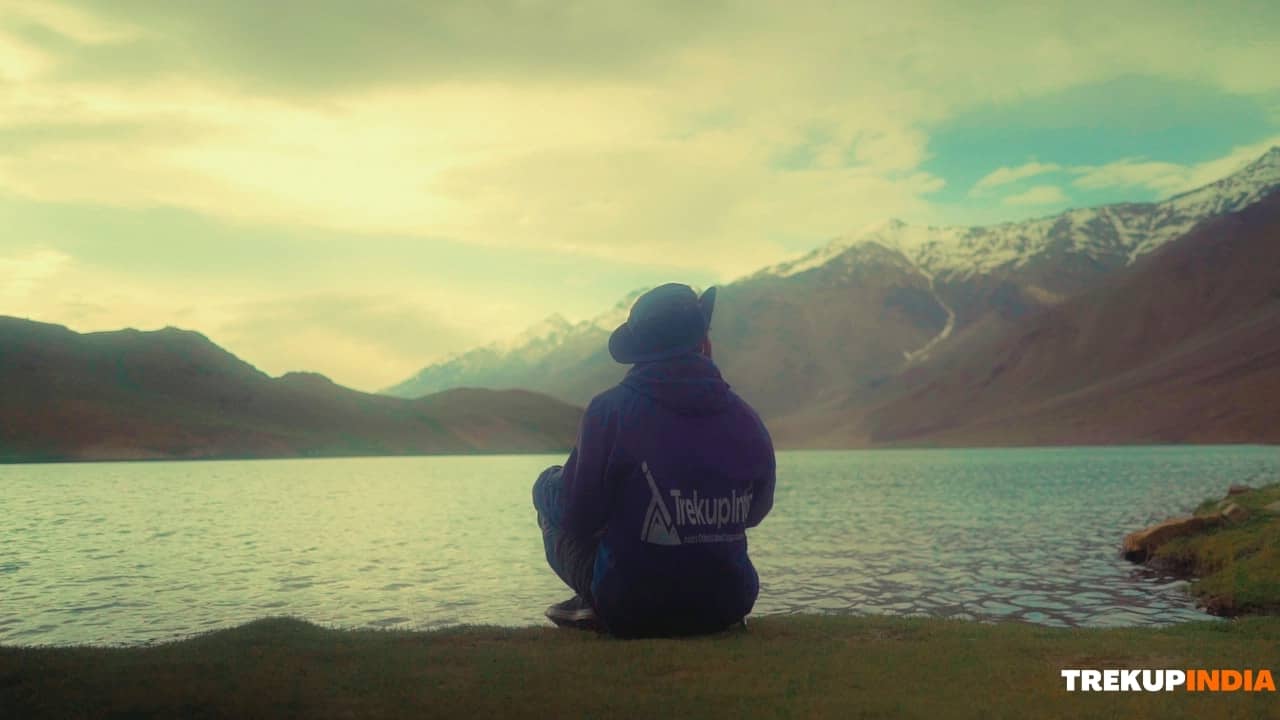 Trek Guide
By Nanda Rawat|Apr 27, 2026
Himalayan Trek Fitness Training: Prep for the TrailsTrekking in the Indian Himalayas isn’t an easy walk – it’s a test of physical strength, endurance, and ability. From Triund to Stok Kangri treks and beyond, getting ready requires training specifically designed to prepare your body. TrekUp India has created one of the most effective training programs to assist thousands of trekkers in tackling Himalayan trails without issue. Trekking in the Himalayas involves: Trekup India’s 6-Week Trek Fitness Blueprint for Beginners and Intermediate Trekrs can help those exploring Himalayan trails like Har Ki Dun, Brahmatal, Kedarkantha Phulara Ridge or Hampta Pass gain fitness through trekking. Your goal should be to develop the endurance and effectiveness of your breathing to allow for long treks at high altitude. Exercise for weight management. Start walking three kilometers per day until reaching eight-10 kilometers in total. 20-40 Minute Jogging or Running on Treadmills Step Climbing Stairs: 5- 10 Floors and 200-500 Steps Swimming or cycling may provide an enjoyable way to diversify. Trekup India Tips: Do aerobic exercises at a leisurely pace; you should be able to talk, but should not sing. Key Zones Are Quads, Hamstrings, Glutes and Calves Exercise options: Bodyweight Squat 3 sets of 15. Lunges (forward and walking): Three sets of 10 for each leg Step-Ups for Stairs and Benches: Three sets of 12 Step-ups available Wall Sit: For 45-60 minutes. Calf Raises Two Sets of 20 Trekup India Tip: Once your trek has entered its second week, add your backpack as part of your steps. Even those in peak shape may become disoriented when ascending 10,000ft or higher. Training your lungs helps ensure a more pleasant journey to altitude. Pranayama Exercise for alternate nostril breathing. Bhramari Breathing Technique and Deep Belly Breathing Exercise will teach three sets of 10 breaths for the best results. Note: As an extra challenge, try doing breath-holding drills (inhale and hold for 10 seconds before exhaling) to replicate lower oxygen levels. Strong cores mean improved posture and fewer injuries. Exercise plan (plank for 30-60 seconds). Hold it until the timer goes off. Side Plank – 30 seconds per side Glute Bridge – 3 Sets of 15 Trekup India Tips: Combine two sessions of flexibility and core training each week for optimal results. Complete 15km in one day while carrying a 10-kg backpack. Climb 60 steps without stopping; plank for three minutes without moving; do 5 km of trekking at elevations above 3,000m (if it is feasible). Note: For optimal performance during training sessions, break in your walking shoes gradually to prevent blisters! Implement a cold exposure course into your training. Practice walking using microspikes by practicing to walk. Shoulders must be strengthened to enable them to carry heavier loads. TrekUp India has observed that those who follow this plan for six weeks have an easier and more enjoyable Himalayan trekking experience compared to those who don’t, with 50% less fatigue and 100% more fun! Keep in mind that mountains won’t suddenly become easier; rather, you will gain strength!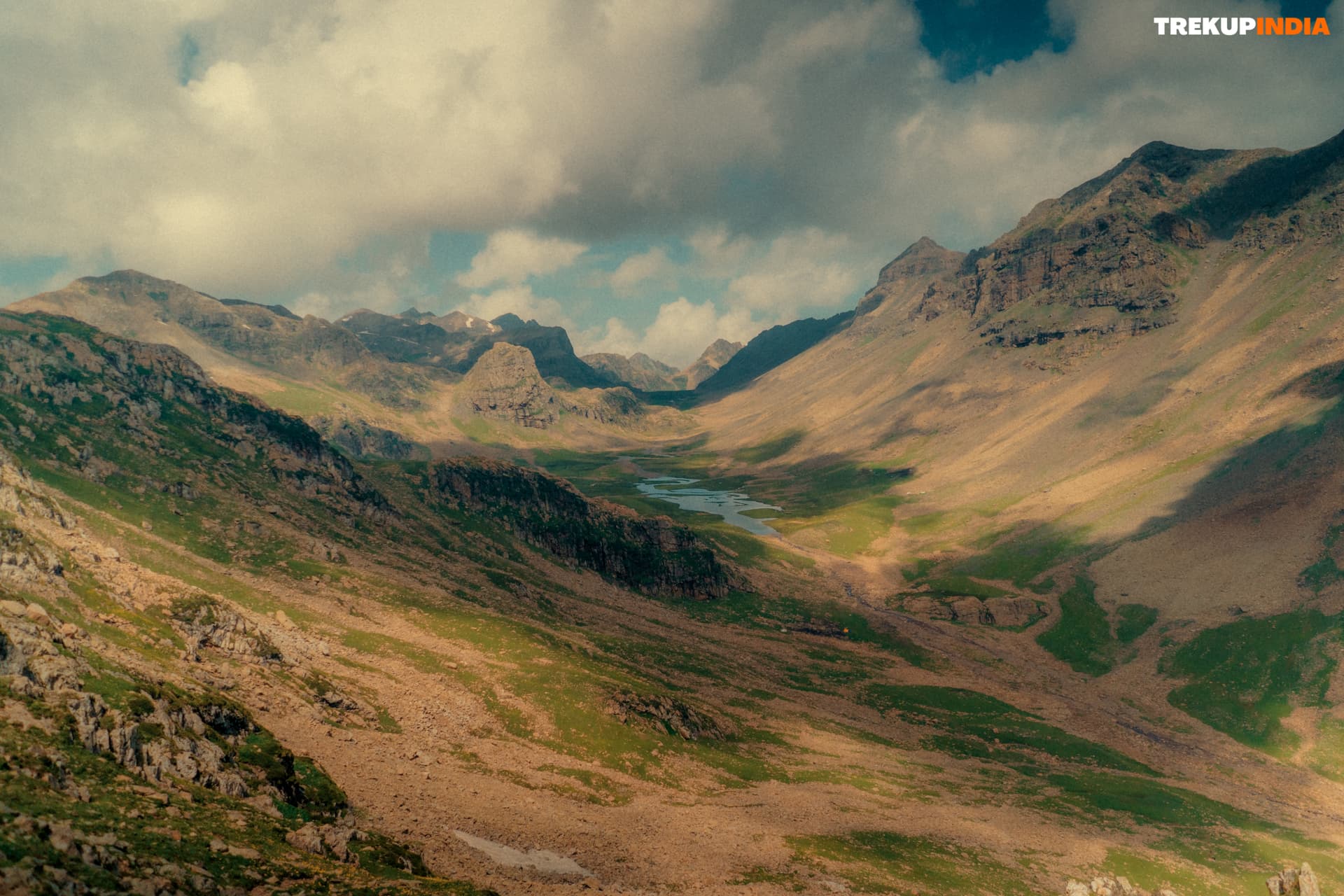 Trek Guide
By Preetam Singh Rawat|Feb 24, 2026
Tarsar Marsar Trek Difficulty: Expert Insights & TipsThe trek has gained significant popularity in recent years, with its reputation rivalling that of the renowned Kashmir Great Lakes trek. To help you prepare for the adventure, I’ll provide an overview of the challenging aspects of the trek, including high altitudes and long distances. This way, you’ll better understand what to expect and can adequately prepare yourself for the journey. The difficulty level of Tarsar Marsar is relatively low compared to other Himalayan treks. The distance you traverse daily on this Himalayan trek is relatively short, averaging 5 km daily. However, the first and last days of the trek require longer distances to be covered, making them exceptions to the otherwise moderate daily distances. The initial day of the Tarsar Marsar trek involves a 10 km hike from Aru to Lidderwat, a relatively easy stretch with a minimal elevation gain of 1,000 feet. The trail follows the picturesque Lidder River and offers a pleasant walking experience. In contrast, the final day’s descent from Homwas to Aru is more challenging, covering 13 km and a significant drop of 4,000 feet. This steep descent can be strenuous on the knees, so it’s essential to be physically prepared and use two trekking poles to assist with the descent. The climb is slow and steady, starting gently from the beginning and continuing in the same manner until the end. You will ascend about 1,000 to 1,500 feet daily, which is a moderate gain in altitude. The ascent is smooth, not putting too much strain on your legs and allowing for a relaxed pace. Despite reaching a total altitude of 13,000 feet, there is no need for concern regarding the elevation. Apart from these, the rest of the trek is manageable, with a few tricky sections requiring attention. From the Tarsar Pass, the trail presents a moderate challenge as you make your way down the loose scree. Be cautious to maintain your footing, as slipping is a possible hazard. Take your time and tread carefully to ensure a safe descent. Beyond the picturesque Jagmargi Meadows, ablaze with colourful flowers in August, lies a challenging boulder section. The large rocks are characteristic of the Kashmir terrain at this elevation and are interspersed with small gaps. Navigating this portion requires careful footwork and attention to detail. It’s essential to be very careful during rainy conditions because the rocks can become slippery. Rest assured that the Trekup India team will always be around to assist you in finding stable footing, selecting the appropriate stones to step on, and safely guiding you through that area. The challenging part of the trek occurs when traversing from Sundarsar to Marsar. Sundarsar is a stunning lake where you can camp and relax for a day. To reach Marsar from Sundarsar, you must circle the lake, passing through a col nestled between low mountains. This col is the passage to the other side, leading you to Marsar Lake, approximately half a kilometre away. Climbing to the col can be tricky, especially in June when snow may make it slippery. It is crucial to navigate this section carefully, equipped with two trekking poles and sturdy trekking shoes and guided by our experienced trek leaders, who will assist you throughout the journey. View details & Book Tarsar Marsar Trek here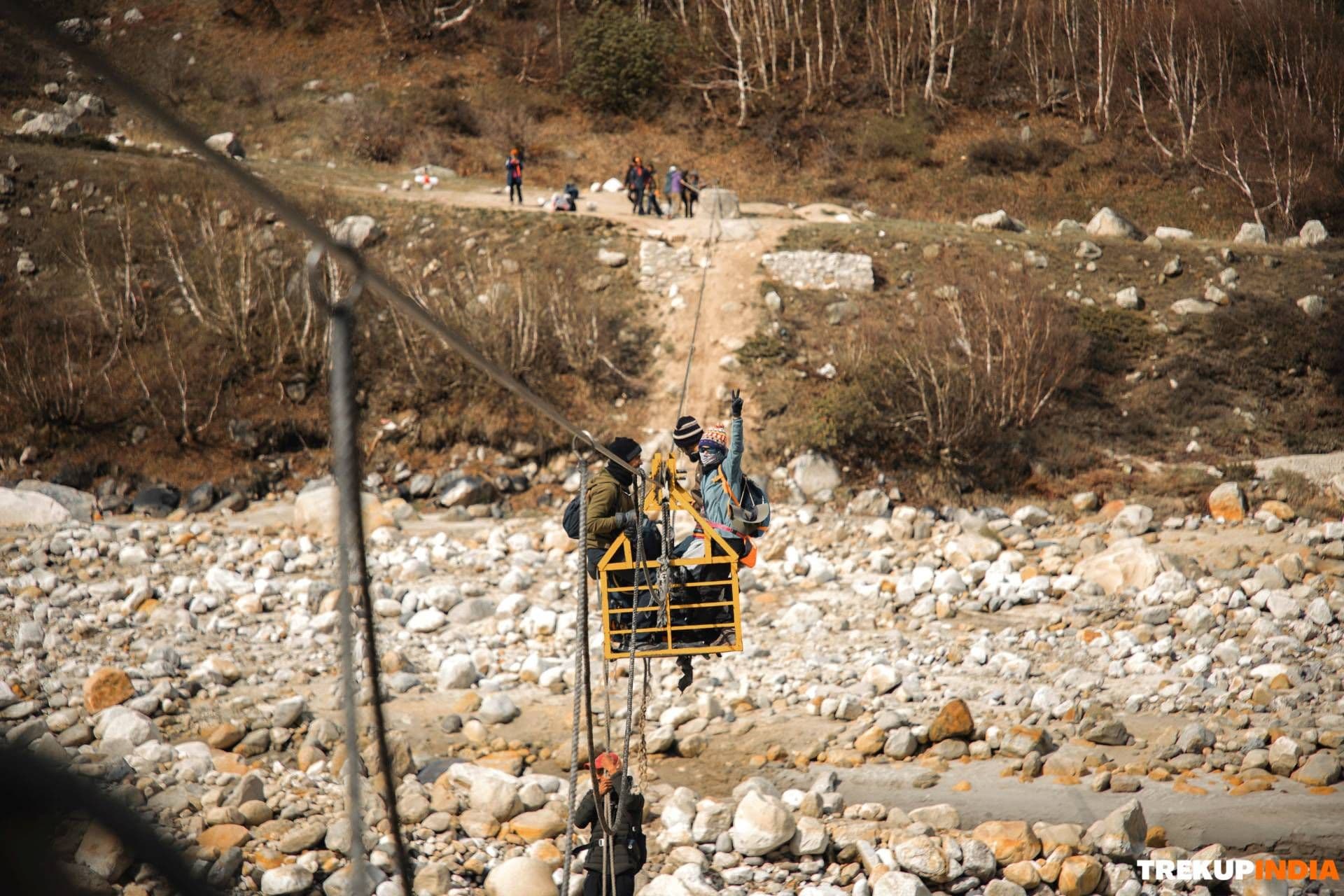 Trek Guide
By Preetam Singh Rawat|Feb 24, 2026
Gaumukh Tapovan Trek – A Majestic Himalayan AdventureThe Gaumukh Tapovan Trek is a highly sought-after and respected trekking destination in the country. This trek offers both the excitement of trekking at high altitudes and the profound spiritual experience of visiting the sacred Gangotri Temple. Gaumukh, the source of the holy Ganges River, is a natural wonder and holds great importance in Hindu mythology. The trek begins in Gangotri, a small town around 3,100 metres above sea level, known for the ancient Gangotri Temple dedicated to Goddess Ganga. Starting from here, trekkers embark on a captivating journey through dense forests, ancient glaciers, and awe-inspiring landscapes, ultimately reaching the iconic Gaumukh Glacier. The trek culminates in the breathtaking Tapovan, a spacious meadow at an impressive altitude of approximately 4,450 meters amidst the awe-inspiring peaks of Shivling, Meru, and Bhagirathi. This tranquil setting is a sacred meditation spot for spiritual seekers and ascetics. Embark on a picturesque adventure through the majestic Garhwal Himalayas with the Gaumukh Tapovan Trek, a breathtaking journey that spans eight days and covers a distance of around 46 km. The journey begins at Gangotri, a sacred town where hikers can visit the revered Gangotri Temple, which is dedicated to Goddess Ganga, the source of the Ganges River. The initial part of the hike leads through dense forests of pine and birch trees, running alongside the Bhagirathi River until reaching the picturesque camping site of Chirbasa. Following the Bhagirathi River, the trail guides hikers to Bhojbasa, a captivating meadow surrounded by magnificent mountain vistas. The highlight of the trek is Gaumukh, where the Gangotri Glacier starts, resembling a cow’s mouth and lending its name to the place. After Gaumukh, hikers continue their ascent towards Tapovan, an expansive high-altitude meadow encircled by towering peaks such as Shivling, Meru, and Bhagirathi. This peaceful location is considered a spiritual hub and is renowned for its awe-inspiring panoramic views. The Holy Gangotri Temple – The excursion starts with a trip to the revered Gangotri Temple, a prominent religious site for Hindus, as it is thought to be where the holy river Ganges flowed down to the planet. Gaumukh Glacier – Witnessing the breathtaking beauty of the Gaumukh Glacier, the origin of the revered Ganges River, is an unforgettable experience. The stunning ice formations and the majestic mountain scenery leave trekkers in admiration of nature’s magnificence. Breathtaking Vistas of the Mountains – Along the journey, adventurers are greeted with awe-inspiring views of towering snow-capped mountains, including the impressive Shivling, Meru, and Bhagirathi formations. The Gangotri Temple is a sacred Hindu pilgrimage site with great historical and cultural significance located in the picturesque town of Gangotri, India. Dedicated to Goddess Ganga, the temple is an iconic symbol of spirituality, faith, and devotion. The temple’s history dates back to the 18th century when a Nepali king built it. Since then, it has been a popular destination for devotees seeking spiritual enlightenment and blessings. The temple’s architecture blends Indian and Nepali styles, showcasing intricate carvings and ornate designs that add to its beauty and charm. The Gangotri Temple is nestled amidst the breathtaking Garhwal Himalayas, offering a tranquil atmosphere that enhances the spiritual experience of visitors. The temple’s location is also significant, as it is situated near the holy river Ganga, which is believed to have healing powers and is considered sacred in Hinduism. The temple’s significance is not limited to its architectural beauty or picturesque location. It is also an important site for religious rituals and ceremonies, such as the Ganga Aarti, which occurs twice daily. During this ceremony, devotees light lamps and offer prayers to the river, seeking blessings and spiritual guidance. In addition to its religious importance, the Gangotri Temple is also a popular destination for trekkers and nature enthusiasts. The temple is accessible only by foot, and the trek to the temple offers breathtaking views of the surrounding mountains and valleys. The Gangotri Temple symbolizes faith, devotion, and spirituality, attracting millions of devotees and tourists annually. Its rich history, stunning architecture, and picturesque location make it a must-visit destination for anyone seeking a deeper connection with the divine and the natural world. Gangotri is a holy pilgrimage site in Uttarakhand, one of the Char Dham sites. It is a crucial destination for Hindu followers who seek spiritual cleansing and divine blessings. Throughout the year, the temple remains a hub of active religious practices. Devotees arrive to offer prayers and partake in various rituals, seeking prosperity and good health. Ganga Dussehra, a major festival celebrated at Gangotri, memorializes the descent of the river Ganga onto Earth. The trek to Gangotri Temple and Gaumukh Tapovan is a remarkable journey that combines spirituality and adventure. When you enter Gangotri National Park, you are immediately struck by the immense importance of this area in Hindu folklore and its stunning natural surroundings. Suppose you strongly desire to visit the Himalayas to find spiritual enlightenment. In that case, the journey to Gangotri Temple and Gaumukh Tapovan Trek awaits you, ready to envelop you in its life-changing embrace! Embark on the Gaumukh Tapovan Trek for a one-of-a-kind chance to rediscover your inner being, purify your soul, and expand your consciousness to the enigmas of the cosmos. Seize the opportunity to abandon the ordinary and welcome the extraordinary! Click here to book Gaumukh Tapovan Trek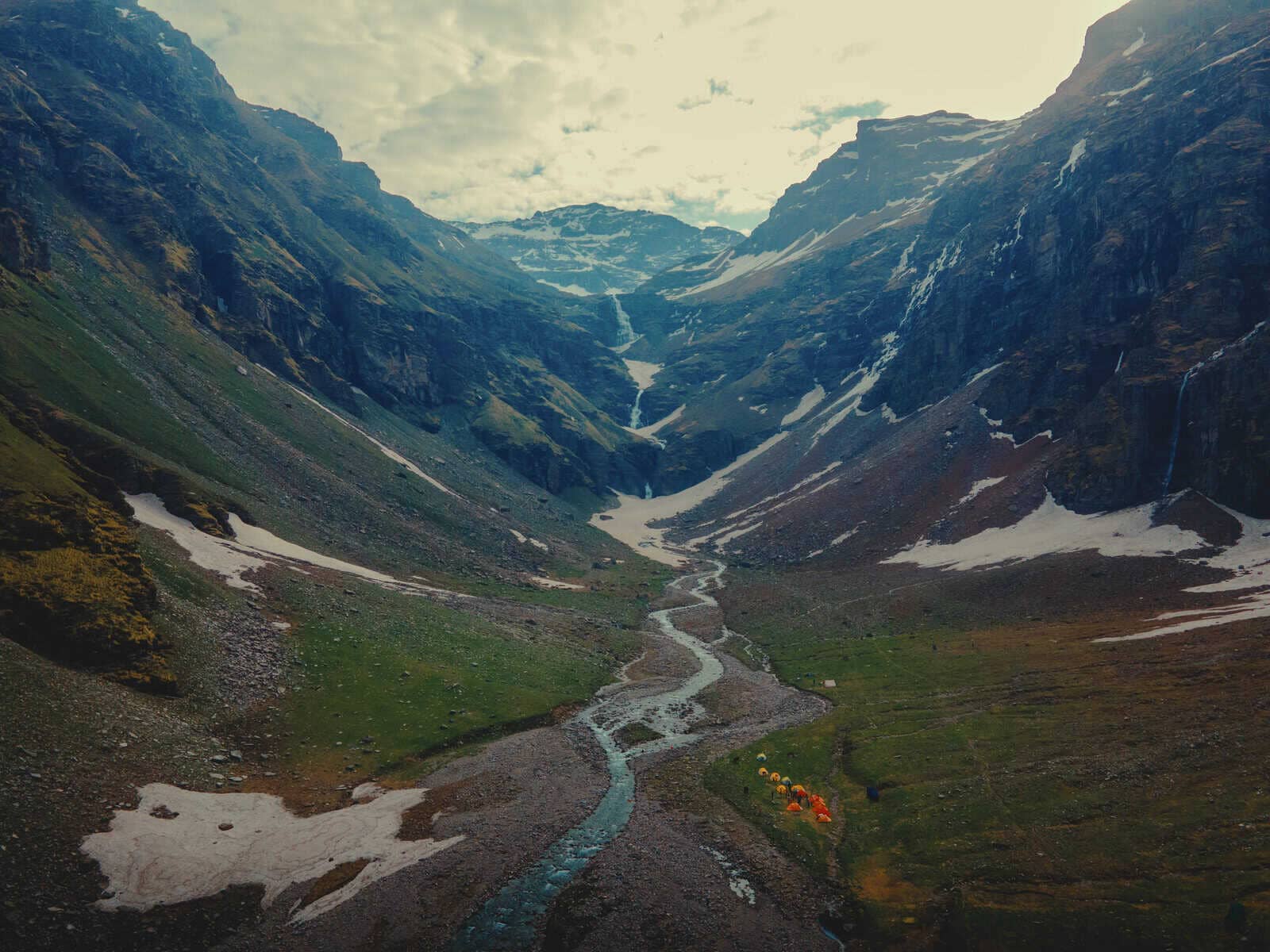 Trek Guide
By Preetam Singh Rawat|Feb 24, 2026
Rupin Pass Trek - A Journey Into the WildernessToday, I invite you to embark on a pristine journey in the Himalayas that offers an exciting adventure and the most stunning mountain vistas. The Rupin Pass Trek showcases awe-inspiring landscapes that may leave you speechless as you admire the grandeur of nature. This trek ensures a continuous change in scenery, often surprising you with new and delightful sights. You will witness the Rupin River gracefully spreading across the valley floor, only to suddenly find yourself surrounded by thick pine forests, where the scent of pine permeates the air. Glacial meadows, valleys filled with ice, snow bridges, and countless waterfalls await you during this trek. Embark on a journey through the mesmerizing sceneries of the Indian Himalayas, unveiling a range of captivating landscapes. From verdant forests to rugged mountainous regions, this expedition reaches its pinnacle at the majestic Rupin Pass, at an impressive elevation of 15,250 feet. One of the most notable aspects of the Rupin Pass trek lies in the breathtaking beauty of its surroundings. Throughout the journey, you will traverse diverse terrains, each more awe-inspiring than the previous. Initially, the trek will guide you through lush green forests teeming with various trees, such as pine, oak, and deodar. These forests also serve as a habitat for a wide spectrum of wildlife, including the Himalayan black bear, musk deer, and Bharal (blue sheep). As you ascend to greater heights, the scenery transforms, and you’ll discover yourself hiking across picturesque grasslands adorned with many vibrant wildflowers. These grasslands also serve as the habitat for various avian species, such as the Himalayan monal, which is esteemed as Himachal Pradesh’s state bird. The vistas from the grasslands are genuinely awe-inspiring, and it’s effortless to become entranced by the exquisite allure of the terrain. As you progress on your journey, the landscape becomes increasingly rugged, with rocky terrain and streams and rivers to navigate. The trail becomes more challenging as you approach the Rupin Pass, requiring good physical fitness to conquer the steep incline. However, the breathtaking panoramic views from the summit make the effort worthwhile, offering a stunning reward for your hard work. The allure of the Rupin Pass Trek extends beyond the scenery and cultural variety of the area. The trek is renowned for its demanding landscape, enhancing the thrill and exhilaration. The path is steep and filled with rocks, and numerous river crossings necessitate caution and sure-footedness. The Rupin Pass trek may present obstacles, but the lasting memories and personal growth make it a worthwhile adventure. The journey itself, not just the destination, is a valuable experience that helps you tap into your inner reserves of strength and perseverance. The cultural variety present in the Rupin Pass trek contributes to its charm. This trek allows you to visit several isolated villages to engage with the residents and gain insights into their lifestyles. The area is inhabited by various ethnic communities, such as the Kinnauris, renowned for their distinct cultural practices and customs. Along the trail, you’ll encounter many sacred sites, including numerous Buddhist monasteries and temples, reflecting the predominant Buddhist faith of the Kinnauris. Additionally, several Hindu temples can be found throughout the region, showcasing the diversity of religious practices in the area. The grandeur of Rupin Pass Trek is so extraordinary that it will completely change you. As you traverse the pass, you will understand that it is not merely a physical divide separating two areas but a link joining two different realms. On one side, there was the vibrant existence of human civilization; on the other, there existed a realm of untamed wilderness and pure natural beauty. Each year, countless adventurers embark on the challenging journey through the Rupin Pass, facing formidable inclines, rugged terrain, and unpredictable weather conditions. Drawn from diverse backgrounds, they seek various experiences, from thrill-seeking to solitude or simply a chance to disconnect from the world’s cacophony and reconnect with nature. As you begin your trek, anticipation and nervousness fill the air. You’ll feel an increasing sense of harmony with the natural world surrounding you as you traverse the verdant valleys, traverse gurgling rivers, and ascend steep slopes. Every day brings a new and fantastic experience. You might be fortunate to spot snow leopards roaming in the distance, spotted deer feeding on the hillside, and eagles flying high up in the sky. The sky’s colours transform with each moment, from the soft pink shades of the morning to the fiery reds and oranges of the evening. As you get closer to the Rupin Pass, you’ll feel a sense of wonder and respect wash over you. The pass is breathtaking, with towering peaks on either side and the wind whistling through the rocks, creating an unforgettable experience. While journeying through the pass, nature’s unrefined force and splendor will undoubtedly leave you in awe. In the face of the colossal mountains and expansive wilderness, one’s existence seems minuscule and unimportant, yet simultaneously, a profound sense of unity with the surrounding environment is experienced. Upon reaching the opposite end of the pass, it is natural to sense a transformation within oneself. The encounter may instil a newfound admiration and reverence for the magnificence and grandeur of the natural realm. The Rupin Pass trek is an unforgettable adventure that offers diverse landscapes, ranging from dense forests to rugged mountains, providing a challenging and inspiring experience. The blend of cultural richness and natural beauty makes this trek a truly unique experience. If you seek a thrilling journey that pushes your limits and offers breathtaking views and unforgettable memories, the Rupin Pass trek is an excellent choice.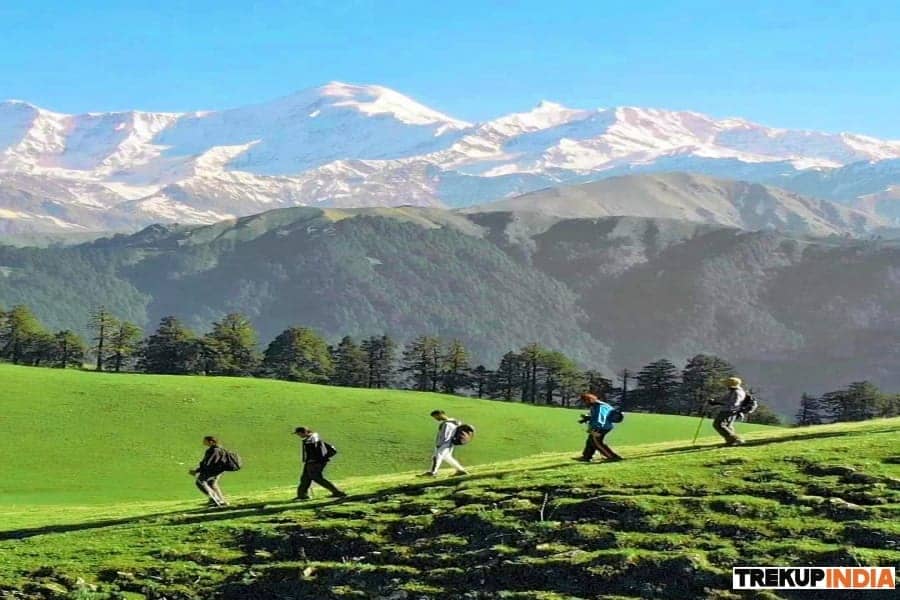 Trek Guide
By Preetam Singh Rawat|Feb 24, 2026
Top 11 Best Himalayan Treks in SummerEmbarking on a new year, we desire to continue exploring and creating unforgettable experiences. The vast playground of mountains offers a chance to find inner peace, contemplate life’s meaning, and write new chapters in our personal stories. Nature’s majesty has the power to both humble and uplift us, and we’re excited to share our fantastic Himalayan adventures with you to make the coming year genuinely unforgettable. Explore the majestic Himalayas and experience India’s top for young Indians. You may have listened to your friends discussing it, come across articles, or admired photographs. However, only by being there in person can you truly grasp the breathtaking beauty and appreciate the incredible fortune of having these enchanting summer trek destinations so easily accessible in India. The summer season is an ideal time to take a break from your daily routine and embark on a thrilling adventure. After countless hours of hard work throughout the year, you owe it to yourself to indulge in a fun-filled vacation that promises amusement, excitement, and an opportunity to connect with nature. If you’re considering a summer trek, why not explore some uncharted territories? In this article, we’ve compiled a list of India’s best summer trek destinations that are perfect for you and your loved ones to create lifelong memories. Therefore, you must incorporate these distinctive paths into your plans. As a result, I present to you the ultimate selection of must-visit trekking routes in the Himalayas. Nestled in the picturesque Garhwal region of Uttarakhand, India, the Har Ki Dun trek is a nature lover’s paradise. This enchanting adventure offers a unique blend of breathtaking scenery, diverse flora and fauna, and rich cultural heritage. As you embark on this captivating journey, you’ll traverse lush forests, idyllic meadows, and charming villages, each offering a glimpse into the majesty of the Himalayas. The Trek’s crown jewel is the Har Ki Dun Valley, boasting awe-inspiring views of snow-capped peaks and a glacial basin. With its tranquil atmosphere and stunning vistas, this Trek is an unmissable experience for anyone who loves nature, adventure, and the great outdoors. Key highlights of the Trek include: Location: Har Ki Dun is nestled in the western Garhwal Himalayas, specifically in the Uttarkashi district of Uttarakhand, India. The journey to this picturesque destination begins in the quaint village of Sankri, which serves as the starting point for the Trek. Duration: Typical duration for the Trek is typically between 6 and 7 days, encompassing a total distance of roughly 46 kilometers (28 miles). Nevertheless, the duration may differ depending on the speed and selected route. Difficulty Level: The Trek is classified as easy-moderate, appropriate for beginners and seasoned trekkers. The route consists of gradual inclines and declines, including some steep parts. Cultural Significance: The area’s cultural importance can also be seen in its deep roots in mythology and traditional stories. In Hindu mythology, it is believed that Har Ki Dun was the path followed by the Pandavas as they made their way to heaven. The valley is adorned with numerous small temples and sacred places honoring local gods and goddesses, further enhancing its cultural significance. Best Time to Trek: The optimal period for embarking on the Har Ki Dun trek is generally from April to June and September to November. During these timeframes, the weather conditions are relatively consistent, boasting clear skies and mild temperatures, thus providing a favorable environment for a pleasant trekking experience. Cultural Significance: The area’s cultural importance can also be seen in its deep roots in mythology and traditional stories. In Hindu mythology, it is believed that Har Ki Dun was the path followed by the Pandavas as they made their way to heaven. The valley is adorned with numerous small temples and sacred places honoring local gods and goddesses, further enhancing its cultural significance. The Buran Ghati trek is an exhilarating high-altitude adventure in India’s Himachal Pradesh region. This captivating journey through the Indian Himalayas offers a thrilling experience for nature lovers and adventure seekers. With its breathtaking landscapes, including vibrant meadows, majestic snow-capped peaks, and crystal-clear alpine lakes, the Buran Ghati trek is a visual feast. The challenging terrain and crossing of the Buran Pass add an extra layer of excitement, making it a must-do trek for those craving an adrenaline rush in the mountains. Here are some key points about this Trek: Location: The Buran Ghati trek is positioned in the Shimla district of Himachal Pradesh, India, and offers a captivating journey that commences in the charming town of Shimla and culminates in the picturesque Barua village. Duration: Typically lasting 7 to 8 days, the Buran Ghati trek covers roughly 55 to 60 kilometers (34 to 37 miles). Nevertheless, the exact length can differ based on the particular itinerary selected. Difficulty Level: The Trek is graded moderate to challenging due to its varied terrain, including meadows, forests, rocky trails, steep inclines, and descents. The route also features challenging sections, such as the Buran Ghati Pass, which stands at approximately 15,000 feet (4,572 meters). Best Time to Trek: Ideal Trekking Season: The optimal period for embarking on the Buran Ghati trek typically falls between the middle of May and the middle of June, as well as between the middle of September and the middle of October. Throughout these time frames, the climate is typically advantageous, featuring clear skies and agreeable temperatures, rendering it a perfect choice for trekking. Nestled in the heart of the Himalayas, the Phulara Ridge Trek is a thrilling adventure that promises to captivate your senses. With its picturesque landscape, this moderate-level Trek offers a perfect blend of excitement and serenity, making it accessible to both seasoned hikers and novice explorers. Here are some key highlights of the Phulara Ridge Trek: Location: The Phulara Ridge Trek is located in Sankari, Uttarakhand. Trek Difficulty: Ridge treks often entail traversing the crest of a mountain range, affording breathtaking vistas of the adjacent valleys and peaks. Trek Difficulty: The Phulara Ridge Trek is categorized as a moderate-level trek, making it perfect for someone new to hiking but in good physical condition. The Trek spans four days, each consisting of an average of 5 hours. Best Time to Trek: Similar to other hikes in the Himalayas, the most suitable period for embarking on the Phulara Ridge Trek is in the summer (May to June) and after the monsoon season (September to October). These months offer more stable weather conditions and easier access to the trails. Play Video Nestled in the majestic Garhwal region of the Himalayas, the Kedarkantha Trek is a renowned winter trekking route that enchants adventure seekers and nature lovers alike. This Uttarakhand trek offers a one-of-a-kind experience, with its breathtaking vistas, lush forests, and snow-capped peaks painting a picture-perfect landscape. The Kedarkantha trek is a must-visit for those looking to embark on a thrilling mountain adventure, complete with unforgettable memories. Key highlights of this trek include: Location: The journey typically commences from a settlement known as Sankri, situated within the Uttarkashi region of Uttarakhand. Sankri is the starting point for numerous treks, including the Kedarkantha Trek. Duration: The Kedarkantha Trek usually takes around 4 to 6 days to complete, covering a total distance of about 20 kilometers (12 miles) there and back. The actual duration may be shorter or longer, depending on your chosen route and how quickly your group moves. Level of Difficulty: The Kedarkantha Trek is categorized as having a moderate level of difficulty, which means it is appropriate for both novice and seasoned trekkers. The route consists of gradual climbs and descents as you pass through pine forests, meadows, and snowy terrains. Best Time To Trek: Optimal Period for Exploration: January to June and September to December are deemed the most favorable for embarking on the Kedarkantha Trek, as the region experiences snowfall, metamorphosing the terrain into a breathtaking winter landscape. Be prepared, however, to face chilly temperatures and snowy conditions, particularly at higher elevations. Scenery: The journey presents breathtaking sights of the nearby Himalayan mountains like Swargarohini, Bandarpoonch, and Kala Nag. Hikers will traverse through thick woods filled with oak, pine, and rhododendron trees, picturesque meadows, and delightful villages. The most remarkable part of the trek is reaching the top of Kedarkantha, where one can enjoy sweeping views of the snow-covered peaks and valleys. The captivating Ali Bedni Bugyal trek in the picturesque Garhwal region of Uttarakhand, India, offers an unforgettable journey through breathtaking landscapes. This thrilling adventure takes you through lush green meadows and enchanting forests and offers panoramic views of the majestic Himalayan peaks. As you tread along the trail, you’ll have the opportunity to immerse yourself in local culture and traditions and catch glimpses of picturesque villages. This Trek is a must-visit for anyone seeking to experience the beauty of the Himalayas up close. Here are some key highlights of the Ali Bedni Bugyal trek: Location: The village of Lohajung in Chamoli district, Uttarakhand, serves as the jumping-off point for numerous regional treks, including the picturesque Ali Bedni Bugyal trek. Duration: The length of the Trek can differ depending on the itinerary and pace of the group, but generally, it takes around 4 to 6 days to finish, covering a distance of about 15 to 20 kilometers (9 to 12 miles) each way. Difficulty Level: The Ali Bedni Bugyal trek offers a challenge that’s just right for both seasoned hikers and those new to trekking, with a moderate difficulty level that takes you through lush forests, picturesque meadows, and alpine pastures with gradual inclines and declines. Best Time to Visit: The optimal time to embark on the Ali Bedni Bugyal trek is between May and June and September to October. During these periods, the climatic conditions are generally pleasant, with clear skies, moderate temperatures, and abundant flora in bloom, creating an ideal setting for a successful trek. The Bali Pass Trek is an arduous trek at high altitudes found in the Uttarakhand area of India, specifically within the Govind Wildlife Sanctuary in the Garhwal Himalayas. This Trek provides outdoor enthusiasts with a one-of-a-kind experience due to its stunning natural beauty and awe-inspiring vistas. Trekkers will traverse verdant meadows, dense woodlands, and picturesque scenery throughout the journey, ultimately reaching the magnificent Bali Pass. This Trek is renowned for its challenging terrain and demanding climbs, making it an exhilarating and fulfilling pursuit for those seeking adventure. Here are a few essential details about this Trek: Location: Starting from the charming village of Sankri in the Uttarkashi district of Uttarakhand, the Bali Pass Trek takes you through the Govind Wildlife Sanctuary and concludes in the village of Yamunotri, famous for its ancient temple devoted to Goddess Yamuna. Duration: The Bali Pass Trek typically takes 7 to 9 days to complete, spanning around 70 to 80 kilometers (43 to 50 miles) there and back. However, the duration may differ depending on the chosen itinerary and the group’s hiking pace. Difficulty Level: The Bali Pass Trek is classified as having a moderate to challenging difficulty level, making it appropriate for seasoned hikers in good physical condition and having previous experience with trekking at high altitudes. The route consists of steep climbs, uneven ground, snowy areas, and the need to navigate around glacial debris. Scenery: The journey promises to be a visual feast, with breathtaking vistas of the Himalayan mountains, including Bandarpoonch, Kalanag, and Swargarohini. Trekkers will traverse various landscapes, including lush forests, alpine meadows, glacial valleys, and high mountain passes. The pinnacle of the Trek is crossing the Bali Pass, standing tall at an altitude of approximately 4,900 meters (16,076 feet), which offers 360-degree views of the surrounding peaks and valleys. Best Time to Visit: Ideal for the Trek to the Bali Pass Trek, best enjoyed between June and September when the weather is pleasant, offering clear skies, mild temperatures, and minimal rainfall. It is essential, however, for trekkers to be ready for potentially unpredictable weather conditions in the higher parts of the route. The Rupin Pass trek is an unforgettable experience, offering a mix of breathtaking scenery and challenging terrain. Located in the picturesque state of Himachal Pradesh, this Trek takes you through a diverse landscape of rocky paths, dense forests, and gushing rivers, providing a thrilling adventure for outdoor enthusiasts. The stunning views of snow-capped mountains and lush meadows make the journey even more rewarding. Whether you’re a seasoned hiker or a nature lover, the Rupin Pass trek is an excellent opportunity to immerse yourself in the beauty of the Indian Himalayas and create memories that will last a lifetime. Location: The Rupin Pass trek embarks from the quaint village of Jiskiun, nestled in the picturesque Himachal Pradesh region, and culminates in the breathtaking Sangla Valley of Himachal Pradesh. The journey encompasses diverse landscapes, including secluded villages, lush forests, verdant alpine meadows, and towering snow-capped mountain passes. Duration: Typically, the Rupin Pass trek takes about 7 to 8 days to complete, covering a distance of approximately 40.2 km kilometers in one direction. However, the exact length of the Trek may differ based on the chosen itinerary and the speed at which the trekking group moves. Difficulty Level: The Rupin Pass trek requires moderate to high physical endurance and previous trekking experience. The trail includes challenging elements such as steep inclines, descents, river crossings, and navigating through rocky terrain. It is not recommended for beginners or those who are not in good physical shape. Best Time to Trek: The optimal time to embark on the Rupin Pass trek is typically mid-May to mid-June and mid-September to mid-October. These timeframes offer pleasant weather conditions, including clear skies, moderate temperatures, and minimal rainfall, creating an ideal environment for a successful trek. The Gaumukh Tapovan Trek is a well-known Uttarakhand, India. It provides stunning views of mountains covered in snow, untouched glaciers, and a peaceful alpine atmosphere. Hikers also have the opportunity to see the origin of the sacred Ganges River, called Gaumukh, which adds a spiritual element to the journey. The Trek’s difficulty, combined with the region’s natural beauty and cultural importance, makes the Gaumukh Tapovan Trek a must-do adventure for those who appreciate nature and seek spiritual fulfillment. Here are the main highlights of this Trek: Location: From Gangotri town in Uttarkashi district, the expedition takes you to Gaumukh, where the Gangotri Glacier ends and the River Ganges originates. Beyond Gaumukh lies Tapovan, a scenic meadow situated at a high altitude. Duration: The Gaumukh Tapovan Trek usually takes about days to complete, covering 25 kilometers (12 to 15 miles) in one direction. The exact length of time can differ depending on the chosen itinerary and the speed at which the trekking group moves. Difficulty Level: Level of Difficulty: The Trek is classified as moderately complex. Although the path is moderate, it entails hiking at great heights, encountering steep inclines and declines, traversing rocky terrain, and crossing rivers. Scenery: The Trek presents breathtaking vistas of the Himalayan mountains, including Shivling, Meru, Bhagirathi Massif, and the Gangotri Glacier. Trekkers journey through various landscapes, including lush pine forests, alpine meadows, and rocky terrain, with the glacial moraines adding a unique touch to the landscape. The culmination of the Trek is a visit to Gaumukh, where trekkers are treated to a spectacular view of the glacier and the birthplace of the Ganges River. Best Time to Trek: The optimal time to embark on the Gaumukh Tapovan Trek is typically from May to June and September to October. These periods offer the most favorable weather conditions, with clear skies, mild temperatures, and minimal rainfall, making it an ideal time for trekking. However, it’s essential to be prepared for unpredictable weather conditions in the high-altitude regions. The Pangarchulla Peak Trek is a well-known hiking trail in the Garhwal area of Uttarakhand, India. It is an enthralling expedition found in the Indian Himalayas’ Garhwal region. Offering astonishing sights of snow-covered peaks and peaceful alpine meadows, this Trek guarantees an enchanting experience for nature lovers and thrill-seekers. The demanding climb to Pangarchulla Peak, which stands at 14,700 feet, grants trekkers extensive views of magnificent mountains like Nanda Devi and Dronagiri. Embark on this thrilling journey to witness the untouched splendor of the Himalayas and make everlasting memories. Here are some essential details regarding this Trek: Location: Starting point: The village of Joshimath in Uttarakhand’s Chamoli district serves as the jumping-off point for our adventure. As the base camp, Joshimath offers easy access to several treks in the surrounding area, including the exciting Pangarchulla Peak Trek. Duration: The Pangarchulla Peak Trek usually takes around 5 to 6 days to complete, covering a total distance of approximately 30 to 35 kilometers (18 to 22 miles) there and back. However, the actual length of the Trek may differ depending on the chosen itinerary and the group’s hiking speed. Difficulty Level: The Pangarchulla Peak Trek is classified as moderately challenging, which means it is appropriate for both novice trekkers with some previous experience and experienced trekkers. The path includes gentle inclines, uneven ground, and steep areas. Best Time to Trek: The ideal period for undertaking the Pangarchulla Peak Trek is typically between April and June, as well as September and November. Within this timeframe, the weather conditions are generally favorable, characterized by clear skies, mild temperatures, and minimal rainfall, creating perfect conditions for trekking. The Kedartal Trek is an arduous located in Uttarakhand, India. Found at an elevation of 4,912 meters, it presents awe-inspiring panoramas of nearby summits and the untouched Kedartal Lake. This Trek is renowned for its demanding landscape and is ideal for seasoned hikers. The route guides you through verdant meadows, thick forests, and icy debris, creating a memorable and thrilling journey for admirers of the natural world. Here are a few notable aspects of this Trek: Location: The journey begins in the picturesque town of Gangotri, in the Uttarkashi district of Uttarakhand. Destination: Kedartal, a breathtaking glacial lake nestled at the base of the awe-inspiring Thalay Sagar peak, within the bounds of the stunning Gangotri National Park. Duration: The Kedartal Trek usually takes 6 to 7 days to complete, spanning roughly 17 to 20 kilometers (10 to 12 miles) in one direction. However, the actual length of time may differ based on the chosen itinerary and the speed at which the trekking group progresses. Difficulty Level: The Kedartal Trek presents a physical challenge with moderate to difficult difficulty. High-altitude trekking comes with steep inclines and declines, rocky terrain, and unpredictable weather, especially during the monsoon season. Scenery: The journey presents awe-inspiring vistas of the nearby Himalayan summits, such as Thalay Sagar, Bhrigupanth, and Meru. Hikers will traverse through thick woodlands, high-altitude grasslands, icy formations, and rugged landscapes. The pinnacle of the Trek is reaching Kedartal, where adventurers are granted the captivating spectacle of the vibrant green lake encircled by majestic peaks. Best Time to Trek: Ideal for trekking, the optimal period to embark on Trek typically falls between May, September, and October. Throughout these months, the climate is generally advantageous, characterized by clear skies, moderate temperatures, and scant rainfall. Trekkers must be ready for erratic weather patterns in the elevated areas. The Goechala Trek is a famous and challenging hiking trail in Sikkim, India’s northeastern region. Positioned in the untouched Himalayan area, this trek presents stunning perspectives of mountains covered in snow, green valleys, and colorful rhododendron forests. With its demanding yet satisfying landscape, the Goechala trek is a necessary destination for nature lovers searching for an extraordinary adventure. Below are some noteworthy details about this trek: Location: The adventure begins in the charming town of Yuksom, nestled in the West Sikkim district of Sikkim, India. The path takes explorers through the breathtaking Kanchenjunga National Park, culminating in the awe-inspiring Goechala Pass. Duration: The Goechala Trek usually takes around 8 to 10 days to complete, covering roughly 90 to 100 kilometers (55 to 62 miles) there and back. However, the actual length of the trek may differ based on the chosen route and the group’s hiking speed. Scenery: The journey provides awe-inspiring vistas of towering Himalayan peaks, including the majestic Mount Kanchenjunga, the planet’s third-highest summit. Hikers venture through diverse landscapes, including lush forests, picturesque alpine meadows, and rugged glacial moraines, culminating in the breathtaking Goechala Pass, which offers 360-degree views of the surrounding snow-capped giants. Best Time to Trek: The optimal period for embarking on the Goechala Trek is typically between April and June, as well as September and November. The climate is generally advantageous throughout this duration, featuring unclouded skies, moderate temperatures, and minimal rainfall, which is perfect for trekking. Nevertheless, trekkers must be ready for uncertain weather circumstances in the elevated areas.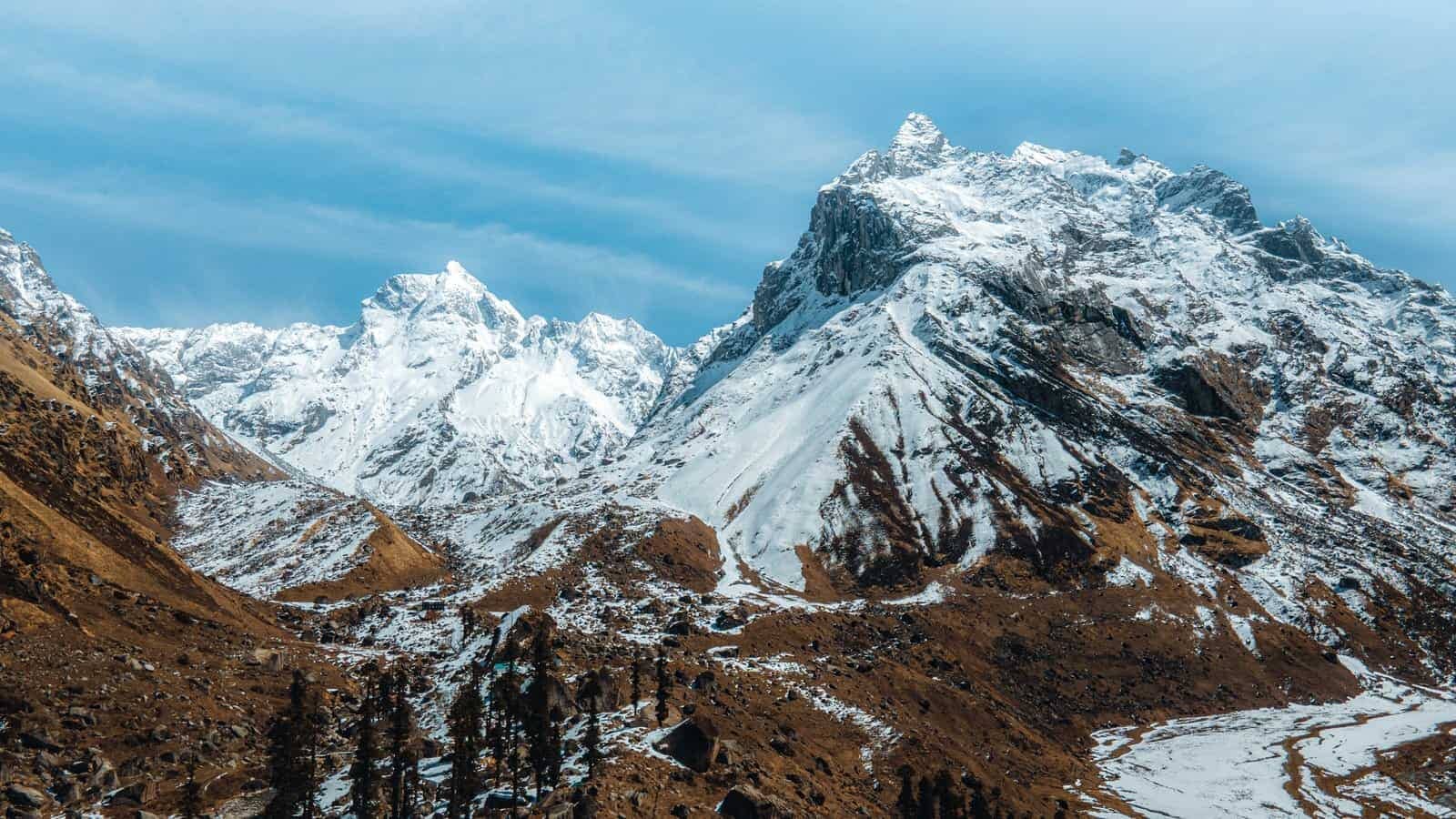 Trek Guide
By Preetam Singh Rawat|Feb 24, 2026
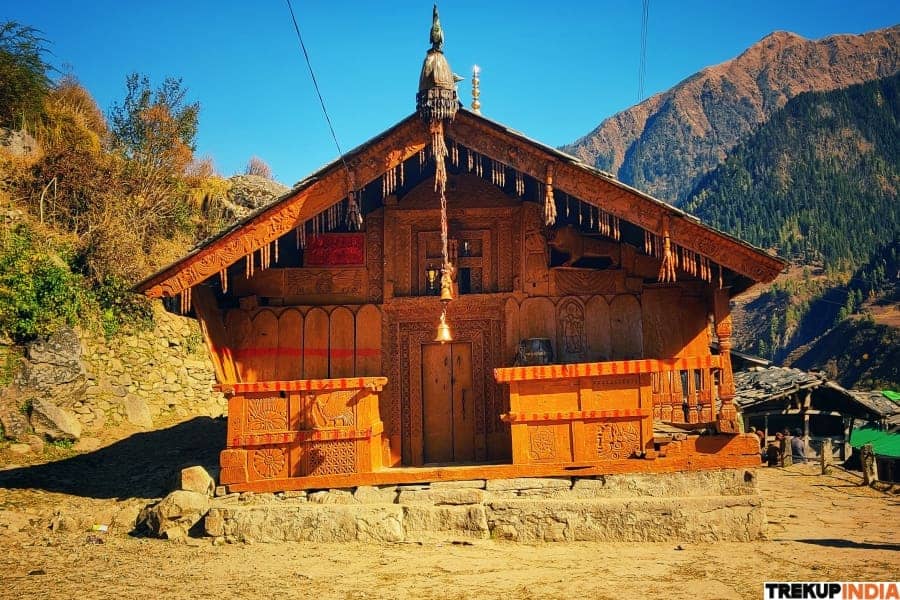
Why Trekkers Love Har Ki Dun TrekThe Har Ki Dun Trek is popular among trekkers for several reasons. Beginit’s mesmerizing natural beauty is captivating, offering stunning views of snow-capped mountains, green meadows, and clear streams. The trail perfectly balances excitement and accessibility, making it suitable for both seasoned hikers and novices. The chance to experience the untouched charm of remote Himalayan villages, immerse oneself in their vibrant culture, and enjoy their warm hospitality adds an extra layer of appeal to this trek. Moreover, the Har Ki Dun Valley is a gateway to exploring the diverse wildlife and plant species in the Govind National Park. Finally, the sense of achievement and inner tranquility accompanying completing the Har Ki Dun Trek motivates hikers who desire personal growth and a deeper connection with nature. The village was a realm of timeless traditions, where life moved unhurriedly, and the inhabitants cultivated the land in harmony with the seasons. The villagers’ vibrant attire, skillfully crafted from various colors, adds vitality to the scenery. The sacred rituals at the temple, the rhythmic pulses of the village drum, and the age-old design of the homes all contributed to an atmosphere that felt frozen in time. The villagers’ folklore and melodies further enriched this captivating tapestry of history and artistry, inviting visitors to immerse themselves in a world untouched by modernity. It is not surprising that at Trekup India, we have consistently emphasized that this trek is among the most culturally diverse in India. Starting from the starting point at Saur / Sankari, you will immediately sense a profound appreciation for the local culture and a feeling of being transported to a bygone era. The picturesque Har Ki Dun valley, also known as Ranwai Ghati or Parvat Ghati, is nestled near the borders of Uttarakhand and Himachal and is adjacent to the Jaunsar Baawar tribal area. As a result, the region boasts a rich cultural heritage that blends elements from Himachali, Jaunsari, and Ranwai traditions, making it a captivating treasure trove of history and heritage. The charm of the past permeates the air in saur / Sankri, the base camp for the Har Ki Dun trek, where ancient architecture and intricate carvings await your discovery. Some centuries-old wooden houses stand tall and proud, their façades and pillars adorned with delicate floral and leaf patterns and the occasional majestic tiger. The smooth carvings evoke a sense of history and craftsmanship, inviting you to touch and appreciate their beauty. The sweet aroma of Deodar wood fills the air, a testament to the durability and strength of this robust timber, perfect for constructing sturdy homes that have withstood the test of time. The dwellings’ roofs are crafted from a locally sourced, grey stone material known as Pathaal, which is expertly shaped and polished by skilled artisans who deeply understand measurement, cutting, and polishing techniques. The wooden houses can reach up to five levels in height and are designated by the number of floors they have, with two floors being referred to as Dwipura, three floors as Tripura, four floors as Chaupura, and so forth. When you are in Uttarkashi, which is about 8 hours away from Mori, make sure to visit Tiloth. You will find a Panchpura, a wooden house with five floors standing for about 300 years. Remember to inquire about the tale of Nar-Bijola from the locals, which revolves around two brave princes who compete for the affection of a beautiful princess and reside in that very house. It is quite captivating that these dwellings achieve a seamless combination of beauty andity. Typically, the lower level is designated for housing animals. Apart from offering a secure haven for cows or buffaloes, this area generates significant warmth due to the animal’s body heat. Consequently, it acts as insulation for the entire house. Engage courteously with the Saur / Sankari, Osla, or Gangaad residents; they will eagerly offer you a tour of their abode. If they like you, they might even treat you to a delicious pahadi tea, accompanied by enchanting tales of deities and demons from local lore. Our intricate details particularly adore the wooden carvings. These carvings showcase remarkable beauty, with the snow-capped mountains as a stunning backdrop. During your journey, you will encounter numerous temples devoted to the deities of the area, both in the villages and along the path. It will become apparent that the locals profoundly respect the Mahabharata. However, what will astonish you is their practice of venerating the Pandavas and offering prayers to the Kauravas. During your journey to Osla, you will stumble upon a sacred place solely devoted to Duryodhana, the ruler of the Kauravas. It is worth noting that the Poruvazhy Peruviruthy Malanada temple in Kerala is the sole other recognized shrine dedicated to him. Located in Osla, this magnificent wooden temple boasts three chambers and is embellished with bells and prayer flags. Take note of the intricately carved pillars at the temple’s front and back, which showcase the skill of ancient Hindu architects. Although the temple has been renamed The Someshwar Temple and rededicated to Shiva, the age-old tradition of drumming thrice daily in honor of Duryodhana remains unchanged, a testament to the enduring cultural heritage of the region. Legend has it that Duryodhana sought the favor of Lord Mahasu, the deity of this region, to obtain a portion of this valley to protect its inhabitants and wildlife. Granting Duryodhana’s request, Lord Mahasu entrusted him with overseeing the affairs of the people in this territory. Following the war, when both Duryodhana and the Kauravas met their demise, the people of his kingdom mourned their loss, their tears transforming into the river Tamsa – a sorrowful river that continues to flow through this valley. During the second week of July, a vibrant Doli procession featuring Duryodhana and lively celebratory sounds from the temple courtyard can be expected in Osla. It is believed by some that the city of Dehradun owes its name to the legendary character of Duryodhan, a figure from Hindu mythology. The city’s name’s origins are shrouded in mystery and legend, highlighting the significant role that myth and folklore play in shaping a culture’s identity. The yearly Melas in the mountains are an utterly distinct event. They are brimming with traditional practices and ceremonies that make participating in one a genuinely one-of-a-kind experience. Suppose you find yourself at Har-Ki-Dun during January or September. In that case, you will be welcomed to joyous festivities where vibrantly dressed villagers gather together, singing and dancing to regional folk songs. The Har-Ki-Dun Valley hosts two types of festivals. The first is the Magh Mela, an annual fair in January, as is customary in many areas of Uttarakhand. However, the second fair, which occurs during the Monsoon months of July, August, and September, is even more captivating. This particular fair is held at night and serves as a gathering for joyful celebrations and a surprising venue for eloping couples. Numerous young pairs opt to elope during these nocturnal Melas. This custom is predominantly observed by individuals from diverse castes or financially disadvantaged backgrounds, lacking the means to organize a formal wedding celebration. The couple then resides briefly at a family member’s residence, during which elders from the bride’s village visit and discuss with the “fugitive” couple. In this scenario, the young woman’s perspective is acknowledged, and the elders’ approval determines the societal acceptance of the marriage. If you have intentions of pursuing a comparable course of action, make sure to inform your trek guide so that he can locate you at a later time. A different and distinct marriage tradition is the idea of Bride Price, which requires the groom’s family to give livestock, referred to as Pashu Dhan, as payment. Typically, this custom is observed by affluent families residing in rural areas. Visitors to this place are struck by the impressive architecture and the vibrant attire worn by the locals. The village residents typically create their traditional garments, wooden handlooms, and natural dyes for coloring (although synthetic dyes are increasingly replacing natural ones). In your journey, you will encounter individuals donning coarse. This textile is crafted from wool and is fashioned into upper and lower clothing items like waistcoats called Sadri, full coats known as Farzi, and trousers called Suthan. These garments provide exceptional warmth, effectively protecting against freezing temperatures, even in sub-zero conditions! The women in this region wear traditional headgear and jewelry but switch to lighter clothing during the summer. If you’re interested in seeing the local handlooms, ask a villager from Osla or Gangaad, and they’ll be more than happy to give you a tour of their homes and show you their handlooms. While traveling through the villages, you will come across water mills called Gharat in the local dialect. These mills are constructed from wood and use flowing water energy to grind grains. The initial camping spot, Puani Gharat, derives its name from this practice. Puani means water, and Gharat represents the grindstone. Inside a modest hut, you will discover this traditional water-powered grindstone. Along your journey, you’ll encounter numerous fully operational Gharats in villages such as Osla, Gangaad, Seema, Dhatmir, and Dharkot. These traditional water mills play a vital role in the local communities, where they crush millets like Ragi and Jhangora for household use. In addition to everything mentioned, you will have the opportunity to experience the region’s flavors through Lengde (a type of local fern), the untamed mushrooms, Rye, and Palak (local leafy greens). You can also immerse yourself in the local culture by dancing to traditional folk songs, trying out the Raso or Nati dance steps, or simply observing the women singing heartfelt songs of love and sorrow while toiling in the fields. During the majority of hiking expeditions, it is necessary to allocate one or two hours away from the path to come across a culture that has been firmly established. This is what sets the Har Ki Dun trek apart. In this case, you will encounter this culture directly alongside your route, allowing you to fully immerse yourself and appreciate it. Book Har Ki Dun Trek Here