Trek GuideBy Anoop Rawat|Feb 17, 2026
17 Best Treks to Do This Summer in the Himalayas (May–June)Are you searching for an unforgettable Himalayan journey this summer? These breathtaking treks provide everything from gentle meadow walks to more challenging high altitude crossings during May and June months. This guide is perfect for adventurers of all kinds from families looking for their first mountain experience to experienced trekkers searching out remote wilderness. It can help them avoid crowds while taking in breathtaking mountain vistas. As for treks, they range from moderately to easily strenuous Dayara Bugyal and Kedarkantha are excellent routes for novice trekkers; Surya Top provide seclusion; while Rupin Pass and Bali Pass present an exciting challenge to experienced trekkers. It will become evident that summer is an best season to traverse the Himalayas with blossoming flowers, lush meadows and perfect climate conditions! May and June in the Himalayas is spectacular. After months of bitterly cold winter conditions, days no longer threaten to submerge you completely in ice or turn into water puddles most trekking routes offer temperatures ranging between 5degC in the mornings to 20degC during daylight hours! At its best point, temperatures allow you to walk for hours without feeling either winter numbness in your hands or summer sweat pouring from your eyes. Layer a light jacket and few T-shirts as needed; nighttime is still cold enough to sit around a campfire with hot tea in hand in the mountains! Winter in the Himalayas locks away an array of incredible treks beneath layers of snow. At the same time, spring brings padlocks which open again leading trekkers back onto high passes like Roopkund and Pin Parvati. Roads leading to starting points have also been cleared no avalanche hazards or snow covered paths to worry about; local transportation resumes regular service, trek operators pack away their gear and valleys that were not easy to access in February become your playground in May. Consider thin just one day you could witness a carpet of wildflowers followed by breathtaking snowfields that’s the beauty of early summer Himalayan trekking! Higher elevations (12,000 feet or above) still offer breathtaking snowy vistas best for snow photography without the frigid winter temperatures. In valleys below are botanical textbooks come alive Rhododendrons paint hillsides in red and pink while Alpine meadows blossom with blue gentians primulas as well as wildflowers you never imagined existed! Summer brings Himalayan villages back to life after spending their winter hunkering down; local communities come alive once again as planting season starts, livestock return to higher altitude pastures, and numerous celebrations are scheduled throughout the summer months. As you walk through the countryside, you may see farmers mowing fields with terraces, women weaving traditional textiles outside, or you might even be invited to an event such as a wedding or harvest celebration. Many communities host celebrations during summer months that feature traditional music, dance and religious rituals that tourists rarely experience elsewhere in the year. Altitude: 12,100 ft Duration: 5–6 days Difficulty: Easy Dayara Bugyal is an exceptional offbeat trek that delivers maximum returns with minimal effort. This trek boasts expansive meadows that stretch further than what one can see, creating stunning scenes straight out of an epic storybook. Campsites along the route provide restful spots with incredible mountain vistas and Dayara Bugyal particularly attracts families because its accessibility for children even as young as 7 can comfortably complete this trek! Dayara Bugyal makes the Himalayan experience accessible. Altitude: 12,150 ft Duration: 6 days Difficulty: Moderate Phulara Ridge provides an attractive alternative for trekkers familiar with Kedarkantha, starting from the same camp. The main draw of this trip is its three hour ridge walk that gives trekkers 360 degree panoramic views and snowcapped mountain peaks on one hand, and rolling green hills on the other perfect for families seeking something different without too much physical exertion! Phulara Ridge makes an excellent family adventure. Altitude: 11,686 ft Duration: 6 days Difficulty: Moderate Ali Bedni Bugyal boasts some of the most breathtaking mountains in the Himalayan range, offering trekkers breathtaking views of Mt. Trishul and Nanda Ghunti from close quarters. What truly sets this trek apart are its highest altitude meadows in India which create wide open spaces, leaving trekkers completely amazed and speechless! Additionally, you will pass ancient forests filled with an array of species, both flora and fauna, that make this experience unforgettable. Sunsets and sunrises provide truly magnificent experiences, painting vibrant hues across the sky that reflect off the peaks of snow, making for unforgettable family pictures and lasting memories. Altitude: 12,500 ft Duration: 5–6 days Difficulty: Easy–Moderate Kedarkantha has earned its popularity among novice trekkers for good reason providing what many new trekkers crave, an enjoyable summit experience without technical climbing obstacles. Attaining the Kedarkantha summit gives trekkers who have never gone before an overwhelming sense of satisfaction and achievement; from its peak, you’ll experience breathtaking views of the main Himalayan ranges spread out before you; making this challenging trek particularly appealing to families with teenagers or those looking to expand their trekking skills. Altitude: ~13,100 ft Duration: 6 days Difficulty: Moderate Surya Top stands out as an undiscovered gem among Himalayan summer treks, distinguished by lush green meadows that shimmer under the warm summer sun and maple and oak trees lining its trek, creating a distinctive summer scent which makes this trek irresistibly attractive in June and May. Warm summer months make this trek more accessible, without the challenges associated with its winter counterparts. Without the threat of icy paths or snow covered temperatures to contend with, even novice trekkers can enjoy stunning landscapes in peace; plus its lush greenery makes a beautiful photo backdrop! Altitude: 12,000 ft Duration: 7 days Difficulty: Moderate Trekkers who take this(Har Ki Dun) cultural gem on their trekking journey will find themselves immersed in both natural splendor and rich history. You will travel through old wooden villages that appear frozen in time, each boasting mythological tales that have been passed down from generation to generation. What truly sets this trek apart is its blend of cultural knowledge with natural marvels. On your journey to Ruinsara Tal, one of the most captivating features is its constantly morphing landscapes. Every day offers new scenes, from dense forests to open valleys that keep trekkers engaged. Your trek culminates with Ruinsara Tal itself a picturesque alpine lake encased by towering mountains. Altitude: 17,800 ft Duration: 8–9 days Difficulty: Difficult (technical sections, glacier crossings) Borasu Pass trek provides solo trekkers an unforgettable high altitude experience. Although lesser known than some popular routes, this strenuous trek offers incredible perspectives of Garhwal mountain ranges much like Ranthan Top’s unique campsites with expansive valley views; Borasu Pass offers trekkers striking viewpoints that showcase Himalayas at their summer best! Spring and summer bring this area alive with vibrant hues of green covering valleys, while wildflowers bloom abundantly along your journey. Trekkers can admire clear mountain views without monsoon clouds or winter mist obscuring them and appreciate all of nature’s wonder while climbing to reach them making their effort worthwhile both as an adventure experience as well as natural beauty. Altitude: 14,202 ft Duration: 7–8 days Difficulty: Moderate–Difficult Gaumukh Tapovan trek provides an unforgettable Himalayan experience for those with solid backgrounds and who desire an adventurous Himalayan journey. This strenuous trek leads you directly to Gaumukh glacier where India’s holiest river, Ganga, begins its journey. Along this incredible trek are stunning closeup views of Mount Shivling from base to summit that can only be experienced on this particular adventure. Additionally, amazing sights of Mount Meru and the Bhagirathi sisters add a visual spectacle that makes every challenging step worthwhile. Altitude: 16,110 ft Duration: 6–7 days Difficulty: Difficult (steep ascent, high altitude challenges) Kedartal Trek will put your endurance through its paces! Climb to an impressive altitude of 16,000 feet before reaching Kedartal Lake on this challenging route that winds its way along an alpine lakeshore. Experience long trekking days and rugged terrain while discovering stunning Himalayan giants such as Thalaysagar and Bhrigupanth which create an atmosphere of reverence and splendor during this trek. Altitude: 16,207 ft Duration: 10–11 days Difficulty: Moderate–Difficult Goechala is one of the premier high altitude trekking routes for those in search of breathtaking mountain vistas. This challenging trek boasts fourteen major summits Kanchenjunga being its highest. Many trekkers compare Goechala to Nepal’s legendary mountain treks an accolade indeed! In the summer months, the trek becomes even more captivating as vibrant red and pink flowers of the Rhododendron forests bloom along its trek. Additionally, Samiti Lake adds natural beauty to this path. Altitude: 16,207 ft Duration: 8–9 days Difficulty: Difficult Passing Bali Pass for those searching for an authentic Himalayan experience. Soaring to an elevation of 16,207 feet, this challenging pass links Har Ki Dun Valley with Yamunotri through beautiful landscapes such as breathtaking confluences of rivers, tranquil valleys, and lush meadows before culminating in stunning 360degree views from Bandarpoonch as well as Kalanag. Trekkers exploring this route experience both physical challenge and natural beauty at its finest! Altitude: 15,250 ft Duration: 7–8 days Difficulty: Moderate–Difficult The Rupin Pass trek offers a fantastic series of changing landscapes that evolve with every step. A classic Himalayan adventure, this trek allows trekkers to witness nature at its finest: starting from the gentle Rupin River which guides your trek, to hanging villages perched atop cliffs offering glimpses into traditional Himalayan life. As you traverse pine forests that offer both cool shade and the sweet fragrance of conifers, the path will gradually open into vast glacial meadows blooming with alpine plants during the summertime. One of the most thrilling aspects of this trek involves crossing natural snow bridges carefully crossing these icy structures while keeping an eye out for rivers rushing below you! The highlight of Rupin Pass trek are its stunning waterfalls, which adorn its path like an orchestra of flowing waters that accompany your journey. Each falls offers an opportunity to stop, rest and admire nature’s power and beauty. Altitude: 14,100 ft Duration: 5 days Difficulty: Moderate–Difficult The Hampta Pass trek offers one of the most breathtaking landscape changes in the entire Himalayan range. Beginning in Kullu’s lush valleys amidst dense forests and bubbling streams, gradually ascending through changing terrain until reaching Hampta Pass to be surprised when suddenly entering Spiti Valley’s harsh terrain! Altitude: 11,930 ft Duration: 6–7 days Difficulty: Moderate The Sandakphu Phalut trek spans the borders of West Bengal and Sikkim, offering breathtaking panoramic views that few other treks can match. This trek is famed for providing incredible panoramas of all five of the world’s highest peaks as you pass through rhododendron forests that bloom spectacularly during certain seasons and mountain communities where you can experience Nepali, Bengali, and Sikkimese culture in its full glory. Altitude: 15,000 ft Duration: 7 days Difficulty: Difficult Buran Ghati trek is widely recognized as an exceptional combination trek, incorporating elements of various Himalayan adventures into one unforgettable journey. The trek’s breathtaking beauty includes sections of forest with pine and oak trees casting their shade across the forest floor and creating dappled light. As you progress further you’ll reach Dayara meadows lush grasslands covered with vibrant wildflowers stretching to distant mountains of snow where wildflowers make for breathtaking sights. Camping spots on this trek are iconic, located in picturesque spots that provide stunning sunset and sunrise views. But Buran Ghati pass stands out as being particularly unforgettable situated at 15,000 feet, trekkers tackle an adrenaline pumping climb down its snow covered walls at Buran Ghati; here they take up the thrilling challenge of rappelling down them for an adrenaline rush climb that offers both beauty and technical difficulty an irresistibly engaging adventure! Your Himalayan trek experience is heavily dependent upon when and where it occurs. May and June offer distinct advantages that make them the best times for summer trekking adventures. May is an excellent month for Himalayan trekking, with significantly reduced snow levels compared to previous months and comfortable temperatures that allow trekkers to traverse treks without difficulty easily. Furthermore, its moderate temperatures strike an best balance warm enough during daytime treks without intense winter temperatures yet cool enough in lower elevations to limit intense heat exposure; thus creating perfect conditions for longer treks without stress caused by weather related issues. June offers trekkers an exquisite visual feast with its perfect balance of lush landscapes and snowcapped mountain peaks. As you climb to different levels, forests transform into verdant green while higher elevations maintain their snowy glory creating excellent photo opportunties and offering diverse trekking experiences along one journey. June marks a distinct transition between winter and summer when grasslands emerge from under their blanket of snow to add vibrant textures to mountain terrains and enhance trekking experiences alike. Trekking in the summer brings breathtaking mountainous displays of color with wild flower covered Himalayas. In June, meadows become transformed as wildflowers cover grasslands and transform meadows into breathtaking natural displays of hue against mountains with lush green grasslands filled with yellow flowers creating breathtaking landscapes everywhere you look. Rhododendron forests can also provide incredible sightings, particularly on treks such as Goechala, where red and pink flowers can take over until early June (typically lasting until the beginning). This natural blooming process adds something truly unforgettable to summer treks not available during other seasons! TrekUp India provides exclusive family departures for popular treks such as Ali Bedni Bugyal, Kedarkantha and Dayara Bugyal. These journeys have been carefully tailored to provide children with learning opportunities in nature, offering thrills and adventures alongside educational experiences for younger trekkers. This creates an opportunity to connect with nature while learning new skills! The meticulously planned itineraries allow these trekkers to connect with nature while developing life skills! Planning a family friendly trek requires selecting the appropriate trek. TrekUp India offers numerous routes suitable for children aged 7 and above, including Dayara Bugyal and Phulara Ridge, which are best family options. These routes offer suitable difficulty levels and exciting environments that stimulate kids while providing safety and comfort. Altitude: 12,100 ft Duration: 5–6 days Difficulty: Easy Dayara Bugyal is an best trek for families with young adventurers aged 7 or above, offering gorgeous meadows and gentle slopes that are easy to access yet stunning in terms of visual beauty. The moderate difficulty level makes this trek best for newcomers to Himalayan trekking particularly young adventurers taking their first steps into adventure travel! Children especially enjoy roaming freely across its vast grasslands while learning more about mountain ecosystems. Har Ki Dun trek provides families with an adventure through beautiful valleys and ancient villages, making this trek best for family exploration. Though not explicitly mentioned as age appropriate, TrekUp India includes it among their family friendly choices due to its gradual ascent and cultural diversity perfect opportunities to teach young travelers about local customs and mountain lifestyle. Altitude: 12,083 ft Duration: 4–5 days Difficulty: Easy–Moderate Deoriatal Chandrashila Trek provides another great family adventure packed with educational value. This trek combines breathtaking lake views from Deoriatal with the thrill of reaching Chandrashila summit perfect for families wanting an educational yet adventurous trek experience! As with our other family treks offered by TrekUp India, this journey is designed to teach children about mountain ecosystems while remaining pleasant and safe. Have you ever wondered why some trekking companies don’t understand? Pushing people up mountains without proper acclimatization, or covering too many miles each day are among the worst mistakes a company can make. Not so with us. We don’t operate like that! At TrekUp India, security is of paramount importance. Our itineraries are carefully planned with altitude gain rest days and escape routes in mind; and have been trekked repeatedly until finding a best balance between challenge and safety. As summer nears in the Himalayas, weather patterns change quickly which is why our treks include buffer days and camping spots that offer flexibility. From flash floods to unexpected snowfall, our treks include protection. What makes an Himalayan adventure truly memorable are its guides. Our trek leaders are not only experienced; they’re certified first responders in the wilderness. With years of experience under their belts and many trips under their belts under them all, these trek leaders know when and how much pressure should be applied. What sets our guides apart are their local knowledge these mountain people were born and raised in these valleys, showing you waterfalls not visible elsewhere as well as sharing stories about peaks not mentioned in guides. Our summer thaw has revealed an overwhelming amount of trash left behind by trekkers an eyeopener. That is why we are taking measures to tackle it head on. At our campsites, we strictly abide by the carrying and carryout policies. Our teams return more garbage than we produce! In addition, we have implemented proper waste management processes and trained our staff on minimal impact camping practices. Conserve water? Absolutely. We teach responsible use and strive to avoid polluting our precious water resources. Summer in the Himalayas isn’t limited to mountaineers alone. Even casual visitors to this beautiful region can take part in its captivating summer beauty and make memories that will last a lifetime! Whether you’re travelling with teens or solo, looking to push your limits, or retired and seeking adventure, we have something exciting and thrilling planned just for you. Our easy treks offer beautiful views without challenging ascents, while for those wanting an adrenaline rush, we provide challenging routes that even experienced trekkers might find challenging! Need some guidance as a newcomer to trekking? No worries; we will help you locate the appropriate trek and provide all the assistance you need throughout. The Himalayas in summer offer an indescribably amazing trekking experience for adventurers of all skill levels. Be it solitude of lesser known treks like Ranthan Top or Surya Top, family friendly meadows of Dayara Bugyal, or challenging heights such as Kedartal and Bali Pass; whatever you seek there’s sure to be something unforgettable here for everyone May and June offer best conditions with blooming wildflowers as well as lush landscapes and breathtaking mountains that make every trek worth every step Are You Planning an Himalayan Trek This Summer? Don’t delay planning, as more groups are gathering quickly. With TrekUp India’s expert guides and specially curated experiences including exclusive family treks with enhanced learning opportunities you will experience not just spectacular landscapes, but also their transformative powers! Choose your trek, bring along a backpack full of supplies and get ready to experience an unforgettable season in the Himalayas!
Trek GuideBy Preetam Singh Rawat|Feb 13, 2026
Sacred Himalayan Treks: Kinnaur Kailash to Gaumukh | Spiritual Journeys in the HimalayasIndia and its Himalayan neighbors aren't just trekking destinations; they're landscapes that's engraved with affection. Over the years, trekkers pilgrims and travelers have walked these paths and have combined fitness with a deep desire to be religious. We'll go over a more detailed study of the sacred treks which include your personal touches to the spot where boots and faith meet: Holy Focus The 6,050m summit is thought of as Lord Shiva's winter residence and the enormous natural Shiva Lingam. Travel: The ascent can be steep starting from Tapri/Tangling and traversing Kinnauri villages and ending in an arduous Parikrama (circumambulation). Essence: Raw devotion, syncretic Kinnauri culture, awe-inspiring geology. Moderate-Challenging. Best: May-Jun, Sep-Oct. To Kinnaur Kailash Trek Itinerary Holy Focus Glacier nose is the origin of the frozen Mother Ganga (Bhagirathi River). The Journey This journey is a rumbling Bhagirathi beginning at Gangotri Temple through Chirbasa forests until Bhojbasa to the glacial "Cow's Mouth." The essence: A trip to the most holy river in Hinduism. Pure humility and purification. Moderate. Best: May-Jun, Sep-Oct. To Gaumukh Tapovan Trek Itinerary The sacred Insight: Mythical "Valley of Gods" as well as a trade route that was once in use. It is connected to Pandavas who smelled towards Swarga (heaven). Journey A leisurely valley stroll through Garhwali village (Sankri, Taluka, Osla) with lush meadows and glacial basins. The views from Swargarohini summit. The essence Mythological resonance, unattainable beauty Cultural integration. Serene voyage through the centuries. Easy-Moderate. Best: Apr-Jun, Sep-Nov. To Har Ki Dun Trek Itinerary Sacred Focus: Valley of Flowers: A UNESCO site mythical garden in which Hanuman met the plant Sanjeevani. - Hemkund Sahib: Highest Gurudwara in the world (4,329m). It is a sacred Sikh temple that is surrounded by an glacial lake. Journey The trek starts in Govindghat over Ghangaria. Then, you can go towards the valley of flowers or climb up to Hemkund. The essence: A unique combination of Sikh faith and Hindu mythology in stunning alpine meadows. Moderate (VoF), Challenging (Hemkund). Best: Jul-Sep. To Valley Of Flowers Trek Itinerary Sacred Focus: Triangular glacial lake (4,600m) named after Hindu Trinity (Brahma-Vishnu-Mahesh). It is believed to be the entry point to heaven. Journey Inquiring for extension past Badrinath. Explore glaciers, moraines, and glaciers. establish the camp close to Laxmiban. The permit is required and previous experience. The essence: Extremely remoteness profound mysticism, and a terrifying challenge for dedicated pilgrims. Challenging/Difficult. Best: Jun-Sep. To Satopanth Lake Trek Itinerary Holy Insight: Buddhist heartland. Monasteries from the past (Hankar, Thiksey, Hemis) Chortens prayer flags that mark the terrain. Journey The most famous Ladakhi trekking through mountains (Ganda La and Kongmaru Kongmaru La) villages, valleys of rivers, and rough desert mountains. The essence is walking in meditation throughout the live Buddhist tradition. Landscapes that symbolize impermanence and spiritual endurance. Moderate-Challenging. Best: Jun-Sep. To Markha Valley Trek Itinerary Sacred Focus: Mt. Kailash (6,638m) is the home of Lord Shiva Axis mundi of Hindus, Buddhists, Jains and Bonpos. Sacred Lake Mansarovar. Journey is a highly-regulated and controlled pilgrimage that is controlled and controlled. It requires strenuous treks at high altitudes (5,000mplus) to complete The Kora (circumambulation) in Kailash as well as Mansarovar dip. The essence: A final journey for thousands. Physical and spiritual tests of devotion. Extreme. Best: May-Sep (limited access). To Kailash Mansarovar Yatra Trek Itinerary Holy Focus: Although it is not specifically a religiously based area, the Khumbu region is an Sherpa influenced region. Everest (Chomolungma"Mother Goddess of the World") "Mother Goddess of the World") is a sacred site. The monasteries (Tengboche) offer spiritual anchors. Journey An exciting high altitude trek that traverses Kongma La, Cho La and Renjo La passes, circling Everest while taking the scenic route through Gokyo Lakes. In essence: A profound respect for the highest mountains on earth, an intense experience of Sherpa faith and a test of mankind's faith in the sacred. Very Challenging. Best: Mar-May, Sep-Nov. To Everest Three Passes Trek Itinerary The Sacred Focus The HTML0 Sacred Focus traverses Hindu as in addition to Tibetan Buddhist regions. Muktinath Temple (3,800m) is an important religious site that is has been regarded as sacred by Hindus (Saligram) and and Buddhists. Journey Various "classic" journey in the Annapurna mountains, which includes Thorong La pass (5,416m) villages and forests, and high desert. Essentials: A spiritual and cultural journey through various communities, culminating in the sacred Muktinath. Challenging. Best: Mar-May, Oct-Nov. To Annapurna Base Camp Trek Itinerary These treks, which differ by place and history, have a common theme: Inner Pilgrimage Physical challenges remove any normal and encourages contemplation, resilience and clarity. The landscape as a temple the origin of Gaumukh's glacial Ice and Kailash's magnificent symmetry Himalayas are the symbol of God. Their sheer size and beauty attracts admiration and respect. Living Religion: Watching pilgrims prostrate before Kailash and being participant in Sikh music at Hemkund and receiving blessings in an alpine ghompa and attending ceremonies at Gangotri the living worship is deeply touching. Cultural Tapestry Connecting with Kinnauris Garhwalis, Ladakhis, Sherpas and Nepali villagers shows their lives in relation to sacred geographical regions. The Sacredness Beyond Religion: Treks like Everest Three Passes or Valley of Flowers provide a universal sense of the sacred through the nature's power and beauty. Respect is the most important thing: Follow the local laws (dress appropriately, don't wear shoes or take photos) Keep a respectful silence at holy places and take care to dispose of all garbage. These aren't just tracks, but holy places. Be sure to prepare thoroughly: train physically. Be aware of dangers that come with altitude (AMS) and adapt according to your needs. Do your research thoroughly (especially Satopanth, Kailash, Tibet trekking). Find Guidance: Hire local guides or porters. They ensure safety, provide insight into the culture and aid in the development of the economy in the area. Choose reputable firms for difficult journeys (Kailash, Everest, Annapurna). Take note of: sturdy boots, clothing that is multi-layered (extreme temperatures) and rain gear to protect yourself from the sun and water purification kit, as along with a headlamp. Pack light but essential. A mindful approach: Be an individual pilgrim, not simply becoming a tourist. Accept change and embrace the challenges and the beauty, calm and connections. From the quaint valleys of Har Ki Dun to the infinite axis of Kailash These sacred trails lead toward the soul. They require determination, but they reward with stunning beauty and spiritual resonance. If you're drawn by a strong belief or a desire to be outdoors or a desire to discover yourself, the ancient trails provide an opportunity to connect with God, imprinted forever in the midst of the Himalayas. Choose your trek make it a sacred plan and let the Himalayas revive the soul of your
Trek GuideBy Preetam Singh Rawat|Feb 13, 2026
How to Choose the Right Trekking Shoes | Fit, Grip, and Terrain GuideWith a strong will and the right footwear Any trek that is successful is certain to be successful. While physical and mental preparation are vital, having solid shoes that offer assistance during treks can mean the difference between ease and discomfort on the Indian adventure. Conversely, unfit or poorly-designed footwear can hinder progress or reduce the duration of your trip. What aspects should be taken into consideration when choosing the right trekking shoes to wear on Indian adventures? There are various styles of shoes created specifically for different types of trekking however, they don't restrict the footwear to just one specific area. Good trekking shoes are able to adapt to a variety of weather conditions, making them ideal companions for outdoor adventures. As we get deeper into trekking, a crucial question is asked by both women and men in India in regards to selecting the right pair. Due to the significance of this decision we often get inquiries about the most suitable trekking boots to buy. In response to these inquiries we have developed an extensive guide that covers everything from buying boots online in India up the maintenance process, providing you with the necessary information to make informed decisions when it comes to choosing the best ones. Decathlon, Woodland, and other stores that sell sports provide a huge range of boots and trekking shoes for both males and females whether you shop on the internet or in person. If the options seem wide for you, don't be worried here are five essential factors to consider when choosing the perfect pair of hiking shoes. To determine if the trekking shoe has adequate traction, look at the size of its grooves. A shoe that has excellent grip will gather dirt in its grooves, an indication of traction that is strong. Make sure that your shoes have deep grooves for maximum grip. When choosing a good shoe it is essential to think about the flexibility of its sole when it comes to different types of surfaces. One indicator of pliability is the flexibility and softness of its sole. Check the area carefully for indications of flexibility. To test the tensile strength of the sole simply tap the key. Pay attention to the sounds produced by the sole: soft soles should sound muffled while loud, ringing sounds indicate a hard sole, not suitable for hiking. Be sure to consider ankle stability when choosing trekking shoes to guard against injuries on the uneven Himalayan terrain. While trekking shoes can provide the flexibility and traction you need, they do not provide adequate ankle protection, making you at risk of injuries and twists when ankles are injured or twisted and not protected. To ensure a safe and successful adventure, wear footwear that offers adequate ankle protection. This will help prevent accidents, which can cause you to miss your trip. The best trekking shoes need the best fit to ensure maximum comfort on the trek So, ensure a perfect fit by putting them on and selecting ones that have ample airflow. Also, think about buying hiking boots that are slightly larger than normal to avoid blisters that are that result from friction between your feet and your shoe. A size larger will lessen the discomfort caused by a shoe bite and give your feet enough airflow. Shoes that repel water are essential when you travel across different terrains, such as the Himalayas or Ghats during monsoon particularly when you encounter rain, snow, or lakes along the way If you do not have them, you could be prone to discomfort, foot problems and shoe bites and making the journey unpleasant and uncomfortable for you as well as other trekkers. For maximum performance, it's recommended that footwear rather than waterproof trekking boots, be purchased. The addition of a protective layer made of resin or leather can make a huge impact. This additional barrier serves as a shield against even brief contact with water like getting caught in an evaporation puddle for only a few minutes, by keeping water out. This in turn makes water resistance becomes a vital feature. The market offers a wide range of trekking shoes that are designed to meet a variety of requirements and preferences, ranging from leisurely hikes or outdoor activities to more intense treks. Trekking shoes are available in styles specifically designed for female and male trekkers, with styles and colors that are suited to your personal preferences and preferences. Trekking boots are durable athletic shoes that are designed with improved durability and traction to be used on difficult outdoor terrain. In general they're great for short treks that don't go beyond 3-4 miles. They also offer the following benefits: Ideal for short, leisurely walks These treks are conducted in pleasant weather on dry trails, which makes them ideal for dry seasons. When selecting the right footwear for these hikes, choose shoes that are flexible, breathable midsoles that are comfortable installation, moderate traction, and an easy on/off design. Forclaz Fresh, Woodland and Weinbrenner low-cut ankle models must be able to meet these requirements. Decathlon's wide selection of trekking shoes both on the internet and in stores must also be considered. Trekking shoes provide ankle support over hiking shoes and are designed to provide an enjoyable trekking experience over different terrains and seasons making them ideal for outdoor pursuits of all kinds. Long-distance treks that typically last up to a week or more need special footwear to meet the demands. The weight of backpacks can make these treks more demanding on footwear than other trips, requiring footwear that can withstand these treks. The most important features to look for in a good pair of rain shoes are waterproof materials such as suede, leather or synthetic materials like Gore-Tex or Nova Dry; deep grooves to improve ankle support and traction to avoid injuries, and features like deep tread lugs that provide extra stability and traction for your ankles. However, this extra support can make the boots heavier so it's recommended to break them down over a period of time prior to beginning the trek. When it comes to choosing the right brands, Forclaz and Quechua are well-known choices, with prices ranging from 3000 and 8000 Decathlon trekking shoes are popular with more experienced trekkers. Woodland is also highly regarded by enthusiasts who love to trek. Also known as mountaineering boots, these boots aren't usually required for the standard treks provided by Trekup India; rather, they're specifically designed for difficult terrains like crevasses, ice, rocks and glaciers, and offer the necessary grip for these terrains. Important features to look for in expedition boots are the thick soles that have aggressive tread patterns, sturdy materials with cushioned insoles that maximize comfort, and ankle stability features like thick straps that have aggressive tread patterns to ensure a footing on these tough surfaces. Important features to look for include rugged and thick soles with aggressive tread patterns tough outer materials that have cushioned insoles for increased grip and durability of the outer materials that have cushioned insoles that enhance security on rough surfaces; large tread patterns on soles that have strong tread patterns. large tread patterns on tough outer materials with cushioned inserts for comfort; tough outer materials that have cushioned insoles cushioned insoles, cushioned insoles that enhance ankle stability when required and ankle stability features (if needed). Thick soles that feature high-tread patterns, cushioned insoles with tough tread patterns. Durable outer material with cushioned insoles that provide comfort and ankle stability features such as this, can provide stability on uneven surfaces. cushioned insoles with aggressive tread patterns to ensure durability and cushioned insoles, cushioned insoles, cushioned inserts cushioned for comfort and durability; outer materials that are used and so on. Although more expensive with prices starting at Rs. 10,000, Decathlon products are generally highly regarded and are highly recommended. Other brands might be available, but may be difficult to locate in India. Trekking shoes made specifically for women differ from male counterparts in a variety of key ways. For example, the heel-to-ball length as well as the width of the instep and heel are usually greater in men's shoes, which has led manufacturers to create more slimmer models specifically designed for female feet. Key characteristics to be aware of when choosing women's trekking boots are: Specialized materials are used in the midsole and insole to allow for Q-angle. A snug, secure fit. Decathlon's Trek 100 and MH100 for women are both popular choices. Merrell and Salomon are also top choices. Some of the most popular trekking shoes that are available in India include: Top picks for trekkers three top trekking shoes recommended by trekkers Forclaz Trek 100 Leather are among them. Decathlon representatives say that their most popular product is the Forclaz Trek 100, is their greenest product and comes with a sole made of 100% natural rubber with a 100% recycled inner and a dope-dyed black lining that reduces water usage and CO2 emissions, while reducing emissions and consumption. In addition, Salomon Quest 4 Gore-Tex gives experienced trekkers the option of a shoe that's been improved over time. The best trekking shoe doesn't boil down to fashion or cost alone Instead, you should be a consideration of safety, comfort, and efficiency in a variety of conditions and environments. From easy treks through the dry landscape to lengthy Himalayan excursions, wearing the right footwear for trekking will significantly improve your trip without causing any discomfort or risk. Because India is a home to a variety of climate conditions and zones, trekking in India is a matter of assessing your ankle's support and traction as well as water resistance and selecting footwear that is a good size. It doesn't matter if you're just a casual trekker or a seasoned adventurer, buying a good pair of shoes made by Decathlon, Woodland, or Salomon will not only increase your enjoyment but also increase the efficiency of your trip. Finding the right walking shoe that fits comfortably around your feet while addressing the environmental requirements and facing any challenges that may be that may be thrown at it in the coming days.
Trek GuideBy Preetam Singh Rawat|Feb 17, 2026
Deoriatal Chandrashila vs Kedarkantha: Which Winter Trek to Choose?You’re trying to decide between Deoriatal Chandrashila or Kedarkantha treks in Uttarakhand? Both are well-known winter trekking routes in India, but they provide a diverse experience for trekkers. This guide can help novice mountaineers and experienced trekkers evaluate these two stunning Himalayan routes. We’ll look at the unique landscapes and breathtaking views that each trek offers, how the weather affects your experience during different seasons, and provide practical details such as access and difficulty levels to help select the best adventure for your level of experience and personal preferences. The Deoriatal Chandrashila trek is truly stupendous. No kidding. The main attraction? Deoriatal Lake itself. This gorgeous alpine lake reflects the majestic Chaukhamba mountains, creating stunning reflections that’ll make your Instagram followers envious. Then there’s the Chandrashila summit (13,123 feet). As you stand on the summit, known as “Moon Rock” (that’s what the name refers to) are treated to a stunning 360-degree view of major Himalayan summits: Nanda Devi, Trishul, Kedar, Bandarpunch – the entire list of Himalayan royalty. Don’t miss the historic Tungnath temple, which is the most awe-inspiring Shiva temple in the world, and a part of Panch Kedar. Even if you’re not religious, the ancient architecture set against the backdrop of the mountains is something special. The Chopta region (your gateway to Chandrashila) isn’t known as “Mini Switzerland” for nothing. The rolling meadows, dense oak, and rhododendron woodlands are straight from the pages of a fairytale, especially when spring is bursting with pink and red flowers. Bird-watchers, bring your binoculars! The trail is a dream to spot Himalayan species, including the vibrant Himalayan Monal (state bird of Uttarakhand). The Deoriatal Chandrashila trek is situated in the moderate-to-easy category, making it ideal for families and those who are first-timers. There’s no need to be a fitness guru, but don’t be in a state of complete fitness. A basic endurance of your cardiovascular system is vital, and if you can jog 4 to 5 km in 30 minutes without crashing, then you’re ready to go. The trek requires 4 to 5 hours of walking per day, with a gradual ascent. The day of the summit (Chopta to Chandrashila via Tungnath) is the most challenging part. It’s a steep climb, particularly the last stretch however, it is feasible with a good level of fitness and a little determination. Altitude sickness isn’t a huge issue since the top of the mountain is barely over 13,000 feet, and the ascent is gradual. However, being hydrated and acclimatizing to the altitude is a smart idea. Children who are as young as 9-10 years old can take on this trek and make it an ideal family adventure. Just make sure they’re physically active and are enjoying outdoor activities. For preparation, try: Timing is everything in the Deoriatal Chandrashila trek. If you do it right, you’re in for a great time. The spring season (March through May) is hands-down magical. The rhododendron forest explodes into fiery pinks and reds and creates a fairytale-like setting. April is the best time of year with warm temperatures throughout the daytime (10-15 °C) and clear skies, and the million-dollar views of snow-capped mountains. The contrast of snow-covered flowers against mountains? Chef’s kiss. Post monsoon autumn (September through November) brings crystal-clear skies ideal for panoramic views of the summit. October is a great month for stability and visibility that is so clear you can spot peaks as far as 100km away. The forests change from golden to orange, temperatures range from 5-15 degrees Celsius, and trails are dry. The winter season (December from December to February) transforms the trek into a winter paradise. The entire trail is covered in white, providing an entirely new experience. However, be aware that temperatures can drop too low, trails become slippery, and you’ll require appropriate winter gear and perhaps guides. The summit climb may be difficult on snowy days. Avoid the monsoon season (June through August) completely, as slippery paths, leeches, and no visibility can make for an unpleasant experience. The Deoriatal Chandrashila trek packs a powerful punch in a compact size. The entire trek covers approximately 26 km (round trek), which makes it among the shortest Himalayan adventure trips. Don’t be fooled by the distance, however – these miles are accompanied by significant elevation changes as well as a variety of terrain. The majority of trekkers complete their journey within 4-5 days, with transport to Rishikesh or Dehradun. The typical itinerary is as follows: For those who are experienced or who are short on time, it’s possible to reduce the trip into a three-day one by combining a few sections. The reasonable duration of the trek is ideal for weekend trekkers or those who aren’t able to take long breaks from work. You’ll be back in the city prior to the time your withdrawal from social media begins! Imagine yourself standing at 12,500 feet and amid the pure snow-covered peaks in the Garhwal Himalayas. You’ll have 360-degree panoramic views that leave your jaw agape. That’s Kedarkantha for you. The summit provides stunning panoramas of iconic peaks, including Swargarohini, Bandarpoonch, and Kala Nag. On clear days, you can spot over 13 major Himalayan peaks! The trek takes you through pine forests that appear like something from the pages of a fairytale. When the forests are blanketed in snow in winter, it’s pure wonder – tall trees laden with snow, creating natural tunnels that you walk through. Don’t miss Juda Ka Talab, a frozen lake that appears as mirrors in the wilderness. The camping site is among the most beautiful spots ever to have the chance to pitch your tent. Kedarkantha is a great starting point trek for those who have been wanting to go on a Himalayan trekking but are worried about the difficulties. It’s rated as moderate to easy which makes it accessible for families and first-time hikers. The gradual ascent does not strain your legs as much as some of the more strenuous trails available. Don’t overestimate it. You’ll still ascend 4000 feet in four days and walking in snow demands a certain technique and equipment. Most people who are reasonably fit are able to complete the hike without special training, but a little cardio training can make the experience more enjoyable. The final climb is a steep climb and can be difficult, especially in snowy conditions. But it’s also short enough (about 2 to 3 hours) that most trekkers can push through without issue. The winter months transform Kedarkantha into a paradise and makes December to February the most popular season. The landscape covered in snow is stunning, with trails transforming into a white carpet and the trees falling with fresh snow. The spring season (March-April) brings the wildflowers as well as clearer skies. The weather is more stable, and you’ll be able to see the mountains, but without the winter fog. The summer and the beginning of autumn (May-June and September to October) provide green meadows and mild temperatures. The trek is completely different without snow with lush forests and flowering Rhododendrons. Avoid July-August, when monsoon causes trails slippery and the views cloudy. The entire Kedarkantha circuit usually takes between about 4-6 days, depending on your pace and the itinerary. The majority of treks are organized and last for 6 days, including the journey from Dehradun. The real trekking distance is approximately 20 km round trip. You’ll usually hike for about 4-5 hours per day and cover 4-6 km. It’s not so much the distance that is a problem for you, but the elevation increase. The trek starts at Sankri (6,400 feet) and then climbs until the top at 12,500 feet. This moderate elevation gain aids in acclimatization and reduces the risk of suffering from altitude sickness. If you’re running short of time some operators offer express versions of the trek in just 4 days. I don’t suggest rushing it. The experience should be enjoyed. Kedarkantha has seen a surge in popularity lately, and with good reason. It’s a perfect match between accessibility and authenticity—Himalayan experience. The moderate difficulty level makes it accessible to first-timers, families, and even children who are as young as 9-10. You don’t have to be a fitness enthusiast to finish it. Accessibility to winter is huge It is the reason that most Himalayan treks are closed in winter, however Kedarkantha excels when it is snowy. If you’re looking for the ultimate snow trek experience without the technical difficulties This is the ideal option. The trek is a great reward for a minimal effort. The views from the top rival those of the more difficult treks. Where else can novices enjoy this stunning Himalayan views without the need for months of training? The infrastructure has greatly improved with a great connection between Delhi to Dehradun and the ability to organize transportation from basecamp, and a myriad of trekking companies that offer well-organized experiences. When you compare these two trekking routes, the difference in terrain are evident immediately. Kedarkantha is a expansive alpine meadows which seem to last for a lifetime. In winter, they transform into pure white expanses that cause your jaw to drop. The trail gradually climbs up through oak and pine forests before opening to reveal these meadows. Deoriatal Chandrashila, on other on the other hand, is about those lush rhododendron forests. Walking through them is magical particularly in spring, when vibrant pink and red blooms cover the area. The trail is more diverse with forest sections that give way to rough patches as you ascend towards Chandrashila summit. The reward on the Kedarkantha summit? A 360-degree panorama of prominent Himalayan summits such as Swargarohini, Bandarpoonch, and Kala Nag. If you’re lucky, you’ll be able to spot more than 13 major peaks from the top. Chandrashila summit is a place with its pride of place, however. The view comprises the holy Chaukhamba mountains, Kedarnath, Thalaysagar, and Neelkanth. The thing that makes this panorama unique is the unique angle of these mountains that you can’t find elsewhere. Deoriatal’s emerald-colored lake that reflects the Chaukhamba peaks is straight from postcards. The lake is located in a clear area surrounded by forest creating a serene refuge. Many trekkers claim that watching sunrise at this spot is worth the whole journey. Kedarkantha isn’t a lake but what it provides instead is a deep connection with snow. The winter landscape is transformed into a magical place with snow-covered trees and glistening mountain peaks. The snow experience here is a complete one, from walking through the snowy slush to sledding down the slopes. Juda Ka Talab, Kedarkantha’s famous campsite, is situated on the banks of a frozen pond during winter, surrounded by old pines. The Hargaon campsite has meadow views that last across the entire length of the meadow. Deoriatal’s campsites such as Rohini Bugyal offer stunning backdrops with Chaukhamba dominating the landscape. The Chopta campsite is located in a meadow that has thick forests to one side, as well as views of distant mountains from the other. Ever wondered why hikers take on winter-time adventures? Both trails turn into winter wonderlands but in completely different ways. Kedarkantha wins the contest for popularity in winter. From December through February, you’ll find beautiful snow blankets that cover the entire trail. Imagine yourself slipping through ankle-deep snow as your hike, camping on snowy meadows and waking up to tents that are covered in frost. The views from the summit with snow-capped Himalayan peaks are straight from the pages of postcards. Deoriatal Chandrashila provides a more moderate winter time. The lower elevations could be prone to snow patches, while the upper areas close to Chandrashila peak are covered with good snow. The frozen Deoriatal lake, surrounded by oak trees creates a stunning setting that you’ll never forget. The summer months bring flowers as well as clear skies to both treks however with distinct differences. The day of Deoriatal Chandrashila (April-June) The Rhododendron forests explode into vibrant crimson blooms and create stunning forest sections. Post-monsoon (September-November), the trail offers crystal-clear mountain views with the bonus of green meadows. Kedarkantha is a different color in the summer months. The famous meadows are bursting with vibrant wildflowers and the forests hum with birdsong. After monsoon, the golden oak leaves provide a stunning contrast to the blue sky. Kedarkantha consistently provides more solid snow experiences, especially in the ridges of the summit and the oak forests. Deoriatal’s snow is accumulated mostly on the final ascent to Chandrashila peak and Deoriatal lake sometimes freezing during winter’s peak. How do you get to these hikes? Not the same. Deoriatal Chandrashila’s base camp in Sari is located about 180 kilometers from Rishikesh It’s typically about 6-7 hours drive. There are regular buses as well as taxis that share the journey between Rishikesh to Ukhimath and then on to Sari. The trek begins right from the village Super convenient! For Kedarkantha You’re considering Sankri as your starting point about 220 kilometers from Dehradun. This is a long 8-9 hours journey. The roads can be treacherous during winter months, so be sure to factor this into. Buses travel between Dehradun to Sankri however they’re not as frequently frequent than the Deoriatal route. Expense Deoriatal Chandrashila Kedarkantha Kedarkantha generally costs about 15 percent more due to the lengthier duration and challenging conditions, particularly in winter when you will require specific gear. On Deoriatal You’ll be camping at two main campsites that are Deoriatal as well as Chopta. These campsites are well-established and have adequate toilet facilities. Some trekkers choose guesthouses located in Chopta rather than tents. Kedarkantha offers a variety of camping Kedarkantha offers more varied camping Juda Ka Talab, Kedarkantha Base and the summit campsite. All stunning, but much more rustic. It’s a camping experience is much more engrossing and a deeper experience, with nights spent within the wilderness. In winter, tents must be constructed and insulated. It’s not something you should play with. Truth: neither trek is without an experienced guide but I wouldn’t advise taking a solo trip, particularly for people who aren’t familiar with the area. For Deoriatal For Deoriatal, the trail is well-marked and is relatively easy. Many experienced trekkers take it on their own. Kedarkantha’s trails are covered in snow during winter, making the process of navigating difficult. The many route options also increase the chances of making wrong turns. A local guide will cost you between Rs1500 and 2,000 per day for each trek but they’re indispensable for Kedarkantha in the winter season. Both treks have their child-friendly moments, but they’re not the same. Kedarkantha is usually more suitable to families with children (8plus years old). Its gradual ascent and clearly-marked trails make it suitable for children who are just beginning to trek. Additionally, the camping sites are spacious and comfortable. Deoriatal Chandrashila needs a bit more endurance, particularly the final climb. However, the smaller daily hikes are a feasible option for families with active children. The Deoriatal Lake is a beautiful place where kids can take their breath and watch parents take Instagram-worthy pictures. The main difference? Kedarkantha provides more snow-play opportunities in winter, which children are awestruck by. Who wouldn’t love to build a snowman from 12,500 feet? Camera buffs, listen up. Deoriatal Chandrashila is essentially a photographer’s heaven. The sunrise view over the whole Himalayan range from the Chandrashila summit? It’s ridiculous. It’s possible to take pictures of Chaukhamba, Nilkantha, Kedarnath, Kedar Dome, and over 30 other peaks in a single frame. Kedarkantha isn’t sitting down either. The pine forests encased with snow produce moody, dramatic images that evoke the magic of Narnia. The meadows of Hargaon and Juda Ka Talab offer perfect foreground elements set against mountains. Morning photographers will favor Chandrashila’s east exposure, while sunset chasers may lean towards Kedarkantha. Night photography? Both provide stunning skies with stars, but Deoriatal’s reflections of stars on the lake are simply magical. Nothing beats that feeling of a summit, doesn’t it? However, each trek gives it a different experience. Kedarkantha’s summit day is longer and more demanding, a solid seven-hour push that will challenge your muscles. When you finally make it to the top in winter and stand on a 360-degree vista of snow, the feeling of accomplishment is overwhelming. Chandrashila’s top is technically less difficult to reach, but it’s equally rewarding. The final climb to 13,123 feet feels awe-inspiring because you’re walking towards the rising sun and shadows of mountains that stretch over valleys below. Spiritual connections are even stronger here–you’re at the top of the summit of a “Moon Rock” peak with an ancient significance. Have you never been on a hike through the Himalayas before? Both treks are open to newcomers, but with distinct strengths. Kedarkantha wins because of its technical simplicity. Its trail is well-marked and gentle, and there are plenty of other trekkers (sometimes way too many). First-timers in winter will appreciate the dependable terrain. Deoriatal Chandrashila provides a gentle introduction to altitude thanks to its more gradual acclimatization plan. The diverse landscapes, ranging from dense forest through alpine meadows and rocky peaks, give you a full Himalayan experience in a single trek. Fitness-challenged first-timers should choose Kedarkantha. For those concerned about altitude-related effects, you might like Deoriatal’s profile. The mountains aren’t only for nature, they’re live cultural landscapes. Kedarkantha’s route traverses traditional Garhwali villages such as Sankri, in which you can witness the daily life of the mountains. The wooden structures that are intricately carved tell tales of past generations. The winter months bring festivals to the area, where you can catch traditional folk dances if you time it just right. Deoriatal Chandrashila catches up with the enigmatic Tungnath temple, which is the most prestigious Shiva temple anywhere in the world. Pilgrims used the path of stone that leads to it for ages. The route also passes through Sari village, which is known for its sustainable farming practices and authentic Garhwali food. Both routes provide opportunities to interact with the locals and sample local food such as mandua kiroti and Jhangora ki Kheer, which you can’t find in the city’s restaurants. The decision to choose between Deoriatal Chandrashila or Kedarkantha is based on what you’re looking for in a Himalayan adventure. Deoriatal Chandrashila offers stunning lake views, a variety of forest trails, and a sweeping view of the major Himalayan peaks. On the other hand, Kedarkantha offers stunning snow-covered landscapes and gentle slopes that are perfect for those who are new to the sport, and a breathtaking winter adventure. Take note of your experience level and your preferred season. Also, consider what kind of scenery you are drawn to the most. Both treks will provide unforgettable experiences, with their own attractions such as Deoriatal Chandrashila due to its biodiversity, as well as cultural touchpoints as well and Kedarkantha for its easy access and beauty in winter. Whichever route you choose, ensure that you are prepared and respect the mountains, and enjoy the adventure that awaits you in these breathtaking Himalayan treasures.
Trek GuideBy Shivam Shingari|Feb 19, 2026
Why You Should Do Goechala TrekOverlooks the massive peak of Kanchenjunga looking over the Goecha Lake and its tear-shaped lake along with breathtaking views of sunrises and sunsets as well as the magnificent covered in snow Himalayas and the stunning views of the spectacular sixteen mountains that can be seen from Dzongri highest point as well as the beautiful Himalayan Forest, the dense meadows, streams, and the Rhododendrons trees. Click here for booking and more information
Trek GuideBy Preetam Singh Rawat|Feb 24, 2026
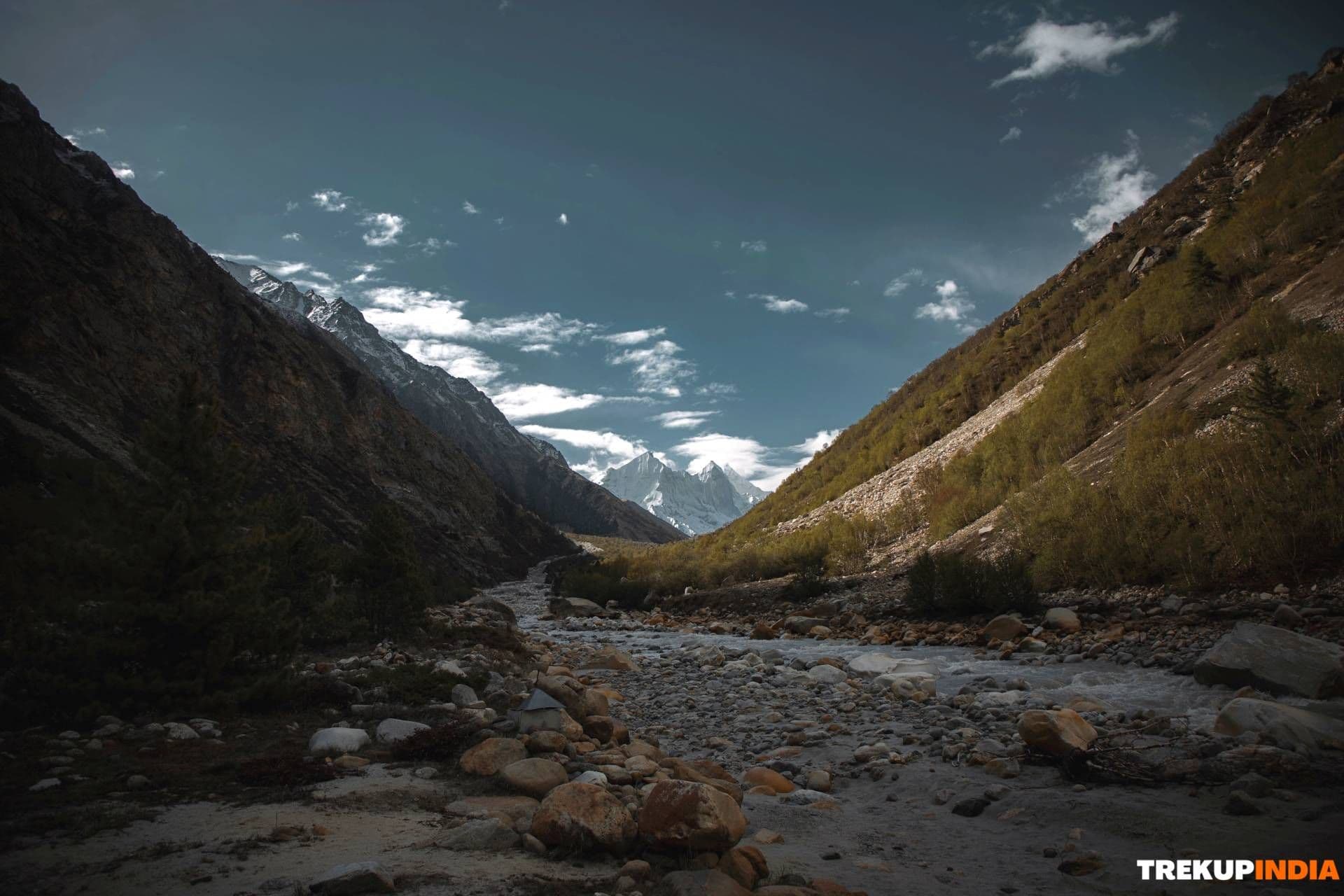
Gaumukh Tapovan Trek – A Majestic Himalayan AdventureThe Gaumukh Tapovan Trek is a highly sought-after and respected trekking destination in the country. This trek offers both the excitement of trekking at high altitudes and the profound spiritual experience of visiting the sacred Gangotri Temple. Gaumukh, the source of the holy Ganges River, is a natural wonder and holds great importance in Hindu mythology. The trek begins in Gangotri, a small town around 3,100 metres above sea level, known for the ancient Gangotri Temple dedicated to Goddess Ganga. Starting from here, trekkers embark on a captivating journey through dense forests, ancient glaciers, and awe-inspiring landscapes, ultimately reaching the iconic Gaumukh Glacier. The trek culminates in the breathtaking Tapovan, a spacious meadow at an impressive altitude of approximately 4,450 meters amidst the awe-inspiring peaks of Shivling, Meru, and Bhagirathi. This tranquil setting is a sacred meditation spot for spiritual seekers and ascetics. Embark on a picturesque adventure through the majestic Garhwal Himalayas with the Gaumukh Tapovan Trek, a breathtaking journey that spans eight days and covers a distance of around 46 km. The journey begins at Gangotri, a sacred town where hikers can visit the revered Gangotri Temple, which is dedicated to Goddess Ganga, the source of the Ganges River. The initial part of the hike leads through dense forests of pine and birch trees, running alongside the Bhagirathi River until reaching the picturesque camping site of Chirbasa. Following the Bhagirathi River, the trail guides hikers to Bhojbasa, a captivating meadow surrounded by magnificent mountain vistas. The highlight of the trek is Gaumukh, where the Gangotri Glacier starts, resembling a cow’s mouth and lending its name to the place. After Gaumukh, hikers continue their ascent towards Tapovan, an expansive high-altitude meadow encircled by towering peaks such as Shivling, Meru, and Bhagirathi. This peaceful location is considered a spiritual hub and is renowned for its awe-inspiring panoramic views. The Holy Gangotri Temple – The excursion starts with a trip to the revered Gangotri Temple, a prominent religious site for Hindus, as it is thought to be where the holy river Ganges flowed down to the planet. Gaumukh Glacier – Witnessing the breathtaking beauty of the Gaumukh Glacier, the origin of the revered Ganges River, is an unforgettable experience. The stunning ice formations and the majestic mountain scenery leave trekkers in admiration of nature’s magnificence. Breathtaking Vistas of the Mountains – Along the journey, adventurers are greeted with awe-inspiring views of towering snow-capped mountains, including the impressive Shivling, Meru, and Bhagirathi formations. The Gangotri Temple is a sacred Hindu pilgrimage site with great historical and cultural significance located in the picturesque town of Gangotri, India. Dedicated to Goddess Ganga, the temple is an iconic symbol of spirituality, faith, and devotion. The temple’s history dates back to the 18th century when a Nepali king built it. Since then, it has been a popular destination for devotees seeking spiritual enlightenment and blessings. The temple’s architecture blends Indian and Nepali styles, showcasing intricate carvings and ornate designs that add to its beauty and charm. The Gangotri Temple is nestled amidst the breathtaking Garhwal Himalayas, offering a tranquil atmosphere that enhances the spiritual experience of visitors. The temple’s location is also significant, as it is situated near the holy river Ganga, which is believed to have healing powers and is considered sacred in Hinduism. The temple’s significance is not limited to its architectural beauty or picturesque location. It is also an important site for religious rituals and ceremonies, such as the Ganga Aarti, which occurs twice daily. During this ceremony, devotees light lamps and offer prayers to the river, seeking blessings and spiritual guidance. In addition to its religious importance, the Gangotri Temple is also a popular destination for trekkers and nature enthusiasts. The temple is accessible only by foot, and the trek to the temple offers breathtaking views of the surrounding mountains and valleys. The Gangotri Temple symbolizes faith, devotion, and spirituality, attracting millions of devotees and tourists annually. Its rich history, stunning architecture, and picturesque location make it a must-visit destination for anyone seeking a deeper connection with the divine and the natural world. Gangotri is a holy pilgrimage site in Uttarakhand, one of the Char Dham sites. It is a crucial destination for Hindu followers who seek spiritual cleansing and divine blessings. Throughout the year, the temple remains a hub of active religious practices. Devotees arrive to offer prayers and partake in various rituals, seeking prosperity and good health. Ganga Dussehra, a major festival celebrated at Gangotri, memorializes the descent of the river Ganga onto Earth. The trek to Gangotri Temple and Gaumukh Tapovan is a remarkable journey that combines spirituality and adventure. When you enter Gangotri National Park, you are immediately struck by the immense importance of this area in Hindu folklore and its stunning natural surroundings. Suppose you strongly desire to visit the Himalayas to find spiritual enlightenment. In that case, the journey to Gangotri Temple and Gaumukh Tapovan Trek awaits you, ready to envelop you in its life-changing embrace! Embark on the Gaumukh Tapovan Trek for a one-of-a-kind chance to rediscover your inner being, purify your soul, and expand your consciousness to the enigmas of the cosmos. Seize the opportunity to abandon the ordinary and welcome the extraordinary! Click here to book Gaumukh Tapovan Trek
Trek GuideBy Preetam Singh Rawat|Feb 24, 2026
Top 11 Best Himalayan Treks in SummerEmbarking on a new year, we desire to continue exploring and creating unforgettable experiences. The vast playground of mountains offers a chance to find inner peace, contemplate life’s meaning, and write new chapters in our personal stories. Nature’s majesty has the power to both humble and uplift us, and we’re excited to share our fantastic Himalayan adventures with you to make the coming year genuinely unforgettable. Explore the majestic Himalayas and experience India’s top for young Indians. You may have listened to your friends discussing it, come across articles, or admired photographs. However, only by being there in person can you truly grasp the breathtaking beauty and appreciate the incredible fortune of having these enchanting summer trek destinations so easily accessible in India. The summer season is an ideal time to take a break from your daily routine and embark on a thrilling adventure. After countless hours of hard work throughout the year, you owe it to yourself to indulge in a fun-filled vacation that promises amusement, excitement, and an opportunity to connect with nature. If you’re considering a summer trek, why not explore some uncharted territories? In this article, we’ve compiled a list of India’s best summer trek destinations that are perfect for you and your loved ones to create lifelong memories. Therefore, you must incorporate these distinctive paths into your plans. As a result, I present to you the ultimate selection of must-visit trekking routes in the Himalayas. Nestled in the picturesque Garhwal region of Uttarakhand, India, the Har Ki Dun trek is a nature lover’s paradise. This enchanting adventure offers a unique blend of breathtaking scenery, diverse flora and fauna, and rich cultural heritage. As you embark on this captivating journey, you’ll traverse lush forests, idyllic meadows, and charming villages, each offering a glimpse into the majesty of the Himalayas. The Trek’s crown jewel is the Har Ki Dun Valley, boasting awe-inspiring views of snow-capped peaks and a glacial basin. With its tranquil atmosphere and stunning vistas, this Trek is an unmissable experience for anyone who loves nature, adventure, and the great outdoors. Key highlights of the Trek include: Location: Har Ki Dun is nestled in the western Garhwal Himalayas, specifically in the Uttarkashi district of Uttarakhand, India. The journey to this picturesque destination begins in the quaint village of Sankri, which serves as the starting point for the Trek. Duration: Typical duration for the Trek is typically between 6 and 7 days, encompassing a total distance of roughly 46 kilometers (28 miles). Nevertheless, the duration may differ depending on the speed and selected route. Difficulty Level: The Trek is classified as easy-moderate, appropriate for beginners and seasoned trekkers. The route consists of gradual inclines and declines, including some steep parts. Cultural Significance: The area’s cultural importance can also be seen in its deep roots in mythology and traditional stories. In Hindu mythology, it is believed that Har Ki Dun was the path followed by the Pandavas as they made their way to heaven. The valley is adorned with numerous small temples and sacred places honoring local gods and goddesses, further enhancing its cultural significance. Best Time to Trek: The optimal period for embarking on the Har Ki Dun trek is generally from April to June and September to November. During these timeframes, the weather conditions are relatively consistent, boasting clear skies and mild temperatures, thus providing a favorable environment for a pleasant trekking experience. Cultural Significance: The area’s cultural importance can also be seen in its deep roots in mythology and traditional stories. In Hindu mythology, it is believed that Har Ki Dun was the path followed by the Pandavas as they made their way to heaven. The valley is adorned with numerous small temples and sacred places honoring local gods and goddesses, further enhancing its cultural significance. The Buran Ghati trek is an exhilarating high-altitude adventure in India’s Himachal Pradesh region. This captivating journey through the Indian Himalayas offers a thrilling experience for nature lovers and adventure seekers. With its breathtaking landscapes, including vibrant meadows, majestic snow-capped peaks, and crystal-clear alpine lakes, the Buran Ghati trek is a visual feast. The challenging terrain and crossing of the Buran Pass add an extra layer of excitement, making it a must-do trek for those craving an adrenaline rush in the mountains. Here are some key points about this Trek: Location: The Buran Ghati trek is positioned in the Shimla district of Himachal Pradesh, India, and offers a captivating journey that commences in the charming town of Shimla and culminates in the picturesque Barua village. Duration: Typically lasting 7 to 8 days, the Buran Ghati trek covers roughly 55 to 60 kilometers (34 to 37 miles). Nevertheless, the exact length can differ based on the particular itinerary selected. Difficulty Level: The Trek is graded moderate to challenging due to its varied terrain, including meadows, forests, rocky trails, steep inclines, and descents. The route also features challenging sections, such as the Buran Ghati Pass, which stands at approximately 15,000 feet (4,572 meters). Best Time to Trek: Ideal Trekking Season: The optimal period for embarking on the Buran Ghati trek typically falls between the middle of May and the middle of June, as well as between the middle of September and the middle of October. Throughout these time frames, the climate is typically advantageous, featuring clear skies and agreeable temperatures, rendering it a perfect choice for trekking. Nestled in the heart of the Himalayas, the Phulara Ridge Trek is a thrilling adventure that promises to captivate your senses. With its picturesque landscape, this moderate-level Trek offers a perfect blend of excitement and serenity, making it accessible to both seasoned hikers and novice explorers. Here are some key highlights of the Phulara Ridge Trek: Location: The Phulara Ridge Trek is located in Sankari, Uttarakhand. Trek Difficulty: Ridge treks often entail traversing the crest of a mountain range, affording breathtaking vistas of the adjacent valleys and peaks. Trek Difficulty: The Phulara Ridge Trek is categorized as a moderate-level trek, making it perfect for someone new to hiking but in good physical condition. The Trek spans four days, each consisting of an average of 5 hours. Best Time to Trek: Similar to other hikes in the Himalayas, the most suitable period for embarking on the Phulara Ridge Trek is in the summer (May to June) and after the monsoon season (September to October). These months offer more stable weather conditions and easier access to the trails. Play Video Nestled in the majestic Garhwal region of the Himalayas, the Kedarkantha Trek is a renowned winter trekking route that enchants adventure seekers and nature lovers alike. This Uttarakhand trek offers a one-of-a-kind experience, with its breathtaking vistas, lush forests, and snow-capped peaks painting a picture-perfect landscape. The Kedarkantha trek is a must-visit for those looking to embark on a thrilling mountain adventure, complete with unforgettable memories. Key highlights of this trek include: Location: The journey typically commences from a settlement known as Sankri, situated within the Uttarkashi region of Uttarakhand. Sankri is the starting point for numerous treks, including the Kedarkantha Trek. Duration: The Kedarkantha Trek usually takes around 4 to 6 days to complete, covering a total distance of about 20 kilometers (12 miles) there and back. The actual duration may be shorter or longer, depending on your chosen route and how quickly your group moves. Level of Difficulty: The Kedarkantha Trek is categorized as having a moderate level of difficulty, which means it is appropriate for both novice and seasoned trekkers. The route consists of gradual climbs and descents as you pass through pine forests, meadows, and snowy terrains. Best Time To Trek: Optimal Period for Exploration: January to June and September to December are deemed the most favorable for embarking on the Kedarkantha Trek, as the region experiences snowfall, metamorphosing the terrain into a breathtaking winter landscape. Be prepared, however, to face chilly temperatures and snowy conditions, particularly at higher elevations. Scenery: The journey presents breathtaking sights of the nearby Himalayan mountains like Swargarohini, Bandarpoonch, and Kala Nag. Hikers will traverse through thick woods filled with oak, pine, and rhododendron trees, picturesque meadows, and delightful villages. The most remarkable part of the trek is reaching the top of Kedarkantha, where one can enjoy sweeping views of the snow-covered peaks and valleys. The captivating Ali Bedni Bugyal trek in the picturesque Garhwal region of Uttarakhand, India, offers an unforgettable journey through breathtaking landscapes. This thrilling adventure takes you through lush green meadows and enchanting forests and offers panoramic views of the majestic Himalayan peaks. As you tread along the trail, you’ll have the opportunity to immerse yourself in local culture and traditions and catch glimpses of picturesque villages. This Trek is a must-visit for anyone seeking to experience the beauty of the Himalayas up close. Here are some key highlights of the Ali Bedni Bugyal trek: Location: The village of Lohajung in Chamoli district, Uttarakhand, serves as the jumping-off point for numerous regional treks, including the picturesque Ali Bedni Bugyal trek. Duration: The length of the Trek can differ depending on the itinerary and pace of the group, but generally, it takes around 4 to 6 days to finish, covering a distance of about 15 to 20 kilometers (9 to 12 miles) each way. Difficulty Level: The Ali Bedni Bugyal trek offers a challenge that’s just right for both seasoned hikers and those new to trekking, with a moderate difficulty level that takes you through lush forests, picturesque meadows, and alpine pastures with gradual inclines and declines. Best Time to Visit: The optimal time to embark on the Ali Bedni Bugyal trek is between May and June and September to October. During these periods, the climatic conditions are generally pleasant, with clear skies, moderate temperatures, and abundant flora in bloom, creating an ideal setting for a successful trek. The Bali Pass Trek is an arduous trek at high altitudes found in the Uttarakhand area of India, specifically within the Govind Wildlife Sanctuary in the Garhwal Himalayas. This Trek provides outdoor enthusiasts with a one-of-a-kind experience due to its stunning natural beauty and awe-inspiring vistas. Trekkers will traverse verdant meadows, dense woodlands, and picturesque scenery throughout the journey, ultimately reaching the magnificent Bali Pass. This Trek is renowned for its challenging terrain and demanding climbs, making it an exhilarating and fulfilling pursuit for those seeking adventure. Here are a few essential details about this Trek: Location: Starting from the charming village of Sankri in the Uttarkashi district of Uttarakhand, the Bali Pass Trek takes you through the Govind Wildlife Sanctuary and concludes in the village of Yamunotri, famous for its ancient temple devoted to Goddess Yamuna. Duration: The Bali Pass Trek typically takes 7 to 9 days to complete, spanning around 70 to 80 kilometers (43 to 50 miles) there and back. However, the duration may differ depending on the chosen itinerary and the group’s hiking pace. Difficulty Level: The Bali Pass Trek is classified as having a moderate to challenging difficulty level, making it appropriate for seasoned hikers in good physical condition and having previous experience with trekking at high altitudes. The route consists of steep climbs, uneven ground, snowy areas, and the need to navigate around glacial debris. Scenery: The journey promises to be a visual feast, with breathtaking vistas of the Himalayan mountains, including Bandarpoonch, Kalanag, and Swargarohini. Trekkers will traverse various landscapes, including lush forests, alpine meadows, glacial valleys, and high mountain passes. The pinnacle of the Trek is crossing the Bali Pass, standing tall at an altitude of approximately 4,900 meters (16,076 feet), which offers 360-degree views of the surrounding peaks and valleys. Best Time to Visit: Ideal for the Trek to the Bali Pass Trek, best enjoyed between June and September when the weather is pleasant, offering clear skies, mild temperatures, and minimal rainfall. It is essential, however, for trekkers to be ready for potentially unpredictable weather conditions in the higher parts of the route. The Rupin Pass trek is an unforgettable experience, offering a mix of breathtaking scenery and challenging terrain. Located in the picturesque state of Himachal Pradesh, this Trek takes you through a diverse landscape of rocky paths, dense forests, and gushing rivers, providing a thrilling adventure for outdoor enthusiasts. The stunning views of snow-capped mountains and lush meadows make the journey even more rewarding. Whether you’re a seasoned hiker or a nature lover, the Rupin Pass trek is an excellent opportunity to immerse yourself in the beauty of the Indian Himalayas and create memories that will last a lifetime. Location: The Rupin Pass trek embarks from the quaint village of Jiskiun, nestled in the picturesque Himachal Pradesh region, and culminates in the breathtaking Sangla Valley of Himachal Pradesh. The journey encompasses diverse landscapes, including secluded villages, lush forests, verdant alpine meadows, and towering snow-capped mountain passes. Duration: Typically, the Rupin Pass trek takes about 7 to 8 days to complete, covering a distance of approximately 40.2 km kilometers in one direction. However, the exact length of the Trek may differ based on the chosen itinerary and the speed at which the trekking group moves. Difficulty Level: The Rupin Pass trek requires moderate to high physical endurance and previous trekking experience. The trail includes challenging elements such as steep inclines, descents, river crossings, and navigating through rocky terrain. It is not recommended for beginners or those who are not in good physical shape. Best Time to Trek: The optimal time to embark on the Rupin Pass trek is typically mid-May to mid-June and mid-September to mid-October. These timeframes offer pleasant weather conditions, including clear skies, moderate temperatures, and minimal rainfall, creating an ideal environment for a successful trek. The Gaumukh Tapovan Trek is a well-known Uttarakhand, India. It provides stunning views of mountains covered in snow, untouched glaciers, and a peaceful alpine atmosphere. Hikers also have the opportunity to see the origin of the sacred Ganges River, called Gaumukh, which adds a spiritual element to the journey. The Trek’s difficulty, combined with the region’s natural beauty and cultural importance, makes the Gaumukh Tapovan Trek a must-do adventure for those who appreciate nature and seek spiritual fulfillment. Here are the main highlights of this Trek: Location: From Gangotri town in Uttarkashi district, the expedition takes you to Gaumukh, where the Gangotri Glacier ends and the River Ganges originates. Beyond Gaumukh lies Tapovan, a scenic meadow situated at a high altitude. Duration: The Gaumukh Tapovan Trek usually takes about days to complete, covering 25 kilometers (12 to 15 miles) in one direction. The exact length of time can differ depending on the chosen itinerary and the speed at which the trekking group moves. Difficulty Level: Level of Difficulty: The Trek is classified as moderately complex. Although the path is moderate, it entails hiking at great heights, encountering steep inclines and declines, traversing rocky terrain, and crossing rivers. Scenery: The Trek presents breathtaking vistas of the Himalayan mountains, including Shivling, Meru, Bhagirathi Massif, and the Gangotri Glacier. Trekkers journey through various landscapes, including lush pine forests, alpine meadows, and rocky terrain, with the glacial moraines adding a unique touch to the landscape. The culmination of the Trek is a visit to Gaumukh, where trekkers are treated to a spectacular view of the glacier and the birthplace of the Ganges River. Best Time to Trek: The optimal time to embark on the Gaumukh Tapovan Trek is typically from May to June and September to October. These periods offer the most favorable weather conditions, with clear skies, mild temperatures, and minimal rainfall, making it an ideal time for trekking. However, it’s essential to be prepared for unpredictable weather conditions in the high-altitude regions. The Pangarchulla Peak Trek is a well-known hiking trail in the Garhwal area of Uttarakhand, India. It is an enthralling expedition found in the Indian Himalayas’ Garhwal region. Offering astonishing sights of snow-covered peaks and peaceful alpine meadows, this Trek guarantees an enchanting experience for nature lovers and thrill-seekers. The demanding climb to Pangarchulla Peak, which stands at 14,700 feet, grants trekkers extensive views of magnificent mountains like Nanda Devi and Dronagiri. Embark on this thrilling journey to witness the untouched splendor of the Himalayas and make everlasting memories. Here are some essential details regarding this Trek: Location: Starting point: The village of Joshimath in Uttarakhand’s Chamoli district serves as the jumping-off point for our adventure. As the base camp, Joshimath offers easy access to several treks in the surrounding area, including the exciting Pangarchulla Peak Trek. Duration: The Pangarchulla Peak Trek usually takes around 5 to 6 days to complete, covering a total distance of approximately 30 to 35 kilometers (18 to 22 miles) there and back. However, the actual length of the Trek may differ depending on the chosen itinerary and the group’s hiking speed. Difficulty Level: The Pangarchulla Peak Trek is classified as moderately challenging, which means it is appropriate for both novice trekkers with some previous experience and experienced trekkers. The path includes gentle inclines, uneven ground, and steep areas. Best Time to Trek: The ideal period for undertaking the Pangarchulla Peak Trek is typically between April and June, as well as September and November. Within this timeframe, the weather conditions are generally favorable, characterized by clear skies, mild temperatures, and minimal rainfall, creating perfect conditions for trekking. The Kedartal Trek is an arduous located in Uttarakhand, India. Found at an elevation of 4,912 meters, it presents awe-inspiring panoramas of nearby summits and the untouched Kedartal Lake. This Trek is renowned for its demanding landscape and is ideal for seasoned hikers. The route guides you through verdant meadows, thick forests, and icy debris, creating a memorable and thrilling journey for admirers of the natural world. Here are a few notable aspects of this Trek: Location: The journey begins in the picturesque town of Gangotri, in the Uttarkashi district of Uttarakhand. Destination: Kedartal, a breathtaking glacial lake nestled at the base of the awe-inspiring Thalay Sagar peak, within the bounds of the stunning Gangotri National Park. Duration: The Kedartal Trek usually takes 6 to 7 days to complete, spanning roughly 17 to 20 kilometers (10 to 12 miles) in one direction. However, the actual length of time may differ based on the chosen itinerary and the speed at which the trekking group progresses. Difficulty Level: The Kedartal Trek presents a physical challenge with moderate to difficult difficulty. High-altitude trekking comes with steep inclines and declines, rocky terrain, and unpredictable weather, especially during the monsoon season. Scenery: The journey presents awe-inspiring vistas of the nearby Himalayan summits, such as Thalay Sagar, Bhrigupanth, and Meru. Hikers will traverse through thick woodlands, high-altitude grasslands, icy formations, and rugged landscapes. The pinnacle of the Trek is reaching Kedartal, where adventurers are granted the captivating spectacle of the vibrant green lake encircled by majestic peaks. Best Time to Trek: Ideal for trekking, the optimal period to embark on Trek typically falls between May, September, and October. Throughout these months, the climate is generally advantageous, characterized by clear skies, moderate temperatures, and scant rainfall. Trekkers must be ready for erratic weather patterns in the elevated areas. The Goechala Trek is a famous and challenging hiking trail in Sikkim, India’s northeastern region. Positioned in the untouched Himalayan area, this trek presents stunning perspectives of mountains covered in snow, green valleys, and colorful rhododendron forests. With its demanding yet satisfying landscape, the Goechala trek is a necessary destination for nature lovers searching for an extraordinary adventure. Below are some noteworthy details about this trek: Location: The adventure begins in the charming town of Yuksom, nestled in the West Sikkim district of Sikkim, India. The path takes explorers through the breathtaking Kanchenjunga National Park, culminating in the awe-inspiring Goechala Pass. Duration: The Goechala Trek usually takes around 8 to 10 days to complete, covering roughly 90 to 100 kilometers (55 to 62 miles) there and back. However, the actual length of the trek may differ based on the chosen route and the group’s hiking speed. Scenery: The journey provides awe-inspiring vistas of towering Himalayan peaks, including the majestic Mount Kanchenjunga, the planet’s third-highest summit. Hikers venture through diverse landscapes, including lush forests, picturesque alpine meadows, and rugged glacial moraines, culminating in the breathtaking Goechala Pass, which offers 360-degree views of the surrounding snow-capped giants. Best Time to Trek: The optimal period for embarking on the Goechala Trek is typically between April and June, as well as September and November. The climate is generally advantageous throughout this duration, featuring unclouded skies, moderate temperatures, and minimal rainfall, which is perfect for trekking. Nevertheless, trekkers must be ready for uncertain weather circumstances in the elevated areas.
Trek GuideBy Preetam Singh Rawat|Feb 24, 2026
Why Trekkers Love Har Ki Dun TrekThe Har Ki Dun Trek is popular among trekkers for several reasons. Beginit’s mesmerizing natural beauty is captivating, offering stunning views of snow-capped mountains, green meadows, and clear streams. The trail perfectly balances excitement and accessibility, making it suitable for both seasoned hikers and novices. The chance to experience the untouched charm of remote Himalayan villages, immerse oneself in their vibrant culture, and enjoy their warm hospitality adds an extra layer of appeal to this trek. Moreover, the Har Ki Dun Valley is a gateway to exploring the diverse wildlife and plant species in the Govind National Park. Finally, the sense of achievement and inner tranquility accompanying completing the Har Ki Dun Trek motivates hikers who desire personal growth and a deeper connection with nature. The village was a realm of timeless traditions, where life moved unhurriedly, and the inhabitants cultivated the land in harmony with the seasons. The villagers’ vibrant attire, skillfully crafted from various colors, adds vitality to the scenery. The sacred rituals at the temple, the rhythmic pulses of the village drum, and the age-old design of the homes all contributed to an atmosphere that felt frozen in time. The villagers’ folklore and melodies further enriched this captivating tapestry of history and artistry, inviting visitors to immerse themselves in a world untouched by modernity. It is not surprising that at Trekup India, we have consistently emphasized that this trek is among the most culturally diverse in India. Starting from the starting point at Saur / Sankari, you will immediately sense a profound appreciation for the local culture and a feeling of being transported to a bygone era. The picturesque Har Ki Dun valley, also known as Ranwai Ghati or Parvat Ghati, is nestled near the borders of Uttarakhand and Himachal and is adjacent to the Jaunsar Baawar tribal area. As a result, the region boasts a rich cultural heritage that blends elements from Himachali, Jaunsari, and Ranwai traditions, making it a captivating treasure trove of history and heritage. The charm of the past permeates the air in saur / Sankri, the base camp for the Har Ki Dun trek, where ancient architecture and intricate carvings await your discovery. Some centuries-old wooden houses stand tall and proud, their façades and pillars adorned with delicate floral and leaf patterns and the occasional majestic tiger. The smooth carvings evoke a sense of history and craftsmanship, inviting you to touch and appreciate their beauty. The sweet aroma of Deodar wood fills the air, a testament to the durability and strength of this robust timber, perfect for constructing sturdy homes that have withstood the test of time. The dwellings’ roofs are crafted from a locally sourced, grey stone material known as Pathaal, which is expertly shaped and polished by skilled artisans who deeply understand measurement, cutting, and polishing techniques. The wooden houses can reach up to five levels in height and are designated by the number of floors they have, with two floors being referred to as Dwipura, three floors as Tripura, four floors as Chaupura, and so forth. When you are in Uttarkashi, which is about 8 hours away from Mori, make sure to visit Tiloth. You will find a Panchpura, a wooden house with five floors standing for about 300 years. Remember to inquire about the tale of Nar-Bijola from the locals, which revolves around two brave princes who compete for the affection of a beautiful princess and reside in that very house. It is quite captivating that these dwellings achieve a seamless combination of beauty andity. Typically, the lower level is designated for housing animals. Apart from offering a secure haven for cows or buffaloes, this area generates significant warmth due to the animal’s body heat. Consequently, it acts as insulation for the entire house. Engage courteously with the Saur / Sankari, Osla, or Gangaad residents; they will eagerly offer you a tour of their abode. If they like you, they might even treat you to a delicious pahadi tea, accompanied by enchanting tales of deities and demons from local lore. Our intricate details particularly adore the wooden carvings. These carvings showcase remarkable beauty, with the snow-capped mountains as a stunning backdrop. During your journey, you will encounter numerous temples devoted to the deities of the area, both in the villages and along the path. It will become apparent that the locals profoundly respect the Mahabharata. However, what will astonish you is their practice of venerating the Pandavas and offering prayers to the Kauravas. During your journey to Osla, you will stumble upon a sacred place solely devoted to Duryodhana, the ruler of the Kauravas. It is worth noting that the Poruvazhy Peruviruthy Malanada temple in Kerala is the sole other recognized shrine dedicated to him. Located in Osla, this magnificent wooden temple boasts three chambers and is embellished with bells and prayer flags. Take note of the intricately carved pillars at the temple’s front and back, which showcase the skill of ancient Hindu architects. Although the temple has been renamed The Someshwar Temple and rededicated to Shiva, the age-old tradition of drumming thrice daily in honor of Duryodhana remains unchanged, a testament to the enduring cultural heritage of the region. Legend has it that Duryodhana sought the favor of Lord Mahasu, the deity of this region, to obtain a portion of this valley to protect its inhabitants and wildlife. Granting Duryodhana’s request, Lord Mahasu entrusted him with overseeing the affairs of the people in this territory. Following the war, when both Duryodhana and the Kauravas met their demise, the people of his kingdom mourned their loss, their tears transforming into the river Tamsa – a sorrowful river that continues to flow through this valley. During the second week of July, a vibrant Doli procession featuring Duryodhana and lively celebratory sounds from the temple courtyard can be expected in Osla. It is believed by some that the city of Dehradun owes its name to the legendary character of Duryodhan, a figure from Hindu mythology. The city’s name’s origins are shrouded in mystery and legend, highlighting the significant role that myth and folklore play in shaping a culture’s identity. The yearly Melas in the mountains are an utterly distinct event. They are brimming with traditional practices and ceremonies that make participating in one a genuinely one-of-a-kind experience. Suppose you find yourself at Har-Ki-Dun during January or September. In that case, you will be welcomed to joyous festivities where vibrantly dressed villagers gather together, singing and dancing to regional folk songs. The Har-Ki-Dun Valley hosts two types of festivals. The first is the Magh Mela, an annual fair in January, as is customary in many areas of Uttarakhand. However, the second fair, which occurs during the Monsoon months of July, August, and September, is even more captivating. This particular fair is held at night and serves as a gathering for joyful celebrations and a surprising venue for eloping couples. Numerous young pairs opt to elope during these nocturnal Melas. This custom is predominantly observed by individuals from diverse castes or financially disadvantaged backgrounds, lacking the means to organize a formal wedding celebration. The couple then resides briefly at a family member’s residence, during which elders from the bride’s village visit and discuss with the “fugitive” couple. In this scenario, the young woman’s perspective is acknowledged, and the elders’ approval determines the societal acceptance of the marriage. If you have intentions of pursuing a comparable course of action, make sure to inform your trek guide so that he can locate you at a later time. A different and distinct marriage tradition is the idea of Bride Price, which requires the groom’s family to give livestock, referred to as Pashu Dhan, as payment. Typically, this custom is observed by affluent families residing in rural areas. Visitors to this place are struck by the impressive architecture and the vibrant attire worn by the locals. The village residents typically create their traditional garments, wooden handlooms, and natural dyes for coloring (although synthetic dyes are increasingly replacing natural ones). In your journey, you will encounter individuals donning coarse. This textile is crafted from wool and is fashioned into upper and lower clothing items like waistcoats called Sadri, full coats known as Farzi, and trousers called Suthan. These garments provide exceptional warmth, effectively protecting against freezing temperatures, even in sub-zero conditions! The women in this region wear traditional headgear and jewelry but switch to lighter clothing during the summer. If you’re interested in seeing the local handlooms, ask a villager from Osla or Gangaad, and they’ll be more than happy to give you a tour of their homes and show you their handlooms. While traveling through the villages, you will come across water mills called Gharat in the local dialect. These mills are constructed from wood and use flowing water energy to grind grains. The initial camping spot, Puani Gharat, derives its name from this practice. Puani means water, and Gharat represents the grindstone. Inside a modest hut, you will discover this traditional water-powered grindstone. Along your journey, you’ll encounter numerous fully operational Gharats in villages such as Osla, Gangaad, Seema, Dhatmir, and Dharkot. These traditional water mills play a vital role in the local communities, where they crush millets like Ragi and Jhangora for household use. In addition to everything mentioned, you will have the opportunity to experience the region’s flavors through Lengde (a type of local fern), the untamed mushrooms, Rye, and Palak (local leafy greens). You can also immerse yourself in the local culture by dancing to traditional folk songs, trying out the Raso or Nati dance steps, or simply observing the women singing heartfelt songs of love and sorrow while toiling in the fields. During the majority of hiking expeditions, it is necessary to allocate one or two hours away from the path to come across a culture that has been firmly established. This is what sets the Har Ki Dun trek apart. In this case, you will encounter this culture directly alongside your route, allowing you to fully immerse yourself and appreciate it. Book Har Ki Dun Trek Here
Trek GuideBy Preetam Singh Rawat|Feb 19, 2026
Preparing for a Winter Trek in the Himalayas: Essential Information and TipsThe winters in the Himalayas can be harsh, but they also offer an excellent opportunity for trekking. To fully enjoy a trek during this season, it is crucial to make proper preparations. Neglecting simple tasks such as wearing appropriate layers or bringing a thermos can lead to unnecessary discomfort. Unfortunately, we often forget about these small details. As winter treks approach, I will provide a detailed guide on preparing for a trek in the Himalayan winter. Many people wonder about the difficulty of trekking in the Himalayas during winter, particularly if they are beginners. The answer is that while it is not excessively challenging for beginners, it is more demanding than trekking in other seasons. Winter trekking involves two additional obstacles: cold temperatures and snow. However, the good news is that even beginners can easily overcome these challenges. To conquer negative temperatures, the key is to dress in layers. Regardless of your hometown’s climate, whether sweltering Chennai or humid Mumbai, layering up will help you brave a Himalayan winter. Here’s a helpful tip: pack five warm layers, including a pair of thermals for chilly nights, two sweaters, a fleece jacket, and a padded jacket. Remember to bring warm accessories like a woolen cap, gloves, woolen socks for nighttime, and a neck warmer. With these essentials, you’ll be able to face even the coldest nights with confidence. Check Out here – Essential Layers To Wear For A Himalayan Winter Trek. Recognizing the optimal moment to add layers to your outfit is crucial. Many hikers make the novice error of postponing layering following a day’s trek. Their bodies are still warm from physical activity and don’t feel chilly when this occurs. However, this is precisely when they should begin putting on additional layers. During a trek, the body generates heat through physical effort, making additional layers unnecessary. Nevertheless, after the trek, the body starts to cool down and lose heat. To prevent this heat loss, it’s essential to layer up and change into something dry immediately after completing your daily trek. This helps maintain core body temperature. During other times of the year, trekking involves walking on uncovered ground without concerns. However, during winter, once you ascend to a specific elevation (typically above 9,000 feet), there is no more uncovered ground. Instead, every step you take is on snow. This presents a challenge when the snow reaches above ankle level, as your foot sinks in and requires exertion to lift it and take the next step. There are several methods for addressing this snowy situation. The snow layer is relatively thin in December, but it gradually deepens throughout January, February, and early March. Remember the following tips during these months to ensure a successful and safe trek. This is a traditional technique that all mountaineers and trekkers adhere to. Walking on snow during the early hours of the day, well before the sun rises, is advisable. The snow becomes firm and compact in freezing temperatures at night. Walking on hard, packed snow is more manageable as your feet won’t sink. Please note that you will need equipment such as microspikes attached to your shoes for traction on the hard snow. During your trek, this equipment will be provided at the camp by Trekup India trek leaders. However, as the sun rises, the snow starts to soften and melt, causing your feet to sink. Therefore, it is ideal to begin your ascent to the summit (where the snow is highest) by 5 am. The aim is to finish your day’s activities before noon. When walking on snow, the depth of the snow can be a significant hazard and cause trekkers to feel unsteady and fearful. However, there is usually a clear trail to follow when trekking in winter. Previous hikers have created this trail, and it is the easiest path to walk on. Even when walking in a line, it is best to step into the footprints of the hiker ahead of you. Each footprint creates a small depression in the snow, allowing you to gauge the depth and slope of the terrain. Doing this allows you to maintain balance and stability while walking on snow. If you are trekking with Trekup India, we will furnish you with microspikes and gaiters that can be affixed to your footwear. These will be given to you right before you enter snowy terrain. Microspikes offer exceptional traction on snow, akin to Spiderman’s grip. Gaiters safeguard the opening of your shoes, preventing snow from seeping inside. This ensures your feet remain dry and cozy. It is widely known that hiking in snowy conditions is more exhausting than walking in normal conditions. Therefore, it is crucial to consider the importance of preparing your body for this challenge. Preparing for a winter trek requires more effort than trekking in other seasons. Even a trek considered “easy-moderate” in non-winter conditions, like the Kedarkantha trek, becomes “moderate” in winter. It is essential to begin your preparation 1.5-2 months in advance. Aim to run 5 kilometers in under 40 minutes as part of your training. Many individuals interested in trekking express concern about their ability to attain the required level of physical fitness. This anxiety is often voiced by novice trekkers, older adventurers, or those planning to trek with children. To alleviate such worries, I am happy to share a straightforward and effective fitness routine to help you prepare for your trekking journey. Begin with brief runs of 1-2 kilometers daily, focusing on extending the distance gradually. Reach a comfortable 5-kilometer mark before shifting your attention to timing. Aim to decrease your running time by a few seconds daily, ultimately achieving a 40-minutes to cover 5 km. Allow ample preparation time by planning your trek at least two months ahead. During Himalayan winter treks such as Kedarkantha, Brahmatal, Marchoi Trek, Deoriatal – Chandrashila, Dayara Bugyal, Chadar Trek & Kuari Pass Trek the temperatures can reach negative numbers, dropping as low as -10 °C after sunset. Interestingly, it is coldest just after rain or snowfall, although not as cold during the actual snowfall. On average, expect daytime temperatures to range from 8 °C to 15 °C, allowing for trekking with only one or two layers during the day. Nighttime temperatures are usually between 3°C to -5°C, requiring the use of all five warm layers after sundown.