Trek GuideBy Preetam Singh Rawat|Apr 17, 2026
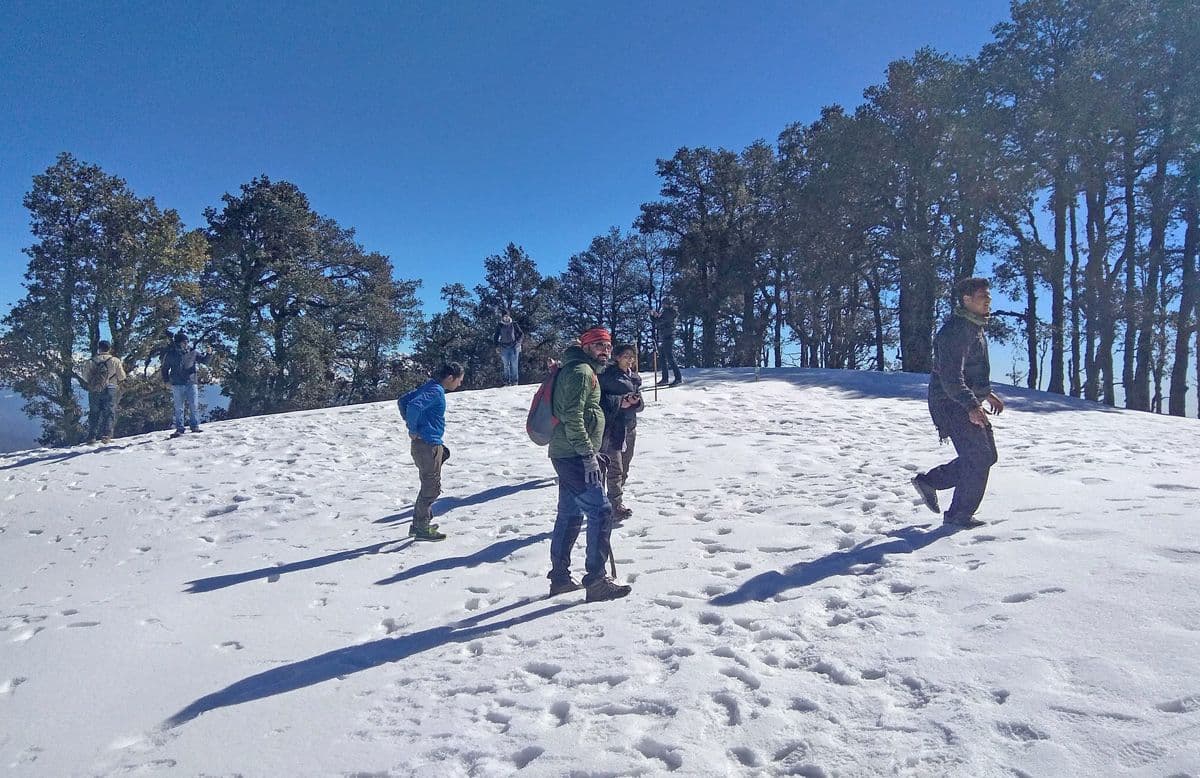
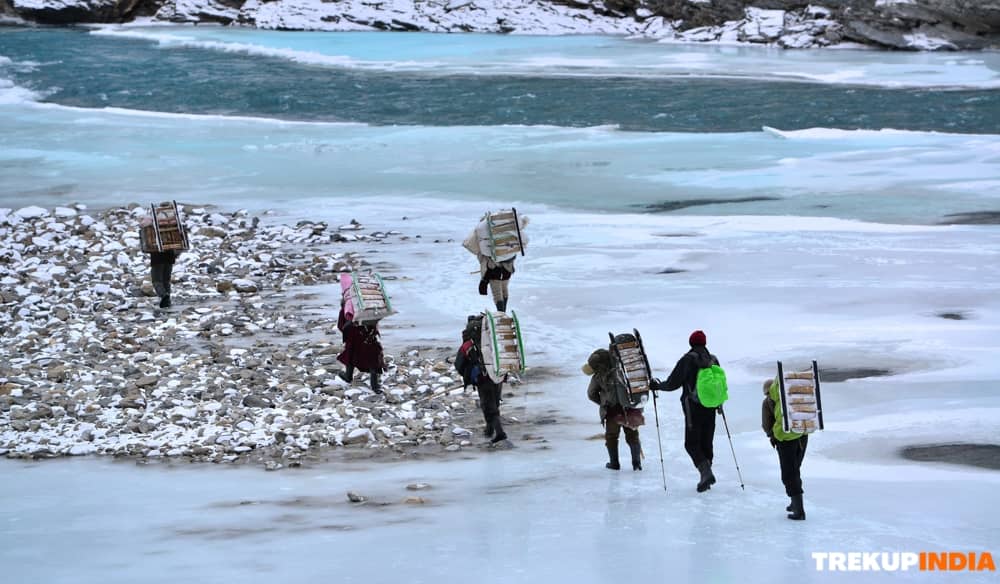
Top 8 winter treks during December, January, and February In HimalayasIf you’re looking for an unforgettable winter treks adventure, look no further than the Himalayas! In this post, I’ll share the top snowy treks to embark on in this breathtaking mountain range. Use this guide to help you choose the perfect winter trek that suits your interests and abilities. Get ready to experience the Himalayas like never before! Embark on a magical winter trek to Kedarkantha Trek in the picturesque Uttarkashi district of Uttarakhand, India. This esteemed trekking destination offers awe-inspiring views of snow-capped mountains, lush valleys, and dense forests, making it an ideal choice for both seasoned trekkers and beginners. The trail takes you through quaint villages, ancient temples, and serene meadows, providing a glimpse into the region’s rich cultural heritage. At an average altitude of 12,500 feet, the summit of Kedarkantha presents breathtaking panoramic views of famous peaks such as Swargarohini, Bandarpoonch, and Black Peak. The winter season is the best time to experience the true beauty of Kedarkantha, as the entire trail is blanketed in snow, creating a surreal ambiance for trekkers to explore. View All Kedarkantha Trek Details The Kuari Pass Trek is a thrilling adventure that promises to captivate your senses with its breathtaking beauty. Located in the picturesque Garhwal region of Uttarakhand, India, this trek takes you through dense forests, enchanting meadows, and charming villages. As you ascend to Kuari Pass, situated at an impressive elevation of 12,516 feet, you’ll be rewarded with awe-inspiring views of snow-capped peaks like Nanda Devi, Dronagiri, and Kamet. Whether you’re a seasoned trekker or a beginner, this trek offers a unique opportunity to connect with nature while challenging yourself physically. The Kuari Pass Trek is an unforgettable experience that will leave you with memories of stunning landscapes and a deeper appreciation for the beauty of the Himalayas. View All Kuari Pass Trek Details Nestled in the Indian state of Uttarakhand, the Brahmatal Trek is a sought-after adventure amidst the awe-inspiring Himalayas. This picturesque journey offers a visual feast of snow-capped mountains, untouched lakes, and lush forests, making it a haven for nature enthusiasts and thrill-seekers. As you tread along the trail, you’ll encounter charming meadows, quaint villages, and tranquil campsites, providing an unforgettable experience. With its moderate difficulty level, this trek caters to novice and seasoned trekkers. The crown jewel of this expedition is the breathtaking panorama of the towering Himalayan peaks, including Trishul and Nanda Ghunti, as seen from the summit of Brahmatal. View All Brahmatal Trek Details The Sandakphu Trek is an enchanting adventure that takes you through the picturesque landscapes of the Eastern Himalayas. Covering a distance of around 32 kilometers, this trek offers awe-inspiring views of the majestic Kanchenjunga, the third-tallest mountain in the world. It leads hikers through lush forests, charming villages, and trails adorned with rhododendrons, creating a delightful experience for those who appreciate nature. Additionally, reaching the summit of Sandakphu, the highest point in West Bengal, treats trekkers to panoramic vistas of the snow-covered Himalayan ranges. Combining its unique blend of natural beauty and challenging terrain, the Sandakphu Trek is a destination that adventure seekers and mountain enthusiasts should not miss. View All Sandakphu Trek Details The Chadar Trek, also recognized as the Frozen River Trek, is a one-of-a-kind adventure in the Zanskar region of Ladakh, India. During the winter, the trek takes place on a frozen river that transforms into a captivating ice pathway, providing an unforgettable experience. Towering cliffs and magnificent frozen waterfalls will surround Trekkers as they go through the icy terrain, which can be physically and mentally challenging. With sub-zero temperatures, the trek tests endurance and mental strength. Moreover, the Chadar Trek offers a unique opportunity to gain insight into the local culture and way of life as trekkers engage with the native Zanskari people residing in isolated villages along the route, making it a truly immersive experience. View All Chadar Trek Details Ali Bedni Bugyal, located in the Chamoli district of Uttarakhand, India, is a beautiful alpine meadow. It sits at an altitude of around 3,500 meters above the sea level, offering stunning panoramic views of the snow-covered peaks of the Himalayas. This charming meadow has colorful flowers and lush vegetation, attracting nature lovers and hikers. The pure and clear Bedni Kund, a lake, adds to the mesmerizing beauty of this magical landscape. With its peaceful atmosphere and captivating scenery, Ali Bedni Bugyal enchants visitors, providing a tranquil escape from the busy and noisy city life. View All Ali Bedni Bugyal Trek Details The Dayara Bugyal Trek is an enthralling hiking expedition in the Garhwal area of Uttarakhand, India. This picturesque trek provides an awe-inspiring journey, guiding hikers through vibrant green meadows, thick forests, and panoramic views of the magnificent peaks of the Himalayas. Starting from the charming village of Barsu, the trek gradually climbs towards the enchanting Bugyal, a high-altitude alpine meadow surrounded by snow-covered mountains. This trek is renowned for its varied plant and animal life, making it an excellent option for nature lovers. With its stunning landscapes and peaceful atmosphere, the Dayara Bugyal Trek is a must-do for adventure seekers looking for an unforgettable trekking experience in the Himalayas. View All Dayara Bugyal Trek Details Situated in the magnificent Himalayan region of Uttarakhand, India, the Deoriatal – Chandrashila Trek is an enchanting route for trekking enthusiasts and nature admirers. This trek presents an awe-inspiring experience, starting at the picturesque Deoriatal Lake, surrounded by dense forests and awe-inspiring mountain vistas. Hikers will journey through lush meadows, charming villages, and tranquil alpine landscapes along the way. The pinnacle of the trek is reaching the summit of Chandrashila, where breathtaking panoramic views of the snow-covered peaks of the Himalayas await. Offering stunning natural beauty and thrilling challenges, the Deoriatal – Chandrashila Trek guarantees an unforgettable expedition for those searching for an immersive Himalayan adventure. View All Deoriatal – Chandrashila Trek Details
Trek GuideBy Nanda Rawat|Apr 18, 2026
Top 11 Best Treks In IndiaTrekking has gained significant popularity over the past eight years as a thrilling outdoor activity. It is often the primary choice for those seeking adventure in nature. Trekking allows individuals to scale new peaks while surrounded by stunning mountain scenery. This experience profoundly influences the individual, offering both enjoyment and personal development. The clean air, expansive views, and tranquil environment help to relax the mind, decrease stress, and enhance mental focus. Due to their geographical positioning, the Indian Himalayas offer numerous trekking options for novice and experienced trekkers. Whether you are just starting or seasoned, there is a trek suitable for everyone. It’s fantastic. Exploring the mountains will mesmerize you with their breathtaking beauty and provide an unmatched sense of excitement. If you seek an exceptional adventure, you need not search any longer! We have selected the best ten treks in India to spark your desire for travel and awaken the explorer within you! The Indian Himalayas provide numerous impressive trekking opportunities that blend excitement and cultural exploration. Whether you desire seclusion surrounded by untouched scenery or aim to engage with the lively local traditions, these top 11 treks in India cater well to those seeking adventure. Located in the picturesque state of Himachal Pradesh, the Rupin Pass trek is a seven-day adventure with breathtaking views and thrilling challenges. Classified as an arduous trek, it is best undertaken during the summer and autumn. Spanning 41 km, the trek begins in Jiskun village and ends in Sangla. It takes you through a dramatic pass-crossing and showcases the diverse natural beauty of the Himalayas. The unique features of this trek are bound to excite any adventure enthusiast. Completing this demanding trek is an adventure and a testament to your strength and determination. This demanding trek is a thrill-seeker’s paradise, ranking among India’s top 10 most challenging treks. It offers an unforgettable adventure, featuring a mix of rugged mountain trails, snow-capped peaks, and picturesque waterfalls, as well as spectacular views of the majestic Kinnaur Kailash range and a unique hanging village. This diversity of the Himalayan landscape is sure to intrigue any trekking enthusiast. Perched a cliff, the village of Jhaka, also known as the “hanging village,” is a standout feature of the trek. Its distinctive architecture creates the impression that the town is suspended in mid-air, making for a breathtaking spectacle. The beauty of the Himalayan landscape is not just stunning. Still, it also creates unparalleled awe and connection to nature. Embark on this journey that promises an authentic adventure experience and capt. Located in Uttarakhand, the Bali Pass trek is a challenging expedition that takes eight days and covers a distance of 60 km. Considered one of the most difficult treks in the Himalayas, this journey is best undertaken during the summer and autumn. While trekking, you will encounter historical villages and the picturesque Ruinsara Tal, a tranquil high-altitude lake, making it a memorable and adventurous experience. This trek provides thrilling vistas of Himalayan peaks, including Kalanag and Swargarohini, which can be admired from a remarkably close distance. Meanwhile, the quaint villages of Osla and Gangad transport visitors back in time, offering a glimpse into a bygone era. The most exciting aspect of the hike is undoubtedly the moment you traverse the. Crossing the Pass involves manoeuvring through rugged terrain, but reaching the summit will offer breathtaking views that extend as far as the eye can see. This extraordinary adventure is more than just a physical journey; it’s an immersive experience that will leave you utterly spellbound and inspired. Explore the Uttarakhand region on a 6-day trek graded as easy-moderate. The best time to embark on Kedarkantha Trek adventure is winter and spring. Cover a trek distance of 20 km while revelling in breathtaking views. The Kedarkantha trek offers a magical experience of the Himalayan winter, with picturesque surroundings that resemble a winter wonderland. This trek boasts breathtaking campsites, such as Juda Ka Talab, where a serene frozen lake is nestled within a picturesque pine forest. The trail winds through snow-dusted vistas, accompanying you every step of the way. The panoramic view from the summit, which encompasses the entire Himalayan Range, is breathtaking. It’s a truly unforgettable experience that will leave you spellbound. Kedarkantha is an excellent choice for trekkers of all levels, whether experienced or new. If you want to begin your trekking adventures, Kedarkantha Trek is a perfect starting point. Experience the breathtaking Buran Ghati Trek, a 7-day adventure that showcases the best of the Himalayas. Located in Himachal Pradesh, this trek spans 42 km and reaches an altitude of 15,000 ft, offering moderate to complex. The journey begins at the Janglik base camp and takes place during the summer months of May, June, September, and October. Immerse your senses as you trek through picturesque forests of birch, maple, pine, and oak trees. Highlights of the trek include the sacred Chandranahan and the ancient villages of Janglik and Barua, which offer a glimpse into traditional Himalayan culture. The trek also features technical sections, such as crossing the Buran Ghati Pass, which requires skill and agility. Additionally, you’ll icy Buran Pass, explore the scenic Litham campsite, and take in the breathtaking views of the Dhauladhar Range and surrounding peaks. Located in the picturesque region of Jammu & Kashmir, this 7-day trek is a moderately easy adventure that can be undertaken during the monsoon and autumn seasons. Spanning a distance of 48 km, the Tarsar Marsar trek is renowned for its breathtaking scenery, showcasing the unspoiled charm of the Kashmir Valley. The journey begins at the breathtaking Tarsar Lake, proceeds to the equally stunning Marsar Lake, and concludes at the tranquil Sundersar Lake, a hidden gem in the high-altitude landscape. Tucked away amidst the majestic Himalayan mountains, the two serene lakes are breathtaking. They are thought to be the origin of the Lidder River. A visit to these stunning lakes also offers the opportunity to take in the peaceful grandeur of Sundersar Peak and the breathtaking vistas of the Kolahoi Glacier. The adventure begins in the picturesque village of Aru, nestled in the Pahalgam district of Kashmir. It winds its way to two stunning lakes renowned for their crystal-clear waters. A fascinating aspect of these lakes is their unique ability to transform hues, shifting from a deep blue to a vibrant turquoise as the day unfolds, influenced by the ever-changing interplay of sunlight and weather. Embark on the Tarsar Marsar Trek for an unforgettable journey through the breathtaking landscapes of Kashmir. Located in the picturesque state of West Bengal, this 7-day trek is a thrilling experience for adventure enthusiasts. Classified as moderate to challenging, the trek spans 68 km. It can be undertaken during any season, including winter, spring, summer, and autumn. Sandakphu, the highest point in West Bengal, offers a breathtaking panorama of the world’s four highest peaks, making it a trekker’s paradise. As you embark on this journey, you’ll see stunning natural beauty and have the opportunity to immerse yourself in the warm hospitality of the local community. During the trek, you’ll be treated to a breathtaking sight: the legendary “Sleeping Buddha” highest peaks on the planet – Mt. Everest, Kanchenjunga, Lhotse, and Makalu – converge in a spectacular and rare alignment. The journey takes you through beautiful Himalayan scenery and charming villages, allowing you to experience the natural beauty. An intriguing aspect is that you will constantly trace the border between India and Nepal. Begin your trek in India and soon find yourself crossing into Nepal without even noticing. Embark on the Har Ki Dun Trek, a 7-day excursion that offers an exhilar. With Sankri as the base, this adventure is best undertaken during the summer and autumn months, specifically from April to November—with moderate difficulty. The journey begins at the nearest rail in the state of Uttarakhand. The 43-kilometre trek follows a point-to-point trail, with the option to camp at the exact location on the return leg. The closest airport is Jolly Grant Airport, just 28 kilometres from Dehradun. During your Har Ki Trek, you’ll traverse isolated villages such as Taluka, Gangar, and Osla, which offer a quintessential taste of trekking in Uttarakhand. These mountain villages provide a glimpse into a distinct way of life, rich in customs and traditions. The locals are known for their hospitality and welcoming nature. The Har Ki Dun Valley serves as a summer pasture for cattle, and when the snow melts, shepherds migrate their livestock. Har Ki Dun Trek adventure begins in Dehradun, where our team will greet you and transport you to the charming village of Sankri, where you’ll spend the night in a cosy guesthouse. The following day, we’ll embark on the trek, going from Sankri to Pauni Garaat and passing through the picturesque village of Taluka. Watch for exotic wild orchids and wildlife along the way, including barking deer, leopards, and the state bird of Uttarakhand. We’ll also cross the Tons River, taking in the breathtaking scenery. From Pauni Garaat, we’ll continue to Kalkattiyadhar, stopping in the quaint village of Osla, nestled on the other side of the Supin River. The next day, we’ll tackle the summit of Har Ki Dun, covering Kalkattiyadhar. After a well-deserved rest, we’ll return to Pauni Garaat and then to Sankri via Taluka, marking the end of our trekking journey. Spend the evening exploring Sankri’s village and local market before departing for Dehradun the next day, bringing our incredible Har Ki Dun Trek experience to a close. Located in Uttarakhand, the Valley of Flowers trek spans over six days and is categorized as an easy to moderate-grade trek. The ideal time to embark on this adventure is during the monsoon and autumn seasons. Covering a distance of 37 km, the Valley of Flowers trek is a highly sought-after destination in India, offering breathtaking natural beauty and a visit to a sacred pilgrimage site. The Valley Of Flowers National Park, a UNESCO Heritage Site in India, is known for its wide variety of plants and animals that can captivate visitors. The trek leads to Gurudwara Shriib Ji, one of the highest Gurudwaras in the country, situated next to the beautiful Hemkund Lake. Experience the area’s tranquillity by refreshingly dipping in the lake and showing reverence at the Gurud. The stunning Valley of Flowers is a remarkable work of nature, and a trip to Hemkund Sahib becomes an extraordinary adventure experience! Located in the picturesque state of Himachal Pradesh, this 8-day adventure is moderately complex. The ideal seasons to embark on are the monsoon and autumn months. Spanning 51 km, the Pin Bhaba Pass Trek commences in the charming village of Kafnu, offering the opportunity to see breathtakingly beautiful landscapes of the Himalayan range. Embark on this remarkable adventure, starting in the vibrant Bhaba Valley with its rich forests and winding streams—a journey across Bhaba Pass to the dry and desolate Pin Valley on the Spiti side of Himachal Pradesh. The path reveals nature’s creativity in abundance, offering a picturesque spectacle at every twist and turn. Gradually making your way through the rugged landscape, you feel a sense of achievement, your unstoppable determination. The mountain pass is a delightful prize, showcasing the breathtaking Kinnaur and Spiti valleys in all their majestic beauty. Escape to the tranquil haven of the Bhaba Valley, a haven of perfect harmony that evokes a profound sense of inner peace. Discover the breathtaking scenery of Pin Valley National Park, a sanctuary for endangered species like the elusive snow leopard and the majestic Himalayan ibex. Explore the beauty of the natural world and allow the Pin Bhaba Pass trek to guide you on an unforgettable adventure. The Hampta Pass Trek in Himachal Pradesh lasts five days and is rated easy to moderate. It covers a distance of 26 km and is best experienced during the monsoon and autumn seasons. This trek offers a unique journey through the breathtaking landscapes of the Himalayas, making it a memorable adventure for all nature lovers and thrill-seekers. The trek to Pass begins in the charming town of Manali, nestled in a stunning valley surrounded by majestic mountains and lush greenery. As you progress on the trek, the breathtaking landscape of the Himalayas unfolds, offering a new and spectacular view each day. The crowning jewel of the trek is undoubtedly its most breathtaking moment. Standing at the summit of the Pass, surrounded by the endless expanse of majestic mountains, you’ll experience an intense feeling of pride and a deep sense of unity with the natural world. Finally, the trip to Chandratal Lake after the adventure is the perfect finishing touch. The Hampta offers more than just a trekking experience; it is an all-encompassing journey that we highly recommend you partake in! Located in the picturesque state of Sikkim, the Goechala Trek is an unforgettable experience. This moderately challenging to arduous trek spans 90 km and is best undertaken during the spring, summer, and autumn seasons. With its unique blend of rugged terrain and breathtaking scenery, the Goechala Trek is a must-do for any serious trekker. As you navigate the steep trails, you’ll be rewarded with stunning views of snow-capped meadows, winding rivers, and vibrant cultural experiences against spectacular sunsets. The trek offers magnificent vistas of the mountains, showcasing not just a couple of peaks but a total of 14 Himalayan peaks covered in snow. Among them, Mt. Kanchenjunga stands out as the most striking and impressive, particularly when the last light of the day casts a golden glow upon it. A significant highlight of the hiking journey is seeing the tranquil Samiti. The lake’s calm waters create a peaceful atmosphere, and the reflection of Mt. Pandim on the lake’s surface is breathtaking. This incredible journey promises breathtaking vistas from the summit, an unmatched adrenaline rush, and a deep connection with the natural world that will leave you enchanted and inspired.
Trek GuideBy Preetam Singh Rawat|Apr 17, 2026
Offbeat Trek - A Journey Through Forgotten PathsWhen we hear the word offbeat, the first thing that comes to mind is unexplored trails and lush forests, which have yet to be seen by many. So, it becomes intriguing to get a chance to come face-to-face with curious wildlife and ancient ruins of old civilization. Embrace yourself for the unexpected treks that hold offbeat glory. Get ready for a challenging experience of breathtaking breathtaking vistas. These treks will become an unforgettable experience. With some physical exertion, immerse yourself in the culture of remote villages. Uncharted wilderness is in the heart of an offbeat trek, and the journey unveils a story of untamed beauty and hidden riches with every step. This journey is not ordinary; it’s full of strange encounters waiting for you to step off the beaten path. Join us on a voyage of discovery, where every step feels like a heartbeat of the unknown, and every horizon is full of adventure. Miyar Valley lies in the remote western corner of Lahul and Spiti in Himachal Pradesh. This trek used to be closed throughout the year because of the route, but it has been known to be open for trekkers since the opening of the Atal Tunnel. The valley is filled with flowers during the monsoon season, and this s-shaped valley is overwhelming with the presence of quaint villages among the flowers’ beds. Here at the Miyar glacier lie seven beautiful icy crystal-clear lakes, considered spiritual by Buddhists. There is also a small monastery in Urgos, which gives a glimpse of culture. Here, you will also see many unclimbed mountain peaks covered in snow. Miyar Valley is also believed to host various medicinal plants and herbs. The wildlife found here consists of snow leopards and Himalayan brown bears. Another offbeat trek opened to trekkers because of the Atal Tunnel opening in the Lahul region of Himachal Pradesh. This trek begins from a remote village, Sissu, and ends at the hidden neon blue glacial lake. Above a gushing river, the trek takes you past friendly shepherds. It leads you past towering snow-covered peaks and a valley full of wildflowers. With its challenging river crossings and rugged, unmarked terrain en route to the lake, the Ghepan Ghat Trek is a moderate-level trek that challenges trekkers. The trek follows the trail, which is less travelled; only the local shepherds can be seen. The trek offers a soothing break from the scorching heat as you wind through dense oak, pine, and deodar forests. This offbeat trek is the best way to see Ladakh up close. This trail connects Indus Valley and Leh with Nubra Valley and Digar Valley, a remote place with stupas and dunes. Two sky-high passes must be crossed during the drive to Pangong Tso, the sparkling, bright blue lake at the border of India and China. Taking you through small villages and past shepherds and their herds, the trail to Digar La is unreal. On a clear day, you can see the Saser Kangri, Karakoram Range, and Stok Kangri towering above you. Wildlife that you could see if you were lucky is the Tibetan wolf and snow leopards. A playful marmot basking in the sun or a majestic Himalayan Griffon soaring above might catch your eye. Trekking in the valley of Nubra passes through Zanskar, the landscape of which varies from extremely narrow valleys to vast open plains. On the trails of this trek, you will come across the elaborately decorated “chortens” (shrines) and “mani” (prayer walls), which reflect the complete immersion of the area into Buddhist culture. This offbeat trek takes you through the unexplored rugged terrain of the Indian Himalayas; this trek begins from Uttarakhand and ends in Himachal Pradesh. The trail winds through boulder fields, sheer vertical snow slopes, narrow, steep ridges, and glacier moraines. Overall, it’s an exhilarating walk that offers breathtaking views of snow-capped peaks and massive boulders while traversing a gorgeous combination of backwoods and vast meadows, with gushing rivers and widespread glaciers. On this trek, you will be welcomed by a dense forest of chestnut, willow, walnut, and chinar trees. This trek falls in the Govind Pashu Vihar Wildlife Sanctuary because of which chances of seeing wildlife are a little high. The sanctuary is home to rare Brahmakamal trees, Bhojpatra trees, and vibrant plants and animals. This place is perfect for spotting beautiful birds like Redstart, Warbler, Thrush, Rosefinch, Tit, Babbler, and many others. Mandani Valley Trek is an offbeat yet arduous trek in the Garhwal Region, part of Uttarakhand’s stunning Kedarnath Wildlife Sanctuary. This trek, which links the Madmaheswar and Chorabari Glacier trails and is the source of the Mandakini River, is awe-inspiring. On this trek, you pass through the lovely Mandani Bugyal, which offers breathtaking views of the valley, flowers, and snow-capped hills. The trail and valley are highly associated in mythology with the Pandavas, who travelled on their last ascent to Swargarohini. The best views of the Chaukhamba Peaks, Mandani Peaks, Kedardome, Younbuk, Bisali, Mahapanth, Sumeru, and Mansa Peaks will be had during the hike. At Thouli, the Panpatia region in front of Neelkanth is apparent. With their valley of flowers and verdant bugyals, Thouli, Dagra Bugyal, and Mandani Valley are breathtakingly gorgeous. Fachu Kandi Pass Trek is a less explored and unheard trek that lets you explore through the Govind Wildlife Sanctuary National Park in Uttarkashi district of Uttarakhand. Like any other, this Himalayan region offers a bracing climate, lush green meadows, and glacial lakes, making it perfect for exploring. This Mountain Pass is compared to popular treks like Hampta Pass and Sar Pass. The walk is pleasant and occasionally surprises you with unexpected forest clearings as you go through thick forests of oak, pine, and rhododendron trees. Travel across undulating meadows with breathtaking views of snow-capped mountains. Trekkers have an excellent opportunity to witness the stunning scenery and share the way of life of isolated communities in the Saur, Sankri, and Yamunotri Garhwal Himalayas by undertaking the Fachu Kandi Pass trip.
Trek GuideBy Preetam Singh Rawat|Apr 17, 2026
Why You Should Do Nag Tibba TrekIf you want to trek to the highest peak in the lower Himalayan region of Uttarakhand, then this trek is for you. The name is derived from ‘Nag Devta,’ the best weekend getaway for adventure seekers. Nag Tibba trek is a beautiful delight for thrill and adventure seekers as you witness flora and fauna, dense green mountains, and lush forests & meadows. Click here for booking and more information
Trek GuideBy Preetam Singh Rawat|Apr 17, 2026
What makes Hampta Pass the Valley of Flowers in Himachal Pradesh?The Hampta Pass Trek is known for its stunning valley of various flowers. Notably, the abundance of flowers on this trek has led some of our experienced guides to consider it even more impressive than the famous Valley of Flowers trek in Uttarakhand. Nestled between the Chikha and Balu Ka Ghera campsites lies a picturesque meadow called Jwara. This lovely green space is decorated with a captivating array of blooming flowers. While traversing the numerous babbling streams in the area, keep an eye out for yellow Marigolds growing along their banks. This is just a glimpse of the beauty that awaits. As you explore the Jwara grassland, you’ll be treated to a stunning Himalayan Blue Poppy and Pink Hill Geranium display, adding vibrant colours to the landscape. The valley is a sight to behold during July and August, boasting an array of vibrant wildflowers that blanket the landscape. The camping experience here is truly unforgettable, especially when surrounded by the stunning pink hues of the Hill Geraniums that carpet the campsite. The scenery is reminiscent of the iconic Beatles song, “Strawberry Fields Forever,” making Jwara a must-visit destination for any camping enthusiast. I’ll leave you with a fresh bouquet from the breathtaking Hampta Pass Trek.
Trek GuideBy Nanda Rawat|Feb 17, 2026
Top 4 Treks in Every Season to Explore in the HimalayasThe right choice of a hike isn't just about the destination, but also selecting the right time of year. The same path can be totally different from year to season, with snowfields, rhododendron forest and golden meadows, lakes in the alps or crystal-clear mountain views. On TrekUp India, trek recommendations aren't just generic lists. They are built on more than a decade of experience as a guide on the ground as well as seasonal route assessments as well as weather pattern tracking and safety evaluations throughout India's Himalayas. This guide offers four well-chosen treks that are suitable for all major seasons of trekking that are suitable for new trekkers and those who want to explore the mountains in their prime. Spring is a season of transition where snow is still covering areas higher up, and forests explode in color thanks to flowering Rhododendrons. The visibility is great, and the it is possible to manage the terrain. Famous for its 270-degree views of the mountain The trek blends forests, snowy patches and early spring flowers--a perfect choice for those who are first Himalayan trekkers. Oft referred to as the "Valley of the Gods"," Har Ki Dun turns green in spring, while the higher mountains remain covered in snow, providing an enlightened and beautiful experience. Spring provides close-up perspectives from Mt Trishul and Mt Nanda Ghunti With rhododendron trees that line the trail and snow on the summit points. An opportunity to take in all four world's highest mountains, made more impressive by spring's blossoming forests and the lingering snow. Summer is the ideal time to go on seriously Himalayan trekking as snow melts enough to allow access to high passes. The summer months allow full accessibility to valley as well as higher vantage points, making it the ideal time to acclimatize to altitude. A challenging high-altitude trek that covers more than 15,000 feet, best tried when conditions for snow are at their lowest in summer. Famous for its changing landscapes, waterfalls, as well as an exciting pass crossing accessible only during the summer. This leads to the real origin of the Ganga and to the base of Mt. Shivling which is accessible only in the summer time. Monsoon trekking can be safe as well as rewarding only when you choose the right routes. The treks are most successful in rainy conditions. A dramatic change in vegetation from the dense Kullu Valley to arid Lahaul landscapes, accentuated by the lush greenery of monsoons. An UNESCO World Heritage Site that is at its peak during the monsoon. Multiple lakes of the alpine appear in their brightest form due to the amount of rainfall and melt of glaciers. Twin lakes in the alpine, with meadows filled with flowers ideal for monsoons. The atmosphere after monsoon is completely clear, allowing the most stunning mountain views of the year.. Clear skies increase Swargarohini views of the massif as well as village landscapes. Crystal-clear views and snow-free paths make this window perfect for those who have a good track record. The most spectacular perspectives of the mountain Kanchenjunga and the 14 peaks surrounding it. Two days of full-time activity across Dayara meadows that offer exceptional visibility. The autumn season brings squeaky-clean skies beautiful grasslands with golden hues, as well as mild temperatures. The snowy winter landscape is stunning and unbeatable visibility.
Trek GuideBy Preetam Singh Rawat|Apr 17, 2026
Sandakphu Trek - A Spectacular Hidden Gem for AdventurersLet’s uncover why Sandakphu is a must-visit destination for intrepid adventurers. I want to share some personal stories that demonstrate my point. I’m confident my reasoning will persuade you by the time I finish. It is astonishing how little attention Day 1 receives in discussions. The forest areas are incredibly thick, allowing only minimal light to reach the ground. The forest’s density may deceive you into believing it is evening. When the forest opens up to a meadow, you catch sight of the Sleeping Buddha for the first time. Over the next three hours, the Sleeping Buddha appears to play a game of hide and seek with you. Upon reaching Tumling, you are welcomed by a clear view of the Sleeping Buddha. The Sandakphu trek offers a taste of what it’s like to trek in Nepal without the need to set up camp or scout out a place to rest. Comfortable accommodations, such as wooden huts or basic lodges, provide cozy beds and warm blankets, making it feel like a luxurious experience. At Tumling, our club has windows that offer a direct view of the majestic Sleeping Buddha. The majestic peaks of Mt. Kangchenjunga, Kumbhakarna, Pandim, and Kabru (North, South, Dome) create a striking resemblance to Lord Buddha in repose. This site will remain etched in your memory for a day and throughout your four-day trek. As you stand at Phalut, the mountains seem almost within reach, their proximity creating a sense of awe and wonder that is hard to shake off. On the third day of your journey, you’ll venture into the magnificent Singalila National Park, where you’ll have the opportunity to witness the breathtaking beauty of fiery red Rhododendron trees, which are ablaze with color during March and April. These trees provide a vital habitat for the elusive Red Panda, a species that is sadly threatened with extinction, with an estimated wild population of less than 10,000 individuals. As you tread quietly along the trail, you may be fortunate enough to glimpse these enigmatic creatures, making your experience unforgettable. Sandakphu is a rare location on our planet where towering peaks reaching 8,000 meters can be seen. Notably, it offers a spectacular view of Everest, Lhotse, and Makalu and the opportunity to gaze upon the path ahead for the next four days of your trek. The extensive vistas from Sandakphu are genuinely remarkable. At Sabargram, mountain enthusiasts will find the ultimate vantage point. It’s one of the few campsites where you’ll have the opportunity to sleep in tents, surrounded by the awe-inspiring Himalayas. As you unzip your tent, you’ll be greeted by the majestic sight of the world’s highest peaks, an unforgettable experience for any mountain lover. The journey to Gorkhey involves walking through a captivating forest with a diverse range of trees, such as rhododendrons, bamboo, and brown oak. The forest ground is covered with oak nuts, a favorite food of red pandas. Walking through the forest rejuvenates you and relieves your fatigue despite the long days. Gorkhey village is in a small open area surrounded by dense pine forests. A lovely river flows through the town, creating a captivating sight as one descends towards it. Samanden, located an hour from Gorkhey, is a breathtaking village with charming wooden huts, lush vegetable farms, picturesque gardens, and small clusters of pine trees that enhance its beauty. I would love to establish a residence in this idyllic village. Following Samanden is Ramam. With reluctance, you bring your journey to a close at Sepi. Book & view deatils of Sandakphu Trek Here
Trek GuideBy Anoop Rawat|Apr 17, 2026
22 Best Himalayan Treks You Must Do in 2026 | Complete GuideThe Himalayas provide some of the most incredible trekking experiences and 2025 is an best time to venture through these magnificent mountain ranges. This guide will cover 22 of the top Himalayan treks for adventurers of all experience levels; beginners just starting to experienced mountaineers looking for challenging treks. Each trek was selected for its scenic beauty, accessibility and overall satisfaction. You’ll find options suitable for families with young children as well as solo trekkers or groups looking for adventure. We have organized these treks according to difficulty level so you can find one that best meets your needs. From easy options like Nag Tibba Trek for newcomers, through intermediate treks that combine comfort with challenge (Kedarkantha/Brahmatal are particularly popular destinations), all the way up to more difficult treks only experienced trekkers should attempt. The guide also details the best time of year to undertake each trek, helping you choose an itinerary according to weather patterns, snow cover levels and blooming flower blooms for maximum pleasure on your Himalayan adventure. As first-timers venture into Himalayan trekking, selecting an appropriate trek can make all the difference in creating an enjoyable or unpleasant journey. These well-planned yet straightforward treks serve as best introductions to mountain activities that combine accessibility with stunning natural beauty. Altitude: 12,100 ft Grade: Easy Best Time: May–Jun, Sep–Oct, Dec–Feb (snow) Dayara Bugyal Trek offers one of the easiest and friendliest ways to begin trekking in Himalayan region, featuring vast alpine meadows that extend for miles across rolling hills. This trek allows beginners to discover nature at high-altitude grasslands without facing technical challenges associated with more challenging treks; its smooth surface and well-marked treks make this best for families traveling with young children; while magnificent snow-capped mountains provide ample reward for any effort put forth on this adventure. Altitude: 9,915 ft Grade: Easy Best Time: Oct–Apr Nag Tibba Commonly known as “Serpent’s Peak,” this walk offers stunning mountain vistas while remaining manageable for most trekkers. Trekkers will discover charming woodlands of oak and rhododendron – offering trekkers their first taste of Himalayan biodiversity. Thanks to its gradual ascent and well-defined routes, this trek can serve both weekend warriors as well as those looking for an easy introduction into more challenging mountain treks. Altitude: 12,083 ft Grade: Easy–Moderate Best Time: Mar–Jun, Sep–Dec Deoriatal – Chandrashila Trek offers breathtaking beauty that blends tranquil alpine lakes with the vibrant display of blooming rhododendron trees in full bloom. Birdwatchers will appreciate its great opportunities for birding among diverse ecosystems along the trek; camping spots make this trek best for families wanting an enjoyable nature experience without physically taxing demands. Altitude: 12,500 ft Grade: Moderate Best Time: Jul–Sep Tarsar Marsar Trek, Kashmir’s most accessible trek, features two stunning alpine lakes located in Aru Valley. This moderately easy trek provides beginners an opportunity to experience Kashmir’s distinct landscape: soft meadows, crystal clear mountain lakes and breathtaking valley views abound along its well-defined treks and moderate daily mileage make this trek perfect for anyone wanting Himalayan beauty without any technical difficulties. Now that we have identified suitable beginner treks, let’s consider intermediate treks which offer the best balance between accessibility and mountain adventures. These moderately easy treks will deliver stunning Himalayan vistas while remaining accessible enough for newcomers looking to improve their trekking abilities. Altitude: 12,250 ft Grade: Easy–Moderate Best Time: Dec–Mar (snow trek) The Brahmatal Trek is an incredible winter paradise, rising to 12,250 feet at its highest point. Along its route are beautiful views of Himalayan peaks such as Chaukhamba, Neelkanth Hathi Ghoda Trishul and Nanda Ghunti that provide stunning vistas throughout your trek. What makes this trek especially attractive is its exceptional potential for solo trekkers, offering both adventure and security. Beginning December to February and continuing into April, snow transforms this trek into a breathtaking winter wonderland that makes this trek hard to match in its moderate-easy category. Altitude: 12,150 ft Grade: Moderate Best Time: May–Jun, Sep–Oct Phulara Ridge journey through the Himalayas is truly one of a kind. Featuring an unforgettable ridge walk that provides breathtaking panoramic views over 250 degrees of mountain ranges surrounding, its moderate difficulty level makes this trek accessible while providing exciting trekking along a dramatic ridgeline with amazing vistas. Altitude: 11,686 ft Grade: Moderate Best Time: May–Jun, Sep–Oct Ali Bedni Bugyal trek features some of the finest alpine meadows and forest treks. Additionally, its vast meadows create an exceptional trekking environment where trekkers can explore multiple ecosystems on one trip. In winter months these meadows become completely covered with snow making this an enjoyable and moderate trek option. Altitude: 12,000 ft Grade: Easy–Moderate Best Time: Jul–Aug (peak bloom) The Valley of Flowers offers one of nature’s most stunning sights during monsoon season, when its entire valley becomes covered with vibrant blooms. This trek combines natural beauty and spiritual significance as it provides access to Hemkund Sahib – providing a rare combination of experience and spirituality. Altitude: 12,500 ft Grade: Easy–Moderate Best Time: Dec–Apr (snow season) The Kedarkantha Trek culminates at an exhilarating summit of 12,500 feet, offering stunning panoramic views of the Himalayan range from every direction. Trekkers enjoy year-round access and an best itinerary thanks to monsoon season exception. Ascending to its summit offers panoramic vistas showcasing Himalayan beauty from every direction – truly an incredible trek that never ceases to impress its trekkers. Now that we have explored more accessible treks suitable for novice trekkers, let’s consider moderate difficulty treks which offer more challenging terrain but offer spectacular rewards to experienced trekkers. Altitude: 13,123 ft Grade: Moderate Best Time: May–Jun, Sep–Oct The Ranthan Kharak Trek stands as an undiscovered gem of Kumaon. It provides trekkers with breathtaking views of India’s most majestic mountain, Nanda Devi, as well as her twin summit Sunanda Devi (Nanda Devi East). Chophu camp provides one of the most memorable parts of this journey where sunrise illuminates these gorgeous mountains with golden hues. Additionally, stunning clearings known as “Kharaks” line the route while strategically-placed camps maximize mountain views while providing comfortable rest stops along the journey. Altitude: 12,000 ft Grade: Moderate Best Time: Apr–Jun, Sep–Nov Har Ki Dun Trek is an best blend of natural beauty and cultural immersion. Experienced trekkers can visit ancient Himalayan villages while traversing stunning valleys, meadows, and lakes such as Ruinsara Tal – considered even more spectacular than Har Ki Dun valley itself! Additionally, Har Ki Dun trek provides an unmatched opportunity to immerse oneself into traditional Himalayan culture as well as experiencing some breathtaking natural landscapes. Altitude: 14,600 ft Grade: Moderate–Difficult Best Time: May–Jun, Sep–Oct Gaumukh Tapovan Trek offers one of the holiest treks available, taking travelers all the way back to where the sacred Ganga River begins at Gangotri Glacier. This moderate trek combines religious significance with spectacular glacial landscape, giving experienced trekkers an opportunity to visit one of India’s most revered natural sites while traversing mountain terrain. Altitude: 16,200 ft Grade: Moderate–Difficult Best Time: Apr–May, Oct–Nov Goechala Trek in Sikkim offers one of the most captivating sunrises in all of Sikkim, offering views of Kanchenjunga that rival even those seen from a helicopter! For experienced trekkers this trek presents various terrain challenges while rewarding them with breathtaking mountain vistas across all Himalayan ranges. Altitude: 14,100 ft Grade: Moderate Best Time: Jun–Sep The Hampta Pass Trek in Himachal is widely considered one of the finest trekking experiences available, boasting breathtaking landscape views that showcase all aspects of Himalayan landscape. Beginning from lush green valleys of Kullu and then leading through narrow valleys resembling gorges towards an overhang in the mountains – up until reaching an unforgettable overhang – providing one of the best Himalayan trekking experiences ever. Once we’ve explored easier alternatives, let’s examine moderately difficult treks that require serious commitment and mountaineering experience. These treks push beyond comfort zones while providing incredible rewards to dedicated trekkers. Altitude: 11,930 ft Grade: Easy–Moderate Best Time: Oct–Dec, Mar–Apr The Sandakphu Phalut Trek stands as one of the Himalayas’s most magnificent trekking routes, providing spectacular views of four of the world’s highest peaks: Mt Everest, Lhotse, Makalu and Kanchenjunga. A highlight of this trek is seeing Kanchenjunga range formation (commonly referred to as Sleeping Buddha), which creates an astounding silhouette against sunrise skies and is truly spectacular! One feature that sets this trek apart is its charming tea houses lining the trek. These traditional lodgings offer an alternative experience from hotels, offering warm mountain hospitality while connecting participants to local culture and traditions. Altitude: 15,000 ft Grade: Moderate–Difficult Best Time: May–Jun, Sep–Oct The Buran Ghati Trek expertly blends the best features of various Himalayan adventures into an exciting trip, featuring beautiful landscapes, meadows and thrilling passes, thrilling passes crossing historic villages steeped in centuries-old mountain culture. This trek begins in Janglik, an historic trading town. Following an intriguing path through dense forest to Dayara Meadows offers a striking contrast that showcases all that the Himalayas has to offer in just one trip. Altitude: 15,250 ft Grade: Difficult Best Time: May–Jun, Sep–Oct Rupin Pass Trek in India stands out as a classic trek that is highly-revered for its spectacular mountain landscape and dynamic journey through time and space. Every moment brings stunning new landscapes, panoramas and experiences that define Himalayan terrain – an example of its ever-evolving ecosystems and experiences. The highlight of the trek for experienced trekkers is climbing Rati Pheri from Upper waterfall campsite, followed by its challenging and steep ascent up Rupin Gully up to Rupin Pass at 15,279 feet – both will put your endurance through its paces while rewarding you with breathtaking mountain views. Altitude: 17,600 ft Grade: Moderate–Difficult Best Time: Mar–May, Oct–Nov Everest Base Camp Trek is for the Professional mountaineers looking for an unforgettable high-altitude trek, and who wish to reach Earth’s highest point. Can embark on this renowned moderate-difficult trek. Altitude: 13,800 ft Grade: Moderate Best Time: Jul–Sep The Kashmir Great Lakes Trek offers what could be described as an “IMAX 3D experience”, with its majestic alpine lakes offering stunning panoramic vistas that take your breath away. Each lake surpasses its predecessor in splendor, creating an ethereal environment and turning your journey into an epic mountain adventure film! Altitude: 15,100 ft Grade: Moderate–Difficult Best Time: Apr–Jun, Sep–Oct Pangarchulla Peak Trek represents one of the greatest challenges we have ever explored; this trek requires both technical skills and endurance at high altitudes as trekkers attempt to ascend this 15,069-foot peak. As part of my previous posts, I discussed moderate difficulty treks that require experienced trekkers. Now, let’s consider some of the most challenging Himalayan expeditions available exclusively to mountaineers who are experienced. These treks provide high altitude trekking at its most strenuous level and require extreme fitness, technical ability, and an abundance of mountain experience in challenging mountain environments. Altitude: 15,485 ft Grade: Difficult Best Time: May–Jun, Sep–Oct Kedartal Trek presents one of the toughest challenges for experienced trekkers as well as adventurers alike, leading them through stunning Himalayan mountain ranges such as Thalaysagar, Bhrigupanth, Nanda Parvat Jogin and Gangotri to reach an astounding glacial lake at Kedartal Pass. What makes this trek especially difficult are its technical challenges, which even experienced mountaineers will find testing. Trekkers must negotiate treacherous river crossings that require precise timing and technique during monsoon-swollen conditions; and face obstacles such as the notorious ‘spider wall” with its steep technical climb that requires both physical strength and mental fortitude – combined with altitude’s extreme effects this makes for a trek that tests people to their limits both physically and mentally. Altitude: 16,105 ft Grade: Difficult Best Time: Jun–Sep The Pin Bhaba Trek offers an unparalleled journey that stands out among Himalayan expeditions for its constant changes of scenery, offering trekkers an extraordinary visual feast each day. This feature makes the Pin Bhaba Trek truly exceptional; unlike its counterparts that often provide relatively stable landscapes. This trek offers an attractive and safe alternative to the more challenging Pin Parvati Pass trek, making it an excellent option for experienced trekkers seeking new challenges without risk. The constantly shifting terrain keeps trekkers engaged throughout their journey. Pin Parvati Pass Trek – An epic, hard journey between Kullu and Spiti that provides amazing panoramic views and takes approximately nine days. The Pin Parvati Pass Trek is one of the toughest long-distance treks in the Himalayas that connects Kullu valley to Spiti valley via Pin Parvati Pass. To successfully traverse it requires both perseverance and mountaineering skills to overcome challenges along its route. Altitude: ~11,500–14,000 ft Grade: Difficult Best Time: Jul–Sep Warwan Valley Trek stands as India’s most majestic trek, providing an exceptional Himalayan trekking experience unrivaled by any other. This extraordinary trek features different colors, difficult pass crossings, technical river crossings and extensive glacial treks; furthermore there are glacial lakes to visit and pristine lakes to admire in alpine regions and opportunities to meet beautiful traditional villages along the way. However, to achieve success on such an arduous trek one must possess exceptional fitness levels and prior experience of trekking at altitude. Only those who have demonstrated themselves on lower peaks should attempt this formidable yet difficult expedition through some of the Himalaya’s remotest and stunning regions. After carefully considering all the obstacles of Himalayan trekking, knowing when is best to embark on your specific adventure is crucial for ensuring a successful trekking journey. Each season offers specific advantages for particular treks as well as weather preferences – making timing your expedition precisely right essential to maximize mountain experience! Beginner-friendly trekking options provide year-round access and flexibility when planning for an Himalayan expedition. Treks like Dayara Bugyal, Brahmatal, and Kedarkantha stand out as all year-round options that don’t restrict themselves to monsoon season when heavy rainfall may make trekking treacherous and hazardous. The Manali Kaisdhar Trek stands out as an exceptional all-season option that can be enjoyed throughout the year, regardless of seasonal changes. Meanwhile, Benog Tibba Trek provides remarkable versatility; suitable for winter, spring and autumn seasons alike and making this trek best for those with varied schedules. Monsoon season, typically running between July and September, offers breathtaking trekking spots in Himalayan regions only accessible during this specific timeframe. Hampta Pass, famous for its dramatic landscape changes during monsoon rainy seasons, makes an exceptional monsoon-specific trek through this season’s lush greenery. The Valley of Flowers stands out as an essential monsoon event with its breathtaking alpine blooms bursting at their peak during this time. The Kashmir Great Lakes trek joins in this exclusive group and provides stunning meadows and lake reflections only available during monsoon season. Additionally, Pin Bhaba offers remote valleys that truly come to life during monsoon season while Warwan Valley Trek specializes in peak trekking months from July-August for this breathtaking route. Experienced trekkers looking for an exhilarating Himalayan winter trek can find perfect conditions between November and April to experience its charms. This extended winter time window offers consistent snow coverage on various high-altitude treks resulting in striking white landscapes typical of Himalayan winter treks. Brahmatal Trek offers an exceptional winter snow-tripping experience, with significant snow accumulation on the trek in December through February and even early April – an experience not to be missed by snow lovers looking for snow-covered treks! This longstanding snowfall makes Brahmatal an excellent option. March and April provide some of the most breathtaking trekking experiences within the Himalayas, thanks to blossoming rhododendrons and mild weather conditions. In particular, Sandakphu Phalut trek becomes particularly desirable during this period due to best conditions that offer stunning mountain views without cold or monsoon-related challenges. Khopra Ridge trek is another spring favorite, providing best trekking conditions between March and April. Additionally, Deoriatal Chandrashila Trek provides an amazing spring experience featuring Rhododendron flowers which bloom along mountain slopes from March through April to create one of the most eye-catching Himalayan springtime displays. The Himalayas provide an impressive variety of trekking experiences, from easy family treks that pass through ancient forests to demanding high-altitude treks that test even experienced mountaineers. Every trek offers something special–whether that means meadows filled with flowers in the Valley of Flowers, stunning crossings of Kashmir Great Lakes passes or technical difficulties of Kedartal; every trek offers beauty in nature, cultural immersion and personal achievement all wrapped into one memorable Himalayan journey! With treks for every level of difficulty level available every trekker can find their best Himalayan adventure! Timing is key when planning your 2025 trek calendar; winter provides best snowy conditions for treks such as Kedarkantha and Brahmatal while monsoon season opens up more unique possibilities in Kashmir and Himachal Pradesh. Be honest about your fitness level; make sure that you’re properly prepared; seek advice from experienced trekkers when selecting your next expedition; remember the Himalayas are there waiting to be discovered; pick one which fits with your current capabilities and aspirations so you can safely experience their power firsthand!
Trek GuideBy Preetam Singh Rawat|Apr 17, 2026
Ultimate Kedarkantha Trek Guide: Unleash Adventure!Nestled among the Garhwal Himalayas in Uttarakhand, the Kedarkantha Trek is a well-known winter hiking route that culminates at the summit of Kedarkantha Peak, offering a captivating journey through the stunning winter scenery of the Himalayas. The trek encompasses a variety of landscapes, including dense pine forests, frozen lakes, expansive snow-covered areas, and breathtaking mountain vistas. Suppose you are considering exploring this enchanting snowy terrain. In that case, we have created a comprehensive guide to provide you with all the necessary details for a successful and enjoyable adventure on the Kedarkantha Trek. Play Video about kedarkantha trek youtube Play Video about sankri trekup india stay for kedarkanta and har ki dun trek The Kedarkantha Peak is situated within the Govind Pashu Vihar National Park in Uttarakhand. Starting from Sankri, a charming village that acts as the entry point to this snowy paradise, the Kedarkantha trek is a popular choice for adventurers. Sankri, which serves as a starting point for the trek, is a delightful village that captures the attention of trekkers. It can be easily reached via well-maintained roads from Dehradun and Rishikesh, allowing for a convenient journey into the Himalayan region. The Kedarkantha Trek offers breathtaking views of the Greater Himalayan Ranges from its towering summit, standing tall at 12,500 feet. Beginning at the base camp in Sankri, which sits at an altitude of 6,400 feet, the trek takes participants on a gradual ascent over three days, allowing for a gentle acclimatization to the higher altitude. This thoughtful approach ensures that everyone can fully appreciate the experience without compromising their health and safety. The optimal time to embark on the Kedarkantha Trek is during the winter season, specifically from December to April. This period transforms the area into a mystical winter wonderland, providing a unique and exciting trekking experience. The snow-covered terrain offers a challenging journey, complete with frozen lakes and dense alpine forests. The chilly temperatures add an extra layer of excitement, making it a perfect choice for those seeking a quintessential winter trek adventure. The Kedarkantha Trek is considered to be of moderate difficulty, making it appropriate for those with basic fitness levels and some trekking experience. Although the trek is known for being accessible to a wide range of trekkers, the winter conditions in December and other winter months bring a unique mix of adventure and obstacles. The snowy terrain during the winter trek adds complexity, but the well-marked trails and gradual ascents ensure a trek that is both exciting and manageable. Despite the additional challenges posed by the winter conditions, the support from experienced Trek Leaders makes the Kedarkantha winter trek a feasible and thrilling winter adventure. The Kedarkantha trek welcomes a variety of trekkers, offering an inclusive and convenient adventure for those with different levels of trekking experience. Whether you are a novice, a seasoned trekker, a family, a nature lover, or a photography enthusiast, you can participate in this trek as long as you have a moderate fitness level. The Kedarkantha Trek offers a unique and exciting experience, diverging from the traditional itinerary of Kedrakantha Trek India hikes. Our route promises to deliver unparalleled views and unexpected delights. Here are some of the standout features of our Kedarkantha Trek route. The culmination of the trek, the Kedarkantha summit, stands tall at an altitude of around 12,500 feet, offering breathtaking views of the Himalayas. The journey to the top is a challenging yet rewarding experience that leaves you with a profound sense of accomplishment and inner peace. As you reach the summit, you’ll feel like you’re on top of the world, and the stunning vistas will revitalize you after the strenuous climb. The summit is also home to a small temple dedicated to Lord Shiva, Goddess Parvati, and Lord Ganesha. From the highest point, the hikers are treated to a breathtaking panorama of towering mountains, including Swargarohini, Bandarpoonch, and Black Peak. As the sun rises, the snow-covered peaks are transformed into a kaleidoscope of colours, creating a truly enchanting sight. Nestled between a picturesque lake and a lush pine forest, the campsite at Juda Ka Talab is a breathtakingly beautiful destination. The scenery is almost surreal, with the snow-capped mountains serving as a stunning backdrop. In the winter months, the lake transforms into a dazzling sheet of ice, creating a photographer’s paradise. The lake not only adds to the beauty of the area but also serves a practical purpose, providing water to the neighbouring villages through a natural tunnel. The locals hold the lake in high esteem, believing that it was created by Lord Shiva during his meditation at Kedarkantha, with the droplets from his hair forming the lake. Kedarkantha trek offers some of the most spectacular sunsets, unparalleled by any other trek. Located in the western part of the Garhwal Himalayas, the peak provides an unobstructed view of the setting sun, basking the surrounding snow-capped peaks in a golden glow. The transition from blue-white to molten gold during the golden hour is truly enchanting, making it a sight to behold. The enchanting Pine and Oak forests found in Kedarkantha enhance the trek’s beauty and instil a sense of peace. These high-altitude alpine forests are among the most untouched, with a rugged and wild quality. In certain areas, the forest is densely packed, creating a surreal atmosphere during your ascent. Winter transforms the forests into an even more surreal sight as the snow blankets the trees’ leaves and branches. Network connectivity is accessible at Sankri, provided by JIO & BSNL, although it can be unreliable. Beyond this location, mobile connectivity is not available during the trek. It is advised to complete any important phone calls before commencing the trek from Sankri. Occasional short periods of mobile network may be encountered at specific points along the trek route. Electricity is available until you reach Sankri during the trek. It is advised to carry spare batteries for cameras and power banks to ensure your electronic devices remain charged. Be mindful that batteries deplete more rapidly in cold weather, so it is advisable to store them in insulated bags and keep them inside your sleeping bag overnight. The accommodations for the Kedarkantha Trek are thoughtfully arranged, providing a comfortable and convenient experience for all participants. In Sankri, you’ll enjoy luxurious accommodations at Trekup India Hotel, while the remainder of the trek will be spent camping in various campsites. To ensure a restful night’s sleep, camping arrangements are made on a twin-sharing basis. You can certainly take advantage of offloading services for the Kedarkantha Trek. However, please note that the cost of offloading is not included in the trek’s overall price, and you’ll need to pay an additional fee to book this service. The offloading fee is Rs 1600 if you book in advance and Rs 2000 if you book on the spot. Ensure that your offloading bag does not exceed 10 kg in weight. You can simply book your offload by login you dashboard. At the Base Camp, we provide a secure storage area for your luggage in our guesthouse. You can store your bags there and pick them up after your trek. However, please refrain from leaving any valuable items in the bags you store, as we cannot be held responsible for their safety. The closest ATM to the trekking area is located in Mori, which is the final stop before Sankri. It’s important to note that the ATM in Mori may not always have cash available. To ensure you have enough money, it is recommended to either carry cash with you or withdraw money in Dehradun. At the Base Camp, we provide a secure storage area for your luggage in our guesthouse. You can store your bags there and pick them up after your trek. However, please refrain from leaving any valuable items in the bags you store, as we cannot be held responsible for their safety. At the starting point of your adventure, Sankri Base Camp, you’ll have access to some trekking essentials. However, to ensure a smooth and enjoyable experience, it’s recommended that you secure your gear in advance, either by purchasing or renting. This will guarantee that you’re well-equipped and prepared for your Himalayan trek. If you prefer to rent, we offer gear rental services for an additional fee, you can rent here . Kedarkantha Trek entails a 6-day journey through the Garhwal Himalayas, with an elevation gain of 2,500 to 3,000 meters. To participate in this adventure, you should have a good level of fitness. Before embarking on the trek, it is advisable to begin a physical training program 4-6 weeks in advance. This program should include cardiovascular exercises, strength training, and flexibility exercises. You should be able to cover 5-7 kilometers of distance in 45 minutes to 1 hour, with a backpack weighing 10-15 kg. Additionally, you should be able to climb 4-5 flights of stairs in 1 minute without any issues. It is also important to note that the trek takes place at high altitudes, so you should be prepared for the thin air and potential altitude sickness. It is recommended to consult with your doctor before embarking on the trek, especially if you have any pre-existing medical conditions. Overall, the Kedarkantha Trek requires a good level of fitness, endurance, and mental preparedness. With the right training and preparation, you will be able to enjoy this incredible adventure to its fullest. Improving cardiovascular endurance is important for the trek, which includes constant walking at different heights. Engaging in exercises such as running, biking, or fast walking can help you get ready for long-lasting physical exertion. Embarking on this adventure requires fortifying your legs, particularly the quadriceps and calf muscles, to tackle the challenges of traversing snowy trails and steep inclines. Engaging in exercises like climbing stairs or uphill walking can help bolster your leg strength and muscular endurance, ensuring you’re well-prepared for the trek ahead. Agile movement on uneven terrain is facilitated by muscles and joints that can adapt and bend with ease. Include lower body, back, and shoulder stretches in your routine to enhance your flexibility. To ensure an unforgettable and fulfilling Kedarkantha trekking experience, consider the following tips: Book your Kedarkantha Trek here