
Prev
1 / 9
Next
 Trek Guide
By Shivam Shingari|Feb 19, 2026
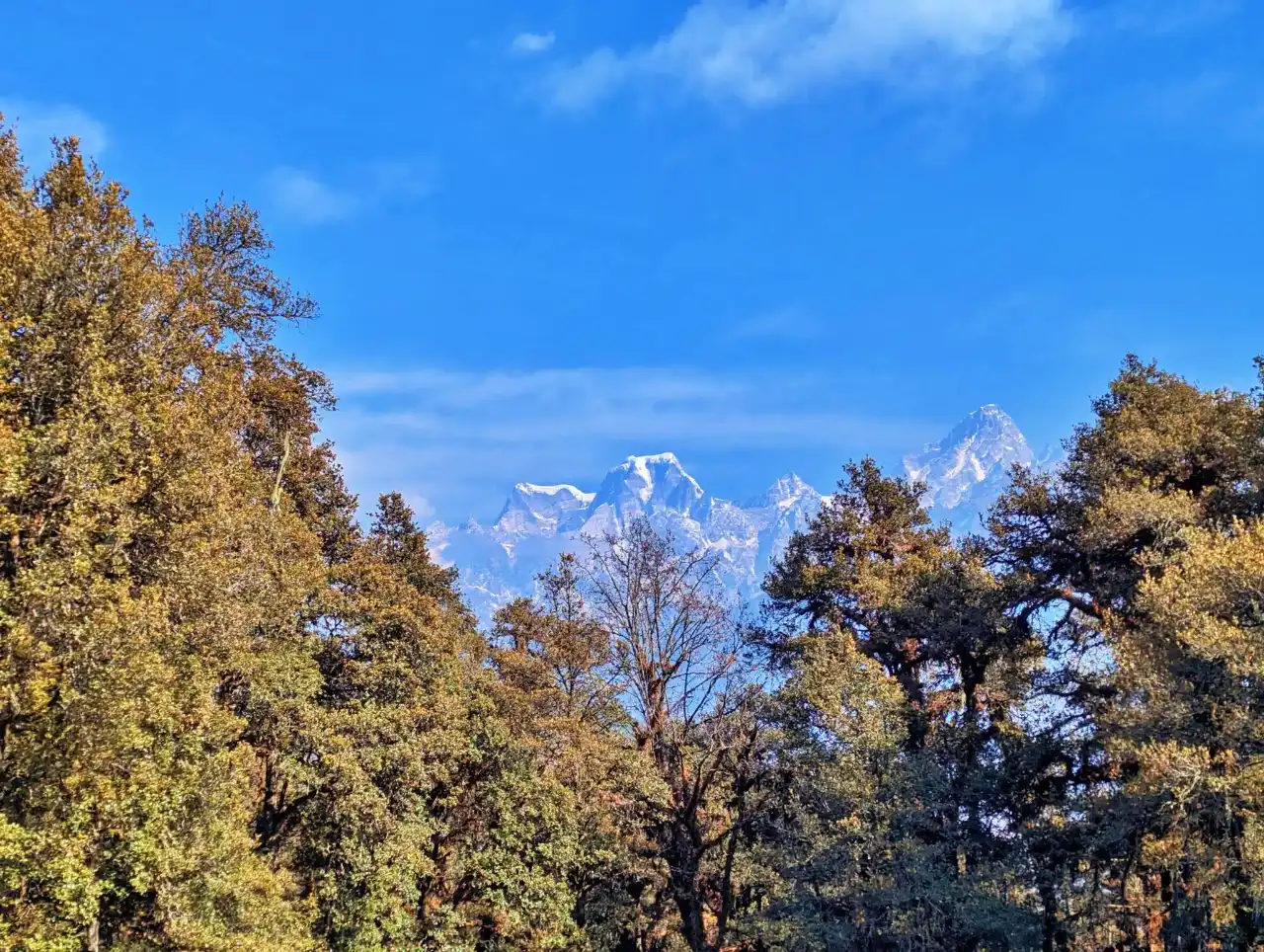
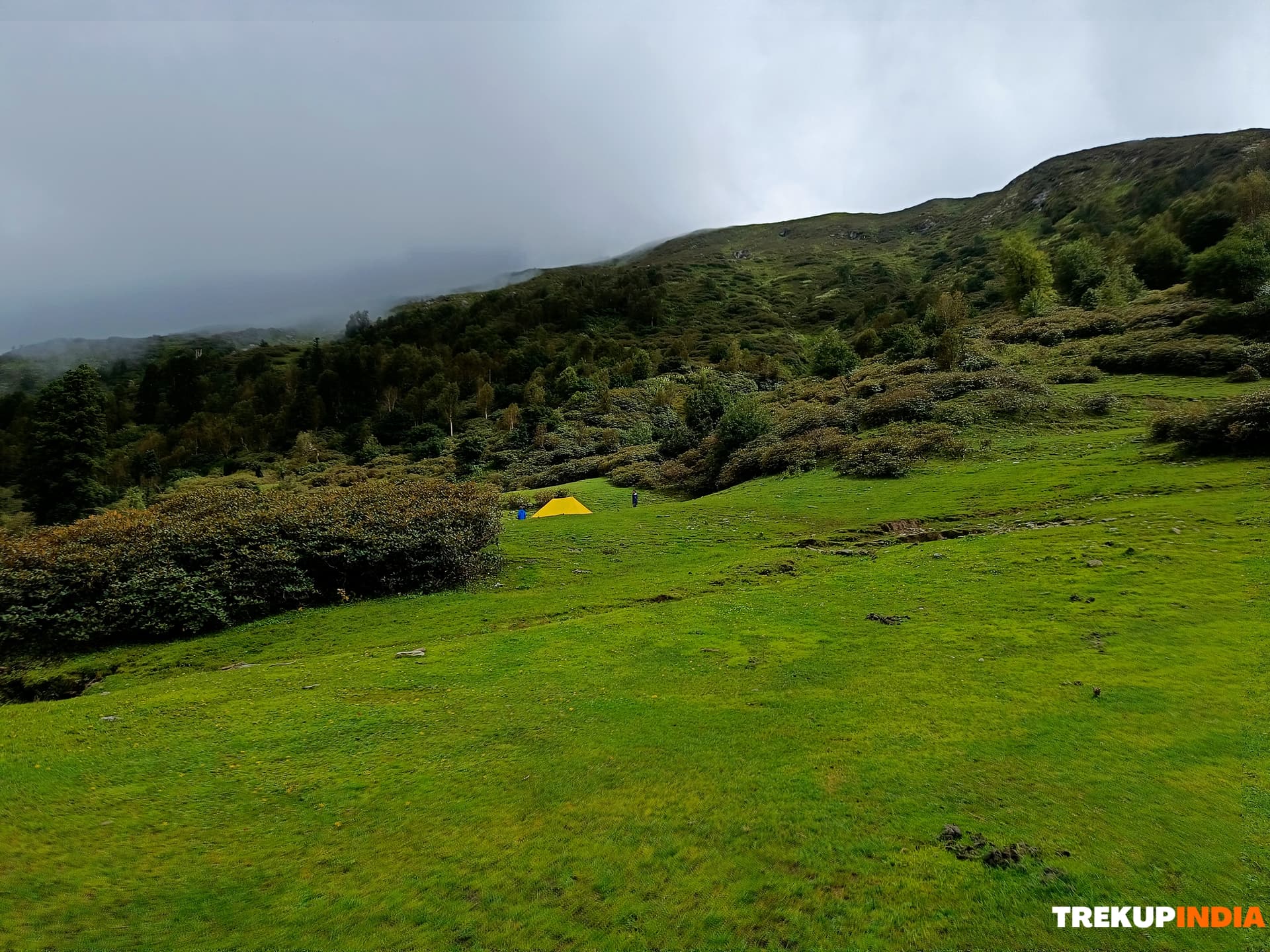
Why You Should Do Phulara Ridge TrekPhulara Ridge Trek is located within the Govind Pashu Vihar National Park. It is situated in the area’s shadow, which means the sun’s rays don’t strike the site directly. This means that the snow on the trails lasts longer and sometimes even into spring. Pushtara Meadows: The sheer size of the meadows will awe you. The folds and folds of carpeted green hills extend as far as your eyes can reach. Wildflowers bloom in all their splendor. There is a 360-degree view of mountains covered in snow. Forest: If you only go for a short walk, the forest on Phulara Ridge is highly dense. It is so thick that just streams of light coming through the forest’s dark abyss will illuminate your way. There are many varieties of trees, including pines, oaks, and oaks. You can also see silver birches, dwarf rhododendrons, and maples. Birds: The dense forest of Phulara will be awed by the abundance of wildlife and birds. Our explorers spotted 11 Himalayan monals! This bird of Uttarakhand is not easy to spot and is among the most colorful birds we’ve seen. You could also see treepies, barbets, woodpeckers, and Himalayan Whistling Thoroughfares and Drogos (barbets). Flowers: You will find yellow marsh marigolds, purple lilies along the trail, and yellow flowers popping out of the grass. Walking from Bhojgadi, you will see green meadows dotted with Himalayan wildflowers, Brahmakamal, and fankamal. Rivers: You will be driving along the beautiful Yamuna and Tons River, which changes color from milky white at some places to deep green in others. Mountains: You will see Kedarkantha Peak as you reach Sikolta, along with Swargarohini, Devkyara, Lekha Top, Vijay Top, and others. Other visible peaks on this trek are Hanuman Top, Sarutal Top, Bandarpoonch, Kalang, Hata Peak (HKD), and Rangala. Wildlife: While on the trek, langurs jump from one tree to another effortlessly. Traditional Houses: As you get close to Taluka, a quaint village settlement, you will see wooden huts with stoned roofs. Mythology: Juda Ka Talab is a famous alpine lake in the Sankri region; there is a renowned legend for the lake. Almighty Lord Shiva was searching for a place to meditate; when he saw this place, he opened a few strands from his head (juda- strands of hair tied together). The water from the strands formed this divine lake (talab meaning lake). Click here for booking and more information Trek Guide
By Nanda Rawat|Feb 17, 2026
Top 4 Treks in Every Season to Explore in the HimalayasThe right choice of a hike isn't just about the destination, but also selecting the right time of year. The same path can be totally different from year to season, with snowfields, rhododendron forest and golden meadows, lakes in the alps or crystal-clear mountain views. On TrekUp India, trek recommendations aren't just generic lists. They are built on more than a decade of experience as a guide on the ground as well as seasonal route assessments as well as weather pattern tracking and safety evaluations throughout India's Himalayas. This guide offers four well-chosen treks that are suitable for all major seasons of trekking that are suitable for new trekkers and those who want to explore the mountains in their prime. Spring is a season of transition where snow is still covering areas higher up, and forests explode in color thanks to flowering Rhododendrons. The visibility is great, and the it is possible to manage the terrain. Famous for its 270-degree views of the mountain The trek blends forests, snowy patches and early spring flowers--a perfect choice for those who are first Himalayan trekkers. Oft referred to as the "Valley of the Gods"," Har Ki Dun turns green in spring, while the higher mountains remain covered in snow, providing an enlightened and beautiful experience. Spring provides close-up perspectives from Mt Trishul and Mt Nanda Ghunti With rhododendron trees that line the trail and snow on the summit points. An opportunity to take in all four world's highest mountains, made more impressive by spring's blossoming forests and the lingering snow. Summer is the ideal time to go on seriously Himalayan trekking as snow melts enough to allow access to high passes. The summer months allow full accessibility to valley as well as higher vantage points, making it the ideal time to acclimatize to altitude. A challenging high-altitude trek that covers more than 15,000 feet, best tried when conditions for snow are at their lowest in summer. Famous for its changing landscapes, waterfalls, as well as an exciting pass crossing accessible only during the summer. This leads to the real origin of the Ganga and to the base of Mt. Shivling which is accessible only in the summer time. Monsoon trekking can be safe as well as rewarding only when you choose the right routes. The treks are most successful in rainy conditions. A dramatic change in vegetation from the dense Kullu Valley to arid Lahaul landscapes, accentuated by the lush greenery of monsoons. An UNESCO World Heritage Site that is at its peak during the monsoon. Multiple lakes of the alpine appear in their brightest form due to the amount of rainfall and melt of glaciers. Twin lakes in the alpine, with meadows filled with flowers ideal for monsoons. The atmosphere after monsoon is completely clear, allowing the most stunning mountain views of the year.. Clear skies increase Swargarohini views of the massif as well as village landscapes. Crystal-clear views and snow-free paths make this window perfect for those who have a good track record. The most spectacular perspectives of the mountain Kanchenjunga and the 14 peaks surrounding it. Two days of full-time activity across Dayara meadows that offer exceptional visibility. The autumn season brings squeaky-clean skies beautiful grasslands with golden hues, as well as mild temperatures. The snowy winter landscape is stunning and unbeatable visibility.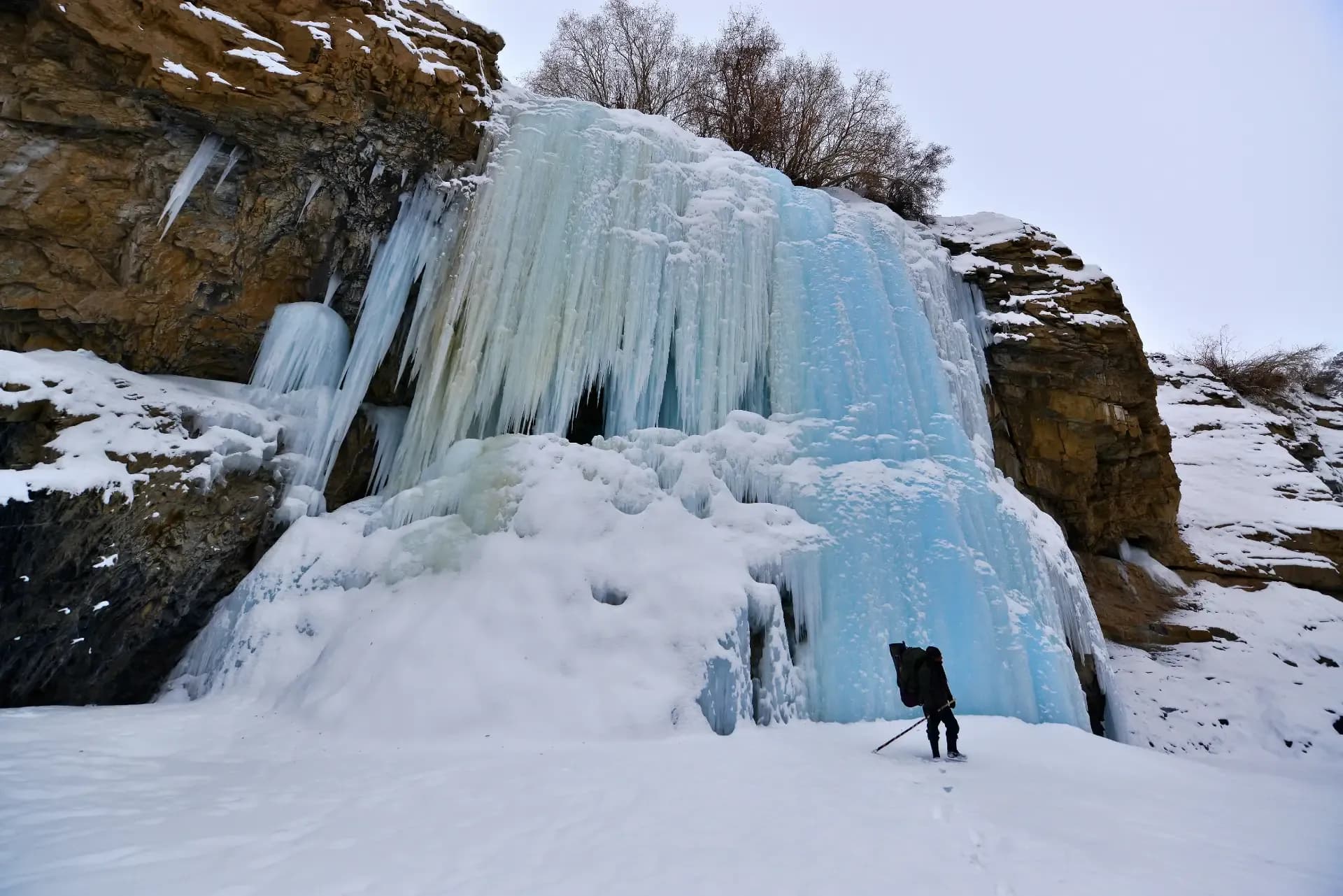 Trek Guide
By Anoop Rawat|Feb 17, 2026
Best Winter Treks: Frozen Lakes, Icy Trails & Snow CampingWinter is the time when the Himalayas take away any the distractions and reveal their real essence. The forests are silent beneath fresh snow, lakes in the alpine become crystal clear mirrors, mountain trails require perseverance and discipline. It is also a time to be resilient. Contrary to summer hikes that are a celebration of blossoms and greenery winter treks are about the solitude endurance, endurance, and mental toughness. The treks at TrekUp India, winter routes are chosen only after considering the reliability of snow as well as safety of the terrain as well as campsite accessibility and evacuation access as determined by the number of years of field operations. This guide includes the best winter treks available in India that range from snow-walks that are easy for beginners to challenging summit climbs, each one designed to give you a secure yet memorable winter experience. Reviewed by Nitin Rana - Senior Trek Leader, TrekUp India Nitin Rana is a professional with more than 10 years of direct Himalayan guides experience as well as extensive knowledge in winter trekking, snow camping and high-altitude safety. The treks in this article have been verified by actual winter activities including snow conditions, trekking feasibility. Sometimes referred to as often the Queen of Winter Treks, Kedarkantha is the perfect introduction to Himalayan treks in winter. Frosted pine forests covered in snow, ice-cold water bodies, and a satisfying summit hike make it ideal for first-time trekkers as well as experienced trekkers. Highlights What makes it special?The consistent snow with safe slopes and the ultimate summit experience - perfect for those who are just starting out. Brahmatal provides some of the best winter trek experiences in India It is a place of frozen lakes of the alpine and expansive Ridge walks that are framed by massive Himalayan mountains. Highlights What makes it unique?It is one of the few winter treks in which trekkers camp alongside frozen lakes at high altitude. Kuari Pass, also known as the Curzon Trail transforms into a magical winter landscape. Soft ridges, snowfields that are open and stunning Himalayan panoramas make the trail a perfect choice for trekkers who are looking to conquer the winter landscape. Highlights What makes it uniqueProvides some of the most stunning snowy mountain panoramas without any technical difficulty. Pangarchulla is designed for hikers who are looking for the ultimate winter test. The climb up the mountain through ice and snow demands strength, balance and determination. Highlights What makes it unique?It is one of very few Winter summits with no technical requirements for trekkers with a strong endurance. The Chadar Trek is among the most difficult winter treks in the world that follow through the frozen Zanskar River under towering canyon walls. Highlights What makes it uniqueIt's an winter survival trip and not just a hike. Dayara Bugyal changes into an expanse of white of land during winter, providing beautiful and safe snow hiking. Highlights What makes it unique?It is a easy winter trek perfect for families and those who are new to snow trekking. Nag Tibba offers a short but rewarding winter trek in close proximity to Mussoorie. Highlights What makes it different?Perfect for those who want rapid winter exposure with a minimal commitment to time. Winter treks in the Himalayas isn't all about snow. It is also about solitude, self-discovery and the power of. Starting with the frozen lakes in Brahmatal and the cold river walks that runs through Chadar and the epic climb of Pangarchulla The winter season reveals some aspects of the mountains only a few can ever experience. In TrekUp India, winter treks are designed to provide the thrill of adventure, security, with authenticity. It doesn't matter if you're taking a step onto new snow on your first trip, or looking for a challenging winter adventure The Himalayas during winter are a place to leave memories in your memory. Be careful, plan your trip carefully and let the snow guide you. Trek Guide
By Anoop Rawat|Feb 17, 2026
Why Rushing Acclimatization in Ladakh & Spiti Is DangerousLadakh as well as Spiti are the most sought-after high-altitude locations for trekkers cyclists, and adventure travelers. The stark, cold deserts, the ancient monasteries, as well as the dramatic mountain passes provide a unique experience unlike any other within the Himalayas. But, underneath this splendor is a significant and often overlooked issue: altitude sickness caused by inadequate adaptation. Here at TrekUp India, we have always observed that one the most dangerous mistakes travelers do during their travels in Ladakh or Spiti Valley is hurrying their trip. The inability to take acclimatization breaks in order for the sake of "save time" often results in illnesses, delays to travel and, in the worst situations serious medical emergency situations. Acclimatization is a natural process in the body adjusts to lower levels of oxygen at higher altitudes. For Ladakh and Spiti the majority of regions are over 3000 metres (10,000 feet), with passes and villages typically exceeding 4,500 to 5,100 meters. At these elevations: In the absence of proper acclimatization even fit individuals could get sick. AMS is one of the more frequent health issue at altitude, and shouldn't be overlooked. Common symptoms include: If left untreated, AMS can worsen rapidly. Incorrect acclimatization could lead to: Both are medical emergencies that can be fatal if not treated immediately. Travelers often have trouble with: In the case of poor acclimatization, it can lead to: The medical facilities for patients in the remote areas of Ladakh along with Spiti are not as extensive. Evacuation in case of emergency is: Acclimatization to the environment is a significant factor in reducing the chance. The golden rule is: "Climb High, Rest Low." Make sure you spend at minimum two night getting used to: Make use of this time to: Signs of danger should never be ignored. If symptoms get worse: Through the years of running trekking and road trips through Ladakh as well as Spiti, TrekUp India has discovered that travelers who adhere to acclimatization have healthier, safer, and much more satisfying experiences.. Acclimatization does not waste time. It will be an investment into: The mountains are a great place to practice perseverance. Reviewed by Kapil Sharma - Trek Leader, TrekUp India This article was examined by Kapil Sharma who has a wealth of on-the-ground experience in leading treks and high altitude travel programs in Ladakh as well as Spiti. The acclimatization tips above have been confirmed by actual field conditions and medical emergencies related to altitude and safety protocols for operations that are followed by TrekUp India. The rush of Ladakh and Spiti without adequate acclimatization could transform a trip of a lifetime into an unintentional risk. The elevation, the dry weather and the remoteness of these areas need patience, understanding and a respect for the way the body adjusts to the thin air. We at TrekUp India, we remind everyone who travels that acclimatization is not an inefficient time. It safeguards your health, improves your experience and lets you really take in the natural beauty of these beautiful landscapes. Slowly move. Pay attention to your body. Allow Ladakh and Spiti show their magic in their own way.The mountains will reward those who honor their rhythm. Trek Guide
By Anoop Rawat|Feb 17, 2026
Best Spring Treks in the Himalayas: Top 15 PicksSpring trekking season transforms the Himalayas into a trekking paradise with blooming rhododendrons, clear mountain views and best temperatures for trekking. It is an adventurer’s and nature lover’s dream come true and these 15 Himalayan treks between March and May provide unforgettable experiences from beginner-friendly treks with breathtaking meadow views to moderate treks with diverse landscapes or challenging high altitude treks for experienced trekkers – come join us as we discover Nepal, India and Bhutan’s top spring trekking destinations during their peak spring trekking seasons when their mountains come alive with life! As temperatures warm, spring turns the Himalayas into an best trekking paradise, providing best walking conditions after an often-brutal winter. From mid-March through April, weather conditions provide best walking conditions without rainy monsoons arriving later. Daytime temperatures (typically 15-20deg C) offer excellent conditions for long treks without freezing temperatures limiting winter excursions. As snowmelt releases its grip, lush green carpets spread across Himalayan meadows. By April alpine pastures were bursting with new grasses and wildflowers reaching ankle height. The transformation is astonishing barren winter slopes give way to vibrant living canvases of purple irises yellow primroses as well as white anemones which serve as stunning natural backdrops for photos as well as peaceful lunch spots during treks. Spring brings with it an exquisite mix of snowy patches and vibrant green vegetation bursting with new life. Higher elevations remain covered with snow-topped peaks while middle elevations begin to show signs of life, providing photographers and nature lovers alike a variety of landscapes on one trek. Rhododendron trees offer one of the most spectacular Himalayan displays, particularly during April when entire hillsides transform into waves of pink, scarlet and white blooms as these gorgeous trees burst open their petals to illuminate entire hillsides with vibrant hues. Walking through forests in April is like walking into another dimension; light filters through canopies to illuminate paths covered in fallen blooms – popular treks like Goechala and Sandakphu are especially renowned for this phenomenon. Spring offers breathtaking mountain views before the heat of summer settles in and clouds cover them in thickets of haze and monsoons. Air clarity offers magnificent panoramic vistas of distant mountains; mornings often provide the clearest views. Many trekkers are charmed at sunrise when first light glimmers off snow-covered peaks with golden hues against pure blue skies – it truly leaves trekkers breathless! This season is filled with incredible wildlife activity. Migratory birds return to higher altitudes, filling the air with their varied calls; Monal pheasants flash their shimmering plumage; Himalayan griffons soar above; you may spot blue sheep, mountain goats or even red pandas in certain locations if you keep an eye out; moderate temperatures also ensure animals are awake during daylight hours – providing best conditions for wildlife photography enthusiasts. Difficulty: Easy–Moderate Duration: 4–5 days Maximum Altitude: ~12,083 ft Deoriatal-Chandrashila Trek stands out as an best spring adventure for beginners in the Himalayas. When taken during springtime, its trek transforms into an idyllic landscape of vibrant pink and red rhododendron flowers against a background of mountainous terrain – providing this moderate trek with just the right combination of challenges and accessibility for newcomers. At 12,083 feet, Chandrashila top is the star attraction on this trek, providing trekkers with unparalleled 360-degree views of some of the major Himalayan peaks including Nanda Devi, Trishul and Kedar ranges. Trekkers begin their adventure at Deoriatal lake – a crystal clear mountain lake which reflects all around it, offering great photography opportunities at sunrise. Difficulty: Easy Duration: 2 days Maximum Altitude: ~9,915 ft Nag Tibba Weekend Trek provides an best weekend adventure. At 9,915 feet, Nag Tibba (Serpent’s Peak) is the highest point within its Garhwal Himalaya range and an excellent introduction to summit trekking. This trek offers breathtaking mountain vistas in two days – making it the best trek for professionals seeking an accessible Himalayan experience. Trekkers can witness beautiful vistas from Bandarpoonch, Swargarohini, Gangotri and Kedarnath summits during this moderate temperature trek with clear skies that enhance these majestic peaks’ sights. Difficulty: Easy–Moderate Duration: 5–6 days Maximum Altitude: ~12,500 ft The Kedarkantha Trek has earned itself an esteemed position as an immensely rewarding, beginner-friendly mountain climb in the Himalayas. Beginning from 12,500 feet and ending up at Chanderkantha Lake, this moderately difficult trek offers stunning views of snow-covered Himalayan peaks amidst green pastures filled with alpine flowers in spring. Kedarkantha Trek offers an best introduction to trekking with its ancient forest of oaks and pines before opening out into wide clearings. Beginner trekkers will appreciate Kedarkantha’s gradual ascent curve and well-marked treks which give them confidence-building experience while feeling the satisfaction of reaching a landmark summit. Difficulty: Easy–Moderate Duration: 4–6 days Maximum Altitude: ~12,100 ft Dayara Bugyal trek is one of the most breathtaking high-altitude meadows in Uttarakhand. Situated between 10,000-12,000 feet, these lush meadows cover 28 square kilometers. When spring arrives, snow melts away leaving behind an alluring green carpet bursting with colorful wildflowers. Soft terrain makes this trek suitable for beginner trekkers while offering stunning views of prominent Himalayan mountain ranges such as Bandarpoonch and Bhagirathi. Trekkers will pass through picturesque mountain villages while experiencing Garhwal culture; morning views from Dayara Bugyal showcase golden Himalayan mountains rising out of clouds-filled valleys creating an ethereal beauty, depicting spring’s first awakening across these glorious mountains. Difficulty: Moderate Duration: 5–6 days Maximum Altitude: ~12,250 ft Experienced trekkers seeking an easy challenge can enjoy Brahmatal Trek this spring of 2025, where it offers stunning ridgeline camping experiences with breathtaking panoramas of Mount Trishul. Reaching altitudes of around 12,100 feet, this trek makes for best trekking experience; blooms of rhododendrons along the trek create a vibrant path towards an alpine lake as you head uphill towards it; clear skies provide amazing views of Himalayan mountain peaks from their campsite. Difficulty: Easy–Moderate Duration: 6–7 days Maximum Altitude: ~12,516 ft The Kuari Pass Trek provides some of the most breathtaking views of India’s highest mountain, Nanda Devi, while spring transforms the route with blooming wildflowers and moderate temperatures, perfect for comfortable trekking. At 12,516 feet, it presents experienced trekkers with an exciting challenge while providing breathtaking views of Kamet, Dronagiri, and Chaukhamba as well as old forest treks where new leaves begin to emerge – particularly beautiful during spring when new leaves emerge from beneath their beds! Difficulty: Moderate Duration: 5–6 days Maximum Altitude: ~12,150 ft Phulara Ridge Trek in Uttarakhand provides a unique ridge-walking adventure few Himalayan treks can match. Experienced trekkers will experience unobstructed views of 250 degree mountain ridges while walking through its captivating ridge. Spring brings clear and sunny weather which makes the trek best for taking stunning photos, with diverse terrain including dense forests and expansive meadows as well as its remarkable ridge walk as its main drawcard. Difficulty: Moderate Duration: 6–7 days Maximum Altitude: ~11,686 ft Springtime is the best time to experience Ali Bedni Buggyal Trek’s famed high-altitude meadows on their Ali Bedni Buggyal Trek bloom with vibrant life. These expansive meadows, one of Asia’s biggest high-altitude meadows, allow experienced trekkers the unique opportunity of walking among a carpet of wildflowers while overlooking mountains covered in snow – an enjoyable moderate trek that covers approximately 11,500 feet and offers trekkers breathtaking 360 degree views of major Himalayan summits like Trishul and Nanda Ghunti. Additionally, spring thaw brings lush greenery that makes this trek truly remarkable. Difficulty: Moderate Duration: 6–7 days Maximum Altitude: ~11,675 ft Har Ki Dun Trek, also known as “Valley of Gods”, provides experienced trekkers with an unforgettable blend of cultural immersion and natural beauty. This moderately challenging trek will take you through old villages that still preserve traditions dating back to Mahabharata period; spring season brings mild temperatures as well as blooming alpine blooms to this valley that is shaped like an ancrane; forests of pine needles and meadows come alive with vibrant colors while offering views of Swargarohini mountains; traditional wooden houses found along the route only add an authentic Himalayan experience that adds even greater cultural significance for your Himalayan experience! Difficulty: Moderate Duration: 6–7 days Maximum Altitude: ~11,950 ft The Sandakphu-Phalut Trek stands out as an exceptional cross-border trekking experience, giving experienced trekkers stunning views of four of the world’s highest peaks, such as Everest, Kanchenjunga, Lhotse and Makalu from one point. Spring provides clear views after winter snow has melted but before monsoon clouds start rolling in. At an elevation of 11,941 feet Sandakphu offers moderate challenges while rewarding trekkers with spectacular spring blooming magnolias and Rhododendrons among many other beautiful blooming floral varieties which bloom all bloom spectacularly every springtime – truly an experience unlike any other. 2025 will bring opportunities for those wanting to take their travels further, with spring being an best season to attempt challenging Himalayan adventures. Low snow levels combined with reliable weather patterns makes these challenging treks more accessible, yet still require preparation and knowledge of their terrain. Difficulty: Moderate–Difficult Duration: 9–11 days Maximum Altitude: ~16,200 ft (Goechala Viewpoint) Goechala Trek in Sikkim is widely recognized as one of the Himalaya’s premier high-altitude treks during spring, offering experienced trekkers breathtaking views of 14 major Himalayan peaks including Kanchenjunga – third tallest peak! The trek typically lasts 8 to 10 days, covering 90 kilometers while reaching an altitude as high as 16,207 feet at Goechala Pass. Spring brings vibrant rhododendron blooms that add splashes of vibrant color along the lower slopes, while higher reaches provide unparalleled views of snow-capped mountains – and Samiti Lake provides one of the most incredible sunrise views across all Himalayan range. Difficulty: Moderate Duration: 5–6 days Maximum Altitude: ~14,100 ft Hampta Pass offers an unforgettable trek that spans from lush Kullu Valley to stark desert landscape of Lahaul – creating one of the most diverse high-altitude treks you’ll find during spring. At 14,100 feet, Hampta Pass requires physical fitness and acclimatization abilities of those willing to venture on its challenging four to five day trek. Spring trekking offers many advantages with flowing streams and reduced snow barriers, making the chance of visiting Chandratal Lake (Moon Lake) all the more spectacular. From lush forests and meadows to barren moonscapes – Hampta Pass makes an arduous but unforgettable adventure for experienced trekkers! Difficulty: Difficult Duration: 6–7 days Maximum Altitude: ~15,069 ft Pangarchulla Peak trek stands as one of the most challenging spring summits in Uttarakhand, reaching 15,069 feet via a strenuous adventure that requires strength, stamina, and endurance to conquer. Spring marks an extraordinary trek by providing meadows of vibrant wildflowers at lower elevations while still retaining enough snow for an authentic alpine climb. Panoramic views from the summit include legendary mountains such as Nanda Devi, Chaukhamba and Neelkanth – with most trekkers finishing this challenging journey in five to six days due to steep slopes and unpredictable weather conditions along the journey. Dayara Bugyal Trek is designed for children 7 and above. Dayara Bugyal trek stands out as an excellent way for families looking to introduce their kids to Himalayan landscapes, designed specifically with children as young as 7 in mind. Dayara Bugyal’s soft slopes and breathtaking meadows provide a pleasant setting in which youngsters can experience trekking while taking in breathtaking panoramas of surrounding mountains. Trekup India has designed unique family treks that go beyond simple trekking through beautiful terrain. Their specially tailored family treks feature numerous outdoor learning activities so children can engage with nature more meaningfully – from identifying fauna and flora species to better comprehending mountain ecosystems, these educational elements turn a regular trek into an engaging learning experience that parents value for both adventure and education purposes. Parents also appreciate how these treks combine adventure with education while creating memories both educational and entertaining for their kids. Spring time in the Himalayas offers best conditions for family adventure. Trekup India recognizes this by organizing specific group treks specifically tailored for families during this period. These groups ensure families trek alongside other similar interests families, creating a sociable trek experience. Furthermore, each guide is specially trained to meet family requirements including setting appropriate paces and providing fun activities whilst adhering to safety guidelines with extra care if children are present on their adventure. Spring treks for families can easily be planned around school holidays, making them convenient and stress-free activities. Their mild temperatures make these meadow treks especially enjoyable for young trekkers who may find other seasons’ extreme temperatures to be challenging. Himalayan spring trekking season offers something truly remarkable for every adventure seeker. Beginning with stunning valley treks for beginners to high-altitude treks for experienced trekkers, this period between March and May sees mountains transform, becoming alive with blossoming rhododendron blooms, pleasant temperatures, clear skies, meadow treks for families traveling with young children making spring an inviting season to explore the Himalayas. As you plan your 2025 spring adventure, be sure to book it well in advance as popular treks sell out quickly during this peak season. From lower altitude treks with plenty of culture and traditions to mountain adventures atop high mountains – spring in the Himalayas offers experiences unlike any other. So pack up your bags, equip yourself and create memories that will stand the test of time on these breathtaking mountain treks.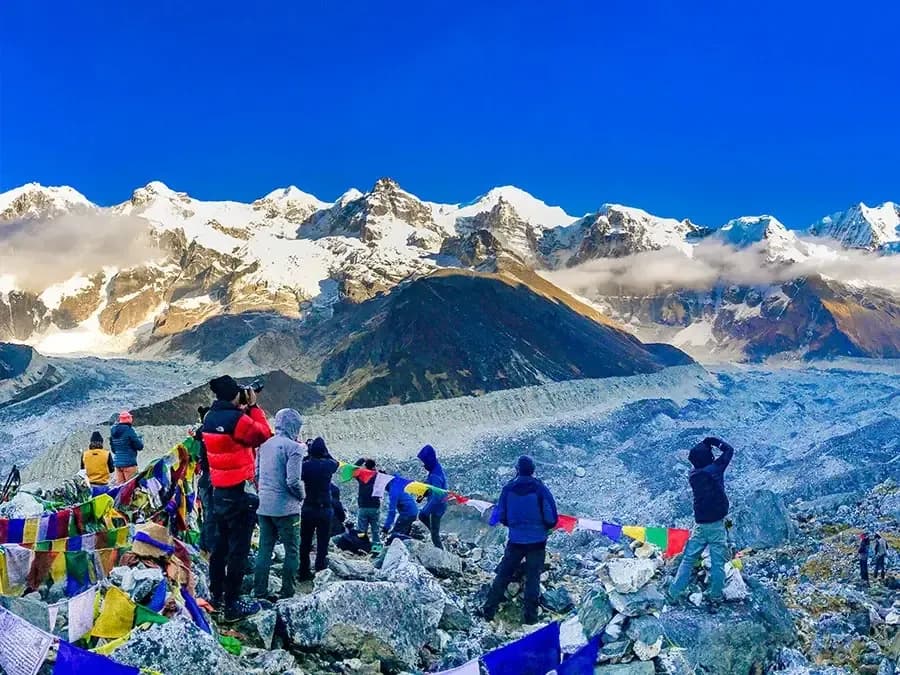 Trek Guide
By Anoop Rawat|Feb 17, 2026
Goechala Trek Seasons: Best Time to Visit & Weather GuideMaximum Altitude: ~15,100 ft (4,600 m) Trek Duration: 10–11 days Goechala trek offers unique challenges and rewards throughout all four seasons. This guide is intended for trekkers planning their Sikkim trip and photographers searching for stunning mountain shots. Autumn offers some of the most breathtaking Kanchenjunga views, while spring offers picturesque snowscapes and vibrant rhododendron blossoms that transform paths into vibrant paradises. We’ll also explore seasonal features of treks and natural variations that set each trek apart, along with essential safety and weather related considerations to help you choose an appropriate timeframe and date based on your abilities and goals. Goechala trek is truly breathtaking and offers stunning mountain views during certain moments when atmospheric conditions meet perfectly, providing unobstructed panoramas. Understanding when to trek best allows trekkers who wish to capture breathtaking Himalayan scenes. Fall is the best season to experience stunningly clear views of snow covered peaks due to the transformational effects of monsoon season rains nature’s air purifier which cleanse the atmosphere of dust and atmospheric haze, which typically obscure mountain views all year. As a result, obvious air conditions prevail and allow us to take in all their splendor! Post monsoon air is exceptionally transparent, enabling trekkers to view Kanchenjunga and its surrounding peaks with unparalleled clarity. The contrast between pure white snow covered summits and deep blue autumn skies creates photogenic conditions unlike any other season; trekking across clear terrain opens up even greater vistas, allowing trekkers to spot distant mountains or intricate ridges which would typically remain hidden when visibility was lower. Mid September to the last week of October is an best period to take pictures of Kanchenjunga views and photography opportunities, due to stable atmospheric conditions following the monsoon’s retreat and weather patterns that haven’t yet transitioned into harsher winter periods. Trekkers and photographers looking to capture the Himalayan landscape at its most stunning can take advantage of this window by trekking during clear skies, best lighting conditions, and stable weather, which provides trekkers and photographers the perfect combination. Additionally, trekkers have several opportunities each week to view and photograph mountains, reducing disappointment caused by unpredictable weather in the unpredictable seasons. As November progresses, the Goechala region emerges into an unforgettable mountain viewing experience. Rhododendron forests characteristic of the Sikkim landscape begin displaying unusual maroon and white flower combinations to provide an eye catching contrast against snowcapped mountains. This breathtaking floral display only occurs in November, making it a stand out feature that adds visual interest and makes trekking that much more rewarding. The juxtaposition between delicate rhododendron blossoms and majestic mountain peaks provides compositional opportunities not available at other times and gives trekkers an exclusive perspective of nature’s splendor. Now that we’ve covered the top viewing seasons, let’s explore the exciting adventures that spring brings to the Goechala trek, with beautiful snowscapes providing an unforgettable trekking experience. Spring treks on the Goechala trek become winter experiences as April brings heavy snowfall. Trekkers who embark on these Himalayan routes encounter stunning white scenery awash with snowfall providing photographers with stunning mountain experiences! The fresh snow covers everything in sight, providing a striking contrast against the dark rocky outcrops, which create lovely backdrops for photography! April snowfall poses both unique challenges and rewards to trekkers. While it can make navigation difficult and require proper winter equipment, snow also offers an authentic high altitude Himalayan experience that many trekkers seek out. In addition, its clean conditions mean fewer footprints, leaving an unspoiled wilderness experience that helps trekkers truly connect to Kanchenjunga’s pure nature. As this beautiful backdrop sets the scene, we explore how nature adds vibrant hues that complement its pure white backdrop. Red rhododendron blooming along the Goechala trekking route provides one of the most stunning natural spectacles, turning Phedang Dzongri into a verdant paradise that draws nature photographers and trekkers from all around the globe. Rhododendron blooms provide a stunning visual contrast with snow covered mountains and terrain, creating the best opportunity for landscape photography ranging from intimate flower close ups to more expansive views that showcase delicate blossoms set against dramatic mountain vistas. Their timing perfectly coincides with snowfall periods to form an exclusive seasonal blend that sets this region apart when spring trekking occurs. Recent posts have covered the aesthetics of spring; now its practical benefits become more apparent as we progress through it. Late April through June is the best time for Goechala trekking, providing perfect conditions that combine accessibility with natural beauty. At this point in the season, snow that falls during April begins to stabilize into more predictable trek conditions while maintaining breathtaking mountainous scenes that make this trek so remarkable. Best conditions for trekking during this season lie in its combination of weather stability, accessibility to treks, and natural phenomena. Trekkers can expect more predictable weather patterns with reduced chances of sudden snowstorms as well as better mountain photography opportunities. Trekkers will also get to enjoy both flowering Rhododendrons as well as snowcapped Mountain Peaks, making this period the sought after one to witness Goechala landscape come to life before winter turns to spring! Now that we have discussed best viewing times and spring time adventures on the Goechala trek, let’s consider its unique seasonal variations, which offer trekkers new experiences according to seasonal changes. Rhododendron blooms along the Goechala route offer some of the most captivating natural transformations. Beginning their season journey in September with vivid red blooms that create an impressive visual contrast against the mountains, these stunning blooms create breathtaking color changes in nature. As October draws nearer, vibrant red hues begin to turn deeper and darker, transforming naturally into deeper and darker tones that signal the vitality of the Himalayan ecosystem, where flora responds to changing temperatures and precipitation patterns. Experienced trekkers can use the transformation of rhododendrons as a natural calendar to track the progress of seasons and any additional trek conditions that accompany this change of hues. As temperatures heat up during the summer months, the trek section connecting Yuksom and Tshokha becomes marked by dense forest cover. The area transforms into lush green corridors where dense canopy structures provide shelter from direct sunlight while creating conditions for a cooler microclimate along the entire route. The thick forest habitat further adds an enjoyable trekking experience due to varying visibility, humidity levels, and overall ambience along this section of the trek. With this seasonal change in mind, Thansing experiences an astonishing transformation during warmer seasons. Vast grassy meadows reappear at higher elevations in place of stark snow covered terrain that was typical during colder months offering trekkers unobstructed views over valleys and peaks that surround them. Their appearance signals a significant shift in the ecosystem, transforming Thansing into a winter wonderland of lush alpine pastures, offering new photography opportunities and trekking experiences. Now that we have highlighted the best seasons and changes along the Goechala trek, it is imperative to understand the risks presented by the weather that could make this trek very dangerous at certain times of year. Weather can have significant implications on security and accessibility across its entirety and planning and timing must always be done accordingly when setting out on such an expedition! Goechala trek system becomes especially dangerous during the monsoon season due to consistent rainfall, which makes the treks treacherously slick and increases the risk of falls or accidents. Moisture plays an integral part in its rugged terrain, leaving even experienced trekkers vulnerable to slip and fall along its rugged paths and outcrops. Of equal concern is the risk of landslides brought on by constant rain, destabilizing loose soil layers and rock formations across treks, leading to sudden, unexpected hazards which pose grave threats to trekker safety potentially blocking access and leading to complete isolation in remote regions. Between June and August is the most perilous time to attempt the Goechala trek. Fog becomes ever present during this period, severely restricting visibility and making navigation challenging even for experienced mountaineers. When combined with treacherous terrain and reduced visibility, this creates the perfect storm of security issues that must be faced head on to complete this challenging and perilous adventure. Rain makes trekking not only uncomfortable but also unsafe. Frequent and intense rainstorms during these months transform mountain landscapes into hostile environments where risks outweigh potential benefits; weather conditions in this period make implementing basic safety procedures difficult or even impossible to ensure safety measures remain in place. trekkers should remember that, even though the monsoon season has passed, September still poses significant safety risks for trekkers. Even in times of calmer conditions after monsoons have ended, September can still bring unpredictable stormy conditions that catch trekkers unaware. Ice patches become a serious threat during September when temperatures fluctuate rapidly and moisture freezes on treks, necessitating extra care when traversing them and appropriate footwear if sudden patches form on any trek. Trekkers who venture out should remain alert, as conditions can quickly transform from clear to treacherous terrain within hours of setting out on their journeys. After we have discussed the best trekking conditions during different seasons, it is also essential to understand when Goechala becomes inaccessible for most trekkers. Winter months offer an extreme contrast to the more manageable conditions seen elsewhere during trekking season. Winter transforms the Goechala trek from an achievable but challenging expedition into something unthinkable for casual trekkers. Heavy snowfall obscures familiar landmarks, making navigation even more difficult. At the same time, temperature drops create harsh conditions that challenge experienced mountaineers with wind chills that make conditions potentially hazardous for those not prepared. Extreme temperatures and snow accumulation can create conditions in which standard trekking techniques become ineffective. Visibility during snowstorms may decrease to mere meters, making even experienced groups susceptible to becoming lost. Physical demands increase exponentially as trekkers expend energy traversing snow covered terrain while simultaneously braving the elements. Once manageable sections of the trek turn into treacherous ice formations that require advanced mountaineering skills to traverse safely. Steep slopes along parts of the Goechala route become near vertical ice wall formations during winter, necessitating not just courage but also experience in the techniques for climbing ice. Equipment is critical to survival, not simply comfort. Trekkers need specific gear like crampons and Ice axes, as well as advanced winter clothing. Standard trekking boots cannot handle such harsh conditions, and mountaineering grade footwear may be required instead; belay and rope systems may also be necessary in some instances for safe travel over hazardous sections. Margin of error decreases significantly under these conditions. What could have been a minor slip during more favorable weather can become a serious injury on slippery slopes. Failing to use equipment properly or choose inadequate gear could quickly escalate from annoying inconvenience to life threatening emergency. As December to February is an especially challenging period for Goechala attempts, it requires not only special equipment but a wealth of mountaineering experience far exceeding typical trekking experience advanced ropework skills, ice climbing expertise, and an in depth knowledge of winter survival tactics are essential prerequisites to making Goechala attempts. At these seasons, trekking transforms from a leisurely stroll into a technical mountaineering journey. Participants should possess previous experience trekking in similar conditions and be knowledgeable of avalanche safety protocols and self rescue methods; psychological pressures increase due to extreme environments that stretch physical and mental limits. Specialized equipment typically used on mountaineering expeditions includes items usually found in four season tents, designed to withstand harsh conditions. This includes sleeping systems capable of withstanding temperatures as low as 40 °C, as well as communication devices and equipment specifically designed for emergency use. Even with careful planning in place, weather windows often close quickly, requiring flexibility with regard to scheduling and adaptability if conditions deteriorate beyond acceptable limits. The Goechala trek offers unique Himalayan experiences depending on when and how long you decide to trek it. Autumn months offer breathtaking mountain views and crystal clear streams, providing best photography opportunities, while spring brings blooming Rhododendrons into bloom amidst its snowy landscapes. Each season brings natural changes, such as varying flower colors and different trek conditions, which impact your trekking experience. Understanding seasonal weather patterns and safety considerations when planning a Goechala adventure trip is of utmost importance for successful preparation. Although summer and autumn offer optimal conditions for exploring Goechala, the monsoon season and winter weather may present significant difficulties that render your trek unsafe or impossible. Choose your season carefully depending on what appeals most, whether that be stunning mountain views or exploring snow covered terrain, which makes Goechala such a thrilling high altitude journey. Trek Guide
By Anoop Rawat|Feb 17, 2026
High Adventure Treks in Uttarakhand: The Thrilling Season Is HereUttarakhand’s high adventure trekking season has officially kicked off! Experienced and daring trekkers alike have access to even the most challenging Himalayan routes. They are already trekking towards several of their most sought after destinations, such as Gaumukh Tapovan and Kedartal at an altitude of 15,500 feet. This guide is tailored to experienced trekkers ready to embark on challenging high altitude excursions as well as outdoor enthusiasts looking for their next mountain adventure. We will review some of the most popular high adventure treks available in Uttarakhand and discuss why this region is considered to be India’s premier spot for hard trekking, along with when and why these challenging mountain adventures should be attempted. Prepare to discover why this time of year provides the best conditions for beginning your most challenging journey to date. Uttarakhand is the jewel in the crown of the Himalayas, boasting some of the world’s premier alpine and winter treks. These include legendary treks such as the Kedarkantha trek for beginners, as well as the Roopkund trek, which draws tourists with its iconic, skeletal like lake. These treks go beyond mere trekking treks they offer unique bucket list experiences which draw in visitors from around the globe. The Garhwal and Kumaon Himalayas offer stunning mountain peaks that rise over 7,000 feet, such as Nanda Devi and Kamet, providing trekkers with access to breathtaking peaks like these. Winter treks provide unique snow covered landscapes which transform routes into breathtaking paradises; Brahmatal trek offers picturesque views of Mt Trishul and Nanda Ghunti while Har Ki Dun trek passes through villages that appear unchanged by time, seemingly timeless valleys, and centuries old villages untouched by time giving trekkers access to these excellent snow covered routes! The attraction of these treks lies in their accessibility, offering authentic alpine adventures. No need for professional mountaineers if you wish to enjoy breathtaking sunrise views over snow capped peaks, or stroll through lush Rhododendron forest covered in fresh snowfall! Uttarakhand offers trek options that range in adventure and difficulty levels, offering something suitable for every level of experience and interest. For beginners to snow trekking, routes like Kedarkantha and Chopta Tungnath provide an accessible introduction. With well marked treks, comfortable camping spots, and moderate gradients that ensure safe travel through snowy conditions, these treks make an excellent place to build confidence in snowy conditions. Adventurers at mid levels may consider routes like Brahmatal and Kuari Pass for greater challenges, longer distances, and unpredictable weather conditions. These treks introduce microspikes, snow analysis techniques, camping in subzero temperatures, and more. Uttarakhand offers experienced trekkers looking for tough challenges, glacier excursions like Gangotri Glacier, Pindari Glacier, and Roopkund Trek are great examples. These journeys include river crossings, boulder hopping, traversing deep crevassed terrain, as well as long treks in remote wilderness regions. Stok Kangri expeditions push boundaries further and require mountaineering skills and acclimatization to high altitude environments. Every difficulty level is represented; therefore, groups with diverse abilities can find an option that matches them while participants gradually develop their skills over different seasons. Uttarakhand offers trekkers an immersive travel experience. Your day may start in dense oak and rhododendron forests where mist clings to ancient trees while birds’ calls echo throughout the canopy; these sections of forest offer natural windbreaks, which provide best spots for taking tea breaks while you adjust to your altitude. As you gain elevation, forests give way to vast alpine meadows locally known as “bugyals” extending like green carpets towards distant mountains. Ali and Bedni Bugyals are particularly famed for their vibrant wildflower displays in summer and breathtaking snow covered landscapes in winter; both locations provide extraordinary camping experiences, offering 360- degree mountain views as well as starry night skies. Ridge walks add drama and technical difficulty to a wide range of treks. Their sharp ridgelines offer unobstructed views while necessitating careful consideration of weather conditions and routes; furthermore, many final climbs involve scrambling across rough terrain for unforgettable photos that capture high altitude achievement. These diverse landscapes ensure your legs and mind remain engaged throughout your trip, constantly adapting to new forms of terrain, each demanding different strategies, while offering different rewards. Now that we understand why Uttarakhand is the go to spot for adventure trekking, let’s examine some of the most challenging routes currently taking place within this region. Expeditions represent the pinnacle of adventure trekking teams traversing some of India’s most challenging Himalayan Mountain terrains! Kedartal trekkers have accomplished an astounding achievement by reaching Kedartal at 15,500 feet. This glacial lake at high altitude lies under the towering mountain ranges of Thalay Sagar, Bhrigupanth, and Meru and represents one of the more technical locations in Uttarakhand. Their success proves their incredible dedication and preparedness as they carefully follow a carefully laid out schedule slated to finish their climb and return to Gangotri by September 22nd showing both endurance and desire for high altitude adventure in one of nature’s most stunning wilderness regions in the Uttarakhand Himalayas! The Pangarchulla Peak trek continues to draw serious mountaineers looking for an altitude challenge in Uttarakhand’s harsh terrain. This trek requires advanced technical climbing skills and is an integral step toward high altitude climbing excellence in this part of India. The Bali Pass trek remains one of Uttarakhand’s most challenging high altitude treks, connecting the Har Ki Dun valley to the Yamunotri region through treacherous ascents, technical terrain, and extreme weather conditions, offering trekkers an unforgettable adventure. Roopkund Trek leads to Skeleton Lake and continues to draw adventurous souls who seek both natural beauty and historical curiosity. This high altitude adventure features both challenging mountain terrain and exciting discoveries of remains from an ancient civilization preserved within a glacial ecosystem. The Gaumukh Tapovan expedition has seen significant advances with trekkers reaching Tapovan the base camp at the source of the holy Ganges River with impressive ease. This achievement marks an important milestone in what many consider one of the toughest, physically and spiritually challenging treks around. As per their itinerary, this team has made excellent progress with an anticipated return trip back to Gangotri on September 21st. Their trek to Tapovan serves as an essential base camp for Himalayan expeditions aiming at summits such as Shivling or Meru. Both Kedartal and Gaumukh Tapovan treks are unfolding according to plan, reflecting careful planning and best weather conditions, which are key ingredients for high adventure trekking in this challenging mountain environment. Uttarakhand’s snowy mountains offer an idyllic winter paradise, making December and February best for snowshoeing adventures. Regular snowfall provides best conditions to experience the Himalayas with all their white beauty. Kedarkantha is widely considered one of the top winter trekking experiences, boasting breathtaking 360-degree views of major Himalayan peaks including Swargarohini, Bandarpoonch, and Kala Nag. At 12,500 feet, this trek provides stunning 360-degree vistas that showcase snow covered pine and oak forests, entrancing pathways that lead to snow-capped peaks at sunrise it can get temperatures as low as 5 °C, making this trek both difficult and manageable for all fitness levels. Brahmatal at 12,250 feet offers an exhilarating winter trek through its frozen Brahmatal lake, surrounded by majestic mountains like Trishul and Nanda Ghunti, thick Rhododendron forests, meadows covered with fresh snowfall, as well as night temperatures that drop as low as 15 degrees Celsius creating stunning Ice formations along the Trek. Both treks require winter gear, including insulation sleeping bags and waterproof layers, as well as traction devices. Additionally, early starts are necessary due to shorter daylight hours, and effective time management is crucial. Conditions in the snow can change rapidly so experienced guides are essential for safety and navigation purposes. Springtime provides best conditions for technical climbing and high altitude passes, with weather patterns becoming more stable due to snowmelt thawing out and temperatures stabilizing from winter. March May is an excellent opportunity to tackle challenging treks. Pangarchulla Peak at 15,069 feet offers serious mountaineers their first taste of technical mountain climbing available in the Garhwal Himalayas. Climbing requires basic mountaineering knowledge such as rope climbing, crampon use and ice axe techniques with spring conditions often providing stable snow bridges and reliable weather windows for a more straightforward ascent than normal along with 7 to 9 day climb time, including stops for acclimatization at Khullara and Kuari Pass with views across Chaukhamba, Kamet and Nanda Devi ranges from its peak! Kuari Pass can serve both as an individual trek and base camp for Pangarchulla’s attempts. At 12,516 feet, this Trek offers excellent opportunities for acclimatization as it passes through old forests of oak, alpine meadows and moraines; its blooming rhododendrons in spring make an additional treat, along with expansive mountain views across Nanda Devi Sanctuary. Bali Pass connects Yamunotri and Har Ki Dun valleys at 16,207 feet and is considered one of Uttarakhand’s toughest passes. The route comprises glaciers and loose scree sections which could potentially rockfall. Spring snowfall makes crevasse navigation safer while more daylight hours offer adequate time to manage technical sections of this challenging pass. Post monsoon seasons offer stunning mountain views and the most predictable weather patterns throughout the year. September through November provides fresh air without precipitation or fog best conditions for navigation and photography. As the monsoon’s retreat leaves vibrant landscapes in its wake, vibrant flowering alpine meadows become vibrantly colored; mountain meadows bloom with Alpine flowering plants while lower elevations showcase beautiful green valleys. Rivers become clear once monsoon sediment has settled while waterfalls reach their maximum flow rates. Weather Stability Post monsoon high pressure systems produce predictable weather patterns. Mornings generally feature clear skies before afternoon clouds build, providing trekkers with timed windows for summit attempts or passes crossings. Temperatures remain pleasant with daytime highs typically reaching 15 degrees Celsius at moderate elevations while nighttime lows rarely dropping below freezing except at the higher camps. Monsoon related damage on the Trek is being repaired by local communities, making most routes accessible again. River crossings become safer when water levels decrease, while landslide prone sections become more stable, thereby drastically reducing any objective hazards present on routes. Wildlife Activity The post monsoon seasons see increased animal activity as they prepare for winter. Trekkers may see blue sheep, snow leopards, and various species of birds that inhabit higher altitudes during these treks; photographers also often enjoy taking advantage of clear air conditions for wildlife photography at this time of year. These two treks mark the opening ceremony for adventure enthusiasts interested in trekking through India’s Greater Himalayas. Adventure enthusiasts see them as the premier trekking season in this part of Asia. Beginning these treks shows that conditions have opened up at high altitude corridors to serious alpine adventures, providing mountaineers with the foundation to plan future high altitude expeditions across this region. These treks transcend adventure tourism; their significance goes well beyond physical challenge or recreational recreation, since these treks pass through landscapes steeped with ancient tales of culture and mythological importance. Additionally, sacred places that have long been pilgrimage destinations combine spiritual adventure with physical challenges to provide an exceptional pilgrimage experience that makes trekking not just recreational but a cultural exploration! Each Trek boasts stories of love, battle and natural reverence along its course creating a dynamic experience unlike any other! As the Greater Himalayas trekking season kicks off, local communities find great benefit in having adventurers visit their region. Mountain guides, homestay operators, porters, and equipment suppliers rely on these intrepid travelers as a reliable income source, preserving traditional mountain communities while supporting sustainable tourism practices. These treks provide crucial acclimatization and training platforms for serious mountaineers in preparation for more demanding expeditions. Their technical and altitude exposure offer best conditions to test equipment, refine techniques, gain strength physically and mentally, and build the strength needed for climbing major Himalayan summits; many successful summit attempts on mountains over 8000 meters trace back their origins to these Greater Himalayan experiences. As soon as the season starts, treks establish safety guidelines, weather patterns, and route conditions that will guide future high altitude adventures across the region. Expedition organizers and independent trekkers rely on data and experiences gained during these initial treks to make informed decisions regarding activities planned throughout the entire season. Treks offer access to some of the most breathtaking and remote Himalayan locations. They serve as gateways to more advanced base camps, hidden valleys, and alpine landscapes that would otherwise only be reachable by experienced mountaineers; thus providing access to incredible natural marvels while maintaining suitable challenge levels. After discussing the most crucial elements of high adventure trekking in Uttarakhand, let us now focus on how Trekup India provides comprehensive monitoring and communication systems for these treks. Communication between base operations and field teams is crucial for any high adventure journey, as field teams must remain connected with trekkers throughout each trek they participate in. This ensures each participant remains part of a network despite visiting distant places during their adventure journey. The strong bonds between trekkers and trek teams provide an unbreakable safety net that spans the diverse landscapes of Uttarakhand. Communication mechanisms are in place seamlessly, enabling rapid response times in case of emergencies during treks. Teams stay connected through various channels, so no trekker feels lonely throughout their thrilling experience on the mountain! Trekup India offers a comprehensive communication system that keeps all trekking expedition participants informed about current treks, providing family, friends, and adventurers with regular progress updates. Regular updates provide vital information that keeps family, friends, and adventurers alike up to date. Posting regular updates about our trek provides transparency into its development, keeping those following along informed about its progress. These updates cover various aspects of its progress through Uttarakhand’s challenging high adventure roads. Continuous team trekker communication combined with regular update postings provides a comprehensive security coordination system throughout an adventure trek. This method ensures top quality safety protocols and communications for an unforgettable trekking experience through Uttarakhand, making the thrilling adventure safe for all participants. Uttarakhand’s high adventure trek season has officially kicked off with numerous successful expeditions to Kedartal and Gaumukh Tapovan, marking the launch of Greater Himalayan adventures. Trekkers reached remarkable altitudes, such as Kedartal at 15,500ft, before safely returning in their designated timeframe testaments to Uttarakhand’s amazing opportunities for those seeking challenging yet rewarding mountain adventures. Real time monitoring and communication among trekking team members are integral parts of ensuring security and transparency during trekking expeditions. When the season unfolds, it provides adventurers a best opportunity to plan treks of their own at high altitude through Uttarakhand’s breathtaking terrain be it challenging climbs or breathtaking lakes at altitude; take part in this fantastic adventure season and see where it takes you!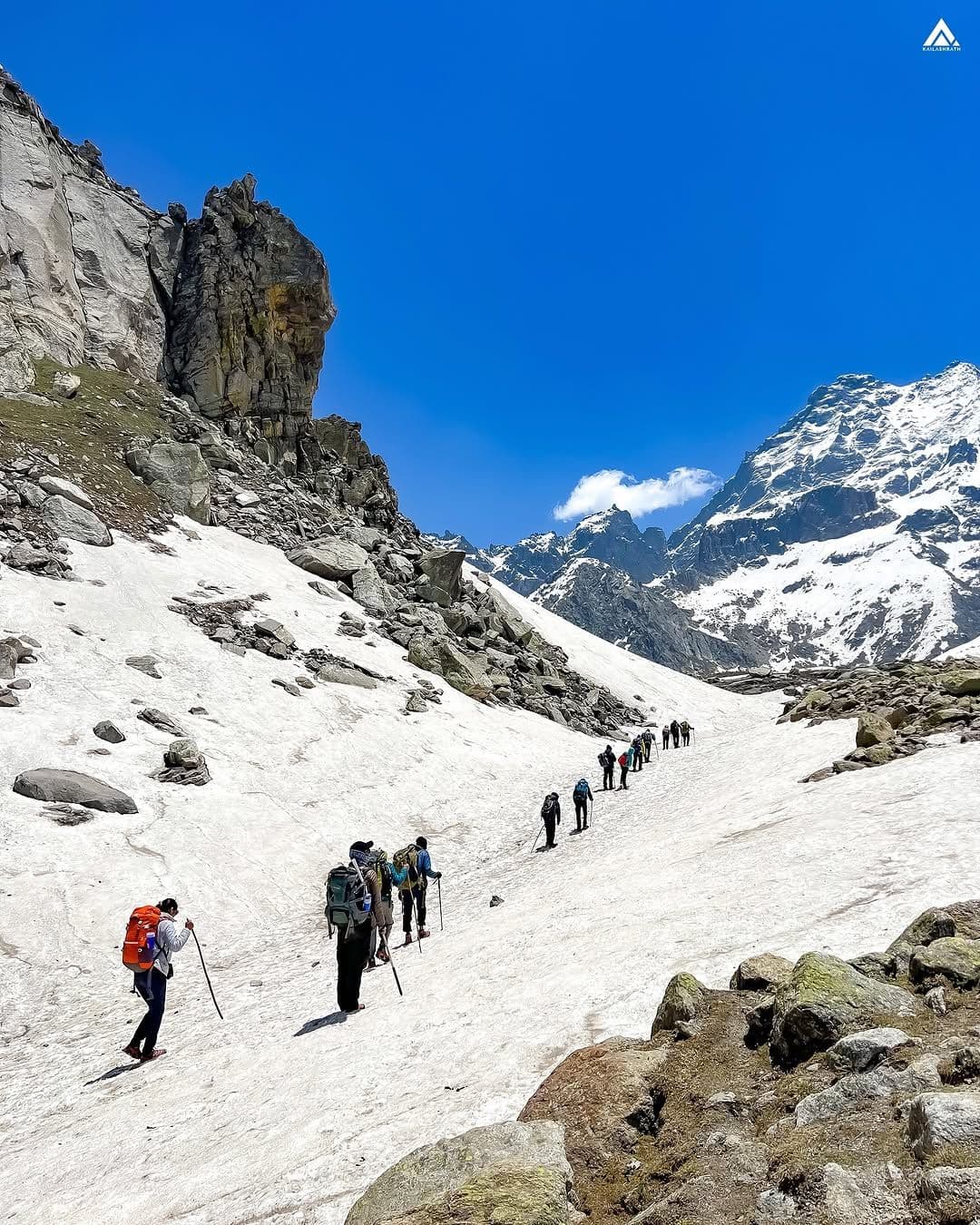 Trek Guide
By Anoop Rawat|Feb 17, 2026
How Difficult Is the Hampta Pass Trek? | Difficulty GuideAltitude: ~14,100 ft (4,298 m) Trek Duration: 5–6 days The Hampta Pass trek falls within the moderate difficulty category, attracting thousands of trekkers annually from the Kullu Valley to Lahaul in Himachal Pradesh. Due to rapid altitude increases and difficult terrain sections, along with unpredictable mountain weather that ranges from sunny skies to sudden showers, this Himachal Pradesh trek earned itself a Level 3 rating. This guide is written for novice Hampta trekkers or those unsure if they’re physically prepared to tackle this high altitude journey. We will cover its difficulty rating and factors that make certain sections challenging, the fitness requirements needed to ascend 14,000 feet safely, weather patterns you can expect during trek season (be it snowy treks in June or stunning autumnal colours), as well as weather patterns you may experience when crossing over a pass. Hampta Pass falls within Moderate Level 3, making it suitable for more challenging treks and activities. Hampta Pass earned its Moderate Level 3 difficulty rating due to a combination of challenging factors that set it apart from other treks. Most notably, its rapid elevation change puts undue strain on trekkers when traversing various levels, leaving little time for adjustment creating a challenge even experienced trekkers must face head on. Classifying treks takes into account their lack of escape points in case of emergency along the trek, such as once trekkers have committed themselves to one section, retreat is often impossible; this increases risk and accounts for part of what makes moderate difficulty ratings so high. Hampta Pass features several technical sections that require careful navigation and safe footing, combined with river crossings that must be made. trekkers must remain calm when crossing these sometimes turbulent waters to maintain balance. Trek difficulty grading involves an analysis of three essential factors that determine its overall level of challenge. Gradient is one such factor, representing the incline and intensity of ascent over the entire journey; steep gradients require greater physical effort and require skilled leadership for safe passage this directly affects its rating as difficulty increases. Nature of Terrain Encountered When it comes to assessing difficulty, terrain is of primary concern. Loose scree, rocky paths, glacier crossings, and varied terrain conditions all add complexity; Hampta Pass offers diverse terrain issues that necessitate different skillsets and equipment requirements for successful traversal. Exit points play an integral part in difficulty ratings, as their accessibility impacts rescue efforts and retreat options. Treks that offer few emergency exit options tend to be higher in difficulty due to increased risk and limited evacuation strategies. Hampta Pass stands out among Himalayan trekking destinations as one of the colder treks due to traversing through a highly narrow valley. This makes Hampta Pass an interesting trekking option. This unique natural tunnel serves to channel winds all along the trek, increasing wind exposure. As a result, temperatures become progressively colder during your trek as more wind exposure occurs compared to other Himalayan routes at similar altitudes. The combination of wind tunnel effect and the valley’s narrow shape creates microclimates that require trekkers to prepare differently than for other regional treks. Higher wind exposure and colder temperatures necessitate more extensive gear considerations and mental planning, particularly compared to treks that are sheltered from weather hazards. The Hampta Pass trek presents numerous challenging obstacles that increase its difficulty significantly and make for a challenging adventure even for experienced trekkers. Understanding these hurdles is crucial to planning properly and completing your Himalayan adventure successfully. One of the most significant challenges trekkers face when trekking or trekking is dealing with high altitude climbs. Trekkers need to reach 14,000 feet quickly in just two days, which makes for a rapid ascent, particularly since they gain elevation on their first journey to Jobra alone! Rapid elevation changes such as this leave trekkers only a limited time for acclimatization before the risk of complications related to altitude becomes increasingly difficult from day one of their trek. Access to emergency facilities becomes a serious concern once trekkers are well into their journey. Due to its remoteness, finding accessible emergency exits can be highly challenging, particularly from strategically situated points like Balu ka Ghera. When an emergency strikes, trekkers must be prepared for long treks across an entire valley, as there are no suitable evacuation routes. This creates an additional source of psychological strain and requires thorough planning of safety procedures in case anything unexpected should arise. The trek presents several technical terrain obstacles that require the assistance of a mountain guide and an acute eye for navigation. Rocky sections are prevalent throughout, becoming particularly noticeable once crossing over the Lahaul pass into the Lahaul region. Their prominence increases due to the shifting landscape, which transforms into a desert like rocky terrain characterized by overhangs that look onto the river below. To safely traverse these sections, intense concentration and keen navigation skills are required. After reaching the Pass, trekkers must descend into Lahaul which presents incredible steep and rugged descents with desert like terrain that poses unique navigational challenges to those used to the more conventional Himalayan terrain previously encountered during their trek. The route offers numerous river crossings that pose constant challenges during a trek. These water crossings, which take place before reaching any passes, require rope assistance or help from trekking groups to cross rapid flowing mountain streams safely. Once we’ve discussed what makes Hampta Pass challenging, let’s dive deeper into its specific fitness requirements to traverse it successfully. Being physically fit is at the foundation of an enjoyable and safe trek; knowing these standards will allow you to gauge your level of physical preparation for this Himalayan expedition. Your fitness program should focus on reaching a specific benchmark for cardiovascular fitness. Aim to complete a 5 km run in under 35 minutes, as this serves as an excellent indicator of the endurance and aerobic levels necessary for trekking at higher altitudes, where oxygen levels decrease drastically. The 35 minute goal should not simply be seen as a number; rather, it serves as an indicator of your body’s endurance when exercising for longer durations something which translates directly to trekkers’ ability to traverse diverse terrain. Core strength training should also play a vital role in your mountain preparation routine, including cardiovascular fitness. Make sure to include exercises like squats and planks into your program as these target specific muscles of the core, legs and upper body. By doing so you ensure that your body gains both the strength and stability needed to navigate mountainous terrain with ease. Squats build the leg strength necessary for climbing steep slopes while planks develop core stability essential to keeping your balance when carrying heavy backpacks over rugged terrain. Your training program must address the unique difficulty of carrying a backpack for extended periods. This type of endurance differs significantly from usual fitness routines because it involves both cardiovascular demands and additional strain associated with keeping balance on uneven surfaces. Strength training exercises such as those listed above help develop endurance for backpacking so that your body can carry the load without hindering performance or increasing injury risk. Given this comprehensive fitness strategy, a minimum preparation period of at least 6 weeks should be allotted before setting out on your trip. This should give your body ample time to adapt to training demands while building up its necessary fitness base. This timeline isn’t random: it represents the minimum period necessary for physiological changes to take place and ensure that any fitness gains translate into real trekking capabilities rather than temporary conditioning. The Hampta Pass trek stands out among popular trekking destinations in Uttarakhand for its striking thermal landscape, set apart by its location within a narrow valley that creates a natural wind tunnel, funneling powerful cold winds through. This geographic feature greatly amplifies temperatures, making them seem much harsher than on other high altitude routes; combined with elevation changes and wind funneling phenomena, even experienced trekkers may be taken by surprise and require additional layers and cold weather attire than would usually be required by mountain trekking routes. Trekking Hampta Pass during its four month trekking season can reveal distinct and dramatic weather changes that range from June to September, when temperatures can become significantly colder, and snowfall becomes frequent across the trek two months that provide some of the most challenging conditions for trekkers trying to climb it. July and August bring warmer temperatures that completely transform the landscape. When temperatures peak during this period, regular rain helps clear away snow covered campsites and treks before sparking wildflower blooms in alpine meadows to provide one of the most picturesque trekking conditions of the year. Trekkers must be prepared for drastic temperature variations while travelling. Temperatures during the day typically range from 13 to 18 degrees Celsius, providing an enjoyable trekking experience when the sun shines. However, as evening approaches, temperatures can fall to 8 13 degrees Celsius, requiring additional layers of insulation for safety. Nighttime camping conditions present unique thermal challenges when temperatures can drop as low as three to four degrees Celsius, necessitating high end sleeping systems and outfit management to provide comfortable rest periods. Balu ka Ghera and Shea Goru, situated between 12,000 and 2,500 feet, experience some of the harshest temperatures during a trek. These alpine campsites sit above tree line and feature exposed rock terrain as well as persistent snowy patches that reflect cold temperatures, creating harsh microclimates. From June to September, camps can experience temperatures that reach below zero and test even the most experienced trekkers’ equipment and endurance. Due to the lack of trees providing windbreak protection against harsh weather conditions and an exposed snow covered landscape that doesn’t insulate from soil temperature fluctuations, selecting suitable equipment is of utmost importance for comfort and safety. Given these considerations, let us now turn our focus towards the unique conditions trekkers must adapt to on their Hampta Pass journey, paying particular attention to monsoon patterns and snow accumulation that could drastically change your experience of trekking through this spectacular Pass. The monsoon season brings manageable rainfall to the Hampta Pass region, and trekkers should expect monsoon rains during their trek season; however, trekkers typically only experience intermittent drizzles that last only briefly; therefore, trekking never comes to a halt due to weather conditions clear days provide plenty of chances to continue safely on your trek! Rain showers typically occur intermittently and at moderate intensity levels, making their impact minor and less of an obstacle to trekking than expected. Being aware of this pattern can help trekkers mentally prepare for short delays while assuring their trek will go according to plan. Hampta Pass snow conditions follow an obvious seasonal cycle that affects trekking conditions and access. From June until the last days of July’s treks end, snow lingers within Hampta Pass itself, creating an idyllic winter landscape during its summer treks. Beginning around the end of July, snowmelt starts in earnest and slowly changes the landscape. Even after this initial melting phase is complete, small pockets of snow may remain visible across various sections of the Pass in shaded and higher elevation spots, creating beautiful yet challenging trekking conditions and necessitating proper gear and preparation to traverse it successfully. Gear selection is of paramount importance when trekking the Hampta Pass route in changing weather conditions, and an adequate rain gear set should be considered an absolute essential. Rain gear protects you from unexpected drizzles while providing comfort during wetter periods. Microspikes and gaiters are essential safety equipment when traversing snowy terrain. Trekking teams typically offer specialized gear when conditions dictate its use, ensuring everyone can access appropriate traction devices without needing to purchase expensive gear just for one trip. Weather can often result in unpredictable situations that require us to change plans quickly and flexibly, such as extended stays at particular camps or making difficult decisions such as returning to base for safety purposes. Our trekking team has the authority to make such crucial decisions based on current conditions. In such instances, they must make vital decisions on itinerary changes accordingly based on current conditions; such decisions could involve anything from extending stay by another day at specific camps to returning due to safety reasons. Smart trekkers incorporate buffer days into their plans specifically to account for possible delays caused by weather delays, which could entail missed flights, work obligations and other commitments that might be affected by longer trekking duration. Buffer day planning expertise reduces stress when extreme conditions require flexibility with schedules. Once we’ve addressed both physical and weather related challenges, determining a best time and date to embark on our Hampta Pass trek becomes paramount to its success. Each season brings different advantages and drawbacks that could drastically change your trekking experience. June is a best month for trekkers seeking breathtaking snowy landscapes at comfortable temperatures, offering stunning snow covered vistas along the trek with clear snow views that last well into July. Additionally, cooler temperatures in June ease physical requirements of treks while providing relief from lower altitude heat in summertime. Furthermore, photographers and nature lovers have unparalleled chances to capture unspoiled Himalayan winter beauty as photographers document this magical mountain region in all its winter glory. July August Benefits: Enjoy beautiful blooms and lush greenery during this period. Hampta Pass becomes a botanical paradise during July and August due to an extraordinary display by nature that creates an explosion of flowers along its trek route, covering it like an expanse of vibrant wildflowers spanning slopes and meadows an attraction beautiful to nature lovers and botanists who wish to experience Himalayas at their most vibrant state. September is an excellent month for trekkers seeking to experience beautiful autumn colors without the heavy rainfall of previous months. Lower precipitation levels provide more stable trekking conditions while the landscape transforms into stunning autumnal hues. Trekkers should note that September marks the onset of winter weather conditions, with temperatures declining toward harsh winter conditions. However, this time of year particularly appeals to those seeking aesthetic beauty and comfortable conditions. May and October pose significant difficulties that make them unsuitable for most trekkers. May is advised against due to snow accumulation along the treks, creating hazardous and difficult conditions which necessitate advanced mountaineering abilities. On the other hand, October presents additional threats with its potential first significant snowfall of winter season and can create dangerous situations for unprepared trekkers. The Hampta Pass trek offers an unforgettable adventure that requires careful preparation and consideration. Rated at Moderate difficulty level 3, this trek presents unique challenges such as rapid altitude climbs up to 14,000 feet, challenging river crossings and limited exit points in case of emergencies. Due to its narrow valley setting, temperatures range from pleasant during the day ranging between 13-18 degrees Celsius down to subzero levels at higher camp sites an adventure not for the faint of heart! Success on any trek depends on good physical condition. Aim to complete 5km in 35 minutes and strengthen both leg and core muscles before setting out on your adventure. Understanding seasonal changes is also critical; June brings with it snow covered landscapes, while July and August bring monsoon flowers and lush greenery, followed by stunning autumn colours and less rainfall in September. No matter when or why you decide to trek, make sure that you bring along sufficient equipment in case of cold, rain and snowy conditions. Create a fitness plan, monitor weather forecasts, and prepare mentally for what lies ahead the Hampta Pass trek promises one of Himachal Pradesh’s most spectacular and rewarding mountain adventures!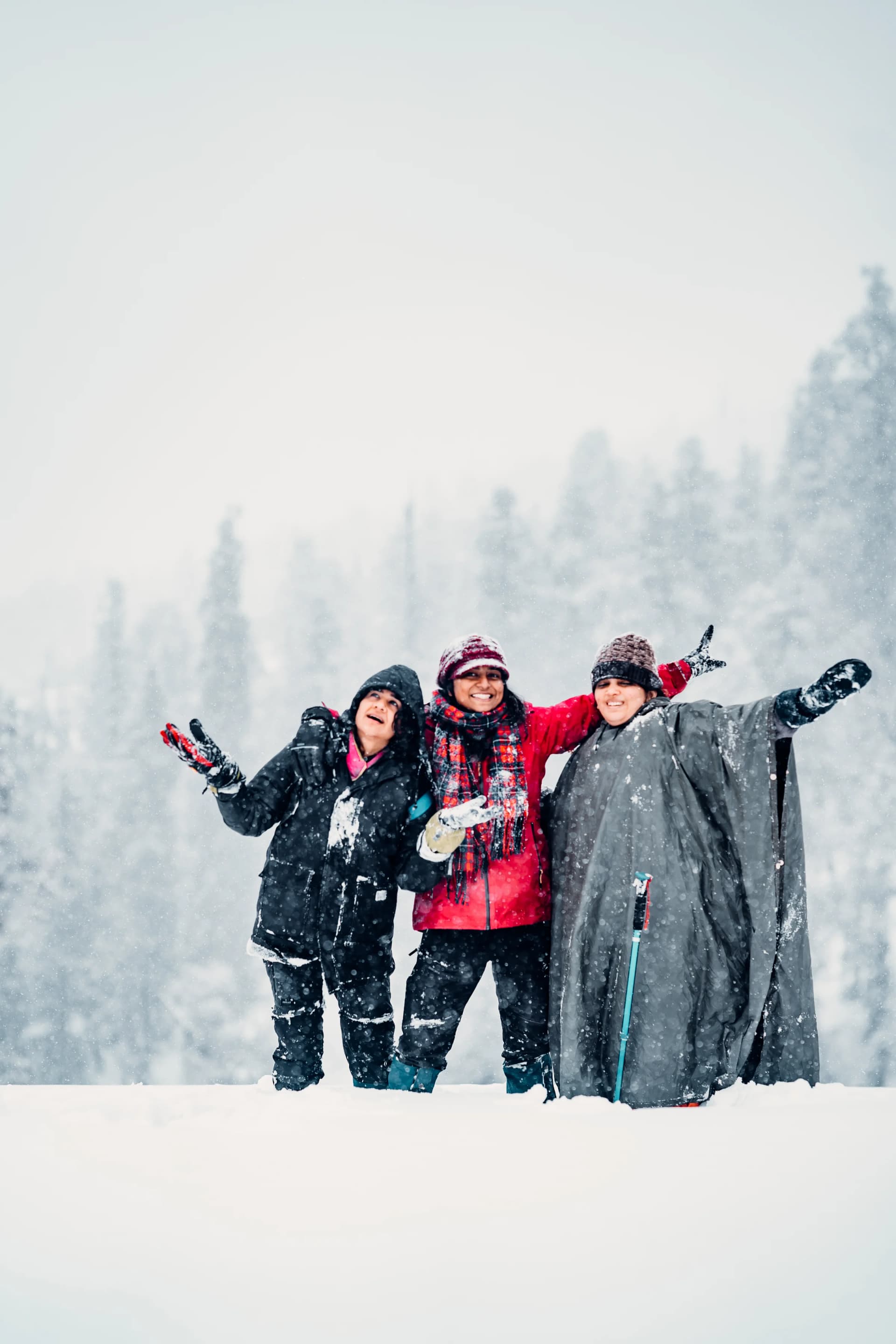 Trek Guide
By Anoop Rawat|Feb 17, 2026
How to Time Your Trek in Winter | Best Months & TipsWinter treks in India provide unparalleled snow experiences, but proper planning of your trek can make all the difference between an enjoyable journey and one that leaves you disappointed. This guide is intended for novice and intermediate trekkers looking to see snow but don’t know when or how best to organize their trip. Most people associate the winter trekking season as starting around December and ending mid -March; however, this can differ significantly between years each has its own snow conditions and experiences; between February and December, you could trek the same mountain and have two completely different experiences! Let us walk you through three major winter trekking seasons so you can choose an appropriate time and date to visit the Himalayan peaks. Starting in December until mid – December an best period for novice snow trekkers wanting a first taste of winter without harsh conditions mid- December through to December’s final day will reveal light snow layers perfect for snow walks; while January through mid – March is known for deep snow cover and its fairy tale landscapes seen here! Winter trekkers must realize that winter can last much longer than most people realize. Starting in December and lasting until mid-March, winter trekking opportunities arise all year long. Planning your winter adventure requires taking into account this extended timeframe, as you have multiple months from which to choose when making plans for your trek. January and February bring the harshest winter conditions, making January/February an optimal time for trekkers looking for extreme winter adventures. Knowing this can help trekkers plan treks according to their experience level and desired snow conditions winter offers various degrees of intensity throughout its course. Winter treks bring about dramatic transformation across the landscape from start to finish, as snow accumulates gradually from the end of winter until the start of spring. This progression in accumulation radically alters both trekking experience and difficulty levels, making this season of exploration an extraordinary journey! At the start of winter, trekkers can expect light dustings of snow that create beautiful winter scenes without major obstructions. As the season advances, accumulation increases dramatically, with coverage ranging from moderate to knee deep snow requiring proper equipment and physical fitness for trekking through it all. Winter presents its toughest challenges during its most severe conditions when snow can reach chest deep depths, making trekking treks accessible to novices in December, becoming more challenging by February, making it important to pace yourself according to both your level of experience and the availability of equipment. Misconceptions about winter trekking planning often result in poorly timed treks and missed opportunities. One such misperception is thinking winter starts and ends in December, meaning trekkers miss taking advantage of an extended season that continues into March. One common misperception about winter is that its conditions remain constant all year long, leading trekkers to assume they will encounter identical conditions no matter when they start their trek. Yet weather conditions vary dramatically month by month, with December providing mild conditions best for getting acquainted, while peak winter months often bring extreme terrains. Timing is key when planning winter treks, as snow conditions directly determine their difficulty and preparation requirements. Recognizing patterns of accumulation helps trekkers tailor their trips based on their abilities and levels of experience. Early winter months offer those seeking winter beauty without too many challenges, while the peak winter months provide experienced trekkers with challenging snowy adventures. December to mid-March provides ample scheduling flexibility so trekkers can choose the best time and level of snow they prefer depending on weather forecasts, their schedules, and personal preference. Mid December to early December is an idyllic period for trekking in winter. At this time of year, mountaintops receive their initial snowfall, creating a magical winter wonderland easily accessible without harsh winter conditions offering trekkers their first taste of winter’s wonder while providing them with an easy trekking experience. This snowfall transforms familiar paths into stunning white landscapes, giving trekkers their first taste of its beauty while offering them an enjoyable trekking experience. What distinguishes this window is its impressive balance between the aesthetics of winter and practicality for trekking. The snow cover is light enough for safe passage but still provides enough snow trekking experiences in colder seasons that trekkers crave. Trekkers can experience the magic of winter snow without experiencing extreme temperatures and weather conditions that typically characterise its peak months. Light snowfall creates beautiful landscapes while providing easy access to treks for trekkers of varying experience levels. Winter trekking offers those accustomed to warmer seasons a great opportunity to try their hand at it for the first time, without experiencing extreme weather challenges and encountering additional stressors. Trekkers can become familiar with winter equipment as well as snow navigation techniques and cold weather trekking techniques without facing additional hardships due to severe climate issues. Between early December and mid-December, you can experience one of the most beautiful clear skies of wintertime. These crystal clear skies offer stunning mountain views that might otherwise be hidden by heavy snowfall or stormy weather patterns. Clear skies, shorter day length, and reduced light pollution at higher altitudes provide best conditions for astrophotography and stargazing, providing trekkers the perfect chance to capture breathtaking nighttime images while taking in some of the year’s best stargazing opportunities in mountain regions. This season boasts the highest completion rate when compared with winter months, making it the safest time for planning winter treks. Favorable weather patterns greatly decrease the likelihood of weather related cancellations or route modifications necessitating trekkers abandoning their treks due to safety concerns. Trekkers who wish to experience authentic winter mountain trekking conditions will find this combination of manageable snow conditions, clearer weather patterns, and moderate temperatures conducive to successful expeditions. As we move past early December, the second part of December offers trekkers their first experience of continuous snowfall and winter conditions in the mountains. At this time of year, you can anticipate at most two to three Western Disturbances to bring fresh snowfall to the Himalayan regions. These weather patterns begin in the Mediterranean before moving east and producing the first significant snowfalls of the season at popular trekking spots. Western Disturbances bring vibrant weather patterns that change mountain landscapes quickly by blanketing barren treks with pure white snow within hours providing the best foundation for winter treks ahead. Typically lasting two or three days, they offer consistent snowfall that provides the basis for winter treks ahead. As temperatures cool off, snow forms an ankle deep light layer perfect for enjoying snow walks. This snow depth offers beginners the best chance to experience winter trekking without becoming overwhelming for trekkers with moderate experience. Ankle deep snow provides great traction conditions while providing trekkers the opportunity to feel what it’s like walking on fresh snow trek markers remain visible and it adds visual beauty without creating extra navigational difficulty or technical challenges. Holiday seasons draw large crowds treks like Kedarkantha and Brahmatal experience over 1000 trekkers per day, which could compromise mountain peace. A combination of holiday getaways combined with best snow conditions as well as moderate difficulty levels creates high demand at this time, leading to campsites being packed to capacity and finding peace difficult despite efforts at finding it elsewhere. Early start times and less well-known routes may provide peace during this hectic time. Once we’ve covered the snowier periods, the period from January to mid-March marks the pinnacle of winter trekking adventures, this period offers some of the most breathtaking and captivating snow conditions that adventurers are seeking out; consistent sub-zero temperatures lead to solid snow formations; frequent snowfall during this season creates significant accumulation and transforms treks into completely different landscapes. At this time of year, trekkers encounter deep snow that ranges from knee deep at lower elevations to chest deep in higher altitude areas and valleys that are sheltered. These accumulations present challenging yet rewarding trekking conditions that necessitate appropriate equipment and techniques the deep snow insulation creates extremely comfortable camping conditions despite frigid temperatures! Microspikes or snowshoes become necessities during this season. Milder snow conditions don’t compare to the stunning transformation that takes place during winter’s peak temperatures, when all forest canopy trees become blanketed in thick and dense snow blankets, creating cathedral like spaces beneath heavy laden branches and making navigation challenging enough to require high levels of navigational skills. Winter conditions naturally dissuade novice trekkers, leaving treks mostly empty for those willing to brave winter’s harshness. This makes for an excellent opportunity to observe wildlife; animal tracks emerge vividly against the white snowscape narrating stories of nighttime forest activity; plus snow covered mountains offer a deep sense of serenity rarely experienced during busy seasons. Snow provides the best natural playground for winter sports enthusiasts. Steep, snow covered slopes provide unintentional sledding hills; their perfect consistency allows snowball fights as well as sculpture creation during breaks. Northern exposures and high altitude routes offer the best conditions for heavy snow accumulation during this period, and mountain ranges that align with winter weather patterns provide safe opportunities to experience these extreme winter conditions. Kedarkantha, Kuari Pass, Pangarchulla Peak Trek are among the best treks for big snow lovers. Now that we have discussed the different timing windows for winter treks, let’s explore which locations best suit different experiences and snow preferences. Each trek chosen has unique winter specific traits which perfectly sync up with seasonal cycles we have studied thus far. Altitude: 12,100 ft Duration: 5–6 days Difficulty: Easy–Moderate Dayara Bugyal stands out as a best location for those seeking an immersive snowy forest experience. The meadow at high altitude transforms into a breathtaking winter wonderland where trekkers are treated to an impressive display of snow laden trees meeting vast meadows of white. Dayara Bugyal makes an excellent start on any winter trek adventure, featuring gentle slopes with spectacular snow covered landscapes providing picture perfect scenes at every turn. Altitude: 12,250 ft Duration: 6 days Difficulty: Moderate Brahmatal offers unforgettable frozen lake adventures to those intrigued by its frozen surface, centered around its stunning high altitude lake. As winter progresses, its crystal mirror surface creates one of the most picturesque treks in Himalayan winter months; all experience is built around this frozen center to offer trekkers intimate winter experiences with dramatic transformations. Altitude: 12,083 ft Duration: 5 days Difficulty: Easy–Moderate Best Time to Visit: Deoriatal Chandrashila provides the best setting for winter trekkers looking for immersive winter experiences. This destination expertly blends the tranquil beauty of an ice engulfed lake with incredible views of Chaukhamba massif. Deoriatal lake offers reflective beauty as you traverse across its waters; Chandrashila summit views make the trek truly enthralling; together they make this trip perfect for both adrenaline junkies and quiet contemplatives alike! Altitude: 12,500 ft Duration: 6 days Difficulty: Easy–Moderate Best Time to Visit: Kedarkantha delivers on its promise offering an exciting peak winter adventure that tests physical and mental endurance and strength. The destination has long been sought out by serious winter trekkers looking to test themselves as they experience the raw force of winter conditions at higher altitudes. Trekkers should show due respect for winter mountain landscapes while summiters will gain life changing summit experiences! Altitude: 12,516 ft Duration: 6 days Difficulty: Moderate Best Time to Visit: Kuari Pass is well known for its stunning oak forests cloaked in pure snow, offering some of the most picturesque snow treks to winter trekkers. The trek winds through thick oak woodlands where each branch bears the weight of fresh snow, creating natural tunnels and archways that make ordinary walks through the forest extraordinary winter adventures. Kuari Pass makes for an excellent destination for those who prefer milder walks while still experiencing authentic Himalayan winter weather conditions. Altitude: 15,069 ft Duration: 7 days Difficulty: Moderate–Challenging Pangarchulla Peak Trek represents the epitome of winter trekking, offering challenging snow climbs culminating in an exhilarating summit push. It requires advanced winter trekking skills and quality equipment and offers experiencedtrekkersone of the most exhilarating summit experiences available during winter trekking. Combining technical challenges with breathtaking mountain landscapes at high elevations. Altitude: 11,941 ft Duration: 7–8 days Difficulty: Moderate Best Time to Visit: Sandakphu stands out among winter trekking spots by providing trekkers with a luxurious tea house experience in addition to a real mountain atmosphere. Trekkers can experience snow covered landscapes before retreating home each night in cozy lodgings, making this trek particularly suitable for novice winter campers or those searching for easier winter adventures. Trekking during winter in India provides an unforgettable array of experiences, depending on when and where you decide to venture into the mountains. From December’s first snowfalls and fairy tale like landscapes of January through mid-March’s Big Snow Season, each season brings its own set of unique challenges and opportunities. December 1 is an excellent starting point for beginners who are new to snow, while peak winter activity provides adventurous trekkers with knee deep snow accumulations on uncrowded treks during this period. At the core of any successful winter trip lies knowing exactly the kind of snow experience you want and matching it to its appropriate season. Whether you want a light dusting in early December, or more substantial blankets between January and February, planning is key for an enjoyable winter adventure in the Himalayas! Popular destinations like Kedarkantha, Brahmatal and Dayara Bugyal fill quickly so now is an excellent opportunity to reserve your place on this unforgettable journey.