
Prev
1 / 9
Next
 Trek Guide
By Nanda Rawat|Feb 16, 2026
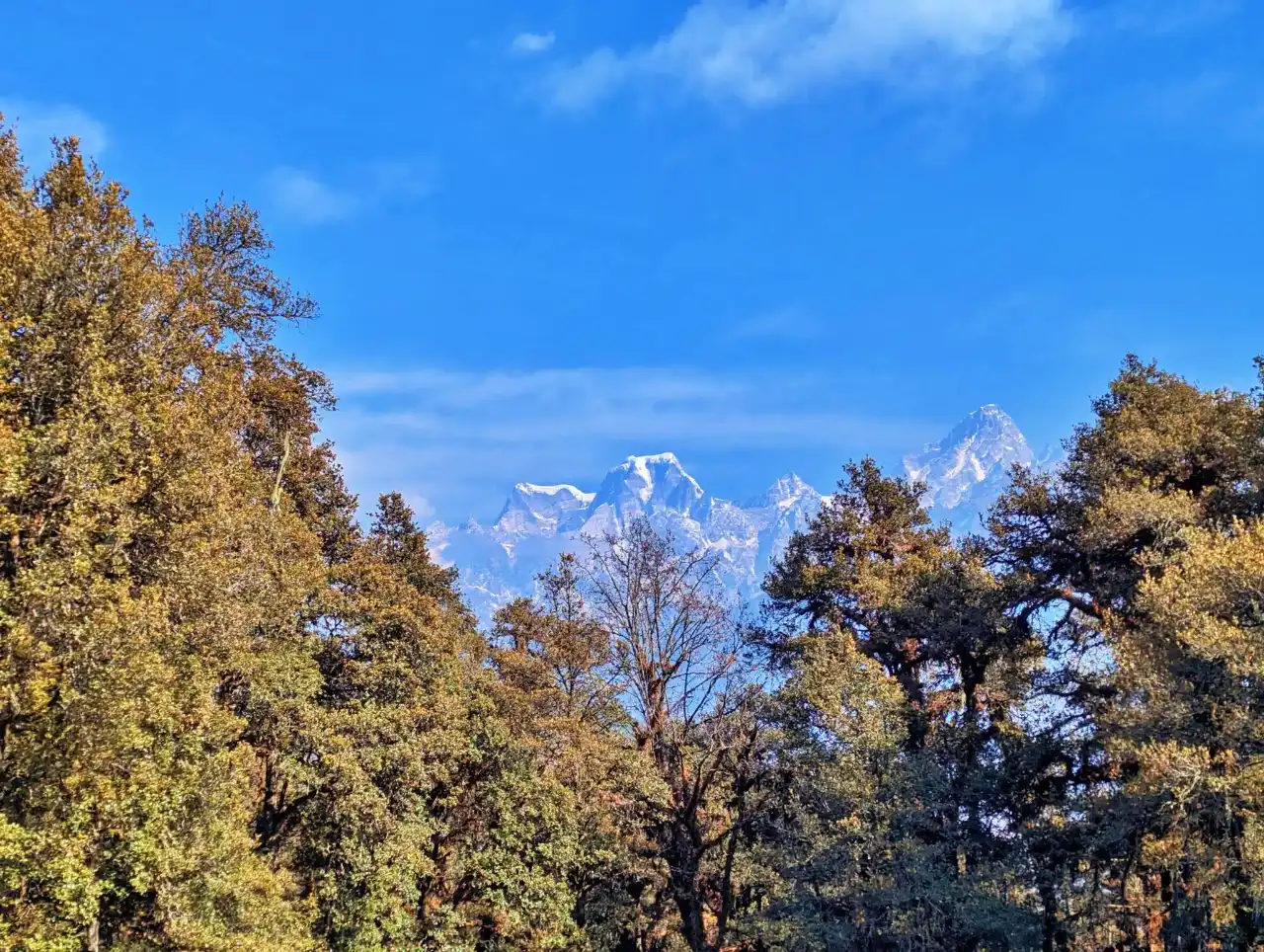
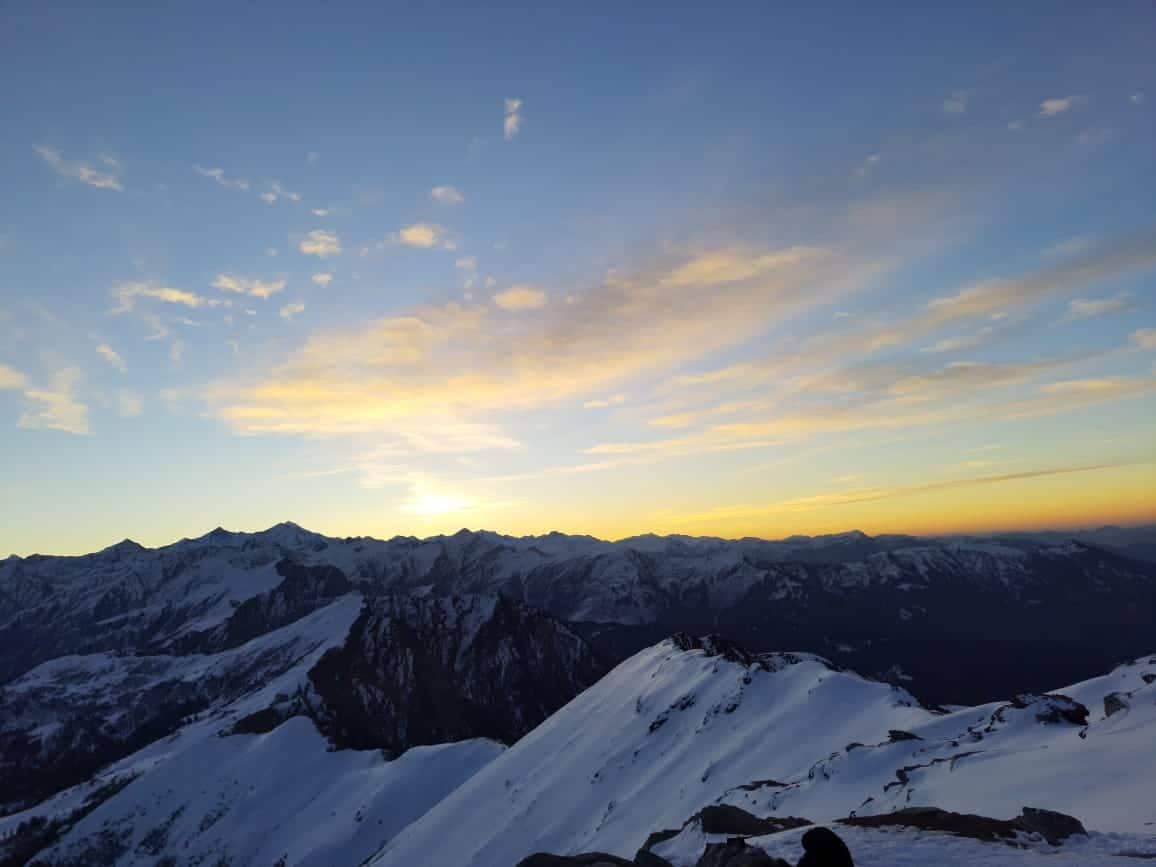
Why You Should Do Kedarkantha TrekKedarkantha Trek is fringed with pine trees and decked with the prettiness of snow, and Peak is often considered the best snow-trekking destination across the globe. This trek is in Govind Wildlife National Sanctuary Park of Uttarkashi, with mesmerizing, picturesque views of rich forests and scenic river valleys. This Valley is also known as the upper valley of Garwal, and villagers in this area have lived here since the Mahabharata Period. Kedarkantha name: The reason for calling it Kedar Kantha. The villagers rumor that 1st they first tried to build a Kedarnath temple at that peak, but they heard some animal sounds, which meant an omen for a divine event. Until then, they constructed Lord Shiva’s statue to the neck; the channel is called Kanth in Hindi. Lord Shiva has a lot of names, and Kedar is one of them. This is the reason why it is known as Kedarkantha. Forest: As this place lies in the Govind Wildlife National Sanctuary in the Himalayas of Uttarakhand, you can witness the dense Coniferous and Pine forests. Get enthralled by the beautiful Oak tree forest around Kotgaon. After crossing Dhoka campsite, you will pass by rhododendron trees. Beauty and Adventure: You experience the perfect blend of beauty and adventure, like Lavish green pasture, colorful flowers, thick forest with snow-covered peaks, and walking on snow slopes. Wildlife: This trek is exciting because you can see Himalayan Languor, Boars, and Hares along with Martens in the Juda Ka Talab region. Govind Wildlife National Sanctuary has various other animals that you might get to see on this trek, like the Himalayan Blue Sheep, Himalayan Serow, Himalayan Crestless Porcupine, brown-haired thar, and the Himalayan Snow Leopard. Snow Peaks: Formidable-looking peaks covered with snow blanket, like Bandarpoonch, Swargarohini, Kala Nag, Gangotri, Yamunotri, and Ranglana. Once you begin your trek from Dhoka, you will see the peaks of Jaonli, Draupadi Ka Danda, and Jorkanden. Tatalona Meadows: When you trek From Khujaai to Dhoka, you will pass by the pristine vistas of Tatalona meadows. “Dhoka” in Garwali means “meadows with a big boulder,” which perfectly suits the Dhoka campsite as it has vast fields and giant boulders.eadows: Mythology: There is a lake called “Juda Ka Talab,” which is believed to be where Lord Shiva had opened a small lock of his hair, and water dripped from his hair, forming this vast lake. Judan Ka Talab Lake is highly scenic, with an alpine lake on one side and a pine forest on the other. Click here for booking and more information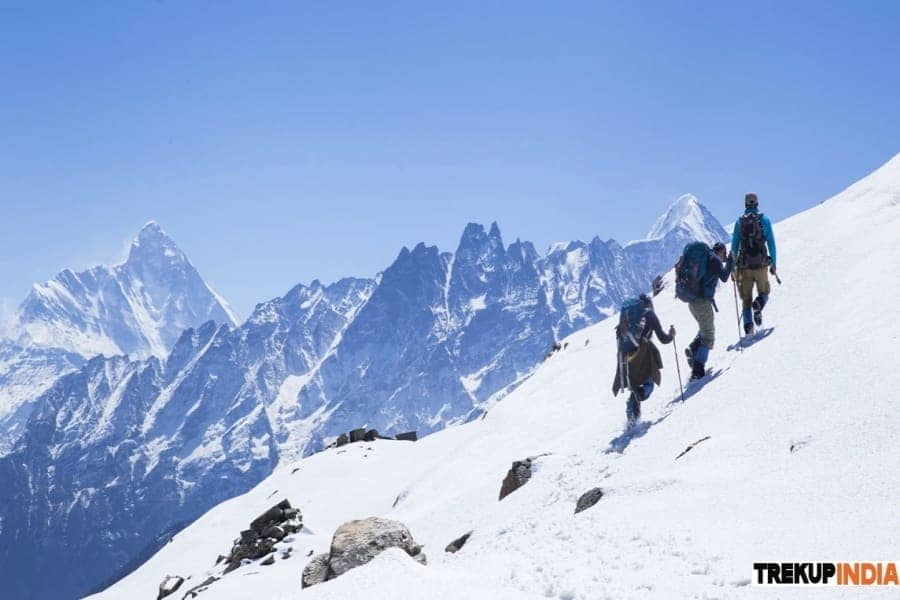 Trek Guide
By Nanda Rawat|Feb 16, 2026
Why You Should Do Kuari Pass TrekKuari Pass Trek allows you to come up close to the mighty mountains, like Nanda Ghunti, Hathi Ghoda Parbat, Neelkanth, Dronagiri, Mukut Parbat, and Changbang. This trek is filled with nature attractions if you are seeking it, as you will see the forest changing colors into yellow, orange, and green. The trees that you would see are Deodar, Rhododendron, and Oak. If you are lucky, you might see wildlife like leopards and Himalayan black bears. Gorson Bugyal: You will get a refreshing feeling when you walk through the luxurious Himalayan meadows, which locals call Bugyals. And Gorson Bugyal is one of such vast undulating green pastures. Terrace Farming: Local People of the Himalayan region have terrace farming technique, which is confluenced with greenery. You would start seeing Terrace farming, which is on the Gharwal frontier. Forest of Tali: You would cross streams and mixed forest, slowly thickening with rhododendrons and oaks. Also, in the right season, you might see white and pink blossoms and walnut trees. Forest: At Chitrakantha Forest, walk through a forest of Oak, Pine, Rhododendron, and Maple; as you walk through the forest, you will see a large section of pine, some fallen cones, and maple seeds on the flooring of the forest. When you start seeing lone walnut trees, it means that you are close to Akhrotghetta campsite. Skiing in Auli: Catch a glimpse of Auli, the skiing capital of India and most famous all over South Asia. Skiing right through these snow-covered forests feels highly thrilling. Mountain: Catch a clear view of India’s highest mountain, Mt. Nanda Devi; you will also see Hathi Gauri. Get energized by the changing colors of Mount Dronagiri (Dunagiri) from green to brown. There is a great mythological story that Hanuman ji, in search of Sanjeevni nooti, took a part of Mt. Dronagiri. Historical activity: Pass through Lata Village, where the Chipko movement started in India, and here you will see thatched roofed houses. Lata village is also the entry point of Nanda Devi National Park. It is an excellent area containing the sanctuary, home to bharal, snow leopards, musk deer, and Himalayan bear. Click here for booking and more information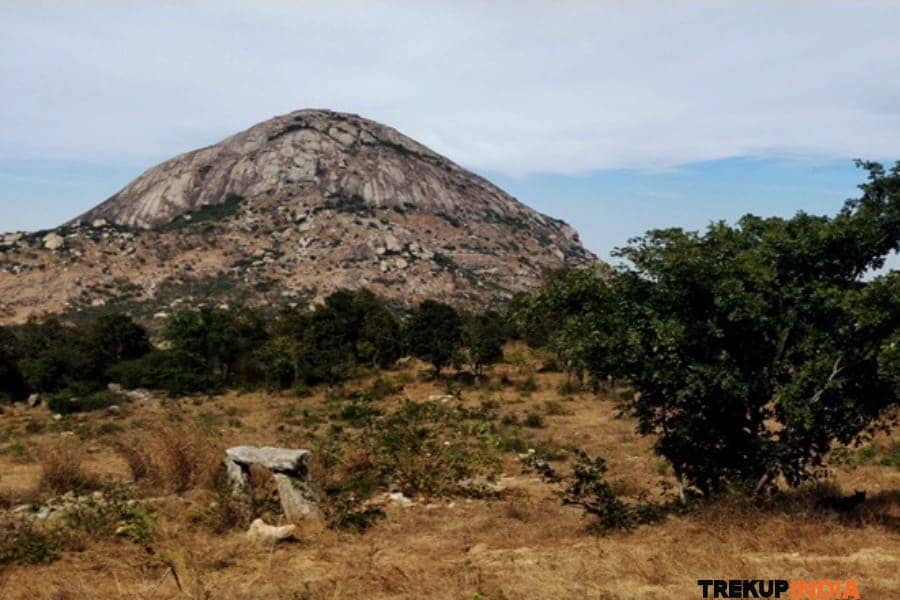 Trek Guide
By Preetam Singh Rawat|Feb 16, 2026
Trekking Places Near BangaloreIf you’re yearning for a break from the hustle and bustle of city life and crave adventure and excitement, look no further than the trekking places near Bangalore. The surrounding area is abundant with diverse landscapes, including hills, mountains, forests, plains, and rocks, offering the perfect setting for an unforgettable trekking experience. When you choose to go trekking near Bangalore, the possibilities are endless. Locations such as Skandagiri provide you with awe-inspiring treks to summits that are shrouded in clouds. Additionally, there are ancient temples and forts located atop mountains like Uttari Betta and Madhugiri, which are worth the trek. These vantage points offer breathtaking views of both sunrise and sunset. Exploring Bangalore’s surroundings on foot offers a unique opportunity to uncover the area’s lesser-known natural wonders, including waterfalls and lakes. Adventure seekers won’t want to miss these top-rated treks in and around Bangalore. In the vicinity of Bangalore (Bengaluru), there exist numerous trekking locales that proffer a diversity of experiences, ranging from straightforward trails to more arduous ones. Some preferred alternatives include: Located near Tumkur, approximately 100 kilometers from Bangalore, Channarayana Durga, also known as Channarayana Betta, is a hill fortress that offers a thrilling trekking experience. Here’s what you need to know about the Channarayana Durga trek: The Halu Chilume Ganga trek near Hagalavadi village in Karnataka, India, is a well-liked trekking spot. Here is some important information about this trek. Minchukallu Betta, also called Minchukallu Gudda or Minchukallu Hill, is a picturesque trekking spot situated close to Tumkur in Karnataka, India. Here are the key details about this trekking experience: Nestled near Bangalore, Karnataka, Channagiri, also recognized as Channakeshava Betta, beckons to adventure-seekers as a coveted trekking hotspot. Here’s a rundown of what to expect from this exciting excursion: Makalidurga, a well-known trekking spot near Bangalore in Karnataka, India, is a favored destination for trekkers. Here is some essential information about this trek. Located near Kanakapura in Karnataka, India, Ranganatha Swamy Betta, also referred to as Bilikal Betta, is a notable hill that offers an exciting trekking experience. Here’s a brief overview of what to expect on this adventure: Nestled near Bangalore, Karnataka, India, Handi Gundi Betta offers a serene and scenic trekking experience that is waiting to be discovered. Also known as Handigundi Betta or Handigundi Hill, this hidden gem is a lesser-known yet enchanting destination for those seeking a tranquil adventure. Here’s an overview of what you can expect from this trek: Kunagalu Betta Trek, also referred to as Kunigal Kere or Kunigal Hill, is a well-liked spot for trekking close to Bangalore in the state of Karnataka, India. Here are some key details about this trekking experience: Nestled near the town of Ramanagara in Karnataka, India, Harihara Betta also recognized as Harihara Gudda or Harihara Hill, beckons to adventure-seekers and nature enthusiasts alike. This picturesque trekking destination offers a unique experience that you won’t want to miss. Before embarking on your journey, here’s a helpful guide to acquaint you with the essentials: Nestled near Bangalore, Karnataka, India, Madhugiri is a popular trekking hotspot that draws adventure seekers from far and wide. Before embarking on this exciting journey, here’s a rundown of what to expect from the Madhugiri trek: Nestled near Bangalore, Karnataka, India, Skandagiri, also recognized as Kalavara Durga, offers an enthralling trekking experience for adventure enthusiasts. Here’s a comprehensive guide to help you prepare for the Skandagiri trek: Nestled near Bangalore in Karnataka, India, Savandurga is a celebrated trekking hotspot. Here’s a rundown of what to expect on the Savandurga trek: Muttibetta, a picturesque hill, is situated near Pandavapura town in Karnataka’s Mandya district. If you’re planning to hike up Mutturayaswamy Betta, here’s a brief guide to help you prepare: Bheemana Kindi, situated in the Devarayanadurga State Forest in Karnataka, India, is a significant spot for both history enthusiasts and hikers. Here are the key details about Bheemana Kindi that you should be aware of: Bheemana Kindi can be found near the village of Devarayanadurga in Karnataka’s Tumkur district, a short 70 kilometers from Bangalore. The site is conveniently reachable by road, making it a great option for those traveling from Bangalore or other nearby towns. Bheemana Kindi is steeped in history, as it is linked to the legendary figure of Bheema, a character from the Hindu epic Mahabharata. According to local tales, Bheema is said to have carved out a path through the rocky terrain, now known as Bheemana Kindi, during his period of exile. Both locals and visitors venerate the site and its historical and mythological significance. The journey to Bheemana Kindi is a comfortable and enjoyable experience, ideal for those new to hiking and families looking to spend quality time together outdoors. The trail takes you through lush forests, rolling hills, and scenic rocky paths, providing a leisurely adventure that allows you to soak in the beauty of nature. Although it’s not a rigorous trek, it’s still an engaging and satisfying experience that’s sure to leave you feeling refreshed and rejuvenated. The trek provides breathtaking vistas of the neighboring hills, forests, and rocky formations, making it a haven for nature enthusiasts and shutterbugs. Bheemana Kindi’s stunning scenery and peaceful ambiance have earned it a reputation as a must-visit destination for those seeking solace in nature’s embrace. The journey to Bheemana Kindi usually takes a few hours to finish, allowing for a day excursion from Bangalore or surrounding areas. The specific timing can differ based on the initial location, the speed of the trekking party, and the duration spent investigating the location. The optimal months for trekking at Bheemana Kindi are from October until March, when the weather is mild, and the paths are easier to follow. It is recommended to steer clear of trekking in the summer peak due to the potentially scorching temperatures and parched, dusty trails. Nestled near the town of Kunigal in Karnataka’s Tumkur district, Huliyurdurga is a relatively unknown yet enchanting trekking destination. This hidden gem is worth exploring, with its unique name that varies in spelling, including Huliyur Durga and Huliyar Durga. Here’s an overview of what awaits you in Huliyurdurga: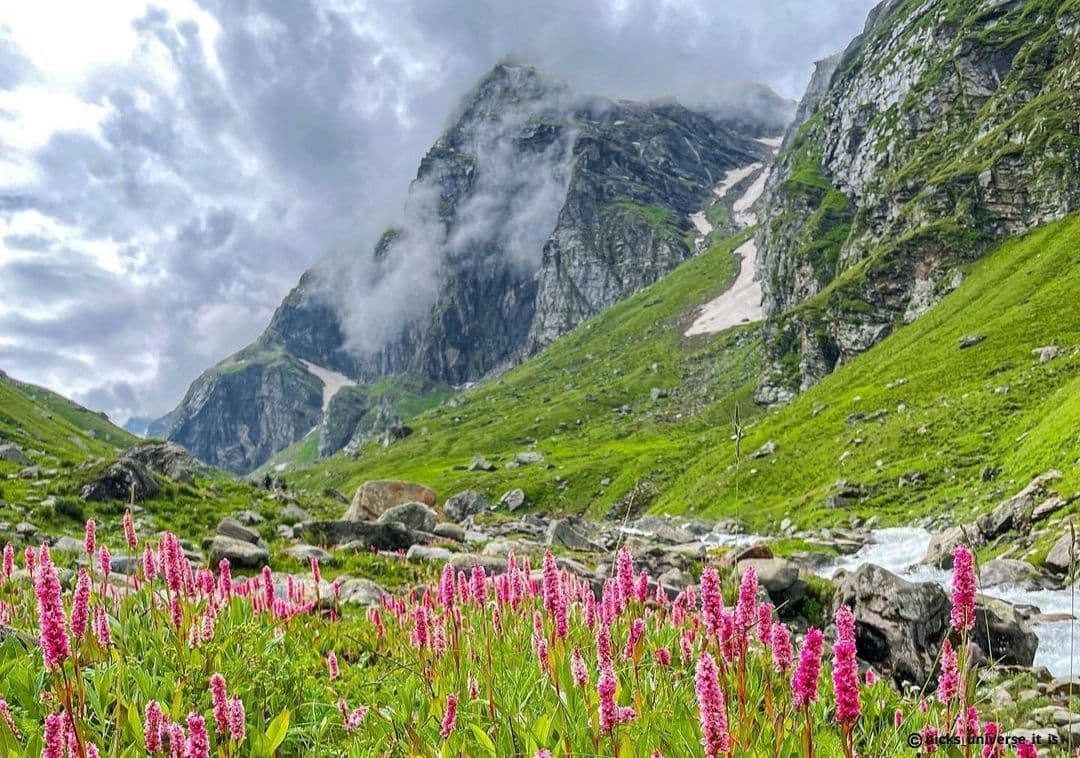 Trek Guide
By Preetam Singh Rawat|Feb 16, 2026
What makes Hampta Pass the Valley of Flowers in Himachal Pradesh?The Hampta Pass Trek is known for its stunning valley of various flowers. Notably, the abundance of flowers on this trek has led some of our experienced guides to consider it even more impressive than the famous Valley of Flowers trek in Uttarakhand. Nestled between the Chikha and Balu Ka Ghera campsites lies a picturesque meadow called Jwara. This lovely green space is decorated with a captivating array of blooming flowers. While traversing the numerous babbling streams in the area, keep an eye out for yellow Marigolds growing along their banks. This is just a glimpse of the beauty that awaits. As you explore the Jwara grassland, you’ll be treated to a stunning Himalayan Blue Poppy and Pink Hill Geranium display, adding vibrant colours to the landscape. The valley is a sight to behold during July and August, boasting an array of vibrant wildflowers that blanket the landscape. The camping experience here is truly unforgettable, especially when surrounded by the stunning pink hues of the Hill Geraniums that carpet the campsite. The scenery is reminiscent of the iconic Beatles song, “Strawberry Fields Forever,” making Jwara a must-visit destination for any camping enthusiast. I’ll leave you with a fresh bouquet from the breathtaking Hampta Pass Trek.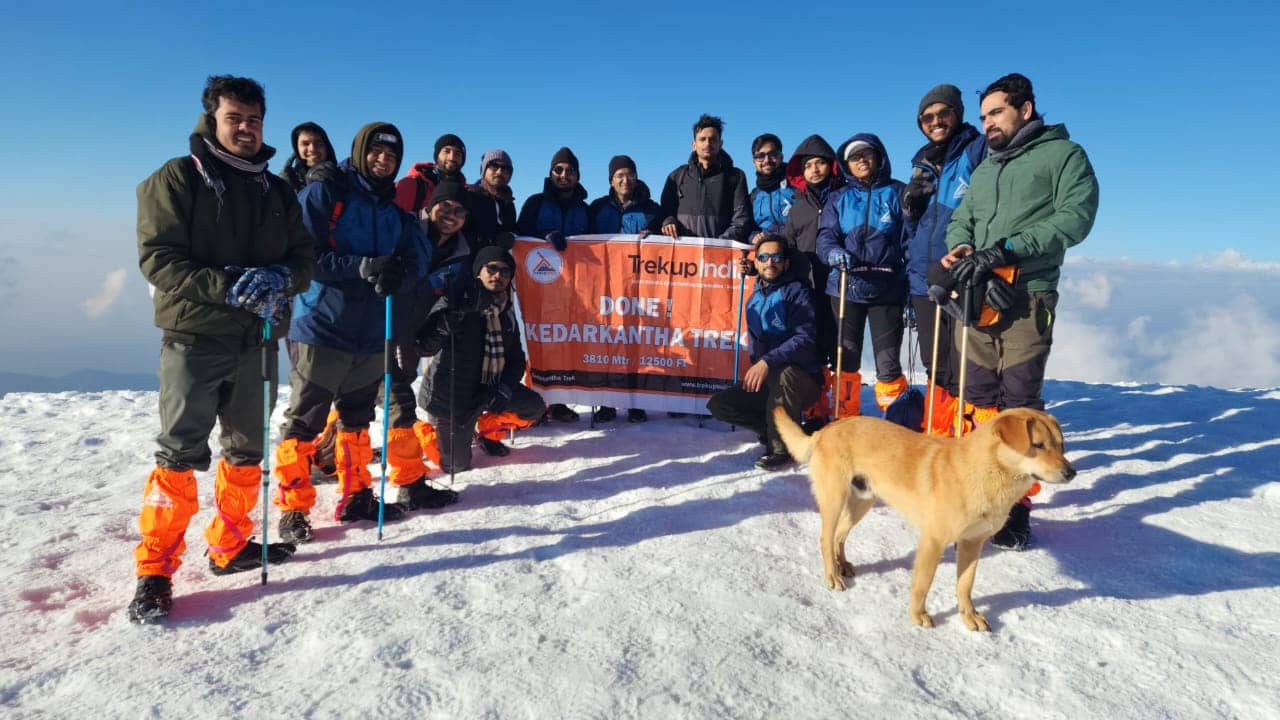 Trek Guide
By Preetam Singh Rawat|Feb 16, 2026
Ultimate Kedarkantha Trek Guide: Unleash Adventure!Nestled among the Garhwal Himalayas in Uttarakhand, the Kedarkantha Trek is a well-known winter hiking route that culminates at the summit of Kedarkantha Peak, offering a captivating journey through the stunning winter scenery of the Himalayas. The trek encompasses a variety of landscapes, including dense pine forests, frozen lakes, expansive snow-covered areas, and breathtaking mountain vistas. Suppose you are considering exploring this enchanting snowy terrain. In that case, we have created a comprehensive guide to provide you with all the necessary details for a successful and enjoyable adventure on the Kedarkantha Trek. Play Video about kedarkantha trek youtube Play Video about sankri trekup india stay for kedarkanta and har ki dun trek The Kedarkantha Peak is situated within the Govind Pashu Vihar National Park in Uttarakhand. Starting from Sankri, a charming village that acts as the entry point to this snowy paradise, the Kedarkantha trek is a popular choice for adventurers. Sankri, which serves as a starting point for the trek, is a delightful village that captures the attention of trekkers. It can be easily reached via well-maintained roads from Dehradun and Rishikesh, allowing for a convenient journey into the Himalayan region. The Kedarkantha Trek offers breathtaking views of the Greater Himalayan Ranges from its towering summit, standing tall at 12,500 feet. Beginning at the base camp in Sankri, which sits at an altitude of 6,400 feet, the trek takes participants on a gradual ascent over three days, allowing for a gentle acclimatization to the higher altitude. This thoughtful approach ensures that everyone can fully appreciate the experience without compromising their health and safety. The optimal time to embark on the Kedarkantha Trek is during the winter season, specifically from December to April. This period transforms the area into a mystical winter wonderland, providing a unique and exciting trekking experience. The snow-covered terrain offers a challenging journey, complete with frozen lakes and dense alpine forests. The chilly temperatures add an extra layer of excitement, making it a perfect choice for those seeking a quintessential winter trek adventure. The Kedarkantha Trek is considered to be of moderate difficulty, making it appropriate for those with basic fitness levels and some trekking experience. Although the trek is known for being accessible to a wide range of trekkers, the winter conditions in December and other winter months bring a unique mix of adventure and obstacles. The snowy terrain during the winter trek adds complexity, but the well-marked trails and gradual ascents ensure a trek that is both exciting and manageable. Despite the additional challenges posed by the winter conditions, the support from experienced Trek Leaders makes the Kedarkantha winter trek a feasible and thrilling winter adventure. The Kedarkantha trek welcomes a variety of trekkers, offering an inclusive and convenient adventure for those with different levels of trekking experience. Whether you are a novice, a seasoned trekker, a family, a nature lover, or a photography enthusiast, you can participate in this trek as long as you have a moderate fitness level. The Kedarkantha Trek offers a unique and exciting experience, diverging from the traditional itinerary of Kedrakantha Trek India hikes. Our route promises to deliver unparalleled views and unexpected delights. Here are some of the standout features of our Kedarkantha Trek route. The culmination of the trek, the Kedarkantha summit, stands tall at an altitude of around 12,500 feet, offering breathtaking views of the Himalayas. The journey to the top is a challenging yet rewarding experience that leaves you with a profound sense of accomplishment and inner peace. As you reach the summit, you’ll feel like you’re on top of the world, and the stunning vistas will revitalize you after the strenuous climb. The summit is also home to a small temple dedicated to Lord Shiva, Goddess Parvati, and Lord Ganesha. From the highest point, the hikers are treated to a breathtaking panorama of towering mountains, including Swargarohini, Bandarpoonch, and Black Peak. As the sun rises, the snow-covered peaks are transformed into a kaleidoscope of colours, creating a truly enchanting sight. Nestled between a picturesque lake and a lush pine forest, the campsite at Juda Ka Talab is a breathtakingly beautiful destination. The scenery is almost surreal, with the snow-capped mountains serving as a stunning backdrop. In the winter months, the lake transforms into a dazzling sheet of ice, creating a photographer’s paradise. The lake not only adds to the beauty of the area but also serves a practical purpose, providing water to the neighbouring villages through a natural tunnel. The locals hold the lake in high esteem, believing that it was created by Lord Shiva during his meditation at Kedarkantha, with the droplets from his hair forming the lake. Kedarkantha trek offers some of the most spectacular sunsets, unparalleled by any other trek. Located in the western part of the Garhwal Himalayas, the peak provides an unobstructed view of the setting sun, basking the surrounding snow-capped peaks in a golden glow. The transition from blue-white to molten gold during the golden hour is truly enchanting, making it a sight to behold. The enchanting Pine and Oak forests found in Kedarkantha enhance the trek’s beauty and instil a sense of peace. These high-altitude alpine forests are among the most untouched, with a rugged and wild quality. In certain areas, the forest is densely packed, creating a surreal atmosphere during your ascent. Winter transforms the forests into an even more surreal sight as the snow blankets the trees’ leaves and branches. Network connectivity is accessible at Sankri, provided by JIO & BSNL, although it can be unreliable. Beyond this location, mobile connectivity is not available during the trek. It is advised to complete any important phone calls before commencing the trek from Sankri. Occasional short periods of mobile network may be encountered at specific points along the trek route. Electricity is available until you reach Sankri during the trek. It is advised to carry spare batteries for cameras and power banks to ensure your electronic devices remain charged. Be mindful that batteries deplete more rapidly in cold weather, so it is advisable to store them in insulated bags and keep them inside your sleeping bag overnight. The accommodations for the Kedarkantha Trek are thoughtfully arranged, providing a comfortable and convenient experience for all participants. In Sankri, you’ll enjoy luxurious accommodations at Trekup India Hotel, while the remainder of the trek will be spent camping in various campsites. To ensure a restful night’s sleep, camping arrangements are made on a twin-sharing basis. You can certainly take advantage of offloading services for the Kedarkantha Trek. However, please note that the cost of offloading is not included in the trek’s overall price, and you’ll need to pay an additional fee to book this service. The offloading fee is Rs 1600 if you book in advance and Rs 2000 if you book on the spot. Ensure that your offloading bag does not exceed 10 kg in weight. You can simply book your offload by login you dashboard. At the Base Camp, we provide a secure storage area for your luggage in our guesthouse. You can store your bags there and pick them up after your trek. However, please refrain from leaving any valuable items in the bags you store, as we cannot be held responsible for their safety. The closest ATM to the trekking area is located in Mori, which is the final stop before Sankri. It’s important to note that the ATM in Mori may not always have cash available. To ensure you have enough money, it is recommended to either carry cash with you or withdraw money in Dehradun. At the Base Camp, we provide a secure storage area for your luggage in our guesthouse. You can store your bags there and pick them up after your trek. However, please refrain from leaving any valuable items in the bags you store, as we cannot be held responsible for their safety. At the starting point of your adventure, Sankri Base Camp, you’ll have access to some trekking essentials. However, to ensure a smooth and enjoyable experience, it’s recommended that you secure your gear in advance, either by purchasing or renting. This will guarantee that you’re well-equipped and prepared for your Himalayan trek. If you prefer to rent, we offer gear rental services for an additional fee, you can rent here . Kedarkantha Trek entails a 6-day journey through the Garhwal Himalayas, with an elevation gain of 2,500 to 3,000 meters. To participate in this adventure, you should have a good level of fitness. Before embarking on the trek, it is advisable to begin a physical training program 4-6 weeks in advance. This program should include cardiovascular exercises, strength training, and flexibility exercises. You should be able to cover 5-7 kilometers of distance in 45 minutes to 1 hour, with a backpack weighing 10-15 kg. Additionally, you should be able to climb 4-5 flights of stairs in 1 minute without any issues. It is also important to note that the trek takes place at high altitudes, so you should be prepared for the thin air and potential altitude sickness. It is recommended to consult with your doctor before embarking on the trek, especially if you have any pre-existing medical conditions. Overall, the Kedarkantha Trek requires a good level of fitness, endurance, and mental preparedness. With the right training and preparation, you will be able to enjoy this incredible adventure to its fullest. Improving cardiovascular endurance is important for the trek, which includes constant walking at different heights. Engaging in exercises such as running, biking, or fast walking can help you get ready for long-lasting physical exertion. Embarking on this adventure requires fortifying your legs, particularly the quadriceps and calf muscles, to tackle the challenges of traversing snowy trails and steep inclines. Engaging in exercises like climbing stairs or uphill walking can help bolster your leg strength and muscular endurance, ensuring you’re well-prepared for the trek ahead. Agile movement on uneven terrain is facilitated by muscles and joints that can adapt and bend with ease. Include lower body, back, and shoulder stretches in your routine to enhance your flexibility. To ensure an unforgettable and fulfilling Kedarkantha trekking experience, consider the following tips: Book your Kedarkantha Trek here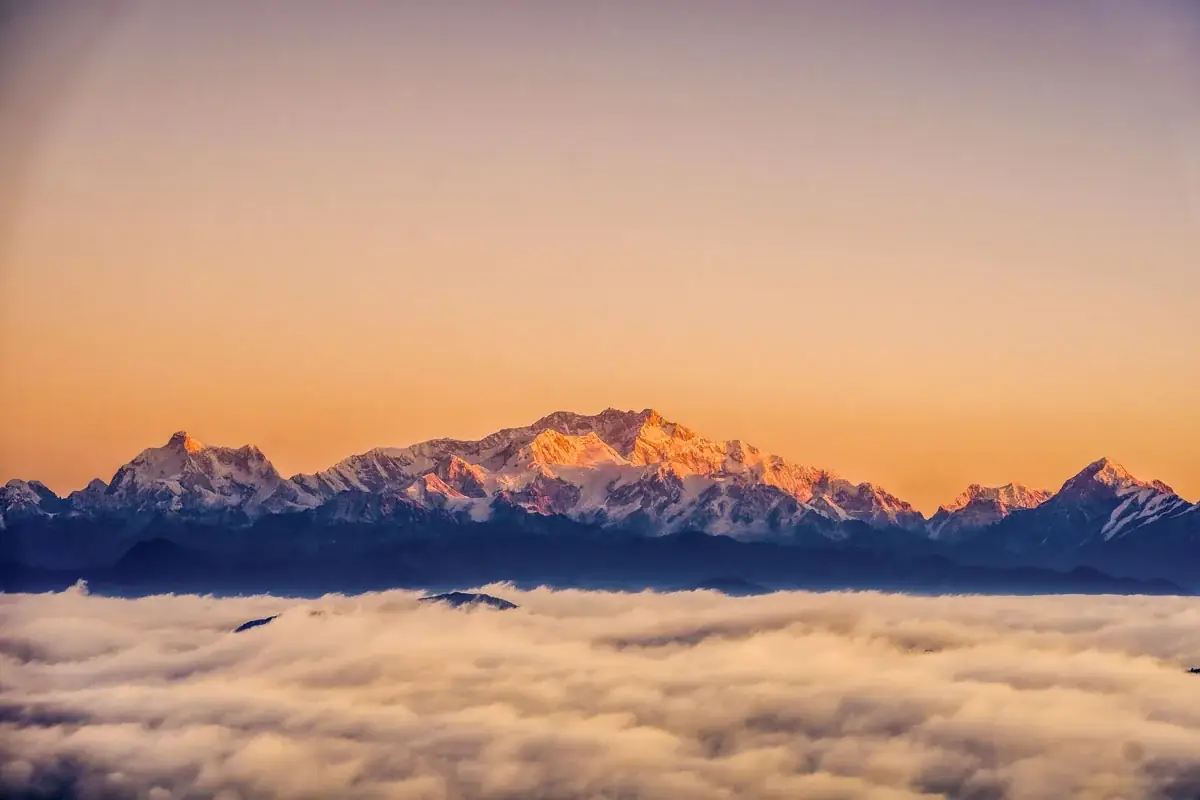 Trek Guide
By Preetam Singh Rawat|Feb 16, 2026
Sandakphu Trek - A Spectacular Hidden Gem for AdventurersLet’s uncover why Sandakphu is a must-visit destination for intrepid adventurers. I want to share some personal stories that demonstrate my point. I’m confident my reasoning will persuade you by the time I finish. It is astonishing how little attention Day 1 receives in discussions. The forest areas are incredibly thick, allowing only minimal light to reach the ground. The forest’s density may deceive you into believing it is evening. When the forest opens up to a meadow, you catch sight of the Sleeping Buddha for the first time. Over the next three hours, the Sleeping Buddha appears to play a game of hide and seek with you. Upon reaching Tumling, you are welcomed by a clear view of the Sleeping Buddha. The Sandakphu trek offers a taste of what it’s like to trek in Nepal without the need to set up camp or scout out a place to rest. Comfortable accommodations, such as wooden huts or basic lodges, provide cozy beds and warm blankets, making it feel like a luxurious experience. At Tumling, our club has windows that offer a direct view of the majestic Sleeping Buddha. The majestic peaks of Mt. Kangchenjunga, Kumbhakarna, Pandim, and Kabru (North, South, Dome) create a striking resemblance to Lord Buddha in repose. This site will remain etched in your memory for a day and throughout your four-day trek. As you stand at Phalut, the mountains seem almost within reach, their proximity creating a sense of awe and wonder that is hard to shake off. On the third day of your journey, you’ll venture into the magnificent Singalila National Park, where you’ll have the opportunity to witness the breathtaking beauty of fiery red Rhododendron trees, which are ablaze with color during March and April. These trees provide a vital habitat for the elusive Red Panda, a species that is sadly threatened with extinction, with an estimated wild population of less than 10,000 individuals. As you tread quietly along the trail, you may be fortunate enough to glimpse these enigmatic creatures, making your experience unforgettable. Sandakphu is a rare location on our planet where towering peaks reaching 8,000 meters can be seen. Notably, it offers a spectacular view of Everest, Lhotse, and Makalu and the opportunity to gaze upon the path ahead for the next four days of your trek. The extensive vistas from Sandakphu are genuinely remarkable. At Sabargram, mountain enthusiasts will find the ultimate vantage point. It’s one of the few campsites where you’ll have the opportunity to sleep in tents, surrounded by the awe-inspiring Himalayas. As you unzip your tent, you’ll be greeted by the majestic sight of the world’s highest peaks, an unforgettable experience for any mountain lover. The journey to Gorkhey involves walking through a captivating forest with a diverse range of trees, such as rhododendrons, bamboo, and brown oak. The forest ground is covered with oak nuts, a favorite food of red pandas. Walking through the forest rejuvenates you and relieves your fatigue despite the long days. Gorkhey village is in a small open area surrounded by dense pine forests. A lovely river flows through the town, creating a captivating sight as one descends towards it. Samanden, located an hour from Gorkhey, is a breathtaking village with charming wooden huts, lush vegetable farms, picturesque gardens, and small clusters of pine trees that enhance its beauty. I would love to establish a residence in this idyllic village. Following Samanden is Ramam. With reluctance, you bring your journey to a close at Sepi. Book & view deatils of Sandakphu Trek Here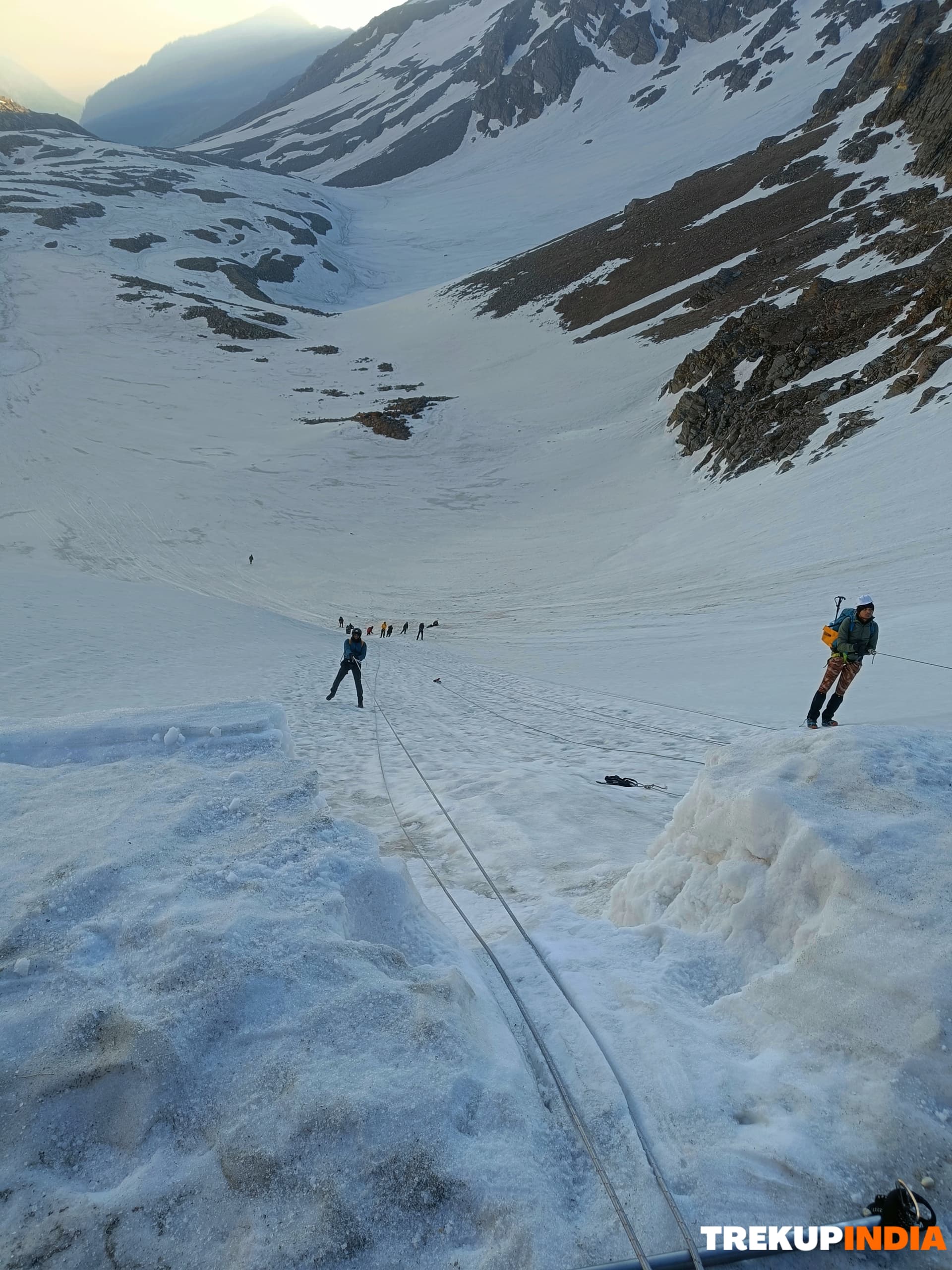 Trek Guide
By Nanda Rawat|Feb 16, 2026
Buran Ghati Trek: An Exceptional Alternative to Roopkund Lake TrekThe High Court of Uttrakhand prohibited Roopkund and banned camping in its meadows in 2018; therefore, we must now seek a suitable alternative to Roopkund. Buran Ghati Trek is a destination that may require some clarification as its hidden treasures have yet to be widely known. During my trek there, I was struck by the exceptional beauty of the landscape, surpassing that of other Himalayan treks. The scenery of Buran Ghati, with its picturesque pine trees and lush grasslands, is like something from a storybook. Beyond its beauty, the trek offers an exhilarating adventure, especially when climbing and descending the Buran Pass. This mix of stunning scenery and thrilling experiences makes Buran Ghati a fantastic alternative to Roopkund, with a difficulty level that is almost on par with the latter. The trek starts at Lohajung for Roopkund and at Janglik for Buran Ghati. Janglik is considered more beautiful than Lohajung’s untouched, picturesque village setting. The homes in Janglik are charmingly crafted, typically featuring wooden structures with stone roofs. The village is surrounded by snow-capped peaks and scenic farms, with pine trees casting a canopy over the village. Upon reaching Janglik, you genuinely sense being immersed in the mountain environment. In contrast, Lohajung has been affected by commercial trekking, resulting in a more urbanized appearance, though it still offers splendid views of Mt Nanda Ghunti and the Didina Valley. Buran Ghati – is a fantastic trek that starts from picturesque farms and leads into stunning pine forests after about an hour. The trail through the pine trees is enchanting, with beautiful clearings along the way. It then opens into vast grasslands, eventually reaching the breathtaking Dayara meadows. The meadows are incredibly scenic, reminiscent of childhood postcards. A unique part of the trek is the ‘wow’ point, where trekkers are first greeted with a stunning view of Dayara. It’s a sight that never fails to leave trekkers in awe, stopping them in their tracks with wonder in their eyes due to the sheer beauty of the surroundings. Roopkund – The initial part of the Roopkund trek leads through stunning oak and rhododendron forests, where the interplay of colours, light, and shadows is captivating. The dense and beautiful oak forests continue until you reach the first camp at Gheroli Patal. Before Buran Ghati became my top choice, Roopkund used to be my preferred trek for its enchanting oak forests on the first Day. Janglik Village Photos by Gourab Nandy On the second Day of the Roopkund trek, the scenery takes a stunning turn as trekkers make their way through a lush oak forest, with the sunlight filtering through the trees like a cinematic backdrop. The journey continues to the breathtaking Ali Bugyal, a high-altitude meadow renowned for its unparalleled beauty. Walking barefoot through the meadow is an unforgettable experience that will leave you in awe. The trek culminates at Bedni Bugyal, which many consider to be even more picturesque than Ali Bugyal. The sunset at Bedni Bugyal is a genuinely magical moment that evokes strong emotions in trekkers. The Ali Bugyal and Bedni Bugyal are so captivating that we have created a separate trek, The Ali Bedni Bugyal Trek, to allow trekkers to experience their beauty since the Roopkund Trek was closed fully. The Buran Ghati trek begins on Day Two from the beautiful Dayara meadows. The trail winds through the mountains, passing by pine and silver birch forests and crystal-clear mountain streams. The sight of the springs flowing down from the grassy slopes is breathtaking. Walking above the valley with pine trees lining the path, trekkers are treated to views of snow-capped peaks. After about 5 hours, camp is set up at Litham, where two valleys meet, offering spectacular views on both sides. This unique setting makes Buran Ghati a compelling alternative to the popular Roopkund trek. An additional day is scheduled for acclimatization during the Buran Ghati trek, specifically to explore Chandranahan Lake on the third Day. This side trek from Litham offers another thrilling adventure, but I will discuss it later. Therefore, I will proceed to day 4 of the Buran Ghati trek. The third Day of the Roopkund trek is a visual delight, offering a scenic journey along the entire length of Bedni Bugyal – a heavenly terrain for trekkers. Where else can you experience the thrill of exploring such picturesque meadows? As you continue, the trail takes you to the other side of the mountain, leading to Patar Nachauni, the final stretch of lush grasslands. With the majestic Mt Nanda Ghunti and Trishul as your constant companions, the trek is a feast for the eyes and a mentally stimulating adventure. While the beauty of the trek is captivating, Buran offers its exciting moments. Buran Ghati: I would give a higher rating on the fourth Day of the Buran Ghati trek. During the fourth Day of this trek, we traversed the Litham Valley, coming remarkably close to the Dhauladhar range. The range appears like a formidable barrier ahead of us, offering a thrilling sight of the towering snow-covered peaks. Our guides eagerly highlight the impressive Gunas pass, a sibling pass to Buran Ghati. As you embark on this trek early in the season, you will encounter your first snow patches, adding to the excitement. The grassy terrain gradually gives way to a glimpse of Buran Ghati around a bend, capturing your attention as you mentally plan your ascent to the pass. Upon reaching Dunda, you get the snow line, immersing yourself in a complete alpine environment with snow patches. Setting up camp on the snow becomes a delightful experience for any trekker. On the fourth Day of the Roopkund trek, trekkers experience a thrilling adventure as they go from Patar Nachauni to the shrine at Kalu Vinayak. The vertical climb appears impossible, but the breathtaking view from the top is well worth the effort. As they reach Kalu Vinayak, trekkers catch their first glimpse of the Roopkund flank, and the change in scenery is theatrical. The icy terrain of Bhagwabasa, with the Roopkund flank looming in the distance and Mt Trishul towering above, creates a picturesque setting. Trekkers eagerly anticipate their first glimpse of Roopkund, the mysterious lake that is their ultimate destination. When they realize that it is nestled high above the mountain flank, they can’t help but feel a rush of excitement and nervousness at the prospect of the adventure that lies ahead. The eagerly anticipated Day has finally arrived, the Day we’ll embark on the gruelling Buran Ghati and Roopkund treks. Both adventures promise to be exhilarating, and I rate them equally, but if pressed, I’d give a slight edge to Buran Ghati. Allow me to explain why. During the challenging Roopkund trek, hikers only glimpse the Roopkund lake once they are near the end of the climb. The journey involves traversing a mostly snow-covered mountain slope for a few hours before reaching a point directly beneath Roopkund. From there, a final push is required, including navigating switchbacks and a steep ascent that leads to the Roopkund crater. The stunning view of Roopkund takes the hikers by surprise, as the lake is much larger than they had anticipated. The surroundings appear surreal, with cliffs looming over the far end of Roopkund, casting a shadow over the water. The profound silence in the area almost allows one to hear one’s voice echoing. Reaching Roopkund is a remarkable accomplishment, provoking solid emotions in trekkers who often find themselves overwhelmed with joy and relief, sometimes leading to tears. As you reach the summit of Buran Ghati, you’re suddenly faced with a daunting challenge: a nearly vertical snow wall that seems to stretch on forever. Your heart races as you gaze down at the steep descent, but your trek leader quickly alleviates your fears by tossing down the rappelling ropes. This is truly a one-of-a-kind experience with the highest rappelling spot on earth. The descent may be brief, but it’s an unforgettable 50 meters. Once you’ve rappelled down, the fun is far from over. Your trek leader gives you a playful push, sending you sliding down the snowy terrain with unbridled joy. You can’t help but feel like a giddy child as you hurtle down the snow patches, squealing with delight. The Day is filled with five thrilling slides, each more exhilarating than the last. As you make your way down the grassy trails of the picturesque Baruva Valley, you can’t help but feel a sense of bouncy enthusiasm with every step. It’s an adventure that will leave you beaming with excitement! Conclusion: While Roopkund is an incredible trek, other options offer similar experiences and may even surpass it in certain aspects. Buran Ghati, for instance, is a fantastic alternative trek that can provide a comparable experience to Roopkund, with fewer crowds and more unique features. Considering the large number of people on the Roopkund slope, it’s worth exploring Buran Ghati as a viable alternative. Book & view details of Buran Ghati Pass Trek Here.jpg&w=1920&q=75 "The Biodiversity of Kedarkantha Trek in Uttarakhand | Flora & Fauna of the Himalayas") Trek Guide
Trek GuideBy Shivam Shingari|Feb 13, 2026
The Biodiversity of Kedarkantha Trek in Uttarakhand | Flora & Fauna of the HimalayasThe area is part of the Govind National Park in Uttarakhand, Kedarkantha is a popular trekking destination in India famous for its stunning landscape and breathtaking views from the summit. Although it is beautiful in its natural surroundings, the area's remarkable biodiversity is often overlooked. The hike across the national park reveals an array of plant and animals, with various zones of vegetation changing from dense pine and oak forest at lower elevations to beautiful alpine meadows higher up. This unique altitude variation creates a diverse ecosystem that supports numerous species of animal and plant. Kedarkantha is the home of a variety of rare species of plants, such as the gorgeous Brahma Kamal. It is a refuge for wildlife, including the Himalayan Monal, Musk Deer and a variety of bird species. The Kedarkantha Trek is moderately complex and is suitable for both novices and experienced trekkers. Each of them contributes to the abundant diversity of the Himalayas. Please keep in mind the following paragraph about plants and wildlife you might encounter on the Kedarkantha Trek: The Kedarkantha Trek offers an extensive view of rhododendron forest in a variety of shades, including pink, red and white, which are particularly evident in spring. These forests provide a vibrant contrast to the snowy landscape. The hike is through thick pine and oak forests that support a wide range of species of animals and plants which includes a variety of species of birds as well as small mammals. Higher elevations, you'll be able to see tranquil landscapes filled with moss and lichen, which are essential for maintaining the ecological balance of the region. The trek is a tribute to the Brahma Kamal, a adored plant species that is essential to the Uttarakhand's indigenous population. The unique Himalayan Monal, known as the bird of state in Uttarakhand is a beautiful sight in the dense forests with its sparkling feathers. The sighting of this majestic bird is a prestigious experience that will add a sense exclusivity to your trek. With its graceful movements, the mysterious red fox is a stunning part of the breathtaking snowy landscape. The presence of the fox adds a bit of awe to the already beautiful landscape, making your trip even more captivating. Find the magnificent Himalayan Tahrs with their curving fur and horns on the meadows of the alpine. Energetic macaques and langurs provide a thrilling element to the natural world. The chance to spot the elusive musk deer an exciting and rare experience in the stunning landscape of the Kedarkantha Trek, is sure to keep your heart pumping. The excitement of such an encounter will be an unforgettable experience of your trek. Thanks to its rich biodiversity The Kedarkantha Trek is a valuable adventure for nature lovers providing the opportunity to discover the amazing natural world.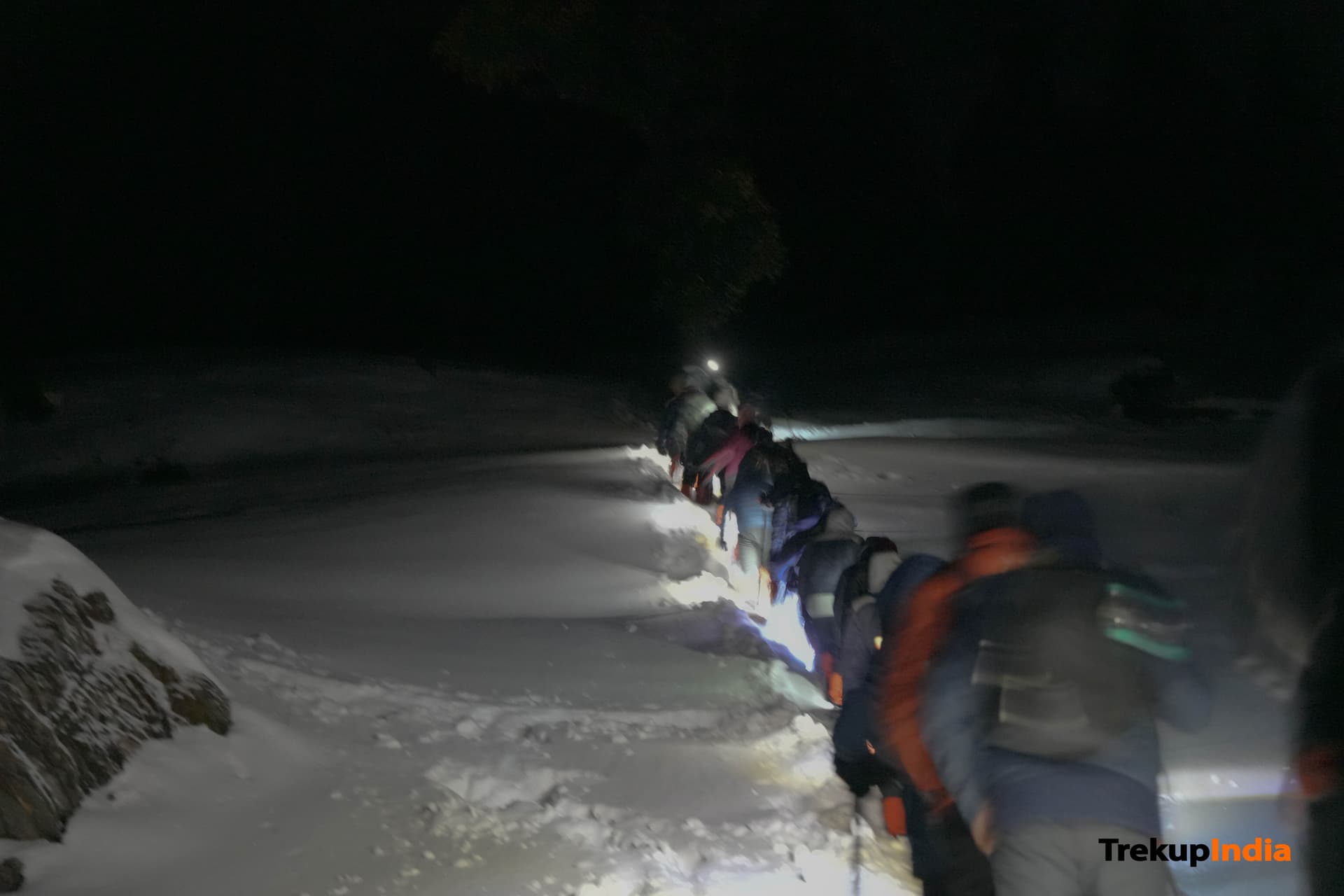 Trek Guide
By Nanda Rawat|Feb 13, 2026
Remember This Helpful Guide to the Kedarkantha Trek – Complete Trekking TipsThe Kedarkantha Trek, located in the Himalayas, is renowned for hikers because of the stunning landscape, moderate difficulty and its easy access. With winter fast nearing, it's the perfect time to begin planning the Kedarkantha Trek. This article gives a brief overview of what you can expect during the trek, and how to prepare. The Kedarkantha Peak is in the Uttarakhand Govind Garhwal region. The trek usually begins from the picturesque town of Sankri that is renowned for its beautiful scenery and welcoming locals. Sankri can be easily reached via roads from major cities, such as Dehradun and Rishikesh. The Kedarkantha trek takes six days and is appropriate for hikers of all levels, from novices to experienced hikers. A moderate score, Kedarkantha offers a good balance of accessibility and adventure which makes it suitable for both novice or experienced hikers. The gentle slope offers an enjoyable and rewarding experience and makes it a good option for families with children. The best time to visit The most ideal time to go on the Kedarkantha Trek is during winter between December and April. The area transforms into a stunning winter wonderland with the trails covered in snow, frozen lakes and dense forests. The altitude of Kedarkantha is 12,500 feet. The trek from the base camp all the way to the top is an increase in elevation of 6,100 feet in the course of three days, allowing the participants to get used to the elevation. Stays in the Trekup India Luxury Hotel in the village's bottom of Sankari and comfortable twin-sharing tents to share during the trek. Offloading service are available for a fee. If booked online via the website it will cost INR 1600 or at Base Camp Sankri, it will cost INR 2000. The weight of the bag that is used for offloading must not exceed 10 kg. Cloakroom After arriving in Sankri you will be able to keep your luggage in the guesthouse. The final ATM prior to Sankri is located in Mori. For a safe journey taking cash or withdrawing it in Dehradun is recommended.