
Prev
1 / 9
Next
 Season Wise Trek Guide
By Anoop Rawat|May 8, 2026
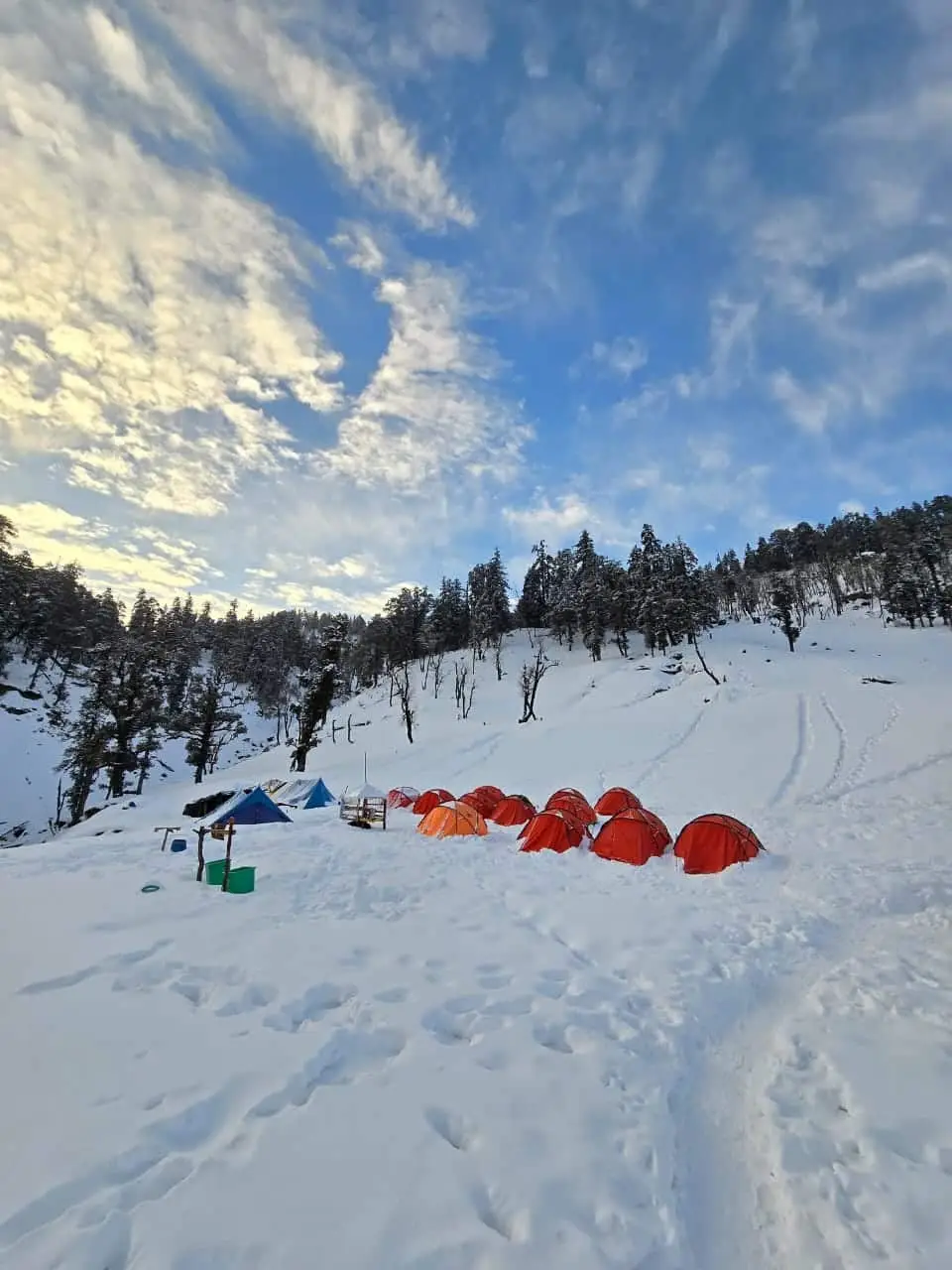
Best Treks in May in India to Escape the Summer Heat and Embrace the HimalayasDuring the month of May, as the plains start to sizzle under the summer sun, the Himalayas call out with cold breezes and stunning flora and fauna (and even some snow-kissed trails!). If you’re looking to beat the heat and be in the fresh mountain air for some time, May is one of the best times to go trekking in India. From lush meadows to high-altitude passes, the mountains are alive and welcoming, and there’s a perfect trail for every type of trekker. Here’s a guide to India’s top May treks, carefully selected for breathtaking views, nice weather, and an experience never to forget. While discussing the top treks to do in Himachal during May, the tranquil Buran Ghati takes everyone by surprise. The trek offers everything from thick pine forests, old villages, alpine lakes, and snow bridges from an adrenaline-pumping rappel on the Buran Pass. Due to melting snow and flowering meadows, May is the best time to embark on this adventure. It’s a whole package for variety-seekers packed into one trail. Highest Elevation gained: 15,000 ft. Duration: 6 Nights, 7 Days Best Time to visit: May to June; September to October Difficulty Level: Moderately challenging Base Camp: Janglik village If you’re looking for adventure, thrill, and stunning landscapes, the Goechala trek is a no-brainer. May is the last month before the trek closes during the monsoon season, and the views of Kanchenjunga and its surrounding giants are breathtakingly clear. Add to that the blooming rhododendrons and cold temperature, and you’ve got one of the most rewarding treks in May in India. Highest Elevation gained: 15,100 ft. Duration: 10 Nights, 11 Days Best Time to visit: April to May; September to October Difficulty Level: Moderate-difficult Base Camp: Yuksom Imagine walking on lush green carpets of grass, with snowy peaks like Bandarpoonch towering in the background. That’s Dayara Bugyal in May—peaceful, picturesque, and soul-calming. It’s a simple trek, so one of the best Himalayan treks in May for families or first-time trekkers who still want those postcard-perfect views of mountains. Highest Elevation gained: 12,090 ft. Duration: 3 Nights, 4 Days Best Time to visit: January to June Difficulty Level: Easy Base Camp: Raithal village With its rich mythological past and picturesque villages, the Har Ki Dun trek provides a lovely combination of culture and nature. The valley comes alive in May with colourful flowers, crystal-clear streams, and gentle patches of residual snow. This is one of the more leisurely treks in May that still provides spectacular alpine beauty. It is perfect for those who want to take it easy and enjoy the scenery. Highest Elevation gained: 12,000 ft. Duration: 6 Nights, 7 Days Best Time to Visit: April to June; September to November Difficulty Level: Easy to moderately challenging Base Camp: Sankri village The Chopta Tungnath trek is a relatively short but phenomenally rewarding hike that crams spiritual energies, spectacular summit panoramas, and tranquility that you can only get in such rare places. During May, the weather is bright and the rhododendrons bloom, and thus it is one of the best treks with clear skies in May in India. The trek to Chandrashilla provides you with panoramic vistas of prominent Himalayan peaks such as Nanda Devi, Trishul, and Chaukhamba, a sight that is unforgettable, particularly at sunrise. If you want a weekend trek with a high return, this one’s difficult to surpass. Highest Elevation gained: 12,100 ft. Duration: 2 Nights, 3 Days Best Time to visit: December to May Difficulty Level: Easy Base Camp: Sari village If pristine alpine meadows and postcard-like mountain scenery are your delight, the Ali Bedni Bugyal trek should be at the top of your list. The trek passes through two of the most stunning high-altitude grasslands in India, Ali and Bedni, surrounded by snow-covered mountains and ancient oak groves. May is the best time for this trek with good weather, wildflowers bursting all around, and long day hours to indulge in the scenery. It’s really one of the finest Himalayan treks in May if you want peace, beauty, and a dash of magic at every step. Highest Elevation gained: 12,557 ft. Duration: 5 Nights, 6 Days Best Time to visit: April to June; September to October Difficulty Level: Easy Base Camp: Lohajung It doesn’t matter if you’re an avid trekker or someone who has just been introduced to it, treks open during May offer the best combination of nice weather, colourful paths, and mesmerizing views. From the stunning charm of the meadows of Dayara Bugyal to the grand landscapes of Goechala and Buran Ghati, there’s something truly unique waiting for you in every corner of the Himalayas. So, get your boots buckled, set your bags ready, and have the mountains enchant you. Head out this May, beyond those familiar getaways and opt for the road not taken.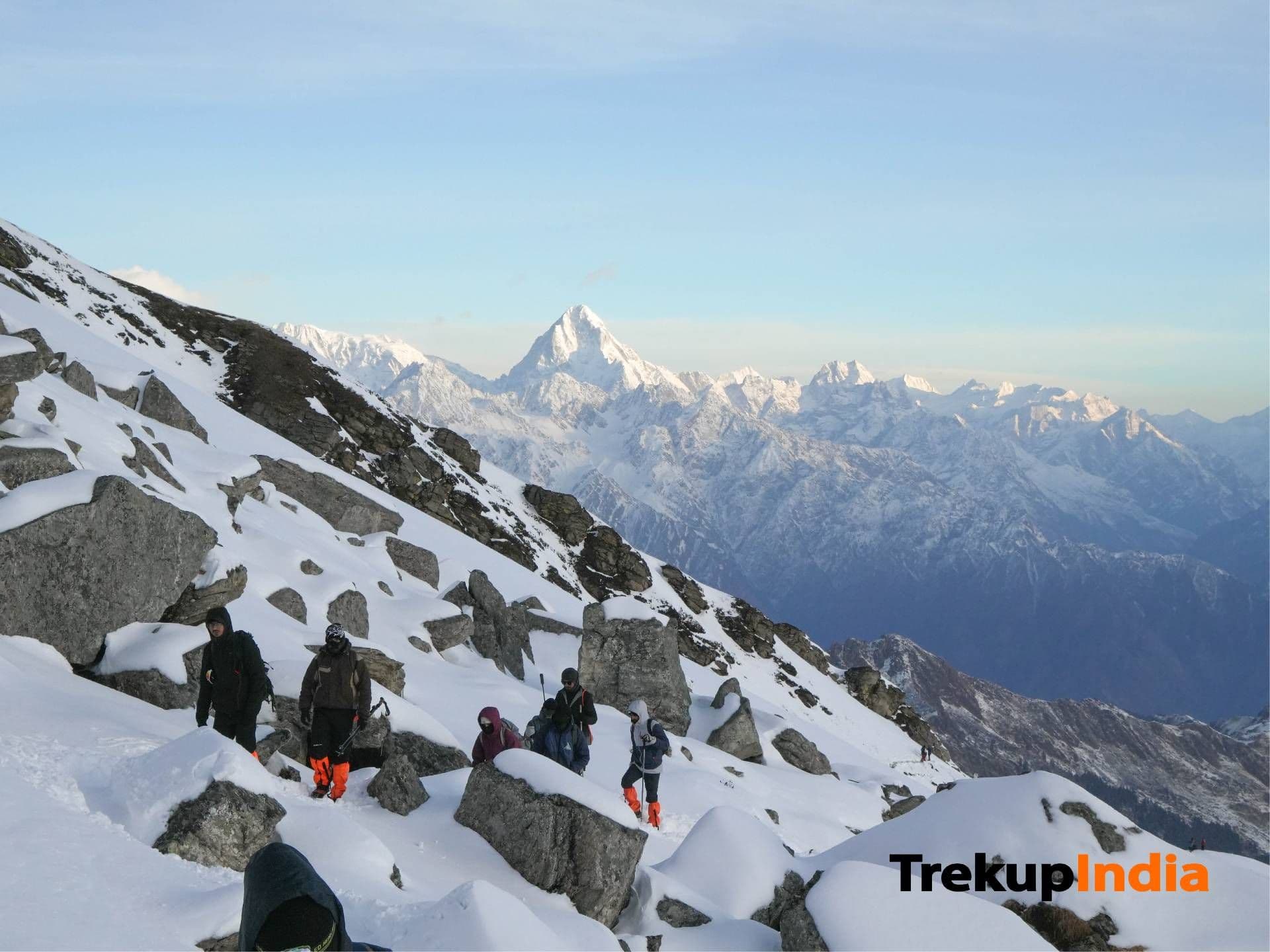 Season Wise Trek Guide
By Anoop Rawat|May 7, 2026
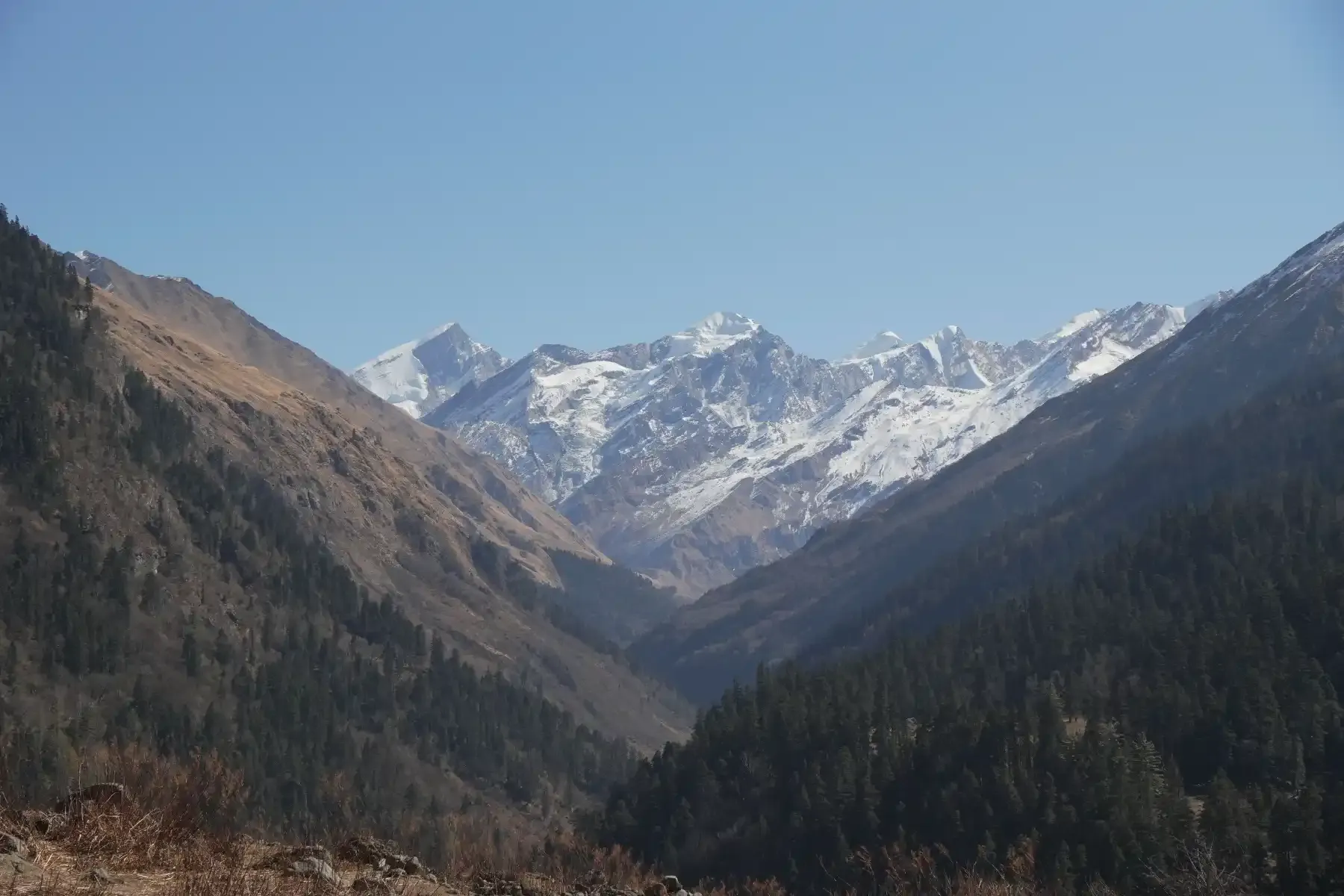
Best Himalayan Treks in OctoberMountains adorned with lush vegetation and fragrant earthy moss mark the end of the monsoon season and herald autumn’s arrival. October is an ideal month for discovering Himalayas beauty with lush trees, lakes, stunning green mountains, and blue skies as you trek along. As autumn colours emerge on these incredible trees and lakes with blue skies overhead, trekking along this trek in October would make your experience truly worthwhile, with stunning night skies lighting up before dusk and dawn to add that final touch. As October offers amazing treks that can help alleviate daily tension, it may be wise to consider which destinations may provide some respite this fall. Here is our selection of Himalayan trekking routes available during October that may soothe and revitalize. Everest Base Camp Trek (commonly referred to as EBC) allows visitors to witness some of the tallest mountain peaks on earth, including Mt Everest! Everyone should make EBC part of their bucket list; Sagarmatha National Park provides cold desert terrain throughout with little vegetation for most of its trek, and an exciting ride from Kathmandu via Lukla makes accessibility easier and exciting. Although EBC may seem a long trek, however, its stunning sights include monasteries as well as suspension bridges. October is an ideal month to begin an EBC trek, as temperatures remain relatively constant and do not cause travel delays or freezing nights. Contrary to popular perception, trekking to EBC needn’t be daunting: anyone with great fitness levels and prior gym training is capable of undertaking this incredible journey. While trekking at higher altitudes with reduced oxygen may put additional strain on you physically, seeing some of the greatest summits certainly makes the effort worth your while! Pangarchulla Trek provides an exceptional Himalayan trekking adventure that may not be well known. Set within Nanda Devi National Park, this excruciating journey towards 15000-foot ridge summit from Joshimath/Auli takes five to six days typically, giving trekkers the opportunity to witness some of the highest peaks including Mana Peak (23,858ft), Mount Kamet (25 446 ft) and Abi Gamin (24 130 feet), among many more. March and April have long been considered ideal months for trekking expeditions; however, many trekkers now choose October as well. Although temperatures in October tend to be chilly and it is possible for massive snowfall, October still provides the ideal Himalayan winter trekking adventure experience. While trekking to Pangarchulla peak may prove challenging, anyone with adequate trekking knowledge and physical fitness should attempt its ascent; once on top, however, its views from its peak are truly captivating – not to mention it often brings fewer crowds of people, which only adds enjoyment during this trek. Har Ki Dun Trek lies deep within the Garhwal Himalayas and is famous for its dramatic hanging valley and vibrant colours that mesmerize visitors who visit this ravine. Also dubbed as “God’s Valley”, the Pandavas from the Mahabharata used this route to reach heaven. Har Ki Doon stands out among other destinations due to its Alpine forests that boast diverse wildlife and plants; expect sightings of Black bears, wild boars, and languorous families such as Barasingha families among others. Also notable: this destination remains unaffected by modernization. Peaceful forests and valleys provide the ideal setting for nature enthusiasts, bird watchers, and shutterbugs alike to unwind and recharge their batteries. Not only will its natural beauty entice you, but its serene atmosphere could end up becoming home. Discovering their day-to-day activities will create a closer bond between the valley and its inhabitants. Har Ki Doon provides an incredible trekking experience, featuring cattle and horses grazing across expansive meadows, breathtaking mountain scenery, peaceful campsites with comfortable rest stops, and unspoiled alpine meadows to meet all your desires and relax on comfortable campsites – an unmissable stop on any October trek! For trekkers searching out stunning beauty, Har Ki Doon offers breathtaking trekking routes. Kedarkantha trek is an unforgettable adventure and an ideal autumn destination. October offers the ideal opportunity to tackle the Kedarkantha trek, as many prefer avoiding crowds during this trek. April is also an exceptional month to trek because its mountain views are free from clouds, offering stunning vistas of Mt Swargrohini and Kedarkantha along your trek route, giving the feeling that it came straight out of a painting by an artist. As you trek along this trek, you’ll come across beautiful blooming flowers that bring new life and wonder to every trekker. Nature’s breathtaking beauty provides breathtaking vistas while trekking. Kedarkantha Hill is also well known as being home to numerous Shiva temples; its name refers to Shiva’s throat. Devotees often travel here seeking peace in his sanctuary. Goechala trek stands as one of the most rewarding journeys within Sikkim. There isn’t just one peak that stands out like Kanchenjunga; rather, there are multiple summits that form its distinct contrasts. To truly appreciate the grandeur of mountains, breathtaking vistas are essential, and only in October-November can one witness breathtaking perspectives – when fog has lifted and one witnesses breathtaking sunrise/sunset spectacles; rainy season brings fresh water; vibrant vegetation offers an idyllic environment to this journey. Sunrises can be breathtakingly gorgeous; when the first rays of the sun hit silvery peaks, it becomes even more so. Images of snow-covered mountains can draw the eye immediately, such as Khangchendzonga, Mt Pandin, and Frey’s Peak; Koktang Rathong Rathong Kabru Group mountains, Mt Tien Chenkhang Jopuno; in September/October, it may snow occasionally, though you shouldn’t expect actual accumulation, making for pleasant conditions throughout this month of travel. This trek leads you directly to Beas Kund and allows you to see where the Beas River begins its course, offering breathtaking views as glaciers melt away into small streams that eventually join forces as part of an impressive river like Beas. This trek offers something truly exceptional: uneven treks and cobblestone pathways create a memorable adventure, making this trek ideal for beginners looking to try their luck at trekking, and completed in three days, making this adventure ideal for short vacations. Beas Kund Trek offers breathtaking mountain and river landscapes, and ideal temperatures from May through October to make trekking enjoyable. These months also offer perfect trekking temperatures, offering breathtaking natural views along the Beas Kund trek originating in Manali. This trek features picturesque meadows, mountains, and fresh air for an unforgettable journey. Beas Kund offers expansive meadows and fresh, clean air, accompanied by the whistling river noises for a peaceful setting and a refreshing walk. The Beas Kund trek offers jaw-dropping beauty that Mother Nature provides! Don’t miss this incredible journey through Beas Kund! Beas Kund Trek. Sandakphu offers trekkers an unforgettable Himalayan trekking experience, boasting views of five of the most recognizable mountains, such as Kanchenzongda, Everest, Lhotse, and Makalu. At an elevation of 11,900 feet northwest of Darjeeling, this trek offers everything one would desire from trekking. Its breathtaking panorama and truly extraordinary treks will create an incredible trekking adventure you must experience at least once! If trekking is your passion but the trek remains incomplete, don’t wait – join this exciting West Bengal State trek and don’t delay in signing up! Experience the sheer joy of strolling through an exquisite Rhododendron Forest of Mammoth Magnolias and majestic magnolias, as well as numerous varieties of beautiful orchids, which is truly magical. Shilgalila National Park adds another unforgettable dimension to this trekking journey, providing visitors with rare species such as Red Pandas and Pangolins as well as birds. An optimal timeframe for the Sandakphu trek would be May-June or a mid-August period between August and October.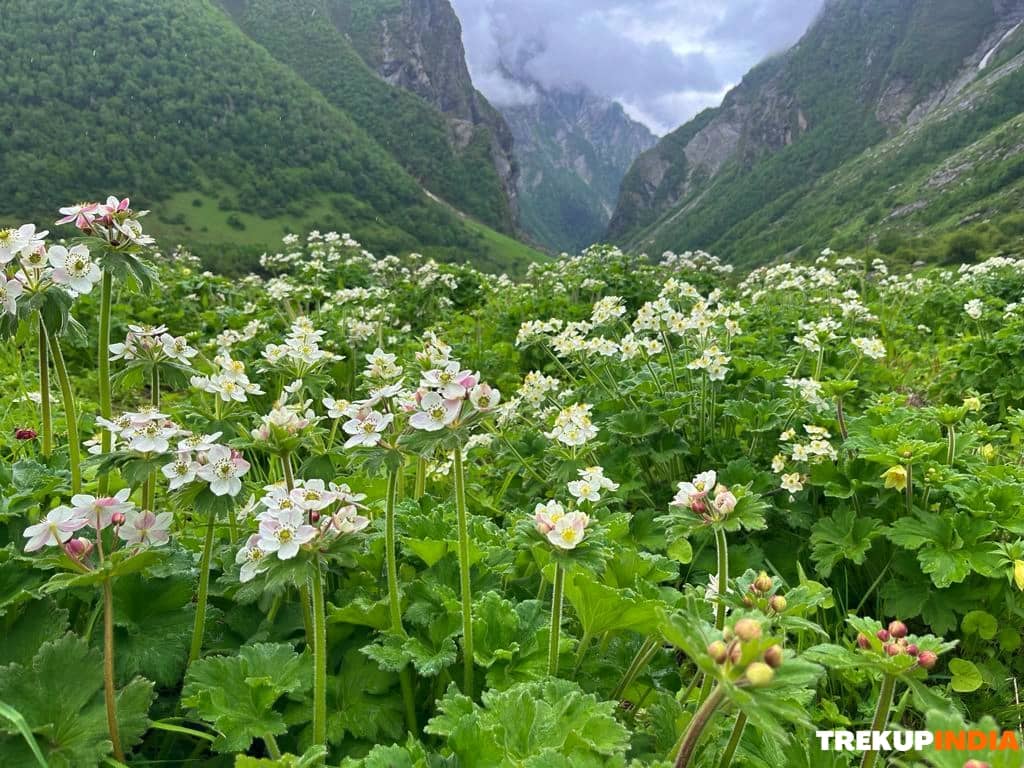 Season Wise Trek Guide
By Anoop Rawat|May 6, 2026
Valley of Flowers – A UNESCO World Heritage SiteThe Valley of Flowers lies at an elevation of 3,658m (12,000 feet), covering 87.5 square kilometres in the Nanda Devi Biosphere Reserve. From July until September, it comes alive with over 500 varieties of flowers, such as blue poppies, orchids, primulas, and the extraordinary Brahma Kamal – as well as snow-capped mountains with flowing streams and lush grasses – to put on an incredible show. Monsoon season typically runs from late June through September in the Valley of Flowers, and it is an unforgettable adventure! Bursting with breathtaking displays of blooms, this vibrant, colourful paradise transforms under monsoon rains, nourishing soil nutrients for rare and threatened species to flourish, and a blooming landscape combined with fresh air provides an incredible hiking adventure that you will remember forever! In our discussion about its UNESCO World Heritage status and fascinating aspects that make this such an essential destination, come join us! We will also talk about its identification process. Frank Smythe was one of a group of British explorers who discovered the Valley of Flowers while exploring Mt. Kamet in 1931. Drawn by its stunning splendour, they appropriately named it: “Valley of Flowers.” So taken with its beauty was Smythe, that he decided to stay for over one month writing notes for his next book and collecting specimens to give to Edinburgh’s Royal Botanic Garden. Joan Margaret Legge, an esteemed botanist, decided to explore the valley after Smythe’s groundbreaking research had spurred her interest. Unfortunately, this love led to tragedy when Joan fell off a rock while collecting flowers; five years after this tragic incident, she established a small memorial that stands as a lasting tribute to Joan and her deep passion for the Himalayan Mountains, with its words as a powerful tribute to her spirit. This lovely valley boasts an exquisite and rare variety of stunning flowers, such as poppies, orchids, primulas, and anemones, that form an eye-catching display. Rhododendron and birch trees add even more colour. As you walk through this exquisite floral paradise, you’ll encounter stunning varieties of blooms such as delicate Pink Primulas and vibrant Pedicularis, as well as Golden Lilies and Anemones – among others! Take stunning photos of magnificent purple Asters, stunning white Androsace, and breathtaking blue Borage for stunning results! The vibrant landscape of the valley is further enhanced by rose-coloured Cypripedium and vivid blue Forget-me-nots, distinctive Fritillaries, and stunning Geraniums, adding colour and beauty. The elegant beauty of beautiful purple and dwarf Irises, as well as Larkspurs, Nomo Charis, and vibrant blooms such as Pansies, Deep Mauve Polemoniums, and Ocean Blue Poppies, is truly captivating. Admire the exquisite pink and white Potentillas, gold Lillies, tiny Rhododendrons in various hues ranging from soft pink to deepest purple, Ranunculi’s flowers with pink Epilobium leaves, fragrant Brahma Kamals, and other decorative plants that add charm. All combine for an extraordinary display. Trekkers heading towards the Valley of Flowers begin their journey from Govindghat near Joshimath, in a town close by Ghangaria which serves as both the base camp for The Valley of Flowers and Hemkund Sahib. This 16km trek features moderate difficulty that is suitable for novice as well as experienced hikers, offering wonderful views of waterfalls, dense forests, and Pushpawati River along its path. Hemkund Sahib (sometimes known as Gobind Dham) is a well-known Gurudwara located at an elevation of 14,100 feet in Himachal Pradesh, dedicated to Guru Gobind Singh Ji. This sacred site holds immense spiritual importance for Sikhs as this was where their 10th Guru spent his majority of time meditating; hence its deep reverence among Sikhs and devotion from thousands who visit each year for bathing rituals with sacred water from Hemkund Sarovar (Hemkund Sarovar). A trip uphill from Hemkund Sahib symbolises both physical and spiritual journeys forward.Hemkund Sahib holds an important place in Sikhism due to the belief that Guru Gobind Singh Ji, its supreme guru and master teacher was a devotee who meditated here prior to leaving this earthly realm. Guru Gobind Singh Ji was an exceptional leader and gifted teacher whose words remain an inspiration to Sikhs worldwide; his legacy, marked by wisdom, courage and spiritual wisdom still influences society today.The Valley of Flowers provides an incredible experience for nature enthusiasts looking for adventure. Everyone should visit at some point in their lifetime! Best Time of Visit For maximum floral splendour, the ideal time to visit this Valley of Flowers is between July and September during monsoon season, when rain has transformed it into an oasis. At this time of year, visitors from around the globe come here for its vibrant flower displays that draw tourists from near and far.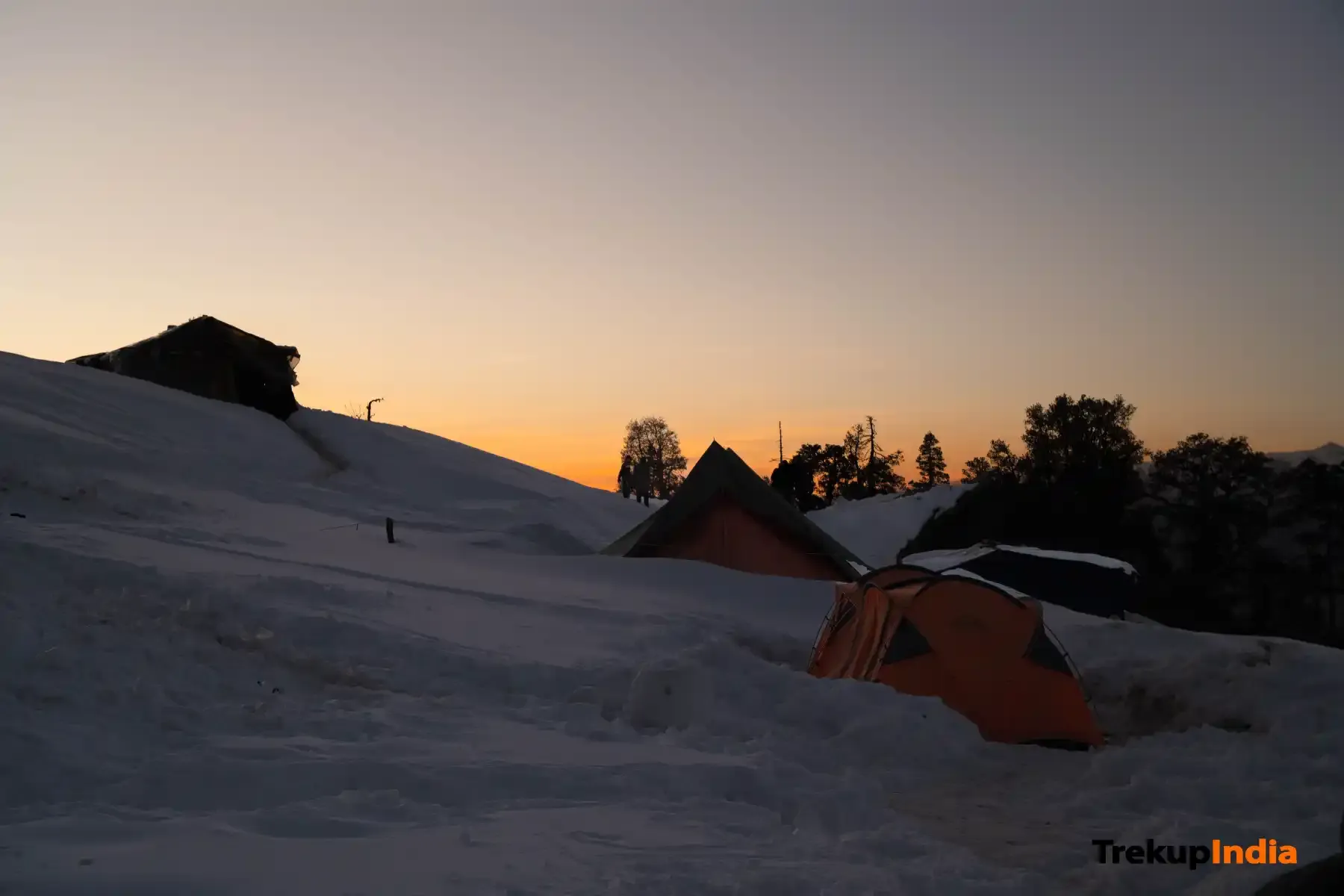 Season Wise Trek Guide
By Preetam Singh Rawat|Apr 30, 2026
Where to Trek in November: Top Scenic Treks To DoAutumn is the time of year when colours come around you, and weather conditions are ideal for whatever activity you wish to undertake, making trekking an excellent option! Tree leaves turn orange as November approaches; therefore, if trekking through November is on your list, don’t worry, as we have provided the finest selection of treks here. November is an ideal month to go trekking, summer’s heat has abated, monsoon season has ended, and winter hasn’t fully set in yet. November brings clear skies, moderate temperatures, stunning scenery, and fewer crowds – the best conditions for both experienced trekkers and beginners to discover nature. Why November Is Perfect for Trekking November is an ideal month for trekking adventures across many regions around the globe, particularly the Indian Himalayas and subtropical areas. Skies are usually clear, temperatures remain steady, and paths appear at their best; experienced trekkers typically relish this period. Are you an adventure seeker looking for breathtaking views of Mount Everest? Then this trekking journey could be perfect! Follow in the footsteps of famous adventurers Sir Edmund Hillary and Tenzing Norgay during an Everest Base Camp Trek through rugged terrain, high elevation trekking and snowcapped mountain peaks with panoramic views to end all journeys – this journey begins from Lukla, Nepal before continuing onto Kala Patthar (18192 feet above South Base Camp) before ending back up at Lukla again and heading south back down towards South Base Camp before ascending again and beginning all over again to finish at South Base Camp before continuing along its southern route back out into Nepale for another fantastic journey through towns, picturesque glaciers, stunning valleys or stunning valleys before finally making it back down again and arriving back at South Base Camp before going North up through Nepale and into Nepale. Annapurna is one of the more difficult mountain ranges to conquer, making reaching Annapurna Base Camp an impressive accomplishment. The Himalayas are comprised of fourteen mountains that stand more than 8000 feet – these eight-thousanders. Annapurna was the inaugural eight-thousand-meter mountain to be conquered, and this trek offers you a view of both the Annapurna and Dhaulagiri ranges as well as those eight-thousand-meter peaks (Machapuchare, Annapurna South, and Hiunchuli). Start your trek from Pokhara, and you will experience lush forests of pine needles, oak leaves, and rhododendron blooming amidst rice fields, bamboo groves, and ferns, not forgetting breathtaking views from Sinuwa Chomrung Dovan along the trek! Nepalese society will welcome you with open arms; you’re certain to come away with memories as well as photos. Har ki Dun, part of the Garhwal Himalayas, lies close to both Uttarakhand and Himachal Pradesh and offers an ideal beginner-friendly trek for walkers who are just beginning. On its trek are stunning attractions like Sankri, Taluka, Osla and Jaundhar Glacier that you will have time to appreciate along the way; witness exotic wildlife like Govind Wildlife Sanctuary’s exotic species while discovering proper vegetation in Osla and Himalayan backdrops – which makes Har ki Dun an attractive trek with its moderate difficulty and breathtaking views. Many trekkers choose this trek due to its moderate difficulty and stunning views – many choose Har ki Dun as their trekking adventure of choice due to its moderate difficulty and breathtaking sights! Experience the breathtaking beauty of Uttarakhand through the Kedarkantha Trek. Starting from Dehradun, passengers will trek towards Sankri village within Govind Wildlife Sanctuary, which boasts exotic fauna and flora. As you continue, you will reach Saud Village, where residents live without technological gadgets and are content with life’s essential pleasures. Continue your journey to Juda Ka Talab, an unforgettable pond surrounded by stunning pastures with oak, maple, and Morinda trees. Kedarkantha offers one of the top climbs for novice climbers during November, when snow-capped mountain peaks, lush meadows, and dense forests can provide spectacular scenery. Take time out from climbing Kedarkantha to appreciate breathtaking sunset views and reconnect with friends along the way! Sandakphu Trek can be found in northern West Bengal and begins from Chitrey, an idyllic town where it is possible to see Kanchenjunga before beginning your trek. Once at Tumling, you will cross forests with oak trees as well as pindrow and morinda spruces before coming upon an alpine meadow offering stunning views. This trek is moderately difficult but ideal for beginners and offers stunning scenery along the way. Additionally, it allows entry into Nepal via its winding treks before returning to India, before finishing this wonderful experience can’t be described! Brahmatal Trek is one of the premier treks for November trekkers, boasting incredible panoramic views of Mt. Trishul and Nanda Ghunti as you pass lush forests dotted with ancient oaks and rhododendrons, two gorgeous lakes, and meadows along your path to Jhandi summit. As you ascend further, you’ll come upon white cliffs of Trishul’s massive; once at Jhandi summit, though, you’ll also have sightings of Chaukhamba, Mt Neelkanth, and Hathi Ghoda to your left; camp on one of Bekaltal’s frozen lakes to make memories that will last a lifetime! Dayara Bugyal is an ideal trek for beginner trekkers and offers one of the most stunning vistas. Beginning from Raithal village and leading through lush forest to stunning Dayara meadows on the route to Gangotri range, including Bandarpoonch for stunning perspectives, Dayara Bugyal makes an enjoyable walk filled with meadows, villages, magnificent views, temples, and spectacular perspectives that is well worth adding to your bucket list! Do you crave weekend adventure to experience breathtaking mountaintop treks, such as the Nag Tibba Trek? Starting from Mussoorie, this easy weekend trek provides breathtaking panoramas along its route. Passing through thick forests and ridges with spectacular panoramic views, at 9,915 feet, it gives access to Himalayan ranges like Srikantha, Kala Nag, Swargrohini, Bandarpoonch, and Gangotri can all be seen. A fantastic weekend trekking option.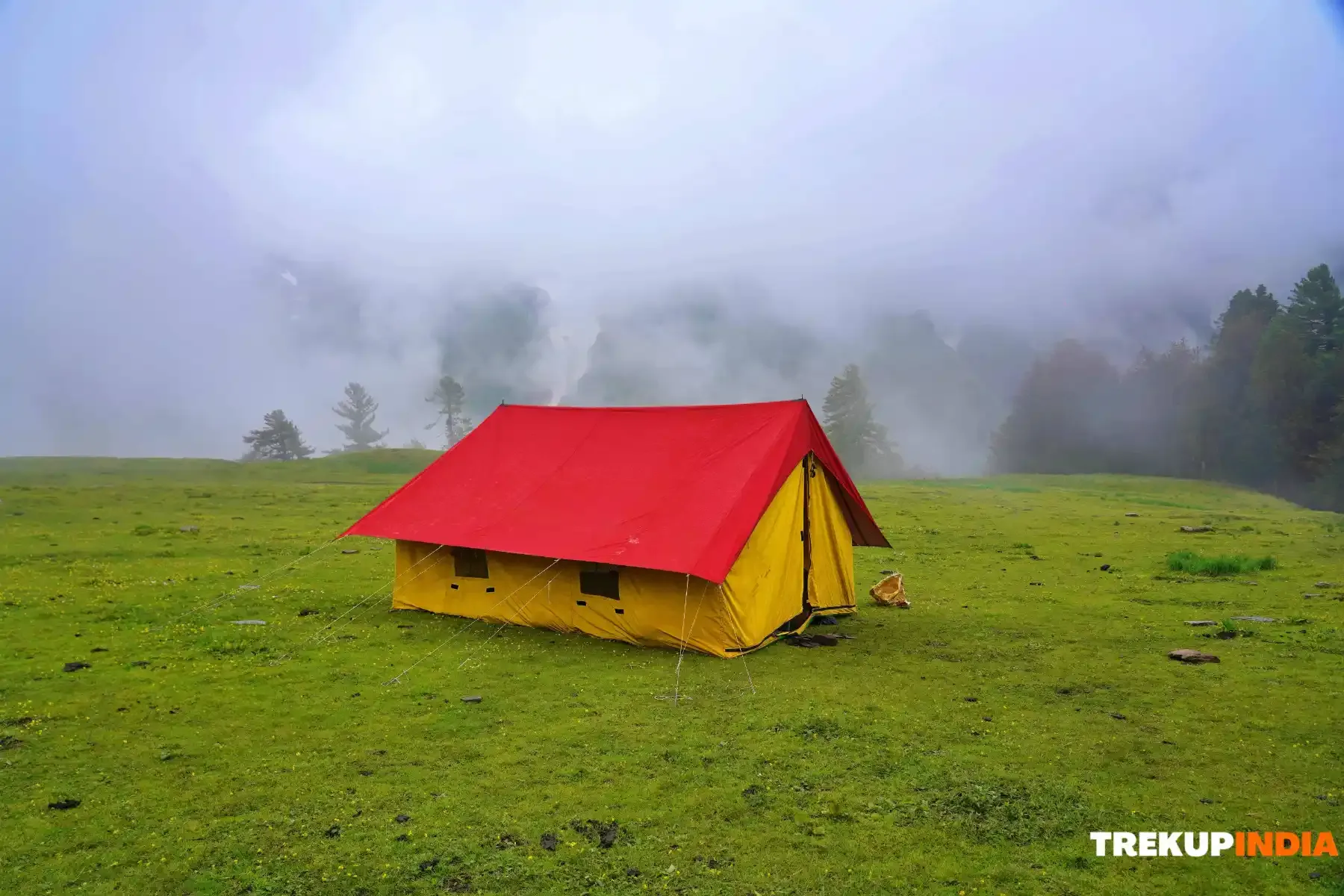 Season Wise Trek Guide
By Preetam Singh Rawat|Apr 29, 2026
Best Time to do the Buran Ghati trekIf you’re planning to do the stunning Buran Ghati trek, believe me when I say that you’re in for a lifetime experience. But like any other high-altitude Himalayan trek, timing can be everything between a merely decent trek and an absolutely memorable one. From snowy landscapes in May to golden meadows in October, every season brings its own magical charm to the trails. I have written this article to help you understand when would be the best time to go on the Buran Ghati trek. Let’s get into it. For those who wish to trek across snow-covered terrains, Buran Ghati trek in May is a dream come true. May is the very start of the trekking season, and the path remains covered with snow. This increases the difficulty of the trek a bit, but immensely rewarding for those who take it up. The meadows are just beginning to show through the snow, presenting a stunning contrast of white and green. Frozen streams, snow bridges, and that famous snow wall close to Buran Pass remain intact. The weather is chilly but tolerable, particularly during the daytime when the sun shines. The nights can get cold, so it’s essential to arrive ready with the right equipment and choose the right trekking organization to ensure a safe trip. If you’re the type who needs a little excitement and don’t object to some snow on the ground, May is a great time to witness the beauty of Buran Ghati. June is hands down the best month to embark on the Buran Ghati trek. By June, the snow melts to unveil the grassy green underside of the mountains. Trekking in Buran Ghati in June is a total visual feast. Wildflowers begin to bloom on large meadows, and the track buzzes with the sounds of life. The weather is perfectly warm; enough during the day for trekking and pleasantly cool in the evenings. This is when streams are full of glacial melt, the pine forests release their loamy scent, and the whole trail is like from a storybook. The snow wall at the pass still persists in June, presenting trekking enthusiasts with the opportunity to witness the dramatic downclimb Buran Ghati is famous for, but with the added luxury of more favorable weather and more transparent skies. Then July onwards, the trek closes for the monsoons. The heavy rainfall makes the path slippery and unsafe so the trek is not recommended in the months of July and August. As the monsoon goes by, the rainfall has washed over the terrain clean. This month brings crystal clear blue skies and revitalized trails. The atmosphere is fresh and sharp, the vision is clear, and the view of snow-kissed mountains such as Kinner Kailash is breathtakingly stunning. The path is stable and dry, so it’s less challenging to walk on. You’ll get a combination of late-summer foliage and the first blush of autumn. Plus, the crowd is thinner than in June, providing a quieter, more reflective trekking experience. If you want natural beauty and quiet, September is definitely one of the best months to go on the Buran Ghati trek. The Buran Ghati trek in October is the spectacle that precedes this part of India closing shop before winter descends. When this is when nature is coloured like a wild garden in harvest seasons, emerald and amber colours drape themselves over hillsides and jungles. Skyscapes remain sharp and often sharp, ranking the month being one of photography and scene for viewing for peak months. October is so pleasant because it is balanced, the weather is cool but not cold, and the views are simply breathtaking. It is also the final window during which to make the trek before snowfall starts closing up the path. If you enjoy trekking in serene, sun-kissed fall landscapes, this is your ideal time. The straight truth? It’s up to what you want. For adventure seekers and snow enthusiasts: try Buran Ghati trek in May For flowers on the meadows and photographs-perfect climate: June is the way to go. For blue skies and isolation: there’s nothing like Buran Ghati trek in September. For autumn foliage and regal scenery: schedule your Buran Ghati trek in October.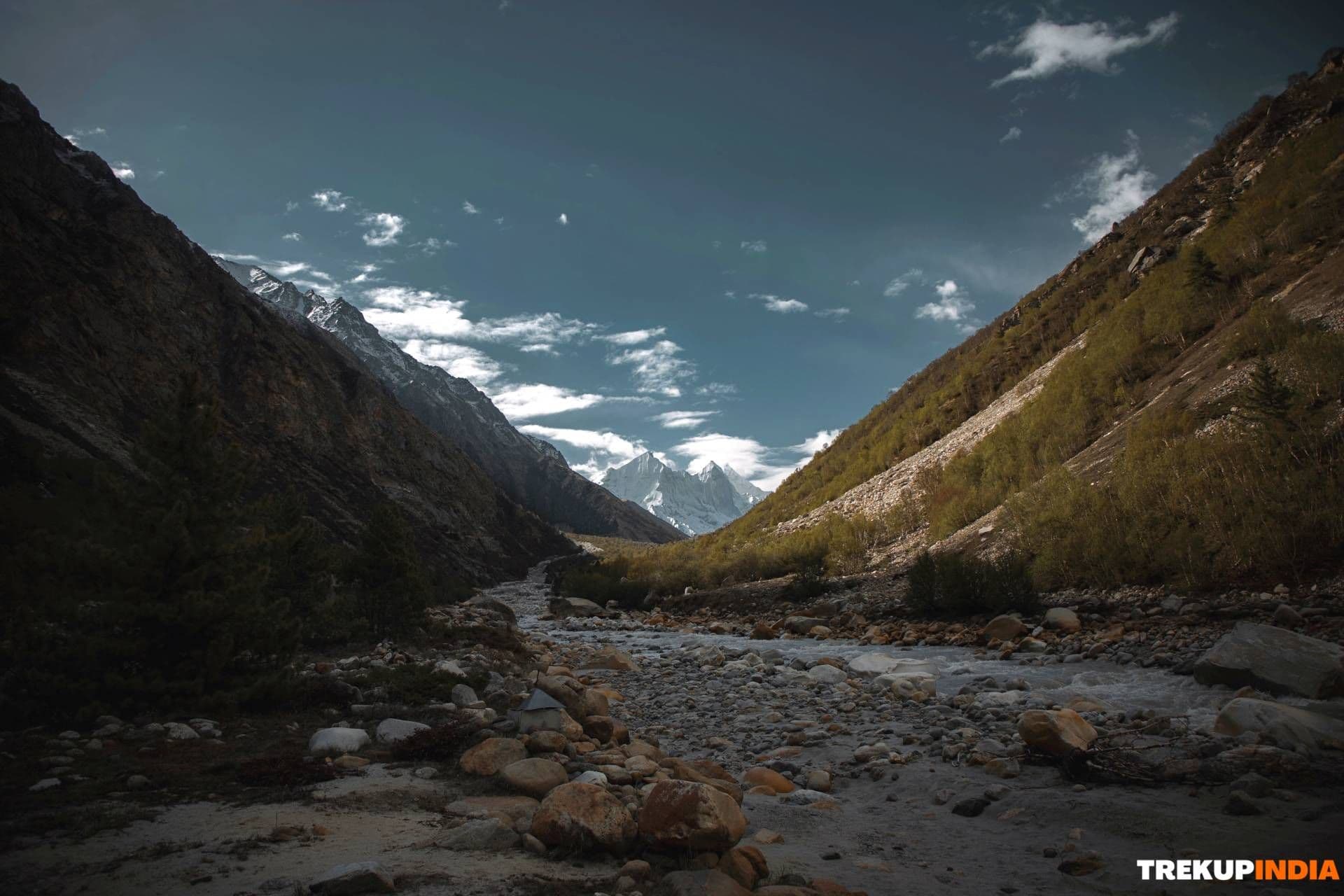 Season Wise Trek Guide
By Nanda Rawat|Apr 29, 2026
8 Best Beautiful Treks in JuneSummer in the plains can be merciless, but June in the Himalayas? That’s when nature really starts singing. The melting of snow, rivers brimming with life, meadows transforming into huge rugs of green, and the wind carrying that freshness, that crispness, that soul-stirring quality that only the mountains can provide. If you’ve ever wanted to exchange the heat and the din for a tent and a starry night sky and trails that breathe away, in more ways than one, this is your sign. If you’re a first-timer or a seasoned trekker who keeps going back to the trails for that feeling of being part of a tribe, here are some of the best treks to do in June that offer beauty, adventure, and a dash of magic. This one is a wildflower canvas painted into a dream. The Valley of Flowers trek in Uttarakhand is not so much a trek, it’s a feeling. In June, the valley starts stirring out of its winter sleep of six months. Pinks, yellows, blues, and purples flash amidst the greens as snow withdraws into the higher realms. If you’re somebody who finds happiness in misty mornings up in the mountains, this trek is a reminder of how mesmerizing outdoor beauty can be. Highest Elevation gained: 14,100 ft. Duration: 5 Nights, 6 Days Best Time to visit: June to September Difficulty Level: Easy to moderately challenging Base Camp: Pipalkoti This one is for the ones looking for a stronger connection—not only with nature, but with themselves. The Gaumukh Tapovan trek leads you to the origin of the Ganga, where the river surfaces for the first time from the mighty Gangotri Glacier. The trek is rugged, spiritual, and deeply scenic, with grand views of Mt. Shivling and Bhagirathi peaks. June is the best month, when the trail opens up and the weather is clear. It’s tough, yes, but sometimes the best trips are the ones that challenge us a little more. Highest Elevation gained: 14,200 ft. Duration: 7 Nights, 8 Days Best Time to visit: May to June; September to October Difficulty Level: Moderately challenging Base Camp: Gangotri The Hampta Pass trek is walking through two wholly disparate worlds within the span of a few days. You begin in the verdant green valley of Kullu and find yourself in the harsh, desert-like wonderland of Spiti. June is perfect for this crossover adventure. While some of the campsites still have snow, most of it has melted just enough to make the pass safely accessible, and the rivers are bustling with new life. If you’re looking for one of the most stunning summer treks in India for fit beginners that still offers thrill, natural beauty, and adventure, this is it. Highest Elevation gained: 14,000 ft. Duration: 4 Nights, 5 Days Best Time to visit: June to September Difficulty Level: Easy to moderately challenging Base Camp: Manali The Har Ki Dun trek is like entering a Himalayan fairy tale. Laced with ancient villages, pine groves, and snow-clad mountains, this valley is ageless in the truest sense of the term. June is when it comes into its own; clean trails, blooming meadows, and extended daylight. It’s one of the best hikes to take in June if you like easy strolls, cultural depth, and scenery that seems plucked from a fairy tale. Highest Elevation gained: 12,000 ft. Duration: 6 Nights, 7 Days Best Time to Visit: April to June; September to November Difficulty Level: Easy to moderately challenging Base Camp: Sankari If you’re an experienced trekker seeking a slightly more challenging trek, the Buran Ghati trek in Himachal Pradesh could be the perfect blend of everything you can ask for: forests, meadows, glaciers, and an epic snow wall descent. June is hands down the best month to experience this trail in all its glory. It won’t be the most straightforward, perhaps, but it is certainly one of the most beautiful treks in India and each and every step will be worth it. Highest Elevation gained: 15,000 ft. Duration: 6 Nights, 7 Days Best Time to visit: May to June; September to October Difficulty Level: Moderate to Difficult Base Camp: Janglik The Tarsar Marsar trek is pure poetry in motion. Buried in the core of Kashmir, it’s an alpine lake, pine-studded ridge, and time-less valley trail. Although most Kashmir treks start opening in July, June is when the area slowly begins to unfold its arms; quiet, peaceful, and utterly scenic. If you are willing to wait and be lucky, early June can provide you with this mystical trail virtually to yourself. For those looking for India’s most scenic treks, this one is an experience not to be missed. Highest Elevation gained: 13,498 ft. Duration: 6 Nights, 7 Days Best Time to visit: June to September Difficulty Level: Moderately challenging Base Camp: Aru This ridge trek is a special gem. During the Phulara Ridge trek, you experience unbroken visions of the Garhwal Himalayas covered in snow for several hours as you tread along a thin path over deep valleys to either side. The trail is easy and open, making it one of India’s top beginner summer treks, particularly those who desire a slice of tranquility and long-mountain scenery without much height or effort. Highest Elevation gained: 12,205 ft. Duration: 5 Nights, 6 Days Best Time to visit: April to June; September to November Difficulty Level: Easy to moderately challenging Base Camp: Sankari If there’s one destination that seems to be designed to soothe your mind, it’s the twin grasslands of Ali and Bedni Bugyal. By June, they become rolling green paradises, studded with wildflowers and ringed by giant peaks such as Trishul and Nanda Ghunti. There’s a stillness here that’s hard to put into words. It’s gentle, beginner-friendly, and quite possibly one of the most stunning treks in India you can undertake when summer is at its peak. Highest elevation gained: 12,557 ft. Duration: 5 Nights, 6 Days Best Time to visit: April to June; September to November Difficulty Level: Easy to moderately challenging Base Camp: Lohajung June is when the mountains really open their arms, offering trails that range from peaceful meadow strolls to high-altitude adventures. Whether you’re seeking the best treks to do in June for a beginner or you’re hunting for beauty beyond Instagram filters, there’s a trail calling your name. Because trekking isn’t about summits. It’s about the stuff in between, the folks you encounter, the quiet you sense, and the instant you stand there, gazing up, and forget the rest. So go ahead, choose your trail. The Himalayas await.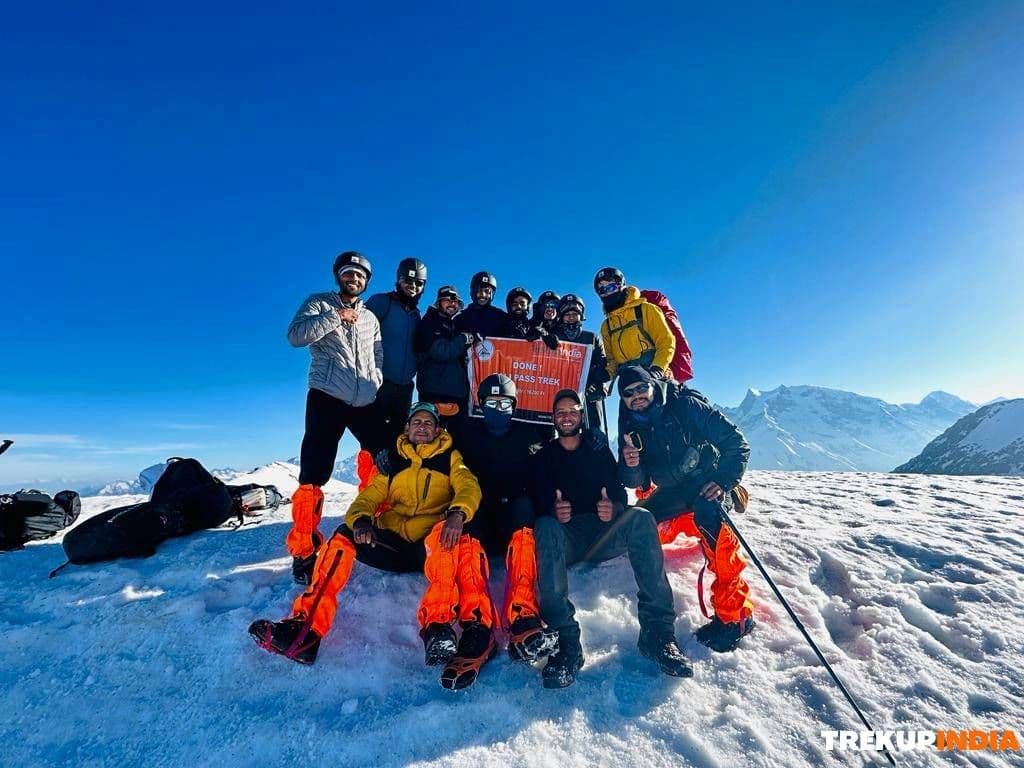 Season Wise Trek Guide
By Nanda Rawat|Feb 17, 2026
Top 4 Treks in Every Season to Explore in the HimalayasThe right choice of a hike isn't just about the destination, but also selecting the right time of year. The same path can be totally different from year to season, with snowfields, rhododendron forest and golden meadows, lakes in the alps or crystal-clear mountain views. On TrekUp India, trek recommendations aren't just generic lists. They are built on more than a decade of experience as a guide on the ground as well as seasonal route assessments as well as weather pattern tracking and safety evaluations throughout India's Himalayas. This guide offers four well-chosen treks that are suitable for all major seasons of trekking that are suitable for new trekkers and those who want to explore the mountains in their prime. Spring is a season of transition where snow is still covering areas higher up, and forests explode in color thanks to flowering Rhododendrons. The visibility is great, and the it is possible to manage the terrain. Famous for its 270-degree views of the mountain The trek blends forests, snowy patches and early spring flowers--a perfect choice for those who are first Himalayan trekkers. Oft referred to as the "Valley of the Gods"," Har Ki Dun turns green in spring, while the higher mountains remain covered in snow, providing an enlightened and beautiful experience. Spring provides close-up perspectives from Mt Trishul and Mt Nanda Ghunti With rhododendron trees that line the trail and snow on the summit points. An opportunity to take in all four world's highest mountains, made more impressive by spring's blossoming forests and the lingering snow. Summer is the ideal time to go on seriously Himalayan trekking as snow melts enough to allow access to high passes. The summer months allow full accessibility to valley as well as higher vantage points, making it the ideal time to acclimatize to altitude. A challenging high-altitude trek that covers more than 15,000 feet, best tried when conditions for snow are at their lowest in summer. Famous for its changing landscapes, waterfalls, as well as an exciting pass crossing accessible only during the summer. This leads to the real origin of the Ganga and to the base of Mt. Shivling which is accessible only in the summer time. Monsoon trekking can be safe as well as rewarding only when you choose the right routes. The treks are most successful in rainy conditions. A dramatic change in vegetation from the dense Kullu Valley to arid Lahaul landscapes, accentuated by the lush greenery of monsoons. An UNESCO World Heritage Site that is at its peak during the monsoon. Multiple lakes of the alpine appear in their brightest form due to the amount of rainfall and melt of glaciers. Twin lakes in the alpine, with meadows filled with flowers ideal for monsoons. The atmosphere after monsoon is completely clear, allowing the most stunning mountain views of the year.. Clear skies increase Swargarohini views of the massif as well as village landscapes. Crystal-clear views and snow-free paths make this window perfect for those who have a good track record. The most spectacular perspectives of the mountain Kanchenjunga and the 14 peaks surrounding it. Two days of full-time activity across Dayara meadows that offer exceptional visibility. The autumn season brings squeaky-clean skies beautiful grasslands with golden hues, as well as mild temperatures. The snowy winter landscape is stunning and unbeatable visibility.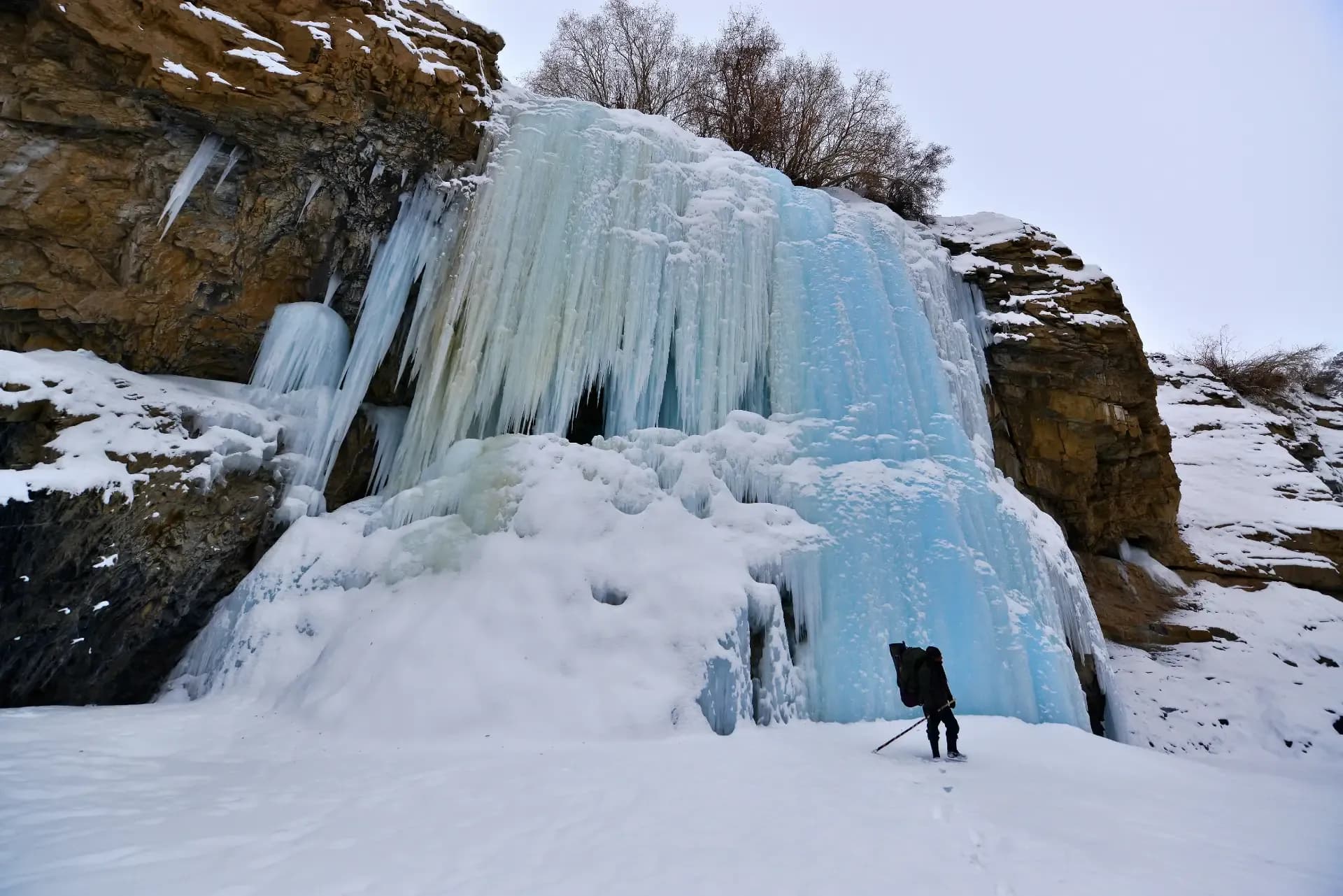 Season Wise Trek Guide
By Anoop Rawat|Feb 17, 2026
Best Winter Treks: Frozen Lakes, Icy Trails & Snow CampingWinter is the time when the Himalayas take away any the distractions and reveal their real essence. The forests are silent beneath fresh snow, lakes in the alpine become crystal clear mirrors, mountain trails require perseverance and discipline. It is also a time to be resilient. Contrary to summer hikes that are a celebration of blossoms and greenery winter treks are about the solitude endurance, endurance, and mental toughness. The treks at TrekUp India, winter routes are chosen only after considering the reliability of snow as well as safety of the terrain as well as campsite accessibility and evacuation access as determined by the number of years of field operations. This guide includes the best winter treks available in India that range from snow-walks that are easy for beginners to challenging summit climbs, each one designed to give you a secure yet memorable winter experience. Reviewed by Nitin Rana - Senior Trek Leader, TrekUp India Nitin Rana is a professional with more than 10 years of direct Himalayan guides experience as well as extensive knowledge in winter trekking, snow camping and high-altitude safety. The treks in this article have been verified by actual winter activities including snow conditions, trekking feasibility. Sometimes referred to as often the Queen of Winter Treks, Kedarkantha is the perfect introduction to Himalayan treks in winter. Frosted pine forests covered in snow, ice-cold water bodies, and a satisfying summit hike make it ideal for first-time trekkers as well as experienced trekkers. Highlights What makes it special?The consistent snow with safe slopes and the ultimate summit experience - perfect for those who are just starting out. Brahmatal provides some of the best winter trek experiences in India It is a place of frozen lakes of the alpine and expansive Ridge walks that are framed by massive Himalayan mountains. Highlights What makes it unique?It is one of the few winter treks in which trekkers camp alongside frozen lakes at high altitude. Kuari Pass, also known as the Curzon Trail transforms into a magical winter landscape. Soft ridges, snowfields that are open and stunning Himalayan panoramas make the trail a perfect choice for trekkers who are looking to conquer the winter landscape. Highlights What makes it uniqueProvides some of the most stunning snowy mountain panoramas without any technical difficulty. Pangarchulla is designed for hikers who are looking for the ultimate winter test. The climb up the mountain through ice and snow demands strength, balance and determination. Highlights What makes it unique?It is one of very few Winter summits with no technical requirements for trekkers with a strong endurance. The Chadar Trek is among the most difficult winter treks in the world that follow through the frozen Zanskar River under towering canyon walls. Highlights What makes it uniqueIt's an winter survival trip and not just a hike. Dayara Bugyal changes into an expanse of white of land during winter, providing beautiful and safe snow hiking. Highlights What makes it unique?It is a easy winter trek perfect for families and those who are new to snow trekking. Nag Tibba offers a short but rewarding winter trek in close proximity to Mussoorie. Highlights What makes it different?Perfect for those who want rapid winter exposure with a minimal commitment to time. Winter treks in the Himalayas isn't all about snow. It is also about solitude, self-discovery and the power of. Starting with the frozen lakes in Brahmatal and the cold river walks that runs through Chadar and the epic climb of Pangarchulla The winter season reveals some aspects of the mountains only a few can ever experience. In TrekUp India, winter treks are designed to provide the thrill of adventure, security, with authenticity. It doesn't matter if you're taking a step onto new snow on your first trip, or looking for a challenging winter adventure The Himalayas during winter are a place to leave memories in your memory. Be careful, plan your trip carefully and let the snow guide you. Season Wise Trek Guide
By Anoop Rawat|Feb 17, 2026
Best Spring Treks in the Himalayas: Top 15 PicksSpring trekking season transforms the Himalayas into a trekking paradise with blooming rhododendrons, clear mountain views and best temperatures for trekking. It is an adventurer’s and nature lover’s dream come true and these 15 Himalayan treks between March and May provide unforgettable experiences from beginner-friendly treks with breathtaking meadow views to moderate treks with diverse landscapes or challenging high altitude treks for experienced trekkers – come join us as we discover Nepal, India and Bhutan’s top spring trekking destinations during their peak spring trekking seasons when their mountains come alive with life! As temperatures warm, spring turns the Himalayas into an best trekking paradise, providing best walking conditions after an often-brutal winter. From mid-March through April, weather conditions provide best walking conditions without rainy monsoons arriving later. Daytime temperatures (typically 15-20deg C) offer excellent conditions for long treks without freezing temperatures limiting winter excursions. As snowmelt releases its grip, lush green carpets spread across Himalayan meadows. By April alpine pastures were bursting with new grasses and wildflowers reaching ankle height. The transformation is astonishing barren winter slopes give way to vibrant living canvases of purple irises yellow primroses as well as white anemones which serve as stunning natural backdrops for photos as well as peaceful lunch spots during treks. Spring brings with it an exquisite mix of snowy patches and vibrant green vegetation bursting with new life. Higher elevations remain covered with snow-topped peaks while middle elevations begin to show signs of life, providing photographers and nature lovers alike a variety of landscapes on one trek. Rhododendron trees offer one of the most spectacular Himalayan displays, particularly during April when entire hillsides transform into waves of pink, scarlet and white blooms as these gorgeous trees burst open their petals to illuminate entire hillsides with vibrant hues. Walking through forests in April is like walking into another dimension; light filters through canopies to illuminate paths covered in fallen blooms – popular treks like Goechala and Sandakphu are especially renowned for this phenomenon. Spring offers breathtaking mountain views before the heat of summer settles in and clouds cover them in thickets of haze and monsoons. Air clarity offers magnificent panoramic vistas of distant mountains; mornings often provide the clearest views. Many trekkers are charmed at sunrise when first light glimmers off snow-covered peaks with golden hues against pure blue skies – it truly leaves trekkers breathless! This season is filled with incredible wildlife activity. Migratory birds return to higher altitudes, filling the air with their varied calls; Monal pheasants flash their shimmering plumage; Himalayan griffons soar above; you may spot blue sheep, mountain goats or even red pandas in certain locations if you keep an eye out; moderate temperatures also ensure animals are awake during daylight hours – providing best conditions for wildlife photography enthusiasts. Difficulty: Easy–Moderate Duration: 4–5 days Maximum Altitude: ~12,083 ft Deoriatal-Chandrashila Trek stands out as an best spring adventure for beginners in the Himalayas. When taken during springtime, its trek transforms into an idyllic landscape of vibrant pink and red rhododendron flowers against a background of mountainous terrain – providing this moderate trek with just the right combination of challenges and accessibility for newcomers. At 12,083 feet, Chandrashila top is the star attraction on this trek, providing trekkers with unparalleled 360-degree views of some of the major Himalayan peaks including Nanda Devi, Trishul and Kedar ranges. Trekkers begin their adventure at Deoriatal lake – a crystal clear mountain lake which reflects all around it, offering great photography opportunities at sunrise. Difficulty: Easy Duration: 2 days Maximum Altitude: ~9,915 ft Nag Tibba Weekend Trek provides an best weekend adventure. At 9,915 feet, Nag Tibba (Serpent’s Peak) is the highest point within its Garhwal Himalaya range and an excellent introduction to summit trekking. This trek offers breathtaking mountain vistas in two days – making it the best trek for professionals seeking an accessible Himalayan experience. Trekkers can witness beautiful vistas from Bandarpoonch, Swargarohini, Gangotri and Kedarnath summits during this moderate temperature trek with clear skies that enhance these majestic peaks’ sights. Difficulty: Easy–Moderate Duration: 5–6 days Maximum Altitude: ~12,500 ft The Kedarkantha Trek has earned itself an esteemed position as an immensely rewarding, beginner-friendly mountain climb in the Himalayas. Beginning from 12,500 feet and ending up at Chanderkantha Lake, this moderately difficult trek offers stunning views of snow-covered Himalayan peaks amidst green pastures filled with alpine flowers in spring. Kedarkantha Trek offers an best introduction to trekking with its ancient forest of oaks and pines before opening out into wide clearings. Beginner trekkers will appreciate Kedarkantha’s gradual ascent curve and well-marked treks which give them confidence-building experience while feeling the satisfaction of reaching a landmark summit. Difficulty: Easy–Moderate Duration: 4–6 days Maximum Altitude: ~12,100 ft Dayara Bugyal trek is one of the most breathtaking high-altitude meadows in Uttarakhand. Situated between 10,000-12,000 feet, these lush meadows cover 28 square kilometers. When spring arrives, snow melts away leaving behind an alluring green carpet bursting with colorful wildflowers. Soft terrain makes this trek suitable for beginner trekkers while offering stunning views of prominent Himalayan mountain ranges such as Bandarpoonch and Bhagirathi. Trekkers will pass through picturesque mountain villages while experiencing Garhwal culture; morning views from Dayara Bugyal showcase golden Himalayan mountains rising out of clouds-filled valleys creating an ethereal beauty, depicting spring’s first awakening across these glorious mountains. Difficulty: Moderate Duration: 5–6 days Maximum Altitude: ~12,250 ft Experienced trekkers seeking an easy challenge can enjoy Brahmatal Trek this spring of 2025, where it offers stunning ridgeline camping experiences with breathtaking panoramas of Mount Trishul. Reaching altitudes of around 12,100 feet, this trek makes for best trekking experience; blooms of rhododendrons along the trek create a vibrant path towards an alpine lake as you head uphill towards it; clear skies provide amazing views of Himalayan mountain peaks from their campsite. Difficulty: Easy–Moderate Duration: 6–7 days Maximum Altitude: ~12,516 ft The Kuari Pass Trek provides some of the most breathtaking views of India’s highest mountain, Nanda Devi, while spring transforms the route with blooming wildflowers and moderate temperatures, perfect for comfortable trekking. At 12,516 feet, it presents experienced trekkers with an exciting challenge while providing breathtaking views of Kamet, Dronagiri, and Chaukhamba as well as old forest treks where new leaves begin to emerge – particularly beautiful during spring when new leaves emerge from beneath their beds! Difficulty: Moderate Duration: 5–6 days Maximum Altitude: ~12,150 ft Phulara Ridge Trek in Uttarakhand provides a unique ridge-walking adventure few Himalayan treks can match. Experienced trekkers will experience unobstructed views of 250 degree mountain ridges while walking through its captivating ridge. Spring brings clear and sunny weather which makes the trek best for taking stunning photos, with diverse terrain including dense forests and expansive meadows as well as its remarkable ridge walk as its main drawcard. Difficulty: Moderate Duration: 6–7 days Maximum Altitude: ~11,686 ft Springtime is the best time to experience Ali Bedni Buggyal Trek’s famed high-altitude meadows on their Ali Bedni Buggyal Trek bloom with vibrant life. These expansive meadows, one of Asia’s biggest high-altitude meadows, allow experienced trekkers the unique opportunity of walking among a carpet of wildflowers while overlooking mountains covered in snow – an enjoyable moderate trek that covers approximately 11,500 feet and offers trekkers breathtaking 360 degree views of major Himalayan summits like Trishul and Nanda Ghunti. Additionally, spring thaw brings lush greenery that makes this trek truly remarkable. Difficulty: Moderate Duration: 6–7 days Maximum Altitude: ~11,675 ft Har Ki Dun Trek, also known as “Valley of Gods”, provides experienced trekkers with an unforgettable blend of cultural immersion and natural beauty. This moderately challenging trek will take you through old villages that still preserve traditions dating back to Mahabharata period; spring season brings mild temperatures as well as blooming alpine blooms to this valley that is shaped like an ancrane; forests of pine needles and meadows come alive with vibrant colors while offering views of Swargarohini mountains; traditional wooden houses found along the route only add an authentic Himalayan experience that adds even greater cultural significance for your Himalayan experience! Difficulty: Moderate Duration: 6–7 days Maximum Altitude: ~11,950 ft The Sandakphu-Phalut Trek stands out as an exceptional cross-border trekking experience, giving experienced trekkers stunning views of four of the world’s highest peaks, such as Everest, Kanchenjunga, Lhotse and Makalu from one point. Spring provides clear views after winter snow has melted but before monsoon clouds start rolling in. At an elevation of 11,941 feet Sandakphu offers moderate challenges while rewarding trekkers with spectacular spring blooming magnolias and Rhododendrons among many other beautiful blooming floral varieties which bloom all bloom spectacularly every springtime – truly an experience unlike any other. 2025 will bring opportunities for those wanting to take their travels further, with spring being an best season to attempt challenging Himalayan adventures. Low snow levels combined with reliable weather patterns makes these challenging treks more accessible, yet still require preparation and knowledge of their terrain. Difficulty: Moderate–Difficult Duration: 9–11 days Maximum Altitude: ~16,200 ft (Goechala Viewpoint) Goechala Trek in Sikkim is widely recognized as one of the Himalaya’s premier high-altitude treks during spring, offering experienced trekkers breathtaking views of 14 major Himalayan peaks including Kanchenjunga – third tallest peak! The trek typically lasts 8 to 10 days, covering 90 kilometers while reaching an altitude as high as 16,207 feet at Goechala Pass. Spring brings vibrant rhododendron blooms that add splashes of vibrant color along the lower slopes, while higher reaches provide unparalleled views of snow-capped mountains – and Samiti Lake provides one of the most incredible sunrise views across all Himalayan range. Difficulty: Moderate Duration: 5–6 days Maximum Altitude: ~14,100 ft Hampta Pass offers an unforgettable trek that spans from lush Kullu Valley to stark desert landscape of Lahaul – creating one of the most diverse high-altitude treks you’ll find during spring. At 14,100 feet, Hampta Pass requires physical fitness and acclimatization abilities of those willing to venture on its challenging four to five day trek. Spring trekking offers many advantages with flowing streams and reduced snow barriers, making the chance of visiting Chandratal Lake (Moon Lake) all the more spectacular. From lush forests and meadows to barren moonscapes – Hampta Pass makes an arduous but unforgettable adventure for experienced trekkers! Difficulty: Difficult Duration: 6–7 days Maximum Altitude: ~15,069 ft Pangarchulla Peak trek stands as one of the most challenging spring summits in Uttarakhand, reaching 15,069 feet via a strenuous adventure that requires strength, stamina, and endurance to conquer. Spring marks an extraordinary trek by providing meadows of vibrant wildflowers at lower elevations while still retaining enough snow for an authentic alpine climb. Panoramic views from the summit include legendary mountains such as Nanda Devi, Chaukhamba and Neelkanth – with most trekkers finishing this challenging journey in five to six days due to steep slopes and unpredictable weather conditions along the journey. Dayara Bugyal Trek is designed for children 7 and above. Dayara Bugyal trek stands out as an excellent way for families looking to introduce their kids to Himalayan landscapes, designed specifically with children as young as 7 in mind. Dayara Bugyal’s soft slopes and breathtaking meadows provide a pleasant setting in which youngsters can experience trekking while taking in breathtaking panoramas of surrounding mountains. Trekup India has designed unique family treks that go beyond simple trekking through beautiful terrain. Their specially tailored family treks feature numerous outdoor learning activities so children can engage with nature more meaningfully – from identifying fauna and flora species to better comprehending mountain ecosystems, these educational elements turn a regular trek into an engaging learning experience that parents value for both adventure and education purposes. Parents also appreciate how these treks combine adventure with education while creating memories both educational and entertaining for their kids. Spring time in the Himalayas offers best conditions for family adventure. Trekup India recognizes this by organizing specific group treks specifically tailored for families during this period. These groups ensure families trek alongside other similar interests families, creating a sociable trek experience. Furthermore, each guide is specially trained to meet family requirements including setting appropriate paces and providing fun activities whilst adhering to safety guidelines with extra care if children are present on their adventure. Spring treks for families can easily be planned around school holidays, making them convenient and stress-free activities. Their mild temperatures make these meadow treks especially enjoyable for young trekkers who may find other seasons’ extreme temperatures to be challenging. Himalayan spring trekking season offers something truly remarkable for every adventure seeker. Beginning with stunning valley treks for beginners to high-altitude treks for experienced trekkers, this period between March and May sees mountains transform, becoming alive with blossoming rhododendron blooms, pleasant temperatures, clear skies, meadow treks for families traveling with young children making spring an inviting season to explore the Himalayas. As you plan your 2025 spring adventure, be sure to book it well in advance as popular treks sell out quickly during this peak season. From lower altitude treks with plenty of culture and traditions to mountain adventures atop high mountains – spring in the Himalayas offers experiences unlike any other. So pack up your bags, equip yourself and create memories that will stand the test of time on these breathtaking mountain treks.