
Prev
1 / 9
Next
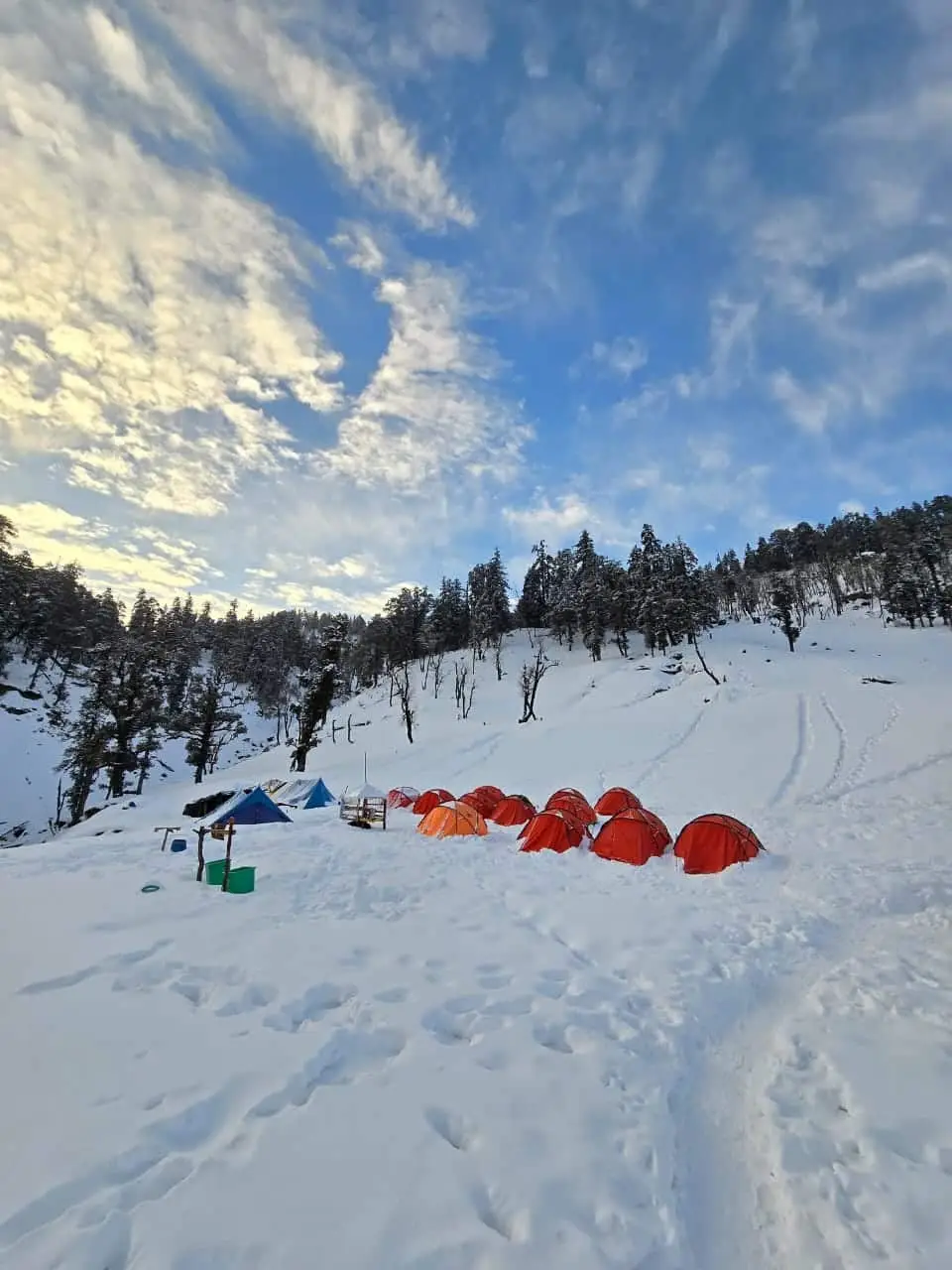
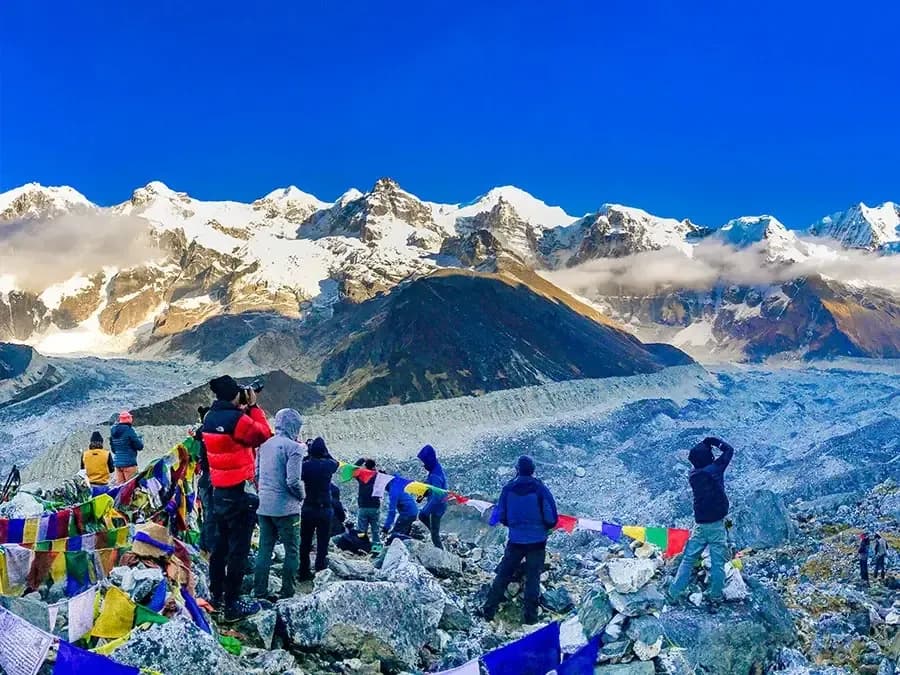 Season Wise Trek Guide
By Anoop Rawat|Feb 17, 2026
Goechala Trek Seasons: Best Time to Visit & Weather GuideMaximum Altitude: ~15,100 ft (4,600 m) Trek Duration: 10–11 days Goechala trek offers unique challenges and rewards throughout all four seasons. This guide is intended for trekkers planning their Sikkim trip and photographers searching for stunning mountain shots. Autumn offers some of the most breathtaking Kanchenjunga views, while spring offers picturesque snowscapes and vibrant rhododendron blossoms that transform paths into vibrant paradises. We’ll also explore seasonal features of treks and natural variations that set each trek apart, along with essential safety and weather related considerations to help you choose an appropriate timeframe and date based on your abilities and goals. Goechala trek is truly breathtaking and offers stunning mountain views during certain moments when atmospheric conditions meet perfectly, providing unobstructed panoramas. Understanding when to trek best allows trekkers who wish to capture breathtaking Himalayan scenes. Fall is the best season to experience stunningly clear views of snow covered peaks due to the transformational effects of monsoon season rains nature’s air purifier which cleanse the atmosphere of dust and atmospheric haze, which typically obscure mountain views all year. As a result, obvious air conditions prevail and allow us to take in all their splendor! Post monsoon air is exceptionally transparent, enabling trekkers to view Kanchenjunga and its surrounding peaks with unparalleled clarity. The contrast between pure white snow covered summits and deep blue autumn skies creates photogenic conditions unlike any other season; trekking across clear terrain opens up even greater vistas, allowing trekkers to spot distant mountains or intricate ridges which would typically remain hidden when visibility was lower. Mid September to the last week of October is an best period to take pictures of Kanchenjunga views and photography opportunities, due to stable atmospheric conditions following the monsoon’s retreat and weather patterns that haven’t yet transitioned into harsher winter periods. Trekkers and photographers looking to capture the Himalayan landscape at its most stunning can take advantage of this window by trekking during clear skies, best lighting conditions, and stable weather, which provides trekkers and photographers the perfect combination. Additionally, trekkers have several opportunities each week to view and photograph mountains, reducing disappointment caused by unpredictable weather in the unpredictable seasons. As November progresses, the Goechala region emerges into an unforgettable mountain viewing experience. Rhododendron forests characteristic of the Sikkim landscape begin displaying unusual maroon and white flower combinations to provide an eye catching contrast against snowcapped mountains. This breathtaking floral display only occurs in November, making it a stand out feature that adds visual interest and makes trekking that much more rewarding. The juxtaposition between delicate rhododendron blossoms and majestic mountain peaks provides compositional opportunities not available at other times and gives trekkers an exclusive perspective of nature’s splendor. Now that we’ve covered the top viewing seasons, let’s explore the exciting adventures that spring brings to the Goechala trek, with beautiful snowscapes providing an unforgettable trekking experience. Spring treks on the Goechala trek become winter experiences as April brings heavy snowfall. Trekkers who embark on these Himalayan routes encounter stunning white scenery awash with snowfall providing photographers with stunning mountain experiences! The fresh snow covers everything in sight, providing a striking contrast against the dark rocky outcrops, which create lovely backdrops for photography! April snowfall poses both unique challenges and rewards to trekkers. While it can make navigation difficult and require proper winter equipment, snow also offers an authentic high altitude Himalayan experience that many trekkers seek out. In addition, its clean conditions mean fewer footprints, leaving an unspoiled wilderness experience that helps trekkers truly connect to Kanchenjunga’s pure nature. As this beautiful backdrop sets the scene, we explore how nature adds vibrant hues that complement its pure white backdrop. Red rhododendron blooming along the Goechala trekking route provides one of the most stunning natural spectacles, turning Phedang Dzongri into a verdant paradise that draws nature photographers and trekkers from all around the globe. Rhododendron blooms provide a stunning visual contrast with snow covered mountains and terrain, creating the best opportunity for landscape photography ranging from intimate flower close ups to more expansive views that showcase delicate blossoms set against dramatic mountain vistas. Their timing perfectly coincides with snowfall periods to form an exclusive seasonal blend that sets this region apart when spring trekking occurs. Recent posts have covered the aesthetics of spring; now its practical benefits become more apparent as we progress through it. Late April through June is the best time for Goechala trekking, providing perfect conditions that combine accessibility with natural beauty. At this point in the season, snow that falls during April begins to stabilize into more predictable trek conditions while maintaining breathtaking mountainous scenes that make this trek so remarkable. Best conditions for trekking during this season lie in its combination of weather stability, accessibility to treks, and natural phenomena. Trekkers can expect more predictable weather patterns with reduced chances of sudden snowstorms as well as better mountain photography opportunities. Trekkers will also get to enjoy both flowering Rhododendrons as well as snowcapped Mountain Peaks, making this period the sought after one to witness Goechala landscape come to life before winter turns to spring! Now that we have discussed best viewing times and spring time adventures on the Goechala trek, let’s consider its unique seasonal variations, which offer trekkers new experiences according to seasonal changes. Rhododendron blooms along the Goechala route offer some of the most captivating natural transformations. Beginning their season journey in September with vivid red blooms that create an impressive visual contrast against the mountains, these stunning blooms create breathtaking color changes in nature. As October draws nearer, vibrant red hues begin to turn deeper and darker, transforming naturally into deeper and darker tones that signal the vitality of the Himalayan ecosystem, where flora responds to changing temperatures and precipitation patterns. Experienced trekkers can use the transformation of rhododendrons as a natural calendar to track the progress of seasons and any additional trek conditions that accompany this change of hues. As temperatures heat up during the summer months, the trek section connecting Yuksom and Tshokha becomes marked by dense forest cover. The area transforms into lush green corridors where dense canopy structures provide shelter from direct sunlight while creating conditions for a cooler microclimate along the entire route. The thick forest habitat further adds an enjoyable trekking experience due to varying visibility, humidity levels, and overall ambience along this section of the trek. With this seasonal change in mind, Thansing experiences an astonishing transformation during warmer seasons. Vast grassy meadows reappear at higher elevations in place of stark snow covered terrain that was typical during colder months offering trekkers unobstructed views over valleys and peaks that surround them. Their appearance signals a significant shift in the ecosystem, transforming Thansing into a winter wonderland of lush alpine pastures, offering new photography opportunities and trekking experiences. Now that we have highlighted the best seasons and changes along the Goechala trek, it is imperative to understand the risks presented by the weather that could make this trek very dangerous at certain times of year. Weather can have significant implications on security and accessibility across its entirety and planning and timing must always be done accordingly when setting out on such an expedition! Goechala trek system becomes especially dangerous during the monsoon season due to consistent rainfall, which makes the treks treacherously slick and increases the risk of falls or accidents. Moisture plays an integral part in its rugged terrain, leaving even experienced trekkers vulnerable to slip and fall along its rugged paths and outcrops. Of equal concern is the risk of landslides brought on by constant rain, destabilizing loose soil layers and rock formations across treks, leading to sudden, unexpected hazards which pose grave threats to trekker safety potentially blocking access and leading to complete isolation in remote regions. Between June and August is the most perilous time to attempt the Goechala trek. Fog becomes ever present during this period, severely restricting visibility and making navigation challenging even for experienced mountaineers. When combined with treacherous terrain and reduced visibility, this creates the perfect storm of security issues that must be faced head on to complete this challenging and perilous adventure. Rain makes trekking not only uncomfortable but also unsafe. Frequent and intense rainstorms during these months transform mountain landscapes into hostile environments where risks outweigh potential benefits; weather conditions in this period make implementing basic safety procedures difficult or even impossible to ensure safety measures remain in place. trekkers should remember that, even though the monsoon season has passed, September still poses significant safety risks for trekkers. Even in times of calmer conditions after monsoons have ended, September can still bring unpredictable stormy conditions that catch trekkers unaware. Ice patches become a serious threat during September when temperatures fluctuate rapidly and moisture freezes on treks, necessitating extra care when traversing them and appropriate footwear if sudden patches form on any trek. Trekkers who venture out should remain alert, as conditions can quickly transform from clear to treacherous terrain within hours of setting out on their journeys. After we have discussed the best trekking conditions during different seasons, it is also essential to understand when Goechala becomes inaccessible for most trekkers. Winter months offer an extreme contrast to the more manageable conditions seen elsewhere during trekking season. Winter transforms the Goechala trek from an achievable but challenging expedition into something unthinkable for casual trekkers. Heavy snowfall obscures familiar landmarks, making navigation even more difficult. At the same time, temperature drops create harsh conditions that challenge experienced mountaineers with wind chills that make conditions potentially hazardous for those not prepared. Extreme temperatures and snow accumulation can create conditions in which standard trekking techniques become ineffective. Visibility during snowstorms may decrease to mere meters, making even experienced groups susceptible to becoming lost. Physical demands increase exponentially as trekkers expend energy traversing snow covered terrain while simultaneously braving the elements. Once manageable sections of the trek turn into treacherous ice formations that require advanced mountaineering skills to traverse safely. Steep slopes along parts of the Goechala route become near vertical ice wall formations during winter, necessitating not just courage but also experience in the techniques for climbing ice. Equipment is critical to survival, not simply comfort. Trekkers need specific gear like crampons and Ice axes, as well as advanced winter clothing. Standard trekking boots cannot handle such harsh conditions, and mountaineering grade footwear may be required instead; belay and rope systems may also be necessary in some instances for safe travel over hazardous sections. Margin of error decreases significantly under these conditions. What could have been a minor slip during more favorable weather can become a serious injury on slippery slopes. Failing to use equipment properly or choose inadequate gear could quickly escalate from annoying inconvenience to life threatening emergency. As December to February is an especially challenging period for Goechala attempts, it requires not only special equipment but a wealth of mountaineering experience far exceeding typical trekking experience advanced ropework skills, ice climbing expertise, and an in depth knowledge of winter survival tactics are essential prerequisites to making Goechala attempts. At these seasons, trekking transforms from a leisurely stroll into a technical mountaineering journey. Participants should possess previous experience trekking in similar conditions and be knowledgeable of avalanche safety protocols and self rescue methods; psychological pressures increase due to extreme environments that stretch physical and mental limits. Specialized equipment typically used on mountaineering expeditions includes items usually found in four season tents, designed to withstand harsh conditions. This includes sleeping systems capable of withstanding temperatures as low as 40 °C, as well as communication devices and equipment specifically designed for emergency use. Even with careful planning in place, weather windows often close quickly, requiring flexibility with regard to scheduling and adaptability if conditions deteriorate beyond acceptable limits. The Goechala trek offers unique Himalayan experiences depending on when and how long you decide to trek it. Autumn months offer breathtaking mountain views and crystal clear streams, providing best photography opportunities, while spring brings blooming Rhododendrons into bloom amidst its snowy landscapes. Each season brings natural changes, such as varying flower colors and different trek conditions, which impact your trekking experience. Understanding seasonal weather patterns and safety considerations when planning a Goechala adventure trip is of utmost importance for successful preparation. Although summer and autumn offer optimal conditions for exploring Goechala, the monsoon season and winter weather may present significant difficulties that render your trek unsafe or impossible. Choose your season carefully depending on what appeals most, whether that be stunning mountain views or exploring snow covered terrain, which makes Goechala such a thrilling high altitude journey. Season Wise Trek Guide
By Anoop Rawat|Feb 17, 2026
High Adventure Treks in Uttarakhand: The Thrilling Season Is HereUttarakhand’s high adventure trekking season has officially kicked off! Experienced and daring trekkers alike have access to even the most challenging Himalayan routes. They are already trekking towards several of their most sought after destinations, such as Gaumukh Tapovan and Kedartal at an altitude of 15,500 feet. This guide is tailored to experienced trekkers ready to embark on challenging high altitude excursions as well as outdoor enthusiasts looking for their next mountain adventure. We will review some of the most popular high adventure treks available in Uttarakhand and discuss why this region is considered to be India’s premier spot for hard trekking, along with when and why these challenging mountain adventures should be attempted. Prepare to discover why this time of year provides the best conditions for beginning your most challenging journey to date. Uttarakhand is the jewel in the crown of the Himalayas, boasting some of the world’s premier alpine and winter treks. These include legendary treks such as the Kedarkantha trek for beginners, as well as the Roopkund trek, which draws tourists with its iconic, skeletal like lake. These treks go beyond mere trekking treks they offer unique bucket list experiences which draw in visitors from around the globe. The Garhwal and Kumaon Himalayas offer stunning mountain peaks that rise over 7,000 feet, such as Nanda Devi and Kamet, providing trekkers with access to breathtaking peaks like these. Winter treks provide unique snow covered landscapes which transform routes into breathtaking paradises; Brahmatal trek offers picturesque views of Mt Trishul and Nanda Ghunti while Har Ki Dun trek passes through villages that appear unchanged by time, seemingly timeless valleys, and centuries old villages untouched by time giving trekkers access to these excellent snow covered routes! The attraction of these treks lies in their accessibility, offering authentic alpine adventures. No need for professional mountaineers if you wish to enjoy breathtaking sunrise views over snow capped peaks, or stroll through lush Rhododendron forest covered in fresh snowfall! Uttarakhand offers trek options that range in adventure and difficulty levels, offering something suitable for every level of experience and interest. For beginners to snow trekking, routes like Kedarkantha and Chopta Tungnath provide an accessible introduction. With well marked treks, comfortable camping spots, and moderate gradients that ensure safe travel through snowy conditions, these treks make an excellent place to build confidence in snowy conditions. Adventurers at mid levels may consider routes like Brahmatal and Kuari Pass for greater challenges, longer distances, and unpredictable weather conditions. These treks introduce microspikes, snow analysis techniques, camping in subzero temperatures, and more. Uttarakhand offers experienced trekkers looking for tough challenges, glacier excursions like Gangotri Glacier, Pindari Glacier, and Roopkund Trek are great examples. These journeys include river crossings, boulder hopping, traversing deep crevassed terrain, as well as long treks in remote wilderness regions. Stok Kangri expeditions push boundaries further and require mountaineering skills and acclimatization to high altitude environments. Every difficulty level is represented; therefore, groups with diverse abilities can find an option that matches them while participants gradually develop their skills over different seasons. Uttarakhand offers trekkers an immersive travel experience. Your day may start in dense oak and rhododendron forests where mist clings to ancient trees while birds’ calls echo throughout the canopy; these sections of forest offer natural windbreaks, which provide best spots for taking tea breaks while you adjust to your altitude. As you gain elevation, forests give way to vast alpine meadows locally known as “bugyals” extending like green carpets towards distant mountains. Ali and Bedni Bugyals are particularly famed for their vibrant wildflower displays in summer and breathtaking snow covered landscapes in winter; both locations provide extraordinary camping experiences, offering 360- degree mountain views as well as starry night skies. Ridge walks add drama and technical difficulty to a wide range of treks. Their sharp ridgelines offer unobstructed views while necessitating careful consideration of weather conditions and routes; furthermore, many final climbs involve scrambling across rough terrain for unforgettable photos that capture high altitude achievement. These diverse landscapes ensure your legs and mind remain engaged throughout your trip, constantly adapting to new forms of terrain, each demanding different strategies, while offering different rewards. Now that we understand why Uttarakhand is the go to spot for adventure trekking, let’s examine some of the most challenging routes currently taking place within this region. Expeditions represent the pinnacle of adventure trekking teams traversing some of India’s most challenging Himalayan Mountain terrains! Kedartal trekkers have accomplished an astounding achievement by reaching Kedartal at 15,500 feet. This glacial lake at high altitude lies under the towering mountain ranges of Thalay Sagar, Bhrigupanth, and Meru and represents one of the more technical locations in Uttarakhand. Their success proves their incredible dedication and preparedness as they carefully follow a carefully laid out schedule slated to finish their climb and return to Gangotri by September 22nd showing both endurance and desire for high altitude adventure in one of nature’s most stunning wilderness regions in the Uttarakhand Himalayas! The Pangarchulla Peak trek continues to draw serious mountaineers looking for an altitude challenge in Uttarakhand’s harsh terrain. This trek requires advanced technical climbing skills and is an integral step toward high altitude climbing excellence in this part of India. The Bali Pass trek remains one of Uttarakhand’s most challenging high altitude treks, connecting the Har Ki Dun valley to the Yamunotri region through treacherous ascents, technical terrain, and extreme weather conditions, offering trekkers an unforgettable adventure. Roopkund Trek leads to Skeleton Lake and continues to draw adventurous souls who seek both natural beauty and historical curiosity. This high altitude adventure features both challenging mountain terrain and exciting discoveries of remains from an ancient civilization preserved within a glacial ecosystem. The Gaumukh Tapovan expedition has seen significant advances with trekkers reaching Tapovan the base camp at the source of the holy Ganges River with impressive ease. This achievement marks an important milestone in what many consider one of the toughest, physically and spiritually challenging treks around. As per their itinerary, this team has made excellent progress with an anticipated return trip back to Gangotri on September 21st. Their trek to Tapovan serves as an essential base camp for Himalayan expeditions aiming at summits such as Shivling or Meru. Both Kedartal and Gaumukh Tapovan treks are unfolding according to plan, reflecting careful planning and best weather conditions, which are key ingredients for high adventure trekking in this challenging mountain environment. Uttarakhand’s snowy mountains offer an idyllic winter paradise, making December and February best for snowshoeing adventures. Regular snowfall provides best conditions to experience the Himalayas with all their white beauty. Kedarkantha is widely considered one of the top winter trekking experiences, boasting breathtaking 360-degree views of major Himalayan peaks including Swargarohini, Bandarpoonch, and Kala Nag. At 12,500 feet, this trek provides stunning 360-degree vistas that showcase snow covered pine and oak forests, entrancing pathways that lead to snow-capped peaks at sunrise it can get temperatures as low as 5 °C, making this trek both difficult and manageable for all fitness levels. Brahmatal at 12,250 feet offers an exhilarating winter trek through its frozen Brahmatal lake, surrounded by majestic mountains like Trishul and Nanda Ghunti, thick Rhododendron forests, meadows covered with fresh snowfall, as well as night temperatures that drop as low as 15 degrees Celsius creating stunning Ice formations along the Trek. Both treks require winter gear, including insulation sleeping bags and waterproof layers, as well as traction devices. Additionally, early starts are necessary due to shorter daylight hours, and effective time management is crucial. Conditions in the snow can change rapidly so experienced guides are essential for safety and navigation purposes. Springtime provides best conditions for technical climbing and high altitude passes, with weather patterns becoming more stable due to snowmelt thawing out and temperatures stabilizing from winter. March May is an excellent opportunity to tackle challenging treks. Pangarchulla Peak at 15,069 feet offers serious mountaineers their first taste of technical mountain climbing available in the Garhwal Himalayas. Climbing requires basic mountaineering knowledge such as rope climbing, crampon use and ice axe techniques with spring conditions often providing stable snow bridges and reliable weather windows for a more straightforward ascent than normal along with 7 to 9 day climb time, including stops for acclimatization at Khullara and Kuari Pass with views across Chaukhamba, Kamet and Nanda Devi ranges from its peak! Kuari Pass can serve both as an individual trek and base camp for Pangarchulla’s attempts. At 12,516 feet, this Trek offers excellent opportunities for acclimatization as it passes through old forests of oak, alpine meadows and moraines; its blooming rhododendrons in spring make an additional treat, along with expansive mountain views across Nanda Devi Sanctuary. Bali Pass connects Yamunotri and Har Ki Dun valleys at 16,207 feet and is considered one of Uttarakhand’s toughest passes. The route comprises glaciers and loose scree sections which could potentially rockfall. Spring snowfall makes crevasse navigation safer while more daylight hours offer adequate time to manage technical sections of this challenging pass. Post monsoon seasons offer stunning mountain views and the most predictable weather patterns throughout the year. September through November provides fresh air without precipitation or fog best conditions for navigation and photography. As the monsoon’s retreat leaves vibrant landscapes in its wake, vibrant flowering alpine meadows become vibrantly colored; mountain meadows bloom with Alpine flowering plants while lower elevations showcase beautiful green valleys. Rivers become clear once monsoon sediment has settled while waterfalls reach their maximum flow rates. Weather Stability Post monsoon high pressure systems produce predictable weather patterns. Mornings generally feature clear skies before afternoon clouds build, providing trekkers with timed windows for summit attempts or passes crossings. Temperatures remain pleasant with daytime highs typically reaching 15 degrees Celsius at moderate elevations while nighttime lows rarely dropping below freezing except at the higher camps. Monsoon related damage on the Trek is being repaired by local communities, making most routes accessible again. River crossings become safer when water levels decrease, while landslide prone sections become more stable, thereby drastically reducing any objective hazards present on routes. Wildlife Activity The post monsoon seasons see increased animal activity as they prepare for winter. Trekkers may see blue sheep, snow leopards, and various species of birds that inhabit higher altitudes during these treks; photographers also often enjoy taking advantage of clear air conditions for wildlife photography at this time of year. These two treks mark the opening ceremony for adventure enthusiasts interested in trekking through India’s Greater Himalayas. Adventure enthusiasts see them as the premier trekking season in this part of Asia. Beginning these treks shows that conditions have opened up at high altitude corridors to serious alpine adventures, providing mountaineers with the foundation to plan future high altitude expeditions across this region. These treks transcend adventure tourism; their significance goes well beyond physical challenge or recreational recreation, since these treks pass through landscapes steeped with ancient tales of culture and mythological importance. Additionally, sacred places that have long been pilgrimage destinations combine spiritual adventure with physical challenges to provide an exceptional pilgrimage experience that makes trekking not just recreational but a cultural exploration! Each Trek boasts stories of love, battle and natural reverence along its course creating a dynamic experience unlike any other! As the Greater Himalayas trekking season kicks off, local communities find great benefit in having adventurers visit their region. Mountain guides, homestay operators, porters, and equipment suppliers rely on these intrepid travelers as a reliable income source, preserving traditional mountain communities while supporting sustainable tourism practices. These treks provide crucial acclimatization and training platforms for serious mountaineers in preparation for more demanding expeditions. Their technical and altitude exposure offer best conditions to test equipment, refine techniques, gain strength physically and mentally, and build the strength needed for climbing major Himalayan summits; many successful summit attempts on mountains over 8000 meters trace back their origins to these Greater Himalayan experiences. As soon as the season starts, treks establish safety guidelines, weather patterns, and route conditions that will guide future high altitude adventures across the region. Expedition organizers and independent trekkers rely on data and experiences gained during these initial treks to make informed decisions regarding activities planned throughout the entire season. Treks offer access to some of the most breathtaking and remote Himalayan locations. They serve as gateways to more advanced base camps, hidden valleys, and alpine landscapes that would otherwise only be reachable by experienced mountaineers; thus providing access to incredible natural marvels while maintaining suitable challenge levels. After discussing the most crucial elements of high adventure trekking in Uttarakhand, let us now focus on how Trekup India provides comprehensive monitoring and communication systems for these treks. Communication between base operations and field teams is crucial for any high adventure journey, as field teams must remain connected with trekkers throughout each trek they participate in. This ensures each participant remains part of a network despite visiting distant places during their adventure journey. The strong bonds between trekkers and trek teams provide an unbreakable safety net that spans the diverse landscapes of Uttarakhand. Communication mechanisms are in place seamlessly, enabling rapid response times in case of emergencies during treks. Teams stay connected through various channels, so no trekker feels lonely throughout their thrilling experience on the mountain! Trekup India offers a comprehensive communication system that keeps all trekking expedition participants informed about current treks, providing family, friends, and adventurers with regular progress updates. Regular updates provide vital information that keeps family, friends, and adventurers alike up to date. Posting regular updates about our trek provides transparency into its development, keeping those following along informed about its progress. These updates cover various aspects of its progress through Uttarakhand’s challenging high adventure roads. Continuous team trekker communication combined with regular update postings provides a comprehensive security coordination system throughout an adventure trek. This method ensures top quality safety protocols and communications for an unforgettable trekking experience through Uttarakhand, making the thrilling adventure safe for all participants. Uttarakhand’s high adventure trek season has officially kicked off with numerous successful expeditions to Kedartal and Gaumukh Tapovan, marking the launch of Greater Himalayan adventures. Trekkers reached remarkable altitudes, such as Kedartal at 15,500ft, before safely returning in their designated timeframe testaments to Uttarakhand’s amazing opportunities for those seeking challenging yet rewarding mountain adventures. Real time monitoring and communication among trekking team members are integral parts of ensuring security and transparency during trekking expeditions. When the season unfolds, it provides adventurers a best opportunity to plan treks of their own at high altitude through Uttarakhand’s breathtaking terrain be it challenging climbs or breathtaking lakes at altitude; take part in this fantastic adventure season and see where it takes you!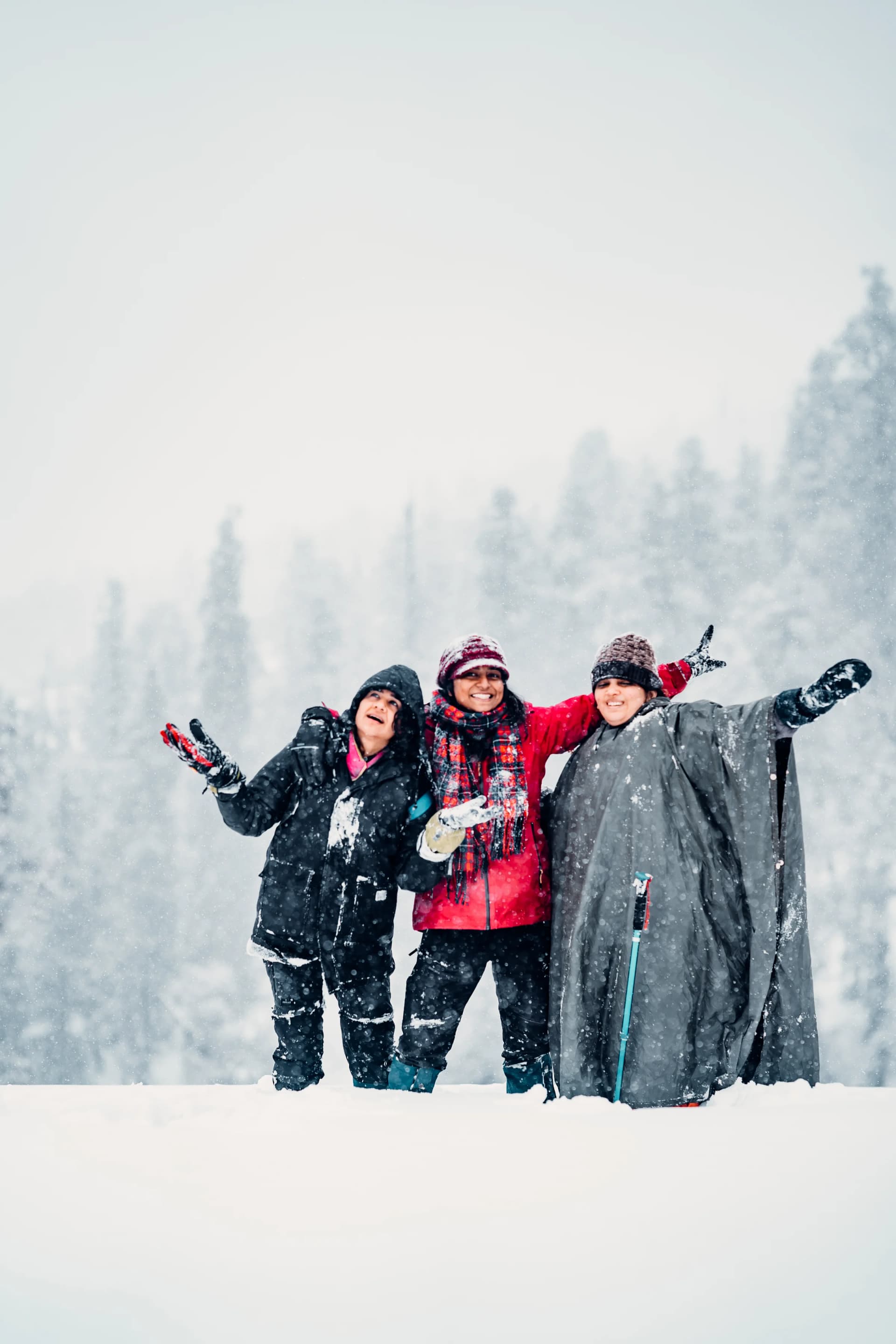 Season Wise Trek Guide
By Anoop Rawat|Feb 17, 2026
How to Time Your Trek in Winter | Best Months & TipsWinter treks in India provide unparalleled snow experiences, but proper planning of your trek can make all the difference between an enjoyable journey and one that leaves you disappointed. This guide is intended for novice and intermediate trekkers looking to see snow but don’t know when or how best to organize their trip. Most people associate the winter trekking season as starting around December and ending mid -March; however, this can differ significantly between years each has its own snow conditions and experiences; between February and December, you could trek the same mountain and have two completely different experiences! Let us walk you through three major winter trekking seasons so you can choose an appropriate time and date to visit the Himalayan peaks. Starting in December until mid – December an best period for novice snow trekkers wanting a first taste of winter without harsh conditions mid- December through to December’s final day will reveal light snow layers perfect for snow walks; while January through mid – March is known for deep snow cover and its fairy tale landscapes seen here! Winter trekkers must realize that winter can last much longer than most people realize. Starting in December and lasting until mid-March, winter trekking opportunities arise all year long. Planning your winter adventure requires taking into account this extended timeframe, as you have multiple months from which to choose when making plans for your trek. January and February bring the harshest winter conditions, making January/February an optimal time for trekkers looking for extreme winter adventures. Knowing this can help trekkers plan treks according to their experience level and desired snow conditions winter offers various degrees of intensity throughout its course. Winter treks bring about dramatic transformation across the landscape from start to finish, as snow accumulates gradually from the end of winter until the start of spring. This progression in accumulation radically alters both trekking experience and difficulty levels, making this season of exploration an extraordinary journey! At the start of winter, trekkers can expect light dustings of snow that create beautiful winter scenes without major obstructions. As the season advances, accumulation increases dramatically, with coverage ranging from moderate to knee deep snow requiring proper equipment and physical fitness for trekking through it all. Winter presents its toughest challenges during its most severe conditions when snow can reach chest deep depths, making trekking treks accessible to novices in December, becoming more challenging by February, making it important to pace yourself according to both your level of experience and the availability of equipment. Misconceptions about winter trekking planning often result in poorly timed treks and missed opportunities. One such misperception is thinking winter starts and ends in December, meaning trekkers miss taking advantage of an extended season that continues into March. One common misperception about winter is that its conditions remain constant all year long, leading trekkers to assume they will encounter identical conditions no matter when they start their trek. Yet weather conditions vary dramatically month by month, with December providing mild conditions best for getting acquainted, while peak winter months often bring extreme terrains. Timing is key when planning winter treks, as snow conditions directly determine their difficulty and preparation requirements. Recognizing patterns of accumulation helps trekkers tailor their trips based on their abilities and levels of experience. Early winter months offer those seeking winter beauty without too many challenges, while the peak winter months provide experienced trekkers with challenging snowy adventures. December to mid-March provides ample scheduling flexibility so trekkers can choose the best time and level of snow they prefer depending on weather forecasts, their schedules, and personal preference. Mid December to early December is an idyllic period for trekking in winter. At this time of year, mountaintops receive their initial snowfall, creating a magical winter wonderland easily accessible without harsh winter conditions offering trekkers their first taste of winter’s wonder while providing them with an easy trekking experience. This snowfall transforms familiar paths into stunning white landscapes, giving trekkers their first taste of its beauty while offering them an enjoyable trekking experience. What distinguishes this window is its impressive balance between the aesthetics of winter and practicality for trekking. The snow cover is light enough for safe passage but still provides enough snow trekking experiences in colder seasons that trekkers crave. Trekkers can experience the magic of winter snow without experiencing extreme temperatures and weather conditions that typically characterise its peak months. Light snowfall creates beautiful landscapes while providing easy access to treks for trekkers of varying experience levels. Winter trekking offers those accustomed to warmer seasons a great opportunity to try their hand at it for the first time, without experiencing extreme weather challenges and encountering additional stressors. Trekkers can become familiar with winter equipment as well as snow navigation techniques and cold weather trekking techniques without facing additional hardships due to severe climate issues. Between early December and mid-December, you can experience one of the most beautiful clear skies of wintertime. These crystal clear skies offer stunning mountain views that might otherwise be hidden by heavy snowfall or stormy weather patterns. Clear skies, shorter day length, and reduced light pollution at higher altitudes provide best conditions for astrophotography and stargazing, providing trekkers the perfect chance to capture breathtaking nighttime images while taking in some of the year’s best stargazing opportunities in mountain regions. This season boasts the highest completion rate when compared with winter months, making it the safest time for planning winter treks. Favorable weather patterns greatly decrease the likelihood of weather related cancellations or route modifications necessitating trekkers abandoning their treks due to safety concerns. Trekkers who wish to experience authentic winter mountain trekking conditions will find this combination of manageable snow conditions, clearer weather patterns, and moderate temperatures conducive to successful expeditions. As we move past early December, the second part of December offers trekkers their first experience of continuous snowfall and winter conditions in the mountains. At this time of year, you can anticipate at most two to three Western Disturbances to bring fresh snowfall to the Himalayan regions. These weather patterns begin in the Mediterranean before moving east and producing the first significant snowfalls of the season at popular trekking spots. Western Disturbances bring vibrant weather patterns that change mountain landscapes quickly by blanketing barren treks with pure white snow within hours providing the best foundation for winter treks ahead. Typically lasting two or three days, they offer consistent snowfall that provides the basis for winter treks ahead. As temperatures cool off, snow forms an ankle deep light layer perfect for enjoying snow walks. This snow depth offers beginners the best chance to experience winter trekking without becoming overwhelming for trekkers with moderate experience. Ankle deep snow provides great traction conditions while providing trekkers the opportunity to feel what it’s like walking on fresh snow trek markers remain visible and it adds visual beauty without creating extra navigational difficulty or technical challenges. Holiday seasons draw large crowds treks like Kedarkantha and Brahmatal experience over 1000 trekkers per day, which could compromise mountain peace. A combination of holiday getaways combined with best snow conditions as well as moderate difficulty levels creates high demand at this time, leading to campsites being packed to capacity and finding peace difficult despite efforts at finding it elsewhere. Early start times and less well-known routes may provide peace during this hectic time. Once we’ve covered the snowier periods, the period from January to mid-March marks the pinnacle of winter trekking adventures, this period offers some of the most breathtaking and captivating snow conditions that adventurers are seeking out; consistent sub-zero temperatures lead to solid snow formations; frequent snowfall during this season creates significant accumulation and transforms treks into completely different landscapes. At this time of year, trekkers encounter deep snow that ranges from knee deep at lower elevations to chest deep in higher altitude areas and valleys that are sheltered. These accumulations present challenging yet rewarding trekking conditions that necessitate appropriate equipment and techniques the deep snow insulation creates extremely comfortable camping conditions despite frigid temperatures! Microspikes or snowshoes become necessities during this season. Milder snow conditions don’t compare to the stunning transformation that takes place during winter’s peak temperatures, when all forest canopy trees become blanketed in thick and dense snow blankets, creating cathedral like spaces beneath heavy laden branches and making navigation challenging enough to require high levels of navigational skills. Winter conditions naturally dissuade novice trekkers, leaving treks mostly empty for those willing to brave winter’s harshness. This makes for an excellent opportunity to observe wildlife; animal tracks emerge vividly against the white snowscape narrating stories of nighttime forest activity; plus snow covered mountains offer a deep sense of serenity rarely experienced during busy seasons. Snow provides the best natural playground for winter sports enthusiasts. Steep, snow covered slopes provide unintentional sledding hills; their perfect consistency allows snowball fights as well as sculpture creation during breaks. Northern exposures and high altitude routes offer the best conditions for heavy snow accumulation during this period, and mountain ranges that align with winter weather patterns provide safe opportunities to experience these extreme winter conditions. Kedarkantha, Kuari Pass, Pangarchulla Peak Trek are among the best treks for big snow lovers. Now that we have discussed the different timing windows for winter treks, let’s explore which locations best suit different experiences and snow preferences. Each trek chosen has unique winter specific traits which perfectly sync up with seasonal cycles we have studied thus far. Altitude: 12,100 ft Duration: 5–6 days Difficulty: Easy–Moderate Dayara Bugyal stands out as a best location for those seeking an immersive snowy forest experience. The meadow at high altitude transforms into a breathtaking winter wonderland where trekkers are treated to an impressive display of snow laden trees meeting vast meadows of white. Dayara Bugyal makes an excellent start on any winter trek adventure, featuring gentle slopes with spectacular snow covered landscapes providing picture perfect scenes at every turn. Altitude: 12,250 ft Duration: 6 days Difficulty: Moderate Brahmatal offers unforgettable frozen lake adventures to those intrigued by its frozen surface, centered around its stunning high altitude lake. As winter progresses, its crystal mirror surface creates one of the most picturesque treks in Himalayan winter months; all experience is built around this frozen center to offer trekkers intimate winter experiences with dramatic transformations. Altitude: 12,083 ft Duration: 5 days Difficulty: Easy–Moderate Best Time to Visit: Deoriatal Chandrashila provides the best setting for winter trekkers looking for immersive winter experiences. This destination expertly blends the tranquil beauty of an ice engulfed lake with incredible views of Chaukhamba massif. Deoriatal lake offers reflective beauty as you traverse across its waters; Chandrashila summit views make the trek truly enthralling; together they make this trip perfect for both adrenaline junkies and quiet contemplatives alike! Altitude: 12,500 ft Duration: 6 days Difficulty: Easy–Moderate Best Time to Visit: Kedarkantha delivers on its promise offering an exciting peak winter adventure that tests physical and mental endurance and strength. The destination has long been sought out by serious winter trekkers looking to test themselves as they experience the raw force of winter conditions at higher altitudes. Trekkers should show due respect for winter mountain landscapes while summiters will gain life changing summit experiences! Altitude: 12,516 ft Duration: 6 days Difficulty: Moderate Best Time to Visit: Kuari Pass is well known for its stunning oak forests cloaked in pure snow, offering some of the most picturesque snow treks to winter trekkers. The trek winds through thick oak woodlands where each branch bears the weight of fresh snow, creating natural tunnels and archways that make ordinary walks through the forest extraordinary winter adventures. Kuari Pass makes for an excellent destination for those who prefer milder walks while still experiencing authentic Himalayan winter weather conditions. Altitude: 15,069 ft Duration: 7 days Difficulty: Moderate–Challenging Pangarchulla Peak Trek represents the epitome of winter trekking, offering challenging snow climbs culminating in an exhilarating summit push. It requires advanced winter trekking skills and quality equipment and offers experiencedtrekkersone of the most exhilarating summit experiences available during winter trekking. Combining technical challenges with breathtaking mountain landscapes at high elevations. Altitude: 11,941 ft Duration: 7–8 days Difficulty: Moderate Best Time to Visit: Sandakphu stands out among winter trekking spots by providing trekkers with a luxurious tea house experience in addition to a real mountain atmosphere. Trekkers can experience snow covered landscapes before retreating home each night in cozy lodgings, making this trek particularly suitable for novice winter campers or those searching for easier winter adventures. Trekking during winter in India provides an unforgettable array of experiences, depending on when and where you decide to venture into the mountains. From December’s first snowfalls and fairy tale like landscapes of January through mid-March’s Big Snow Season, each season brings its own set of unique challenges and opportunities. December 1 is an excellent starting point for beginners who are new to snow, while peak winter activity provides adventurous trekkers with knee deep snow accumulations on uncrowded treks during this period. At the core of any successful winter trip lies knowing exactly the kind of snow experience you want and matching it to its appropriate season. Whether you want a light dusting in early December, or more substantial blankets between January and February, planning is key for an enjoyable winter adventure in the Himalayas! Popular destinations like Kedarkantha, Brahmatal and Dayara Bugyal fill quickly so now is an excellent opportunity to reserve your place on this unforgettable journey.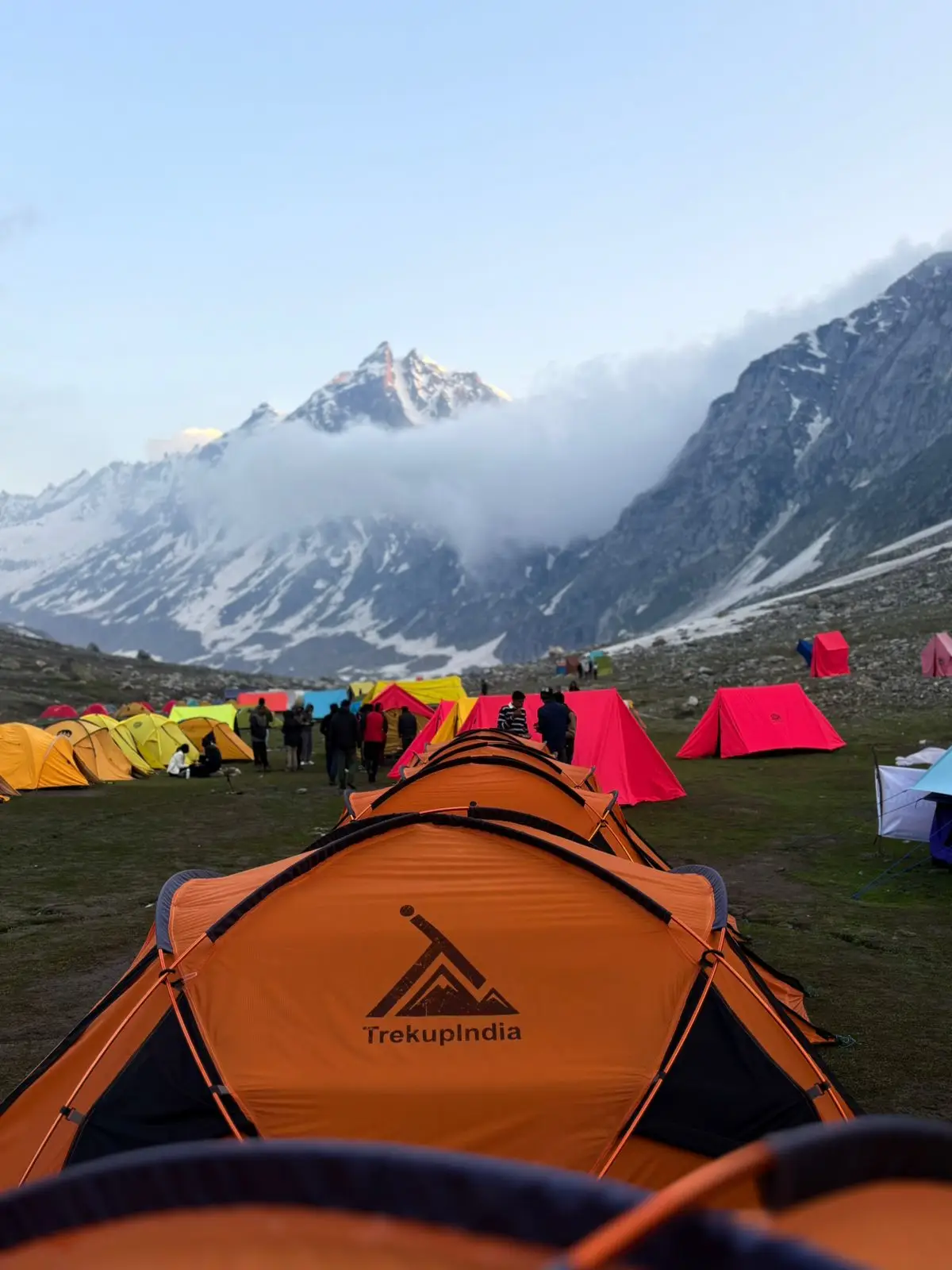 Season Wise Trek Guide
By Anoop Rawat|Feb 17, 2026
Hampta Pass vs Pin Bhaba Pass: Which Trek Should You Choose?Hampta Pass and Pin Bhaba Pass offer thrill adventure, the excitement of crossing from one Himalayan valley to another, a rewarding trek experience. Both high altitude cross country treks in Himachal Pradesh feature dramatically differing landscapes throughout each journey, providing trekkers with insight into how quickly mountains in this part of Asia can change over time. But despite these similarities, these treks cater to two different types of trekkers. Hampta Pass offers beginners an easier and quicker journey, while Pin Bhaba Pass boats vast and challenging landscapes that many consider the greatest cross country trek in Himachal. All trekkers remember their first moment crossing a Himalayan valley into another one with excitement and the sense of adventure that it brought. Two iconic cross treks within Himachal Pradesh that offer similar experiences include Hampta Pass and Pin Bhaba Pass; both traverse dry to lush terrains, offering unique trekking profiles and experiences. Hampta Pass: An idyllic yet short and breathtaking trek starting in Kullu’s (Jobra and Chika) lush meadows of green before ascending Balu Ka Ghera before crossing Hampta Pass before returning down into Lahaul’s rugged terrain like a trekker of Himalayan varieties! Pin Bhaba Pass: An in depth and multidimensional trek through Kinnaur woodlands of Bhaba Valley to Mulling and Karah Mountain Meadows and one of India’s more impressive passes before arriving in Spiti with its harsh desert terrain at high altitudes every step is like entering another world! Hampta Pass: This trek offers an introduction to Himalayan crossing trek that can be completed in one day with manageable distance (6 km), gradual ascents and no technical requirements perfect for both newcomers to altitude trekking and experienced alpine adventurers alike. Pin Bhaba Pass: Is a challenging trek, where higher altitude, longer days and difficult terrain create extra physical challenges that must be navigated carefully to overcome safely and quickly. Emergency evacuation may become complicated prior experience in high altitude areas is highly advised for optimal performance. This trek starts with beautiful forests of Jobra and Chika. In Jobra, the trek opens up into an expansive corridor of pines, as well as maple and silver birches, which wind along Rani Nallah with its bubbling waters, occupying your attention. By Chika, however, these dense woodlands have given way to rolling pastures where sheep peacefully graze. At the same time, waterfalls cascade into cascading waterfalls, setting the perfect tone for Hampta’s fast changing landscapes! Balu Ka Ghera (literally “bed of sand”) is a large riverbed like area encircled by snowy ridges. In monsoon season, its grasslands become home to an array of vibrant wildflowers while marmots roam their burrows beneath. As an amphitheater made entirely out of natural elements with The Hampta Pass towering high overhead, Balu Ka Ghera offers trekkers an insight into its grandeur. As soon as you ascend Hampta Pass (14,100 ft), your world changes drastically. In the distance are lush vegetation rich hills of Kullu while Lahaul offers stark, dry hills creating one of the most dramatic scenes ever witnessed during trekking trips through this region. Trekkers frequently stop here to marvel at snowfields changing into barren mountains experiencing such diversity is truly exhilarating! Being at this crossroads between worlds will remain with them forever! Many trekkers will add day for Chandratal Lake, one of Spiti’s stunning high altitude lakes surrounded by Chandra Bhaga peaks with water shimmering in hues of green and turquoise that change as the sun sets; camping there provides an extraordinary Hampta Pass experience! Our journey begins in Kinnaur’s Bhaba Valley, with oak, pine and silver birch trees dominating its rich forests. Streams flow down its rugged slopes while bird calls mix in harmony with water sounds; Bhaba valley has often been described as being similar to Kashmir because of its abundance of apple orchards, wild rose bushes and thick undergrowth that create an air of prosperity and vitality. As you ascend higher, dense forests give way to alpine grasslands, providing stunning meadows such as those at Mulling or Kara, which are filled with an array of colorful flowers during July and August, making for unforgettable camping experiences! Upon reaching Kara, one encounters expansive grasslands with snow covered mountains, where sheep and horses roam freely, creating the picture image of Himalayan peace and serenity making camping in this area truly memorable! In Gurguri, nature transforms into an immense natural amphitheater towering cliffs tower on either side while streams converge across the valley floor. The campsite here is remote and secluded as if nature had designed an exclusive stage just for trekkers! One of very few Himalayan camping spots that leaves trekkers speechless but in wonderment. Your trek reaches its zenith when you cross the Pin Bhaba Pass (16,100 feet). From its summit lies an unforgettable scene: in the background is Bhaba Valley; with uninhabited mountain ranges that create Pin valley in Spiti just ahead. Stepping onto this high pass gives way to breathtaking mountain vistas which rival any grand theatre production; thus earning it its reputation as Himachal’s premier crossing journey. Hampta Pass: Experience Himalayan diversity! Pine forests, meadows brimming with wildflowers from July to August, and river crossings meet river bed crossings on this journey into cold desert terrain beyond. Pin Bhaba Pass: offers an unforgettable journey of scale and contrast. Trekking through forest valleys, lush meadows, river deltas and finally arriving in an amphitheater like Spiti Valley which trekkers consider “the biggest crossover ” or even more ominously” the grandest crossover “ Mid-June to mid-October Snow can continue falling until early July, and then monsoon rains bring blooming meadows in August. Finally, clear skies can be found throughout September and October. From July to September, the pass is typically cleared of snow shortly before July, while its meadows reach their height during August and views become crisp and clear in September duration & Time Commitment. Hampta Pass: 5-6 days are best for trekkers with limited schedules or those wanting to combine their trek with an excursion to Spiti. Pin Bhaba Pass, which takes 8-9 days, requires more time and experience in mountain environments. Hampta pass may be best for those short on time; however, for an adventure seeker seeking long distance mountain adventures, Pin Bhaba offers endless rewards every single day. Hampta Pass should be selected if you are beginning your high altitude trekking journey, looking for a scenic, compact trek that lasts less than one week, and offering dramatic Himalayan contrasts on an easily navigated short route. But for even greater contrasts in an easily traversed short route, consider Pin Bhaba Pass as well. Experienced trekkers ready for a physically challenging trek await. This trip promises an immersive journey, from lush valleys to cold desert terrain and everything in between! With six to nine days available to them, their Himalayan crossing will prove life changing. Hampta Pass and Pin Bhaba Pass offer adventure trekking through Himachal Pradesh with thrilling Himalayan terrain to cross. Your choice depends entirely upon your trekking objectives, fitness level, physical condition, and desire for exploration. Choose Hampta Pass if you are new to trekking or on a time budget and seeking an easier Himalayan crossing. With its 5-6 day timeframe, moderate difficulty level, and stunning contrast between Kullu’s lush greenery and Lahaul’s stark desert, this trip makes for the best starting point for high-altitude trekking. Plus, adding a detour to Chandartal Lake adds an adventure that remains small but fulfilling! Pin Bhaba Pass should be chosen if you are an experienced trekker looking for something more challenging and in-depth. Boasting longer days with more difficult terrain and an 8-9 day duration, it provides plenty of challenges while remaining extremely satisfying. Many consider the journey from Kinnaur’s lush forests to Spiti wilderness an astonishing one that leaves its trekkers breathless. Hampta Pass trek offers an easy trekking experience, while Pin Bhaba Pass will challenge your senses in epic proportions. Both passes will leave lasting memories from your Himalayan vacation; it just depends on when you decide to venture forth.Season Wise Trek GuideBy Anoop Rawat|Feb 17, 2026
24 Best Treks to Do in Autumn 2026 in the HimalayasAutumn transforms the Himalayas into an outdoor trekker’s dream destination; unfortunately, most don’t realize this fact. When they rush to book winter treks at monsoon’s end instead, they miss one of the most excellent chances to experience life in the mountains! This guide is tailored for adventurous individuals seeking scenic mountain vistas, vibrant autumn colors, and treks that remain relatively undisturbed. There are various options available from short family strolls to challenging high altitude treks. We will outline why autumn is superior to other times of the year for trekking, offering the highest number of options suitable for families without overwhelming novice trekkers, and stunning meadow treks with golden grass that glows against mountain lights. Additionally, there are more challenging routes best for experienced trekkers looking to challenge themselves further. The top 24 treks to explore in autumn 2025 range from easy valley treks in Himachal to more rigorous trekking excursions in Nepal, each offering something you won’t find elsewhere throughout the year: crystal clear skies that create images like they were painted by an artist directly onto each peak. Autumn months offer mountaineers perfect viewing conditions as clear, crystal clear skies emerge after the monsoon season has subsided. Mountain air produces incredible clarity that exposes every crack and fold in distant peaks with breathtaking detail, changing the whole experience of trekking into something remarkable; distant mountains which seemed obscure or distant in summer suddenly pop out with razor sharp detail against a brilliant blue sky; trekkers can easily spot landmarks, ridges, and summit features from far distances making navigation much more straightforward and photography spectacular! Minimal weather disruptions ensure optimal trekking conditions. Contrary to other seasons’ unpredictable weather patterns, October and November offer steady conditions best for trekking experiences. Gone are the afternoon rainstorms of summer; snowfall no longer poses any significant disruptions; trekkers can plan long distance adventures without fearing sudden storms that force early retreats; the atmosphere throughout autumn offers pleasant daytime temperatures as well as cozy nighttime temperatures conducive to a restful camping experience. Autumn months transform mountain landscapes into breathtaking natural galleries of hues that rival any artistic masterpiece. Forests become vibrant with red and yellow leaves as deciduous trees prepare for winter against evergreen backdrops; grassy vegetation displays an interesting pattern of change as bright red gradually changes into gold hues which sparkle in the sunlight; these colors reach their maximum intensity during these autumn months and are further highlighted by an exquisite sunset sky that creates unforgettable photo that cannot be replicated during any other season. The interplay between changing leaves’ colors and clear atmospheric conditions provides photographic opportunities that cannot be recreated anywhere else in nature or time of year, providing photographic opportunities impossible in other seasons or years! Lower crowds on popular treks for peaceful experiences Autumn months offer a special trekking opportunity as they tend to bring with them fewer casual trekkers, making treks less congested than during the peak summer months. Due to lower numbers, dedicated trekkers often gain access to popular camping spots and scenic vistas that would usually be overrun with people. Even familiar routes that typically experience high levels of traffic during other seasons become tranquil and meditative during autumn. Solitude helps trekkers connect more closely with nature, giving them time and space for contemplative reflection on breathtaking landscapes without being interrupted by huge crowds or overcrowded venues. Furthermore, such tranquil environments enable trekkers to spot wildlife more easily, as well as take photos that would not otherwise be possible during busier periods. Once we’ve covered why autumn offers best trekking conditions, let’s look at entry level treks that welcome families as well as those new to the Himalayas. These carefully chosen treks combine safety with accessibility and unforgettable experiences that leave lasting impressions for trekkers of all ages. Altitude: ~8,000 ft Duration: 1 day Bijli Mahadev Trek is an extremely popular and historical trek that leads trekkers to Mathan Hill in Kullu for an experience beyond simply viewing mountains its well maintained treks take trekkers through traditional villages where architecture tells the tales of previous generations, providing insight into Kullu Valley’s rich past. Autumn turns this trek into a photographer’s paradise with clear skies that reveal stunning mountain vistas that would typically remain hidden during other seasons. Additionally, visiting an ancient Shiva temple provides a profoundly spiritual experience and makes this a sought after trek for adventure and spiritual awakening alike. Altitude: 12,000 ft Duration: 4–5 days Dayara Bugyal Meadow Trek offers one of the most spectacular meadow treks accessible to families with children over 7 years old. This alpine meadow boasts vibrant autumnal forests, exceptional high altitude grasslands, and unparalleled views of massive mountain ranges like Mt Bandarpoonch, as well as the Gangotri Range. Autumn provides best conditions for family friendly adventure with clear skies and comfortable temperatures during the day, creating the best trekking environment. Gradual ascent through various landscapes lets young trekkers gain confidence while witnessing Himalayan meadows in full autumn glory. Altitude: 12,083 ft Duration: 4–5 days Deoriatal Chandrashila trek offers some of the finest mountain views available to novice trekkers, starting with Deoriatal Lake, where majestic Chaukhamba Massif, Kedarnath, and Kedar Dome make for magnificent reflections in its crystal clear waters. As you make your way up towards the Chandrashila summit, you will witness stunning panoramas encompassing all the central mountains of Western and Eastern Uttarakhand. Autumn is one of the clearest and most stunning times of year, making this trek especially enjoyable for photographers and families looking for that best mountain view. Combining peaceful lakes with summits is sure to create an engaging trekking experience, helping new adventurers gain confidence while increasing their own. Altitude: 9,915 ft Duration: 2 days (weekend trek) The Nag Tibba Trek in Uttarakhand completes our family friendly options, providing an accessible mountain experience that serves as the best introduction to Himalayan trekking. Best for transitioning from day trekking trips to multi day excursions with manageable distance and well defined treks that help build trekking skills over time, it offers the perfect introduction. As an overview of family friendly autumn treks, these four treks represent the pinnacle of family friendly treks. Each offers breathtaking Himalayan landscape views while remaining accessible and safe enough for first time trekkers. After we have reviewed our options for families, let’s turn our focus to forest and wildlife treks that highlight autumn’s incredible diversity. These treks offer unparalleled opportunities to observe changing seasons of nature while meeting some of the Himalayan region’s most beloved wildlife species. Altitude: 12,150 ft Duration: 5–6 days Phulara Ridge Trek offers an outstanding autumn getaway as its forest canopy transforms into an exquisite display of amber and golden hues. Experience Uttarakhand’s varied ecology while the cooler temperatures provide best conditions for both trekking enthusiasts and wildlife watchers alike. Plus, its scenic ridge walk offers incredible views while passing through thick sections of forest that come alive during these cooler months! Altitude: 12,500 ft Duration: 6 days Situated at the center of Uttarakhand’s wilderness, Kuari Pass Trek presents a perfect blend of alpine meadows and dense corridors with dense forests. Autumn season brings new life to this ancient route as its seasonal moisture refreshes forest ecosystems with renewed vitality. Kuari Pass Trek supports diverse wildlife populations that thrive during mild autumn temperatures. Altitude: 11,700 ft Duration: 6–7 days Har Ki Dun Ruinsara Valley Trek showcases many of the vibrant pine forests found throughout the Himalayas during autumn. Trekkers traversing valleys that have remained unchanged over millennia are treated to this breathtaking sight; every tree contributes its unique art form to nature’s gallery, offering photographers and nature lovers ample opportunity to document changes with photographs that capture its seasonal changes. Altitude: 11,950 ft Duration: 6–7 days Sandakphu Phalut stands as the pinnacle of autumn wildlife treks, offering trekkers the chance to spot red panda bears within Singalila National Park’s lush ecosystem. This trek winds its way through stunning bamboo, rhododendron, and pine forests, which serve as home for various wildlife species. Autumn is especially promising as a time when red pandas may emerge as these endangered mammals become active at lower temperatures. Trekkers can spot hundreds of species of birds and bears roaming through forest corridors during a trek, in addition to red pandas. This trek provides adventurers with breathtaking views of four of the world’s most majestic peaks: Everest, Lhotse, Makalu, and Kanchenjunga making this trek unmatched when it comes to wildlife sightings and mountain panoramas making this autumn adventure trek truly outstanding. Now that we’ve covered both family friendly options and premium safari experiences, let’s examine meadow treks that offer spectacular autumnal colors at high altitude grasslands. These high altitude grasslands become vibrant canvases of color some of the most memorable trekking experiences available anywhere in the Himalayas. Altitude: 11,500 ft Duration: 5–6 days Ali Bedni Bugyal stands as one of the most captivating autumnal sights, featuring beautiful alpine meadows that explode in an explosion of golden, red, and ochre hues. The vast grasslands create an unforgettable landscape during golden hour when dawn breaks and dusk falls, creating stunning photo ops that will forever remain in your memory. Trekkers on this trek will enjoy breathtaking mountain vistas, such as Mt Trishul and Nanda Ghunti. In autumn mornings and evenings, alpenglow illuminates these mountains in warm hues for unforgettable experiences that represent Himalayan beauty at its best. Altitude: 11,700 ft Duration: 6–7 days Har Ki Dun Ruinsara valley trek provides an unforgettable autumn experience, featuring dense pine forests that create breathtaking natural corridors. Additionally, this valley stands out as being one of the few spots where trekkers can view all three Swargarohini range mountains: I, II, and III, as well as Bandarpoonch Peak and Black Peak, all in a single panoramic view. Autumn provides best conditions for wildlife enthusiasts, offering them the chance to spot Langoor families, Black bears, wild boars, and the rare Barasingha. Additionally, crisp air conditions create best conditions for mountain photography as well as wildlife observation. Altitude: 12,500 ft Duration: 6 days Kuari Pass provides an exceptional autumnal trekking experience, enabling trekkers to come very close and trek alongside Mt Nanda Devi for days an unparalleled high altitude experience heightened by Mts Dronagiri and Hathi Parbat nearby. As trekkers ascend higher altitudes, they will eventually arrive at Gorson Bugyal meadows, which provide some of the most breathtaking panoramic views during autumn. These vast grasslands offer uninterrupted views of nearby peaks, making every step worthwhile. Altitude: 13,500 ft Duration: 6 days Surya Top offers an extended meadow experience over two days of exploration of the Dayara meadows. This trek features an incredible ridge trek from Devkund to Siyari with spectacular valleys on either side perfect for witnessing autumn’s varied landscapes! Trekkers who embark on their autumnal mountain trek can witness first hand how meadows change dramatically into golden brown expanses that stretch for miles under clear blue skies. Spending extended amounts of time immersed in this spectacular meadow environment gives trekkers ample opportunities to observe how seasons evolve while on this unforgettable trek. After we’ve experienced the more accessible treks this autumn, let’s venture deeper into challenging high altitude treks intended for experienced trekkers. These demanding adventures require technical knowledge, physical fitness, and prior experience with high altitude trekking; yet they offer breathtaking mountainous vistas and transformative wilderness experiences for adventurers. Altitude: 14,200 ft Duration: 7–8 days This trek to the source of the Ganga at Gaumukh glacier provides one of the most spiritually meaningful and visually breathtaking journeys through the Indian Himalayas. A highlight is Tapovan viewpoint, where trekkers can admire Mt Shivling from base to summit in one massive frame, along with majestic Mt Meru and Bhagirathi sisters for stunning mountain views that make this arduous trek worthwhile. Gaumukh Tapovan makes for an excellent journey destination when taken seriously; both spiritual significance and mountain views make Gaumukh Tapovan an best place for serious trekkers looking to complete their journey! Altitude: 15,000 ft Duration: 7 days Buran Ghati offers the perfect trekking experience, offering stunning landscapes, exquisite meadows, cultural experiences, and high altitude adventure in one beautiful package. As trekkers continue deeper into the mountains, they witness beautiful hues such as green, golden yellows, burnt oranges, and deep browns along the trek, which transform into vibrant masterpieces when vibrant hues start appearing! Additionally, there will be small snow patches that pop against its open rock terrain, providing ever evolving landscapes each time they turn. Altitude: 15,250 ft Duration: 7–8 days Rupin Pass trek offers stunning sights along every hour of its journey, delighting even experienced trekkers. After the monsoon season has subsided, the valley comes alive with lush landscapes dotted by hundreds of waterfalls that cascade. Saruwas Thatch and Dhanderas Thatch meadows bloom with wildflowers as autumn advances, eventually becoming golden carpets. Each journey brings with it new scenery, which creates an amazing visual feast along the Rupin Pass journey. Altitude: 16,200 ft Duration: 8–9 days At 16,207 feet, Bali Pass offers an unforgettable Himalayan passageway between the Har Ki Dun valley and Yamunotri. This challenging trek straddles both the Tons and the Ruinsara rivers. It passes through Ruinsara Valley before emerging at Devsu Thach for breathtaking 360-degree panorama views of Bandarpoonch, Kalanag, and Swargarohini peaks not suitable for novice trekkers due to technical challenges and altitude requirements. As we advance from difficult meadow treks into more challenging high altitude adventures for experienced trekkers, these challenging adventures push both physical and mental limits while offering some of the most spectacular mountain views ever seen on Earth. Altitude: 15,500 ft Duration: 6–7 days Kedartal presents the ultimate test for experienced and fit trekkers alike, demanding unwavering dedication to reach its crystal clear lake at 16,000 feet in the alpine. This endurance test involves long days spent traversing sand and mud at an extreme altitude; those who make the trek experience beautiful views of Mt Thalaysagar and Mt Bhrigupanth that make this trek unforgettable and separate dedicated adventurers from casual explorers. Altitude: 16,200 ft Duration: 9–10 days Goechala Expedition offers breathtaking vistas that rival Nepal’s famed big mountain treks, providing amazing close up views of not only Kanchenjunga but also an impressive collection of fourteen other peaks, while winding through lush Rhododendron woodlands to provide incredible contrast between lush greenery and towering mountains. Samiti Lake presents another visual marvel, boasting gorgeous reflections of Mt Pandim at Samiti Lake that provide nature enthusiasts and photographers alike with mountain bliss that justifies every difficult step taken along their arduous journey. Altitude: 12,000 ft Duration: 7–8 days Khopra Ridge remains an obscure trek in Nepal; however, experienced guides consider it one of the most enjoyable treks available. From its long ridge trek that leads to stunning panoramas of Annapurna Massif, Machapuchare, and Dhaulagiri mountains, Khopra Ridge’s clear autumn skies provide best conditions for these views, which makes this less known trek an attractive option for experienced mountaineers looking for solitude amid breathtaking mountain scenery. Altitude: 17,600 ft Duration: 12–14 days Everest Base Camp expedition is one of the world’s most incredible journeys, testing both physical and mental boundaries while providing unparalleled satisfaction to adventurers for life. October is considered to be an optimal time for this challenging trek, providing best viewing conditions despite potentially overwhelming crowds during peak season. Now that we’ve explored some of the most challenging high altitude experiences, let’s turn our focus towards some of the most breathtaking treks and mountain experiences available this fall season. These extraordinary treks boast unmatched panoramic views while providing unique trekking experiences beyond your standard ascent or descent. Altitude: 12,150 ft Duration: 5–6 days Phulara Ridge stands as one of the premier trekking experiences available within the Himalayan terrain. This trek provides an unforgettable ridge walking experience at 12,000 feet altitude giving an impression that one is walking along an edge while mountain peaks plunge dramatically on either side. Phulara Ridge stands out due to its breathtaking 250-degree panorama of snow-capped mountains that is enjoyed by trekkers for four to five hours, giving trekkers breathtaking views and varied terrain. Every step offers new perspectives of these gorgeous mountain landscapes, making for a captivating journey filled with surprises. Walking this ridge walk provides an unrivaled sense of awe and beauty that no other walk in India can match. Altitude: 12,250 ft Duration: 5–6 days Brahmatal elevates ridge walking to the next level by offering an unforgettable camping experience right on the ridgeline. The trek consists of an extended stroll along a high elevation ridge, which drops down gradually on either side, giving an impression that one is climbing to an impending summit the whole time. Brahmatal’s main attraction lies in its camping experience at Tilandi, offering trekkers an unrivalled camping adventure that allows them to witness both sunset and sunrise from one ridge top location creating stunning photos while building connections to the mountain landscape. From Brahmatal Top, trekkers can also witness unobstructed views of Mt Trishul and Mt Nanda Ghunti, two spectacular mountains that dominate this breathtaking panorama. Altitude: 12,000 ft Duration: 3–4 days Chandrakhani Pass offers more than traditional mountain experiences; it provides the best combination of scenic beauty and cultural exploration. Dating back centuries, this shepherd’s trek dates to Kullu Valley history itself, showing off its villages’ traditional architecture, structures, and cultures through conventional structures as well as local populations. This trek is famed for its lush forests that bloom into vibrant autumn hues each autumn, offering breathtaking 360 degree panoramas of Pin Parvati Valley from its summit. Beautiful golden brown grasslands create an autumnal carpet that perfectly accompanies its autumn palette. Altitude: 13,000 ft Duration: 7 days Ranthan Kharak Trek represents one of the newest discoveries in Uttarakhand’s Kumaon region. Trekkers can explore vibrant forests populated with maple, oak, and pine trees, which form an ecological system rich with variety; providing an best environment for different bird species. This trek offers adventurous trekkers stunning views of some of the Himalayas’ most majestic mountain ranges such as Nanda Devi, Danghtal, Tharkot and Maiktoli. Additionally, as this area has only recently been explored, trekkers can take advantage of unspoilt treks with unspoiled natural beauty while experiencing firsthand what discovering unknown landscapes has in store. Fall trekking season offers clear skies that are free from monsoon rains, no disruptions to weather patterns and stunning autumnal colors that turn meadows and forests into breathtaking landscapes. Family friendly treks like Manali Kaisdhar and Bijli Mahadev as well as more challenging high altitude treks like Bali Pass and Kedartal provide best conditions for trekkers of any ability level with reduced crowds offering you more intimate connections with mountains that is hard to come by during peak times. Early planning is essential if you wish to secure your trek date this autumn, as most trek groups tend to fill by late July, making early planning necessary if you want to experience Dayara Bugyal or Ali Bedni Bugyal meadow experiences, wildlife encounters in Pench National Park or trekking up Everest Base Camp autumn provides unparalleled mountain views and comfortable trekking conditions during this beautiful time of year. Don’t let autumn pass you by, start planning now to experience Himalayas at their finest. Season Wise Trek Guide
By Anoop Rawat|Feb 17, 2026
How Difficult Is Har Ki Dun Ruinsara Tal Trek? | Difficulty GuideHar Ki Dun Ruinsara trek is an intermediate level, 64 kilometre trek through two beautiful valleys of Uttarakhand’s Garhwal Himalayas. This comprehensive guide explains its difficulty rating as well as factors that make the trek challenging to both beginner and experienced trekkers alike. Best for novice and intermediate trekkers alike, this trek reaches an altitude of 11,850 feet while covering approximately 10 kilometres each day. Rated moderate difficulty due to long daily distances and limited options for evacuation. We will discuss the official difficulty classification, key data and most challenging sections, such as river overhangs or potential rope crossings. Finally, we’ll outline a 4 week plan of preparation you must undertake for a successful Himalayan trek experience. Har Ki Dun Ruinsara Tal Trek can be found within the stunning Govind Pashu Vihar National Park located within the Garhwal Himalayas, providing trekkers an exceptional opportunity to experience one of the country’s most biodiverse regions and marvel at the Himalayan landscape. As it takes place within this protected environment, this trek allows them to discover some of its beauty without commercialized treks spoiling its authenticity. This trek falls within the moderate difficulty category, making it accessible to those in good physical shape while offering enough challenge to make it an enjoyable journey. The designation as moderate comes from several factors being balanced together. While the trek requires significant distance and elevation gain, its gradual ascent path and well defined treks make it manageable for those with adequate preparation. Furthermore, its terrain offers various challenges without necessitating technical mountaineering expertise perfect for pushing limits without needing advanced mountaineering skills! Har Ki Dun Ruinsara Tal Trek spans an impressive distance of 64 km. It typically spans multiple days for optimal trekkers to acclimatize properly and soak up all that beauty this journey has to offer. Due to this long trek’s extended distance and moderate difficulty rating, which is sustained endurance rather than demanding technical climbs, many trekkers opt for multiple day routes over going straight. Ruinsara Valley marks the trek’s highest elevation at 11,850 ft, placing it within the high altitude category and necessitating proper acclimatization for safety and enjoyment of all involved. Ruinsara Valley offers breathtaking views and a sense of accomplishment at this elevation. The best times and conditions to trek the Har Ki Dun Ruinsara Tal Trek are during summer, spring, and fall when weather conditions allow safe passage. In contrast, winter months become unsuitable due to heavy snowfall that covers valley floors, rendering passage unwise or impossible altogether. A seasonal accessibility window ensures trekkers experience its beauty safely while staying away from extreme winter weather that threatens high altitude Himalayan regions. Har Ki Dun Ruinsara Valley Trek offers a standardised difficulty classification system to give trekkers an understanding of what lies ahead before undertaking this adventure. Trekkers will encounter a range of treks, from easy beginner routes to more demanding paths that require advanced mountaineering skills. Har Ki Dun Ruinsara Valley Trek is assessed using various factors, such as terrain complexity, elevation changes and weather conditions, as well as physical requirements and technical specifications needed for its completion. A classification scheme takes into account these parameters along with any inherent risk assessments associated with it. This trek has earned itself a rating of Level 3, placing it in the middle category of Himalayan treks. While this level may present some challenges, it remains accessible for trekkers with moderate fitness levels and minimal preparation requirements. The moderate rating reflects several essential features: Physical effort required over several days; terrain variations that include gradual ascents as well as more steep sections; altitude changes requiring adaptation; weather risks that necessitate the right equipment and planning. This rating system can help trekkers make informed decisions regarding their preparedness for a trek. Although classified as moderate, the Har Ki Dun Ruinsara Valley Trek is best for novice trekkers if they have prepared adequately and wish to venture further into Himalayan trekking adventures than day treks can provide. It also makes an excellent introduction to long distance Himalayan excursions for day trekkers interested in longer treks. Beginners often opt for the trek due to its easy technical requirements and well maintained trek infrastructure; however, fitness must not be underestimated. First timers must possess good cardiovascular fitness, strong leg muscles, and be mentally prepared to meet the demanding physical demands. Starting in sankri at an altitude of 6,455 ft, trekkers will gradually begin the process of acclimatization before continuing the trek uphill towards Ruinsara Valley, where it reaches 11,850 feet its highest altitude point. This trek provides an elevation change of 5,395 feet over several days of trekking, allowing trekkers to experience: Temperature fluctuations between starting and finishing points; change of vegetation zones from alpine meadows to forests in the temperate zone Higher UV exposure at higher altitudes Gradual ascent over several days allows adequate acclimatization and minimises complications related to altitude changes. After discussing the classification and difficulty rating of our trek, it is essential to understand what makes the Har Ki Dun Ruinsara Tal trek an exhilarating adventure. Many interlinked elements come together to form this complex journey that necessitates thorough training as well as respect for nature’s delicate balance. Trekking requires considerable physical strength, as trekkers typically cover an estimated daily mileage of 10 kilometres due to the extensive distances covered. This puts enormous strain on joints, legs, and the cardiovascular system due to the challenging terrain encountered each day. trekkers must maintain an even pace over several days to succeed. Fitness must also be prioritized, as extended daily walks build on fatigue from previous walks, testing endurance and mental strength. Treks present many difficulties due to their constantly shifting landscape and significant elevation variations, forcing trekkers to adjust to diverse terrain types that require different techniques for walking and energy consumption patterns. An increase in elevation adds further complications as your body must adapt to lower oxygen levels while simultaneously navigating increasingly challenging conditions on the ground creating multifaceted obstacles beyond simply distance walking. One of the most significant risks of trekking lies in its isolation; being the sole path into and out of the valley makes evacuations challenging, which makes rescue operations extremely time consuming and complex in an emergency. Being remote from hospitals and communications networks also necessitates self reliance and risk control while on your trek. Seasonal changes dramatically alter the level of difficulty faced by trekkers. Winter treks to Har Ki Dun Ruinsara Tal can become significantly more challenging when faced with snowfall in the valley; conditions in winter turn an already challenging expedition into an expert level adventure, requiring specific equipment, advanced mountaineering abilities and extensive cold weather experience. Snow cover obscures trek markings while creating unstable footing, increasing the risk of avalanches, as well as extreme weather exposure. Path from Rainbasera to Swarnadhara can be one of the more challenging parts of any trek, as trekkers must negotiate narrow, uneven ledges just above the Ruinsara river’s swift flow. Navigating these narrow, uneven ledges requires precision positioning and strong nerves as rapids below can present auditory and visual distractions which threaten your stability and confidence. Under these precarious overhangs, debris and loose rocks pose a constant danger. Therefore, every step must be carefully considered and tested before putting your weight on the line. Being so close to an active river presents additional hazards that require complete concentration on keeping one foot in front of another. Ascending from Swarnadhara to Osla is a long journey that will test both physical and mental strength, demanding a steady pace and effective energy management throughout. Tackling such an impressive elevation gain requires perseverance and stamina, which can only be achieved through careful planning of every step along the way. Return trips often present new obstacles, particularly long downhill sections that could prove challenging on legs and knees. Long descents tax various muscle groups while placing undue strain on joints often making the return journey even more taxing than the initial ascent! Winter weather transforms rugged terrain into an especially hazardous one, forcing trekkers to traverse steps that cross snow made bridges, creating serious slip and fall risks. Frozen surfaces and river crossings beneath this terrain add another level of danger that makes this area particularly treacherous. If wooden bridges have been destroyed by flooding or weather related damage, alternative crossing methods must be utilised. You may require rope and pulley crossing methods, which require strength in both upper body muscles and confidence when controlling equipment in an environment of rapidly moving water. After reviewing the most challenging sections and understanding their difficulties, let’s focus on key preparation aspects that will determine your success during a Har Ki Dun Ruinsara Tal trek. A minimum of four weeks of Physical Training will be completed before joining a physical training class. Preparing physically and mentally for any trek begins four weeks before departure. Due to its rugged terrain and long duration, this timeframe should not be altered on the Har Ki Dun Ruinsara Tal trek. Fitness levels must reach a specific benchmark being able to cover 5 miles within 35 minutes will ensure your lungs and heart can handle the consistent physical strain during your trek. Over the four weeks prior, focus on exercising at gradually increasing intensities and lengths, beginning with shorter distances at a moderate pace, with increasing endurance gradually. Remember to stay consistent rather than trying sudden, intense workouts as your body needs time to adapt to physical exertion. Many trekkers overlook the importance of conditioning their bodies for extended distance walking. One effective method to prepare is to develop the habit of taking long runs or walks before embarking on the Har Ki Dun Ruinsara Tal trek, as its duration requires continuous walking across various terrain. Training like this is especially essential as many days consist of constant foot travel over varying terrain. Start adding long distance walking into your daily routine, gradually increasing its duration and intensity. Strive to walk on uneven surfaces as often as possible to simulate trek conditions; focus on strengthening the muscles used for trekking, such as your legs, core, and back muscles, which support long walks with a full backpack. While fitness may be your starting point, gear preparation is equally critical to successfully managing the challenges of trekking. Your equipment choice directly affects safety, comfort and overall experience on this arduous path. An adequate nutrition plan will enhance both physical fitness and energy supply during a trek, giving your body the fuel it needs for endurance exercise over multiple trekking days. Being aware of what fuel your body requires can ensure maximum performance during multiple trek days. Mental resilience can often play a greater role in your success than physical strength alone. Preparing yourself mentally for the constant effort, discomfort, and challenging conditions that lie ahead will give you a better chance of pushing through tough spots to complete the trek successfully. Once we’ve discussed the more challenging parts of a trek, it is crucial to be mindful of specific safety precautions needed for its safe navigation. The Har Ki Dun Ruinsara Tal Trek presents unique dangers that require particular techniques and constant attention from trekkers. As you traverse overhangs, take care to walk carefully and keep your eyes focused on the path ahead. Avoid distractions at all costs, such as gazing upon the valley below, which could cause confusion and lead to losing balance more easily. Also, avoid making eye contact with fellow trekkers, as touching them could throw their balance off, increasing your likelihood of falling over an overhang and risking others’ safety as well as your own. Avoid using mobile phones and cameras in these dangerous areas, regardless of how stunning the scenery may appear. Maintain full attention at all times while moving. One effective method involves taking several firm steps and ensuring each foot is secure before moving forward. This systematic approach has proven highly successful in reducing accidents on exposed treks. Inevitably, unpredictable mountain weather requires careful planning and constant monitoring throughout your trek. To stay safe on these unpredictable treks. Challenged sections become even more hazardous when combined with altitude impacts and physical fatigue. To stay safe while ascending to higher altitudes, take your time, maintain an appropriate pace, and remain aware of your limits as you ascend. Snow bridges present unique challenges when embarking on winter treks, necessitating special navigation techniques. When encountering these structures, take care to only step when there is a prominent foothold available; otherwise, their stability could be put at risk, and proper foot placement is crucial for safe crossing. It is recommended that crossings should only be attempted when there are solid footholds that can support your weight without jeopardizing the structure’s stability. Har Ki Dun Ruinsara Tal is considered a moderate level 3 trek and poses manageable challenges to experienced trekkers. Covering 64 km through two valleys at altitudes up to 11,850 feet, its terrain is generally easy and minimally hazardous apart from overhangs rising above Ruinsara Gad and river crossings, which require extra care and caution. The main difficulty lies in covering approximately 10 kilometres each day due to the limited escape routes, which are restricted to only one exit/entry point. Success for this trek depends on proper planning and fitness levels. Even beginners can undertake it with at least four weeks of regular training focused on increasing endurance and stamina, with 35 minute walks covering 5 miles in 35 minutes being the key component. Though difficult, the Har Ki Dun Ruinsara Tal trek rewards those willing to put in the required work with an unforgettable adventure through Govind Pashu Vihar National Park, making this adventure worth doing! Season Wise Trek Guide
By Anoop Rawat|Feb 17, 2026
22 Best Himalayan Treks You Must Do in 2026 | Complete GuideThe Himalayas provide some of the most incredible trekking experiences and 2025 is an best time to venture through these magnificent mountain ranges. This guide will cover 22 of the top Himalayan treks for adventurers of all experience levels; beginners just starting to experienced mountaineers looking for challenging treks. Each trek was selected for its scenic beauty, accessibility and overall satisfaction. You’ll find options suitable for families with young children as well as solo trekkers or groups looking for adventure. We have organized these treks according to difficulty level so you can find one that best meets your needs. From easy options like Nag Tibba Trek for newcomers, through intermediate treks that combine comfort with challenge (Kedarkantha/Brahmatal are particularly popular destinations), all the way up to more difficult treks only experienced trekkers should attempt. The guide also details the best time of year to undertake each trek, helping you choose an itinerary according to weather patterns, snow cover levels and blooming flower blooms for maximum pleasure on your Himalayan adventure. As first-timers venture into Himalayan trekking, selecting an appropriate trek can make all the difference in creating an enjoyable or unpleasant journey. These well-planned yet straightforward treks serve as best introductions to mountain activities that combine accessibility with stunning natural beauty. Altitude: 12,100 ft Grade: Easy Best Time: May–Jun, Sep–Oct, Dec–Feb (snow) Dayara Bugyal Trek offers one of the easiest and friendliest ways to begin trekking in Himalayan region, featuring vast alpine meadows that extend for miles across rolling hills. This trek allows beginners to discover nature at high-altitude grasslands without facing technical challenges associated with more challenging treks; its smooth surface and well-marked treks make this best for families traveling with young children; while magnificent snow-capped mountains provide ample reward for any effort put forth on this adventure. Altitude: 9,915 ft Grade: Easy Best Time: Oct–Apr Nag Tibba Commonly known as “Serpent’s Peak,” this walk offers stunning mountain vistas while remaining manageable for most trekkers. Trekkers will discover charming woodlands of oak and rhododendron – offering trekkers their first taste of Himalayan biodiversity. Thanks to its gradual ascent and well-defined routes, this trek can serve both weekend warriors as well as those looking for an easy introduction into more challenging mountain treks. Altitude: 12,083 ft Grade: Easy–Moderate Best Time: Mar–Jun, Sep–Dec Deoriatal – Chandrashila Trek offers breathtaking beauty that blends tranquil alpine lakes with the vibrant display of blooming rhododendron trees in full bloom. Birdwatchers will appreciate its great opportunities for birding among diverse ecosystems along the trek; camping spots make this trek best for families wanting an enjoyable nature experience without physically taxing demands. Altitude: 12,500 ft Grade: Moderate Best Time: Jul–Sep Tarsar Marsar Trek, Kashmir’s most accessible trek, features two stunning alpine lakes located in Aru Valley. This moderately easy trek provides beginners an opportunity to experience Kashmir’s distinct landscape: soft meadows, crystal clear mountain lakes and breathtaking valley views abound along its well-defined treks and moderate daily mileage make this trek perfect for anyone wanting Himalayan beauty without any technical difficulties. Now that we have identified suitable beginner treks, let’s consider intermediate treks which offer the best balance between accessibility and mountain adventures. These moderately easy treks will deliver stunning Himalayan vistas while remaining accessible enough for newcomers looking to improve their trekking abilities. Altitude: 12,250 ft Grade: Easy–Moderate Best Time: Dec–Mar (snow trek) The Brahmatal Trek is an incredible winter paradise, rising to 12,250 feet at its highest point. Along its route are beautiful views of Himalayan peaks such as Chaukhamba, Neelkanth Hathi Ghoda Trishul and Nanda Ghunti that provide stunning vistas throughout your trek. What makes this trek especially attractive is its exceptional potential for solo trekkers, offering both adventure and security. Beginning December to February and continuing into April, snow transforms this trek into a breathtaking winter wonderland that makes this trek hard to match in its moderate-easy category. Altitude: 12,150 ft Grade: Moderate Best Time: May–Jun, Sep–Oct Phulara Ridge journey through the Himalayas is truly one of a kind. Featuring an unforgettable ridge walk that provides breathtaking panoramic views over 250 degrees of mountain ranges surrounding, its moderate difficulty level makes this trek accessible while providing exciting trekking along a dramatic ridgeline with amazing vistas. Altitude: 11,686 ft Grade: Moderate Best Time: May–Jun, Sep–Oct Ali Bedni Bugyal trek features some of the finest alpine meadows and forest treks. Additionally, its vast meadows create an exceptional trekking environment where trekkers can explore multiple ecosystems on one trip. In winter months these meadows become completely covered with snow making this an enjoyable and moderate trek option. Altitude: 12,000 ft Grade: Easy–Moderate Best Time: Jul–Aug (peak bloom) The Valley of Flowers offers one of nature’s most stunning sights during monsoon season, when its entire valley becomes covered with vibrant blooms. This trek combines natural beauty and spiritual significance as it provides access to Hemkund Sahib – providing a rare combination of experience and spirituality. Altitude: 12,500 ft Grade: Easy–Moderate Best Time: Dec–Apr (snow season) The Kedarkantha Trek culminates at an exhilarating summit of 12,500 feet, offering stunning panoramic views of the Himalayan range from every direction. Trekkers enjoy year-round access and an best itinerary thanks to monsoon season exception. Ascending to its summit offers panoramic vistas showcasing Himalayan beauty from every direction – truly an incredible trek that never ceases to impress its trekkers. Now that we have explored more accessible treks suitable for novice trekkers, let’s consider moderate difficulty treks which offer more challenging terrain but offer spectacular rewards to experienced trekkers. Altitude: 13,123 ft Grade: Moderate Best Time: May–Jun, Sep–Oct The Ranthan Kharak Trek stands as an undiscovered gem of Kumaon. It provides trekkers with breathtaking views of India’s most majestic mountain, Nanda Devi, as well as her twin summit Sunanda Devi (Nanda Devi East). Chophu camp provides one of the most memorable parts of this journey where sunrise illuminates these gorgeous mountains with golden hues. Additionally, stunning clearings known as “Kharaks” line the route while strategically-placed camps maximize mountain views while providing comfortable rest stops along the journey. Altitude: 12,000 ft Grade: Moderate Best Time: Apr–Jun, Sep–Nov Har Ki Dun Trek is an best blend of natural beauty and cultural immersion. Experienced trekkers can visit ancient Himalayan villages while traversing stunning valleys, meadows, and lakes such as Ruinsara Tal – considered even more spectacular than Har Ki Dun valley itself! Additionally, Har Ki Dun trek provides an unmatched opportunity to immerse oneself into traditional Himalayan culture as well as experiencing some breathtaking natural landscapes. Altitude: 14,600 ft Grade: Moderate–Difficult Best Time: May–Jun, Sep–Oct Gaumukh Tapovan Trek offers one of the holiest treks available, taking travelers all the way back to where the sacred Ganga River begins at Gangotri Glacier. This moderate trek combines religious significance with spectacular glacial landscape, giving experienced trekkers an opportunity to visit one of India’s most revered natural sites while traversing mountain terrain. Altitude: 16,200 ft Grade: Moderate–Difficult Best Time: Apr–May, Oct–Nov Goechala Trek in Sikkim offers one of the most captivating sunrises in all of Sikkim, offering views of Kanchenjunga that rival even those seen from a helicopter! For experienced trekkers this trek presents various terrain challenges while rewarding them with breathtaking mountain vistas across all Himalayan ranges. Altitude: 14,100 ft Grade: Moderate Best Time: Jun–Sep The Hampta Pass Trek in Himachal is widely considered one of the finest trekking experiences available, boasting breathtaking landscape views that showcase all aspects of Himalayan landscape. Beginning from lush green valleys of Kullu and then leading through narrow valleys resembling gorges towards an overhang in the mountains – up until reaching an unforgettable overhang – providing one of the best Himalayan trekking experiences ever. Once we’ve explored easier alternatives, let’s examine moderately difficult treks that require serious commitment and mountaineering experience. These treks push beyond comfort zones while providing incredible rewards to dedicated trekkers. Altitude: 11,930 ft Grade: Easy–Moderate Best Time: Oct–Dec, Mar–Apr The Sandakphu Phalut Trek stands as one of the Himalayas’s most magnificent trekking routes, providing spectacular views of four of the world’s highest peaks: Mt Everest, Lhotse, Makalu and Kanchenjunga. A highlight of this trek is seeing Kanchenjunga range formation (commonly referred to as Sleeping Buddha), which creates an astounding silhouette against sunrise skies and is truly spectacular! One feature that sets this trek apart is its charming tea houses lining the trek. These traditional lodgings offer an alternative experience from hotels, offering warm mountain hospitality while connecting participants to local culture and traditions. Altitude: 15,000 ft Grade: Moderate–Difficult Best Time: May–Jun, Sep–Oct The Buran Ghati Trek expertly blends the best features of various Himalayan adventures into an exciting trip, featuring beautiful landscapes, meadows and thrilling passes, thrilling passes crossing historic villages steeped in centuries-old mountain culture. This trek begins in Janglik, an historic trading town. Following an intriguing path through dense forest to Dayara Meadows offers a striking contrast that showcases all that the Himalayas has to offer in just one trip. Altitude: 15,250 ft Grade: Difficult Best Time: May–Jun, Sep–Oct Rupin Pass Trek in India stands out as a classic trek that is highly-revered for its spectacular mountain landscape and dynamic journey through time and space. Every moment brings stunning new landscapes, panoramas and experiences that define Himalayan terrain – an example of its ever-evolving ecosystems and experiences. The highlight of the trek for experienced trekkers is climbing Rati Pheri from Upper waterfall campsite, followed by its challenging and steep ascent up Rupin Gully up to Rupin Pass at 15,279 feet – both will put your endurance through its paces while rewarding you with breathtaking mountain views. Altitude: 17,600 ft Grade: Moderate–Difficult Best Time: Mar–May, Oct–Nov Everest Base Camp Trek is for the Professional mountaineers looking for an unforgettable high-altitude trek, and who wish to reach Earth’s highest point. Can embark on this renowned moderate-difficult trek. Altitude: 13,800 ft Grade: Moderate Best Time: Jul–Sep The Kashmir Great Lakes Trek offers what could be described as an “IMAX 3D experience”, with its majestic alpine lakes offering stunning panoramic vistas that take your breath away. Each lake surpasses its predecessor in splendor, creating an ethereal environment and turning your journey into an epic mountain adventure film! Altitude: 15,100 ft Grade: Moderate–Difficult Best Time: Apr–Jun, Sep–Oct Pangarchulla Peak Trek represents one of the greatest challenges we have ever explored; this trek requires both technical skills and endurance at high altitudes as trekkers attempt to ascend this 15,069-foot peak. As part of my previous posts, I discussed moderate difficulty treks that require experienced trekkers. Now, let’s consider some of the most challenging Himalayan expeditions available exclusively to mountaineers who are experienced. These treks provide high altitude trekking at its most strenuous level and require extreme fitness, technical ability, and an abundance of mountain experience in challenging mountain environments. Altitude: 15,485 ft Grade: Difficult Best Time: May–Jun, Sep–Oct Kedartal Trek presents one of the toughest challenges for experienced trekkers as well as adventurers alike, leading them through stunning Himalayan mountain ranges such as Thalaysagar, Bhrigupanth, Nanda Parvat Jogin and Gangotri to reach an astounding glacial lake at Kedartal Pass. What makes this trek especially difficult are its technical challenges, which even experienced mountaineers will find testing. Trekkers must negotiate treacherous river crossings that require precise timing and technique during monsoon-swollen conditions; and face obstacles such as the notorious ‘spider wall” with its steep technical climb that requires both physical strength and mental fortitude – combined with altitude’s extreme effects this makes for a trek that tests people to their limits both physically and mentally. Altitude: 16,105 ft Grade: Difficult Best Time: Jun–Sep The Pin Bhaba Trek offers an unparalleled journey that stands out among Himalayan expeditions for its constant changes of scenery, offering trekkers an extraordinary visual feast each day. This feature makes the Pin Bhaba Trek truly exceptional; unlike its counterparts that often provide relatively stable landscapes. This trek offers an attractive and safe alternative to the more challenging Pin Parvati Pass trek, making it an excellent option for experienced trekkers seeking new challenges without risk. The constantly shifting terrain keeps trekkers engaged throughout their journey. Pin Parvati Pass Trek – An epic, hard journey between Kullu and Spiti that provides amazing panoramic views and takes approximately nine days. The Pin Parvati Pass Trek is one of the toughest long-distance treks in the Himalayas that connects Kullu valley to Spiti valley via Pin Parvati Pass. To successfully traverse it requires both perseverance and mountaineering skills to overcome challenges along its route. Altitude: ~11,500–14,000 ft Grade: Difficult Best Time: Jul–Sep Warwan Valley Trek stands as India’s most majestic trek, providing an exceptional Himalayan trekking experience unrivaled by any other. This extraordinary trek features different colors, difficult pass crossings, technical river crossings and extensive glacial treks; furthermore there are glacial lakes to visit and pristine lakes to admire in alpine regions and opportunities to meet beautiful traditional villages along the way. However, to achieve success on such an arduous trek one must possess exceptional fitness levels and prior experience of trekking at altitude. Only those who have demonstrated themselves on lower peaks should attempt this formidable yet difficult expedition through some of the Himalaya’s remotest and stunning regions. After carefully considering all the obstacles of Himalayan trekking, knowing when is best to embark on your specific adventure is crucial for ensuring a successful trekking journey. Each season offers specific advantages for particular treks as well as weather preferences – making timing your expedition precisely right essential to maximize mountain experience! Beginner-friendly trekking options provide year-round access and flexibility when planning for an Himalayan expedition. Treks like Dayara Bugyal, Brahmatal, and Kedarkantha stand out as all year-round options that don’t restrict themselves to monsoon season when heavy rainfall may make trekking treacherous and hazardous. The Manali Kaisdhar Trek stands out as an exceptional all-season option that can be enjoyed throughout the year, regardless of seasonal changes. Meanwhile, Benog Tibba Trek provides remarkable versatility; suitable for winter, spring and autumn seasons alike and making this trek best for those with varied schedules. Monsoon season, typically running between July and September, offers breathtaking trekking spots in Himalayan regions only accessible during this specific timeframe. Hampta Pass, famous for its dramatic landscape changes during monsoon rainy seasons, makes an exceptional monsoon-specific trek through this season’s lush greenery. The Valley of Flowers stands out as an essential monsoon event with its breathtaking alpine blooms bursting at their peak during this time. The Kashmir Great Lakes trek joins in this exclusive group and provides stunning meadows and lake reflections only available during monsoon season. Additionally, Pin Bhaba offers remote valleys that truly come to life during monsoon season while Warwan Valley Trek specializes in peak trekking months from July-August for this breathtaking route. Experienced trekkers looking for an exhilarating Himalayan winter trek can find perfect conditions between November and April to experience its charms. This extended winter time window offers consistent snow coverage on various high-altitude treks resulting in striking white landscapes typical of Himalayan winter treks. Brahmatal Trek offers an exceptional winter snow-tripping experience, with significant snow accumulation on the trek in December through February and even early April – an experience not to be missed by snow lovers looking for snow-covered treks! This longstanding snowfall makes Brahmatal an excellent option. March and April provide some of the most breathtaking trekking experiences within the Himalayas, thanks to blossoming rhododendrons and mild weather conditions. In particular, Sandakphu Phalut trek becomes particularly desirable during this period due to best conditions that offer stunning mountain views without cold or monsoon-related challenges. Khopra Ridge trek is another spring favorite, providing best trekking conditions between March and April. Additionally, Deoriatal Chandrashila Trek provides an amazing spring experience featuring Rhododendron flowers which bloom along mountain slopes from March through April to create one of the most eye-catching Himalayan springtime displays. The Himalayas provide an impressive variety of trekking experiences, from easy family treks that pass through ancient forests to demanding high-altitude treks that test even experienced mountaineers. Every trek offers something special–whether that means meadows filled with flowers in the Valley of Flowers, stunning crossings of Kashmir Great Lakes passes or technical difficulties of Kedartal; every trek offers beauty in nature, cultural immersion and personal achievement all wrapped into one memorable Himalayan journey! With treks for every level of difficulty level available every trekker can find their best Himalayan adventure! Timing is key when planning your 2025 trek calendar; winter provides best snowy conditions for treks such as Kedarkantha and Brahmatal while monsoon season opens up more unique possibilities in Kashmir and Himachal Pradesh. Be honest about your fitness level; make sure that you’re properly prepared; seek advice from experienced trekkers when selecting your next expedition; remember the Himalayas are there waiting to be discovered; pick one which fits with your current capabilities and aspirations so you can safely experience their power firsthand!Season Wise Trek GuideBy Preetam Singh Rawat|Feb 17, 2026
Deoriatal Chandrashila vs Kedarkantha: Which Winter Trek to Choose?You’re trying to decide between Deoriatal Chandrashila or Kedarkantha treks in Uttarakhand? Both are well-known winter trekking routes in India, but they provide a diverse experience for trekkers. This guide can help novice mountaineers and experienced trekkers evaluate these two stunning Himalayan routes. We’ll look at the unique landscapes and breathtaking views that each trek offers, how the weather affects your experience during different seasons, and provide practical details such as access and difficulty levels to help select the best adventure for your level of experience and personal preferences. The Deoriatal Chandrashila trek is truly stupendous. No kidding. The main attraction? Deoriatal Lake itself. This gorgeous alpine lake reflects the majestic Chaukhamba mountains, creating stunning reflections that’ll make your Instagram followers envious. Then there’s the Chandrashila summit (13,123 feet). As you stand on the summit, known as “Moon Rock” (that’s what the name refers to) are treated to a stunning 360-degree view of major Himalayan summits: Nanda Devi, Trishul, Kedar, Bandarpunch – the entire list of Himalayan royalty. Don’t miss the historic Tungnath temple, which is the most awe-inspiring Shiva temple in the world, and a part of Panch Kedar. Even if you’re not religious, the ancient architecture set against the backdrop of the mountains is something special. The Chopta region (your gateway to Chandrashila) isn’t known as “Mini Switzerland” for nothing. The rolling meadows, dense oak, and rhododendron woodlands are straight from the pages of a fairytale, especially when spring is bursting with pink and red flowers. Bird-watchers, bring your binoculars! The trail is a dream to spot Himalayan species, including the vibrant Himalayan Monal (state bird of Uttarakhand). The Deoriatal Chandrashila trek is situated in the moderate-to-easy category, making it ideal for families and those who are first-timers. There’s no need to be a fitness guru, but don’t be in a state of complete fitness. A basic endurance of your cardiovascular system is vital, and if you can jog 4 to 5 km in 30 minutes without crashing, then you’re ready to go. The trek requires 4 to 5 hours of walking per day, with a gradual ascent. The day of the summit (Chopta to Chandrashila via Tungnath) is the most challenging part. It’s a steep climb, particularly the last stretch however, it is feasible with a good level of fitness and a little determination. Altitude sickness isn’t a huge issue since the top of the mountain is barely over 13,000 feet, and the ascent is gradual. However, being hydrated and acclimatizing to the altitude is a smart idea. Children who are as young as 9-10 years old can take on this trek and make it an ideal family adventure. Just make sure they’re physically active and are enjoying outdoor activities. For preparation, try: Timing is everything in the Deoriatal Chandrashila trek. If you do it right, you’re in for a great time. The spring season (March through May) is hands-down magical. The rhododendron forest explodes into fiery pinks and reds and creates a fairytale-like setting. April is the best time of year with warm temperatures throughout the daytime (10-15 °C) and clear skies, and the million-dollar views of snow-capped mountains. The contrast of snow-covered flowers against mountains? Chef’s kiss. Post monsoon autumn (September through November) brings crystal-clear skies ideal for panoramic views of the summit. October is a great month for stability and visibility that is so clear you can spot peaks as far as 100km away. The forests change from golden to orange, temperatures range from 5-15 degrees Celsius, and trails are dry. The winter season (December from December to February) transforms the trek into a winter paradise. The entire trail is covered in white, providing an entirely new experience. However, be aware that temperatures can drop too low, trails become slippery, and you’ll require appropriate winter gear and perhaps guides. The summit climb may be difficult on snowy days. Avoid the monsoon season (June through August) completely, as slippery paths, leeches, and no visibility can make for an unpleasant experience. The Deoriatal Chandrashila trek packs a powerful punch in a compact size. The entire trek covers approximately 26 km (round trek), which makes it among the shortest Himalayan adventure trips. Don’t be fooled by the distance, however – these miles are accompanied by significant elevation changes as well as a variety of terrain. The majority of trekkers complete their journey within 4-5 days, with transport to Rishikesh or Dehradun. The typical itinerary is as follows: For those who are experienced or who are short on time, it’s possible to reduce the trip into a three-day one by combining a few sections. The reasonable duration of the trek is ideal for weekend trekkers or those who aren’t able to take long breaks from work. You’ll be back in the city prior to the time your withdrawal from social media begins! Imagine yourself standing at 12,500 feet and amid the pure snow-covered peaks in the Garhwal Himalayas. You’ll have 360-degree panoramic views that leave your jaw agape. That’s Kedarkantha for you. The summit provides stunning panoramas of iconic peaks, including Swargarohini, Bandarpoonch, and Kala Nag. On clear days, you can spot over 13 major Himalayan peaks! The trek takes you through pine forests that appear like something from the pages of a fairytale. When the forests are blanketed in snow in winter, it’s pure wonder – tall trees laden with snow, creating natural tunnels that you walk through. Don’t miss Juda Ka Talab, a frozen lake that appears as mirrors in the wilderness. The camping site is among the most beautiful spots ever to have the chance to pitch your tent. Kedarkantha is a great starting point trek for those who have been wanting to go on a Himalayan trekking but are worried about the difficulties. It’s rated as moderate to easy which makes it accessible for families and first-time hikers. The gradual ascent does not strain your legs as much as some of the more strenuous trails available. Don’t overestimate it. You’ll still ascend 4000 feet in four days and walking in snow demands a certain technique and equipment. Most people who are reasonably fit are able to complete the hike without special training, but a little cardio training can make the experience more enjoyable. The final climb is a steep climb and can be difficult, especially in snowy conditions. But it’s also short enough (about 2 to 3 hours) that most trekkers can push through without issue. The winter months transform Kedarkantha into a paradise and makes December to February the most popular season. The landscape covered in snow is stunning, with trails transforming into a white carpet and the trees falling with fresh snow. The spring season (March-April) brings the wildflowers as well as clearer skies. The weather is more stable, and you’ll be able to see the mountains, but without the winter fog. The summer and the beginning of autumn (May-June and September to October) provide green meadows and mild temperatures. The trek is completely different without snow with lush forests and flowering Rhododendrons. Avoid July-August, when monsoon causes trails slippery and the views cloudy. The entire Kedarkantha circuit usually takes between about 4-6 days, depending on your pace and the itinerary. The majority of treks are organized and last for 6 days, including the journey from Dehradun. The real trekking distance is approximately 20 km round trip. You’ll usually hike for about 4-5 hours per day and cover 4-6 km. It’s not so much the distance that is a problem for you, but the elevation increase. The trek starts at Sankri (6,400 feet) and then climbs until the top at 12,500 feet. This moderate elevation gain aids in acclimatization and reduces the risk of suffering from altitude sickness. If you’re running short of time some operators offer express versions of the trek in just 4 days. I don’t suggest rushing it. The experience should be enjoyed. Kedarkantha has seen a surge in popularity lately, and with good reason. It’s a perfect match between accessibility and authenticity—Himalayan experience. The moderate difficulty level makes it accessible to first-timers, families, and even children who are as young as 9-10. You don’t have to be a fitness enthusiast to finish it. Accessibility to winter is huge It is the reason that most Himalayan treks are closed in winter, however Kedarkantha excels when it is snowy. If you’re looking for the ultimate snow trek experience without the technical difficulties This is the ideal option. The trek is a great reward for a minimal effort. The views from the top rival those of the more difficult treks. Where else can novices enjoy this stunning Himalayan views without the need for months of training? The infrastructure has greatly improved with a great connection between Delhi to Dehradun and the ability to organize transportation from basecamp, and a myriad of trekking companies that offer well-organized experiences. When you compare these two trekking routes, the difference in terrain are evident immediately. Kedarkantha is a expansive alpine meadows which seem to last for a lifetime. In winter, they transform into pure white expanses that cause your jaw to drop. The trail gradually climbs up through oak and pine forests before opening to reveal these meadows. Deoriatal Chandrashila, on other on the other hand, is about those lush rhododendron forests. Walking through them is magical particularly in spring, when vibrant pink and red blooms cover the area. The trail is more diverse with forest sections that give way to rough patches as you ascend towards Chandrashila summit. The reward on the Kedarkantha summit? A 360-degree panorama of prominent Himalayan summits such as Swargarohini, Bandarpoonch, and Kala Nag. If you’re lucky, you’ll be able to spot more than 13 major peaks from the top. Chandrashila summit is a place with its pride of place, however. The view comprises the holy Chaukhamba mountains, Kedarnath, Thalaysagar, and Neelkanth. The thing that makes this panorama unique is the unique angle of these mountains that you can’t find elsewhere. Deoriatal’s emerald-colored lake that reflects the Chaukhamba peaks is straight from postcards. The lake is located in a clear area surrounded by forest creating a serene refuge. Many trekkers claim that watching sunrise at this spot is worth the whole journey. Kedarkantha isn’t a lake but what it provides instead is a deep connection with snow. The winter landscape is transformed into a magical place with snow-covered trees and glistening mountain peaks. The snow experience here is a complete one, from walking through the snowy slush to sledding down the slopes. Juda Ka Talab, Kedarkantha’s famous campsite, is situated on the banks of a frozen pond during winter, surrounded by old pines. The Hargaon campsite has meadow views that last across the entire length of the meadow. Deoriatal’s campsites such as Rohini Bugyal offer stunning backdrops with Chaukhamba dominating the landscape. The Chopta campsite is located in a meadow that has thick forests to one side, as well as views of distant mountains from the other. Ever wondered why hikers take on winter-time adventures? Both trails turn into winter wonderlands but in completely different ways. Kedarkantha wins the contest for popularity in winter. From December through February, you’ll find beautiful snow blankets that cover the entire trail. Imagine yourself slipping through ankle-deep snow as your hike, camping on snowy meadows and waking up to tents that are covered in frost. The views from the summit with snow-capped Himalayan peaks are straight from the pages of postcards. Deoriatal Chandrashila provides a more moderate winter time. The lower elevations could be prone to snow patches, while the upper areas close to Chandrashila peak are covered with good snow. The frozen Deoriatal lake, surrounded by oak trees creates a stunning setting that you’ll never forget. The summer months bring flowers as well as clear skies to both treks however with distinct differences. The day of Deoriatal Chandrashila (April-June) The Rhododendron forests explode into vibrant crimson blooms and create stunning forest sections. Post-monsoon (September-November), the trail offers crystal-clear mountain views with the bonus of green meadows. Kedarkantha is a different color in the summer months. The famous meadows are bursting with vibrant wildflowers and the forests hum with birdsong. After monsoon, the golden oak leaves provide a stunning contrast to the blue sky. Kedarkantha consistently provides more solid snow experiences, especially in the ridges of the summit and the oak forests. Deoriatal’s snow is accumulated mostly on the final ascent to Chandrashila peak and Deoriatal lake sometimes freezing during winter’s peak. How do you get to these hikes? Not the same. Deoriatal Chandrashila’s base camp in Sari is located about 180 kilometers from Rishikesh It’s typically about 6-7 hours drive. There are regular buses as well as taxis that share the journey between Rishikesh to Ukhimath and then on to Sari. The trek begins right from the village Super convenient! For Kedarkantha You’re considering Sankri as your starting point about 220 kilometers from Dehradun. This is a long 8-9 hours journey. The roads can be treacherous during winter months, so be sure to factor this into. Buses travel between Dehradun to Sankri however they’re not as frequently frequent than the Deoriatal route. Expense Deoriatal Chandrashila Kedarkantha Kedarkantha generally costs about 15 percent more due to the lengthier duration and challenging conditions, particularly in winter when you will require specific gear. On Deoriatal You’ll be camping at two main campsites that are Deoriatal as well as Chopta. These campsites are well-established and have adequate toilet facilities. Some trekkers choose guesthouses located in Chopta rather than tents. Kedarkantha offers a variety of camping Kedarkantha offers more varied camping Juda Ka Talab, Kedarkantha Base and the summit campsite. All stunning, but much more rustic. It’s a camping experience is much more engrossing and a deeper experience, with nights spent within the wilderness. In winter, tents must be constructed and insulated. It’s not something you should play with. Truth: neither trek is without an experienced guide but I wouldn’t advise taking a solo trip, particularly for people who aren’t familiar with the area. For Deoriatal For Deoriatal, the trail is well-marked and is relatively easy. Many experienced trekkers take it on their own. Kedarkantha’s trails are covered in snow during winter, making the process of navigating difficult. The many route options also increase the chances of making wrong turns. A local guide will cost you between Rs1500 and 2,000 per day for each trek but they’re indispensable for Kedarkantha in the winter season. Both treks have their child-friendly moments, but they’re not the same. Kedarkantha is usually more suitable to families with children (8plus years old). Its gradual ascent and clearly-marked trails make it suitable for children who are just beginning to trek. Additionally, the camping sites are spacious and comfortable. Deoriatal Chandrashila needs a bit more endurance, particularly the final climb. However, the smaller daily hikes are a feasible option for families with active children. The Deoriatal Lake is a beautiful place where kids can take their breath and watch parents take Instagram-worthy pictures. The main difference? Kedarkantha provides more snow-play opportunities in winter, which children are awestruck by. Who wouldn’t love to build a snowman from 12,500 feet? Camera buffs, listen up. Deoriatal Chandrashila is essentially a photographer’s heaven. The sunrise view over the whole Himalayan range from the Chandrashila summit? It’s ridiculous. It’s possible to take pictures of Chaukhamba, Nilkantha, Kedarnath, Kedar Dome, and over 30 other peaks in a single frame. Kedarkantha isn’t sitting down either. The pine forests encased with snow produce moody, dramatic images that evoke the magic of Narnia. The meadows of Hargaon and Juda Ka Talab offer perfect foreground elements set against mountains. Morning photographers will favor Chandrashila’s east exposure, while sunset chasers may lean towards Kedarkantha. Night photography? Both provide stunning skies with stars, but Deoriatal’s reflections of stars on the lake are simply magical. Nothing beats that feeling of a summit, doesn’t it? However, each trek gives it a different experience. Kedarkantha’s summit day is longer and more demanding, a solid seven-hour push that will challenge your muscles. When you finally make it to the top in winter and stand on a 360-degree vista of snow, the feeling of accomplishment is overwhelming. Chandrashila’s top is technically less difficult to reach, but it’s equally rewarding. The final climb to 13,123 feet feels awe-inspiring because you’re walking towards the rising sun and shadows of mountains that stretch over valleys below. Spiritual connections are even stronger here–you’re at the top of the summit of a “Moon Rock” peak with an ancient significance. Have you never been on a hike through the Himalayas before? Both treks are open to newcomers, but with distinct strengths. Kedarkantha wins because of its technical simplicity. Its trail is well-marked and gentle, and there are plenty of other trekkers (sometimes way too many). First-timers in winter will appreciate the dependable terrain. Deoriatal Chandrashila provides a gentle introduction to altitude thanks to its more gradual acclimatization plan. The diverse landscapes, ranging from dense forest through alpine meadows and rocky peaks, give you a full Himalayan experience in a single trek. Fitness-challenged first-timers should choose Kedarkantha. For those concerned about altitude-related effects, you might like Deoriatal’s profile. The mountains aren’t only for nature, they’re live cultural landscapes. Kedarkantha’s route traverses traditional Garhwali villages such as Sankri, in which you can witness the daily life of the mountains. The wooden structures that are intricately carved tell tales of past generations. The winter months bring festivals to the area, where you can catch traditional folk dances if you time it just right. Deoriatal Chandrashila catches up with the enigmatic Tungnath temple, which is the most prestigious Shiva temple anywhere in the world. Pilgrims used the path of stone that leads to it for ages. The route also passes through Sari village, which is known for its sustainable farming practices and authentic Garhwali food. Both routes provide opportunities to interact with the locals and sample local food such as mandua kiroti and Jhangora ki Kheer, which you can’t find in the city’s restaurants. The decision to choose between Deoriatal Chandrashila or Kedarkantha is based on what you’re looking for in a Himalayan adventure. Deoriatal Chandrashila offers stunning lake views, a variety of forest trails, and a sweeping view of the major Himalayan peaks. On the other hand, Kedarkantha offers stunning snow-covered landscapes and gentle slopes that are perfect for those who are new to the sport, and a breathtaking winter adventure. Take note of your experience level and your preferred season. Also, consider what kind of scenery you are drawn to the most. Both treks will provide unforgettable experiences, with their own attractions such as Deoriatal Chandrashila due to its biodiversity, as well as cultural touchpoints as well and Kedarkantha for its easy access and beauty in winter. Whichever route you choose, ensure that you are prepared and respect the mountains, and enjoy the adventure that awaits you in these breathtaking Himalayan treasures. Season Wise Trek Guide
By Nanda Rawat|Feb 17, 2026
Best Winter Treks for Beginners in India (2025–2026)Looking for your first snow trek adventure? India’s winter landscapes offer perfect opportunities for new trekkers to experience mountain magic without advanced skills. This guide highlights the top 10 winter treks for beginners across the Himalayas during the 2025-2026 season. We’ll cover essential gear for staying warm at high altitudes and the best months to visit each location for ideal snow conditions. The Himalayas in winter are a dreamscape — snow-draped peaks, crystal-clear skies, and an untouched serenity that few places on Earth can match. For beginner mountain enthusiasts, this season offers an incredible opportunity to step into the world of trekking without venturing into overly technical terrain. Winter treks in the Himalayas are not just about the thrill of walking on snow; they are about witnessing nature in its purest, most magical form. From dense pine forests wrapped in white blankets to frozen alpine lakes reflecting the surrounding mountains, every step feels like a scene from a postcard. The crisp mountain air and gentle crunch of snow underfoot make the experience even more enchanting. These treks are carefully chosen to be accessible yet awe-inspiring, offering a perfect balance of adventure and safety. Whether it’s your first trek or your first winter expedition, the Himalayas promise memories that will stay with you forever. Located in the Uttarkashi district of Uttarakhand, Kedarkantha offers beginners the perfect introduction to Himalayan winter trekking. At 12,500 feet, this summit trek provides stunning 360-degree views of prominent Himalayan peaks without requiring technical climbing skills. The well-marked trails through pristine snow-covered pine forests make navigation manageable even for newcomers. Most trekkers complete this 6-day journey between December and March when the snow cover is optimal. With comfortable temperatures ranging from 5°C during daytime to -5°C at night, it’s an ideal first summit experience. Dayara Bugyal presents one of the most accessible winter wonderlands in the Himalayas. This vast high-altitude meadow transforms into a snow-carpeted playground during the winter months. The gradual ascent and relatively shorter duration (4-5 days) make it perfect for families with children and absolute beginners. The trek reaches approximately 10,000 feet with stunning views of Bandarpoonch and Srikanth peaks. What makes Dayara special is its gentle terrain that allows trekkers to enjoy snow activities like sledding without facing extreme challenges. The Kuari Pass trek, also known as Lord Curzon’s trail, offers perhaps the most spectacular mountain vistas in all of Uttarakhand. This moderate 6-day winter trek takes you through dense oak and rhododendron forests before opening to panoramic views of Nanda Devi, Dronagiri, and Chaukhamba peaks. At 12,516 feet, the pass itself is accessible to beginners with reasonable fitness levels. The trail features gradual ascents with plenty of flat walking sections, making it perfect for those new to winter trekking but seeking awe-inspiring Himalayan scenery. For beginners seeking a unique winter experience, Brahmatal offers something special – the rare opportunity to see an alpine lake surrounded by snow. While most high-altitude lakes remain inaccessible in winter, Brahmatal can be visited from December through March. This 6-day trek reaches approximately 12,100 feet and features camping near the frozen lake with spectacular views of Mt. Trishul and Nanda Ghunti. The moderate gradient makes it suitable for first-timers while still providing an authentic Himalayan adventure with fewer crowds than more popular routes. Culminating at the Chandrashila peak (12,083 feet), this trek rewards beginners with arguably the best panoramic mountain views in India. The 5-day journey begins with an easy walk to the picturesque Deoriatal lake before gradually ascending to Chopta and finally to the summit. From Chandrashila, trekkers enjoy unobstructed views of over 55 Himalayan peaks, including Nanda Devi, Trishul, and Chaukhamba. The relatively shorter duration and well-established trail system make this an excellent choice for beginners seeking a summit experience without extreme difficulty. The winter treks featured in our list have been carefully selected based on their accessibility for beginners. These trails typically feature gradual ascents, reasonable daily walking distances (5-8 km), and elevations that allow for proper acclimatization. Most can be completed within 3-6 days, making them perfect for first-time winter trekkers who want to experience snow trekking without overwhelming physical demands. The moderate pace allows beginners to enjoy the journey while building confidence in their winter trekking abilities. What sets these winter treks apart is the magical transformation of familiar landscapes under a blanket of snow. These beginner-friendly routes offer breathtaking snow-capped vistas, frozen waterfalls, and pristine white meadows that are only accessible during the winter months. The selected treks feature unique winter phenomena like snow bridges, ice formations, and the opportunity to witness local winter traditions in nearby villages. These special winter attractions provide compelling reasons for beginners to venture out during the colder months rather than waiting for summer. Safety is paramount for beginner trekkers, especially in winter conditions. All the recommended treks feature well-marked trails, regular rest points, and established camping grounds. Many routes have nearby villages or forest department outposts in case of emergencies. Professional guides familiar with winter-specific challenges are readily available, and most popular routes have developed a support ecosystem including porters, equipment rentals, and emergency evacuation options if needed. This infrastructure significantly reduces the risk factor for beginners testing their skills in winter conditions. Despite being beginner-friendly, these treks showcase remarkable ecological diversity. From pine forests and rhododendron sanctuaries to alpine meadows and panoramic mountain views, each trek offers varied terrain within relatively short distances. The condensed diversity means beginners can experience multiple ecosystems without committing to lengthy expeditions. These trails have been thoughtfully chosen to maximize scenic variety while keeping distances manageable, allowing newcomers to experience the rich biodiversity of India’s mountains during the unique winter season. Winter trekking in India offers beginners a perfect gateway into the world of mountain adventures. Whether you’re exploring the accessible trails of Central India or taking on the breathtaking landscapes of the Himalayas, these ten treks provide the ideal balance of challenge and safety for first-time winter trekkers. As you prepare for your winter trekking journey in 2025-2026, remember that proper gear, physical preparation, and respecting mountain conditions are key to a successful experience. The memories you’ll create against snow-capped peaks and pristine winter landscapes will last a lifetime. So lace up your boots, embrace the crisp mountain air, and discover the magic of India’s winter wilderness on these beginner-friendly trails.