
Prev
1 / 9
Next
 Season Wise Trek Guide
By Preetam Singh Rawat|Feb 17, 2026
Brahmatal vs Ali Bedni Bugyal: Which of These Neighbouring Treks to Choose?Brahmatal and Ali Bedni Bugyal both start from Uttarakhand’s same base camp and ascend to similar altitudes, yet offer unique experiences. Many trekkers assume they’re identical and opt for Brahmatal just because it is more well known this could prove costly! This guide is tailored toward trekkers unfamiliar with these two treks of 12,000 feet who want to gain an understanding of what sets each apart. We will examine the main treks that define each trek Brahmatal offers exposed mountain ridge walks while Ali Bedni offers lush meadows before looking at differences in quality of campsites and forest conditions for snow cover between them. By the end of our course, you should know which trek best matches your trekking style or the style of mountain adventure you desire. Brahmatal offers an exhilarating ridge walking adventure for trekkers on elevated paths, creating the sensation that they are standing atop the world. With endless panoramic views all around, Brahmatal provides an exhilarating trekking experience that offers unforgettable terrain experiences. Ali Bedni Bugyal presents a completely different philosophy of trekking than Brahmatal: meadow based experiences. This trek features spectacular alpine meadows like Ali and Bedni Bugyal, two of the most stunning high altitude meadows in India, as well as vast grasslands providing direct links with the alpine landscape and giving trekkers a gentler experience than that found at Brahmatal with its spectacular ridge exposure. These treks present two unique approaches to viewing mountains: Brahmatal offers unrestricted access to stunning panoramas of Mt Trishul and Nanda Ghunti across the valley, while trekking along an elevated ridge guarantees unobstructed mountain views throughout your trek as if walking through an art gallery of Himalayan mountains. Ali Bedni Bugyal provides an intimate alpine cauldron where guests are subsumed into the landscape instead of feeling as though they’re perched upon it. The meadow based experience gives guests an impression that they’re immersed in nature rather than having commanding views from above. Brahmatal Lake is an integral component of the Brahmatal trek and adds a spiritual dimension. At an elevation of 2,988m above sea level, its high altitude positions it as one of the main scenic and spiritual draws on this trek. Both treks provide unique perspectives to understand the Roopkund trek, though each takes a different approach towards reaching this renowned Himalayan destination. After we have reviewed some of the key trek experiences, let’s now focus on one of the main aspects that separates these two wonderful Himalayan treks: their excellent camping experiences and breathtaking sunset views. Brahmatal trek stands out as an exceptional journey through the Indian Himalayas, offering some of the most exquisite campsites. Travelers have raved about its variety of camping options, starting with a stunning clearing surrounded by dense forest cover offering refuge and peace. Travelers also appreciate how this forest campsite creates an intimate connection to nature through towering trees creating an organic canopy overhead. One of the premier Brahmatal campsites is Tilandi’s vast plateau, which elevates your camping experience to something truly remarkable. Trekkers experience freedom and spaciousness in this vast area that contrasts beautifully with the forest clearings previously experienced on their trek. Near Brahmatal lake adds another dimension that trekkers will remember for years. Brahmatal has gained prominence among seasoned trekkers due to its numerous camping sites, which often make for unforgettable Himalayan treks. Experienced trekkers usually refer to Brahmatal as being their “must see” place when traversing this region. Experienced trekkers of Brahmatal will often speak of the breathtaking sunset at Tilandi as one of the most moving moments on their trek. Trekkers can witness this rare spectacle watching sunset through an opaque veil of clouds from this elevated plateau. As it slowly slips away below, Tilandi transforms the sky into an array of vibrant hues as the sun appears as an orange orb slowly drifting downward towards its final resting place in the clouds below. Trekkers often speak of this sunset as one of their most unforgettable trekking experiences, described as transcending any normal excursion. It’s breathtaking visual spectacle draws visitors deep into contemplation; some report being so taken aback by its beauty that they burst into tears. Watching it from above the clouds creates the sensation that one is suspended between heaven and earth making this sunset trek one of India’s finest memories. Ali Bedni’s camping options will take your Brahmatal adventure one step further. There are two primary camping spots on this trek Abin Khadak and Ghairoli Patal both offering cozy yet convenient experiences that cater to trekking requirements and provide adequate facilities and pleasant environments to meet them. But when compared directly with Brahmatal’s camping experiences, these locations become less impressive overall in terms of experience. While they still provide comfort and the beauty of the landscape, Brahmatal offers dramatic variety and emotional connection something these other camping spots lack. This difference doesn’t stem from quality issues alone but from moments such as Tilandi’s cloud free sunset being absent as part of your camping trip experience, which transform it from enjoyable into truly memorable. As we’ve explored various trekking experiences, the forest environments that surround these treks have distinct natural characteristics that play an essential part in shaping the overall trekking experience. Brahmatal trek offers an enchanting tour through oak and rhododendron woodlands that provide an idyllic woodland experience. These forests come alive each spring when scarlet rhododendron bloom in full force, lighting up the landscape with vibrant red hues. Although not long in duration, the Brahmatal forest trek provides stunning beauty as well as photographic appeal; strong oak trees combined with blooming rhododendron blooms create an unparalleled Himalayan nature experience that’s both relaxing and rewarding for trekkers looking for woodland walks! Ali Bedni Bugyal stands out from its counterpart by providing greater forest diversity. This trek offers stunning diversity through two distinct treks that lead through two unique forest habitats: Didina to Tolpani, then Bedni Bugyal to Ghairoli Patal. Each provides different perspectives on this diverse region’s forest ecosystem. Ali Bedni Bugyal stands out among Himalayan treks due to its captivating forest sections characterized by majestic oak trees and breathtaking clearings where golden light creates spectacular lighting displays across the canopy. These moments of golden light glinting off tree leaves offer photographic opportunities and unforgettable experiences not found elsewhere. Ali Bedni Bugyal’s most distinctive nature experience comes through its dramatic treeline exit, particularly when transitioning from Tolpani forests into Ali Bugyal meadows. This incredible moment of discovery from dense woodland into vast alpine meadows is truly jaw dropping; only a select few treks can match it in terms of sheer visual impact and unforgettable trekker transition experience in Himalayan trekking, which makes Ali Bedni Bugyal such an attractive alternative option. Brahmatal Trek stands out with its amazing dual lake system that highlights different aspects of Himalayan beauty in the alpine region. Bekaltal Lake provides the first experience, an oligotrophic environment with dense forest cover that creates a cozy, protected, and comfortable atmosphere and has earned itself a name among trekkers as an inviting gathering spot where they share experiences and stories to build community within nature. Brahmatal Lake offers an altogether unique experience from its lower counterpart. Its stunning blue waters stand in stark contrast to the alpine landscape and frequently change appearance throughout the year; winter especially presents spectacular ice structures that add photographic appeal and offer trekking enthusiasts special trekking opportunities during this colder period. These natural features offer photographers unique photo opportunities in terms of both beauty and timing. Brahmatal Lake’s most spectacular visual impact occurs at dawn when its clear blue waters cast mirror like reflections of a single tree that stands as an iconic landmark providing photographers with an opportunity to capture its tranquillity with one distinct point within an otherwise sprawling mountain backdrop. Bedni Kund is at its most stunning during premonsoon months of March, April, and May when its miniature Pond produces breathtaking mirror images of Mount Trishul. These unique photo opportunities require precise timing to witness nature at its most impressive visual impact. Though small in size, Bedni Kund more than makes up for its diminutive stature with its magnificent surroundings and unforgettable experiences at high altitude throughout the region. Seasonally varying appearances of the Pond, such as being frozen during winter or covered in grass, provide breathtaking scenes, yet its surroundings remain majestically beautiful. Bedni Bugyal meadows provide an idyllic setting for this spectacular Pond in Bedni Bugyal; its stunning setting features Mt Trishul and Mt Nanda Ghunti as the backdrop, creating a natural amphitheater of high peaks that dominates the horizon. The scene is further enhanced by an alpine carpet of green grass, which contrasts beautifully with brown grey mountain slopes to produce an unparalleled high altitude experience that Brahmatal lakes cannot match. Being elevated gives trekkers an immediate link with some of the most famous Himalayan mountains which provide trekkers an immersive Himalayan experience as they trek uphill towards Mt Trishul and Nanda Ghunti gives trekkers access to some of its greatest summits. Once we’ve presented the variety and natural beauty of both treks, let’s see how they interact in winter snow creating beautiful wonderlands along their routes. Brahmatal faces an uphill struggle when it comes to maintaining its winter charm, due to its exposed position on the ridge, where snow melts more rapidly than at its more secure neighbour. By the end of March or early April, snow cover usually starts receding quickly leaving trekkers only limited opportunities for enjoying its full winter glory. Timing is of the utmost importance if one wants to experience the full snow covered experience at The Ridge, due to direct sunlight and wind increasing melting rates. While initial snowfall can create stunning views, winter trek enthusiasts should plan carefully as temporary covers of snow require careful consideration when exploring them fully. Ali Bedni Bugyal stands out for its remarkable capacity to retain snow. Though the meadows themselves are exposed, surrounding mountains create an effective natural barrier which lengthens snow season considerably and keeps its cover lasting well into April or early May usually remaining pristine condition until end April/beginning May. Ali Bedni meadows offer trekkers an expansive and durable snow cover than Brahmatal, providing more flexibility when planning winter treks as well as providing more stability during an experience that remains reliable even after exposed areas have started their spring freezing process. Their deep and consistent snow coverage creates an extraordinary winter landscape even after exposed areas have started freezing over in springtime. Ali Bedni Bugyal’s forest offers an unforgettable journey through snow covered trees and lush clearings during winter, providing an experience you won’t forget! However, this change is significantly less obvious on Brahmatal trek, providing yet another important difference between these two routes. Ali Bedni forest clearings are widely recognized for their spectacular snowscape, widely considered one of the finest Himalayan treks. Thanks to its combination of safe location and dense forest cover, microclimates formed here help maintain snow in its purest form for an extended snow season, creating breathtaking winter landscapes that never go out of style. After considering the beauty and distinctive aspects of both treks, let’s examine their physical challenges for you to make an informed choice based on your level of fitness and experience with trekking. The Brahmatal trek stands out as an exceptional trek because of its well organized approach to managing physical exertion, making the entire experience much simpler and more pleasurable for trekkers. It features more balanced daily climbs with spread out physical demands spread out evenly among trek days instead of being concentrated into demanding sections. Brahmatal provides trekkers with an even pace, not confronting insurmountable physical barriers each day. With a gradual ascent allowing your body to adapt to higher altitudes while gradually building endurance. Brahmatal makes an excellent option for intermediate trekkers or those wanting a measured approach to high altitude trekking that does not impose physical barriers insurmountable to physical acclimatization. Ali Bedni Bugyal’s trek provides a distinct challenge profile, being more difficult than its equivalent trek. The trek’s steep and challenging ascents demand physical and mental endurance from trekkers. Beginning a trek can be dauntingly challenging and will test your endurance right from the get go. Climbing from Neelganga to Didina on day one presents one major hurdle; followed by steep ascent from Didina to Ali Bugyal on day two as further tests. Trekkers needing to adapt quickly can find this double whammy particularly taxing since these obstacles must be faced before fully adjusting to its rhythms and high altitude environment. Winter conditions bring with them additional challenges that make these treks even more intense. Brahmatal remains one of the most popular winter treks, known for its challenging balance challenges even under snow covered conditions. At the same time, Ali Bedni Bugyal can present unique obstacles due to steep ascents which may prove particularly taxing in these conditions. Winter conditions transform these routes’ steeper sections into challenging technical climbs with ice and snow that require careful navigation to traverse safely. Ali Bedni Bugyal in particular requires advanced winter trekking techniques as well as special equipment to guarantee safe travel during this season. After we have discussed all of the specific differences between two amazing Himalayan treks, now is the time to take advantage of expert advice and make the best choice based on your individual objectives and preferences for trekking. Brahmatal has quickly established itself as an exceptional 6 day trek, ranking alongside legendary routes such as Kedarkantha, Dayara Bugyal and Deoriatal Chandrashila in terms of rich trekking experience. One thing that sets it apart from these popular routes is its phenomenal rise in popularity; indeed it even overtook Kedarkantha as a top winter trek destination! Brahmatal draws its appeal from its diverse offerings: vast landscapes, accessible but challenging terrain and consistent snowfall in winter. Travelers seeking alternatives to Kedarkantha have discovered Brahmatal to be an attractive winter trek option; experienced trekkers preferring it over its more well known counterpart due to fewer crowds on Kedarkantha currently attract. Brahmatal’s popularity as a winter retreat can be gauged from this fact alone. Ali Bedni Bugyal as Superior Overall Experience Expert trekking professionals at Indian treks seem unanimous in their preference of Ali Bedni Bugyal over Brahmatal when pressed with choosing between these two treks, due to its overall superior experience. Professional trekkers frequently recommend Ali Bedni Bugyal because of its diverse terrain: lush meadows, dense forest areas, and its distinctive dual bugyal adventure that sets it apart from other Himalayan routes. Furthermore, experts often highlight how this trek delivers an enjoyable and comprehensive journey experience. With this knowledge in hand, your final choice for trekking should depend upon both your personal preferences and expectations from this trip. Consider whether winter specific excitement such as Brahmatal offers is what draws you to Kedarkantha; or maybe Ali Bedni Bugyal provides year round appeal that makes expert preferred trekking enjoyable all year round? Both Brahmatal and Ali Bedni Bugyal offer exceptional trekking experiences, yet can meet different tastes and expectations. Brahmatal stands out for its stunning ridge treks, top campsites, breathtaking sunsets at Tilandi and two lake excursions that create unforgettable photographic memories its openness makes you feel as if you’re floating high above everything else whilst Ali Bedni Bugyal stands out with stunning alpine meadows and forests with greater diversity, longer lasting snow cover as well as unique opportunities to walk 65% of famed Roopkund trek. Additionally, Ali Bedni Bugyal stands out with stunning alpine meadows and forests offering greater diversity along with longer lasting snow cover as an incredible opportunity to walk 65% of famed Roopkund trek is available only here! Ali Bedni Bugyal stands out as an ideal destination for those seeking an immersive Himalayan adventure, offering stunning meadows, forest treks, and an abrupt change from dense forests to sprawling bugyals offering unrivalled excitement. While Brahmatal provides excellent value as a winter trek comparable to Kedarkantha or Dayara Bugyals; Ali Bedni Bugyal truly stands alone as an unmatched meadow based experience; ultimately it comes down to your preference between open ridges like Brahmatal or its breathtaking meadow wonder making Ali Bedni Bugyal one of India’s most stunning high altitude spots! Season Wise Trek Guide
By Preetam Singh Rawat|Feb 17, 2026
Top 5 Rhododendron Treks in the Indian HimalayasAre you looking to experience the breathtaking beauty of rhododendrons when they are in full bloom? The Indian Himalayas are home to some of the most breathtaking rhododendron blooms between February through May. This guide is ideal for photographers who love nature, adventure travelers, and those who appreciate the rare beauty of mountain environments. We’ll explore the time when these vibrant flowers bloom across various Himalayan regions, Highlighting the unique characteristics of each trek and demonstrating how to plan your adventure precisely to witness forests transform into carpets of pink, scarlet, and yellow blooms. From the uncrowded forest of Ranthan Kharak to the world-renowned flowering tunnels of Goechala Five routes highlight the very best of India’s species of rhododendron with backdrops of snow-capped mountains and clear alpine lakes. When planning your Rhododendron trek within the Himalayan mountains of India, timing is crucial. These stunning flowers usually blossom between mid-February and the end of April but can extend until early May in some regions. To get the most enjoyment from viewing it is important to plan your travel around the peak blooming time of the destination you’ve chosen. If you’re planning to visit the Uttarakhand region, plan your trip between mid-February and late April. The most stunning displays happen in the blooming season from mid-March until mid-April when the hillsides turn into vibrant canvas hues. If you’re looking to explore Sikkim, Nepal, or North Bengal, you’ll find Rhododendrons blooming slightly later, from the beginning of April until early May. The most spectacular displays in these areas usually occur during the final two weeks of April, and extend into the beginning of May. Rhododendrons are specific about where they thrive, and are thriving within specific latitudinal limits between 20degS and 80degN globally. The Sino-Indian Himalayan region boasts the highest concentration of these flowering plants. Within India you’ll find Rhododendrons in a variety of Himalayan states like Himachal Pradesh, Uttarakhand, and Sikkim as well as neighbouring Nepal. When you travel east across these areas, you’ll see the amount of rhododendron species increases dramatically. When planning your Rhododendron trek knowing the specific bloom patterns for altitude can enhance your experience. The famous red rhododendron blooms that trekkers love are usually found between elevations of 3500 feet to 10,500 feet above sea level. If you’re interested in observing the more unusual varieties you’ll need to travel to higher elevations. The delicate pink, purple and striking blue rhododendron species usually bloom between 10,000 to 13,000 feet. These varieties are typically found in the outskirts of high-altitude meadows which create a striking border of colour against the mountains. With this knowledge of the best time and place to spot Rhododendrons in bloom, can now organize your Himalayan trek to see these stunning flowers in their prime. If you’re looking for a unique Rhododendron adventure that isn’t a part of the usual tourist routes, Ranthan Kharak trek ought to be on the top of your list. This less-known trek provides something that the more popular routes can’t: an uninhibited and intimate connection with the natural beauty of nature. You’ll be completely engulfed in the beauty of rhododendrons for nearly two whole days during this extraordinary trek. The trail between Namik and Bajimanian campsites will give you the first large-scale experience with these stunning flowers. As you travel towards the Chopu campsite, you’ll be with these vibrant flowers and create a continuous wall of color that only a handful of treks can rival. The prolonged exposure to these flowers allows you to take in the diverse species and colors as well as the pattern of growth that makes rhododendrons amazing. You can spend your time taking photos of the perfect bloom or relaxing in the flower beds to soak in their beauty without feeling pressured. Contrary to the more well-known rhododendron locations, Ranthan Kharak offers you peace and quiet. The lack of tourists means that you can completely immerse yourself in the forest without distractions. You’ll have time to watch these beautiful flowers flourish under the shade of the oak trees creating an unique ecosystem. The tranquil atmosphere lets you connect more deeply to your surroundings whether you’re a photographer looking for that perfect photo, a nature lover looking at the behavior of plants, or seeking to get away from the bustle of daily life. The absence of any human activity on the trail provides another advantage that increases the chances of encounters with wildlife. While you walk in peace through the rhododendron forest you could be rewarded with views of the mysterious and stunning Himalayan monal. It is a stunningly colored pheasant that lives in these forests. The absence of humans means that animals are less agitated and therefore more likely continue their natural behavior This gives you genuine wildlife viewing opportunities that are becoming rare on more popular trails. The mix of vibrant rhododendrons with unspoiled wildlife habitat is what makes Ranthan Kharak truly special among Himalayan treks. The Goechala trek in Sikkim is among the most popular rhododendron watching adventures in the Himalayan mountains of India. When you go on this adventure you’ll be able to witness an amazing display of the vibrant flowers that have attracted the attention of trekkers all over the world. As you travel between Bakhim to Phedang you’ll be in one of the largest paths for rhododendrons in the Himalayas. The trail, which is approximately 4 km, takes you through thick forests where rhododendrons dominate the landscape. You’ll see the gradual change in the vegetation as you climb to the top, with the species of rhododendron changing with altitude. The trail provides numerous photo opportunities to capture the contrast between beautiful flowering plants and the peaks of snow that form the background. One of the most captivating things about the Goechala trek is the variety of rhododendron color varieties you’ll find. In contrast to other treks which are predominantly red in this one, you’ll be able to enjoy an array of colors, including deep shades of crimson, soft pink sparkling white, and even rare purple species. The most captivating parts of this trek are the tunnel-like forest paths where rhododendron bushes are soaring over the ground creating natural pathways that are full of colors. When you walk through these tunnels during the peak blooming time (mid-April through mid-May) you’ll experience what some walkers refer to as “walking through the painting.” The dappled light that filters through the blooms creates a mystical atmosphere that’s truly unforgettable. Goechala has been praised internationally for its rhododendron blooms which are frequently featured in nature documentary and travel publications across the globe. If you go Goechala, you’ll see why botanists, flower enthusiasts and other gardeners visit from all over the world to see this natural spectacle. The trek’s global reputation has made it an ideal bucket-list destination for lovers of rhododendrons. Despite its rising popularity, the trail retains a lot of its original beauty due to the regulation of trekking permits. You’ll need to get these ahead of time, particularly when you plan to visit during the peak blooming time which is when demand at its highest. The combination of breathtaking Himalayan views, including a glimpse of Kanchenjunga as well as the rhododendron forest make this trek extremely appealing to avid trekkers and photographers of nature. The Deoriatal-Chandrashila trek is considered one of the most vibrant rhododendron experiences in the Western Himalayas. If you take this trek through the lush Uttarakhand landscape you’ll be treated to stunning displays of nature’s art that no other trails can rival. As you travel through the stunning Deoriatal Lake, you’ll find yourself surrounded by an unnatural forest of rhododendrons. The trail that circles the lake offers you an unique experience of immersion with pink and crimson flowers that create a tunnel-like pathway. When the blooming season is at its peak (March through early May) you’ll be able to see the lake’s turquoise waters and complemented by the stunning reflections of the rhododendron. This path around the lake lets you view the flowers from different angles and different lighting conditions throughout the daytime. One of the most photographed aspects of the Deoriatal-Chandrashila trek is the breathtaking contrast you’ll observe between the bright rhododendrons and the snow-capped Himalayan peaks in the background. As you ascend higher on the trail you’ll be treated to panoramic views of bright pink and red blooms are framed by the mountains that are far away. The Chaukhamba massif and other Himalayan giants provide the perfect backdrop for these flowering display, creating postcard-perfect views everywhere you turn. What truly sets the Deoriatal-Chandrashila trek apart is how rhododendrons accompany you virtually from the base all the way to the summit. The first time you’ll see these beautiful flowers right after you begin your trek and the number increasing as you climb through different elevation zones. The variety of rhododendron species is amazing, with various varieties flourishing at different altitudes. As you reach the Chandrashila summit at 12,083 feet, you’ll see stronger alpine kinds of rhododendrons making your way through the complete vertical spectrum of these gorgeous flowering trees. The Sandakphu-Phalut trek is regarded as one of the most breathtaking Rhododendron adventures within the Indian Himalayas. If you take this incredible adventure you’ll be rewarded with an unbeatable combination of breathtaking views of the mountains and colorful floral displays that create breathtaking views. When you begin the climb up the Sandakphu-Phalut trail and you’ll be greeted with an amazing view that none of the other treks can rival. The massive Kanchenjunga range rises up in front of you and the Everest massif can be seen out in the distance. The thing that makes this panorama exceptional is the magnificent the rhododendron bushes that grow below these majestic mountains. If you plan your trek properly, you’ll be able to experience the unique delight to walk through what seems like an interminable ocean of pink flowers. The delicate pink blooms in the foreground against the snow-capped Kanchenjunga in the background makes an ideal photo-op and a trekker’s paradise. You’ll find yourself stopping often just to admire this stunning contrast of nature’s beauty. Although pink rhododendrons are the dominant species in a lot of parts of the trek but you’ll be surprised to discover that Sandakphu-Phalut has an incredible diversity of rhododendrons. As you traverse through the various areas, you’ll be able to see an array of colors that change that range from deep crimson reds to vibrant yellows, and delicate whites. This variation adds character and depth to your trekking experience, with every turn along the trail possibly revealing an new shade or species. You’ll be amazed at how the different shades of rhododendrons can create different moods and ambiences across the route. The Sandakphu-Phalut trek is a trek through the breathtaking Singalila National Park, where rhododendrons are the most popular attraction during the blooming season. The park is home to a variety of nature and stunning landscapes all year round however, it’s the display of rhododendrons that attracts nature lovers from all over the world. If you trek through this area of protection you’ll see why these trees of flowers are now associated with the Singalila experience. Rhododendrons enrich every view by transforming mundane mountain views to stunning views that combine the splendor of the Himalayas and their delicate appearance. beautiful trees. If you’re looking to see rhododendrons bloom before the crowds of the season begin, Brahmatal trek offers a excellent opportunity. In contrast to other Himalayan treks your Rhododendron adventure starts right at the basecamp in Lohajung offering you a first glimpse of the stunning floral display which is to come. The journey through the rhododendron lands of wonder begins the very first day of your trek. As you travel from Lohajung towards Gujrani you’ll be in the midst of dense rhododendron forest which create a vibrant tunnel of hue. The climb is memorable when pink and crimson blooms line your path creating natural archways above. The Gujraini campsite itself is set within these stunning forests which allows you to stay your first night under the shade of Rhododendrons. You’ll wake up to gentle rustling of the leaves and filtered sunlight glinting through the vibrant blossoms, an unforgettable experience that very few treks can offer this at this point in your journey. If you make your trek towards Bekaltal an unforgettable experience is waiting for you. Although the density of flowers might not be as impressive as other places What makes this location distinctive is the carpet of pink flowers that surround the lake. The gentle breezes from the mountains allow fallen rhododendron flowers to fall onto the lake creating an elegant natural carpet that changes the whole area. The stark contrast of the clean water of Bekaltal as well as the scattered pink flowers creates an idyllic environment that photographers and nature enthusiasts will cherish. What makes Brahmatal distinct from other Rhododendron trekking routes is the constant nature of the flower display. From the first steps in Lohajung until your final day of trekking towards Khorurai you’ll be surrounded by these stunning blooms. The continuous presence of rhododendrons all through your trek means that you’ll never be away from their vivid hues and unique shapes. Even on the final day of trekking you’ll be walking through rhododendron forest patches providing you with a final chance to take pictures and memories prior to ending your trek. Your Brahmatal experience gives you an entire rhododendron experience that lasts for the entire length of the trek –a feature that makes it ideal for flower lovers who wish to maximize their time with these Himalayan flowers. If you’re strapped for time but still want to enjoy stunning rhododendron blooms Chirbatiya trek offers a fantastic weekend excursion. When you travel to Patangnia Ridge, you’ll be presented with spectacular rhododendron blooms which are stunning during sunset. These bright flowers create a stunning contrast with the mountain backdrops, creating the perfect photo opportunities to are a perfect way to capture the essence Himalayan spring. If you decide to take the Kuari Pass trek be sure to check out the area around Khullara. In this area, you’ll see different varieties of rhododendrons in comparison to the lower elevations. These trees with shorter rhododendrons have lighter pink flowers which are more pink than red in their coloration. Their unique color gives a delicate accent to the rough terrain, creating a stunning contrast with the terrain. Higher altitude varieties give the chance to experience the variety of these stunning flowering plants. You’ll find excellent rhododendron viewing opportunities along several popular trekking routes: When you are on the Dayara Bugyal trek, the section between Nayata and Raithal is a showcase of classic deep pink and red Rhododendron varieties. As you walk along this trail the vibrant shades of these flowers make for a stunning contrast against the lush green forest background. If you opt for the Ali Bedni Bugyal trek, pay particular attention to the forest between Gheroli Patal and Bedni Bugyal. This stretch is awe-inspiring with impressive sections of rhododendrons particularly along meadow edges. The area between forest meets meadow provides ideal conditions for the growth of these stunning flowering trees, giving you stunning views while hiking through the area. The Indian Himalayas provide some of the most breathtaking rhododendron viewing views. From Ranthan Kharak’s untamed trails to Goechala’s famed tunnels for rhododendrons. Each trek offers a unique chance to view these beautiful flowers. Whether you choose the western paradise of Deoriatal-Chandrashila, the panoramic views of Sandakphu-Phalut, or the early-season blooms at Brahmatal, you’ll be treated to a rare natural spectacle. The protected flowers bloom only under certain conditions and in certain areas around the world which makes them truly unique. The short time period between the end of February and the beginning of May gives hikers a brief opportunity to see mountainsides lit with pink, scarlet, red, and purple blooms. Don’t miss the opportunity to take in one of the most stunning displays of nature. Plan your trek now, before the season closes. Your camera, your senses as well as your memory will be grateful to you. Season Wise Trek Guide
By Nanda Rawat|Feb 16, 2026
Why You Should Do Kuari Pass TrekKuari Pass Trek allows you to come up close to the mighty mountains, like Nanda Ghunti, Hathi Ghoda Parbat, Neelkanth, Dronagiri, Mukut Parbat, and Changbang. This trek is filled with nature attractions if you are seeking it, as you will see the forest changing colors into yellow, orange, and green. The trees that you would see are Deodar, Rhododendron, and Oak. If you are lucky, you might see wildlife like leopards and Himalayan black bears. Gorson Bugyal: You will get a refreshing feeling when you walk through the luxurious Himalayan meadows, which locals call Bugyals. And Gorson Bugyal is one of such vast undulating green pastures. Terrace Farming: Local People of the Himalayan region have terrace farming technique, which is confluenced with greenery. You would start seeing Terrace farming, which is on the Gharwal frontier. Forest of Tali: You would cross streams and mixed forest, slowly thickening with rhododendrons and oaks. Also, in the right season, you might see white and pink blossoms and walnut trees. Forest: At Chitrakantha Forest, walk through a forest of Oak, Pine, Rhododendron, and Maple; as you walk through the forest, you will see a large section of pine, some fallen cones, and maple seeds on the flooring of the forest. When you start seeing lone walnut trees, it means that you are close to Akhrotghetta campsite. Skiing in Auli: Catch a glimpse of Auli, the skiing capital of India and most famous all over South Asia. Skiing right through these snow-covered forests feels highly thrilling. Mountain: Catch a clear view of India’s highest mountain, Mt. Nanda Devi; you will also see Hathi Gauri. Get energized by the changing colors of Mount Dronagiri (Dunagiri) from green to brown. There is a great mythological story that Hanuman ji, in search of Sanjeevni nooti, took a part of Mt. Dronagiri. Historical activity: Pass through Lata Village, where the Chipko movement started in India, and here you will see thatched roofed houses. Lata village is also the entry point of Nanda Devi National Park. It is an excellent area containing the sanctuary, home to bharal, snow leopards, musk deer, and Himalayan bear. Click here for booking and more information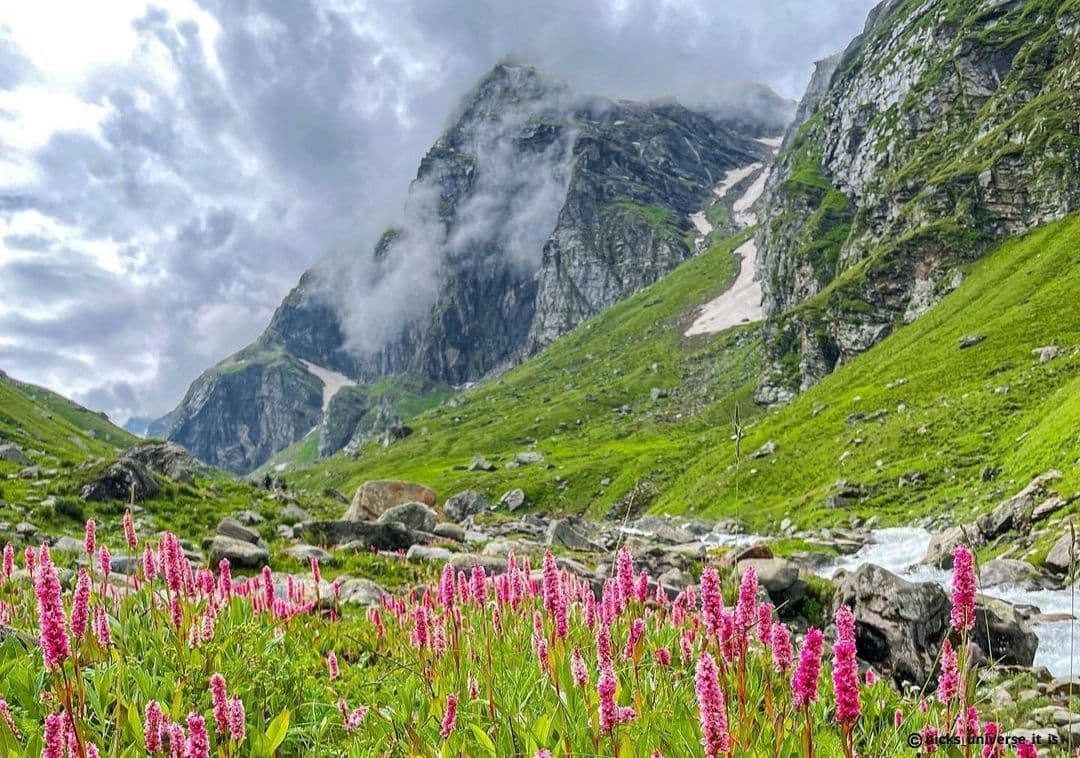 Season Wise Trek Guide
By Preetam Singh Rawat|Feb 16, 2026
What makes Hampta Pass the Valley of Flowers in Himachal Pradesh?The Hampta Pass Trek is known for its stunning valley of various flowers. Notably, the abundance of flowers on this trek has led some of our experienced guides to consider it even more impressive than the famous Valley of Flowers trek in Uttarakhand. Nestled between the Chikha and Balu Ka Ghera campsites lies a picturesque meadow called Jwara. This lovely green space is decorated with a captivating array of blooming flowers. While traversing the numerous babbling streams in the area, keep an eye out for yellow Marigolds growing along their banks. This is just a glimpse of the beauty that awaits. As you explore the Jwara grassland, you’ll be treated to a stunning Himalayan Blue Poppy and Pink Hill Geranium display, adding vibrant colours to the landscape. The valley is a sight to behold during July and August, boasting an array of vibrant wildflowers that blanket the landscape. The camping experience here is truly unforgettable, especially when surrounded by the stunning pink hues of the Hill Geraniums that carpet the campsite. The scenery is reminiscent of the iconic Beatles song, “Strawberry Fields Forever,” making Jwara a must-visit destination for any camping enthusiast. I’ll leave you with a fresh bouquet from the breathtaking Hampta Pass Trek. Season Wise Trek Guide
By Preetam Singh Rawat|Feb 16, 2026
Ultimate Kedarkantha Trek Guide: Unleash Adventure!Nestled among the Garhwal Himalayas in Uttarakhand, the Kedarkantha Trek is a well-known winter hiking route that culminates at the summit of Kedarkantha Peak, offering a captivating journey through the stunning winter scenery of the Himalayas. The trek encompasses a variety of landscapes, including dense pine forests, frozen lakes, expansive snow-covered areas, and breathtaking mountain vistas. Suppose you are considering exploring this enchanting snowy terrain. In that case, we have created a comprehensive guide to provide you with all the necessary details for a successful and enjoyable adventure on the Kedarkantha Trek. Play Video about kedarkantha trek youtube Play Video about sankri trekup india stay for kedarkanta and har ki dun trek The Kedarkantha Peak is situated within the Govind Pashu Vihar National Park in Uttarakhand. Starting from Sankri, a charming village that acts as the entry point to this snowy paradise, the Kedarkantha trek is a popular choice for adventurers. Sankri, which serves as a starting point for the trek, is a delightful village that captures the attention of trekkers. It can be easily reached via well-maintained roads from Dehradun and Rishikesh, allowing for a convenient journey into the Himalayan region. The Kedarkantha Trek offers breathtaking views of the Greater Himalayan Ranges from its towering summit, standing tall at 12,500 feet. Beginning at the base camp in Sankri, which sits at an altitude of 6,400 feet, the trek takes participants on a gradual ascent over three days, allowing for a gentle acclimatization to the higher altitude. This thoughtful approach ensures that everyone can fully appreciate the experience without compromising their health and safety. The optimal time to embark on the Kedarkantha Trek is during the winter season, specifically from December to April. This period transforms the area into a mystical winter wonderland, providing a unique and exciting trekking experience. The snow-covered terrain offers a challenging journey, complete with frozen lakes and dense alpine forests. The chilly temperatures add an extra layer of excitement, making it a perfect choice for those seeking a quintessential winter trek adventure. The Kedarkantha Trek is considered to be of moderate difficulty, making it appropriate for those with basic fitness levels and some trekking experience. Although the trek is known for being accessible to a wide range of trekkers, the winter conditions in December and other winter months bring a unique mix of adventure and obstacles. The snowy terrain during the winter trek adds complexity, but the well-marked trails and gradual ascents ensure a trek that is both exciting and manageable. Despite the additional challenges posed by the winter conditions, the support from experienced Trek Leaders makes the Kedarkantha winter trek a feasible and thrilling winter adventure. The Kedarkantha trek welcomes a variety of trekkers, offering an inclusive and convenient adventure for those with different levels of trekking experience. Whether you are a novice, a seasoned trekker, a family, a nature lover, or a photography enthusiast, you can participate in this trek as long as you have a moderate fitness level. The Kedarkantha Trek offers a unique and exciting experience, diverging from the traditional itinerary of Kedrakantha Trek India hikes. Our route promises to deliver unparalleled views and unexpected delights. Here are some of the standout features of our Kedarkantha Trek route. The culmination of the trek, the Kedarkantha summit, stands tall at an altitude of around 12,500 feet, offering breathtaking views of the Himalayas. The journey to the top is a challenging yet rewarding experience that leaves you with a profound sense of accomplishment and inner peace. As you reach the summit, you’ll feel like you’re on top of the world, and the stunning vistas will revitalize you after the strenuous climb. The summit is also home to a small temple dedicated to Lord Shiva, Goddess Parvati, and Lord Ganesha. From the highest point, the hikers are treated to a breathtaking panorama of towering mountains, including Swargarohini, Bandarpoonch, and Black Peak. As the sun rises, the snow-covered peaks are transformed into a kaleidoscope of colours, creating a truly enchanting sight. Nestled between a picturesque lake and a lush pine forest, the campsite at Juda Ka Talab is a breathtakingly beautiful destination. The scenery is almost surreal, with the snow-capped mountains serving as a stunning backdrop. In the winter months, the lake transforms into a dazzling sheet of ice, creating a photographer’s paradise. The lake not only adds to the beauty of the area but also serves a practical purpose, providing water to the neighbouring villages through a natural tunnel. The locals hold the lake in high esteem, believing that it was created by Lord Shiva during his meditation at Kedarkantha, with the droplets from his hair forming the lake. Kedarkantha trek offers some of the most spectacular sunsets, unparalleled by any other trek. Located in the western part of the Garhwal Himalayas, the peak provides an unobstructed view of the setting sun, basking the surrounding snow-capped peaks in a golden glow. The transition from blue-white to molten gold during the golden hour is truly enchanting, making it a sight to behold. The enchanting Pine and Oak forests found in Kedarkantha enhance the trek’s beauty and instil a sense of peace. These high-altitude alpine forests are among the most untouched, with a rugged and wild quality. In certain areas, the forest is densely packed, creating a surreal atmosphere during your ascent. Winter transforms the forests into an even more surreal sight as the snow blankets the trees’ leaves and branches. Network connectivity is accessible at Sankri, provided by JIO & BSNL, although it can be unreliable. Beyond this location, mobile connectivity is not available during the trek. It is advised to complete any important phone calls before commencing the trek from Sankri. Occasional short periods of mobile network may be encountered at specific points along the trek route. Electricity is available until you reach Sankri during the trek. It is advised to carry spare batteries for cameras and power banks to ensure your electronic devices remain charged. Be mindful that batteries deplete more rapidly in cold weather, so it is advisable to store them in insulated bags and keep them inside your sleeping bag overnight. The accommodations for the Kedarkantha Trek are thoughtfully arranged, providing a comfortable and convenient experience for all participants. In Sankri, you’ll enjoy luxurious accommodations at Trekup India Hotel, while the remainder of the trek will be spent camping in various campsites. To ensure a restful night’s sleep, camping arrangements are made on a twin-sharing basis. You can certainly take advantage of offloading services for the Kedarkantha Trek. However, please note that the cost of offloading is not included in the trek’s overall price, and you’ll need to pay an additional fee to book this service. The offloading fee is Rs 1600 if you book in advance and Rs 2000 if you book on the spot. Ensure that your offloading bag does not exceed 10 kg in weight. You can simply book your offload by login you dashboard. At the Base Camp, we provide a secure storage area for your luggage in our guesthouse. You can store your bags there and pick them up after your trek. However, please refrain from leaving any valuable items in the bags you store, as we cannot be held responsible for their safety. The closest ATM to the trekking area is located in Mori, which is the final stop before Sankri. It’s important to note that the ATM in Mori may not always have cash available. To ensure you have enough money, it is recommended to either carry cash with you or withdraw money in Dehradun. At the Base Camp, we provide a secure storage area for your luggage in our guesthouse. You can store your bags there and pick them up after your trek. However, please refrain from leaving any valuable items in the bags you store, as we cannot be held responsible for their safety. At the starting point of your adventure, Sankri Base Camp, you’ll have access to some trekking essentials. However, to ensure a smooth and enjoyable experience, it’s recommended that you secure your gear in advance, either by purchasing or renting. This will guarantee that you’re well-equipped and prepared for your Himalayan trek. If you prefer to rent, we offer gear rental services for an additional fee, you can rent here . Kedarkantha Trek entails a 6-day journey through the Garhwal Himalayas, with an elevation gain of 2,500 to 3,000 meters. To participate in this adventure, you should have a good level of fitness. Before embarking on the trek, it is advisable to begin a physical training program 4-6 weeks in advance. This program should include cardiovascular exercises, strength training, and flexibility exercises. You should be able to cover 5-7 kilometers of distance in 45 minutes to 1 hour, with a backpack weighing 10-15 kg. Additionally, you should be able to climb 4-5 flights of stairs in 1 minute without any issues. It is also important to note that the trek takes place at high altitudes, so you should be prepared for the thin air and potential altitude sickness. It is recommended to consult with your doctor before embarking on the trek, especially if you have any pre-existing medical conditions. Overall, the Kedarkantha Trek requires a good level of fitness, endurance, and mental preparedness. With the right training and preparation, you will be able to enjoy this incredible adventure to its fullest. Improving cardiovascular endurance is important for the trek, which includes constant walking at different heights. Engaging in exercises such as running, biking, or fast walking can help you get ready for long-lasting physical exertion. Embarking on this adventure requires fortifying your legs, particularly the quadriceps and calf muscles, to tackle the challenges of traversing snowy trails and steep inclines. Engaging in exercises like climbing stairs or uphill walking can help bolster your leg strength and muscular endurance, ensuring you’re well-prepared for the trek ahead. Agile movement on uneven terrain is facilitated by muscles and joints that can adapt and bend with ease. Include lower body, back, and shoulder stretches in your routine to enhance your flexibility. To ensure an unforgettable and fulfilling Kedarkantha trekking experience, consider the following tips: Book your Kedarkantha Trek here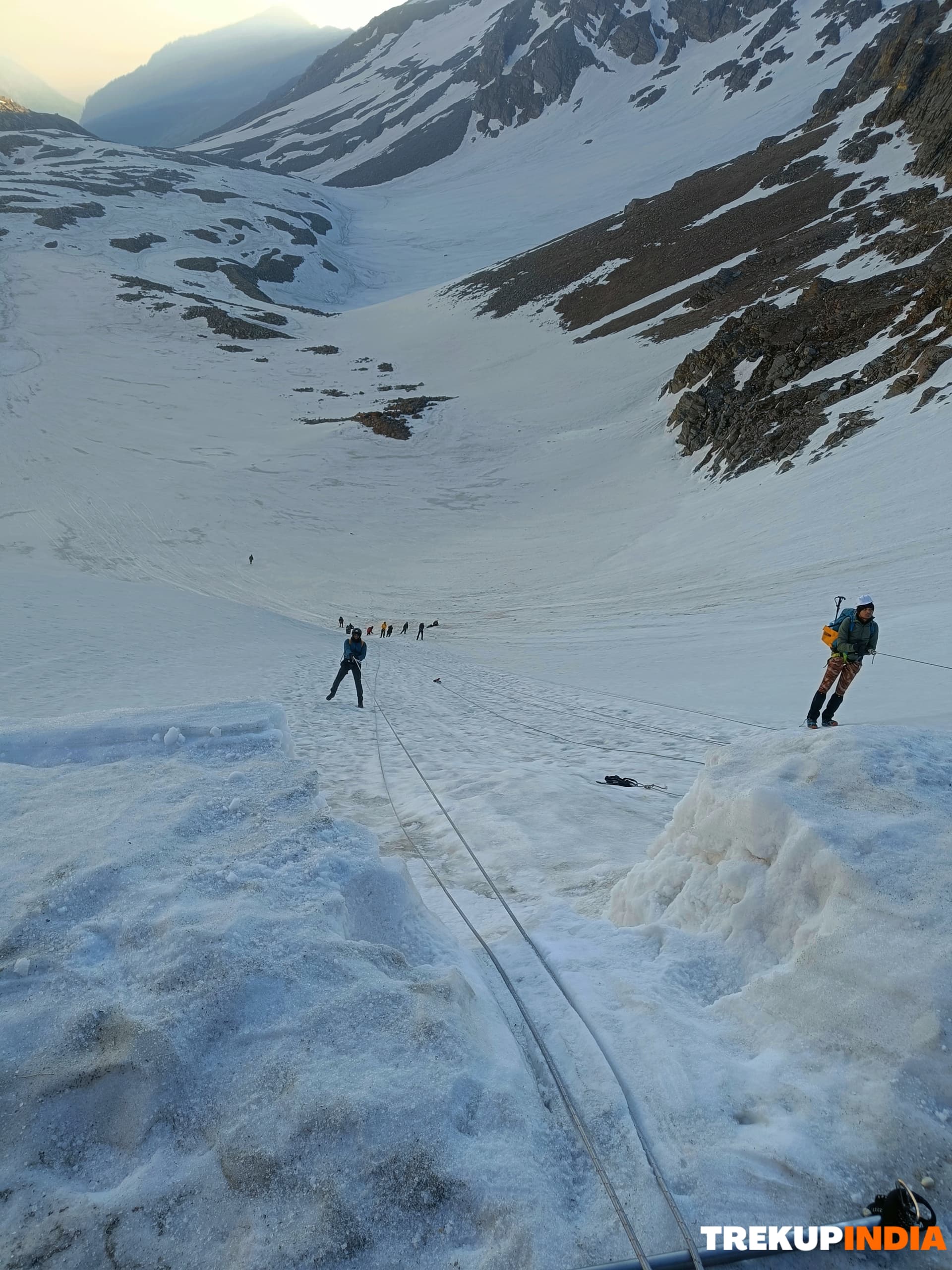 Season Wise Trek Guide
By Nanda Rawat|Feb 16, 2026
Buran Ghati Trek: An Exceptional Alternative to Roopkund Lake TrekThe High Court of Uttrakhand prohibited Roopkund and banned camping in its meadows in 2018; therefore, we must now seek a suitable alternative to Roopkund. Buran Ghati Trek is a destination that may require some clarification as its hidden treasures have yet to be widely known. During my trek there, I was struck by the exceptional beauty of the landscape, surpassing that of other Himalayan treks. The scenery of Buran Ghati, with its picturesque pine trees and lush grasslands, is like something from a storybook. Beyond its beauty, the trek offers an exhilarating adventure, especially when climbing and descending the Buran Pass. This mix of stunning scenery and thrilling experiences makes Buran Ghati a fantastic alternative to Roopkund, with a difficulty level that is almost on par with the latter. The trek starts at Lohajung for Roopkund and at Janglik for Buran Ghati. Janglik is considered more beautiful than Lohajung’s untouched, picturesque village setting. The homes in Janglik are charmingly crafted, typically featuring wooden structures with stone roofs. The village is surrounded by snow-capped peaks and scenic farms, with pine trees casting a canopy over the village. Upon reaching Janglik, you genuinely sense being immersed in the mountain environment. In contrast, Lohajung has been affected by commercial trekking, resulting in a more urbanized appearance, though it still offers splendid views of Mt Nanda Ghunti and the Didina Valley. Buran Ghati – is a fantastic trek that starts from picturesque farms and leads into stunning pine forests after about an hour. The trail through the pine trees is enchanting, with beautiful clearings along the way. It then opens into vast grasslands, eventually reaching the breathtaking Dayara meadows. The meadows are incredibly scenic, reminiscent of childhood postcards. A unique part of the trek is the ‘wow’ point, where trekkers are first greeted with a stunning view of Dayara. It’s a sight that never fails to leave trekkers in awe, stopping them in their tracks with wonder in their eyes due to the sheer beauty of the surroundings. Roopkund – The initial part of the Roopkund trek leads through stunning oak and rhododendron forests, where the interplay of colours, light, and shadows is captivating. The dense and beautiful oak forests continue until you reach the first camp at Gheroli Patal. Before Buran Ghati became my top choice, Roopkund used to be my preferred trek for its enchanting oak forests on the first Day. Janglik Village Photos by Gourab Nandy On the second Day of the Roopkund trek, the scenery takes a stunning turn as trekkers make their way through a lush oak forest, with the sunlight filtering through the trees like a cinematic backdrop. The journey continues to the breathtaking Ali Bugyal, a high-altitude meadow renowned for its unparalleled beauty. Walking barefoot through the meadow is an unforgettable experience that will leave you in awe. The trek culminates at Bedni Bugyal, which many consider to be even more picturesque than Ali Bugyal. The sunset at Bedni Bugyal is a genuinely magical moment that evokes strong emotions in trekkers. The Ali Bugyal and Bedni Bugyal are so captivating that we have created a separate trek, The Ali Bedni Bugyal Trek, to allow trekkers to experience their beauty since the Roopkund Trek was closed fully. The Buran Ghati trek begins on Day Two from the beautiful Dayara meadows. The trail winds through the mountains, passing by pine and silver birch forests and crystal-clear mountain streams. The sight of the springs flowing down from the grassy slopes is breathtaking. Walking above the valley with pine trees lining the path, trekkers are treated to views of snow-capped peaks. After about 5 hours, camp is set up at Litham, where two valleys meet, offering spectacular views on both sides. This unique setting makes Buran Ghati a compelling alternative to the popular Roopkund trek. An additional day is scheduled for acclimatization during the Buran Ghati trek, specifically to explore Chandranahan Lake on the third Day. This side trek from Litham offers another thrilling adventure, but I will discuss it later. Therefore, I will proceed to day 4 of the Buran Ghati trek. The third Day of the Roopkund trek is a visual delight, offering a scenic journey along the entire length of Bedni Bugyal – a heavenly terrain for trekkers. Where else can you experience the thrill of exploring such picturesque meadows? As you continue, the trail takes you to the other side of the mountain, leading to Patar Nachauni, the final stretch of lush grasslands. With the majestic Mt Nanda Ghunti and Trishul as your constant companions, the trek is a feast for the eyes and a mentally stimulating adventure. While the beauty of the trek is captivating, Buran offers its exciting moments. Buran Ghati: I would give a higher rating on the fourth Day of the Buran Ghati trek. During the fourth Day of this trek, we traversed the Litham Valley, coming remarkably close to the Dhauladhar range. The range appears like a formidable barrier ahead of us, offering a thrilling sight of the towering snow-covered peaks. Our guides eagerly highlight the impressive Gunas pass, a sibling pass to Buran Ghati. As you embark on this trek early in the season, you will encounter your first snow patches, adding to the excitement. The grassy terrain gradually gives way to a glimpse of Buran Ghati around a bend, capturing your attention as you mentally plan your ascent to the pass. Upon reaching Dunda, you get the snow line, immersing yourself in a complete alpine environment with snow patches. Setting up camp on the snow becomes a delightful experience for any trekker. On the fourth Day of the Roopkund trek, trekkers experience a thrilling adventure as they go from Patar Nachauni to the shrine at Kalu Vinayak. The vertical climb appears impossible, but the breathtaking view from the top is well worth the effort. As they reach Kalu Vinayak, trekkers catch their first glimpse of the Roopkund flank, and the change in scenery is theatrical. The icy terrain of Bhagwabasa, with the Roopkund flank looming in the distance and Mt Trishul towering above, creates a picturesque setting. Trekkers eagerly anticipate their first glimpse of Roopkund, the mysterious lake that is their ultimate destination. When they realize that it is nestled high above the mountain flank, they can’t help but feel a rush of excitement and nervousness at the prospect of the adventure that lies ahead. The eagerly anticipated Day has finally arrived, the Day we’ll embark on the gruelling Buran Ghati and Roopkund treks. Both adventures promise to be exhilarating, and I rate them equally, but if pressed, I’d give a slight edge to Buran Ghati. Allow me to explain why. During the challenging Roopkund trek, hikers only glimpse the Roopkund lake once they are near the end of the climb. The journey involves traversing a mostly snow-covered mountain slope for a few hours before reaching a point directly beneath Roopkund. From there, a final push is required, including navigating switchbacks and a steep ascent that leads to the Roopkund crater. The stunning view of Roopkund takes the hikers by surprise, as the lake is much larger than they had anticipated. The surroundings appear surreal, with cliffs looming over the far end of Roopkund, casting a shadow over the water. The profound silence in the area almost allows one to hear one’s voice echoing. Reaching Roopkund is a remarkable accomplishment, provoking solid emotions in trekkers who often find themselves overwhelmed with joy and relief, sometimes leading to tears. As you reach the summit of Buran Ghati, you’re suddenly faced with a daunting challenge: a nearly vertical snow wall that seems to stretch on forever. Your heart races as you gaze down at the steep descent, but your trek leader quickly alleviates your fears by tossing down the rappelling ropes. This is truly a one-of-a-kind experience with the highest rappelling spot on earth. The descent may be brief, but it’s an unforgettable 50 meters. Once you’ve rappelled down, the fun is far from over. Your trek leader gives you a playful push, sending you sliding down the snowy terrain with unbridled joy. You can’t help but feel like a giddy child as you hurtle down the snow patches, squealing with delight. The Day is filled with five thrilling slides, each more exhilarating than the last. As you make your way down the grassy trails of the picturesque Baruva Valley, you can’t help but feel a sense of bouncy enthusiasm with every step. It’s an adventure that will leave you beaming with excitement! Conclusion: While Roopkund is an incredible trek, other options offer similar experiences and may even surpass it in certain aspects. Buran Ghati, for instance, is a fantastic alternative trek that can provide a comparable experience to Roopkund, with fewer crowds and more unique features. Considering the large number of people on the Roopkund slope, it’s worth exploring Buran Ghati as a viable alternative. Book & view details of Buran Ghati Pass Trek Here Season Wise Trek Guide
By Nanda Rawat|Feb 13, 2026
Remember This Helpful Guide to the Kedarkantha Trek – Complete Trekking TipsThe Kedarkantha Trek, located in the Himalayas, is renowned for hikers because of the stunning landscape, moderate difficulty and its easy access. With winter fast nearing, it's the perfect time to begin planning the Kedarkantha Trek. This article gives a brief overview of what you can expect during the trek, and how to prepare. The Kedarkantha Peak is in the Uttarakhand Govind Garhwal region. The trek usually begins from the picturesque town of Sankri that is renowned for its beautiful scenery and welcoming locals. Sankri can be easily reached via roads from major cities, such as Dehradun and Rishikesh. The Kedarkantha trek takes six days and is appropriate for hikers of all levels, from novices to experienced hikers. A moderate score, Kedarkantha offers a good balance of accessibility and adventure which makes it suitable for both novice or experienced hikers. The gentle slope offers an enjoyable and rewarding experience and makes it a good option for families with children. The best time to visit The most ideal time to go on the Kedarkantha Trek is during winter between December and April. The area transforms into a stunning winter wonderland with the trails covered in snow, frozen lakes and dense forests. The altitude of Kedarkantha is 12,500 feet. The trek from the base camp all the way to the top is an increase in elevation of 6,100 feet in the course of three days, allowing the participants to get used to the elevation. Stays in the Trekup India Luxury Hotel in the village's bottom of Sankari and comfortable twin-sharing tents to share during the trek. Offloading service are available for a fee. If booked online via the website it will cost INR 1600 or at Base Camp Sankri, it will cost INR 2000. The weight of the bag that is used for offloading must not exceed 10 kg. Cloakroom After arriving in Sankri you will be able to keep your luggage in the guesthouse. The final ATM prior to Sankri is located in Mori. For a safe journey taking cash or withdrawing it in Dehradun is recommended.Season Wise Trek GuideBy Preetam Singh Rawat|Feb 13, 2026
Why Kedarkantha Trek is Perfect for Beginners – Easy Himalayan Trek GuideGeography and Location: Nestled in the heart of Uttarakhand, India, the Kedarkantha trail takes you through the stunning Govind Wildlife Sanctuary in the Western Garhwal Himalayas. The trail leads you through the captivating Tons Valley, a stunning sight to see and a top trek place in India. The trek from Kedarkantha Peak takes six days and is suitable for novice as well as experienced trekkers. It is a scenic route that passes through beautiful villages, lush forests and meadows that are captivating which highlight the stunning beauty of Uttarakhand's trek. The hike offers an equal amount of difficulty, suitable for those who have no experience. The terrain offers a blend of adventure and accessibility, without becoming overwhelming. Kedarkantha is not just a hike It's a journey that welcomes families, friends and solo travelers with welcoming arms. It has an experience for everyone which makes it a perfect option for people who are new to the sport. This beginner-friendly trail is easy to navigate and doesn't require any technical knowledge. Well-Marked Trail The route within Kedarkantha is clearly marked to reduce the risk of getting lost, and also enhancing the trekking experience. A team of experienced guides Your trip to Kedarkantha is not only about the trek, but also the experience. With the help of knowledgeable guides and trek leaders Your safety is our primary concern. They'll help guide you, and expand your understanding of the culture of the region and its natural environment, making your trip more enjoyable. For those who are just beginning to trek, Kedarkantha is an ideal starting point. It is stunningly beautiful and a profound feeling of accomplishment.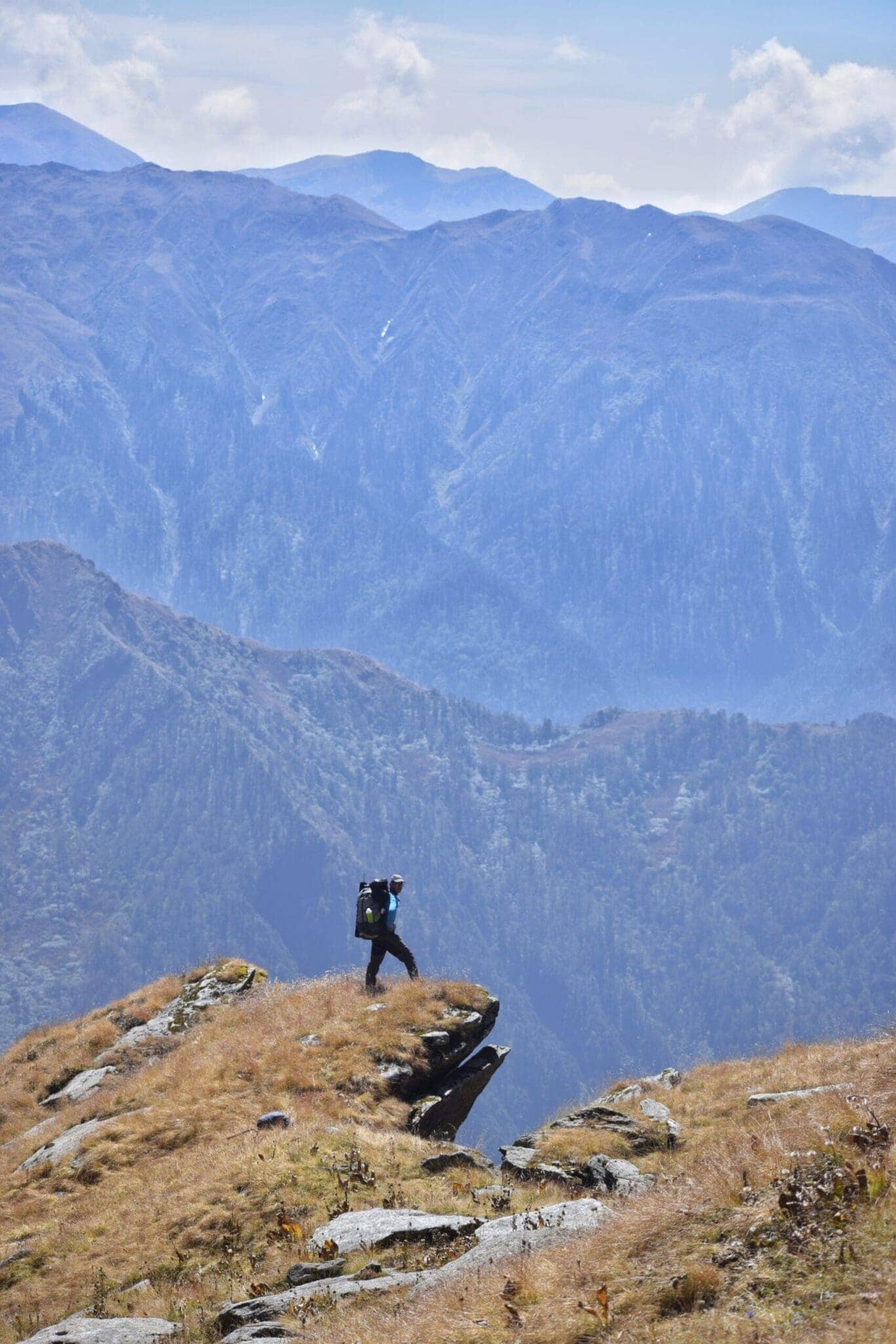 Season Wise Trek Guide
By Preetam Singh Rawat|Feb 13, 2026
Har Ki Dun Trek in Autumn – Scenic Himalayan Trekking GuideThe autumnal time in the Har Ki Dun valley reveals its most beautiful state. This time of year offers the chance to take in breathtaking scenery without having to endure the more harsh winter temperatures when snow-capped peaks form stunning backdrops against vibrant red chaulai plants which flourish throughout. When the snow starts melting towards the end of April Har Ki Dun sheds its winter coat and reveals the stunning and raw landscape in which the Supin river flows through with renewed clarity, forming stunning light and shadow between the pine trees that sparkle in the golden glow of pine needles while our mules stroll peacefully by. Har Ki Dun Trek in Uttarakhand's Garhwal Himalayas is particularly enjoyable in the autumn months usually from late September until early November. Once the monsoon season has ended the landscape becomes unbelievable, with stunning images of Swargarohini, Black Peak, and Bandarpoonch against a vivid blue sky. In addition, bronze and golden shades that adorn the oak, maple and walnut trees begin their transformation into magnificent views to behold. Great for nature lovers and photographers alike, the trekking conditions in Nepal provide perfect trekking conditions: pleasant temperatures in the day, cool evenings well-maintained trails, free of leeches and monsoon residue creating the perfect trekking conditions. Osla and Gangad villages add another layer of attraction, where visitors can observe local life including harvest celebrations, as well as traditional celebrations as communities prepare for winter. The autumn season truly reveals the Valley of the Gods' glittering beauty. Following monsoon rains and the fall season, autumn brings a refreshing crispness to the air, allowing us to see breathtaking mountain views for the first time. Swargarohini, Black Peak (Kala Nag) and Bandarpoonch are stunningly visible against a stunning blue background providing us with breathtaking views often obscured by a summer clouds or monsoon veil during other seasons. When the seasons change, the oak, walnut, and maple trees change their colors from gold to bronze to golden-bronze shades offering beautiful landscapes along every path in the valley, awash in autumn leaves that light up every path and offer photographers endless photo opportunities - perfect locations for photographers that love nature! This setting offers excellent photographic opportunities and is an absolute delight for those who love nature. The temperatures during the day are perfect for hiking. Even though nighttime temperatures can be cooler from October onwards, the absence of snow or rain will ensure that the trek is dry and dry; this prevents leeches and other dangers resulting from heavy monsoon rains that can infiltrate the trail and supplying fresh mountain air instead. The fall season is also a season for exploring the culture in remote Himalayan villages like Osla and Gangad. There, you can witness the people who are prepping for winter with harvesting, observing small festivals, or taking part in traditional ceremonies, giving an opportunity to gain an understanding of the culture of mountain communities.