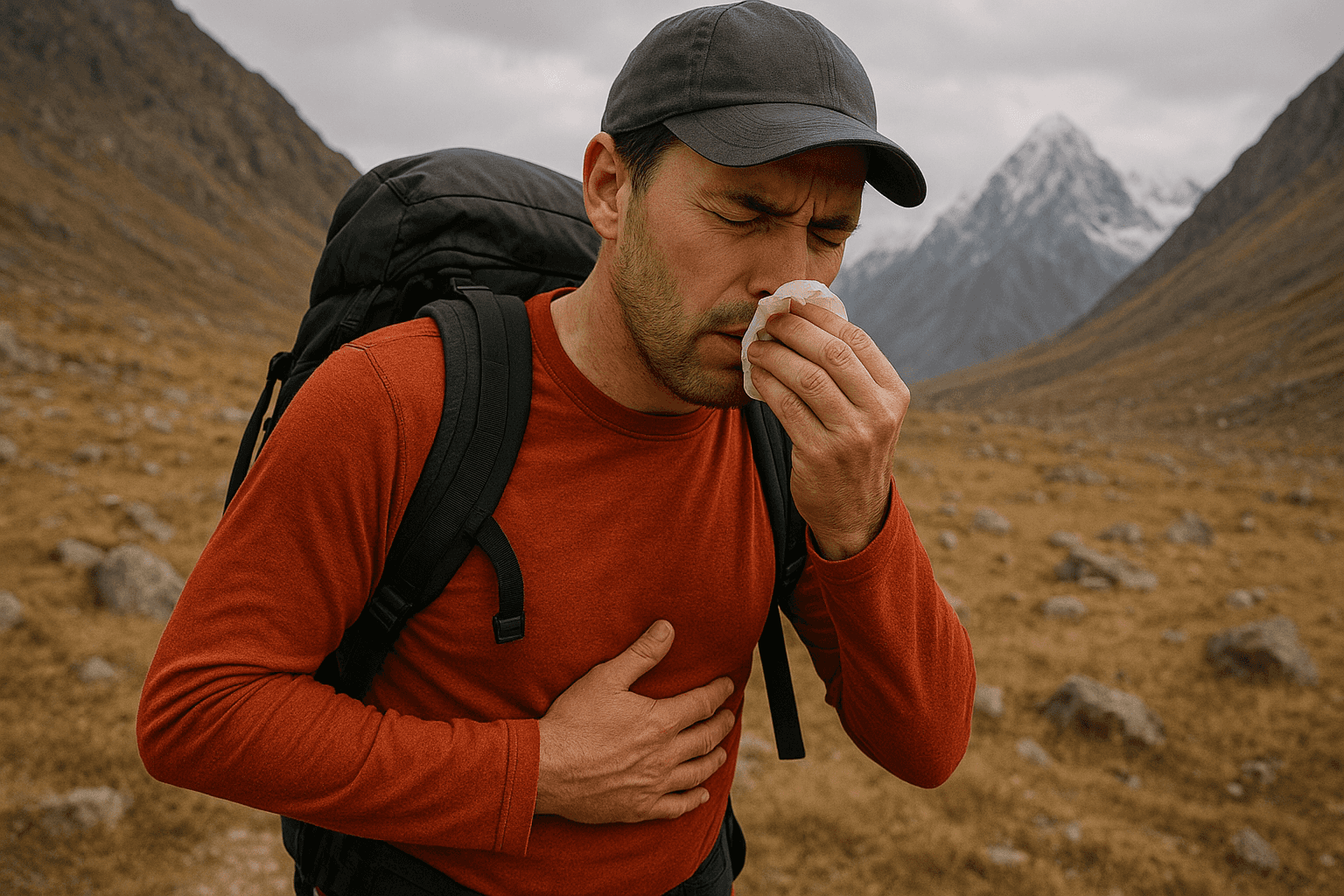
Even the most knowledgeable trekkers are slowed due to minor health issues along the trail. On the TrekUp India we have observed how minor ailments such as sore throats, stomach discomfort or muscle soreness, or blisters can significantly impact the pace, morale and overall enjoyment on the trek.
While they aren't life-threatening, extreme conditions in the mountains, cold temperatures altitude, and a limited recovery time can cause them to worsen rapidly if they are not addressed. Recognizing symptoms early, practicing preventive practices, and managing minor illnesses correctly enables trekkers to remain comfortable, secure, and focused on their journey ahead.
This guide provides some of the common trek-related health problems and includes the field-tested methods of prevention and management that are followed by knowledgeable trek leaders.
1. Common Cold and Sore Throat
Rapid temperature fluctuations as well as cold winds wet clothing, long exposure to frigid temperatures often cause trekkers susceptible to throat irritation and colds.
Prevention
- Use an neck scarf or buff to shield your chest and neck
- Take off your wet clothes immediately.
- Keep hydrated because dry air can make your throat more sensitive
- Do not share cuttinglery, water bottles, or personal things
Management
- Lozenges for the throat can be used to treat minor irritation.
- Consume warm fluids, such as herb teas or soups
- Use mild pain relievers only in the event of a need.
- Be sure to rest and not overexert yourself.
If symptoms get worse or cause the appearance of weakness or fever If symptoms become more severe, notify that the trek leader.
2. Stomach Upset (Diarrhoea or Indigestion)
Changes in diet, contaminated water or eating too much could cause stomach discomfort that is among the most frequently encountered issues during treks.
Prevention
- Always make sure to purify water for drinking (boiling or filtering or tablets to purify)
- Consume only freshly cooked food
- Avoid raw and fruits with peels that have not been peeled from unknown sources
- Utilize disposable or personal tools whenever you can.
Management
- Rehydrate using oral rehydration salts or electrolyte solutions
- Consume simple, easy to digest foods like soup, rice, khichdi or toast
- Make sure you have a simple anti-diarrhoeal medication
- Tell the trek director if symptoms persist for more than a few hours
It is vital to drink fluids quickly in order to avoid weakness and fatigue.
3. Muscle Strain along with Soreness
The long hours of walking, the steep ascents and descents create constant strain on joints and muscles particularly ankles and knees.
Prevention
- Begin to warm up before beginning the day's trek
- Relax gently at night to ease the process of the recovery process
- Make use of trekking poles to minimize the impact on joints
- Make sure you wear well-fitting trekking footwear that has the right ankle support
Management
- Apply balm or a spray to relieve muscle pains.
- Apply elastic bandages for additional joint support
- Make adjustments to your pace and try not to push through the pain
In the absence of a muscle strain, it can result in injuries later on in the trek.
4. Headaches
Headaches that occur during trekking are usually caused by sun exposure, dehydration, fatigue, or elevation changes.
Prevention
- Drink plenty of water in small portions
- Put on sunglasses with a hat to cut down on the glare and sun exposure
- Gradually ascend to allow for proper adjustment
Management
- Sit in a shaded space
- Rehydrate and eat small snacks
- Use pain relieving medications only when absolutely necessary.
If headaches are associated with breathlessness, nausea, dizziness or confusion, notify the doctor immediately. These could be signs of an altitude-related condition.
5. Minor cuts and blisters
The rough terrain, friction and improperly fitting footwear can result in skin injuries that get worse quickly If not treated.
Prevention
- Wear moisture-wicking socks
- Take a moment to change into trekking shoes prior to the trek
- Keep toenails trim to reduce friction
Management
- Make sure to clean the cuts with antiseptic. Then apply bandages made of sterile
- Use moleskin or blister pads to shield the affected areas.
- Keep the wounds dry and clean to avoid infection
Early intervention can stop minor problems from turning into trek-ending issues.
Conclusion
Minor illnesses may not be to be serious, but during an trek they can take away energy, alter mood and cause safety issues when left untreated. Prevention and early detection of symptoms and having an essential medical kit are vital elements of safe trekking.
We at TrekUp India, we believe that a well-nourished trekker is a content one. With proper preparation, awareness, and self-care, most common trekking ailments can be managed effectively--allowing you to stay comfortable, confident, and fully immersed in the beauty of the Indian mountains.
Healthful and fit on the trail isn't about perfect but rather being aware, balanced and quick actions.
About the Author: Trekking Expertise You Can Trust
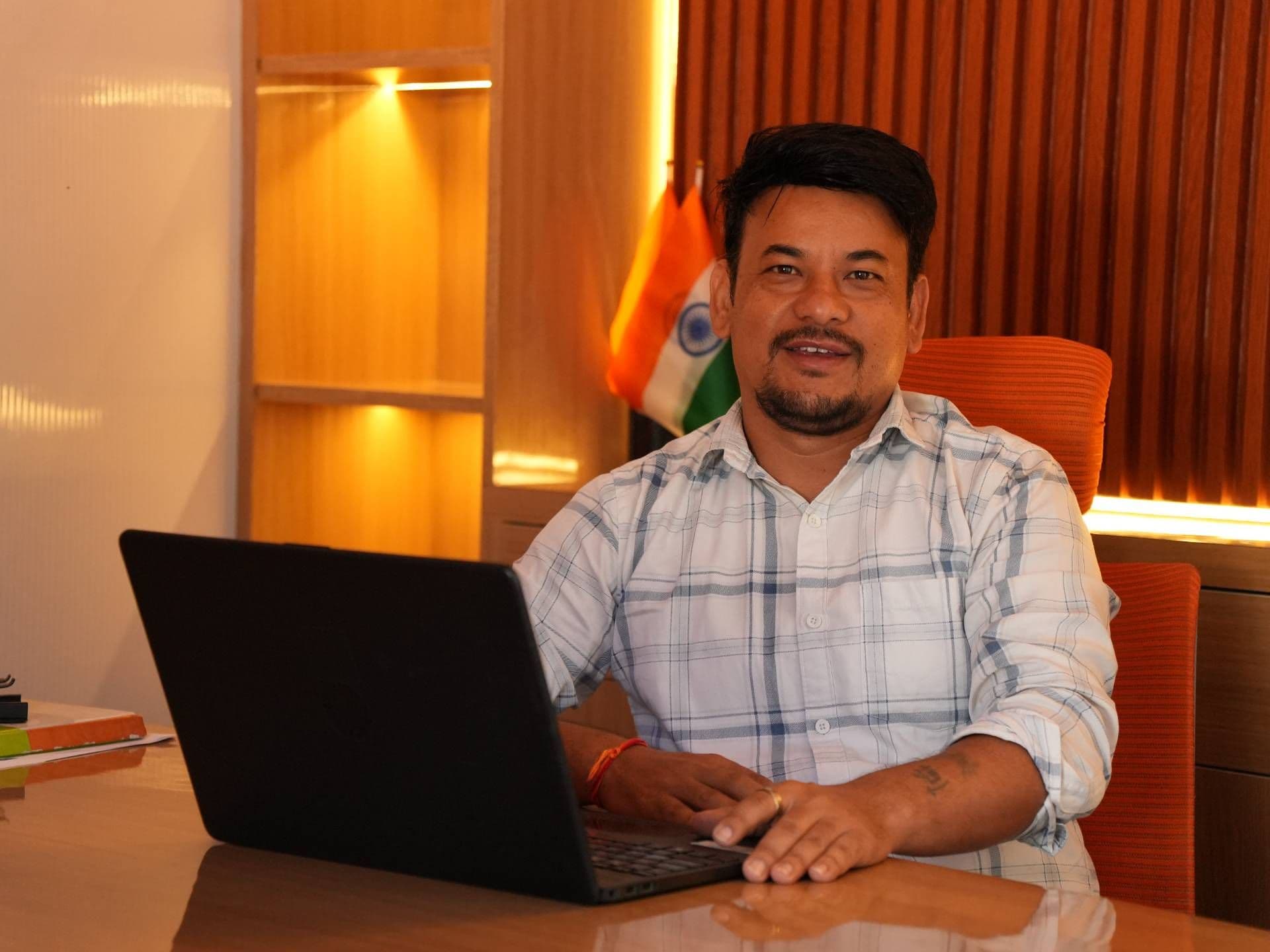
Operations Manager
Nanda Rawat holds a Master’s degree in Tourism & Hospitality and brings over 16 years of experience in adventure and leisure travel. He has led multiple Himalayan expeditions, contributed to ATOAI, and is trained in first aid by the Indian Mountaineering Foundation. A strong supporter of sustainable and ethical tourism, he plays a key role at Trekup India. Write to him at: nanda@trekupindia.com