The trekking experience isn't the same as running. The mountains don't value speed, they are rewarded for regularity.
In TrekUp India We've seen this similar pattern across Himalayan treks along with Western Ghats trails The trekkers who are quick to start frequently struggle later, whereas those who have the rhythm to be steady end stronger, more secure and more content.
A steady pace helps conserve energy, shields your body from injury, aids in acclimatization and allows you to truly feel the place you've come to experience.
Why Pace Matters on a Trek
Speeding up too much can result in:
- The early exhausted ("hitting on the floor" even before the day's end)
- Risk of developing altitude sickness because of rapid ascents
- The knee is aching, muscles strain and blisters resulting from the inconsistency of speed
- Not getting the best views of wildlife, views, and the peaceful beauty of the trail
A well-managed pace will help you:
- You can walk longer distances and feel less fatigue
- Be prepared for acclimatization at a high altitude
- Keep your focus, balance, and enjoy
- Complete each day with an energy level that's not just relieved knowing it's over
How to Find Your Ideal Trekking Pace
1. The Talk Test (Golden Rule)
If you can talk in complete sentences with ease while walking, then your pace is steady.
- Fast enough? If you're gasping in the middle of your sentence, you need to slow down.
- A simple trick is to You can try humming. If you're unable to make a sound, you're not exercising enough.
This is great for gradual Himalayan ascents and forest trails too.
2. The Mountain Step (For Steep Climbs)
If you are on a steep slope, consider:
- Short, deliberate steps
- A short pause in between each step
This helps keep your heart rate stable and stops abrupt tiredness.It's especially beneficial on mountain climbs in which rushing rapidly depletes oxygen reserves.
3. The Rest Step (For Long or Technical Sections)
Make sure to lock your knees at the end of each step, transferring the weight to your skeleton, instead of your muscles.
This method:
- Saves muscular energy
- Reduces leg burn
- It is helpful on long descents as well as rough terrain
It's subtle, but extremely powerful over time.
4. The 50:10 Rule (Especially for Group Treks)
A solid rhythm to last for long hours:
- Walk for about 50 minutes
- Relax for 10 minutes
Breaks allow:
- Drinking fluids and snacks
- Adjustment of the gear
- Mental reset
The short, planned breaks are much better than long, frantic breaks.
Terrain-Specific Pacing Tips
- The altitude of high elevation: Slow down by 30% compared to plains and add rest stops
- Trails in the forest: Maintain a steady rhythm, and watch out for wet leaves and roots
- Rocky climbs Little steps hands free, balance first.
- The snowfields follow the guides steps to save energy
Each terrain requires an individual rhythm. Adapt instead of pushing speed.
Common Pacing Mistakes Trekkers Make
- The speed of the start is too fast due to adrenaline or excitement
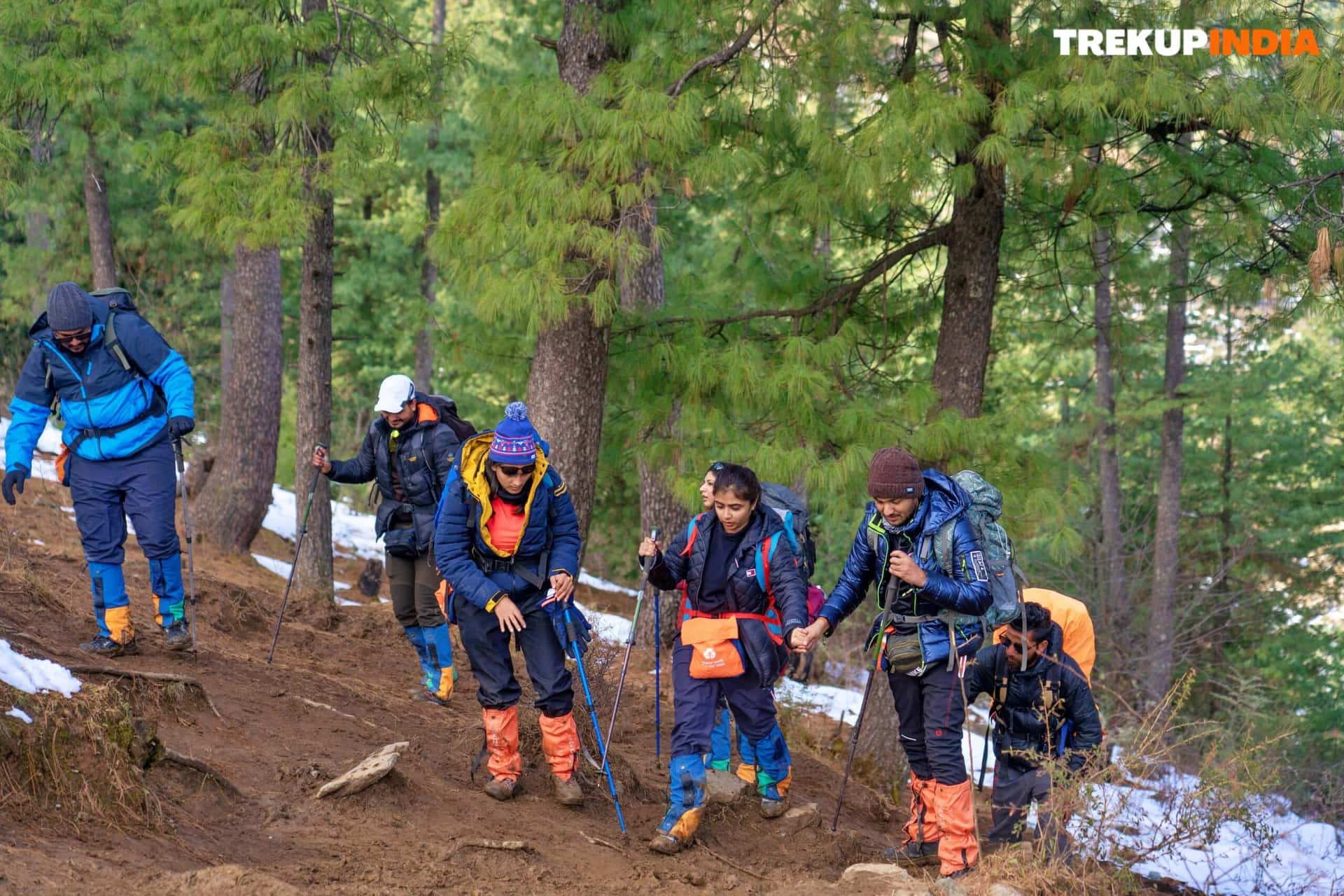
- You are trying to follow someone else's rhythm instead of paying attention to your body
- Breaks that are skipped ("just five minutes more" typically isn't a good idea)
- Try nasal breathing to manage effort
Remember: Your trek is your speed, your routine.
Tips for Long-Distance Trekking Days
- Get warm for 5 minutes prior to beginning
- Make use of trekking poles (they lessen the load on the legs and help save energy)
- Drink water each 20 minutes. Don't sit around waiting for thirst to come on.
- Snack often with energy food that slow-releases (nuts or dates and chocolate)
Small steps can make long days easy to manage.
Conclusion
It's not about how fast you can move, but about how long you're able be able to move comfortably.
Finding your rhythm can transform difficult climbs into a smooth journey, whether you're traversing Himalayan passes or navigating in the Western Ghats. When you take your time and pace yourself with mindfulness and your body is healthy, your mind stays relaxed and the trek transforms into a memorable experience rather than a test of endurance.
We at TrekUp India, we've seen time and time again that those who take their time slowing down aren't only able to complete their treks; they take pleasure in them more. Utilizing simple methods such as talking test, Mountain Step Talk Test, Mountain Step and planned rest, and resisting the urge to compete, you offer you the greatest chance to enjoy having a pleasant, secure trip.
The mountains won't be going away. You should walk at a pace that allows you to be present throughout.
About the Author: Trekking Expertise You Can Trust
Mountain Expert
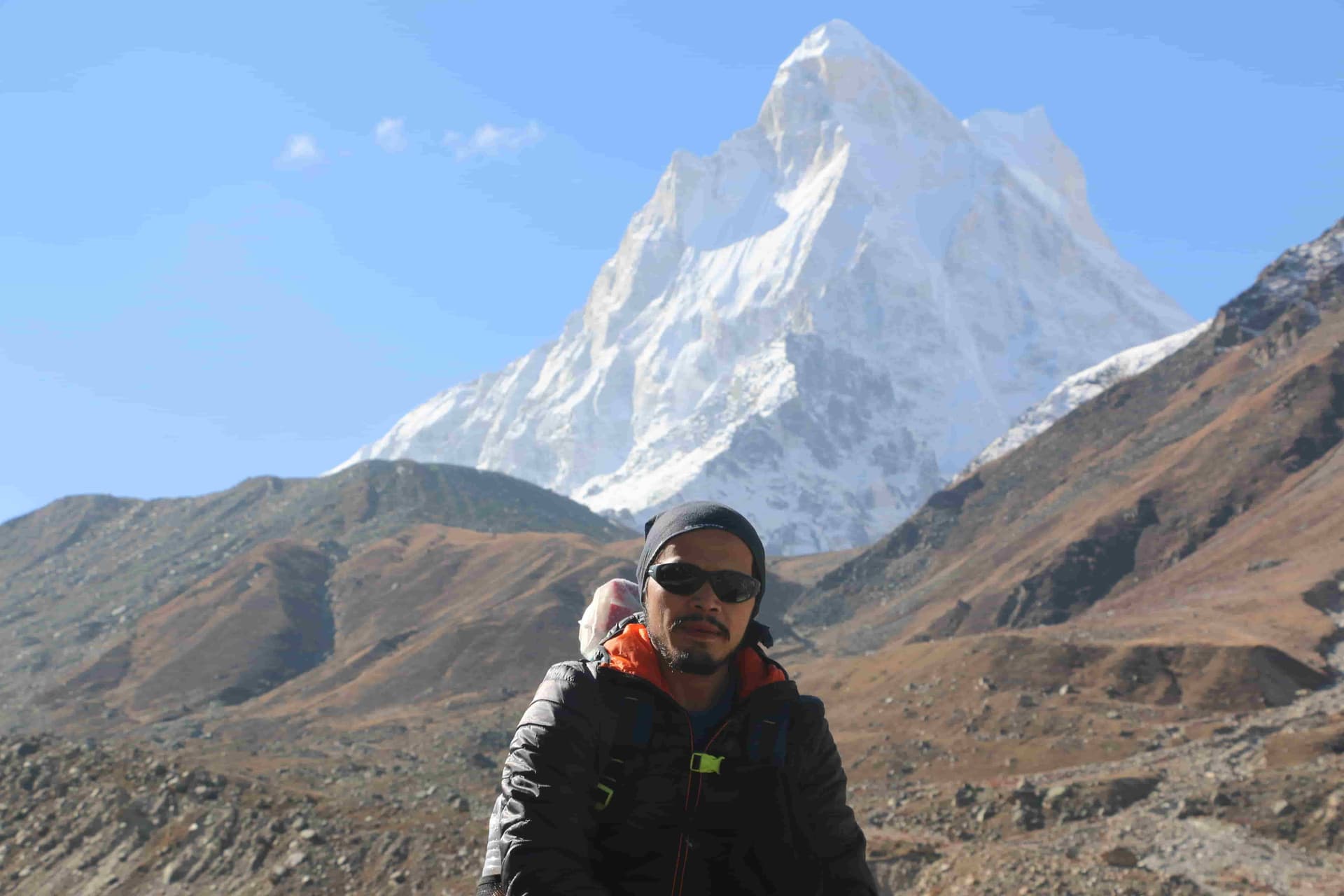
Adhish was born and brought up in the Pauri Garhwal region. Since childhood, he has had an inclination towards Mountains. To fulfil this dream, Adhish did his Basic mountaineering Courses from Nehru institute of mountaineering, Advance mountaineering courses from Himalayan mountaineering institute Darjeeling and Skiing courses from ABVIM Manali. He has done various expeditions in the Himalayan region. And his love for mountains and adventure is never-ending. Make sure to get detailed help related to the Himalayan trek from him.