In the mountains it's not determined by how much you walk each day, but rather by how quickly you recover.
Here at TrekUp India TrekUp India, we've witnessed this reality unfold often. Trekkers are often motivated and eager to push further and gain more ground every day. The views are stunning and the body feels strong and the desire to "just continue on" is powerful. However, one of the most crucial, yet neglected aspects of a safe pleasant trek are your relaxation day.
A properly planned rest day could make the difference between completing an trek well and having to pull back because of injury, exhaustion and altitude sickness.
Why Rest Days Matter More Than You Think
Muscle Recovery & Injury Prevention
The constant strain of trekking puts stress on your knees, legs back, core, and. Each ascent causes tiny muscle tears that require some time for healing.
Insufficient rest:
- Fatigue accumulates
- Muscles weaken rather than strengthening
- The risk of knee pain, and other injuries rises
The body needs time to fix, reset and rehabilitate to reduce soreness, as well as keeping damage from lasting.
Acclimatization at High Altitude
Above 2,500m it becomes crucial to rest, not an option.
As altitude increases as you climb, your oxygen levels decrease and your body requires the time to adapt. Rest days allow:
- Improved oxygen efficiency
- Risk of AMS reduced (Acute Mountain Sickness)
- Less likely to develop serious ailments such as HACE or HAPE
This is the reason treks like Kedarkantha, Rupin Pass, and Stok Kangri include built-in acclimatization days. Not taking advantage of them is among the most frequently-made mistakes trekkers make.
Mental Refresh and Motivation
It's also deeply psychological.
A constant pace of activity cold nights, constant movement, anxiety, and fatigue can be a drain on motivation. A break day allows your mind the space to:
- Reset your emotional state
- Find the reason you're trekking
- Relax and enjoy the mountains without stress
Many hikers rekindle their enthusiasm after a few minutes of slowing down an entire day.
Signs You May Need a Rest Day
TrekUp India guides are trained to be alert for warning signs, but trekkers must be aware of their own thoughts as well.
Common indicators are:
- Consistent headaches
- Nausea, vomiting or loss of appetite
- Poor sleep despite exhaustion
- Unusual irritation or mood changes
- Motivation or pace may be reduced.
- Muscle soreness that won't go away when you move your body
If you notice these signs an opportunity to rest isn't in any way weakness. It's just wisdom.
How to Use a Rest Day Effectively
A rest day isn't about being slouch for the entire day (unless you're sick). The aim is active recuperation.
Good practices for rest days include:
- Gentle, short walks around camp
- Light yoga or stretching
- Drinking enough water and eating well
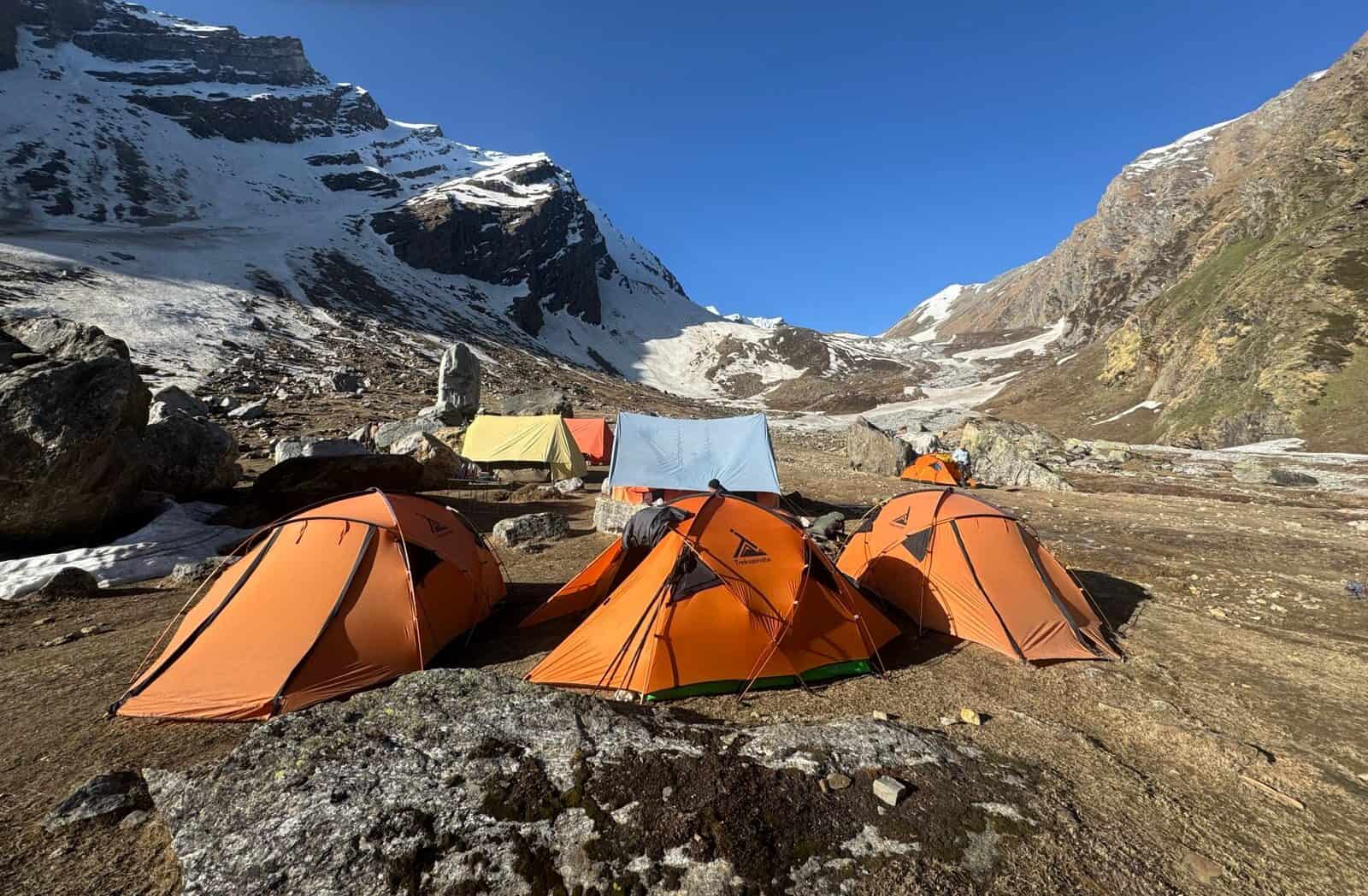
- Equipment checks and drying of gear
- Writing or simply taking in the view
- The sharing of stories and bonds with trekkers
These little activities help allow blood to flow and allows an intense recovery.
Rest Days Lead to a Stronger Finish
Through treks across Uttarakhand, Spiti, Himachal and beyond, TrekUp India has observed one consistent pattern:Trekkers who take their time to rest and enjoy the day are stronger and more secure. They are also happier.
People who don't pay attention to fatigue frequently suffer later, often having to come down in the early hours of. The purpose of rest days is not slowing down progress, they're focused on safeguarding momentum.
TrekUp India's Approach to Rest Days
The itineraries we offer are created with pauses planned for a purpose, whether for those who are just beginning their treks or mountaineers.
We are planning rest days to:
- Support acclimatization
- Reduce the risk of injury
- Enhance overall trek experience
It will never stop. Your health should be the first priority. This is the principle that guides each TrekUp India trek.
Conclusion
The days of rest aren't an opportunity to rest from trekking, they are an integral element of trekking.
Being aware of your body, recognizing the fatigue and for recovery is essential to have the safety and success of your adventure within the hills. TrekUp India is a company that believes in TrekUp India, we believe that the true trekking strength is found in awareness, patience and balance, not exhaustion.
While you trek through the Himalayas keep in mind:The journey isn't one of a race. Let the mountains be an inspiration and not make you tired.
About the Author: Trekking Expertise You Can Trust
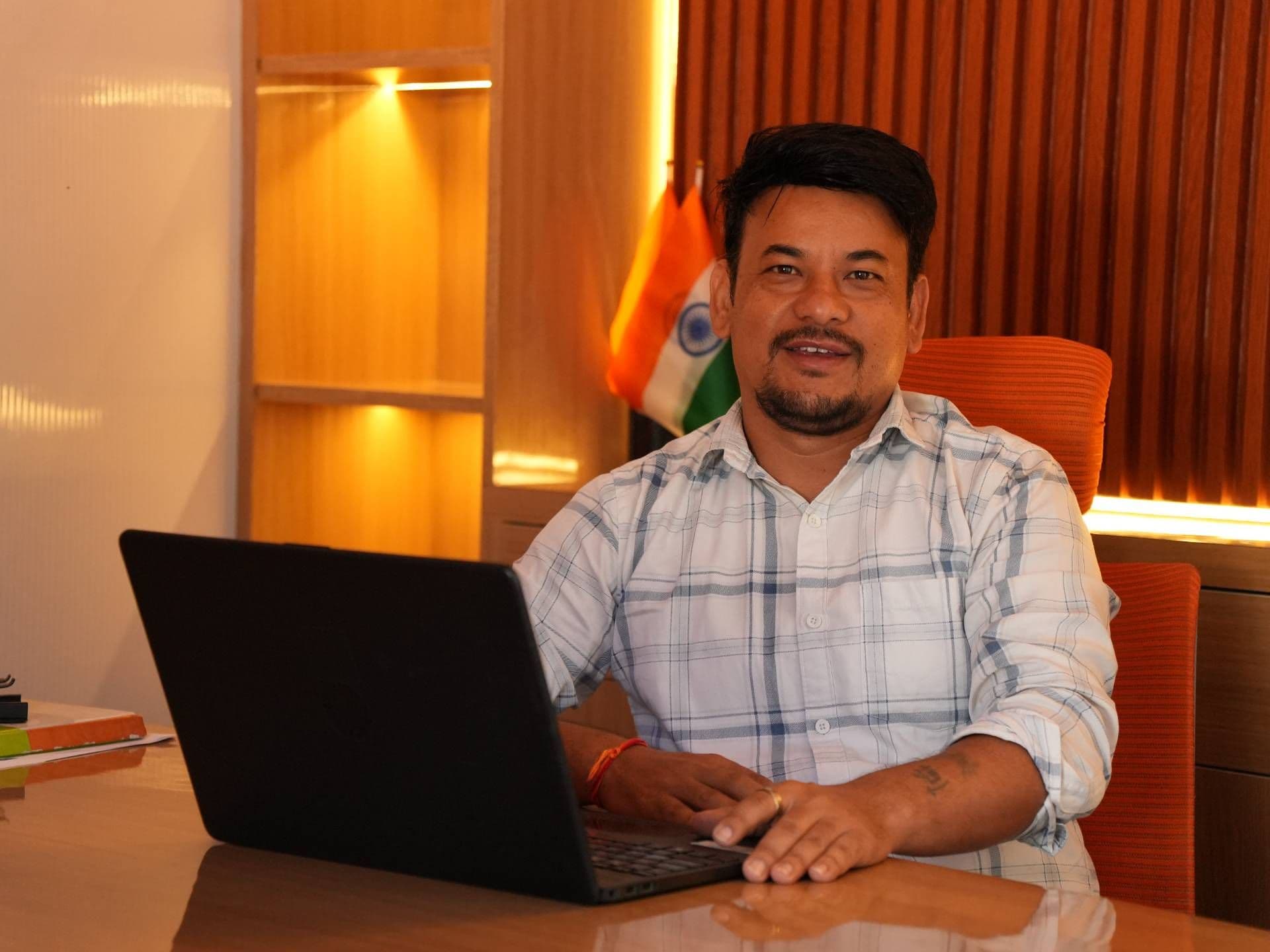
Operations Manager
Nanda Rawat holds a Master’s degree in Tourism & Hospitality and brings over 16 years of experience in adventure and leisure travel. He has led multiple Himalayan expeditions, contributed to ATOAI, and is trained in first aid by the Indian Mountaineering Foundation. A strong supporter of sustainable and ethical tourism, he plays a key role at Trekup India. Write to him at: nanda@trekupindia.com