If you’re unfamiliar with the term “chilblain” and wonder why it’s relevant to you as a trekker, this article is a must-read. You’ll soon discover why hikers dread these painful sores at high elevations, even those wearing top-quality boots.
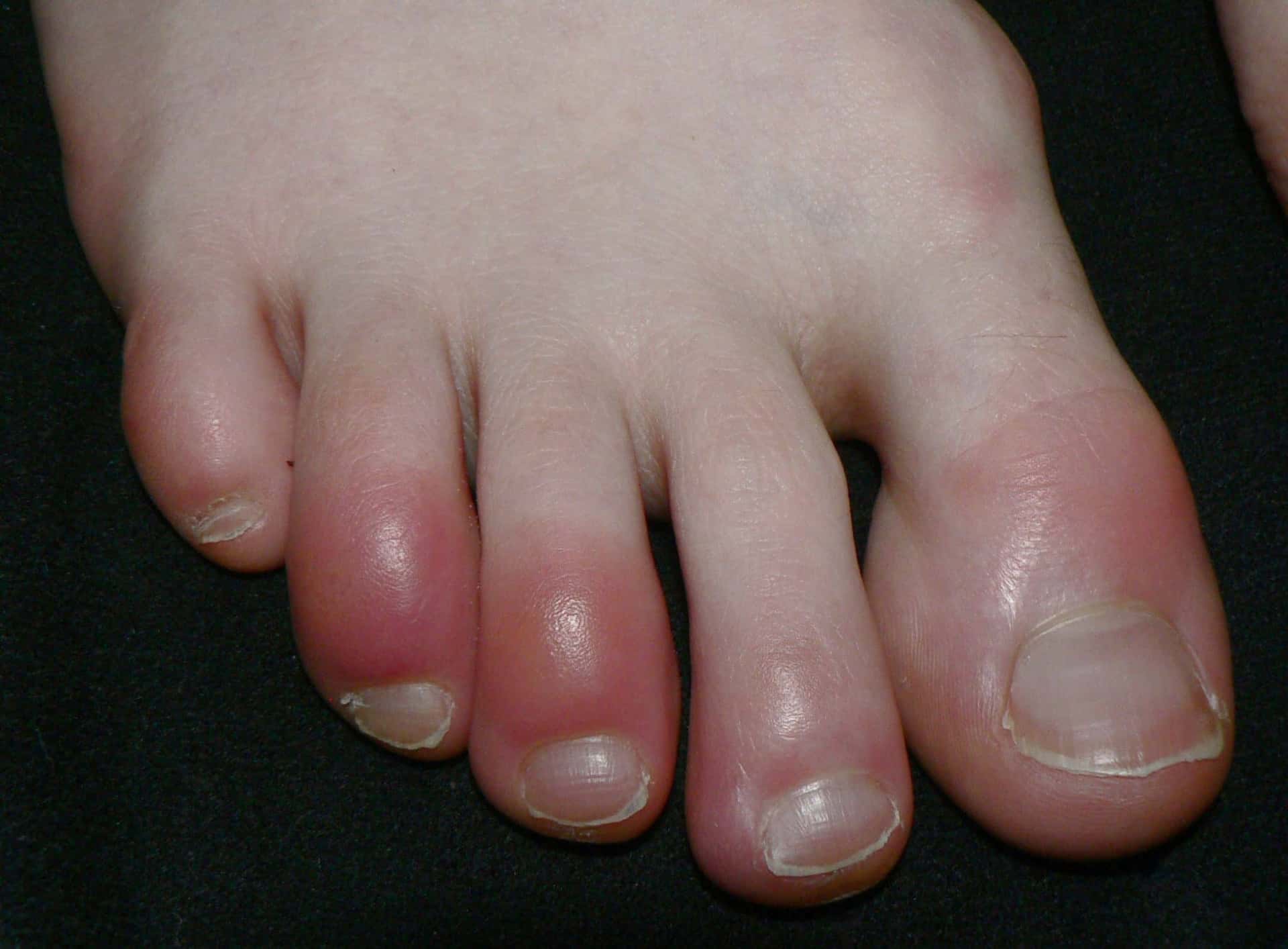
Chilblains are skin swellings that are red-blue in colour and cause itching, pain, and a burning sensation. They occur as a result of a sudden shift in temperatures.
While it is uncommon for the typical Indian hiker to be affected by this health condition, knowing about it and the preventative steps to take is crucial.
Identifying Chilblains - To recognize a Chilblain, look for these signs and symptoms:
Chilblains manifest as swollen, itchy, and red to purple bumpy formations resembling nodules. There is a possibility of infection or ulceration, resulting in intense pain or infection. They induce continuous itching and numbness in the impacted area of the body.
Chronic chilblains have the potential to develop, known as Frostbite, where tissues beneath the skin become frozen.
What Causes Chilblains
The primary underlying cause is cold temperatures. When the skin is cold, the blood vessels closest to its surface constrict. However, when the skin is exposed to heat, the blood vessels dilate.
Chilblains can occur when there is a sudden temperature, such as when the skin is exposed to a fire or extremely hot object, resulting in the leakage of blood from the vessels into the surrounding tissues.
List of individuals who are more susceptible to chilblains
- Chilblains: A Generational Affair
- Nicotine, found in tobacco, functions as a vasoconstrictor, which means it has the ability to narrow blood vessels.
- Females and minors
- Individuals with low body mass index (BMI)
- Individuals suffering from Raynaud’s disease, a condition that disrupts blood flow to the digits of the hands and feet.
- Individuals are donning shoes that are the wrong size and smaller than needed.
What are Preventions for Chilblains
When trekking, taking care of your feet and avoiding getting Chilblains is crucial. By taking proper precautions, you can prevent them from happening. Let me share with you some tips that I personally follow to prevent Chilblains.
- To quit smoking, ensure you consume an adequate amount of water to eliminate nicotine through urine. Engaging in physical activity is also beneficial for detoxification. Additionally, consuming antioxidant-rich fruits like oranges aids in eliminating nicotine from the body.
- Wearing properly fitting footwear when trekking is essential to avoid discomfort and potential health issues. Tight shoes and boots can cause unnecessary stress on your feet, which may lead to blisters and other problems. Also, ill-fitting shoes can cause chilblains, making your feet sensitive to cold temperatures. To prevent these issues, make sure to break in your shoes before embarking on a trek. This will help ensure that your feet remain comfortable and healthy throughout your journey.
- Consuming a warm, nutritious meal daily can contribute to maintaining a stable body temperature and shielding you from potential temperature decreases.
- To ensure your socks are always dry, follow this simple process: During the day, hang them under your shirts or at the waistband of your pants. At night, drape them around your chest inside your sleeping bag. Remember to keep an extra pair of socks on hand.
- Ensure that you sleep with feet that are warm and dry; follow this guideline without any exceptions. Sleeping in wet and cold socks, even for just one day, can reverse the progress made over several days. If feasible, it is recommended to have a designated small towel for drying your feet.
- Always adhere to the natural rhythm of the day when embarking on a journey by setting off early and halting before darkness falls. Doing so lets you make the most of the sun’s warmth and avoid the chillier temperatures. Additionally, this approach allows ample time to tend to your feet. It is essential to attend to them before bedtime. Once you reach a designated camping area, promptly switch into a fresh pair of dry socks and begin drying your damp shoes and socks.
- Make it a habit to examine your feet throughout the day regularly, and don’t hesitate to switch to a fresh pair of socks if they become damp from perspiration. This is crucial because nerve damage, a symptom of altitude sickness, can cause the brain to send erroneous signals, leading you to overlook the discomfort of chilblains. By routinely checking your feet, you can identify and address any issues promptly.
- Limit abrupt shifts in temperature. Utilize your body heat wisely, but refrain from vigorous rubbing as it can worsen the irritation of the chilblain.
What are the treatments for Chilblains?
- Inform your trek leader about this without delay.
- Within a fortnight, chilblains typically resolve on their own, granted they are not subjected to additional irritation.
- To alleviate itching, one can utilize a calming ointment like calamine. If the skin is intact, applying a 1% hydrocortisone cream is recommended for its soothing effects.
- When you’re in a cold environment, it’s essential to warm up your chilly skin gradually. Avoid rushing to a heat source like a campfire or stove right away. Instead, try warming up your frosty feet by placing them on a warm surface like a companion’s belly. This gentle approach will help your body adjust to the heat more comfortably and prevent any potential discomfort or injury.
About the Author: Trekking Expertise You Can Trust

Director & Founder
With over 12 years of experience in the Himalayas, he has summited multiple 6000–7000 meter peaks and led more than 200 expeditions across iconic routes like Bali Pass, Buran Ghati, Rupin Pass, Pin Bhabha, Stok Kangri, and Black Peak. His deep mountain experience and leadership make him a trusted name in Himalayan trekking. Write to him at: preetam@trekupindia.com