
Prev
1 / 9
Next
 Trekking and Health
By Kanishk s|Feb 15, 2026
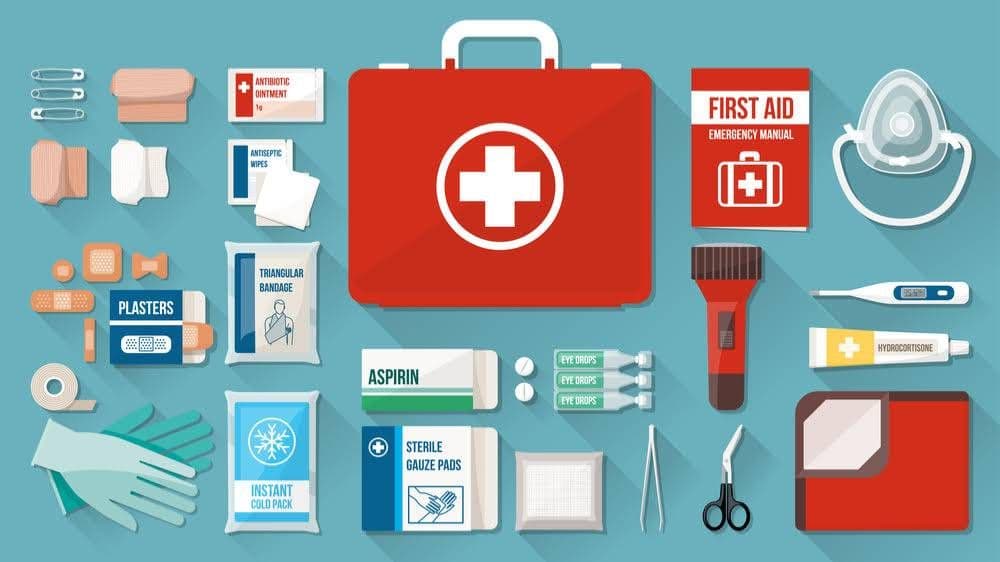
First Aid Kit for Trekking in India: Essentials to Pack SmartlyPlanning to visit India or trekking, having an emergency plan and a first aid kit that's tailor-made specifically for Indian hikes are both essential components. From Himalayas trekking to Western Ghats trekking or another remote trail - having one ready can be lifesaving! Here is our complete guide for packing a kit to protect yourself on an outing or trek adventure in India. Remote trails may provide limited or no access to health services, while weather, terrain, and elevation variations all pose health risks. A comprehensive first aid kit will enable you to manage fundamental issues on the go until professional assistance becomes readily available. Bandages with Adhesive (Various Sizes): For cuts and blisters/abrasions Gauze pads constructed of sterile gauze and medical tape can help cover larger wounds. Antiseptic wipes & solutions (Betadine/Savlon): For cleaning wounds. Cotton roll and cotton swabs Tweezers and scissors: Useful tools for extracting splinters as well as cutting tape and gauze. An accurate digital thermometer should be purchased. Paracetamol: should only be taken to treat mild discomfort. Ibuprofen (Brufen) can help treat muscle inflammation or pain. Antacid: Antidiarrheals can help with acidity or indigestion issues. Antihistamines such as Avil and Cetirizine may help relieve allergy reactions caused by insect bites or allergic reactions to them. Antidiarrheals such as Norflox-TZ and Loperamide may help alleviate stomach issues or loose stools. Oral Rehydration Salts (ORS): Oral rehydration can help combat dehydration at high altitudes or on extended hikes, providing essential hydration support. Antinausea medications: When dealing with nausea and motion sickness at higher altitudes. Neosporin or Soframycin antibiotic cream may also be suitable. Diamox (Acetazolamide) should be taken under medical supervision to prevent and treat symptoms associated with Acute Mountain Sickness (AMS). Dexamethasone Steroid can be used as an emergency measure in cases of HAPE/HACE; only qualified staff should administer this medicine. Diamox (Acetazolamide) should be taken under medical supervision to prevent and treat symptoms associated with Acute Mountain Sickness (AMS). Dexamethasone Steroid can be used as an emergency measure in cases of HAPE/HACE; only qualified staff should administer this medicine. insect repellent with Citronella or DEET for added protection. Kit for snake bites in areas where snakes pose a high risk Creams for itching relief (e.g., Calamine lotion and Lacto Calamine) may provide temporary relief. Weather can be unpredictable, but your preparation need not be. Whether you're an experienced trekker or just beginning your Himalayan trek, having an adequate first aid kit provides security and peace of mind during your exploration. Trekup India takes safety very seriously. At Trekup India, we believe security is of utmost importance. A trip that meets its objectives must provide essential security measures - pack smart, hike safely, and let nature handle everything else! Trekking and Health
By Anoop Rawat|Feb 15, 2026
Climb High Sleep Low Rule: The Golden Rule of Altitude ExplainedWhat do "Trekking with Safety in Mind" means when you are hiking in the Himalayas or other high-altitude regions of India? Expert mountaineers and trekkers frequently use this phrase in discussions about safe high-altitude treks according to Trekup India's safety-oriented trekking platform. In this post, we'll go over its importance to safety, health and a successful high-altitude trekking trips. At night, it is recommended to descend from higher altitudes for sleep purposes. In the case of you're trekking up to 11,500 feet in the daytime and scouting out viewpoints is part of your plan It is best to descend to 10,000 feet before going to bed at night. Acclimatization is a crucial aspect of trekking at higher altitudes. Through gradual adaptation of your body's oxygen levels to lower levels, acclimatization is an efficient method. As you climb higher the oxygen levels decrease dramatically around 30% to 40 percent lower at 3,000 meters than they are at sea level. Your body's response to altitude is slow so that you don't suffer Acute Mountain Sickness or more serious conditions like high-altitude pulmonary Edema and Brain Edema. As you climb to higher elevations, your body is exposed to less oxygen which triggers an adaptive response, such as an increase in the production of red blood cells. By slumbering less to ensure that oxygen-rich regions provide your body with the oxygen it requires to recover and lessen stress. This helps improve recovery and allows for faster recovery after exercise. For every elevation increase of 2,000 to 3,000 feet, allow one day for rest/acclimatization. Make use of this day to do short hikes uphill prior to returning to the basecamp. Example: On the Kedarkantha Trek trekkers ascend Juda Ka Talab in the morning before trekking across another ridge (10500 feet) and then returning to Juda Ka Talab by evening. When you reach 3,000m (10000 feet) Try not to increase your sleeping elevation over 300-500 metres (1,600-1600 feet). You can take a day off in the event of a specific route that requires climbing higher. Have the opportunity to have an "active" day of rest by hiking up an adjacent ridge (perhaps 200-300 meters higher) and then back. This will enable your body to adjust faster to the climb again. Altitude can come at you in a flurry of sudden and unnoticed it poses a threat to mountaineering as well as providing direction to enjoy mountain excursions. Trekup India itineraries always consider this in order to let trekkers adjust safely to the altitude while enjoying mountaineering and trekking experiences. Trekking and Health
By Kanishk s|Feb 15, 2026
Altitude Sickness Symptoms in Trekking: AMS, HAPE & HACE ExplainedHigh altitude trekking can offer stunning views, thrilling adventures and often unanticipated risks. Trekup India believes that education is the most effective line of defense against these risks. Knowing about High-Altitude Pulmonary Embolia (HAPE), Acute Mountain Sickness (AMS) and High-Altitude Cerebral Edema is vital to ensure your safety when trekking at higher altitudes. At altitudes of more than 2,500 metres (8,200 feet) oxygen levels start to decrease as you ascend higher and your body takes time to adjust, since breathing in less oxygen requires an adjustments from you. Inability to adjust can result in medical conditions related to altitude (AMS or, even more severe, HACE or HAPE). If this happens to you, severe consequences may occur, including acute respiratory distress syndrome. The warning signs that are early start between 6 and 24 hours after climbing to an altitude of between 3000 and 2,500 meters. Common symptoms include persistent headache, lightheadedness or dizziness Fatigue that persists even after rest or a loss of appetite nausea or vomiting, breathing issues at a low level, all can indicate fatigue. Stop climbing in the event that one of these signs occur rest and then be sure to monitor the same elevation. Do light exercise/hydration will help to relieve symptoms as soon as you can. The condition usually manifests 2 to 4 days after rapid ascent. Symptoms: Increased Shortness of Breath Even While Relaxed The symptoms could be the throat becoming gurgling and wet chest tightness or congestion. Fingernails and lips that are blue could be a sign of a deficiency in oxygen. Rapid heartbeat Trekup India Tip: HAPE is life-threatening. Rapid descent (at at least 500-1000 metres per day) could be the only option oxygen therapy or medications like Nifedipine could help, but evacuation should not be impaired. Most often, it occurs at elevations of 4,000m, but it can appear below. Symptoms: A severe and split. Trekup India Tip: HACE is a medical emergency that should be addressed and the descent should be initiated immediately, with dexamethasone being taken under supervision along with oxygen, if available, in the event that oxygen tanks aren't. A person suffering from HACE shouldn't be left on their own during an adventure. Pulse oximeter: It is used to measure the blood oxygen level. Diamox (Acetazolamide): can aid in acclimatisation. Consult your healthcare professional. Dexamethasone is an emergency steroid for use only under medical guidance. Nifedipine is a medication to treat HAPE. Portable Oxygen Cylinders: Portable oxygen cylinders are perfect for trekkers tackling high-altitude terrain. Plan of Evacuation: For best outcomes, always go with an experienced guide. At altitudes of more than 4000 feet can be a thrilling experience, if done in a safe and responsible manner. Anyone can be susceptible to ailments caused by altitude, such as HAPE HACE, or AMS and it is important to be aware of their symptoms and take the appropriate actions. Trekup India trek leaders are experienced in dealing with medical emergencies. All our treks are equipped with buffers to aid in acclimatisation, medical checkups as well as briefings.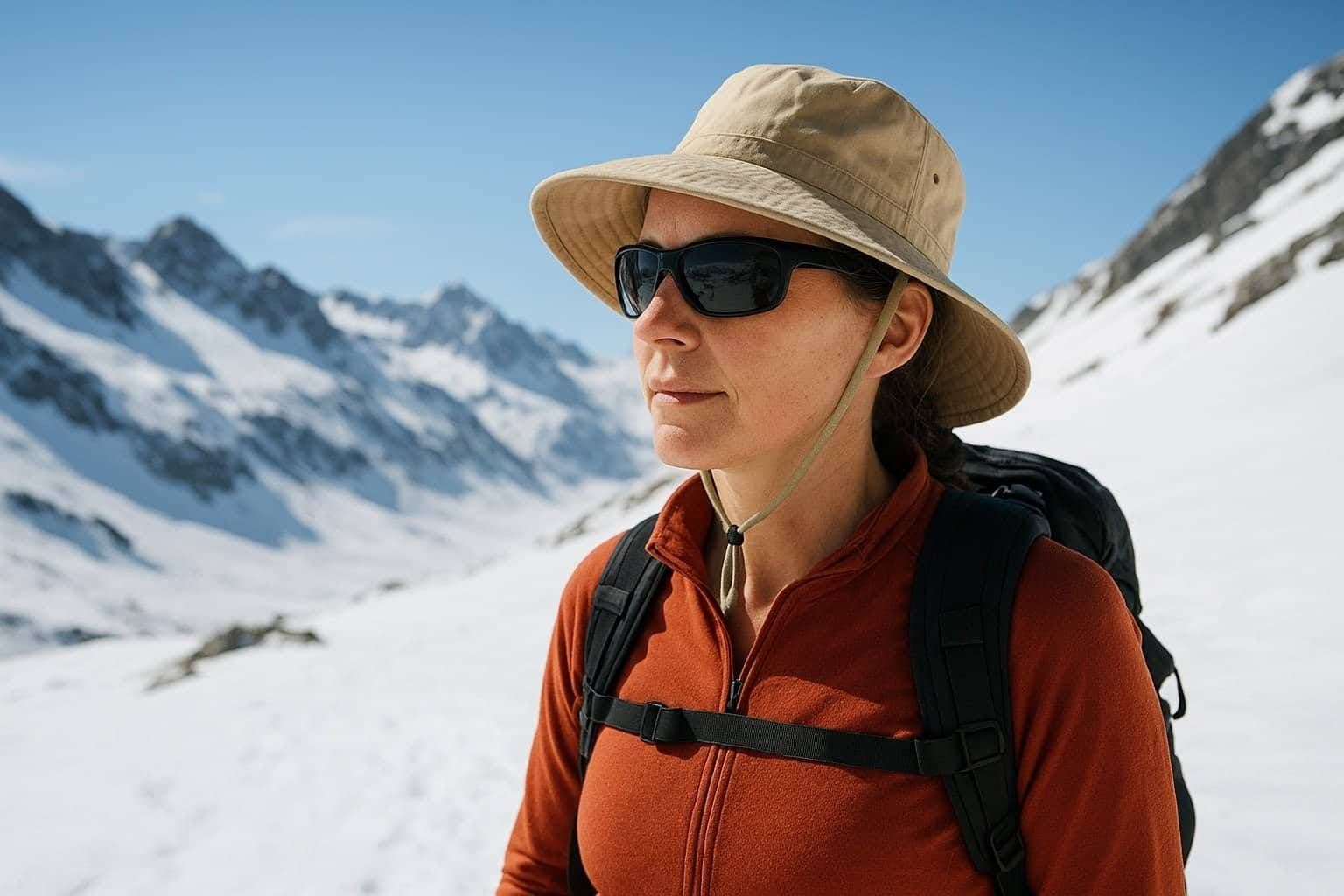 Trekking and Health
By Nanda Rawat|Feb 15, 2026
High-Altitude Sun Protection Tips for Travelers & TrekkersCold air can mask the intense sun's heat when you are hiking through high altitude passes, such as Kongmaru La or Bali Pass. At altitudes of between 4000 and 5500 meters exposure to sunlight is particularly dangerous, and could result in sunburn and other severe medical complications. We've seen that failing to recognize the dangers of sunlight can result in sunburns as well as more severe medical issues, including altitude sickness. Thicker Atmosphere- More radiation is a result of lower UV filtering. Reflection off snow & Ice: Up to 80 percent of UV rays can reflect off ice or snow and increase your UV exposure. Cool temperatures cause burns Although you may not feel the heat directly on your skin, it's being removed from your body. Dry Air and Wind: Exposure to dry air and wind can cause dryness of the skin cells as well as chapping. SunburnAt high altitudes sunburns of any kind can appear within 20 minutes. They will appear on the face, neck and hands. Snow BlindnessCornea damages caused by UV radiation can cause snow blindness. Symptoms include watery and red eyes, as blurred vision, or temporary blindness. Dehydration In cooler climates sunlight can accelerate the loss of water from our bodies when it is combined with extreme exercise and mountain air that is dry. Heat exhaustion:Even in winter conditions the prolonged exposure to sunshine on clear days can cause heatstroke, dizziness and fatigue. Use the Sunscreen every 2 to 3 hours. This is especially important if you sweat often. Don't forget to protect your ears, neck, nose and under your chin with a protective shield against UV radiation. Wear sunglasses that provide 100% UV-protection. cover on the sides (wraparound style is the most popular). Glacier glasses are a must-have item for those who trek Brahmatal, Kedartal or Goechala in snow conditions. Do not leave the snow lights under direct sun for more than an instant, or even for a few minutes. Wear a hat with a wide brim or one with an opening on the neck to cover any skin areas. Wear shirts with full sleeves that offer UV protection. Be safe from the sun and wind by wearing the bandana over your head and neck. protect yourself. It is recommended that you carry at minimum 2 litres of water per day. Even if you're not thirsty, drink regularly. Even if it seems insignificant you should take time every day to replenish your body with a glass of. To maintain a healthy balance of salts, you can supplement with ORS electrolyte capsules or tablets. To ensure maximum the safety of hikers on exposed passes and climbs, try to avoid hiking during peak sun hours (11:30 am to 2 pm). Relax in shaded areas as much as you can. Don't be fooled by the fresh air and bright skies into thinking that sun protection is not necessary for high altitude treks. At Trekup India we train our trekkers to control the sun's rays as part the training prior to trekking, and provide preventative steps to will allow them to enjoy stunning views without feeling sunburn every day.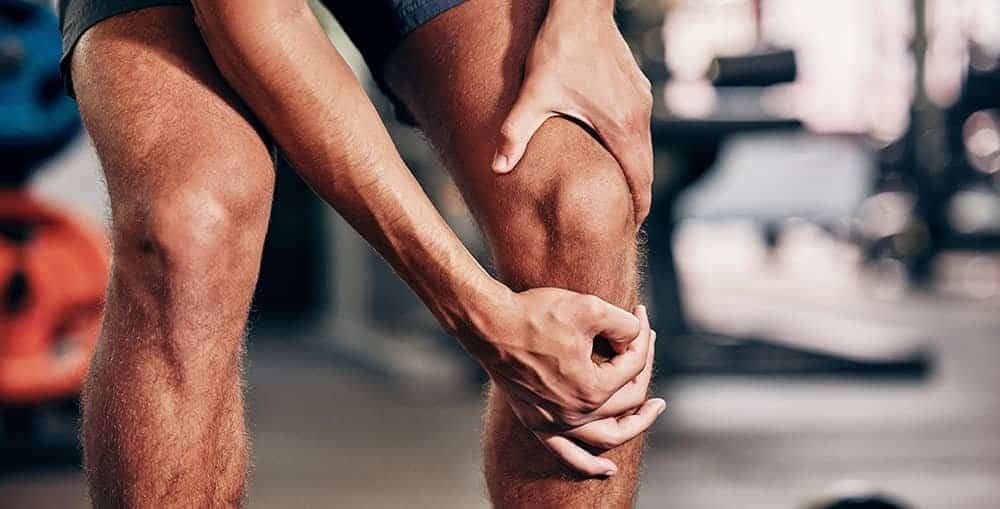 Trekking and Health
By Nanda Rawat|Feb 15, 2026
Electrolyte Balance for Energy & Cramp Prevention on TreksImagine you are nearing the midpoint of your trek along the Himalayan Ridge It's a beautiful scenery, however your legs begin to cramp and fatigue starts to creep in. It could be due to an electrolyte imbalance. Trekup India has seen fit trekkers suffer from low electrolyte levels because of lack of hydration even though they train to the maximum extent they can prior to starting any hike - regardless of whether Kedarkantha, Buran Ghati or Goechala is your destination, maintaining the balance of electrolytes is crucial for maintaining fitness and performance of the muscles and endurance of muscles traveling towards it all. Higher altitudes cause electrolytes to are lost faster because of factors like a higher frequency of the need to urinate (a normal response to the elevation) sweating as a result of exercising and breathing fast (losing water via breathing). The low levels of oxygen make muscles more strained. Important electrolytes like magnesium, sodium, potassium and calcium- play an important role in our lives. Treatments for muscle contractions and cramps Nerve impulse transmission Signals from nerves Balance and hydration of fluids Production of energy and endurance. The Muscles Cramps (especially on calves and the legs ) Persistent fatigue (even after a rest ) Dizziness or lightheadedness Headaches or Nausea, Hemiplegic Heartbeat (in extreme circumstances ). If you ignore these warnings, it can lead to severe thermal exhaustion and dehydration or worsened altitude illness. Use the ORS (Oral Rehydration Salts) or electrolyte tablets such Hydralyte Nuun or Hydralyte when needed (local alternatives may also be available). Drinking too much plain water could reduce the electrolytes that are essential and cause cramps. Snacking on foods rich in electrolytes For example: Pickles, nuts and trail mix are all rich sources of sodium. Potassium is found in dried apricots. Magnesium is found from dark chocolate nuts, and pumpkin seeds. calcium-rich foods like cheese or yogurt (if available) sesame seeds, sesame seeds or yogurt (if there) can also provide vital electrolytes. Alcohol and caffeine both boost the frequency of urination, and also eliminate electrolytes more rapidly which aids in the faster elimination of electrolytes out of your body. If you intend to drink it, ensure that an electrolyte supplement will be consumed. Coconut water is a fantastic organic source of potassium. The combination of lemon and salt makes an easy drink to make at home for rehydration. Clear urine suggests an over-hydration (you might require extra electrolytes). The presence of dark urine could be a sign of dehydration. Drink more fluids that contain electrolytes to remain well-hydrated. The white marks of salt that appear in clothing (high salt loss) must be dealt with promptly by replenishing the salt reserve. For relief from muscles from cramps, massage them and drink an electrolyte-rich beverage. To fight fatigue, sleeping, having an ice cold snack and replenishing electrolytes can aid. To ease nausea Try munching on ginger-flavored sweets or drinking small sips out of the ORS solution. The management of electrolytes in higher elevations is just as important as drinking sufficient water, inattention to this can lead to cramps, discomfort and a decrease in hiking performance. Plan your hydration plan by adding electrolytes into the water source, or eating foods that are rich in minerals, while staying clear of dehydrating substances for more intense, longer trekking while being safe and secure.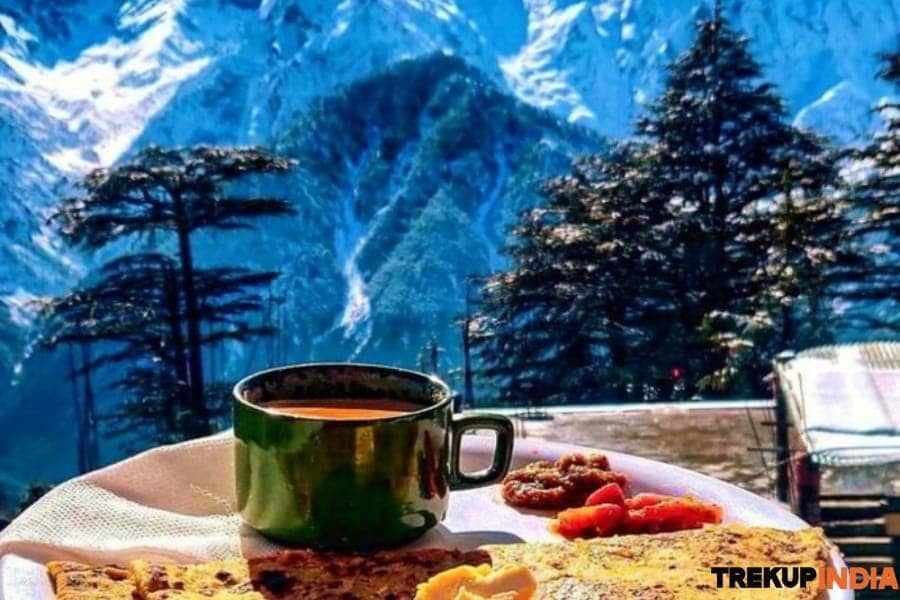 Trekking and Health
By Adhish Bhandari|Feb 15, 2026
High-Energy Snacks for Indian Treks: What to Carry & WhyThe trek requires sustained energy and the right food choices could make the difference between endurance and exhaustion. To Indian trekkers, the balance of the need for nutrition along with convenience and the local taste is crucial. Don't buy expensive imported snacks, here are light, inexpensive and energy-rich Indian snack options that will fuel you for your trek. Chikki (Jaggery + Peanut/Besan/Sesame) A energy booster packed of natural sugars, oils, and vitamins for a calorie-burning snack choice. Protein, magnesium and iron are all found in this dish. A material that isn't melting is ideal for winter hikes for example, Brahmatal or Kedarkantha. Pro Tips: Break food down into bite-sized pieces, then wrap them with foil, so it's simpler to get them while hiking. Roasted Makhana (Fox Nuts) It's a light and intriguing snack to fill you up. Potassium and magnesium can be plentifully available. Easy to digest High-elevation living is particularly well-suited to its advantages. Masala and turmeric provide the possibility of variety and flavor without adding any unnecessary ingredients. Sattu Ladoo/ Dry Sattu Mix A protein and fibre-rich product. Sattu powder is a quick way to transform water into a refreshing drink. Ideal for treks with high energy levels such as Pin Parvati or Bali Pass. Dry Fruits & Nuts Mix Almonds, dates, and walnuts give you instant energy boosters and snacks. Mixes natural sugar with antioxidants, healthy fats and essential oils for the greatest nutritional benefits. Your preferred length and style can easily be made to work. For extra flavor, try adding the roasted coconut or jaggery bits to garnish. Thepla/Khakra Long shelf-life Gujarati snacks Fresh, light and easy to digest food items that are light, crisp and easy to digest. Create a protein and energy combo with chutney powder and peanut butter for the foundation of a breakfast energy bowl. Stuffed Parathas in Foil-Wrapping for Quick Summit Days Wrapped in foil, stuffed parathas make a fantastic lunch choice in the event of a short summit day. Fillings like paneer sattu or aloo can be the energy needed for long periods of time. Consume your food for the next 24 hours to prepare for the day one of your journey Homemade Energy Bars The recipe below calls for energy bars made from scratch that are made from honey Oats, dates and dates with nuts. Be sure you're sure that your food items and sweeteners is within acceptable limits. Vacuum-pack and freeze in order to prolong the shelf life and ensure freshness. Trekup India Tip: Do not use chocolate-coated products in the summer months or when hiking at high altitudes because they could easily melt! Sev Murmura/ Poha Chivda Crisp, Light and Delicious High Carb and Low Oil Mix Ideal for snacking during short stops. Incorporate more protein with soy or roasted peanuts to increase the texture and protein content. Peanut Butter Sachets and Snacks for breakfast and Snacks for Breakfast Brunch. They are packed with calories and healthy fats. It is delicious when served with biscuits, rotis or simply all by itself! They are light easy to carry and compact enough for speedy transportation. Glucose Biscuits/ Digestive Cookies Simple sugar is a readily absorbable source of carbs. Energy bars give you a quick energy boost when climbing hard. Refresh yourself during your time in camp by sipping a tea to help your recuperation. Smart snacking is given added importance when Long summit days (e.g., Goechala Peak or Pangarchulla Peak) require multiple summit days of hiking/climbing/ascending to the peak. High altitude traverses (Pin Bhaba, Buran Ghati) For winter hikes, you need food to boost energy levels. cold temperatures can help reduce hunger, and help keep energy levels steady. Travelling to remote locations (where there could be a only limited access to food, and you must carry additional provisions) will require special precautions as well as precautions to prevent potentially stressful experiences. A good trekking meal doesn't require extravagant labels. All you need are sensible food options that are readily available and have been tried by trekkers! When you select Indian choices like these and you'll be able explore the terrain without draining your power or bank accounts! Fuel Right, Trek Light!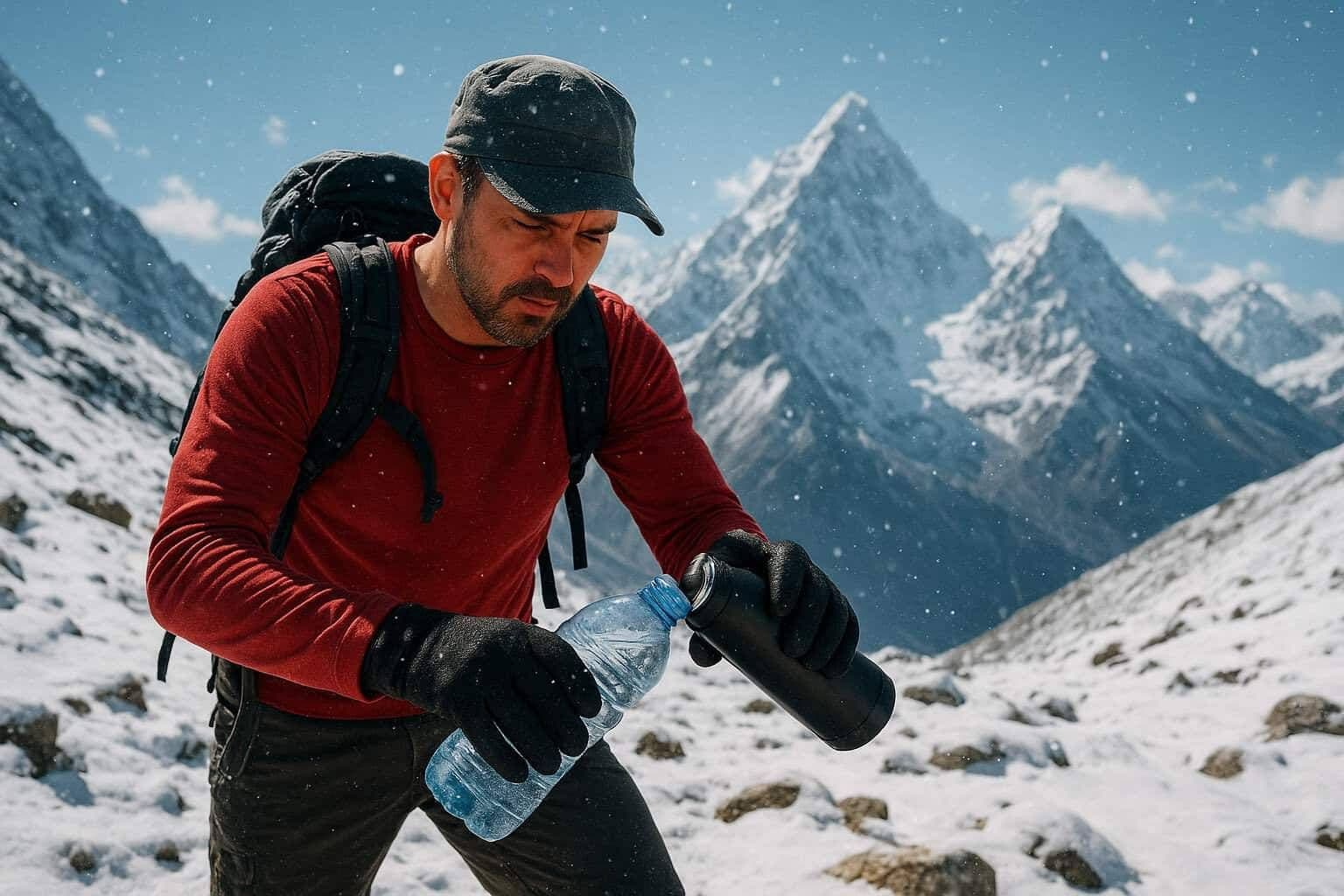 Trekking and Health
By Priyanka Kathiat|Feb 15, 2026
Safe Mountain Water Sources: What to Avoid While TrekkingThe trek to the Himalayas requires relying on natural water sources. However, not all of them are suitable for drinking. Contaminants can cause extreme stomach upset and dehydration and even life-threatening diseases such as cholera or Giardia. Find out the ways TrekUp India can help locate the source, test, clean and purify the water in nature using the TrekUp India method. Drinking water on Indian treks While mountain waters appear to be pure, they can be contaminated by pathogens. The contaminants are: Microbial contamination, like protozoa, bacteria, and viruses may occur. Organic material decays or decomposes over time. The waste generated by human activities (especially near tea houses or trails) must be handled cautiously. Chemical runoff can occur close to villages or areas of grazing. Water testing and removal are not negotiable tasks. Before taking a sample drinking water, be sure to be aware of these aspects of security: Avoid drinking in the vicinity of campgrounds or areas that are used where livestock are grazing. The water that comes directly from snowmelt deposits or glaciers is often the purest. For added security it is recommended to clean or treat it in order to ensure its purity and effectiveness. Natural springs that originate from the rock formations of high altitude are known to be mineral-rich while being relatively safe. Be on the lookout for evidence of activity from animals in the vicinity. Trekup India Hints: The water sources located at the top of valleys tend to be more clean drinking water sources than the sources that follow them. Avoid drinking from slow-moving streams or puddles which may be contaminated with debris or have been contaminated with algae. The water could be contaminated with parasites that could make you sick. Animal waste is a huge pollutant source. Be cautious of rivers that flow close to Gujjar refuges as well as sheep stations and paths that lead into the forest for the purpose of grazing. Human waste such as soap scum and other waste can be seen floating along streams in the vicinity of popular spots for relaxation, like tea houses and camping sites. It is a mistake to assume that drinking water is always available in mountain areas. However with the right understanding and knowledge you can be adequately hydrated, without compromising your health overall.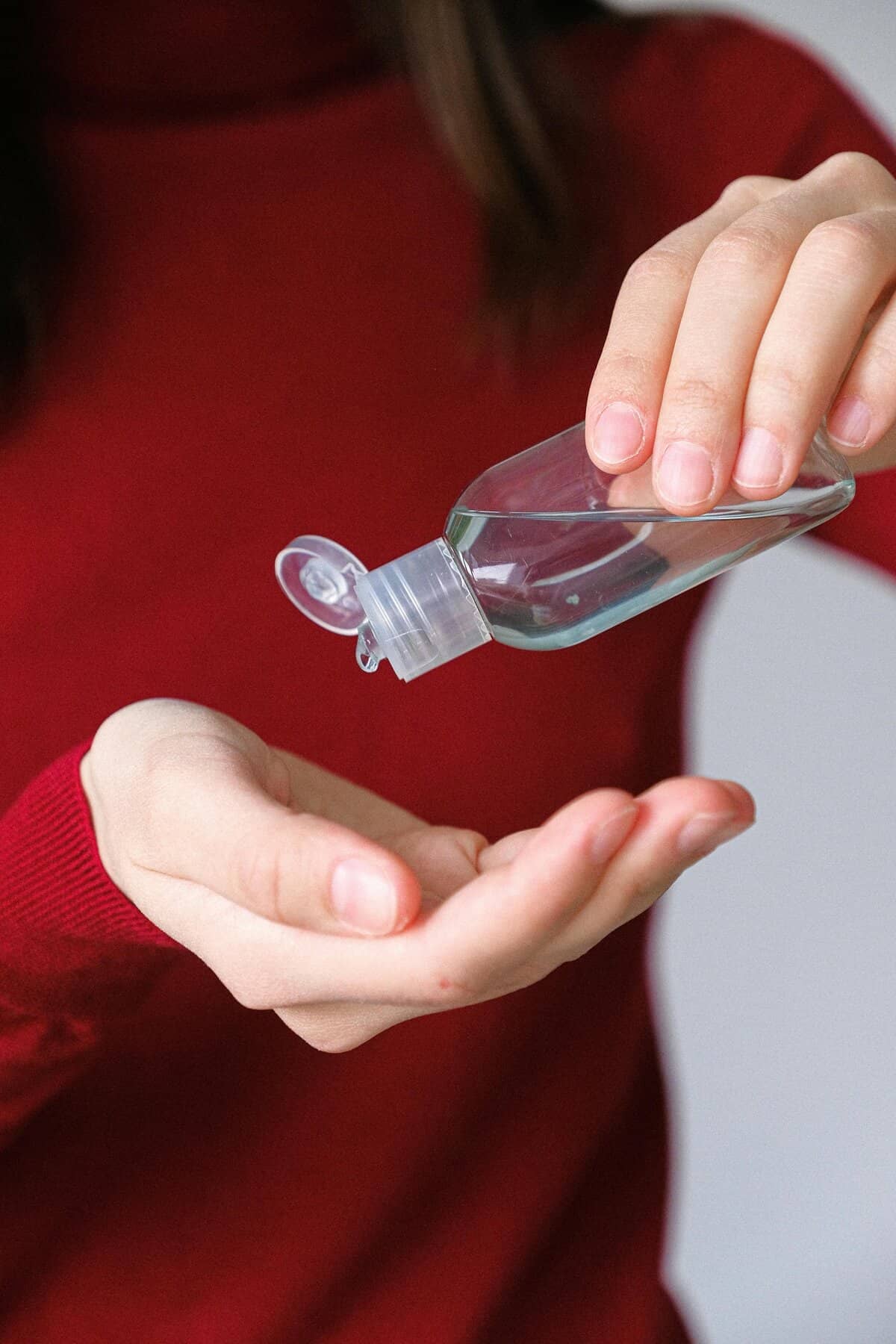 Trekking and Health
By Shivam Shingari|Feb 15, 2026
Trek Hygiene Tips India: Stay Clean on Multi-Day TreksTrekUp India provides simple guidelines to ensure proper sanitation when out on the trail or in the wilderness to make your experience pleasant and safe. By following the most basic hygiene guidelines with minimum effort, you'll remain well-groomed and safe, and will avoid the common health issues in the general population while staying at ease in the remote areas within the Himalayas or Western Ghats. Like everything else preparedness is the most important factor to reducing body odours, dental hygiene and foot hygiene during hiking to control the body odours to dental cleanliness, feet hygiene and eliminating garbage. Cleanliness does not just enhance your trek experience but assures that nature and the other trekkers are treated with respect when you are on the trail. This is because cotton draws sweat, is damp, and eventually becomes the ideal environment for the growth of bacteria. Merino wool/synthetic fabric blends can be naturally antimicrobial, yet dry quickly. You can use two pairs at a time and then turn them around. Professional Tips: Hang sweaty clothing outside your tent during the evening to let the UV rays kill bacteria! What you need: Biodegradable soap such as Dr. Bronner's soap or similar alternatives (such for instance, DTronners soap ) Microfiber light towel which holds 1L of water. How to:Wash a bandana or cloth with soap. Find the most important regions (armpits as well as the groin and the foot). Make sure to wash your hands with water (or wet towels). Dry your clothes with a towel or by air drying. Additional: Use biodegradable baby wipes to refresh your baby's diaper quickly. Dental Hygiene: Don't Neglect Your Teeth Get started with healthy dental hygiene now by putting together an electric toothbrush along with a little bit toothpaste (or baking soda as a backup). Food particles that get caught between your teeth can cause bad breath, gum infections and much more if it is left untreated for a long time. With flossing tools available for buy at the drugstores of today and now more than ever it is imperative to regularly floss to maintain good breath, and maintain your dental health! Mint leaves that are found in Himalayan treks can aid in refreshing your breath. Hacks Avoid rinsing to ensure less water use. Remove any extra paste. Foot Care: Prevent Blisters and Fungus Your feet are important Take good care of them by making sure they are comfortable by airing them off at regular intervals by applying antifungal powder during the evening, and sleeping in dry socks (preferably dry socks) and covering hot spots before blisters develop by using moleskin or tape to prevent any further complications. Warn: Never ignore persistent swelling/redness. Early treatment will prevent from a disaster! Note: When you go on a trek, maintaining your the hygiene of women is essential to ensure your comfort and well-being. It is recommended to carry particular items such as biodegradable pads as well as an menstrual cup or tampons and a small, sealed bag to store the waste. Menstrual cups are an ideal option because it helps reduce the amount of waste generated and can be reused. If you're using pads or tampons be sure to take them along with you. In addition, having a tiny hand sanitizer bottle and the size of a bidet for travel can help. A good hydration level as well as wearing comfortable, quick drying underwear will also help to prevent infections. By focusing on these tips, you can ensure an enjoyable and comfortable walking experience. Use hand sanitizer before meals and at toilet breaks to ensure optimal hand health. Soap leaves provide a gentle alternative. Important: For best results in fighting stomach bugs, try not touching your face with dirty hands. Dry, flaky hair (or baby's powder) can be absorbed through the scalp. The hat or bandana protects you from sun-induced injury by covering up hair exposed to dirt or oil by covering it and securing it. Sunburn protection is crucial. Lip balm and sunscreen can help ease this discomfort. Notice: Long hair should be braided to prevent tangles. To create an efficient kit for hygiene that is light and efficient, we need to design a kit that is both lightweight and powerful. Here's the things you should bring Biodegradable soap, Microfiber towelettes, toothbrush plus paste (biodegradable) Biodegradable wet wipes (biodegradable) ecological that are wet (biodegradable) wipes that are biodegradable (biodegradable) Handsanitizer with antifungal powder as well as Ziplock baggies (for garbage) Specific products designed for menstrual cycles (if required). The incredible treks of India don't necessarily have to come an expense to your personal hygiene. With the proper preparation and equipment at the bag, any trek will be clean, healthy and calming regardless of the length. Through smart choices in clothing and schedules for dry-cleaning and the treatment of feet and dental hygiene tips for women, each little effort can make for an overall relaxed, relaxing and safe trip. In the course of TrekUp India We have discovered that maintaining a healthy lifestyle will boost your morale and also helping to avoid problems such as blisters, infections and digestive problems. So, you should take your health as seriously as you do your equipment and fitness. Healthy people make happy trekkers! That's exactly what we aim for on every hike.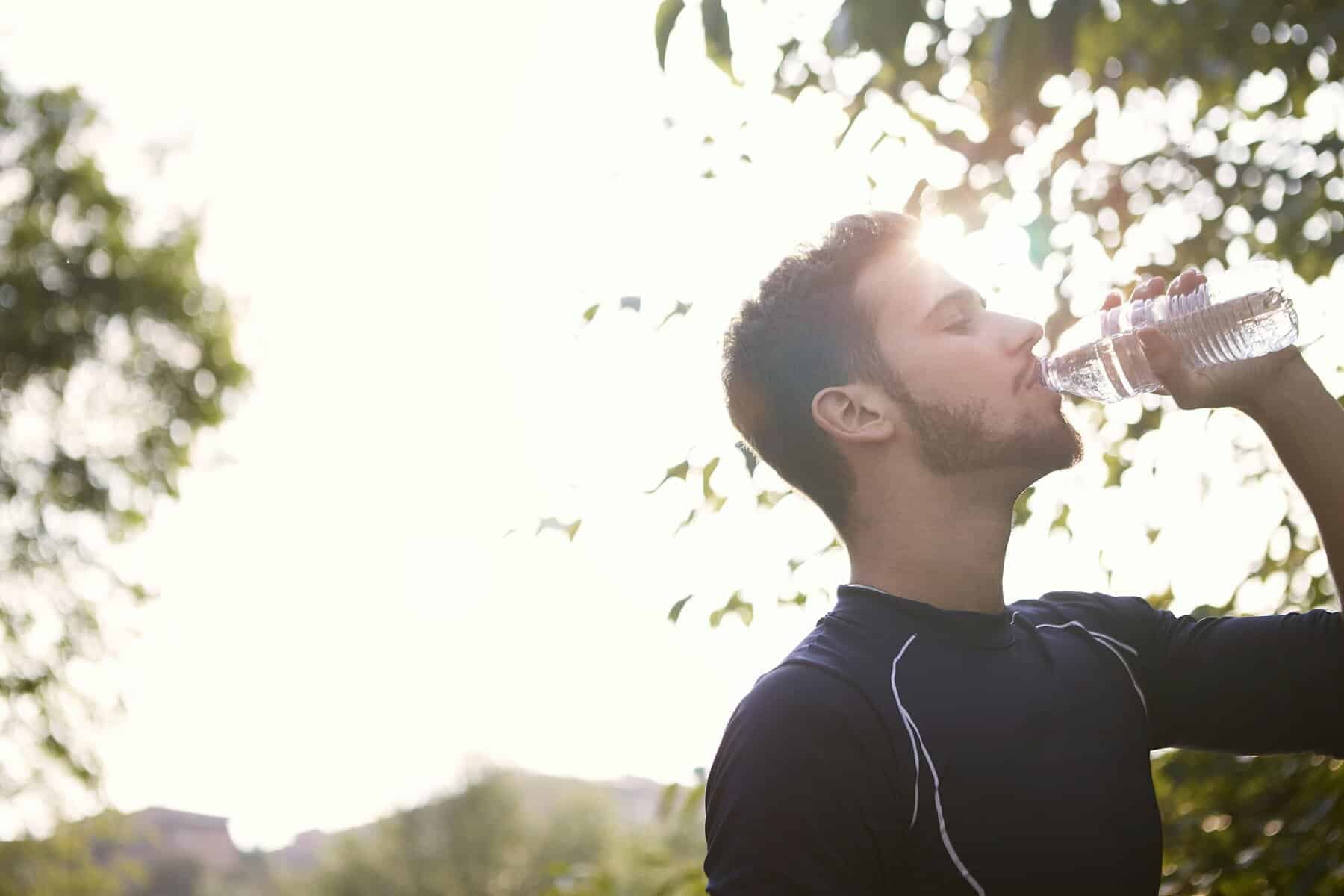 Trekking and Health
By Kanishk s|Feb 15, 2026
Altitude Hydration: Why It Matters More at High AltitudesIf you're considering climbing at a high altitude, you should consider India. It could be in the region of Leh-Ladakh, Roopkund or Annapurna Circuit altitude sickness should be treated with care and prompt treatment strategies such as Diamox (Acetazolamide) is highly recommended, even though the use of this drug is a subject to many misperceptions. However, it is true that sometimes medicines such as Diamox (Acetazolamide) can be linked to misinformation, misinformation and abuse. Trekup India believes in creating knowledgeable trekkers. Here's everything you need to be aware of Diamox that was accumulated over the years of experience trekking even on one of India's most challenging trails. Diamox (Acetazolamide) is an antidiuretic as well as a carbonic anhydrase inhibitor that is designed to alleviate severe mountains sickle (AMS). By increasing breathing rate and assisting the body to absorb more oxygen faster it helps to in acclimatizing faster and also helps maintain the blood pH level in a balanced manner - acting as neither an anti-inflammatory or an effective treatment, but rather to be used as a preventative measure. According to Trekup's medical expert and Trek leader, the Diamox could be the most effective when: Rapid ascents to 2,500- three hundred metres is alarming even if you've never had this condition. Begin taking this supplement 24 to 48 hours prior to leaving and then continue for several days following getting to a the highest altitude. The trek route provides several days of acclimatization, before climbing uphill for a few days (similar the Kedarkantha and Pangarchulla Treks). A daily dose of 125 mg, taken every day twice should be enough to stop the onset of OCD. NOTE: Always seek medical guidance prior to self-medicating using Diamox. Do not attempt self-medication before consulting with your doctor first. Reality: No need - as long as your travel plans include appropriate modifications and you're healthy and well-experienced. For maximum performance, it is recommended to only be worn by people who are particularly susceptible or risky. Realism: For optimal effectiveness ensure that you take your medication prior to the symptoms begin to manifest. Taking too soon can decrease its effectiveness and delay improving. Like other medications, Diamox may cause minor to moderate adverse reactions, which require Trekup India trekkers to be cautious about: Taste change: It is especially relevant to carbonated drinks. Nervousness, dizziness, or mild nausea Wear sun block! Allergies (particularly to medicines containing Sulfa-based components) Expert tips: Before travelling, take a test of any medication at home for a week prior to departing for your trip to observe the way your body responds. Diamox is an effective tool for fighting Acute Mountain Sickness if properly and with care. Trekup India has witnessed its application to aid trekkers in navigating difficult terrains at higher altitudes more comfortably. We have also observed its misuse or dependence, which could result in negative outcomes for trekkers. Take note that Diamox should never be used in lieu to acclimatization, exercise, drinking fluids or a thoughtful plan of the best route. Diamox should only be taken for support measures-particularly those who may experience issues at altitude or are traveling along an accelerated ascent path. Before including Diamox into your hiking routine you should consult a doctor to know the body's response and discuss the matter the information with your trek leader. If used correctly it can give additional peace and security when hiking.