
Prev
1 / 9
Next
 Trekking and Health
By Anoop Rawat|Apr 27, 2026
Best Sleeping Bags for High Altitudes: Tips to Maximize WarmthCamping at 12,000 feet requires you to bring not just tools but vitality sources as well. A cold Himalayan night can drain both body and soul quickly if unprepared, at Trekup India, where we organize treks through some of India’s toughest terrain, we know first-hand how an appropriate sleeping bag can make an uncomfortable, cold night into a cozy and restful experience. This guide provides all of the important details and strategies necessary for selecting and optimizing an appropriate sleeping bag for high altitude trekking, including in sub-zero temperatures. Temperature rating matters Sleeping bags come equipped with temperature ratings that indicate their best temperatures of operation. When trekking at high altitudes (over 10,000 feet), be sure to select an option with appropriate ratings, such as: Insulation Type: Down vs. Synthetic Waxed Down Insulation (Goose/duck feather) offers lighter insulation options, more compressible warmth, and water repellency properties, making it suitable for dry climates with cold winter conditions. Synthetic insulation offers thicker and heavier warmth retention in damp environments than its counterpart, making it suitable for wetter climates. If trekking at higher altitudes, down sleeping bags with large fill powers of 600 to 900 are recommended due to their superior warmth-to-weight ratios. Shape & Fit Mummy Bags snug fitting mummy bags designed to reduce dead air and increase warmth – the bestsolution for extreme cold conditions. Rectangular bags are larger but less efficient in maintaining heat retention; therefore, they’re best used in more moderate conditions. Use a Sleeping Bag Liner Utilizing a thermal-lined bag (fleece or silk) can add 5 degF-15 degF of warmth while simultaneously keeping it neat. Wear Dry Base Layers Don’t sweat through your daytime clothing in preparation for sleep; switch to dry thermal clothing before bed. Wear a woolen cap (20-30 percent of body heat can escape through your head). Insulate from the Ground Sleeping bag insulation often shrinks over time and reduces warmth; to ensure you keep the same comfort levels throughout. An inflatable pad designed to provide extra comfort when temperatures fall below zero is available. Pre-Wake Your Sleeping Bag Try performing gentle exercises just prior to climbing into your sleeping bag in order to generate thermal energy in your body and warm the bag more efficiently. Place a warm bottle containing hot water close to your center. Keep the Bag Ventilated Be careful not to breathe directly into your bag (as moisture reduces insulation levels). Make use of the drawstring of your hood to trap warmth inside while providing ventilation. Sleeping bags that fit the temperatures in high altitude environments and clever techniques for maintaining warmth could mean the difference between an enjoyable, restful night of restful slumber and one that leaves you awake at night. So invest in high-quality temperature-specific bags, and follow these tips to stay cozy even under challenging circumstances. Trekking and Health
By Nanda Rawat|Apr 27, 2026
Himalayan Trek Fitness Training: Prep for the TrailsTrekking in the Indian Himalayas isn’t an easy walk – it’s a test of physical strength, endurance, and ability. From Triund to Stok Kangri treks and beyond, getting ready requires training specifically designed to prepare your body. TrekUp India has created one of the most effective training programs to assist thousands of trekkers in tackling Himalayan trails without issue. Trekking in the Himalayas involves: Trekup India’s 6-Week Trek Fitness Blueprint for Beginners and Intermediate Trekrs can help those exploring Himalayan trails like Har Ki Dun, Brahmatal, Kedarkantha Phulara Ridge or Hampta Pass gain fitness through trekking. Your goal should be to develop the endurance and effectiveness of your breathing to allow for long treks at high altitude. Exercise for weight management. Start walking three kilometers per day until reaching eight-10 kilometers in total. 20-40 Minute Jogging or Running on Treadmills Step Climbing Stairs: 5- 10 Floors and 200-500 Steps Swimming or cycling may provide an enjoyable way to diversify. Trekup India Tips: Do aerobic exercises at a leisurely pace; you should be able to talk, but should not sing. Key Zones Are Quads, Hamstrings, Glutes and Calves Exercise options: Bodyweight Squat 3 sets of 15. Lunges (forward and walking): Three sets of 10 for each leg Step-Ups for Stairs and Benches: Three sets of 12 Step-ups available Wall Sit: For 45-60 minutes. Calf Raises Two Sets of 20 Trekup India Tip: Once your trek has entered its second week, add your backpack as part of your steps. Even those in peak shape may become disoriented when ascending 10,000ft or higher. Training your lungs helps ensure a more pleasant journey to altitude. Pranayama Exercise for alternate nostril breathing. Bhramari Breathing Technique and Deep Belly Breathing Exercise will teach three sets of 10 breaths for the best results. Note: As an extra challenge, try doing breath-holding drills (inhale and hold for 10 seconds before exhaling) to replicate lower oxygen levels. Strong cores mean improved posture and fewer injuries. Exercise plan (plank for 30-60 seconds). Hold it until the timer goes off. Side Plank – 30 seconds per side Glute Bridge – 3 Sets of 15 Trekup India Tips: Combine two sessions of flexibility and core training each week for optimal results. Complete 15km in one day while carrying a 10-kg backpack. Climb 60 steps without stopping; plank for three minutes without moving; do 5 km of trekking at elevations above 3,000m (if it is feasible). Note: For optimal performance during training sessions, break in your walking shoes gradually to prevent blisters! Implement a cold exposure course into your training. Practice walking using microspikes by practicing to walk. Shoulders must be strengthened to enable them to carry heavier loads. TrekUp India has observed that those who follow this plan for six weeks have an easier and more enjoyable Himalayan trekking experience compared to those who don’t, with 50% less fatigue and 100% more fun! Keep in mind that mountains won’t suddenly become easier; rather, you will gain strength!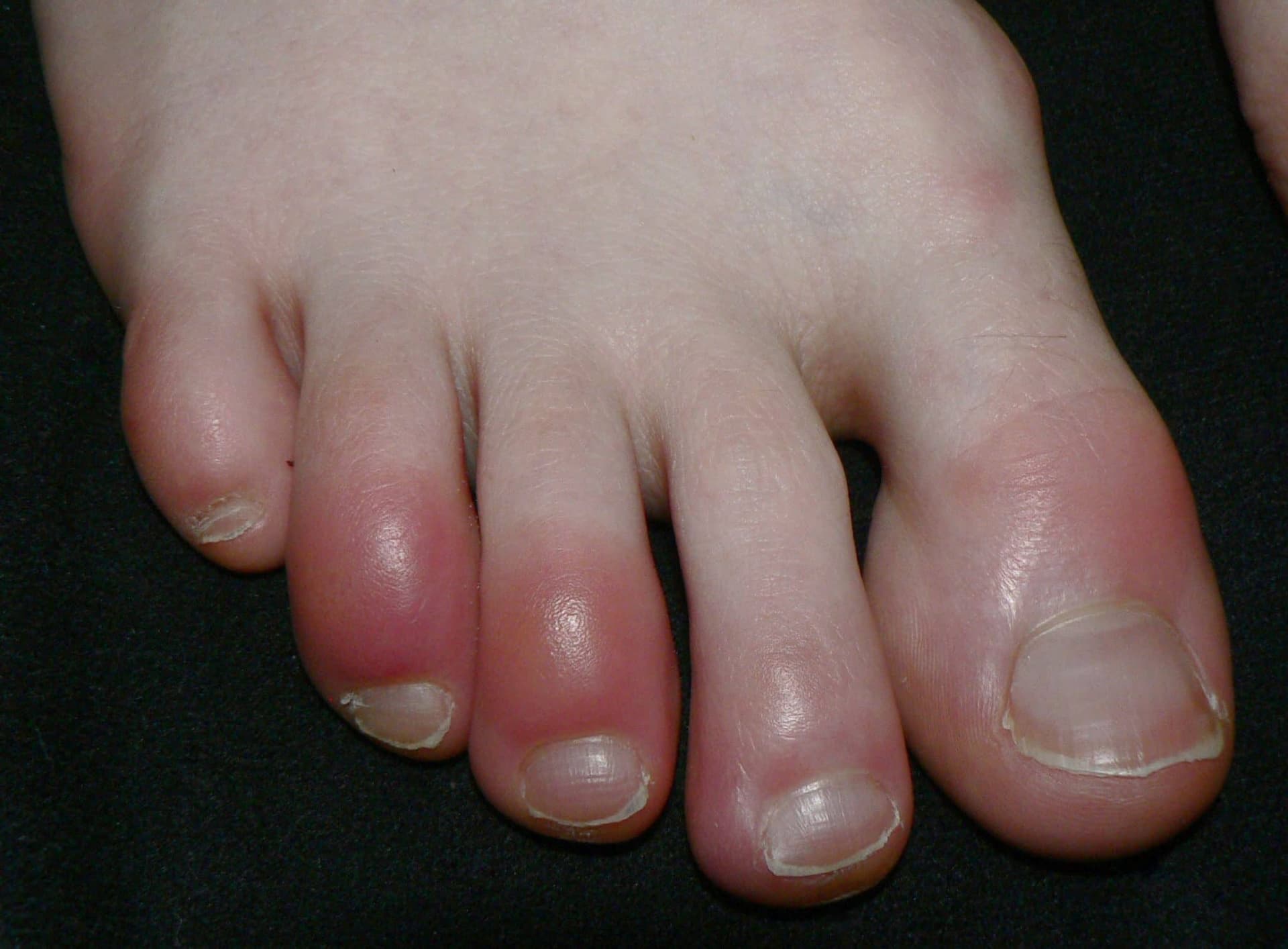 Trekking and Health
By Preetam Singh Rawat|Feb 24, 2026
Chilblains: Prevention Tips and MeasuresIf you’re unfamiliar with the term “chilblain” and wonder why it’s relevant to you as a trekker, this article is a must-read. You’ll soon discover why hikers dread these painful sores at high elevations, even those wearing top-quality boots. Chilblains are skin swellings that are red-blue in colour and cause itching, pain, and a burning sensation. They occur as a result of a sudden shift in temperatures. While it is uncommon for the typical Indian hiker to be affected by this health condition, knowing about it and the preventative steps to take is crucial. Chilblains manifest as swollen, itchy, and red to purple bumpy formations resembling nodules. There is a possibility of infection or ulceration, resulting in intense pain or infection. They induce continuous itching and numbness in the impacted area of the body. Chronic chilblains have the potential to develop, known as Frostbite, where tissues beneath the skin become frozen. The primary underlying cause is cold temperatures. When the skin is cold, the blood vessels closest to its surface constrict. However, when the skin is exposed to heat, the blood vessels dilate. Chilblains can occur when there is a sudden temperature, such as when the skin is exposed to a fire or extremely hot object, resulting in the leakage of blood from the vessels into the surrounding tissues. List of individuals who are more susceptible to chilblains When trekking, taking care of your feet and avoiding getting Chilblains is crucial. By taking proper precautions, you can prevent them from happening. Let me share with you some tips that I personally follow to prevent Chilblains. Trekking and Health
By Preetam Singh Rawat|Feb 24, 2026
Promoting knowledge about well-being while trekking in the HimalayasPossessing a robust and fit physique when embarking on a Himalayan Trek is crucial. This cannot be overstated. Engaging in high-altitude trekking vastly differs from any other leisure activity, requiring considerable physical fitness. It would help if you divulged any medical conditions you may have to your adventure operator before embarking on a trek. We strongly advise our trekkers to take this matter seriously, as high altitudes can pose significant health risks that can not only adversely affect your well-being but also prove fatal. To comprehend this significance, it is essential to understand the effects of high altitudes on the human body. Elevations exceeding 8000 ft are classified as high altitudes. Beyond this height, the atmospheric pressure decreases, and the oxygen content in the air diminishes. Consequently, when inhaling deeply at higher altitudes, oxygen is significantly lower than at sea level. As you continue ascending, it requires several days for your body to adapt to the change in altitude. This is why you may have observed the inclusion of acclimatization days in our high-altitude treks, which typically span 6 to 8 days or longer. When your body experiences a sudden decrease in oxygen, it instinctively attempts to compensate by accelerating your breathing rate. As a result, your heart pumps faster, and your pulse rate increases. Additionally, your bone marrow produces more red blood cells, making your blood thicker. This can potentially cause blood clots if you have preexisting heart conditions. Furthermore, you may notice decreased sleep quality at high altitudes, a normal part of acclimatization. However, consistently poor sleep can have negative effects on your body, especially if you have health conditions such as high blood pressure, diabetes, or heart problems. Individuals who have a preexisting condition of high blood pressure or unregulated hypertension are significantly more susceptible to experiencing strokes and heart attacks. Your heart rate will increase significantly at higher elevations, and when combined with physical exertion, it can negatively impact your health. In colder temperatures, blood pressure rises as blood vessels constrict, requiring more pressure to push blood through the circulatory system. This can be particularly challenging for individuals who already experience high blood pressure, as the increased demand on the cardiovascular system can worsen their condition. Furthermore, hypertension does not manifest any noticeable symptoms, making it even more dangerous. An individual may appear healthy and suddenly become ill. This is why we have a rigid policy against allowing individuals with high blood pressure to participate in treks. For blood pressure levels to be deemed stable, they should range between 100-130 (systolic) and 75-85 (diastolic) for at least one month before the trek. Following a strict diet and incorporating a daily exercise routine is essential. Although this may disappoint some trekkers, we have established these guidelines to prioritize the health and safety of all participants. Engaging in outdoor pursuits such as hiking, snowboarding, and biking at greater elevations can strain the cardiovascular system due to reduced oxygen levels and variations in air pressure, temperature, and humidity. Individuals who have coronary artery disease, a condition distinguished by the narrowing of arteries that supply blood to the heart, may encounter symptoms such as breathing difficulties, light headedness, angina, and other discomforts due to the additional constriction of arteries at elevated altitudes, which subsequently restricts the circulation of blood to the heart. The risk of sudden cardiac death is heightened at high altitudes, posing a significant threat to individuals with preexisting heart conditions. Without prompt medical intervention, such events can prove fatal within a matter of minutes, making it imperative to exercise caution and refrain from exposing those with heart conditions to high-altitude environments where emergency care may not be readily available. During a trek at high altitudes, there is a greater use of energy, resulting in alterations to levels of carbohydrates and insulin. These changes can potentially lead to various complications. Regularly and attentively checking your glucose levels and managing blood sugar levels are crucial for participating in the trek. When planning high-altitude excursions, we prioritize the well-being of our participants by excluding individuals with certain health conditions that the altitude could exacerbate. These conditions include high blood pressure, heart conditions, diabetes, and epilepsy, as we want to minimize potential health risks and ensure a safe and enjoyable experience for all involved. Upon joining our trekking excursion, all trekkers must furnish us with accurate details regarding their physical well-being and fitness level. Before embarking on a hiking expedition, it is advisable to seek advice from your physician and commence with the trek upon receiving your doctor’s approval. Engaging in trekking can be physically demanding, potentially leading to insufficient rest and mild dehydration, which may increase the likelihood of experiencing an epileptic episode. Navigating steep and demanding terrain requires cautious steps. In remote mountainous areas, immediate access to medical facilities is limited, so as a precautionary measure, individuals with epilepsy are advised not to participate in treks unless a certified physician has approved them. Asthma is a medical condition resulting in the constriction of your air passages and excess mucus, leading to breathing difficulties and potentially triggering coughing. Engaging in strenuous physical activities, such as trekking, can also give rise to Exercise-induced bronchospasm (EIB). Engaging in vigorous physical activity, particularly in cold weather conditions, can cause the muscles surrounding the bronchial tubes in the lungs to constrict, thereby reducing airflow and potentially triggering an asthma attack. To ensure the well-being of all participants, we have decided not to permit individuals with asthma to join our trek, considering the potential risks and challenges that may arise. Many individuals who lead a predominantly sedentary lifestyle, often characterized by a 9-to-5 desk job, tend to have a higher body mass index (BMI) than those who are more active. This can lead to difficulties when attempting to complete a hike or engage in physical activity, such as walking, at a pace that is deemed healthy and normal. A high body mass index (BMI) can also increase your likelihood of developing acute mountain sickness (AMS). Physical activity requires three times more effort at high elevations than at sea level, and a high BMI means your body needs to consume more oxygen to compensate. This increased oxygen consumption can make you more susceptible to AMS. Individuals with a higher BMI are at a greater risk of getting injured, particularly when descending from a trek. Overweight people are more likely to experience ankle and knee injuries. However, it is still possible for those with a higher BMI to participate in treks. By establishing and committing to a solid fitness regimen, you can decrease your BMI and become eligible for the trek. We welcome participants with a body mass index (BMI) ranging from 18.5 to 29 and a waist measurement of 36 inches or less for men and 33 inches or less for women. If your BMI exceeds 29 or your waist size exceeds the specified limit, you’ll need to consult with our trek expert to ensure your safety and comfort during the trek. Trekking and Health
By Preetam Singh Rawat|Feb 24, 2026
Diamox: The Acute Mountain Sickness (AMS) SolutionOccasionally, a dispute arises between traditionalists and the non-the-process of adapting to high altitudes during a trek. The traditionalists argue that relying on substances like Diamox to hasten acclimatization deviates from the authentic trekking experience. They advocate for a more organic approach, allowing the body to adapt gradually through gradual ascension and regular breaks, thereby respecting the natural acclimatization process. However, those who do not adhere strictly to a specific belief think that prioritizing safety over potentially experiencing the symptoms of high altitude sickness is more beneficial. They believe taking Acetazolamide (Diamox) before embarking on a high-altitude trek would increase their likelihood of a successful journey. As a result, they begin taking Diamox before starting their trek. To determine the appropriate course of action, let’s first take a moment to consider the basics of Acute Mountain Sickness (AMS). At higher elevations, the air pressure decreases, resulting in less oxygen being delivered to the bloodstream with each breath. To compensate, the body must work harder to obtain oxygen, which leads to increased respiration and longer breaths. This effect is magnified when climbing uphill, causing the body to produce more carbon dioxide as a byproduct of the increased breathing rate. As you ascend to higher elevations, your body adapts naturally to the decrease in oxygen levels by developing a “zone of tolerance,” where it can function normally despite the lower oxygen levels. This zone shifts upward as your body acclimates to the higher altitudes. However, if the buildup of carbon dioxide exceeds your tolerance zone, your body will react, leading to Acute Mountain Sickness (AMS) or high altitude sickness. It’s puzzling when hikers at 11,000 feet express complaints of headaches while others in their vicinity dismiss it as a typical occurrence. However, it’s not typical to experience a headache at high altitude. If you’re experiencing a headache, try drinking a liter of water, taking a Disprin, and observing for an hour. Dehydration is a common cause of headaches, and this routine can help alleviate it. If your headache persists after an hour, it’s likely a sign of Acute Mountain Sickness (AMS). In this case, descend to a lower altitude where you last felt well. This leads me to the topic of utilizing Acetaziamox) for aiding in acclimatization and safeguarding against the occurrence of high altitude sickness. Choosing between using Diamox or not shouldn’t be the primary concern for a trekker. Instead, the key factors to consider are the length of the trek and the amount of altitude gain. For a 6-day trek that reaches high altitudes (over 14,000 feet), starting a course of Diamox before the trek is recommended to help your body acclimatize, as the short duration doesn’t allow for sufficient acclimatization. However, for a longer trek of 12-14 days, your body has enough time to adjust to the altitude, making Diamox unnecessary for acclimatization. In order to adjust to high altitudes (above 10,000 feet), giving your body 24-48 hours to acclimate is typically recommended. However, in modern trekking, we often do not have the luxury of this time. Typically, we arrive at a camp around 2 pm and then move to the next higher camp early the next morning, leaving us with less than 16-18 hours to acclimate. Unfortunately, this is often insufficient and can make trekkers more susceptible to AMS (Acute Mountain Sickness). If your trek is limited in time and does not permit you to spend more than 24 hours at a high altitude, it would be advisable to take Diamox as a precautionary measure. Frequently, I receive phone calls from hikers who claim to have completed numerous high-altitude treks without needing to use Diamox. I am perplexed by this reasoning. AMS can affect anyone, regardless of age, gender, physical fitness, or prior experience with high altitudes. It is possible to develop AMS on any trek, and it would be unfortunate to abandon a trek simply because one did not take this basic precaution. 90% of the blood’s carbon dioxide exists in a chemical called bicarbonate. After traveling through your blood, this carbon dioxide is exhaled by your lungs. Diamox forces the kidneys to excrete bicarbonate from your body (when you urinate). Your body doesn’t like that. It needs the bicarbonate to exhale carbon dioxide through your lungs. When Diamox forces you to excrete bicarbonate, your blood, which is used to a certain level of acidity, becomes more acidic. When the blood gets acidic, it is believed that it has more carbon dioxide in it. So, the body gets rid of this excess carbon dioxide in a simple way. It starts to breathe deeper and faster, getting rid of the carbon dioxide and taking in more oxygen. In effect, the increased oxygen speeds up the acclimatization process. It also greatly reduces any symptoms of altitude sickness, which is why Diamox works best when you start on it a day or two before you get to high altitudes. Remember, Diamox accelerates acclimatization. It does not cure anything. If you have a headache with any of the above symptoms, even after taking Diamox, your acclimatization is incomplete, and you must descend. Under no circumstances should you climb higher if your symptoms still persist. Take Diamox at 125 hours two days before your trek (or upon reaching Delhi). Raise the dosage to 250 mg every 12 hours upon arrival at the base camp and maintain this dosage until the trek is finished. It’s important to consult with your doctor before taking Diamox, especially if you have a history of allergies, high or low blood pressure, or diabetes. This will ensure that the medication is safe for you to use and that any potential side effects are minimized. Additionally, if you’re taking any other medications, inform your doctor, as some drugs may interact with Diamox. By taking these precautions, you can safely enjoy the benefits of Diamox while minimizing any potential risks. If you have an aversion to sulfa drugs, it’s wise to steer clear of Diamox, as it’s formulated with sulfa compounds. Trekup India has reassessed its stance on Diamox usage and now recommends that trekkers initiate their course two days before the start of their trek rather than only in emergencies. By beginning the medication upon arrival in Delhi, participants can significantly increase their chances of experiencing a successful and stress-free trekking adventure. Even with Diamox, it’s crucial to ready your lungs for lower oxygen levels. A trek-specific fitness program is ideal. Incorporate cardio, strength, and flexibility exercises. A 30-minute run covering 4.5 km is an excellent altitude training regime. Trekking and Health
By Anoop Rawat|Feb 17, 2026
Why Rushing Acclimatization in Ladakh & Spiti Is DangerousLadakh as well as Spiti are the most sought-after high-altitude locations for trekkers cyclists, and adventure travelers. The stark, cold deserts, the ancient monasteries, as well as the dramatic mountain passes provide a unique experience unlike any other within the Himalayas. But, underneath this splendor is a significant and often overlooked issue: altitude sickness caused by inadequate adaptation. Here at TrekUp India, we have always observed that one the most dangerous mistakes travelers do during their travels in Ladakh or Spiti Valley is hurrying their trip. The inability to take acclimatization breaks in order for the sake of "save time" often results in illnesses, delays to travel and, in the worst situations serious medical emergency situations. Acclimatization is a natural process in the body adjusts to lower levels of oxygen at higher altitudes. For Ladakh and Spiti the majority of regions are over 3000 metres (10,000 feet), with passes and villages typically exceeding 4,500 to 5,100 meters. At these elevations: In the absence of proper acclimatization even fit individuals could get sick. AMS is one of the more frequent health issue at altitude, and shouldn't be overlooked. Common symptoms include: If left untreated, AMS can worsen rapidly. Incorrect acclimatization could lead to: Both are medical emergencies that can be fatal if not treated immediately. Travelers often have trouble with: In the case of poor acclimatization, it can lead to: The medical facilities for patients in the remote areas of Ladakh along with Spiti are not as extensive. Evacuation in case of emergency is: Acclimatization to the environment is a significant factor in reducing the chance. The golden rule is: "Climb High, Rest Low." Make sure you spend at minimum two night getting used to: Make use of this time to: Signs of danger should never be ignored. If symptoms get worse: Through the years of running trekking and road trips through Ladakh as well as Spiti, TrekUp India has discovered that travelers who adhere to acclimatization have healthier, safer, and much more satisfying experiences.. Acclimatization does not waste time. It will be an investment into: The mountains are a great place to practice perseverance. Reviewed by Kapil Sharma - Trek Leader, TrekUp India This article was examined by Kapil Sharma who has a wealth of on-the-ground experience in leading treks and high altitude travel programs in Ladakh as well as Spiti. The acclimatization tips above have been confirmed by actual field conditions and medical emergencies related to altitude and safety protocols for operations that are followed by TrekUp India. The rush of Ladakh and Spiti without adequate acclimatization could transform a trip of a lifetime into an unintentional risk. The elevation, the dry weather and the remoteness of these areas need patience, understanding and a respect for the way the body adjusts to the thin air. We at TrekUp India, we remind everyone who travels that acclimatization is not an inefficient time. It safeguards your health, improves your experience and lets you really take in the natural beauty of these beautiful landscapes. Slowly move. Pay attention to your body. Allow Ladakh and Spiti show their magic in their own way.The mountains will reward those who honor their rhythm.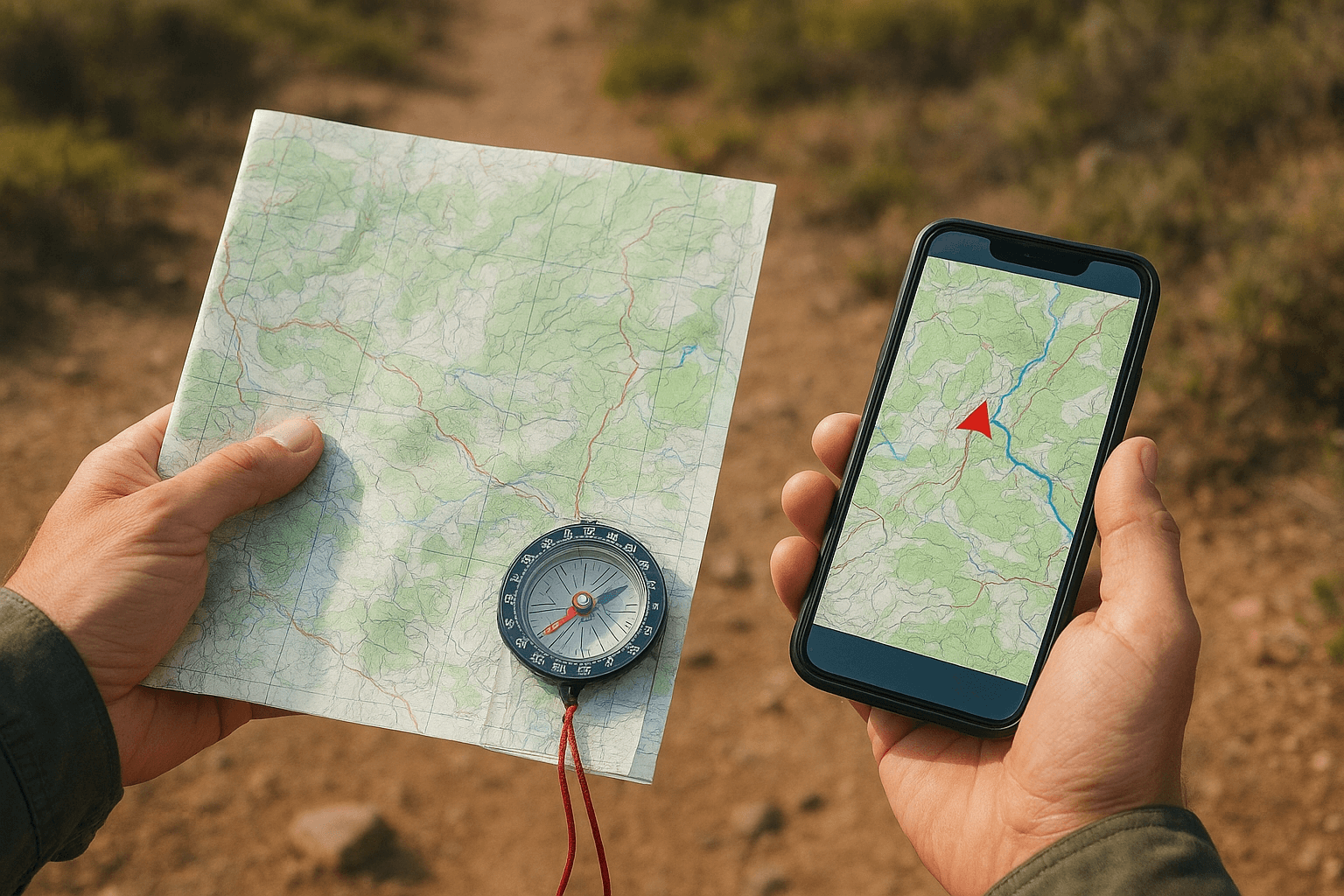 Trekking and Health
By Nanda Rawat|Feb 17, 2026
Navigation Basics for Hiking: Map, Compass & GPS Apps (Offline)In India's wilds, whether traversing high Himalayan passes and the dense Western Ghats forests or remote central Indian landscapes--requires more than physical strength. Navigation is among the least-known but essential abilities required for trekking particularly when trails are hidden by fog, snow or thick forest cover. On TrekUp India, trek leaders have seen time and again that hikers who are familiar with maps as well as compasses and GPS offline tools are more comfortable save energy, and are more responsive to unexpected events. Navigating knowledge eases anxiety, helps avoid dangerous detours and enhances the safety of Indian trails. Numerous trekking routes in India: Strong navigation skills help trekkers: Navigation isn't about speed. It is about safety and control. The Topographic maps is the basis of a secure navigation. Always keep always carry a printed map of the outdoors in a bag that is sealed. Note your routes and campsites ahead of time and keep track of your progress throughout your trek. The compass does not require charging and is able to work in any condition. This technique is invaluable This method is extremely useful fog-filled meadows, snowy conditions, or in forests in which landmarks disappear. Learn to use compass at home, or on short walks before using this in mountain terrain. Smartphones are a great tool for support but only when they are used with care.. Download maps prior to the hike using GPS apps that allow offline usage. Signals are not reliable or even absent in the majority of trekking regions. GPS is supposed to be able to support rather than replace traditional navigation. Reviewed by Dev Rawat - Trek Leader, TrekUp India This article was examined by Dev Rawat, who has vast experience on the ground in leading treks through India's Himalayas, Western Ghats, and forested trails in India. The guidelines for navigation in this article can be verified through real-world conditions on trails that involve fog or snow cover as well as dense forest navigation as well as emergency corrections to routes that were encountered in TrekUp India operations. The wilderness of India isn't just about technology alone. It is about preparation, awareness and a respect for the terrain. People who are able to navigate using maps, an compass, and use GPS applications offline can move more confidently and with lower risk. We at TrekUp India, we have observed that mixing traditional navigation techniques with the latest technology lets trekkers travel more securely, avoid unnecessary stress, and to enjoy their travels more. A reliable navigation system will not hurry you to your location. It can help you to understand the terrain and react calmly to any uncertainty and safely navigate the natural world. Take your map with you. Be sure to trust your compass. Make sure to use your GPS in a responsible manner.And let the navigation guide you and not frighten you. Trekking and Health
By Nanda Rawat|Feb 17, 2026
Vegetarian & Vegan Trekking Nutrition: Protein and Calories GuideA trek through high altitudes like Himalayas or other high altitude regions of India puts a lot of physical strain for the human body. For those who follow an vegetarian or vegan diet the problem is not whether or not it's feasible but whether it's designed correctly. In TrekUp India, we have assisted numerous trekkers with diets based on plants across the challenging Himalayan routes. Our experience on the ground shows that vegans and vegetarian trekkers can perform the same as other trekkers--provided they satisfy their energy, protein and micronutrient requirements. Insufficient planning could result in the loss of muscle, fatigue in recovery, a slow recovery time, and even loss of appetite at high altitudes. If you follow the right approach the right approach, plant-based food can aid in endurance, strength and recovery in the mountains. In high altitudes and on multi-day hikes: Vegans and vegetarians must be mindful of iron Vitamin B12, iron along with omega-3 fats which are essential to fitness and recuperation. The best use for HTML0 is Lunch or dinner at camp Best use: Main meals or protein-rich dinners The best use for it: On-trail snacks and energy boosters The best use for HTML0 is: Lunch or dinner meals Best usage: Evening recovery drink or post-trek snacks At higher altitudes, calorie density matters more than volume. These foods can help meet your the calorie requirements without a heavy stomach burden. BreakfastOatmeal topped with almond butter, bananas, and soy milk Snack for Mid-MorningMix of trail mix that includes pumpkin seeds, nuts and raisins lunchQuinoa served with mix vegetables, tofu and mixed vegetable Lunchtime SnackProtein shake with plant shake of protein with dates DiningLentil soup containing chapati and spinach This structure is able to balance proteins, energy and digestion throughout the day. Examined by Sispal Rana Sispal Rana Trek Leader, TrekUp India This article was examined by Sispal Rana who has extensive experience in leading high-altitude treks for the vegan or vegetarian group of trekkers throughout the Indian Himalayas. The nutritional strategies described above are backed by real-world trail performance, recovery results and altitude-specific dietary issues that were observed during TrekUp India treks. The choice of a vegetarian or vegan diet when trekking through the mountains of India isn't an obstacle, but rather an essential aspect of planning. When you prioritize the consumption of protein-rich foods from plants as well as calorie-dense snacks and essential micronutrients that trekkers are able to maintain the strength, energy, and recuperation throughout their challenging treks. On TrekUp India, we have observed plant-based trekkers complete some of the most difficult Himalayan trails. Often, they do it with more inventive and disciplined diets than their meat-eaters counterparts. With a well-planned preparation, careful packing, and an awareness of your body's requirements, a vegan trekker can excel at altitude, while remaining true to their way of life. Plan well. Take in enough food. Make sure you recover properly.Let plants provide fuel for your journey to the top of mountains. Trekking and Health
By Preetam Singh Rawat|Feb 16, 2026
Trek the Himalayas: Essential Tips for First-Time TrekkersToday, I’m sharing some common mistakes that first-time trekkers often make. These are blunders that many of us have experienced ourselves, and we can’t help but chuckle when we think back on them. However, we’ve also learned from these mistakes and have become better trekkers because of them. Those new to trekking will find this information helpful and avoid making the same errors we did. Let’s get started. Many people bring along excess clothing such as additional t-shirts, pants, layers for warmth, towels, socks, and undergarments when embarking on their first Himalayan trip due to concerns about potential scenarios that may arise. Thoughts in Mind – What should I do if I require a new outfit upon arriving in the urban areas? Gradually, their partially filled backpacks start to fill up and spill over with clothes they no longer want. They carry these bags unnecessarily during the trek, or even worse, they decide to get rid of them by offloading them. Consider packing only the essentials and leaving the rest behind. You’ll be surprised at how much you can accomplish with a smaller wardrobe. Pack a maximum of two T-shirts in addition to the one you’re wearing, and bring only one extra pair of pants or shorts. You can quickly get by with just one team. It’s wise to avoid the discomfort of switching to cold clothing after wearing warm attire. You can minimize the need for multiple extra outfits by practising good hygiene. Jeans may seem warm and comfortable, but they can be problematic. They can be heavy, difficult to move around in and take forever to dry if they get wet. It’s best to avoid wearing jeans on a trek, as they can make the experience much more challenging than it needs to be. Some trekkers opt for a single, thick leather jacket, believing its bulk will provide sufficient warmth. Similarly, when it comes to down jackets, people believe that these lightweight jackets, labelled as suitable for very low temperatures, are sufficient to handle freezing conditions independently. It is frustrating to see stores exaggerate the effectiveness of these jackets. Trekkers realize too late that they were mistaken. Always bring layers with you, regardless of what others may advise. Bring either 3 or 5 layers, depending on the season of your trek. Ensure that each layer is lightweight. Layers help to retain your body heat by trapping it and preventing it from escaping, thus keeping you warm through the insulation provided by your body warmth. Sleeping bags function comparably. Despite claims of handling -10 degrees, sleeping in a t-shirt is not advisable. To effectively retain body heat, it’s essential to wear multiple layers. Therefore, it’s best to disregard the numerical rating and base your decision on what seems practical and reasonable. Many trekkers opt not to use a trekking pole, and it’s unclear why. Is it due to pride or the belief that trekking bars are only for older individuals? Regardless of the reason, this way of thinking needs to be revised. Either they misuse it or need more understanding of its function and purpose, resulting in not fully utilizing their poles and viewing them as ineffective. Employ a trekking pole and utilize it properly. It helps maintain stability and balance, thereby preventing falls. I’ve had numerous instances where a trekking bar has saved me from injuries by breaking my fall. As you go downhill, a trekking pole is a valuable tool. Not only does it help you maintain your stability, a crucial aspect of descending, but it also prevents your knees and toes from experiencing the intense discomfort often associated with going downhill. Moreover, using a trekking pole is a valuable support to reduce the energy you expend. Even a modest 5% energy savings can be significantly appreciated when embarking on a Himalayan journey. A trekking pole can conserve up to 40% of your energy. This significant difference can determine whether your trek becomes an enjoyable experience or a challenging one. Put your ego aside and grab a hiking pole. Learn the proper techniques for utilizing a trekking pole with the help of this instructional video below. Play Video Trekkers often make the mistake of overpacking toiletries for long trips, lugging around unnecessary items like shampoo, conditioner, face wash, sunscreen, moisturizer, face cream, deodorant, perfume, toothbrush, and toothpaste. This takes up valuable space and adds unnecessary weight to their backpacks. After that, grab a little tube of sunscreen. It’ll be your go-to for hydrated skin, a facial moisturizer, a lip balm, and more! To have a pleasant scent, use a tiny roll-on deodorant. When it comes to medications, avoid buying packs of 10 tablets. You only need four tablets (except for Diamox). Your emergency medication should be compact enough to fit into a matchbox. Keep this in mind. Inexperienced trekkers often rely heavily on the advice of sales representatives when purchasing backpacks, failing to conduct their research beforehand. As a result, they may end up with an ill-suited backpack, making them vulnerable to criticism. They often end up with stylish backpacks that need to be more practical for long hikes. Many of these backpacks are similar to potato sacks and can be a hindrance during high-altitude treks. Instead, find out more about the features of a high-quality backpack. A good backpack should include an internal frame, be compact, and maintain its shape even when packed with your belongings. Also, make sure it has all the necessary straps. Perfect! Here’s a rewritten version of the paragraph:This comprehensive guide covers all the essential components of a high-quality backpack, providing valuable insights for anyone looking for a new backpack. Share this article with friends and family members currently shopping for the perfect backpack.