Many times when I see trekkers struggling with the cold during the Himalayan winter trek. They’re not properly layered or they’re not wearing the appropriate gear or don’t have the right mindset.
This totally robs you of the excitement of a winter hike, that’s usually one-time adventure for the majority of trekkers.
This email is to provide you with an accurate image of what winter looks as it is in mountains and also how you can gear your body for the winter.
I don’t want to you be among those trekkers who don’t enjoy their winter trek due to the cold.
First, how cold can it will get on Trek?
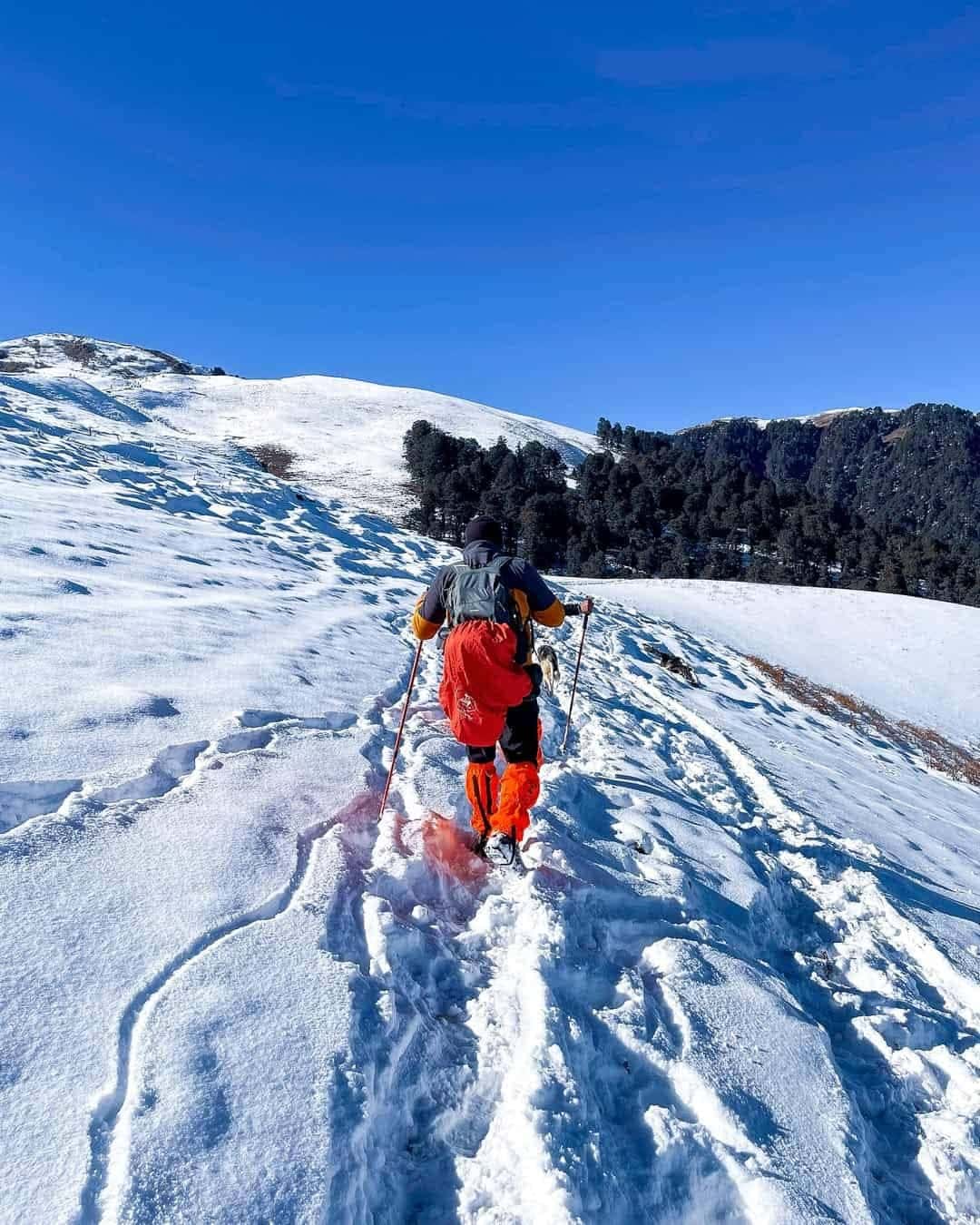
Any of Himalayan trekking routes in winter, whether it’s Kedarkantha, Brahmatal, Deoriatal – Chandrashila, Dayara Bugyal. The temperatures fall into negative figures.
They could drop down to -15 degC following sundown. After a rain or snowfall, the temperature is at its lowest (although it’s not as cold in the course ofa storm).
However when you go on a winter hike anticipate temperatures during the day to be between 8 between 8 and 15 degrees Celsius. This means that during the daytime, you will generally trek with just one layer or two layers.
The evening temperatures will likely to range from 3degC to 5degC. At any time after sunset you must have all of your layers on. At minimum, five layers of warmth.
Let’s look at the equipment we suggest for the Himalayan winter hike. We’ll talk all the essential equipment for winter, without making any mention of toilet kits as well as medical equipment. They’re all listed in the “What to bring” section of the page for your trek.
Be aware that we’ve compiled this list following a decade of trekking through winter, in thick snow, and with conditions as cold as -22 degrees Celsius and yet managing to stay warm. So , don’t miss one single part of the list.