Article Published On - 03-04-2025
Phulchowki (meaning ‘hill of flowers”) stands as one of the prominent landmarks in Kathmandu Valley. Well known for its lush flora, this hiking trail attracts nature enthusiasts and bird enthusiasts alike. Though ascending it can be daunting at first, once at the top, it offers breathtaking panoramic views that offer an immersive experience into Nepal’s stunning natural beauty.
Godawari Bus Stop marks the starting point of your trip to Phulchowki, accessible by bus from Gongabu Bus Park or Satdobato and connecting with one bound for Godawari at Godawari Junction. Be prepared for an extended and possibly unpleasant ride due to heavy traffic conditions on congested roads. From the bus stop, head south and begin walking along the initial stretch of trail: an initial stretch on a paved road which eventually transitions into gravel paths after about one kilometre. Pack a lunch, as amenities along this path may be scarce. As you ascend through lush tropical forests, enjoy breathtaking views of Kathmandu Valley below. Your journey to Phulchowki summit spans an impressive 1,600 meters before a gradual descent of 500 meters. This trail offers several shortcuts with recently constructed stairs, but be mindful to take it slow and stay hydrated when ascending the steep incline. As you reach higher ground, enjoy breathtaking scenery while bracing yourself for challenging switchbacks that may put your endurance to the test.
After winding your way along a gravel trail through dense forest foliage, you will emerge into an exuberant clearing adorned with colourful prayer flags that is sure to lift your spirits. The final leg of your Phulchowki Hike ascent covers approximately 5 kilometres and gains 600 meters in elevation; be prepared for a strenuous ascent, but aim for a leisurely pace on this portion of the Phulchowki Hill hike if approaching the summit area checkpoint requiring registration with military personnel charged with protecting it.
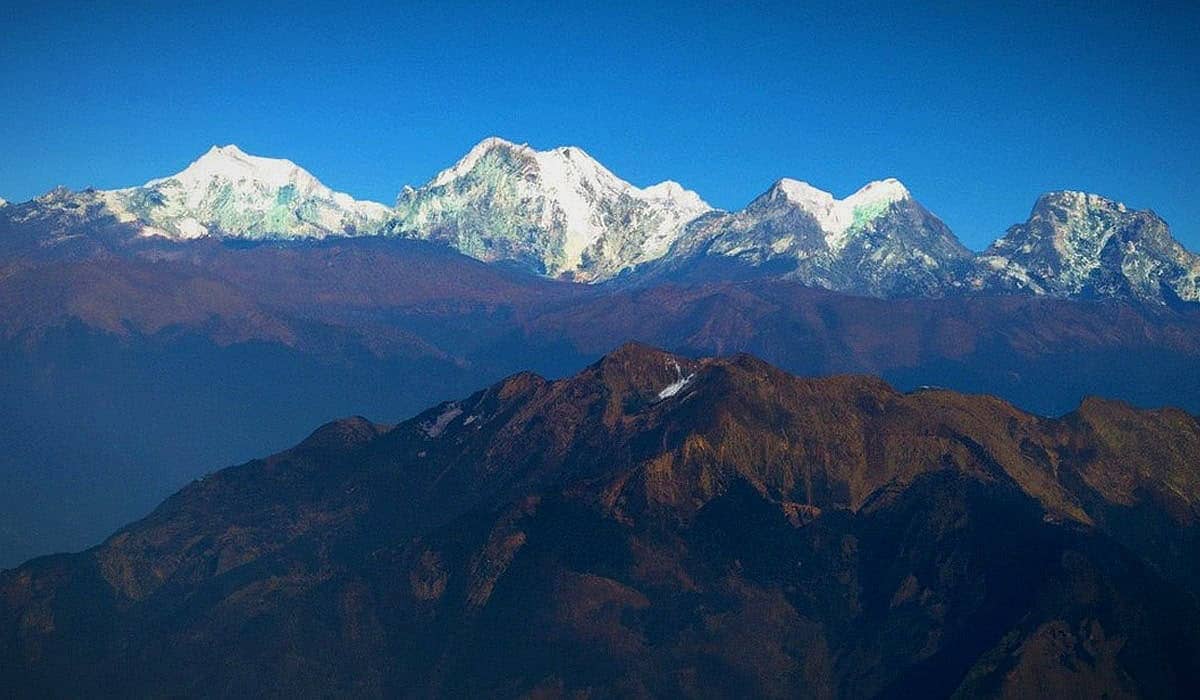
On a clear day, you can enjoy amazing views of Ganesh Himal, Langtang Himal, and Gaurishankar Himal stretching along the eastern horizon. At its summit is a small Hindu temple adorned with prayer flags to serve pilgrims; in March and April a special month-long festival takes place at Phulchowki shrine; consider stopping for refreshments at an army canteen on your return journey if feeling peckish before taking a bus back from Godawari Bus Park back into Kathmandu where you can reward yourself with delicious meal and drinks to commemorate all your hard work.
Starting Location: Godavari is 14 kilometres away from Kathmandu.
By Road: By taxi or bus services to Ratna Park or Lagankhel Bus Park to Godavari (45-60 minutes). Godavari Botanic Garden admission tickets may be purchased separately, and admission tickets must be present when visiting this garden (optional).
Spring (March through May): Best for Rhododendrons or orchids that require full sunlight to bloom beautifully under clear skies. Autumn (September to November): An ideal season to experience mountain views and pleasant weather conditions. Winter (Dec-Feb): Chance of snow on the peak; however, visibility may be poor due to cold conditions.
Admin
Anoop has worked for 5 years as a Trek Leader with TrekUpIndia, leading numerous treks across the diverse and challenging terrains of Uttarakhand and Himachal Pradesh. He holds a degree in Geology with a specialization in Geographic Information Systems (GIS) from UPES Dehradun. During his academic years, he actively applied his classroom knowledge in the field—most notably by contributing to a glacier research project on the Jundar Glacier in the Har Ki Dun Valley, Uttarakhand. And now, Anoop is a trekking content writer with TrekUp India, specialising in seasonal Himalayan trekking guides, winter safety content, and trek planning resources. His work is informed by field research, trek leader inputs, and real trail conditions across Uttarakhand, Himachal Pradesh, Ladakh, and Kashmir.