Article Published On - 24-06-2025
Pandava Cave Trek in Solan, Himachal Pradesh, offers an exciting yet easy trek that blends history, adventure and spirituality. Visitors will head towards Karol Tibba – the highest peak within the Solan region and home of an old cave believed to have been utilized by the Pandavas during their exile period.
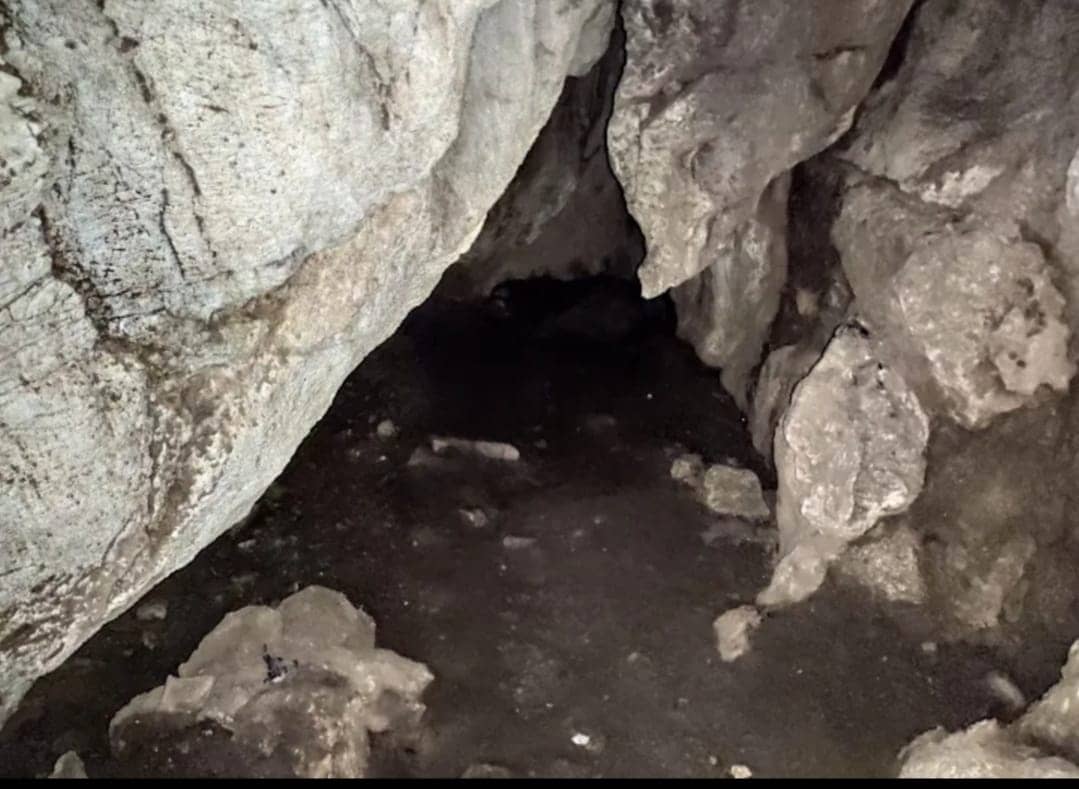
Pandava Cave, found deep within the Himalayas, is one of the longest and largest caves. Legend has it that during their exile period in Mahabharata, Pandavas from this cave lived during Agyatvas (period in exile). A secret passageway connecting it to Pinjore Gardens may also have not yet been discovered.
The starting point for this trek will be Jatoli village near Solan. This trail meanders through dense forest, rocky terrain and open meadows offering magnificent vistas of Solan city and its surrounding mountains.
On your journey, you will likely come across various species of flora and fauna – mountain deer, langurs, and even leopard tracks!
A major attraction of this trek is ascending Karol Tibba (2,260 meters) and ascending the steps leading to its cave. A cavern hidden among thick forests lies at its summit – offering spectacular views.
Legend states that when exiled, the Pandavas found refuge in what is currently Solan. They used the cave to conceal themselves from their adversary – Kauravas. This cave is considered ancient and one of the largest and longest in the Himalayas. It runs 47 kilometres from Manali to Pinjore. German researchers conducted an innovative experiment, pouring colourless water into Pin Cave and witnessing its fantastic transformation into vibrant hues at its opposite end. It was amazing to witness its effect. Pinjore has an interesting phenomenon – its pond is fed by cave water and filled with oak leaves in autumn despite being uncommon in the region. One explanation could be that the Karol mountain region, from where this cave originates, contains an abundant tree forest, which could explain this anomaly.
Karol Mountain is considered an offshoot of Dronagiri Mountain, which fell off during Lord Hanuman’s transport to prevent Lakshman from drowning. Legend states that Dronagiri was famously abundant with medicinal herbs like Sanjeevani; some believe their remnants remain on Karol Mountain today.
Temple caretakers and cave caretakers recommend honouring this cave due to its mysterious power. To gain entry, visitors must walk barefoot into it; leather products or non-vegan food should also not be consumed inside it. I heard an account from one of the principal priest’s wives who told me about a group of British who disappeared trying to access this cave during British Raj rule in India; she explained how as you travel further into it, your main pathway often splits off into numerous branches which makes navigation more complex – making entrance more likely.
Dedgharat, located 16 kilometres west of Solan, is an alternative start location for cave trekking on NH 22 Highway towards Shimla. The trail can be extremely strenuous as it passes through dense jungle with few views but eventually leads to Abashar Waterfall; though its source remains unknown, locals believe Karol Mountain could be responsible, while its exact location remains unexplored; many believe Karol has plenty of water; its precise location remains uncharted for now.
Spring (March to May) offers warm temperatures with blossoming flowers. In autumn (September – November), you can expect clear skies and magnificent mountain views. iarna Winter (December – February) should prove cold yet doable with foggy conditions expected throughout.
At 6 am – Depart Solan by taxi for Chambaghat (6 km away). Otherwise, start trekking from Basal or Dedgharat as alternate starting places; request that the taxi driver takes you directly to Rani Lakshmi Bai roundabout in Chambaghat for optimal trekking experiences, by 7:15 am, start trekking starting from Chambaghat.
At the intersection, follow signs to the Karol Tibba Trailhead by seeking help from the locals. Ascend steeply through backyards and tiny villages until reaching a Gurudwara. A clearly labeled arrow identifies Karol Tibba.
At 8:00 am we arrive in Jarash Village. This village offers stunning views and the chance to meet residents from this region.
Take a 15-minute break to relax and take in the spectacular panorama of Churdhar Mountain in the distance. 8.30 am: Enter Dense Forest
This trail winds through dense woodlands dotted with oak and pine trees, so be wary as narrow trails may be confusing, so stay on the main route. Expect to encounter Bhotia dog breeds, that can be loyal but occasionally aggressive; avoid abrupt movements if possible to ensure an enjoyable hike through the forest that is approximately one hourlong.
Arrive at Karol Tibba Temple @ 9 am
First you’ll notice this temple just outside the cave’s entrance. This dark space requires an illumination device or flashlight to explore.
Religious Protocol:
Walk around without footwear within the cave.
Avoid products made of leather and food items that aren’t vegetarian-friendly. 10:00 AM – Visit the Pandava Cave
This historic cave is believed to be 47 km long and may extend up to the Pinjore Garden, providing an atmosphere of complete stillness and darkness – creating even greater mystery!
Legend states that British explorers went missing in this cave during the colonial era. For your safety, only explore a limited area, as deeper areas pose too many risks and are unexplored. At 10:30 am you should descend towards Solan.
Return the same way or by taking another route through Dedgharat; take care in following any directions provided and consult locals if necessary for help with directions. Depending on the time available and the weather, stop at Abashar Waterfall (optional).
If you’re travelling along the Dedgharat route, make a stop at Abashar Waterfall for a break. Although its source remains undetermined, locals speculate it might come from Karol Mountain. Its Once in Solan, hop aboard either a taxi, bus or train back home.
If you’re feeling peckish, anand Bhojanalaya (renowned in Himachali for their local dishes) makes for an excellent lunch stop.
Solan is easily accessible via NH-22 (now NH-5). Approximately 15 kilometres west of Solan.
48 km away from Shimla (1.5-hour drive), 300 km away from Delhi (6-7 hours by road), and 70 km from Chandigarh (2-hour drive).
By Train: Solan Railway Station on the Kalka-Shimla heritage railway.
By Bus: Regular HRTC buses connect Solan with Shimla, Chandigarh, and Delhi. By Car: For maximum convenience, when travelling between Solan and Shimla via car or van.
Before beginning the trek, take the NH-5 to Solan and park in either Solan or Chambaghat before starting to trek.
Admin
Anoop has worked for 5 years as a Trek Leader with TrekUpIndia, leading numerous treks across the diverse and challenging terrains of Uttarakhand and Himachal Pradesh. He holds a degree in Geology with a specialization in Geographic Information Systems (GIS) from UPES Dehradun. During his academic years, he actively applied his classroom knowledge in the field—most notably by contributing to a glacier research project on the Jundar Glacier in the Har Ki Dun Valley, Uttarakhand. And now, Anoop is a trekking content writer with TrekUp India, specialising in seasonal Himalayan trekking guides, winter safety content, and trek planning resources. His work is informed by field research, trek leader inputs, and real trail conditions across Uttarakhand, Himachal Pradesh, Ladakh, and Kashmir.