Article Published On - 07-01-2025
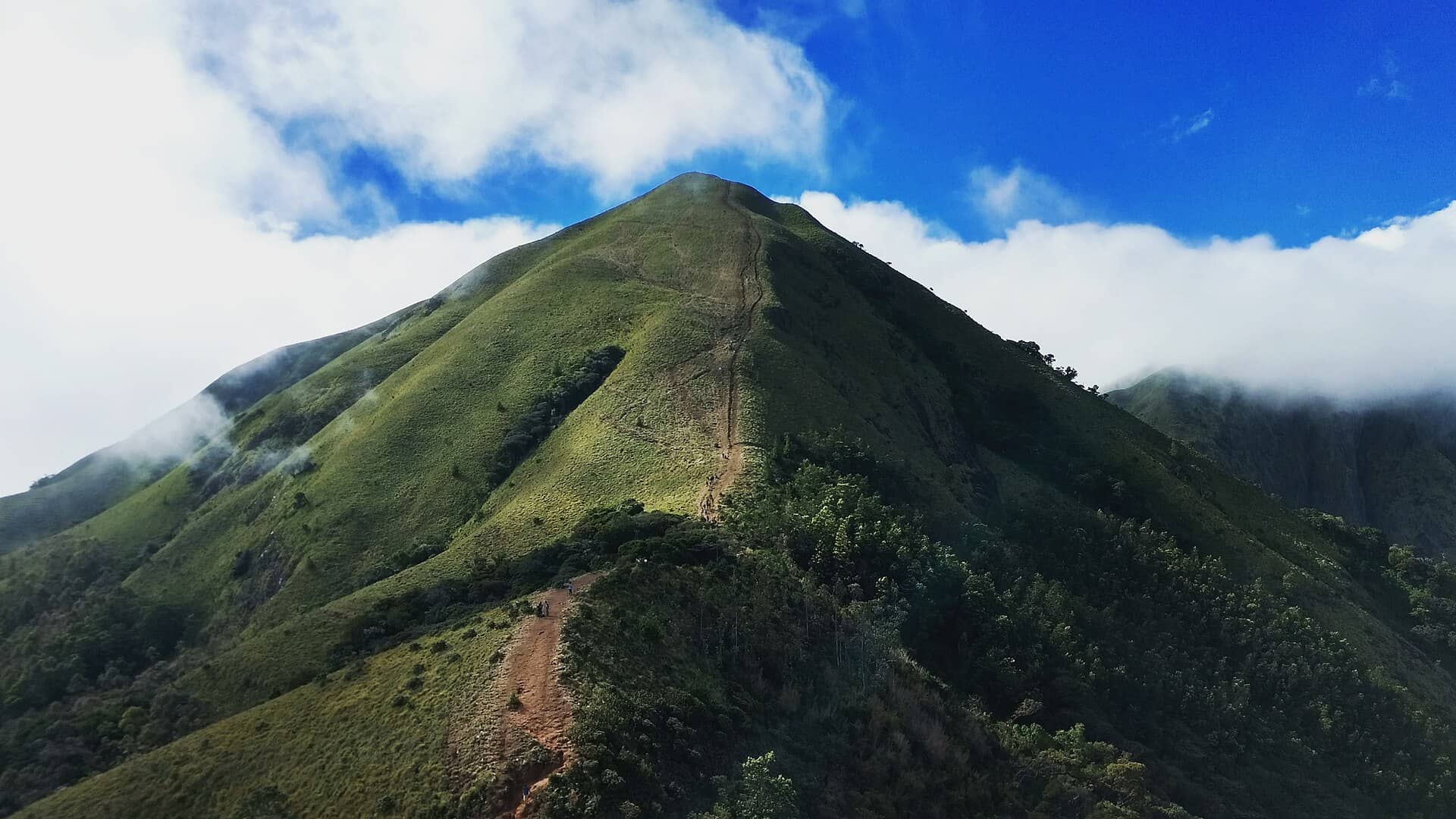
Begin a tranquil journey through the Meesapulimala Peak trek, nestled in Kerala’s Idukki district, at an altitude of 8661 feet. The thrilling trek winds through lush valleys brimming with vibrant blooms of Rhododendron, beautiful tea plantations, as well as soft, flowing streams giving you a peaceful escape into the natural world.
Trail Overview The 8-km route, also known as the Rhodovalley Trail traverses a variety of landscapes, from vast mountain meadows, to lush trees, thriving forests, and diverse nature habitats. The hiker will be able to find numerous scenic spots throughout the trail, which are perfect for taking unforgettable photos and breathtaking views.
A Name Embroiled in MysteriesThis mountain’s name is as distinct as the features. Meesapulimala is named this way because its form is believed to be akin to the face of a tiger. It is derived from the linguistic roots of which “Meesa” and “puli” both mean “tiger” and “mala” refers to “hill,” the title is a reflection of its stunning appearance as well as its significance in the context of culture.
An Trek for EveryoneCreated as a quick excursion for a day, this trail is suitable for people with all age and experience level. The moderate terrain means that experienced trekkers as well as novice nature lovers can have the benefits of a fun and affordable outdoor experience. On the way, numerous photos and stunning views will leave lasting impressions.
Enjoy the peace and nature in the Meesapulimala Peak trek–a journey that is a blend of gentle adventure and the breathtaking beauty of Kerala’s scenery.
To have the best trekking experience, the best time to go to Meesapulimala Peak is during the dry season from October to May, with the months of November and March being particularly advantageous. Here’s why:
Beware of planning your hike between June and September, when severe rains and slippery conditions may create a difficult journey. Be sure to verify the local forecast of the weather prior to your trip for the most enjoyable trip.
Your hike begins along a rugged jeep track that leads towards the mountain’s base before changing onto an ascending trail that gradually increases elevation, taking about 30 minutes to scale it all. Along this first ascent, you might witness rare Neelakurinji flowers – only seen every 12 years – while at its top, you can take in breathtaking views towards both Munnar and Suryanelli towns, as well as Meesapulimala mountain itself!
As soon as your ascent begins at the top, you will encounter narrow river waters that must be carefully navigated to reach Anayaironkal Lake. After approximately 20 minutes of hiking, you will get your first higher hill; from then on, the subsequent slopes gradually become less challenging before eventually leading you up to Meesapulimala Peak. Here awaits an enthralling panoramic view over both Tamil Nadu and Kerala border regions. Typically, the trek across Rhodovalley to Meesapulimala Peak takes two hours.
Silent Valley could provide an ideal alternative if you prefer something different as your starting point. Just 6 kilometers from Rhodovalley, its trails allow visitors to easily traverse the wooded trails of Sky Cottages, located within marshy terrain dotted with cascading waterfalls and sprawling grasslands, before connecting back with the Rhodovalley trail.
After reaching the peak, the return journey downhill is steep and elevated, passing through dense shola forests for approximately 40 minutes before arriving at Kollukumalai Tea Plantations–located at 6,675 feet–where jeep trails lead through tea estates towards Suryanelli town and can even complete its journey along similar routes as taken on your initial trek from Meesapulimala back towards Rhodovalley area.
For an even more challenging hike, start from Kurangini and follow its winding trail, which gradually rises until it reaches a summit. Expect strenuous walking without water sources on this journey. It should take about two hours to arrive at Esplanade, with one pine tree as an anchor point, an ideal place for rest before continuing along its gradual ascent through mountainous terrain with gradual slopes.
As you near the end of your journey, tnotesome hairpin bends winding in a loop, which will lead you to Kollukumalai Tea Estates. Stop along this stretch to take in breathtaking views of lush valleys, vast grasslands, and vibrant forest sholas —nly 1.5 kilometers away from a forest region. These tea estates provide fascinating day trips, including one dating back to British rule!
Once passing through the tea plantations, the trail widens into an easily traversed track suitable for jeeps and begins its steady ascent towards the shola forest, marking the end of an energetic mile leading to the summit.
Meesapulimala provides trekkers with an exciting two-route trek experience, from Rhodovalley’s floral-adorned trails and Kurangini’s challenging hairpin bends – guaranteeing an unforgettable journey for every visitor who visits this destination.
Your journey to the Meesapulimala trekking route involves deciding between two different routes, each offering a unique trek adventure.
Trail Options:
How to Get There:
Travel Route:
When you select the trail that best suits your personal travel desires, you will enjoy an easy start to your hike, setting the stage for a memorable trip towards Meesapulimala Peak.
Remember to always seek advice from a physician before consuming any medication.
Admin
Anoop has worked for 5 years as a Trek Leader with TrekUpIndia, leading numerous treks across the diverse and challenging terrains of Uttarakhand and Himachal Pradesh. He holds a degree in Geology with a specialization in Geographic Information Systems (GIS) from UPES Dehradun. During his academic years, he actively applied his classroom knowledge in the field—most notably by contributing to a glacier research project on the Jundar Glacier in the Har Ki Dun Valley, Uttarakhand. And now, Anoop is a trekking content writer with TrekUp India, specialising in seasonal Himalayan trekking guides, winter safety content, and trek planning resources. His work is informed by field research, trek leader inputs, and real trail conditions across Uttarakhand, Himachal Pradesh, Ladakh, and Kashmir.