Article Published On - 05-11-2025
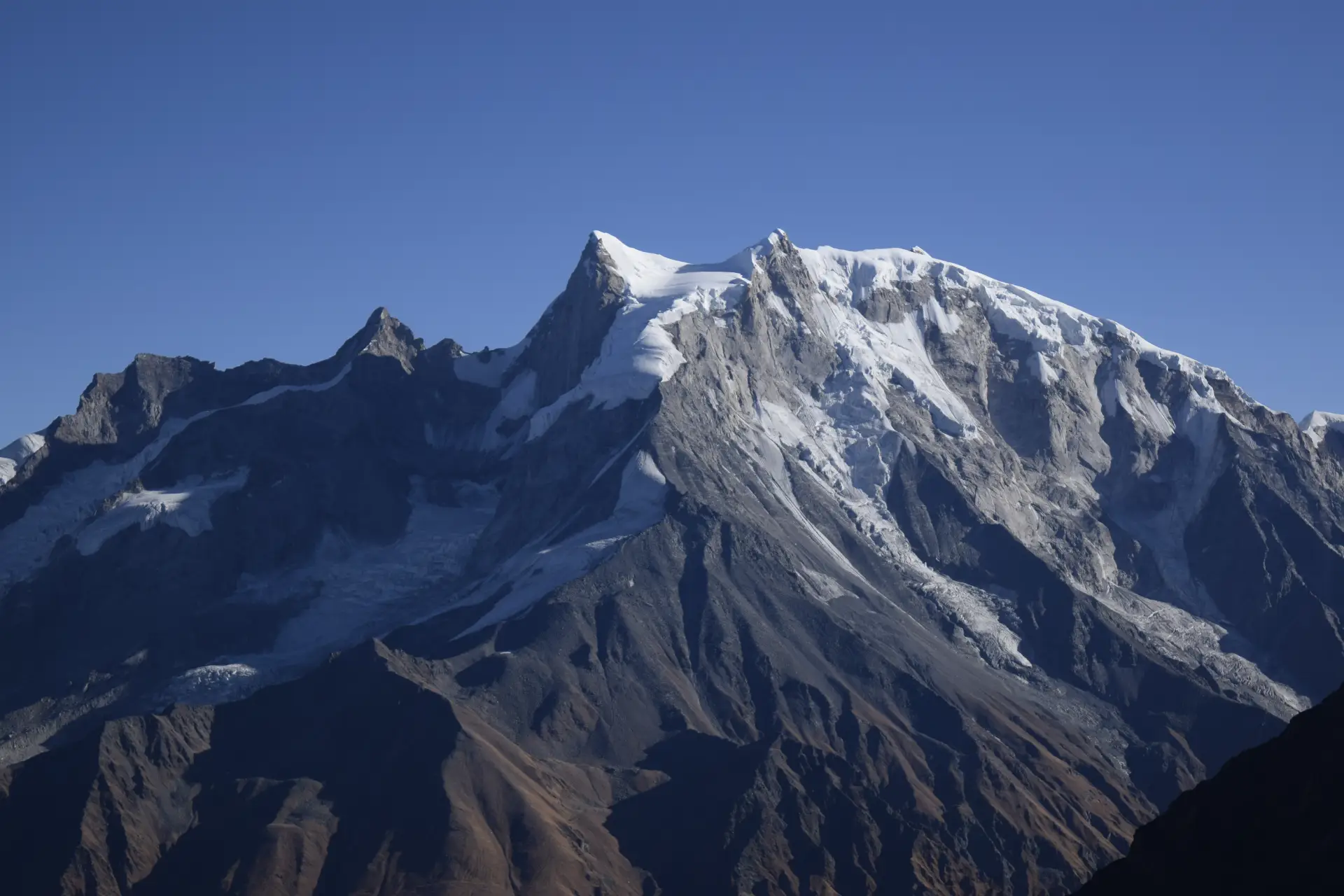
The Laya Gasa Trek in Bhutan is an utterly spectacular long-distance hike, following the Tibetan border and offering unparalleled views of some of Bhutan’s most unspoiled and magnificent landscapes. Beginning at Paro’s Drugyel, this trek winds its way through tranquil alpine valleys and breathtaking mountain passes, offering panoramic views of iconic peaks such as Jumolhari, Jichu Drake, and Tsherim Gang. As you journey through the remote and picturesque village of Laya, you’ll experience first-hand the rich traditions and culture of the Layap people as you spot wildlife such as blue sheep and Takins along the trail. At Gasa, a relaxing soak in natural hot springs offers a soothing conclusion to your trekking adventure.
Short Drive, Begin Trek
The path continues along Pa Chhu (Paro River), weaving its way up and down forests of pine needles, oak leaves, and spruce needles. A delicious lunch will be provided once crossing over onto the river’s left bank via the bridge; after lunch, continue walking alongside the river, passing rhododendron forests, then crossing the bridge again on the way upstream towards the campsite situated at elevation 3750m.
Today’s trek may not be long, but it will require significant elevation gain as you climb above treeline. After following our camp trail to an army camp and further along the riverbanks, enjoying breathtaking views of surrounding mountain peaks along the way. Passing through a muddy area and a mani wall, you will enter yak territory for a hot lunch at a herder’s camp. Your journey then continues past herder settlements as well as fields of barley, potatoes, and turnips before trekking across a plateau and stream bed to reach Jangothang campsite at 4040m altitude, with stunning views of Mount Jumolhari and Jichu Drake from this idyllic campsite.
Today, embark on a four-hour acclimatization hike north of camp along an expansive, open slope without an obvious trail. Your climb will be rewarded by stunning views of Mt Jichu Drakye, which stands tall at 6989m. Are you feeling adventurous? Reaching 4895m and surpassing Mount Blanc will reveal an awe-inspiring view of Mount Jumolhari. Along the journey, keep a sharp lookout for rare wildlife such as blue sheep and unique plants such as Himalayan rhubarb or even the national flower, blue poppy. Once at Jangothang base, enjoy stunning vistas like Jangothang’s lush grassy expanse with remnants of an ancient fortress scattered throughout. As its altitude can take its toll, consider taking a short pause here so your body can adjust. Either way, this journey promises an unforgettable experience.
Today’s trail will follow a stream for about thirty minutes before crossing over a bridge onto the right side. From here, it ascends slowly up a ridge that offers spectacular views of Jumolhari (7314m), Jichu Drake (6989m), and Tsherim Gang (6789m). Following this route will lead you along a relatively flat terrain towards the valley before necessitating a climb to reach Ngye La pass at 4700m elevation. From there on out, it gradually slopes downward until reaching your campsite. As you take in the breathtaking panoramic vistas of surrounding peaks and the ancient Lingshi Dzong, take time out for a side trip to see this charming fortress atop a hill overlooking Lingzhi village – historically, Lingshi Dzong served both Buddhist pilgrims as well as protected against Tibetan and Mongol invaders. Your campsite for tonight will be at an elevation of 4010m.
Lingshi Dzong sits atop a hilltop, offering breathtaking vistas of lush hills, winding rivers, and majestic peaks. Historically, it served as a stopover point for Buddhist travellers as well as protecting against Tibetan and Mongol attacks. Today, visitors can enjoy strolls through nearby villages while keeping an eye out for yak herders at work; following lunch, take a short walk towards Chebisa to view a stunning waterfall before camping beside a stream at 3850m elevation!
Beginning your trek by ascending a steep ridge towards Gogu La pass (4500m), which should take about four hours. Along the way, you might catch sight of rare blue sheep near its summit. Following Gogu La, descend along a trail lined by Rhododendron bushes until reaching lunch at an appointed spot. Following lunch, your journey continues through various inclines and declines until reaching Shakepasa at 3980m where crossing streams, walking through Rhododendron forests, yak herder camps before reaching Shakepasa at an elevation of 3980m before ending up steeply ascending to reach a campsite near a stream at 4250m – arriving there overnight at 4250m!
Today’s journey begins by walking along an idyllic edelweiss-lined path and climbing to reach Jari La pass at 4700m, overlooking Kangbum peak, rising 6526m to the southeast, before descending to Tsarijathang valley, which provides summer habitat for Himalayan Takins, Bhutan’s national animal. Be wary when crossing streams without footbridges, as these may get washed away quickly! Once crossed, head left along the trail which ascends until reaching Robluthang campsite at 4200m altitude.
Today will be an exhilarating journey as you cross our trek’s highest pass. Your route will wind upward through marshy areas, crossing streams, and taking in stunning sights such as marmot holes and moraine formations along the way. Once at the summit of Shingchen La pass at 5005m, you’ll be treated to an unforgettable view of Gangchenta, better known as Tiger Mountain, at 6840m dominating the northern skyline. As you descend through a rugged rocky path along a moraine river valley to Kango Chhu River, narrow trails may necessitate wading through streams again, and cedar forests will eventually lead you to Lingmithang at 4140m for camping amidst meadows by the river and views of Tiger Mountain towering overhead.
Morning will greet you with breathtaking views of Gangchenta Peak. Your journey to Laya will be delightful as you pass through a lush forest rich with moss and birds chirping away – traversing this uninhabited valley can be quite the trek! Along the way, you will come upon an idyllic waterfall. At a junction, taking the upper route will bring you past fields dotted with stone houses before arriving at an elevation of 3800m at Laya village – one of India’s second-highest settlements. Take time to explore the village and visit some local houses, where you will be warmly welcomed with traditional Bhutanese hospitality, including tea and Chang (local wine). Women wearing conical bamboo hats adorned with turquoise and silver ornaments will delight. Spend the night at one of Laya’s farmhouses.
Travel down to the military camp and connect with Mo Chhu, also known as Punakha’s Mother River. Follow its course until reaching a bridge. Once across the bridge, you must navigate several ups and downs through dense forests of juniper and fir until arriving at Koena at an elevation of 3800m. Here you will meet your vehicle and driver, who will transport you onward to Gasa village. Your journey takes you through forests of fir, spruce, and rhododendron as you descend approximately 1250m until reaching Gasa. At Gasa, you can relax in the Tshachu hot spring located below camp – this will be a wonderful way to soothe any muscle soreness after a lengthy hike! When your trek concludes today, you’ll drive straight on to Punakha Valley.
Start your adventure in Shana, a picturesque village near Paro, after landing at Paro International Airport via flights from major cities such as Kathmandu, Delhi, or Bangkok. A scenic 1–2-hour drive will bring you directly to Shana, where your trek will start; Gasa Hot Springs marks its conclusion, from which Punakha or Thimphu await – both vibrant destinations.
From April to June, the landscape changes into an exciting tapestry of blooming rhododendrons and lush meadows beneath brilliant blue skies. Later in September to October, however, the region experiences its ideal climate: refreshing air with breathtaking mountain vistas.
Operations Manager
Nanda Rawat holds a Master’s degree in Tourism & Hospitality and brings over 16 years of experience in adventure and leisure travel. He has led multiple Himalayan expeditions, contributed to ATOAI, and is trained in first aid by the Indian Mountaineering Foundation. A strong supporter of sustainable and ethical tourism, he plays a key role at Trekup India. Write to him at: nanda@trekupindia.com