The Floral Jewels of the Himalayas
Maximum Altitude
14,100 ft.
Trek Duration
5N / 6D
Trek Distance
40 Km
Trek Distance
40 Km
Start/End Point
Rishikesh
Nearest Airport
Jollygrant Airport, Dehradun
Best Season
Monsoon (July, August & September)
Accommodation
2 Night in hotel & 3 Night in guesthouse
Meals
Breakfast, lunch, evening snacks and dinner
Permits
Forest Department & Trekking permit
Temperature
12°C to 20°C (day) ; 3°C to 10°C (night)
Snow
November to May
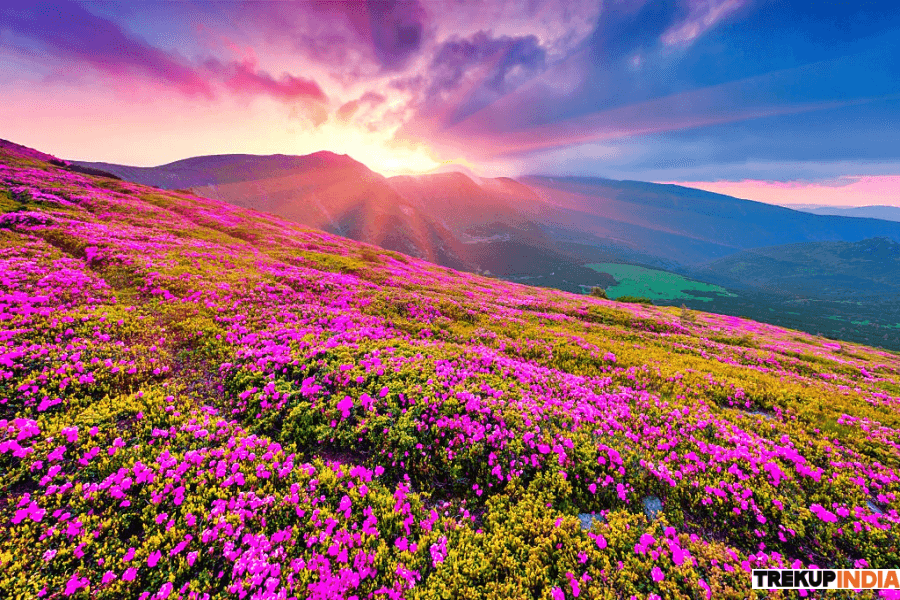
The Valley of Flowers trek is a UNESCO World Heritage Site that is both a pilgrimage and an exploration of one of the most beautiful destinations in the world. The Greater Himalayan region, where you’ll find yourself trekking, has steep, rugged mountains with steep cliffs that drop sharply down into stunning valleys filled with flowering plants and trees. The Valley of Flowers is an area filled with numerous species of flowers, including the sacred Brahma Kamal and the elusive Blue Poppy, and is famous for its variety of colors that change each week as seasonal blooms appear in the valley after the monsoon rains. The trek itself is a gradual ascent into what is referred to as a transition zone between the Zanskar and Greater Himalaya ranges. Along the path, you will trek through thick, daily mist from the Pushpawati River; smell the sweet perfume of wild balsam all around you; and notice how some snow on the mountains above slowly melts away as you ascend to where it was held. The flowers, shrubs, and grasses of this region are some of the most beautiful in the world, and they grow here because of the seasonal weather conditions of the Himalayan mountain range. The landscapes in this region change each week as invasives move in and out of the area and as new species appear in the valley after the monsoon rains, providing you with a unique, once in a lifetime opportunity to see a fragile ecosystem that has not been damaged by human beings. The valley is home to many ancient species of trees, and the jagged peaks of the Chamoli mountains are always visible in the distance, providing a constant reminder of the timelessness of the region.
This is not just another trek in the mountains; when you take the Valley of Flowers Trek, you are participating in a multi-sensory experience of a rare high-altitude botanical wonderland, one of the most protected and pristine environments on Earth. The beauty of the valley is created by a symphony combining rare ecological attributes, dramatic glacial topography and a feeling of passing time, which accompanies each step of the way.
1. The Living Kaleidoscope of Seasonal Change
One of the most impressive attributes of the trek is its continually changing physical appearance; that is the valley floor changes its entire colour scheme every 10 to 15 days. Instead of a static mountain trail, the valley floor reacts to the monsoon rainfalls and changes colours from creamy whites to electric blues to deep purples, creating a sense of brief beauty. Therefore, every time people trek through the valley, they encounter it differently with no other group having the same experience of the valley. Each group has a different view of nature’s beauty because the valley constantly changes.
2. A Unique Botanical Sanctuary In The Himalayas
This UNESCO World Heritage site is in an elevational transition zone between the rugged peaks of the Zanskar Range and the Great Himalayas, making this high-altitude sanctuary an incredible botanical treasure for wildlife enthusiasts. The rare flora includes over 500 species of wildflowers, including many endemic species with medicinal properties such as the Blue Poppy and the Brahma Kamal. Wandering through a globally significant microclimate, trekkers will trek through an area with a plethora of plant life not found anywhere else on Earth; all this beauty is framed by the striking contrast of the snow-capped granite peaks and the jagged edges of the surrounding mountains.
3. A Unique Mythological And Historical Experience
The trek has a profound sense of adventure and exploration that is steeped in the mystry and discovery of both ancient times and times since colonization. Culturally, this area is considered to be where Lord Hanuman searched for the life-giving Sanjeevani herb, and as a result, the locals refer to the area as the Playground of the Gods. Historically, it was not until the 1931 accident that British mountaineer Frank S. Smythe discovered the area that it could be called a known sanctuary. The combination of Vedic mythology and traditional exploration has created a lost world feeling along the trail that is as alluring to the imagination as it is to the eyesight.
4. The Challenge of Both Spirit and Body
This trek is unique because it is very close to Hemkund Sahib, the highest Gurudwara at 4,329 m (14,206 ft). The trek entails a difficult and steep uphill which pushes a trekker to their physical limits. However, once you complete this strenuous trek, you will be rewarded with the sight of an incredible, crystal clear glacial lake that sits below the seven majestic snow capped peaks. The vast difference between the beautiful, flower-filled, low valley floor and the thin, spiritual air of the high altitude lake provides a stunning contrast which creates a special combination of physical pleasure and spiritual fortitude.
5. Untouched Seclusion and Complete Silence
The valley is designated as a National Park and is thus protected by strict regulations, making it one of the few areas of true, unspoiled nature left in the world today. Within the core zone of this National Park, there is no overnight camping or permanent human habitation. All trekkers must exit the park by sunset and this provides a very unique opportunity for the valley to repair itself overnight from the effects of people being there during the day; returning to its wild state allows you to feel very fortunate to be a trekker in this ancient, unspoiled kingdom.
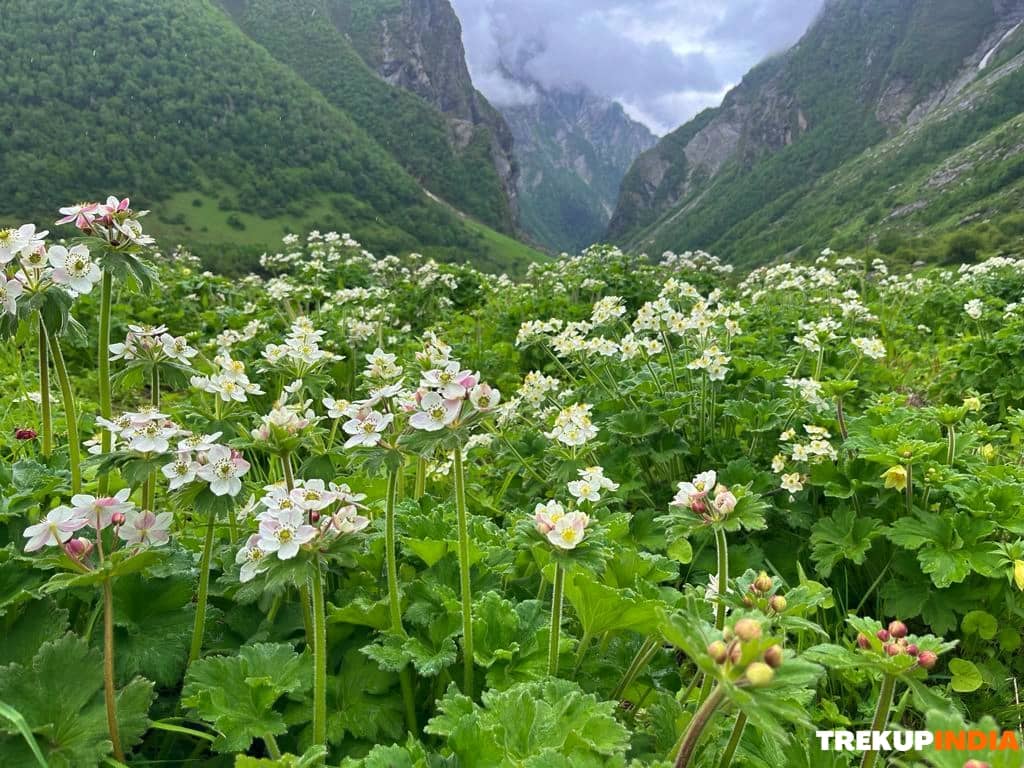
One of the great things about this trek is that it is a very highly restricted area, allowing for peace and quiet as you enjoy this incredible valley. The valley does not allow overnight camping, meaning that you can only trek into the valley, and out, by sunset. This is the Cinderella effect, where you have a limited amount of time to enjoy the valley’s floral beauty before the fairies of the valley reclaim it. The valley is clean; there are no tents, no trash, and no permanent buildings; therefore, it’s one of the only places where you can see the Himalayas as they were hundreds of years ago.
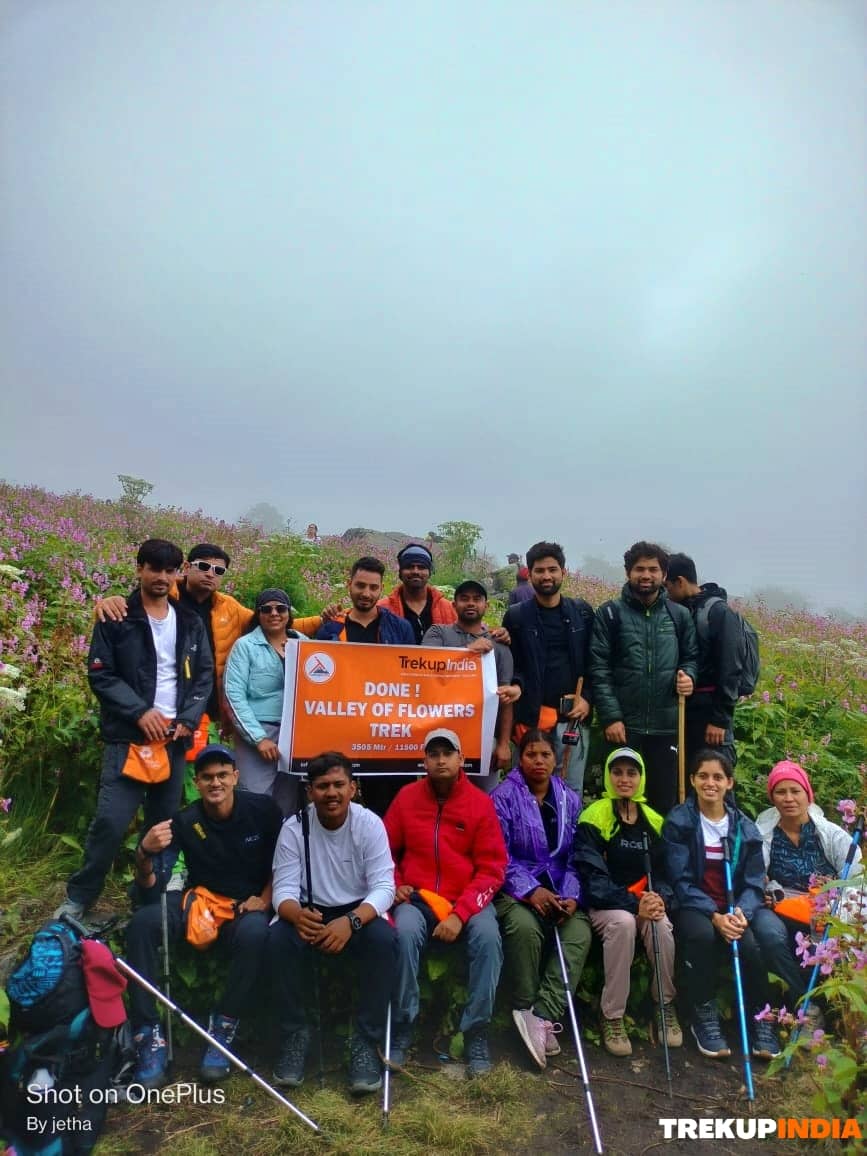
The levels of challenge you will face while trekking will come primarily due to the endurance required to endure monsoon conditions, since many areas will have wet or slippery trails that will require careful foot placement or good waterproof boots. When trekking from Ghangaria to Hemkund Sahib you will have an elevation gain of 1,100 m; the elevation gain will challenge both the ability of your lungs and the ability of your mind to withstand the effort, however the view of the glacier lake at Hemkund will make it a rewarding experience for your efforts.
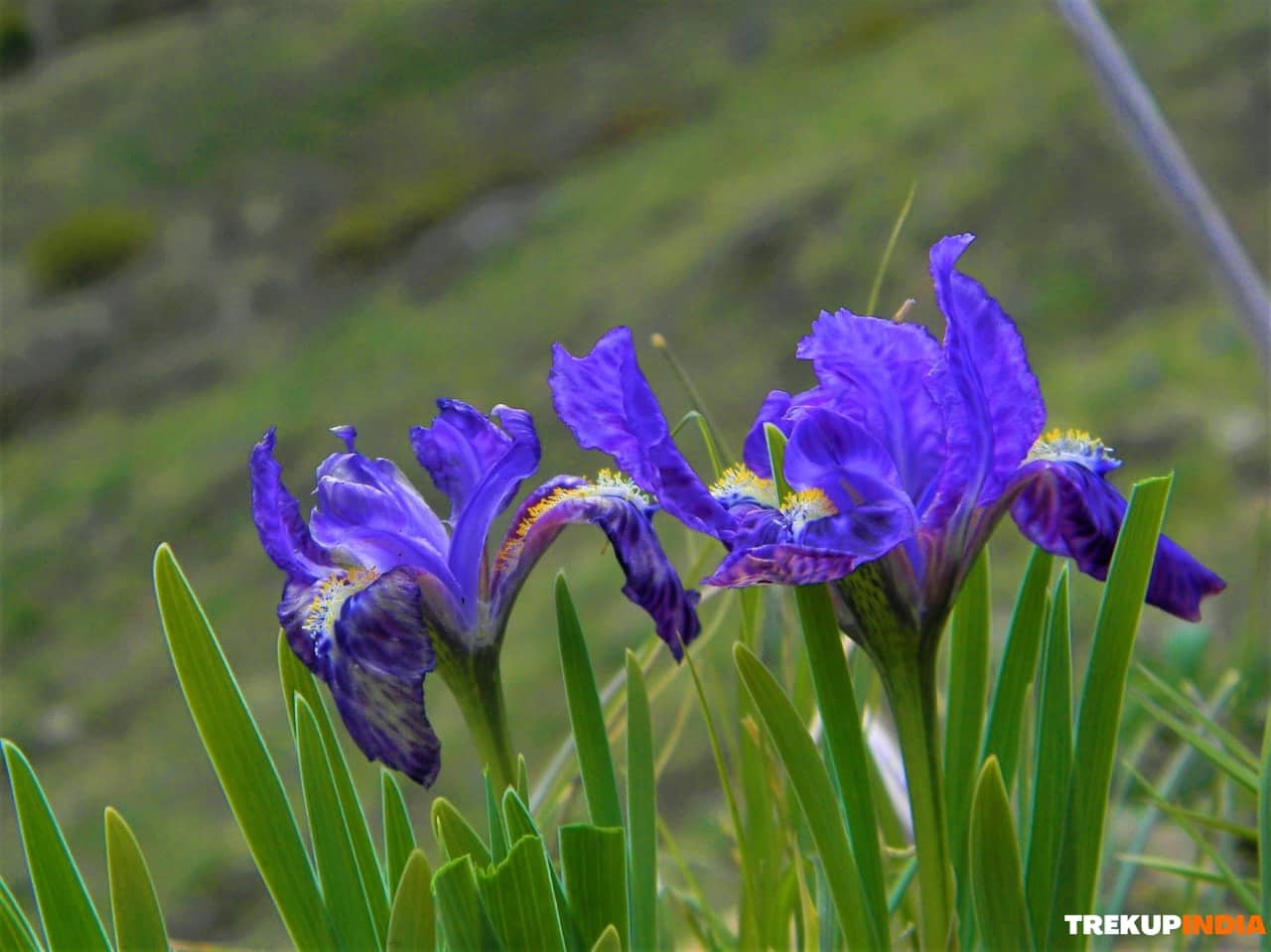
There is a reason this site has been designated a World Heritage site by UNESCO. It is referred to as an open-air museum with over five hundred different species of flowers; amongst these, one of a kind flowers such as Anemones, Orchids & Cobra Lily are displayed. The park also acts as a sanctuary for endangered / rare species of wildlife. When you take your time and remain quiet, you may witness the Himalayan Musk Deer, Yellow-Throated Marten, and high-altitude birds - Himalayan Monal.
On the trek you will be provided an opportunity to see how the Garhwali people live their everyday lives and the strong resiliency of their character. The village of Ghangaria is a seasonal village that only comes to life during the trekking months. You will also get to experience the culture of the many Sikh pilgrims who trek to Hemkund and the many residents of the village who provide transportation for the pilgrims using mules or work at tea stalls where the hospitality is provided in a warm and welcoming environment through a hot plate of Rajma Chawal or hot ginger tea; a nice, human touch, in contrast to the rough and harsh place that the Himalayas can in some cases provide.
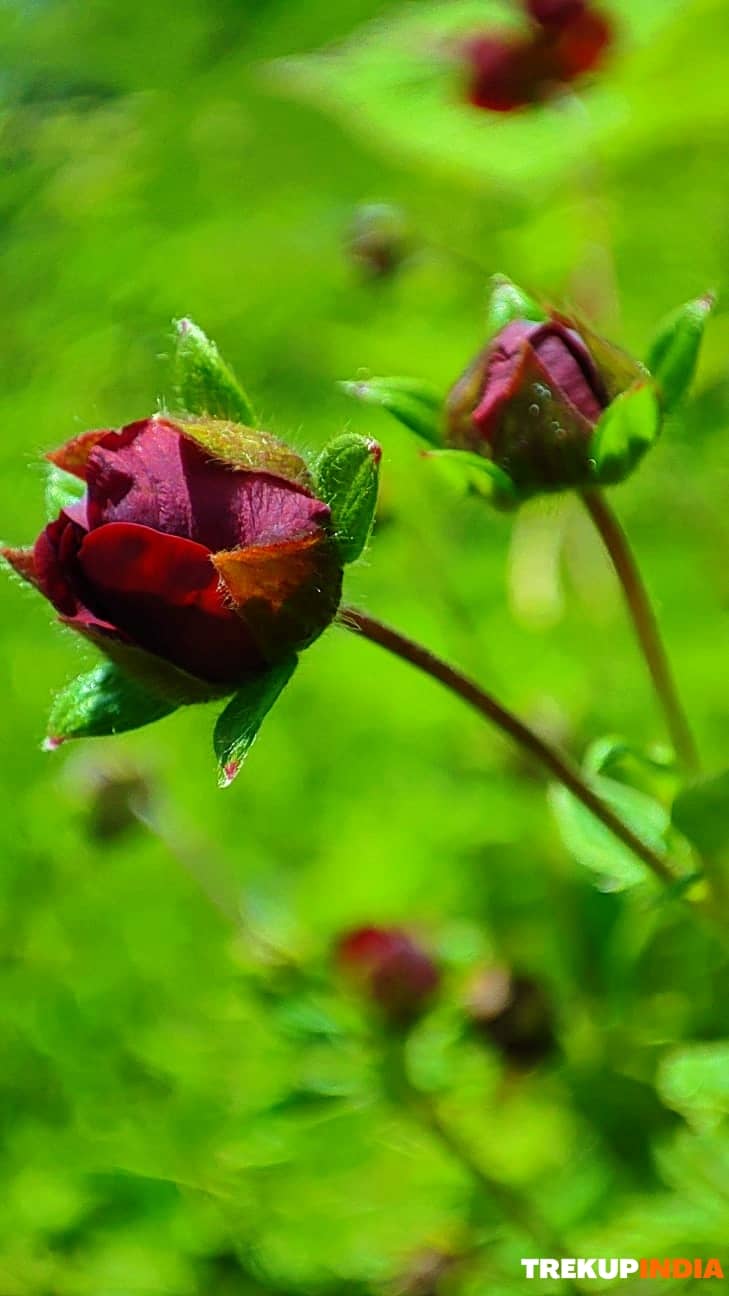
The optimum time to trek through the Valley of Flowers is between the months of July and September as this time coincides with the annual monsoon that transforms the valley into a sea of colourful flowers during the peak blooming season (August) when there are thousands of flowers in full bloom. July is known as the awakening as all of the flower beds come alive with greenery and early showings of some of the most beautiful primrose flowers after the melting of the snow. Peak blooming occurs during the month of August in the valley when all of the flowers are at their peak and there is a huge display of flowers including the famous Himalayan Blue Poppy in the misty, atmospheric weather for an even greater display of beautiful flowers. September is known as the Golden Farewell as all of the flowers are still on display but it is much clearer to see the mountains as we are able to see many of the trees; into their fall colours; before the valley is closed for the winter.
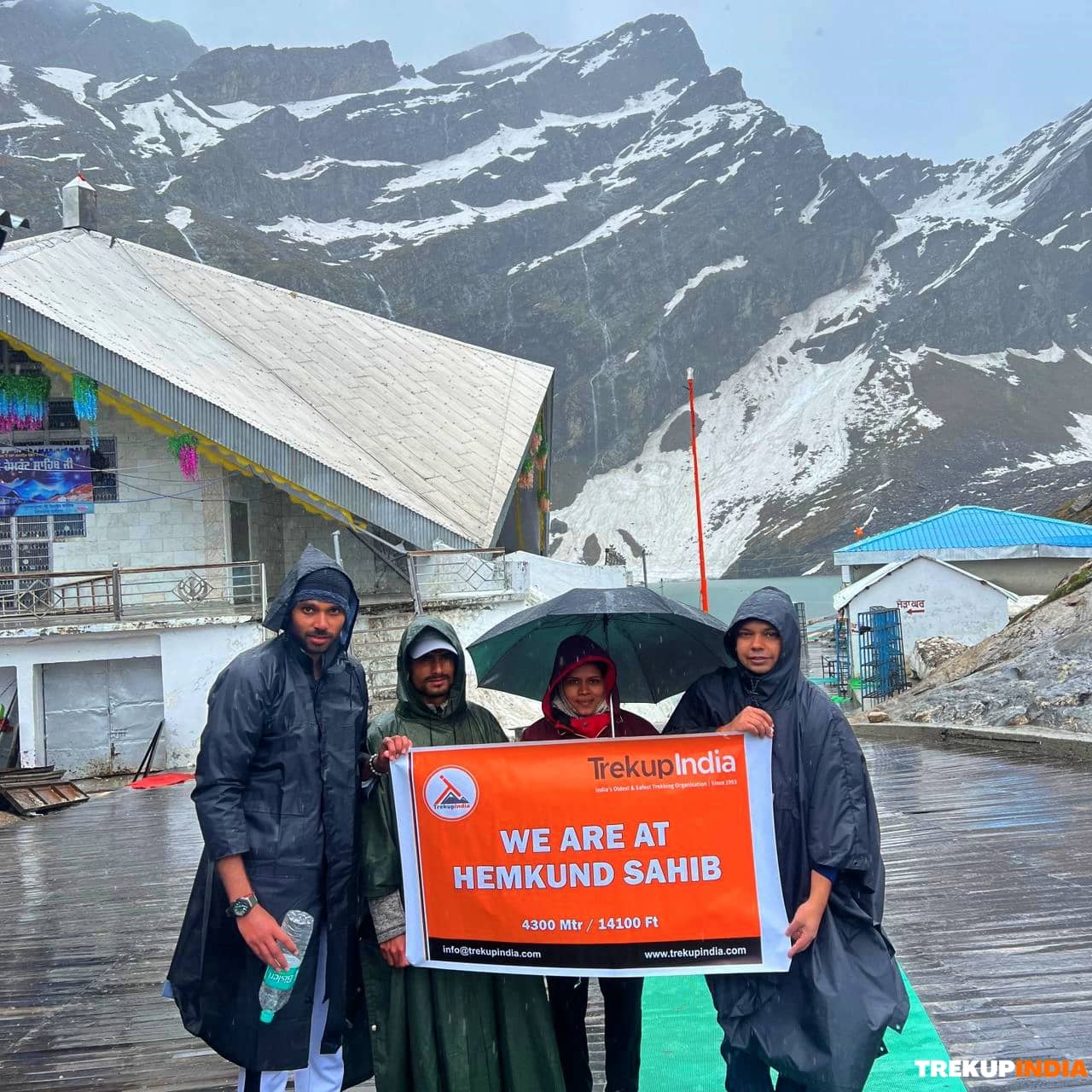
The peak experience of this trek is the challenge of taking a very steep, 6-kilometer trek to Hemkund Sahib, the highest Gurudwara in the world. Once again, it was the combination of the challenge and vastness of Hemkund Sahib that created such an other worldly experience. The magnificent beauty of a crystal clear lake reflecting 7 peaks does not, by itself, create the experience of being at Hemkund. From the beautiful fragrance of the rare Brahma Kamal flower that only grows at the extreme altitudes of Hemkund to the cool crispness of the dry thin air, to the wonderfully meditative sound of chanting and the joy of accomplishment, the culmination of all of these experiences combine to create a very intense peak experience.
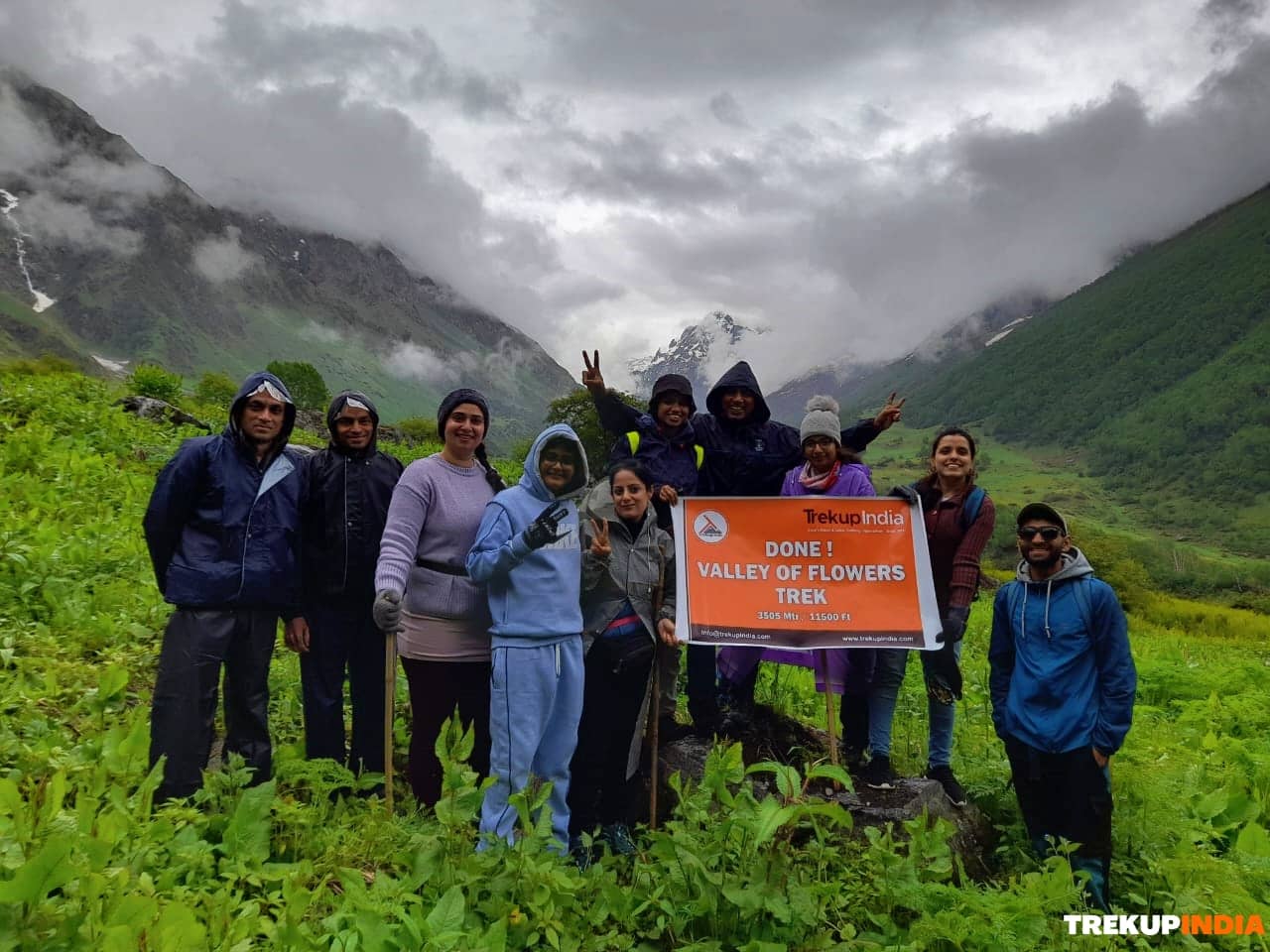
The contrasting landscape of Bhyundar Valley and the Pushpavati River flowing through it are two magnificent examples of a master class in scenery. In the lush green environment of the Bhyundar Valley, the flowing acutely contrasts with the snow capped peaks of Rataban and Nilgiri Parvat as they frame the open, huge, glacial basin filled with a vast expanse of colourful floral meadows. The two different types of landscapes also provide a unique type of visual anomaly; they create both an intimate feeling as well as one of infinity.